Chinese Fermentation
A History
Ancient Accidental Discoveries
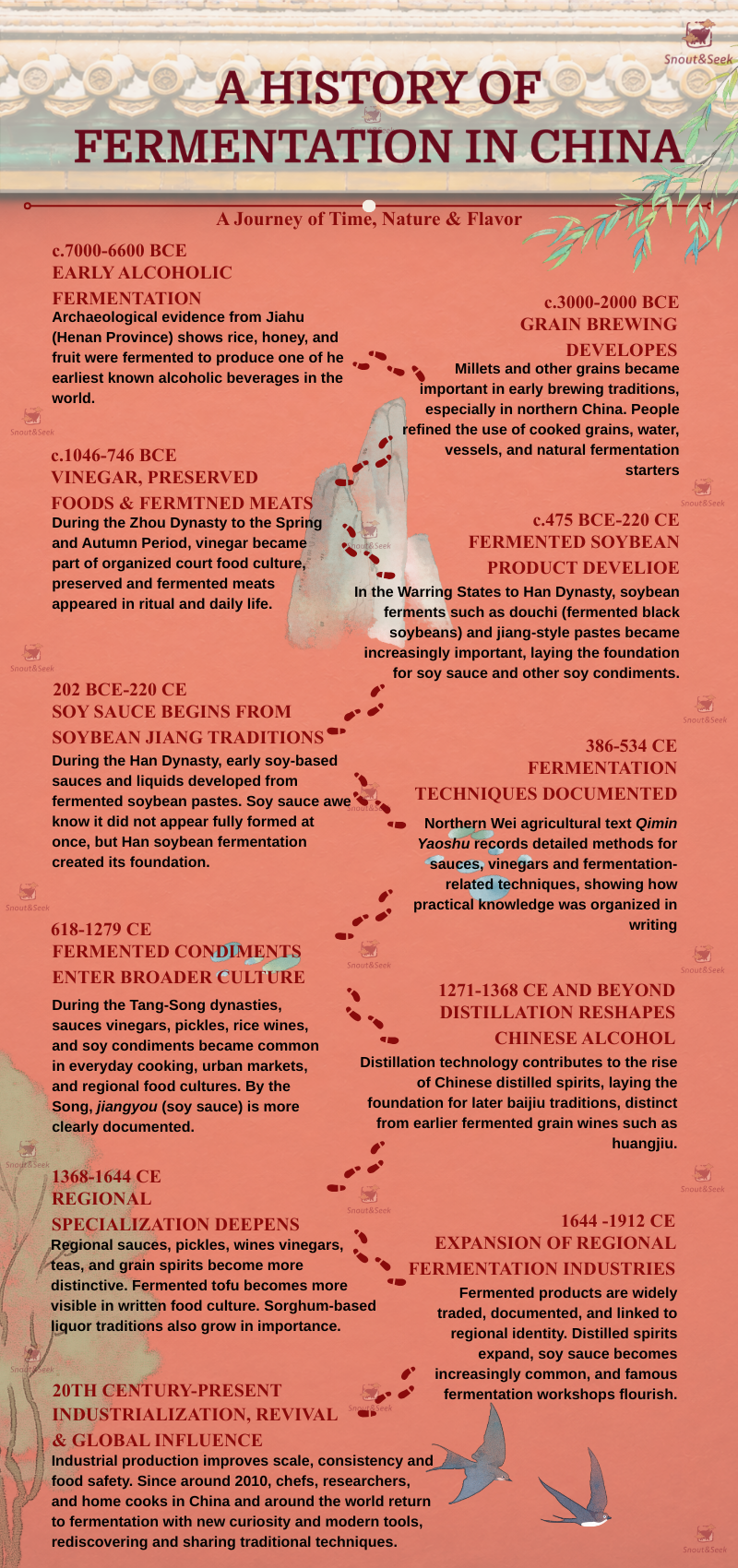
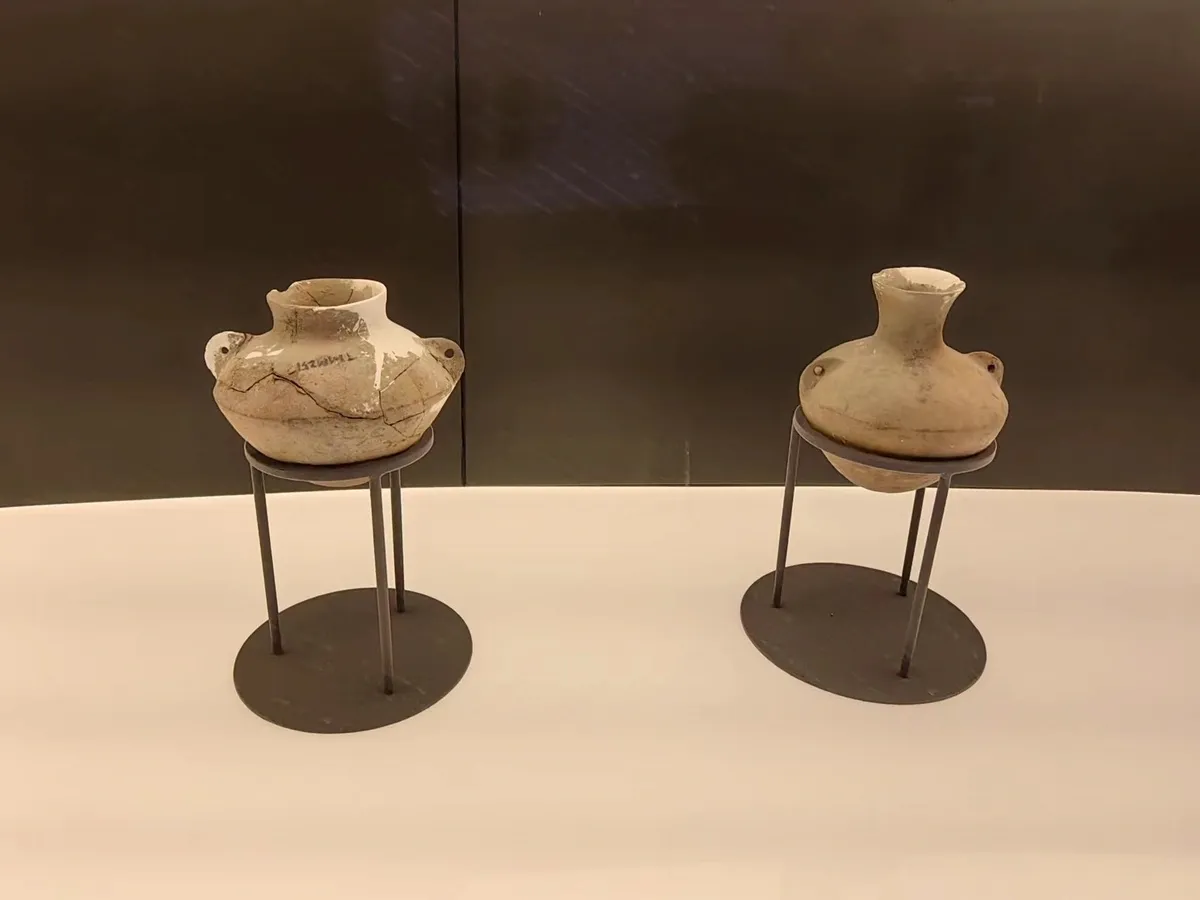
In China’s Neolithic period, people likely discovered fermentation by chance. Early farmers stored grains and fruits in pottery, and wild yeasts and molds naturally transformed these starchy or sugary foods into alcoholic beverages. Chemical analysis of pottery from Jiahu (c. 9000–7000 BCE) shows that rice, honey, and fruit were intentionally fermented to make mixed fermented beverages long before written history.
Alcohol Becomes Vinegar
One traditional legend about vinegar’s invention involves Du Kang (杜康), a mythic figure credited with inventing Chinese alcohol. According to folklore, his son Hei Ta discovered vinegar when a batch of wine was left to ferment far too long, turning it sour but fragrant rather than spoiled. While this story is likely apocryphal, it reflects how ancient people understood fermentation by observing changes in taste and aroma over time, and linked vinegar to wine fermentation technology.

Vinegar’s Ceremonial Beginnings
By the Zhou dynasty (1046–256 BCE), vinegar had become such an important fermented product that official titles like “xiren (醯人)” were created to oversee vinegar production for court banquets and sacrifices, showing how early fermentation moved from accidental to institutionalized cultural practice.
Understanding Fermentation Before Microbiology
Ancient Chinese brewers didn’t know about microbes, but they learned through observation that leaving grains or juices in certain conditions produced desirable flavors while others didn’t. For example, storing grain mash in pottery jars with specific molds on them (what later became known as qu) would reliably produce consistent alcohol, long before modern microbiology explained why.

Sour Foods Become Staples
Fermented vegetables were historically discovered by necessity — vegetables and greens that would spoil in warm weather could be preserved through salt and brine, developing tangy, sour flavors that surprisingly improved with time. Communities quickly realized that sour lacto-fermented vegetables like proto-paocai were not only safe to eat but added appetite-enhancing flavors to meals, especially in seasons when fresh produce was scarce.
Early Brewing Know‑How Spread by Observation
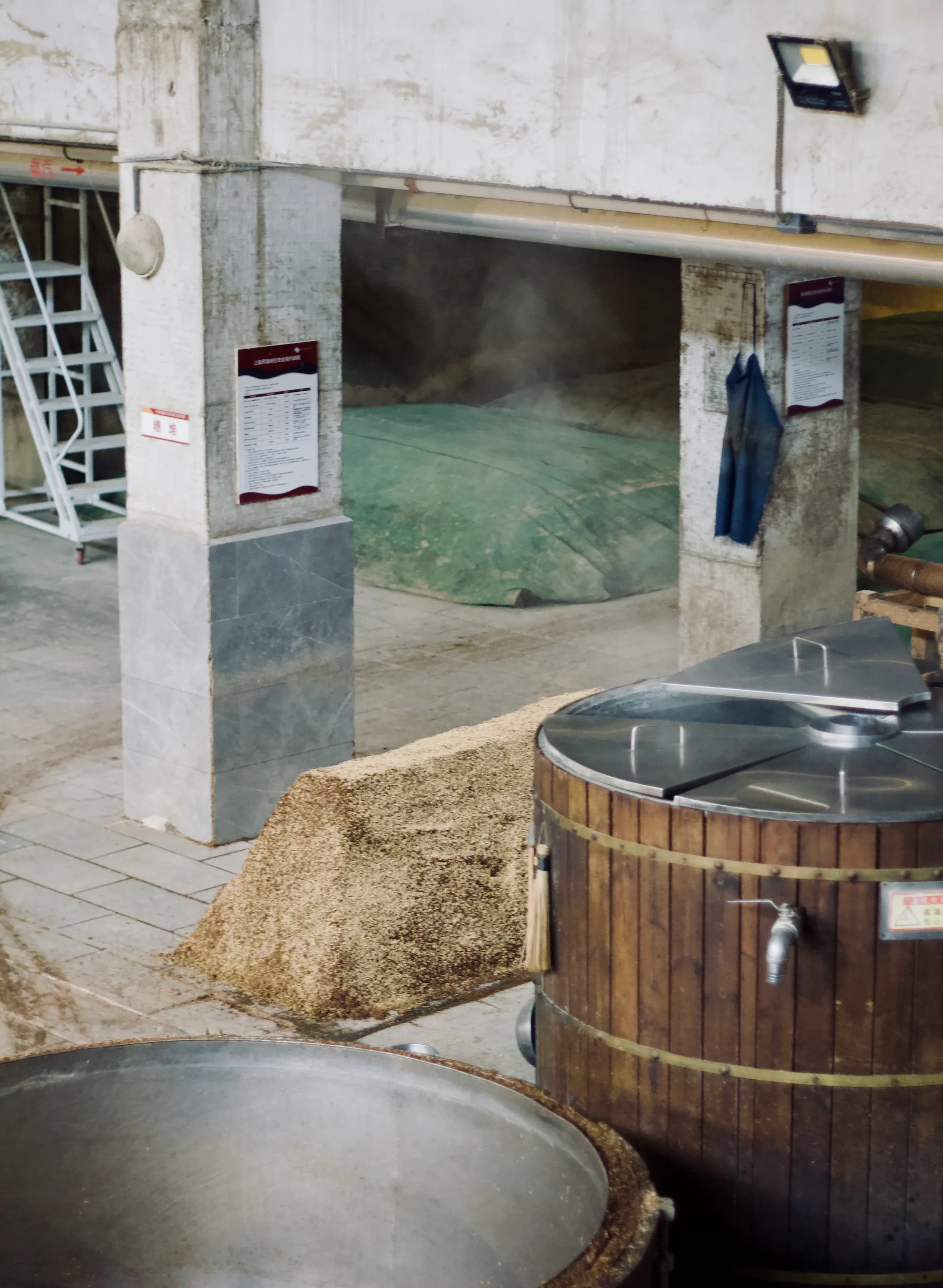
Chinese brewing traditions using qu starters (a mold/yeast culture that saccharifies starch and initiates fermentation) were developed empirically over generations. People noticed that moldy grain allowed the conversion of starches into sugars, and these in turn would ferment into alcohol — a big step toward controlled fermentation long before scientific explanation existed.

Famous Fermentation
Notable Figures in Chinese Fermentation
Unlike many other innovations, the story of fermentation in China is largely shaped by families, local masters, and communities rather than single famous individuals. Recipes for doubanjiang, soy sauce, baijiu, paocai, and other ferments were carefully passed down through generations, making household cooks and regional brewers the true custodians of this craft.
Over time, certain local masters gained regional renown for their exceptional skills, guiding others in production and influencing broader culinary practices. Folklore also celebrates legendary figures, such as Du Kang, credited with the invention of alcohol and, by legend, the accidental discovery of vinegar, highlighting how practical discoveries became cultural touchstones. Collectively, these families, communities, and folk heroes shaped the evolution of fermentation across China, blending hands-on experimentation with tradition, observation, and care.
Evolution Over Time
- Techniques have evolved from open-air, household fermentation to controlled industrial production, improving food safety, consistency, and scalability while preserving traditional flavors.
- Modern scientific understanding of microbes has also allowed new innovations, such as fruit wines, artisanal paocai, and hybrid fermented products.
Famous Ferments
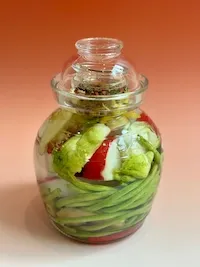
Tangy, crisp vegetables fermented in seasoned brine. While Sichuan paocai is often spicy and layered in flavor, Northeast paocai (suancai) is milder, perfect for winter meals, and preserves cabbage and radish for months.

Spicy, salty paste made from broad beans and chilies. Essential to many Sichuan classics like mapo tofu.

Strong grain-based liquor, aged and blended for complex aroma. Central to festivals, rituals, and regional culture.

Fermented soybeans provide xianwei (umami) and depth. Regional variations range from light northern styles to darker southern types.

From the sweet Zhenjiang vinegar, and sour Shanxi vinegar, to Sichuan vinegar that compliments stir fries, each adds acidity and richness to Chinese cooking.
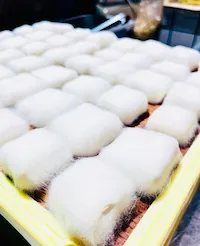
Creamy, xianwei packed cubes, often seasoned with salt, chilies or wines. Used as condiment or cooking ingredient.
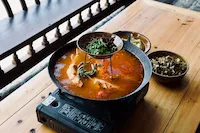
A tangy, refreshing broth made from fermented tomatoes, rice, or grains, often with chilies and local herbs. Commonly used in Guizhou hotpots and fish soups, it adds a sour note to balance rich flavors. Inspired by traditional techniques, modern chefs experiment with sour soup to create contemporary dishes.
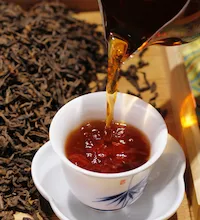
Microbially fermented tea from Yunnan. Aged for years to develop earthy, mellow flavors.
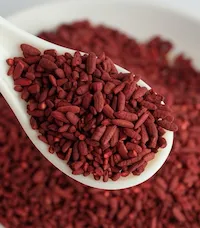
Rice fermented with red yeast or natural microbes, used to make sweet rice wines, rice vinegar, or fermented rice condiments. Popular in southern China, it adds both color and complex flavor to dishes.

The Cultural Impact of Fermentation
How Fermentation Changed the Way China Eats
- Fermented ingredients are foundational for flavor before cooking begins.
- Pickled vegetables, sauces, and pastes enable balance between saltiness, sourness, xianwei, and spice.
- Example: A Sichuan household may use paocai as an appetizer to balance spicy food, while doubanjiang forms the base of a mapo tofu.
From China to East Asia
- Fermentation techniques like qu starters, soy paste, and rice wine influenced Korea, Japan, and Vietnam.
- Regional adaptation led to kimchi, miso, and nuoc mam, each rooted in Chinese fermentation concepts.
Chinese Fermentation Around the World
- Diaspora communities brought soy sauce, pickles, and baijiu to global kitchens.
- Modern chefs incorporate doubanjiang, fermented chili, and paocai into fusion cuisine, pasta sauces, cocktails, and plant-based cooking.
Modern Applications
- Artisan fermented foods and beverages are popular in culinary education and high-end restaurants.
- Fermentation is used for sustainability: preserving local ingredients, reducing waste, and exploring new flavors.

Key Regions
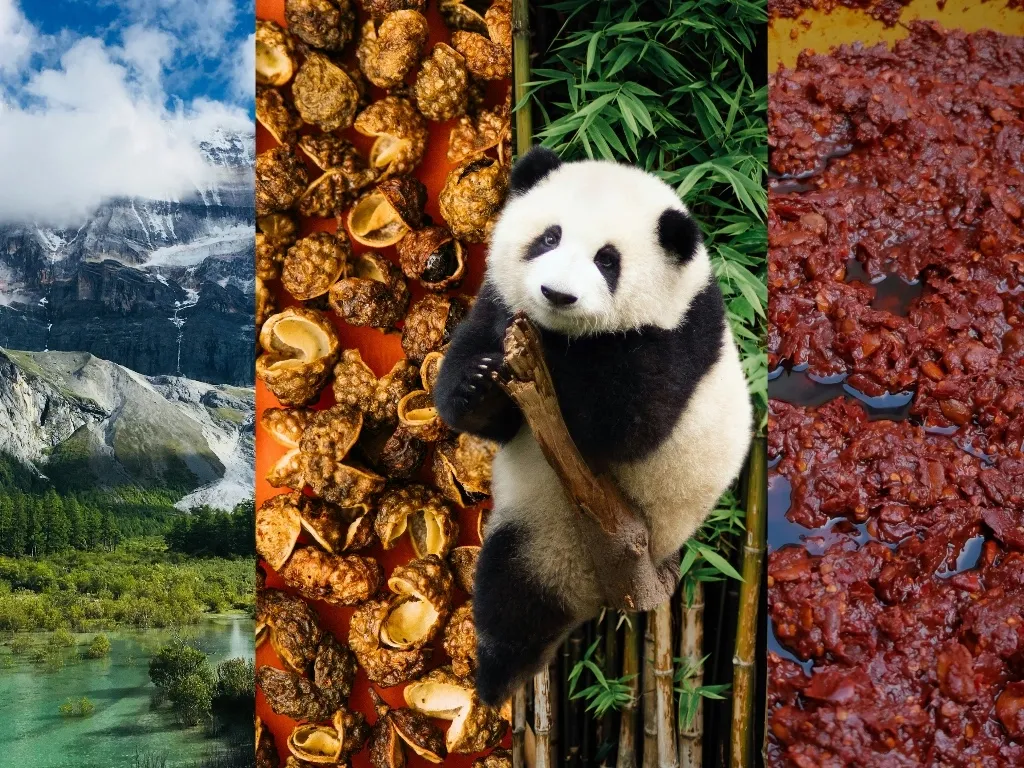
Sichuan
Basin Climate • Fermentation Heritage • Preserved Flavors • Microbial Richness
COME LEARN IN PERSONLocation Characteristics
A fertile basin surrounded by mountains, Sichuan’s warm, humid climate creates ideal conditions for microbial activity and year-round fermentation. Rich agriculture and access to salt (from wells) have long supported a strong preservation culture.
Historical Significance
Sichuan is one of China’s most influential fermentation regions, known for developing iconic traditions such as paocai, doubanjiang, douchi, and strong-aroma baijiu. Fermented seasonings became deeply woven into everyday cooking and regional identity.
Local Fermentation Techniques
Salt-brine pickling, sun-aged bean pastes, earthen jar fermentation, and mud-pit liquor fermentation are central to Sichuan’s approach. Many techniques rely on humidity, time, and carefully maintained microbial environments.
Notable Ferments
Pixian Doubanjiang, Paocai, Baijiu, Soy Sauce, Vinegar, Sichuan Cured Sausages
Advantages and Characteristics
Sichuan fermentation is known for creating depth, aroma, and balance. Fermented ingredients add layers of xianwei (umami), spice, sourness, and richness, forming the backbone of many classic Sichuan flavors.
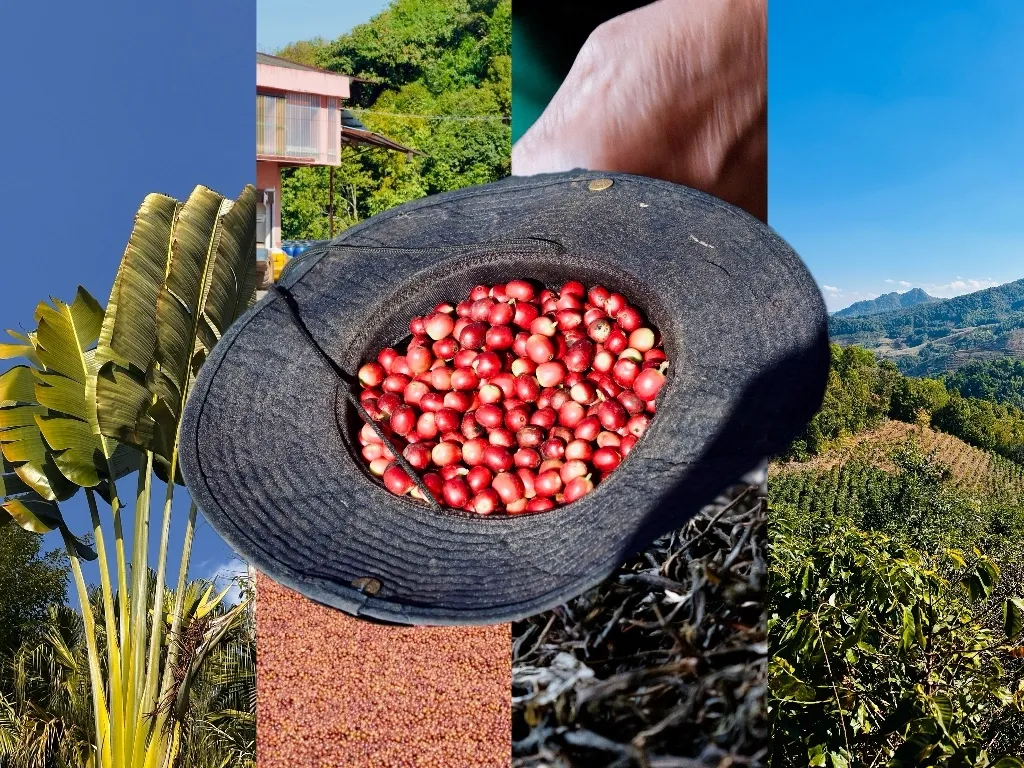
Yunnan
Biodiversity • Mountain Microclimates • Ethnic Knowledge • Wild Fermentation
Location Characteristics
Marked by dramatic mountains, high elevations, and extraordinary biodiversity, Yunnan’s varied microclimates create ideal conditions for diverse forms of fermentation. Its subtropical to temperate environments support a wide range of grains, tea, fungi, and preserved foods.
Historical Significance
Home to many ethnic communities with distinct culinary traditions, Yunnan developed a rich fermentation culture shaped by geography, trade, and local knowledge. From fermented tofu and preserved vegetables to aged teas and cured meats, fermentation has long played an important role in everyday life.
Local Fermentation Techniques
Wild fermentation, sun drying, rice-based starters, and long natural aging are common across Yunnan. Many techniques rely on local microbes, seasonal rhythms, and traditional knowledge passed through generations.
Notable Ferments
Pu’er Tea, Xuanwei Ham, Fermented Tofu (Furu), Fermented Vegetables, Ethnic Rice Wines, Coffee, Dairy Products (Rushan & Rubing)
Advantages and Characteristics
Yunnan fermentation is shaped by biodiversity, elevation, and cultural diversity, producing flavors that are often earthy, aromatic, bright, and regional. Traditional techniques continue to evolve alongside newer fermentation practices such as specialty coffee processing.
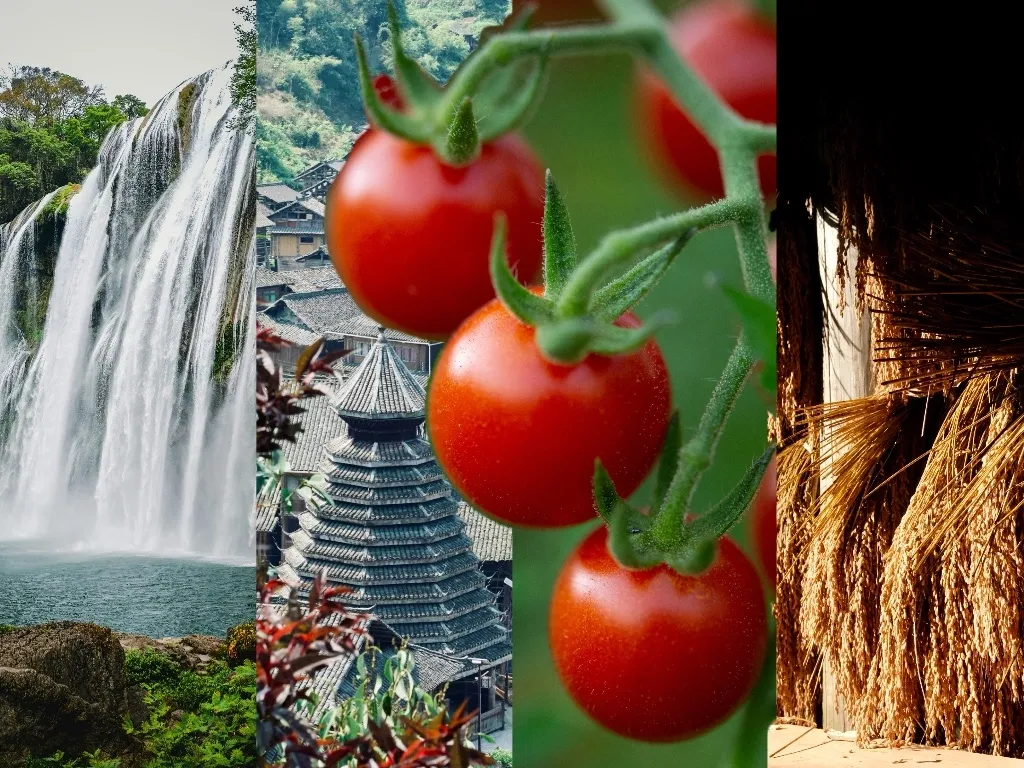
Guizhou
Humidity • Sour Traditions • Mountain Microbes • Grain Fermentation
Location Characteristics
Defined by misty mountains, karst landscapes, and a humid climate, Guizhou provides an ideal environment for microbial fermentation. Its river systems, mineral-rich environment, and highland agriculture support grain cultivation and preservation traditions.
Historical Significance
Guizhou has long been known for its deep fermentation culture, particularly through sour foods, fermented chilies, and grain spirits. Influenced by Miao, Dong, Buyi, and other ethnic traditions, fermentation developed as both a preservation method and a defining part of regional identity.
Local Fermentation Techniques
Lacto-fermentation, salt-brine pickling, solid-state grain fermentation, and humid aging are central to Guizhou’s food culture. These techniques shape sour soup, fermented vegetables, pickled chilies, and sauce-aroma baijiu, relying on time, local microbes, and carefully maintained starter cultures.
Notable Ferments
Sauce-aroma Baijiu (Moutai), Sour Soup and Fish, Fermented Chilies, Pickled Vegetables, Fermented Soybeans (Douchi), Rice Wines
Advantages and Characteristics
Guizhou fermentation is known for bold acidity, deep aroma, and strong regional character. Humidity, microbial richness, and a long tradition of sour preservation create flavors that are complex and deeply tied to local food culture.
Earliest Records
Fermentation in China dates back to at least 7000 BCE, with archaeological evidence from Jiahu showing early rice, honey, and fruit alcoholic beverages. Early Neolithic communities discovered natural fermentation, likely by accident, and gradually refined methods to preserve food, produce alcohol, and enhance flavor.
Ancient civilizations fermented foods to preserve them and ensure they had food year round. In addition, alcoholic beverages played social and spiritual roles. With refrigeration and the reduced need to preserve foods naturally, modern civilizations often commonly consume fermented foods for their taste and health benefits.