The Yin and Yang of Appetite
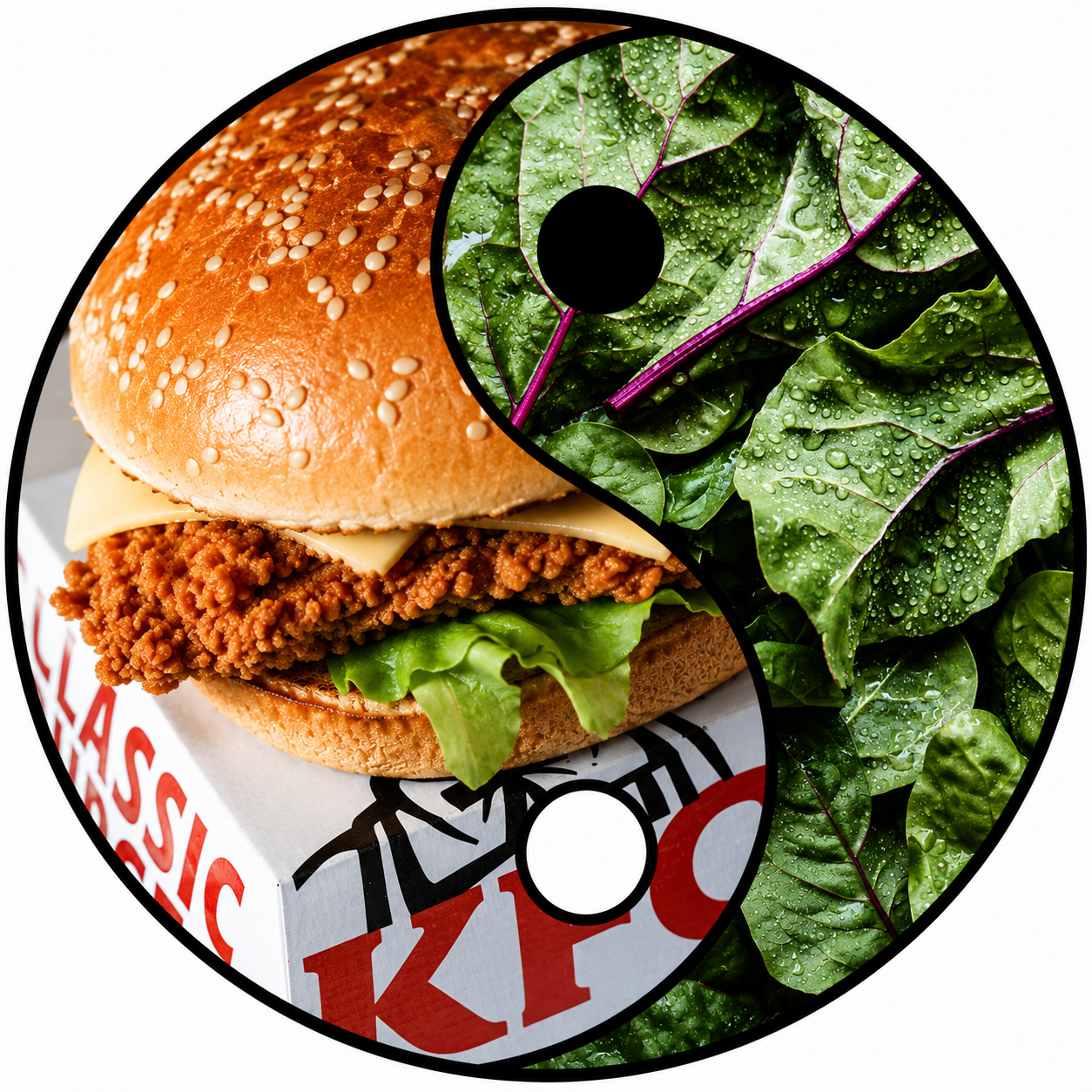
I remember the first time I took a bite of a KFC burger as a little kid. It was my first encounter with Western fast food. I can’t tell you which burger it was, or what the specific flavor was. What I do remember is biting into the soft bun and experiencing an explosion of flavors and textures unlike anything I had tasted before. The creamy burger sauce, the crispy fried chicken and the fresh crunch of lettuce all came together in a way that felt completely new to me.
From that moment on, my relationship with fast food began. A long and steady journey that continues to this day. Every now and then, I still crave it. As I started cooking for myself more often, my diet naturally became healthier, and I found myself becoming more aware of ideas like avoiding ultra-processed foods. Sometimes I wonder whether I should give them up entirely, or do what the BBC suggests and modify the recipes instead.
The truth is, I don’t want to.
I don’t think it’s necessary to eliminate ultra-processed foods completely if the rest of your diet is balanced. Instead, I think the key is to stay curious about food. We often talk about cravings as something to resist, but we rarely talk about curiosity. The excitement I felt eating that first KFC burger wasn’t just because it tasted good. It was because I had discovered a combination of flavors and textures that I had never experienced before. That curiosity is just as much a part of our appetite as comfort is.
One part of that curiosity lies in understanding what we are actually eating. When you bite into a chicken nugget, you’re not just eating chicken. You’re also consuming refined starches, industrial vegetable oils, flavorings, emulsifiers, stabilizers, preservatives and other ingredients that have been carefully formulated to create a consistent flavor, texture and shelf life. Beyond providing energy and nutrition, the crispy and juicy goodness is designed to be highly enjoyable and reliably satisfying every time you eat it.
Learning what each ingredient does and why it is there doesn’t mean you have to stop eating chicken nuggets altogether. Instead, it helps you become more conscious of your choices. If your goal is to eat a little healthier, that understanding can encourage you to enjoy those foods in moderation rather than letting your cravings make every decision.
The same curiosity can be applied to something as ordinary as a bottle of soy sauce.
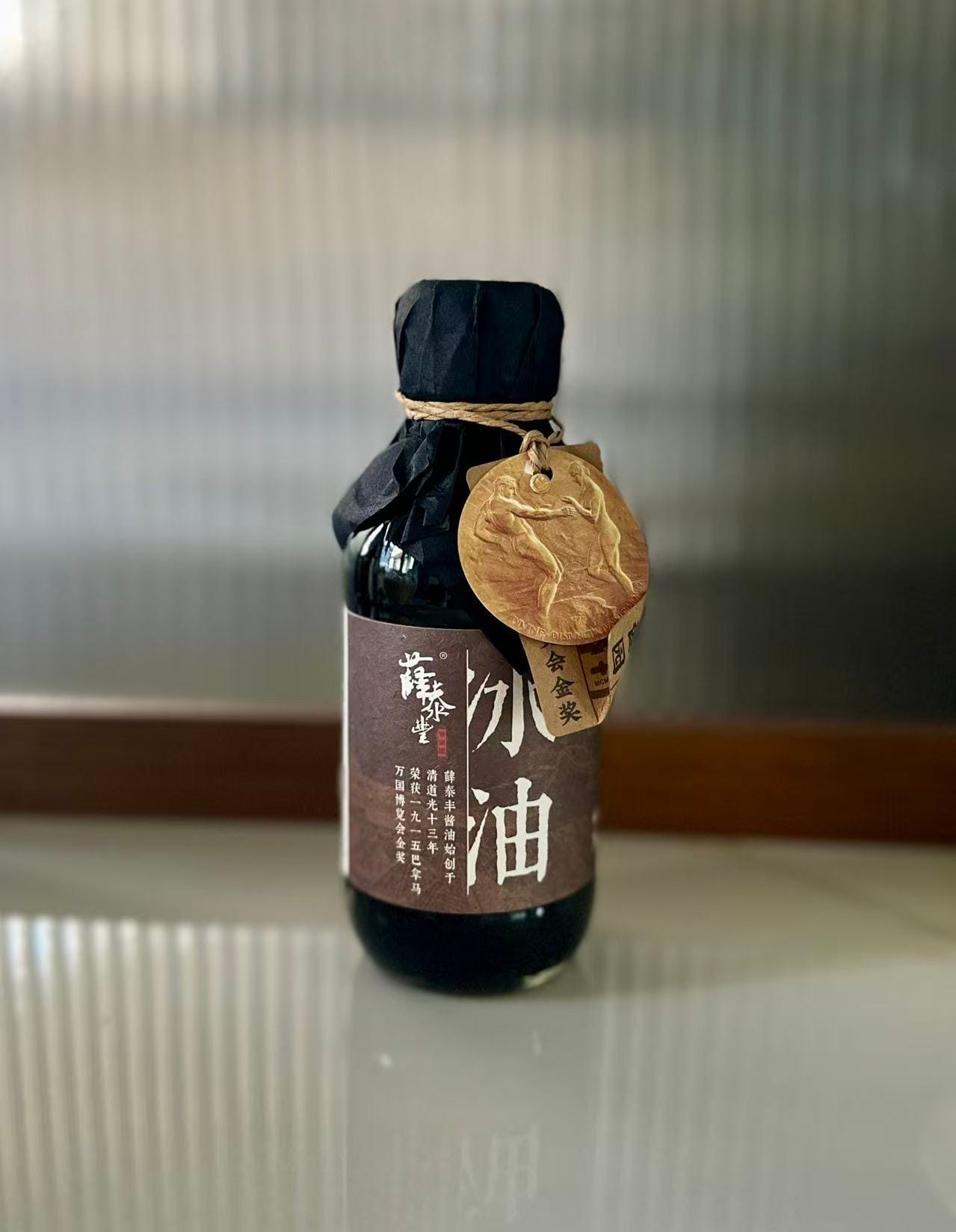
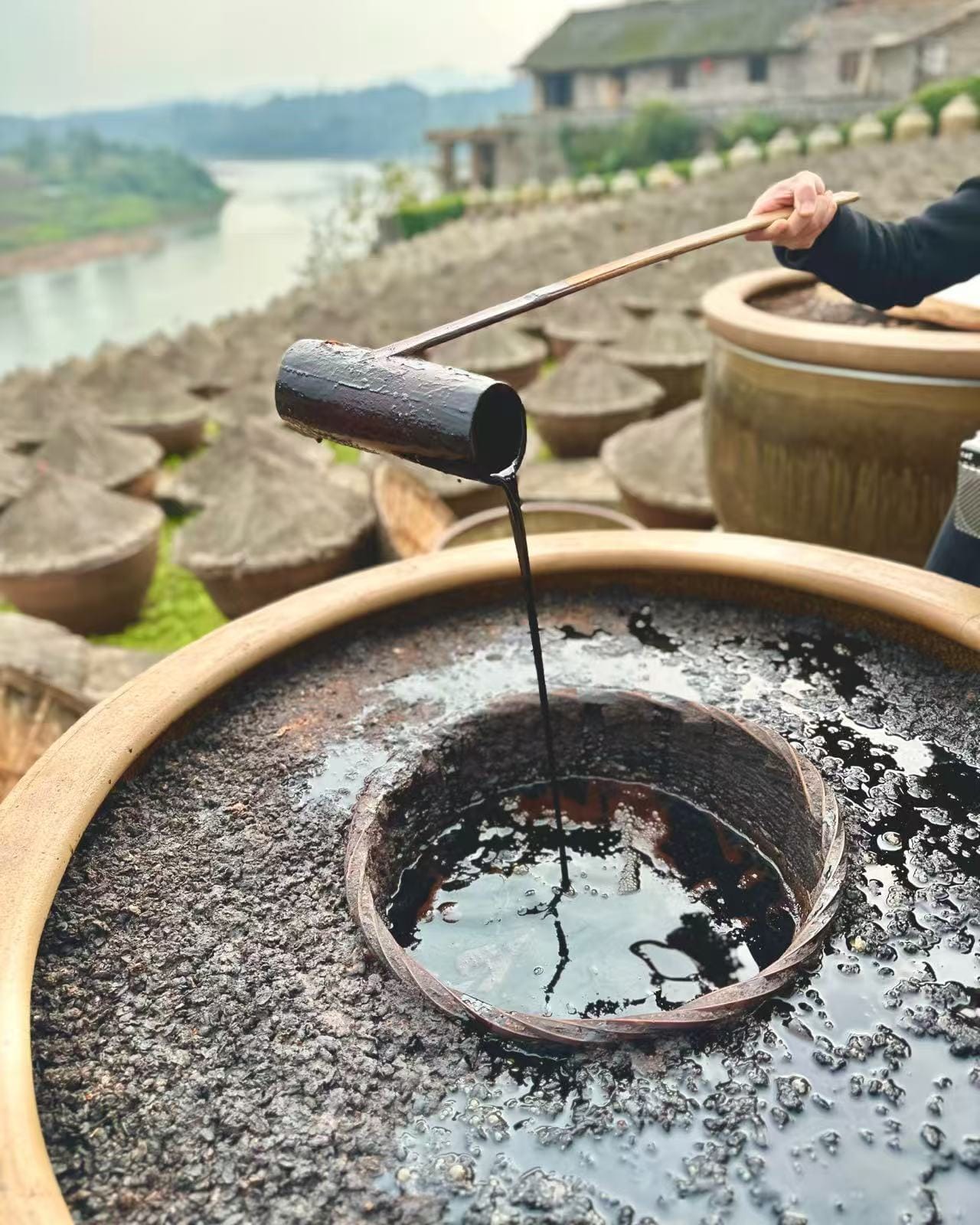
Before soy sauce is packaged into fancy bottles and labels, it will also go through the lengthy yet transformative fermentation process with simple ingredients.
Pick one up and read the label. A traditionally brewed soy sauce often contains just four ingredients: soybeans, wheat, water and salt. Yet those four ingredients become one of the most complex seasonings ever created. Behind that simple ingredient list is a microscopic world of molds, yeasts and bacteria working together over months to break down proteins into amino acids, starches into sugars, and create hundreds of aromatic compounds that give soy sauce its unmistakable depth.
 Chloe Wang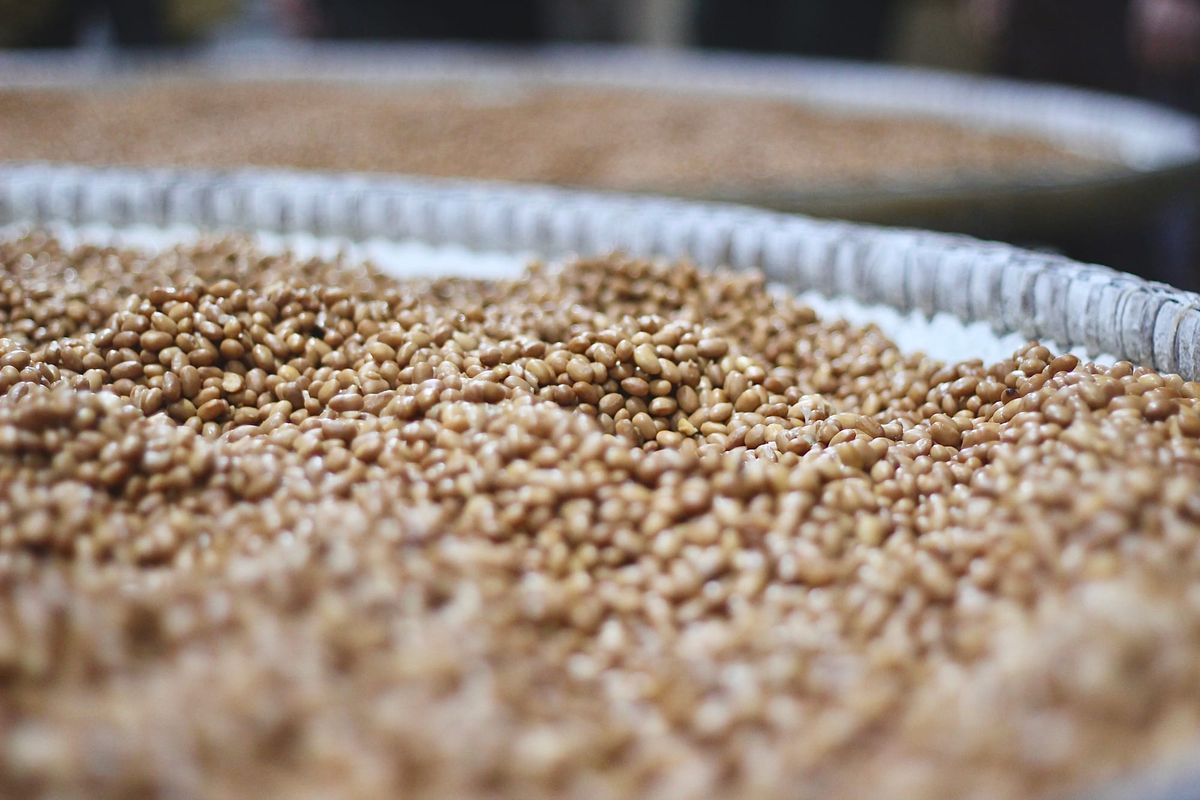
Curiosity exists on another level too. It isn’t just about understanding what goes into our food, but about discovering what an ingredient or a dish is capable of becoming.
Dissecting a dish has long been a hallmark of molecular gastronomy. During my time eating at a fine dining restaurant in Ottawa, Canada, famous for its eccentric 50-course tasting menu, one dish stood out above all the others. We were served a bowl of colorful powders that tasted remarkably like tomato-flavored Cheetos. Then we were asked to guess what we were eating. After several failed attempts, the answer was finally revealed.
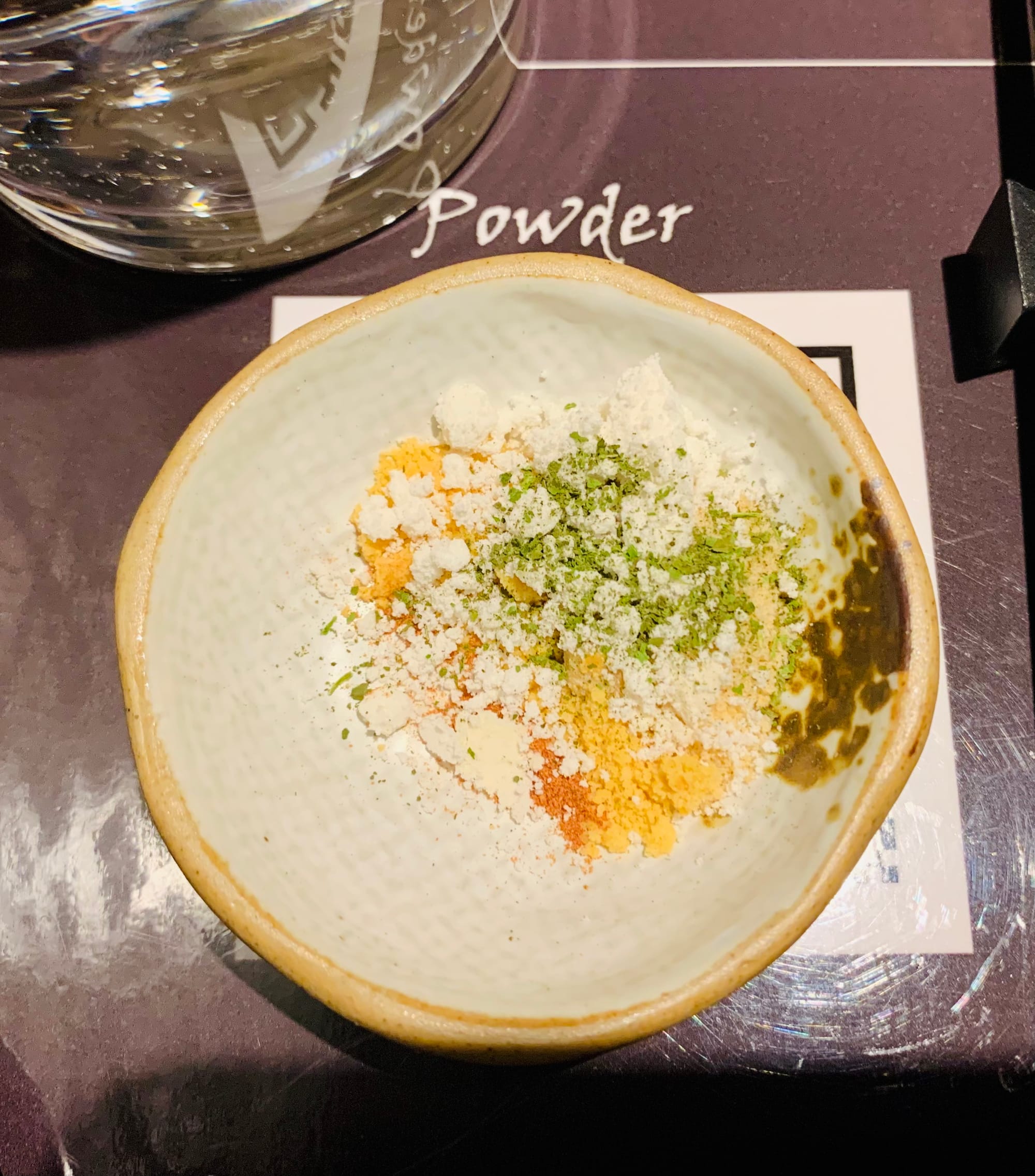
It was a pepperoni pizza.
Whether the dish was genuine culinary innovation or simply an attention-grabbing gimmick is open to debate. What fascinated me was what happened after the answer was revealed. Instead of thinking, “Of course, that makes sense,” I found myself mentally dissecting every spoonful I had just eaten. Which powder represented the tomato? Where did the cheese go? Was that the pepperoni? How did the chef manage to capture the essence of a pizza without serving anything that remotely resembled one? The dish didn’t satisfy my curiosity. It created it.
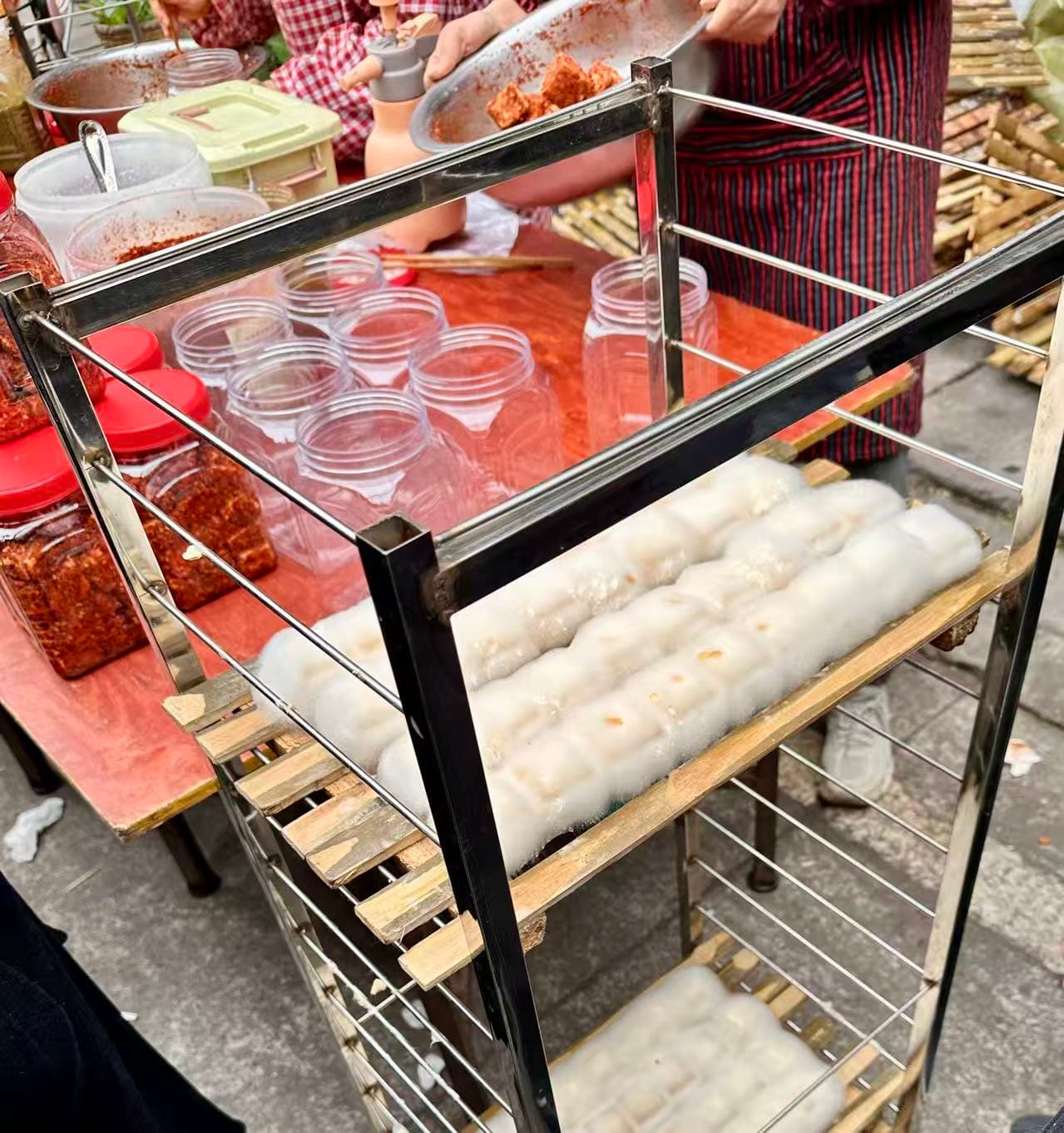
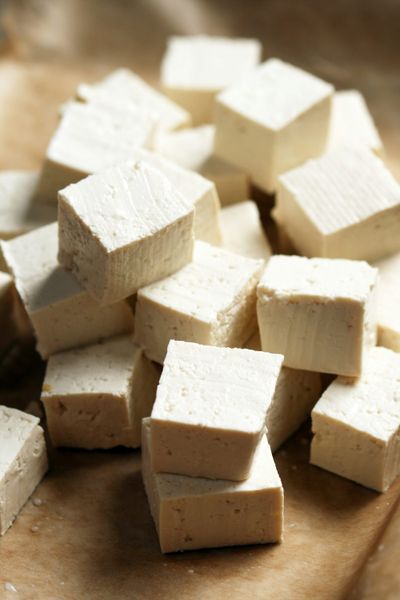
Furu, or furry tofu, has been getting a lot of attention on Western social media because of the eye-catching white mould that grows on the tofu during the early stage of fermentation. Influencers and tourists have been coming to China to film taste tests of the furry tofu sold on the streets.
At first, I found the attention quite strange. It was something I had been eating for as long as I could remember. To me, it was simply a condiment for porridge and steamed buns, or occasionally a seasoning for braised dishes and stir-fries. However, the growing interest in fermentation, combined with the cute yet oddly captivating appearance of furry tofu, has sparked people’s curiosity.
Watching videos of furu tossing and people trying it made me realize something else. The furu I had known all my life was already the end product of a long fermentation process. I had always enjoyed eating it, but I had never stopped to ask how it was made or what each stage of the process looked like. It took people from the other side of the world becoming fascinated by a block of mold-covered tofu to make me curious about something that had always been part of my own kitchen.
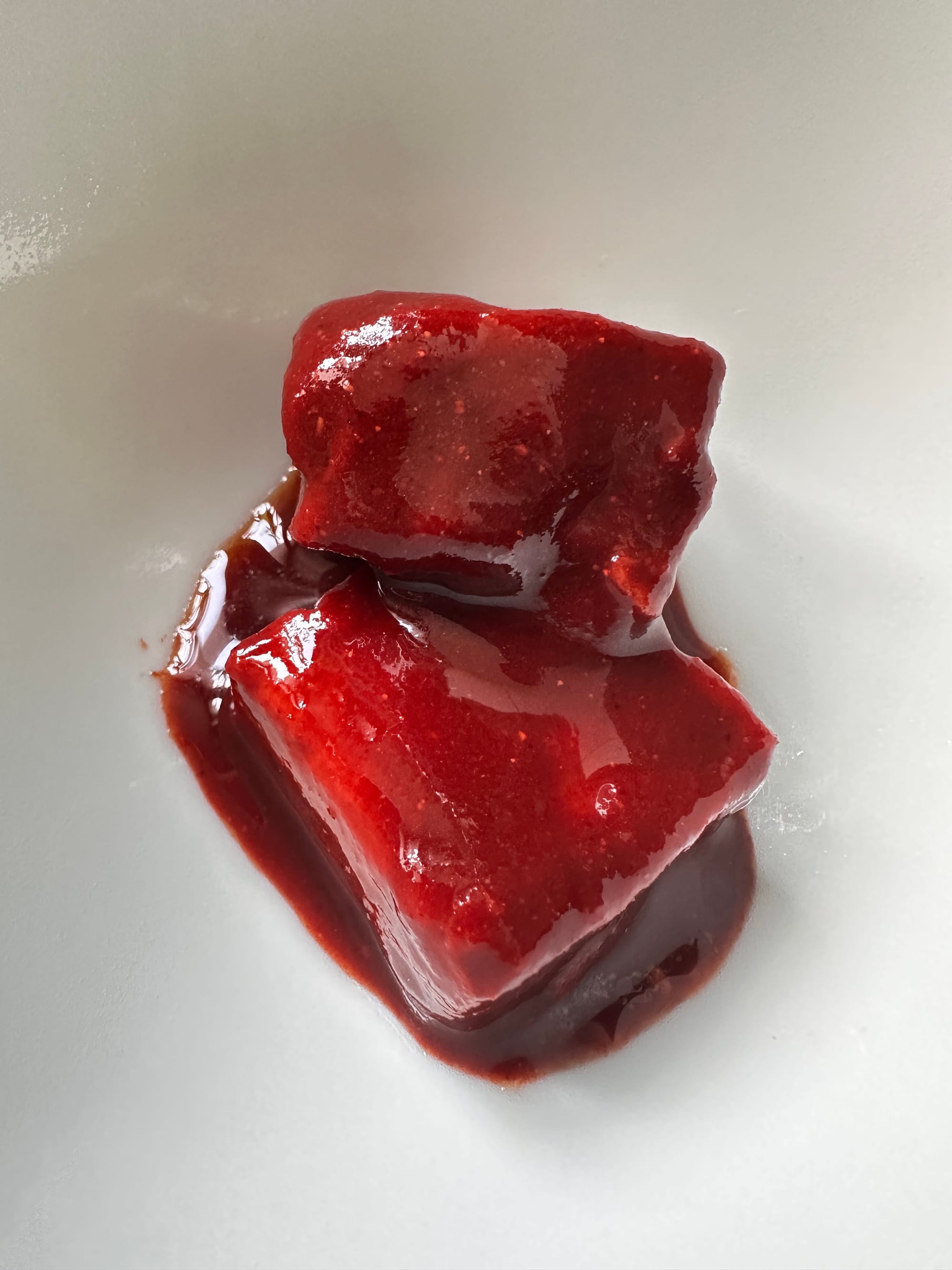
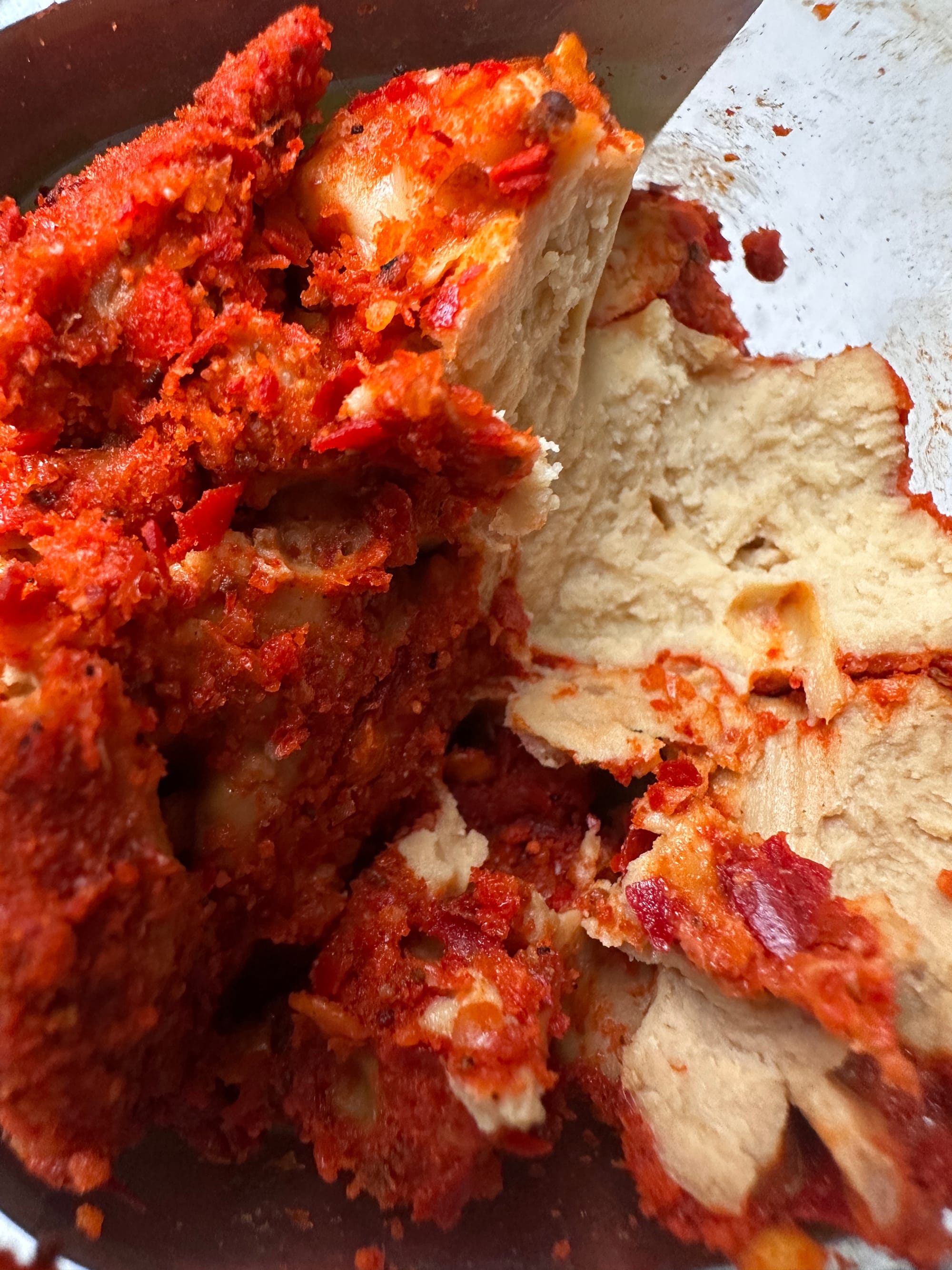
Furu in different forms. The first is mainly covered with fermented red rice. The second is covered with chili powder, enjoyed mostly by people in Sichuan and Chongqing.
Perhaps that is another kind of curiosity. Sometimes it doesn’t lead us to discover something new. It leads us to rediscover something familiar.
Like many fermented condiments, furu is made from a relatively simple list of ingredients. Its creamy texture and rich soy aroma make it incredibly easy to fall in love with. But, like many foods we find irresistible, it also has its Achilles’ heel. Furu is high in sodium. That doesn’t mean we should avoid it altogether. It simply reminds us that, whether we’re eating a chicken nugget or a piece of fermented tofu, moderation is usually the better companion than restriction.

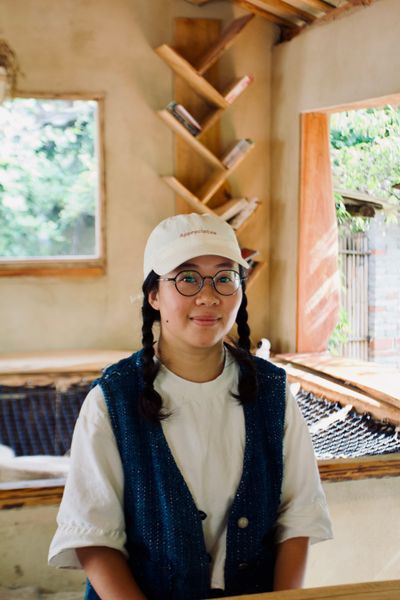
A Tianjin, China native - Chloe has a deep appreciation for all things hotpot. Her appreciation of food and culture runs so deep that after a successful corporate career, she decided to uproot her life in China to attend Le Cordon Bleu Ottawa and Madrid. After working in the culinary industry in Canada, she decided to found Snout & Seek!
No spam, no sharing to third party. Only you and me.

Member discussion