
The Accidental Delicacy
With new restaurants and cuisine styles appearing like bamboo shoots after spring rain, most people feel an urge—or at least a curiosity—to try them. Over the past few years, Yunnan, Guizhou, and Sichuan cuisines have become major trends in China’s largest cities. Whenever a new restaurant opens, it quickly becomes a destination for diners eager to see what it has to offer.
There will undoubtedly be people criticizing these places for not being “authentic” or “traditional,” especially as many of them blend techniques, ingredients, and ideas from different culinary backgrounds. Yet the trend seems unstoppable.
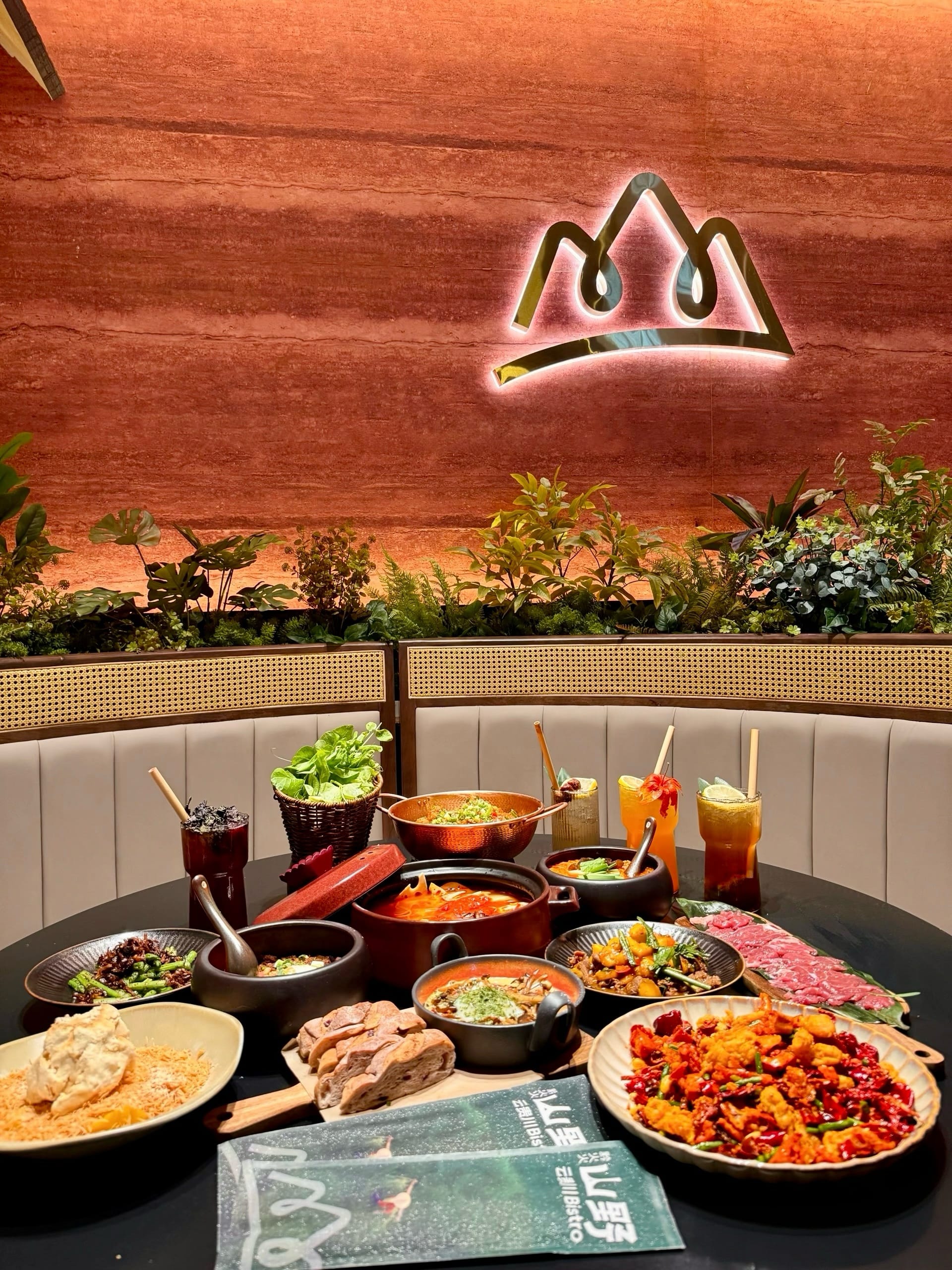
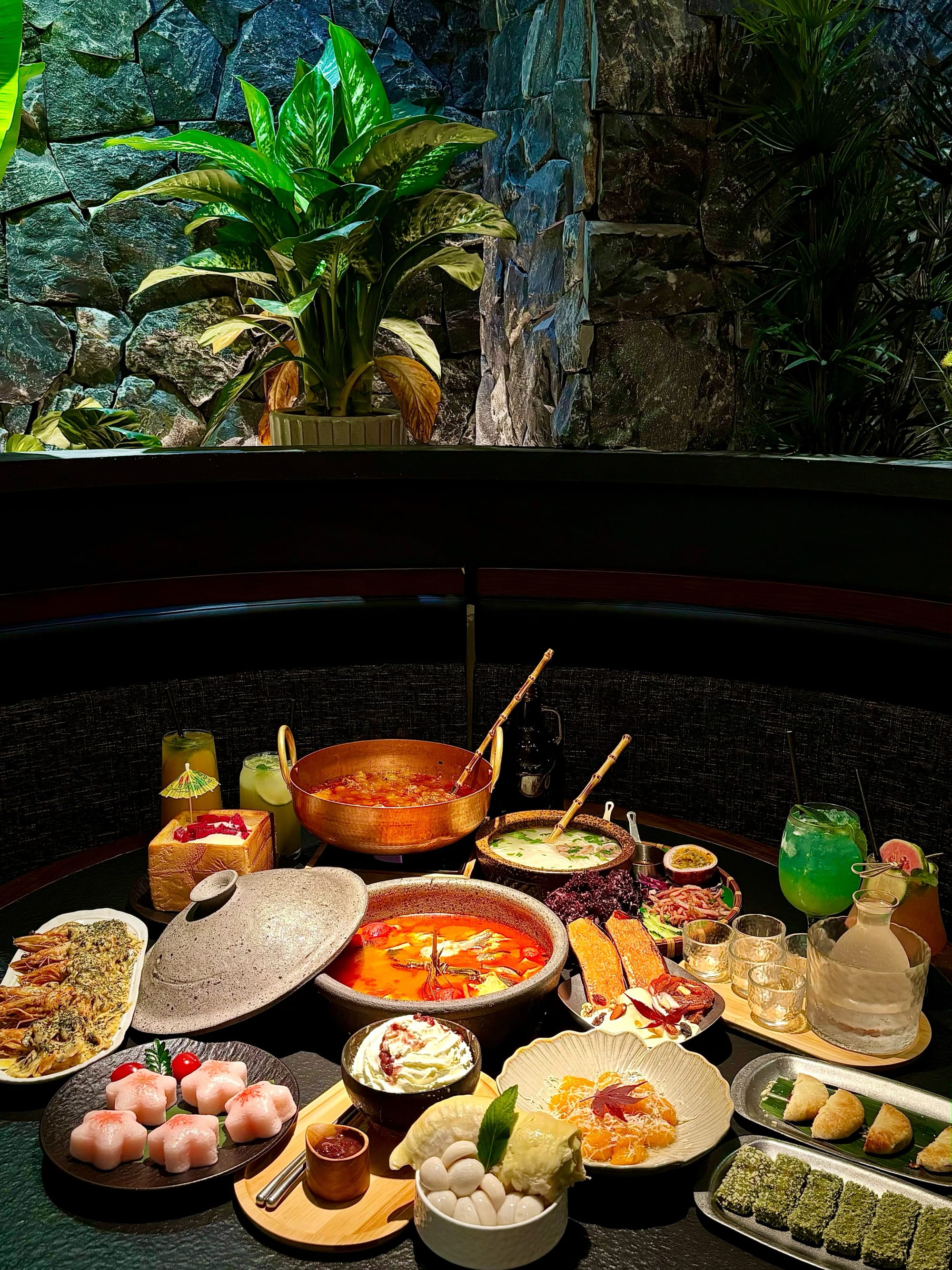
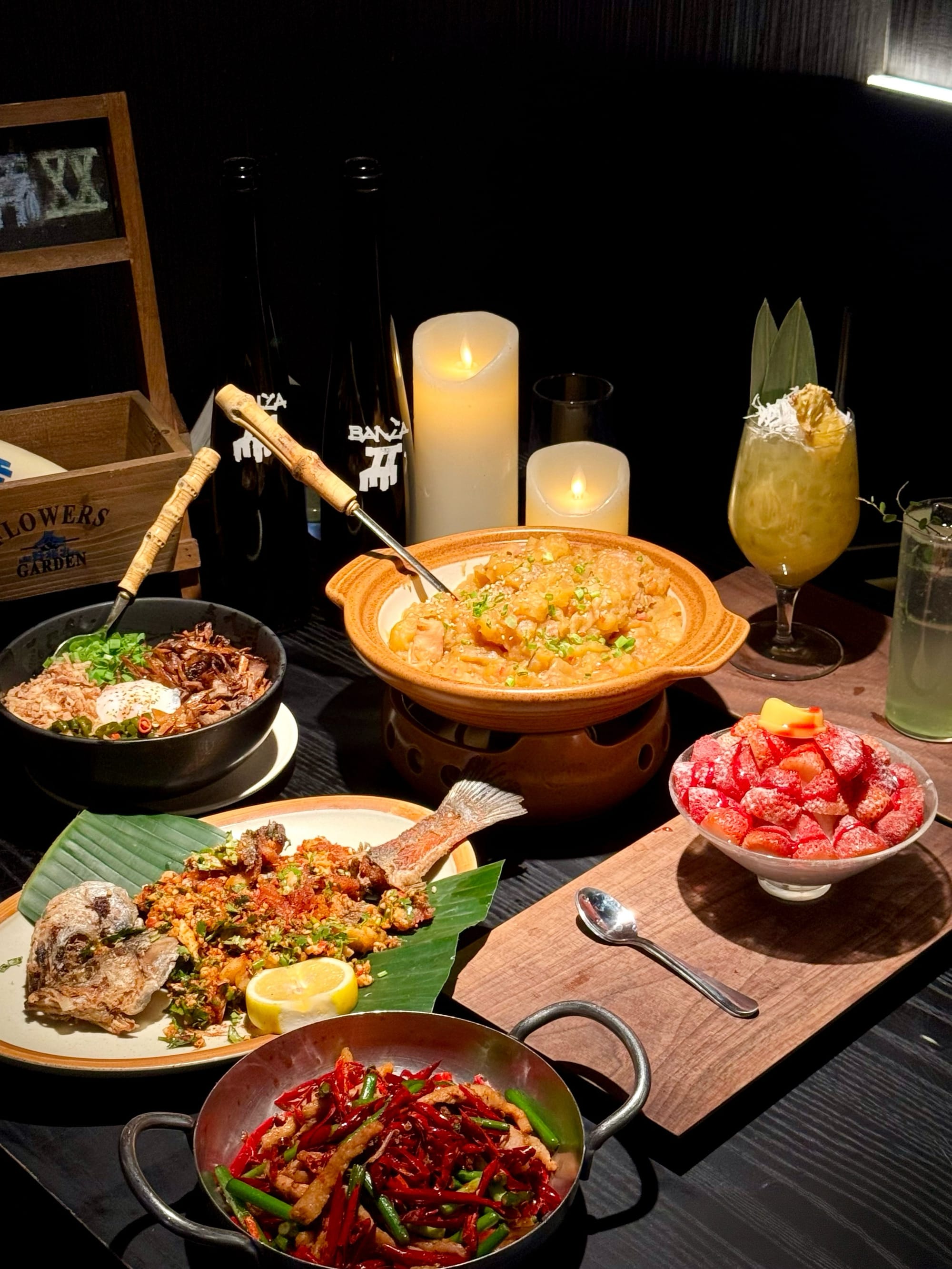
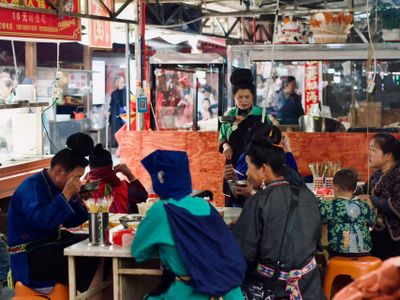
Yunnan-Guizhou-Sichuan Bistros have been a huge trend in dining culture in recent years, most of the restaurants share the similar decoration and atmosphere. Credit: RED 774736079; 267390673; 27705652
I recently came across a social media post about the fermentation movement in modern restaurants that quoted: “Noma put fermentation back at the center of serious cooking. Suddenly every kitchen had a fermentation program. Most of them produced things that were technically fermented and culinarily pointless.”
A few years ago, I would have agreed wholeheartedly.
Back when I was working in professional kitchens, I had a certain degree of culinary knowledge and, with it, a certain degree of arrogance. I thought I understood cooking. Whenever something did not fit my expectations of what cooking should be, or felt overly theatrical and “out there,” I was quick to dismiss it as fake cooking.
To be fair, I still occasionally feel that way when I visit restaurants that seem to lack a core identity, places that pile on fashionable concepts and buzzwords in an attempt to elevate their food without offering much substance underneath.
But one thing I have felt quite strongly over the past few years is what Einstein supposedly said: “The more I learn, the more I realize how much I don’t know.” The deeper I go into food history, fermentation, and traditional cooking, the more I realize how many things we take for granted today began as strange experiments, accidents, or ideas that should never have worked.
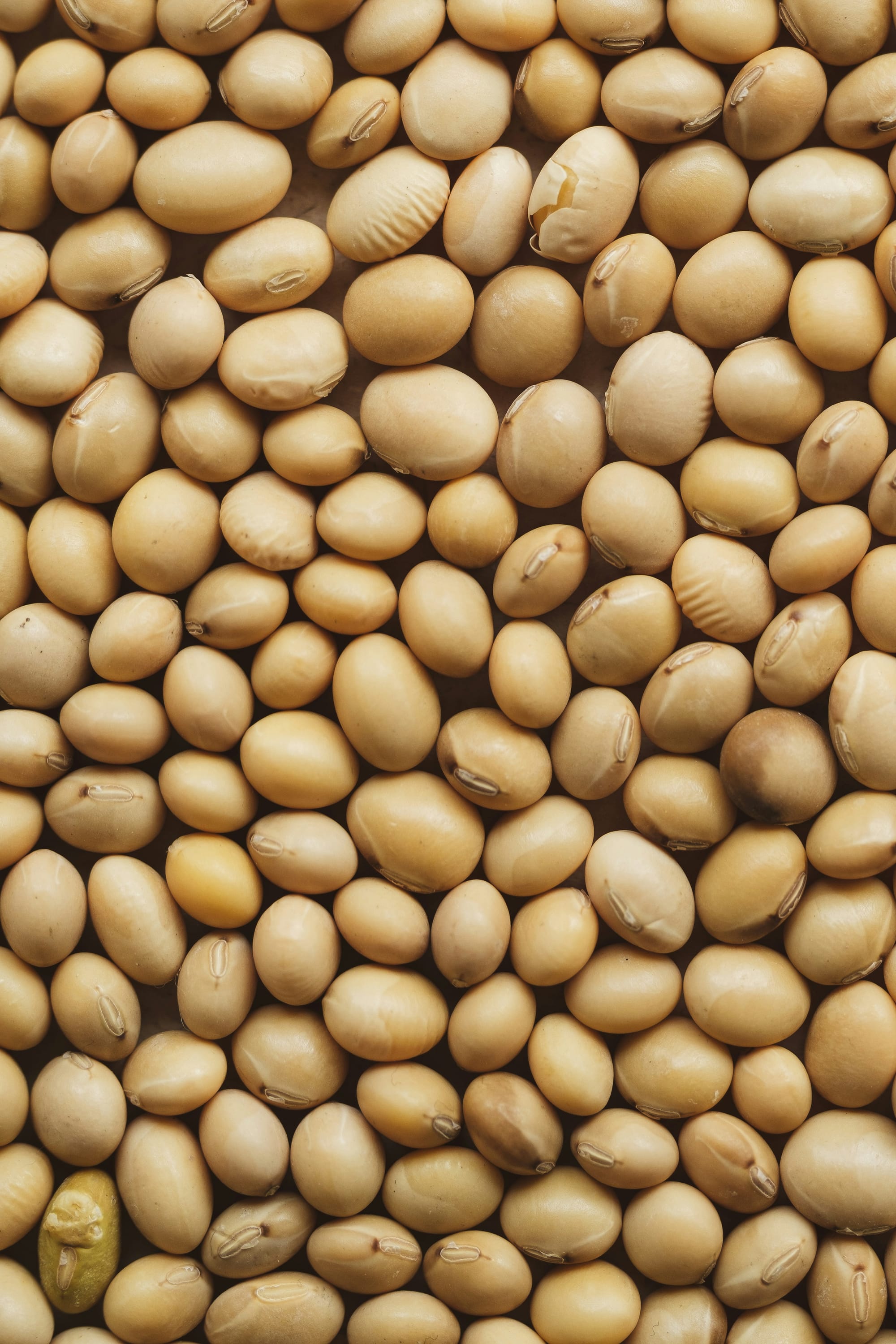
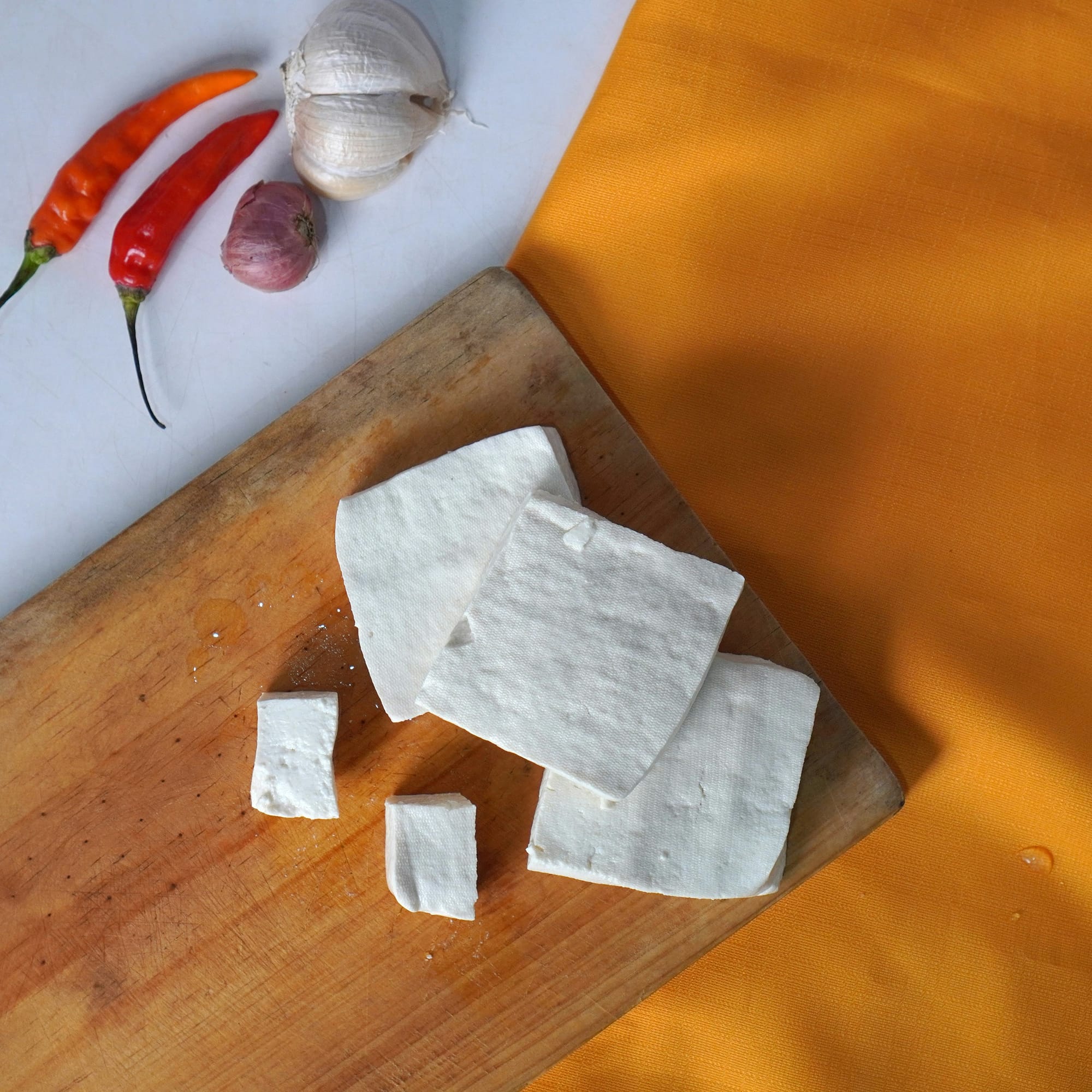
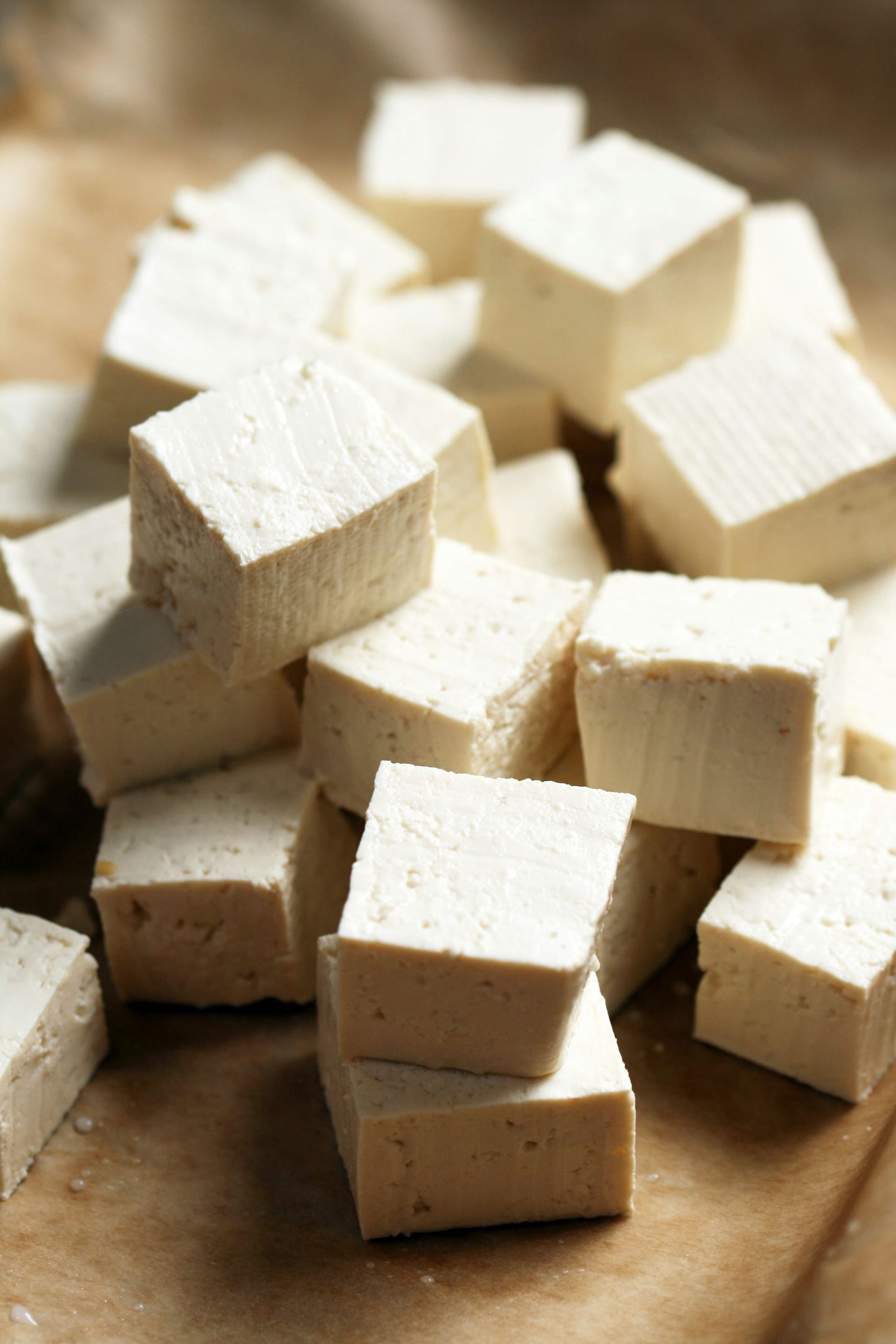
From soybeans to tofu, significant changes have happened to transform this grain that was originally hard to digest into various delicious delicacies over time.
Taking tofu as an example, this Chinese culinary invention has become increasingly popular around the world as an alternative source of protein, along with its many descendants such as fermented tofu, or furu. During one of our fermentation experiences in Luzhou, we watched local artisans make douhua, the silky soft tofu commonly eaten for breakfast in Sichuan.
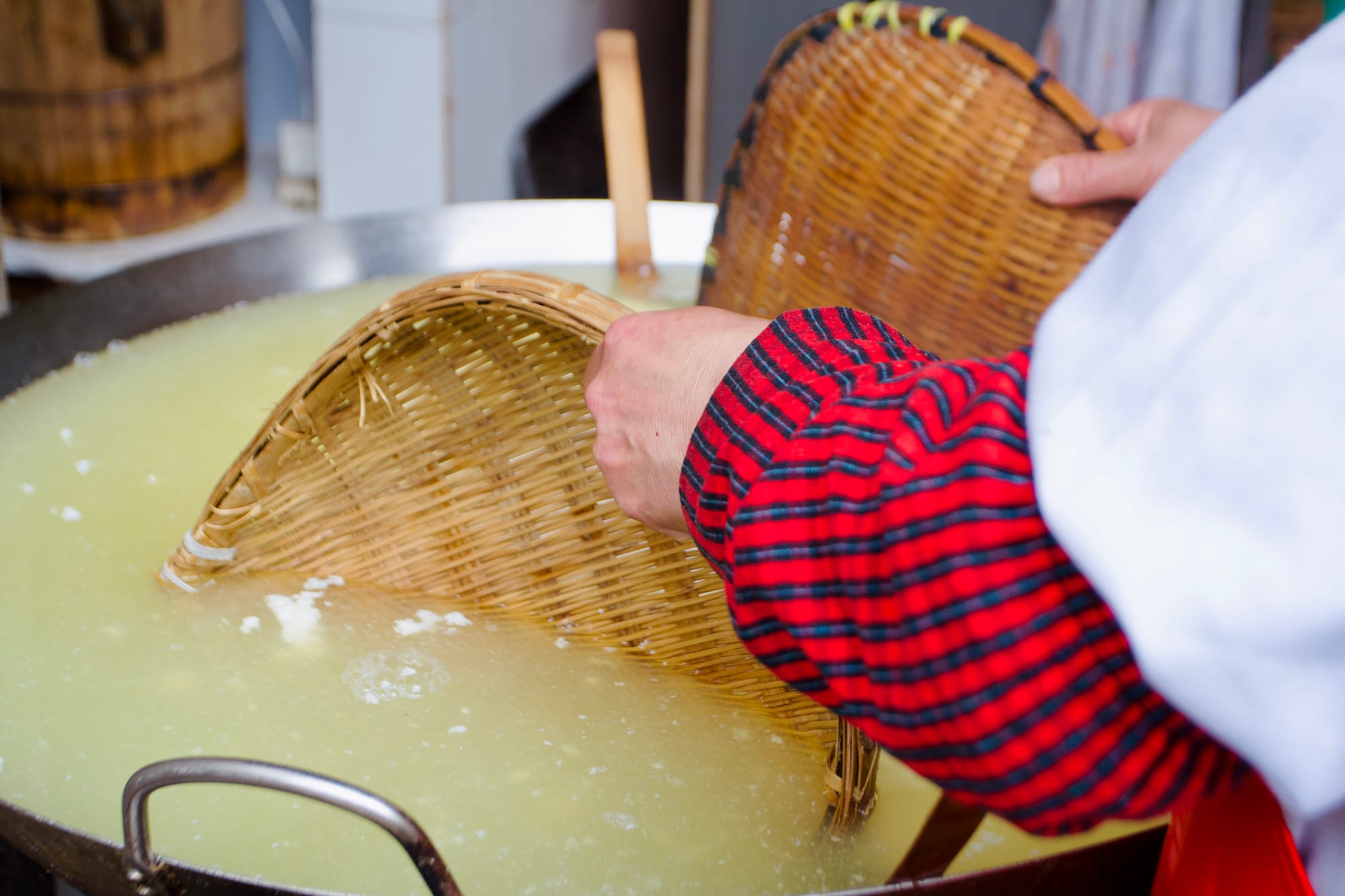
As fresh soy milk was poured into a large vessel, another clear liquid was added. Within moments, the soy milk began to coagulate and separate into delicate curds. One of our guests asked a question I happened to know the answer to.
“What do they use to coagulate the soy milk?”
“Magnesium chloride,” I replied confidently.
The reaction I received was somewhat ambiguous. There was a brief pause, followed by an expression that seemed to say, “Hmm, that’s less romantic than I imagined.”
To be honest, I had felt exactly the same way when I first learned the answer. Hearing the chemical name made tofu suddenly feel less mysterious. The image of an ancient food passed down through generations was replaced by what sounded suspiciously like something from a high school chemistry textbook. The romantic image I had built in my head seemed to burst in an instant.
It wasn’t until I started learning about Sichuan’s salt wells that the story became interesting again.
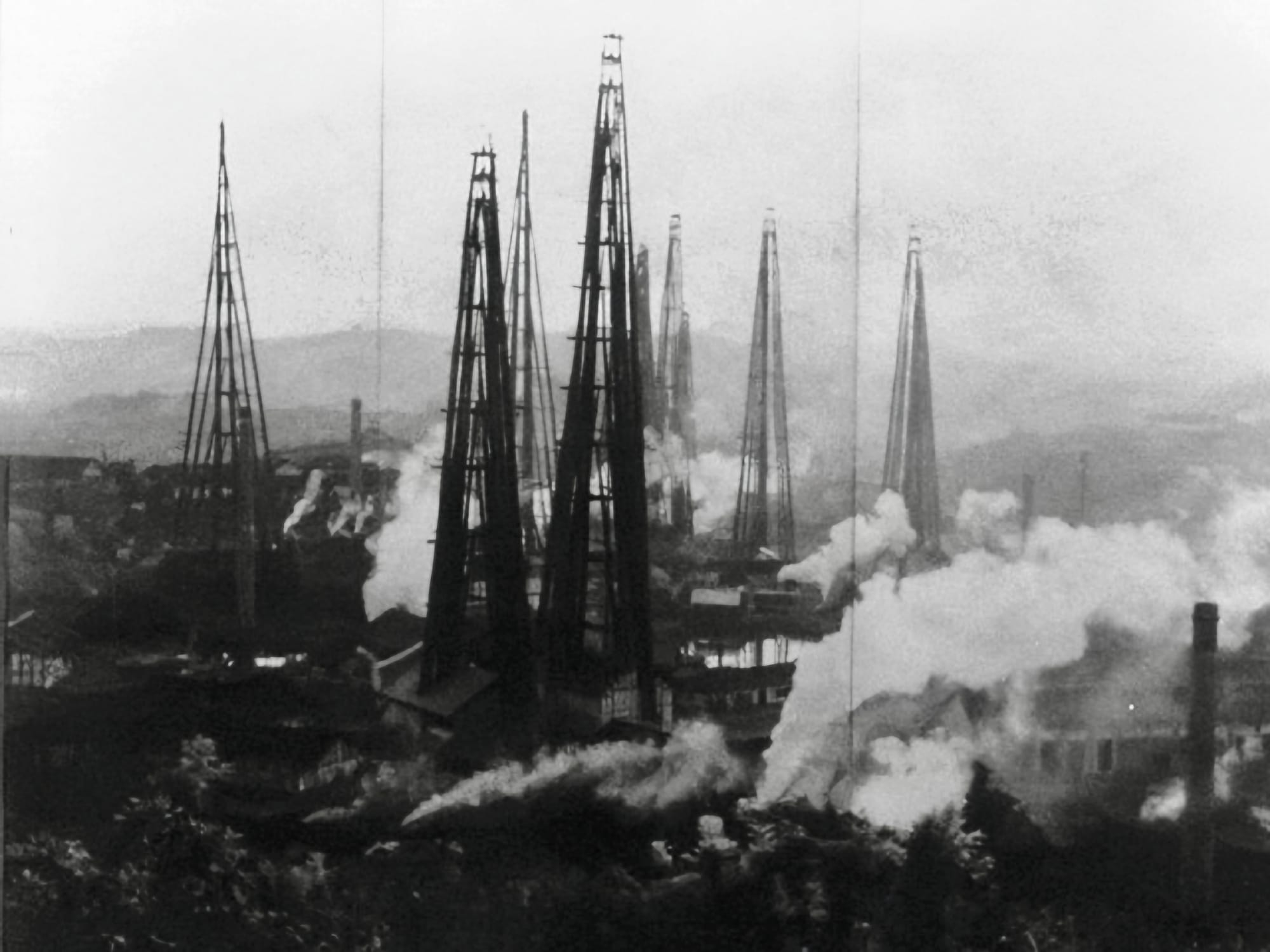
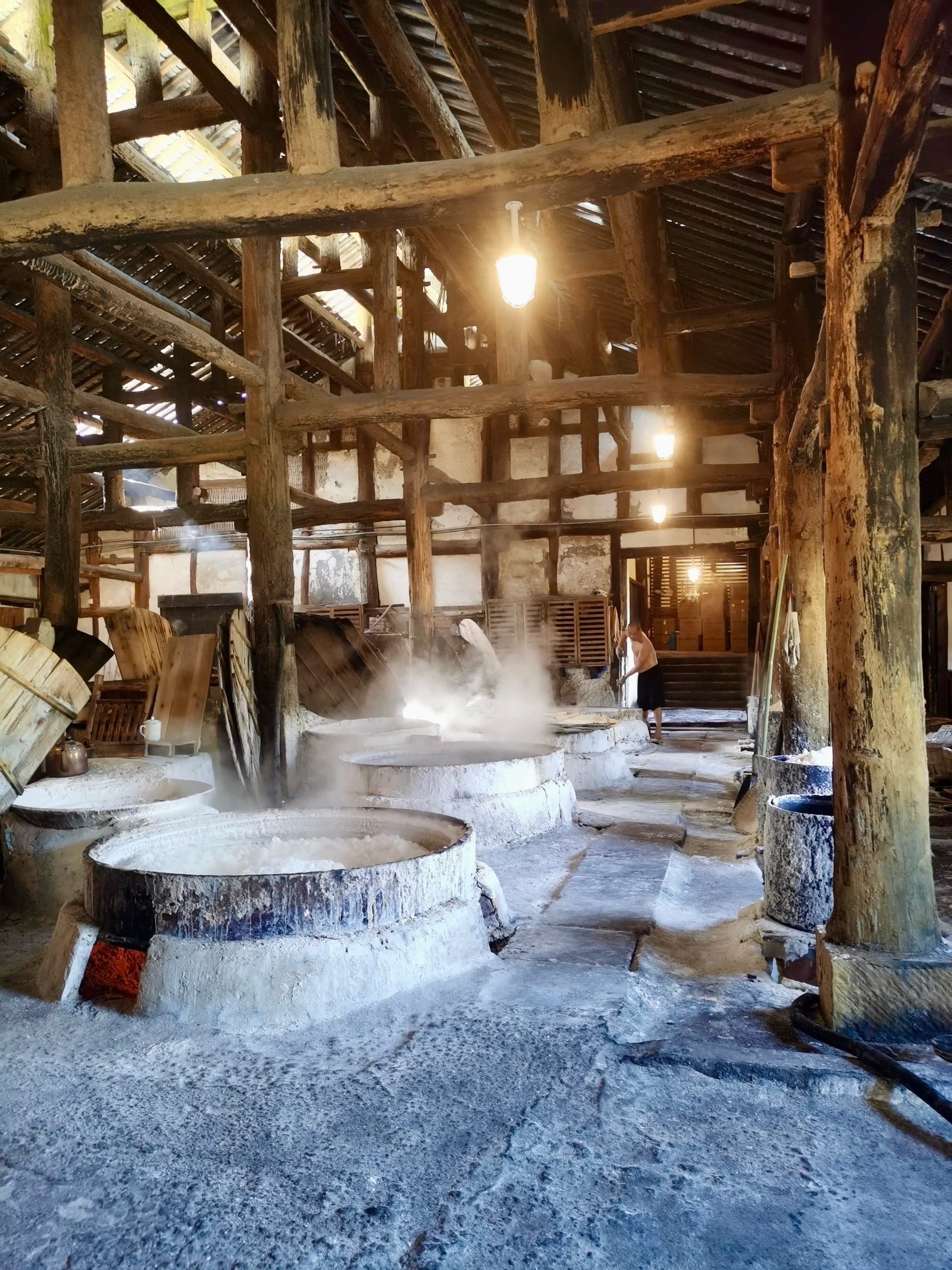
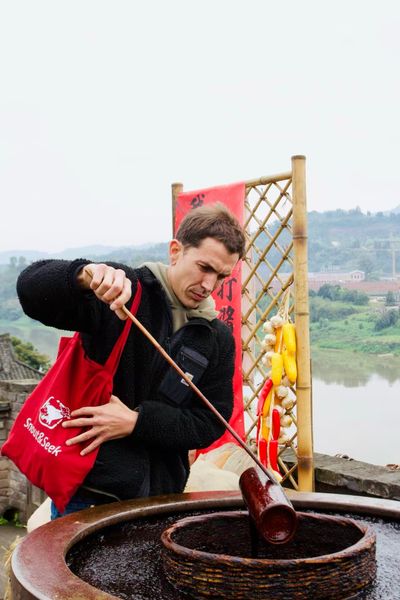
First: Reproduction of a photograph of the Zigong salt wells, from the display of the Zigong Salt History Museum. Credit: Wikipedia Phreakster 1998. | Second: Zigong well salt production demonstration in Zigong, Sichuan Province. Credit: RED 1141459015
During the production of salt, one of the by-products that emerged was bittern, a mineral-rich liquid containing magnesium chloride. Suddenly, one piece of the puzzle connected to another. Magnesium chloride was not some modern industrial invention; it had existed alongside salt production for centuries.
That was my eureka moment.
Nobody really knows exactly what happened when the first person made tofu, or how they figured it out. But one of the most plausible and widely accepted theories is that tofu emerged through the process of salt making. During traditional salt production, soy milk was sometimes added to brine to help clarify impurities, much like egg whites are used to clarify consommé or wine. At the same time, salt production generated bittern, a mineral-rich liquid containing magnesium chloride. It is not difficult to imagine that, somewhere along the way, someone noticed that when soy milk came into contact with bittern, something remarkable happened.
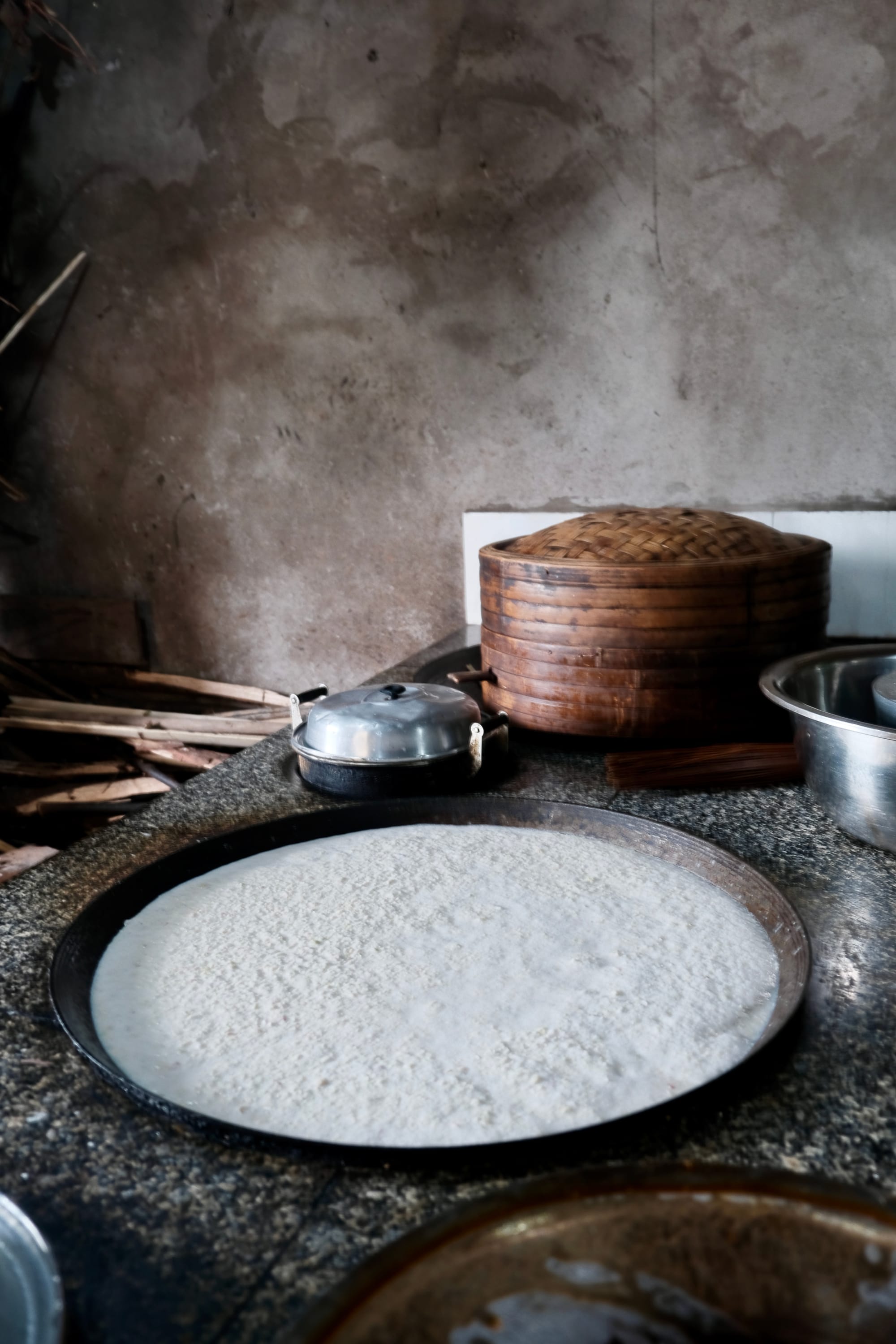
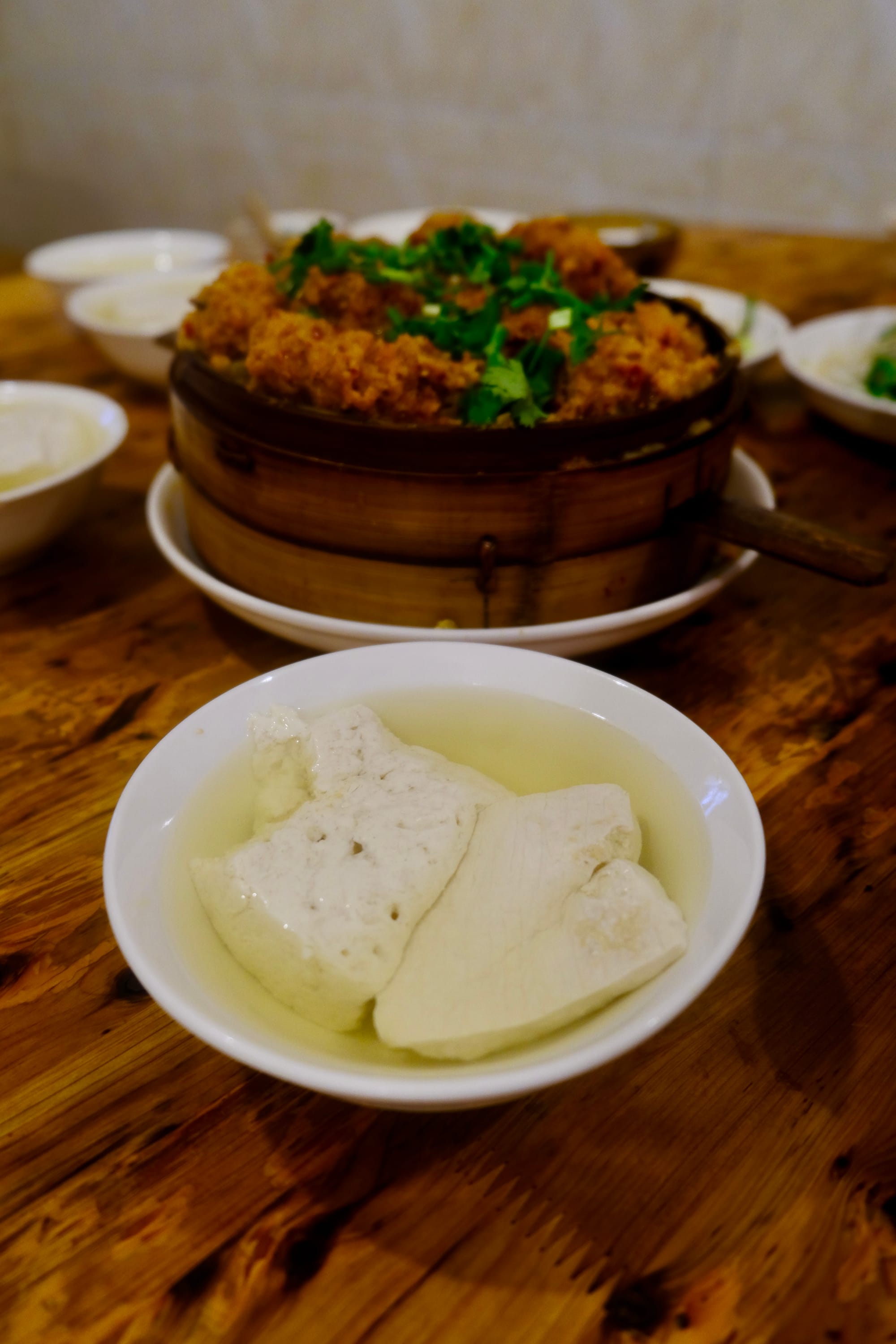
In Sichuan, you can still find many rural families making their own tofu at home. In Luzhou, douhuafan is a local delicacy for its smooth texture, strong soybean aroma and sweet and refreshing liquid. Paired with pickles and seasoning as dipping sauce, it is a must try.
Whether it was an accident, a deliberate experiment, or simply curiosity, we may never know. What we do know is that someone looked at those curds and saw potential.
Tofu is hardly alone in this regard. Many of the foods we now consider indispensable likely emerged from accidents, observations, or attempts to solve entirely different problems. Take vinegar, for example. Before it became one of the foundations of Chinese cooking, it was likely the result of alcohol being exposed to air and undergoing a second fermentation. To a brewer trying to make baijiu or wine, this would have been considered spoilage. Yet at some point, someone tasted that sour liquid and saw not a failure, but a new ingredient.
The same can be said for many fermented foods around the world. Cheese was born from milk that transformed unexpectedly. Soy sauce emerged from experiments in preserving protein-rich foods. Even some of China’s most iconic fermented products, such as furu, began with people allowing microorganisms to continue working on ingredients that others might have thrown away. Looking back, it is striking how often culinary innovation begins with accidents and curiosity. The original creators rarely understood the science behind what they were seeing. They simply noticed that something unusual had happened and decided it was worth exploring.
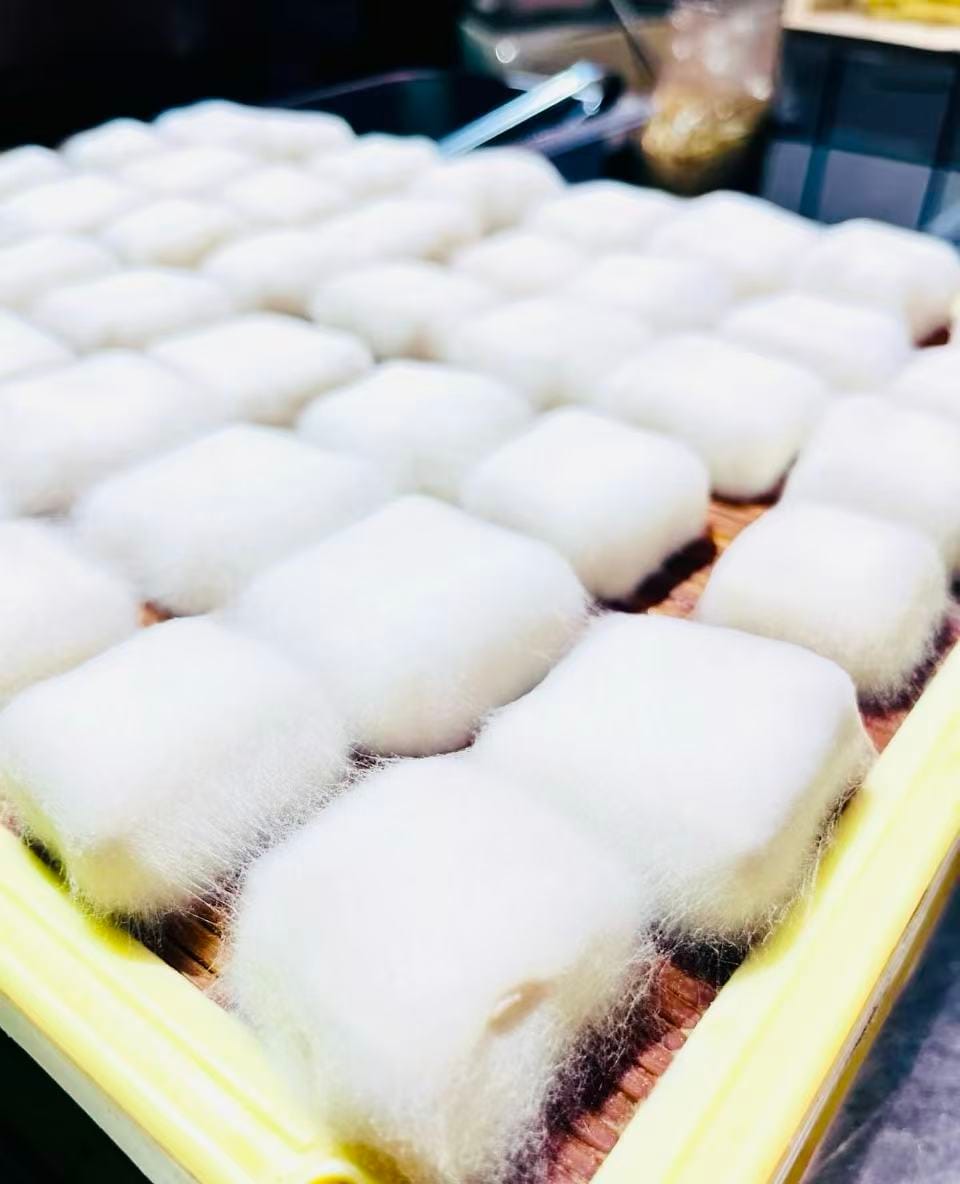
Perhaps that is why I have become more cautious about dismissing new ideas in food. Not every experiment deserves to survive, and not every trend will become tradition. Many modern fermentation projects probably are, as the social media post suggested, technically fermented and culinarily pointless. But then again, the same could probably have been said about the first person who looked at curdled soy milk and thought it might be worth eating. Every tradition was once an experiment, and every delicacy was once a strange new idea waiting for someone to take it seriously.

A Tianjin, China native - Chloe has a deep appreciation for all things hotpot. Her appreciation of food and culture runs so deep that after a successful corporate career, she decided to uproot her life in China to attend Le Cordon Bleu Ottawa and Madrid. After working in the culinary industry in Canada, she decided to found Snout & Seek!
No spam, no sharing to third party. Only you and me.

Member discussion