
Sichuan’s Million Year Pursuit of the Sea – Haiwei (Flavors of the Sea).
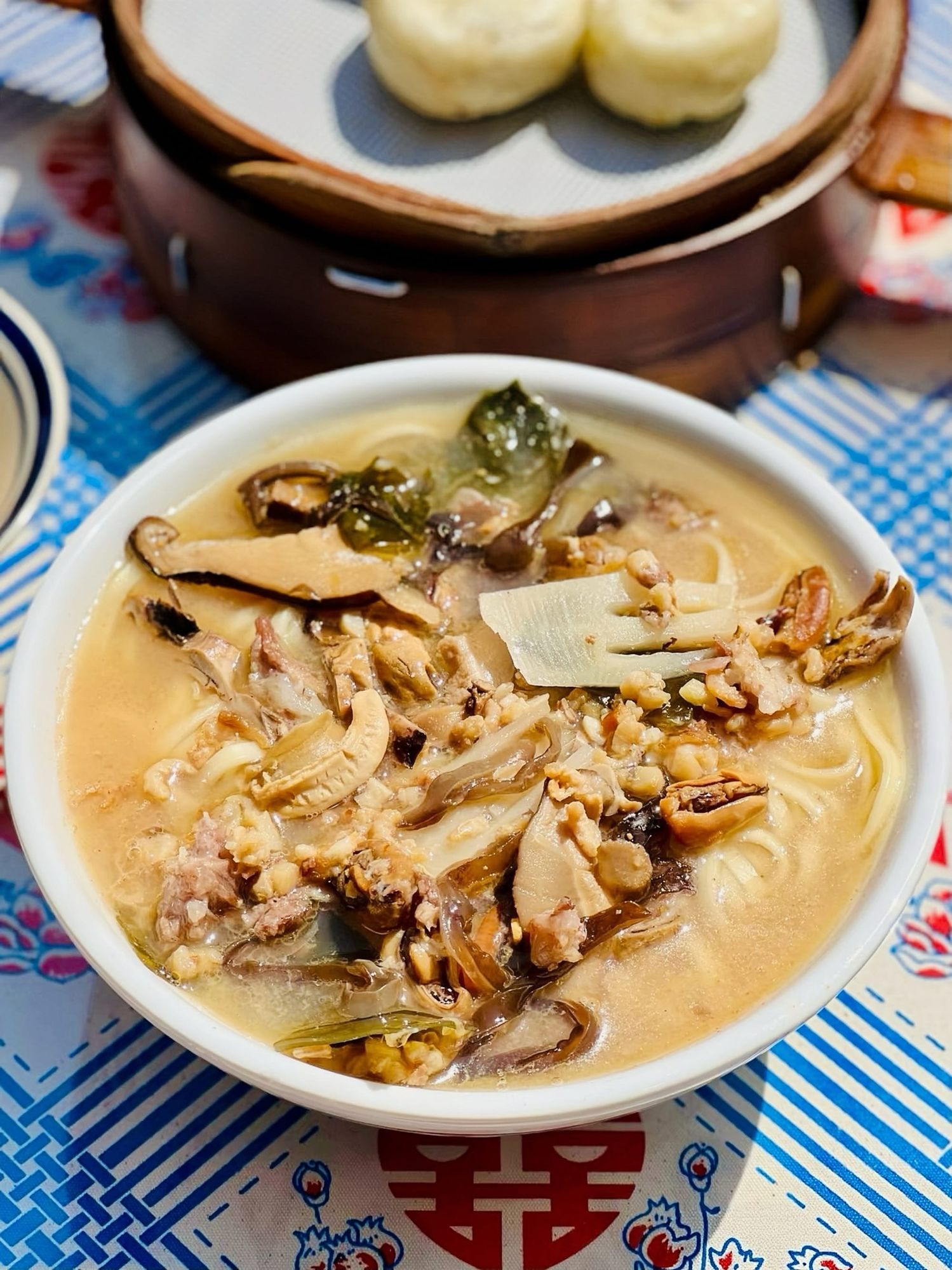
When I first associated Sichuan food, it was always with spicy dishes. As I grew older and became more aware of how diverse Sichuan cuisine really is, one flavor started appearing on my radar and made me very curious. It is called Haiwei (海味, hǎi wèi, “ocean flavor”). Strange, right? Sichuan is nowhere near the ocean, yet in many noodle shops across Chengdu, you can still find Haiwei noodles. So where did they come from?
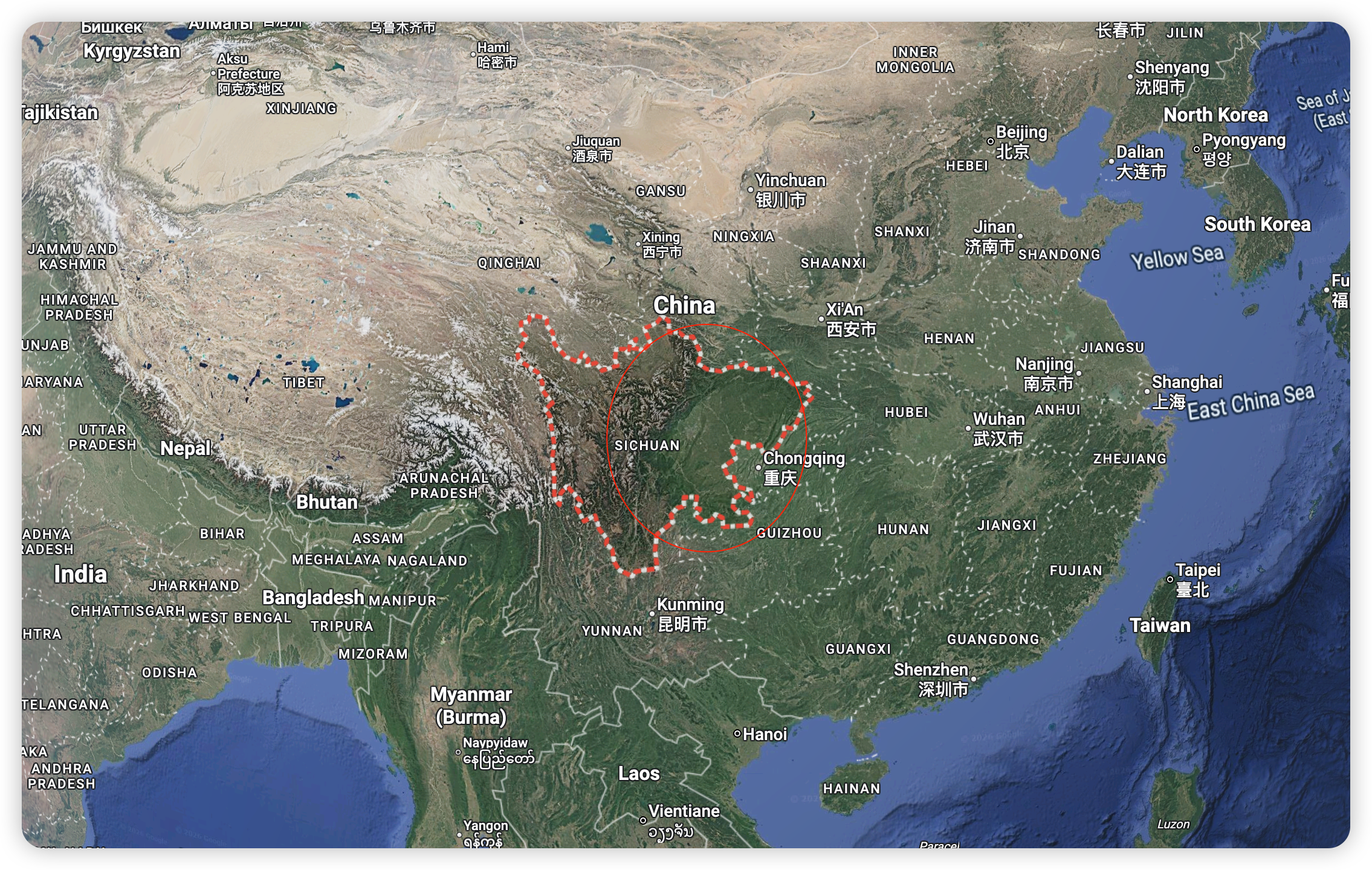
If you are not familiar with the geographical terrain of China, we would recommend watching the BBC documentary Wild China. From high peaks to the coastline, China is a land full of biodiversity and fascinating geological landscapes. Among them are China’s four major basins, including the Sichuan Basin, located across Sichuan province and Chongqing.
 Chloe Wang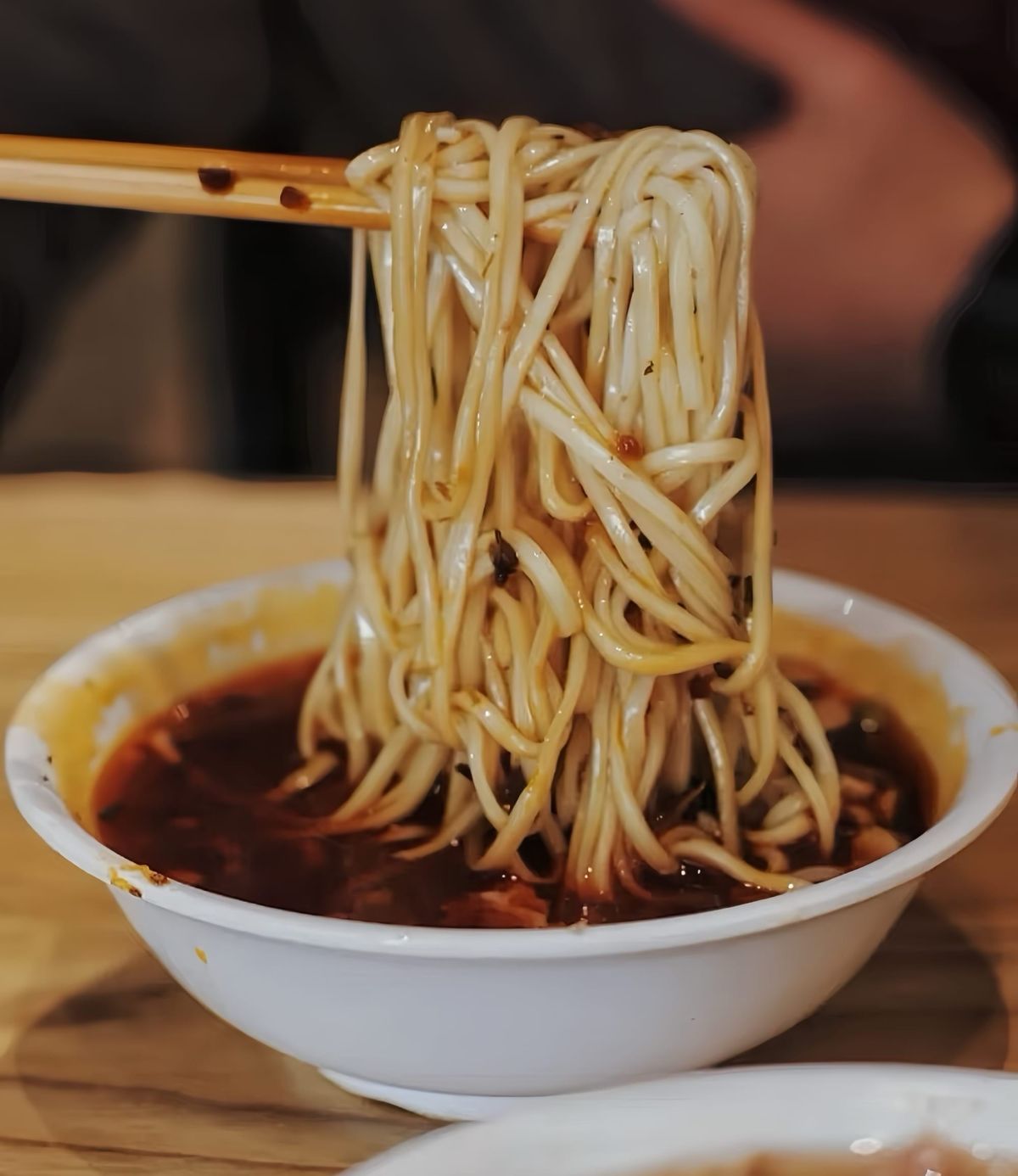
Millions of years ago, Sichuan was once covered by a shallow sea. Over time, tectonic movement and the uplift of surrounding mountain ranges gradually enclosed the region, forming the basin landscape we know today. Sichuan has been inland for millions of years, far removed from the ocean, yet somehow the taste of the sea still found its way into the local kitchen.
If you order a bowl of Haiwei noodles in Chengdu, pay attention to what is actually inside the bowl. Compared with the seafood noodles found in China’s coastal regions, the ingredients used in Sichuan are much more restrained. Instead of fresh seafood, cooks rely on dried ingredients such as dried shrimp and dried squid, frying them in local pork fat until fragrant before slowly stewing them together with pork belly and offal. The Xian (umami) from the dried seafood melts into the meat, while the richness of the pork blends into the broth, creating a thick, deeply savory topping that defines a bowl of Sichuan-style Haiwei noodles.
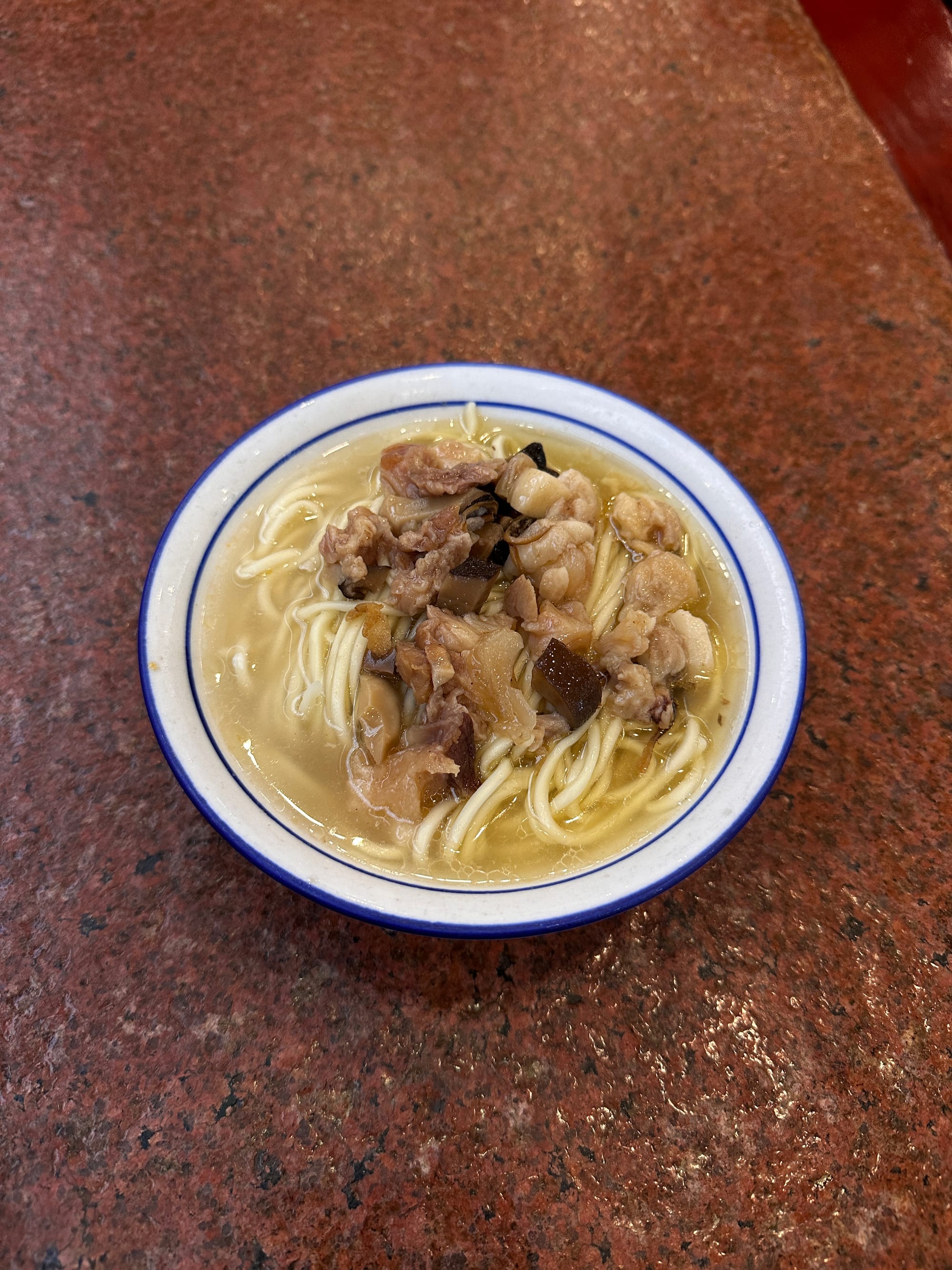
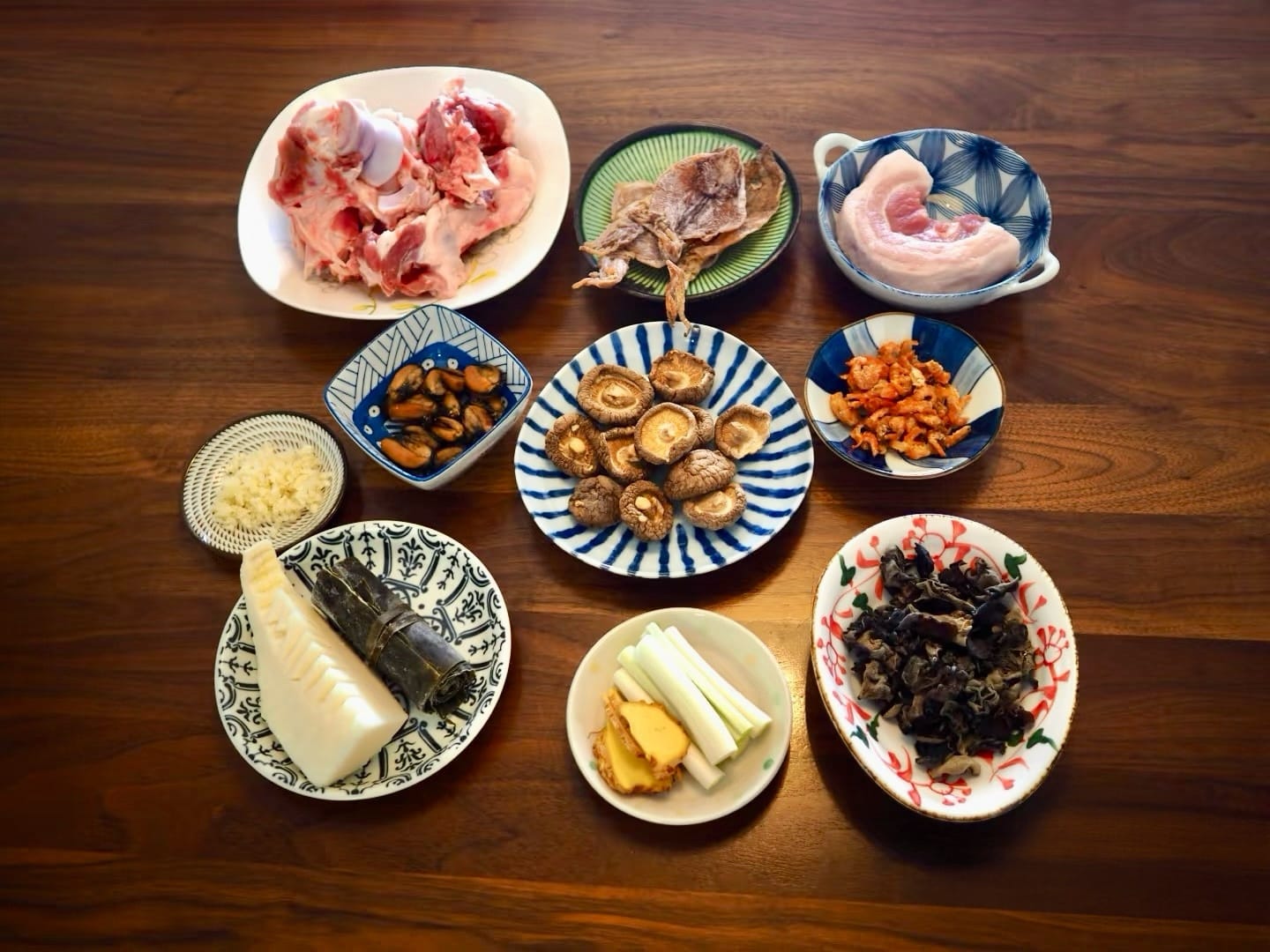
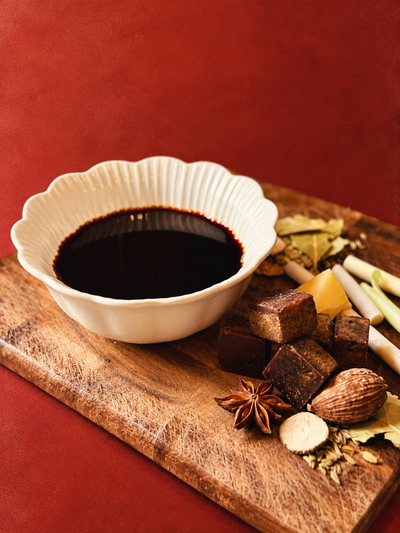
First: Haiwei noodles from a local favorite noodle shop 八宝海味面 | Second: Ingredients for making the topping and soup for Haiwei noodles. Credit: RED 1855916139
What is the rationale behind having this flavor in Sichuan? That was my first thought when I first came across the name Haiwei. It instantly reminded me of Haijiao (海椒, hǎi jiāo), the Sichuan term for chili pepper. Both share the same first character, 海, meaning “ocean” or “sea.” Historically, haijiao referred to peppers that arrived from overseas through maritime trade routes. So why did an inland region like Sichuan become attached to flavors connected to the sea? Why did people feel the need to use dried seafood ingredients that were not locally available?
Snout & Seek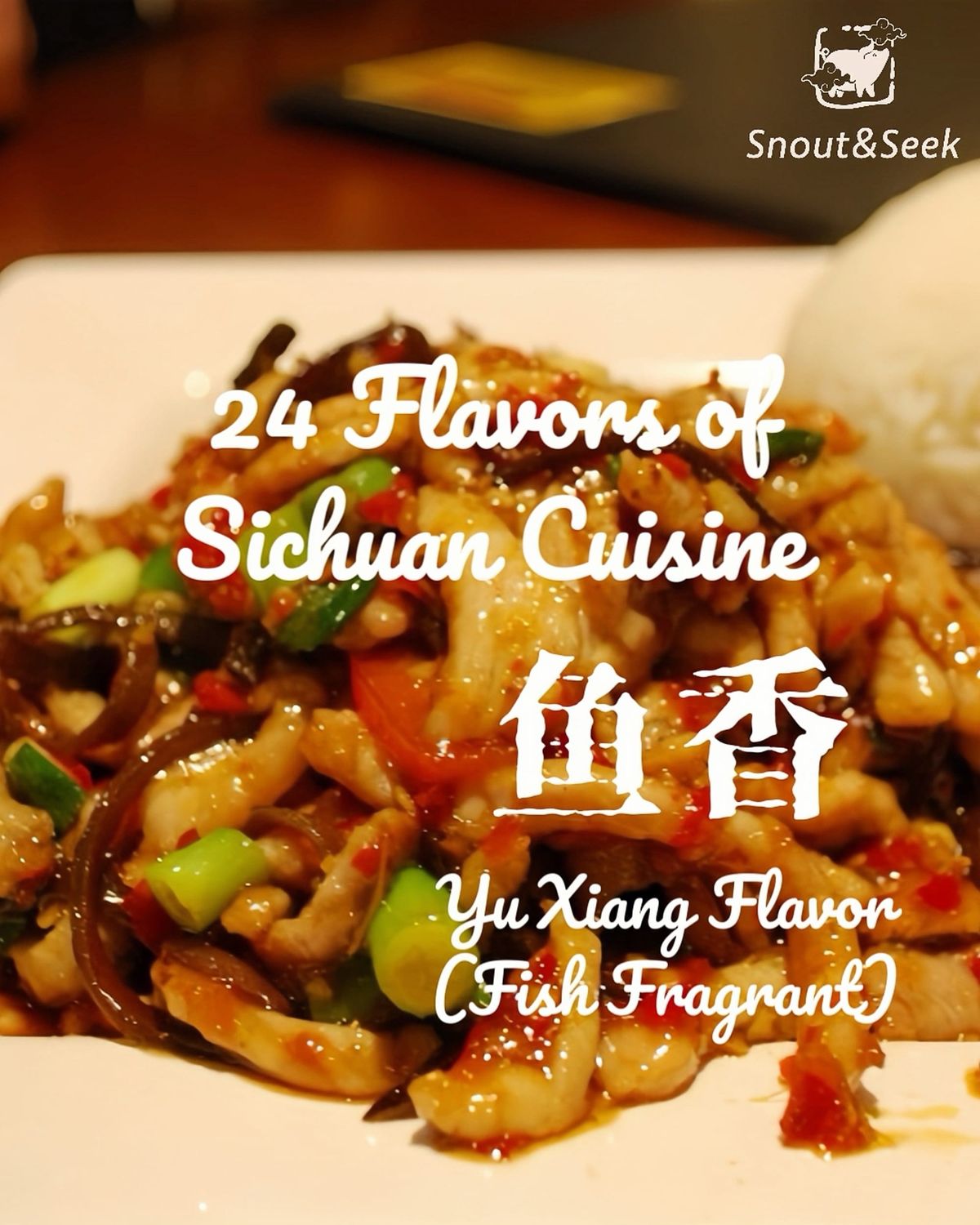
This goes back to the core of our belief: food is a reflection of culture and history, without which nothing makes much sense. This pursuit of sea flavor begins to make sense once you understand the historical background of Sichuan and how immigration helped shape the region into what it is today.
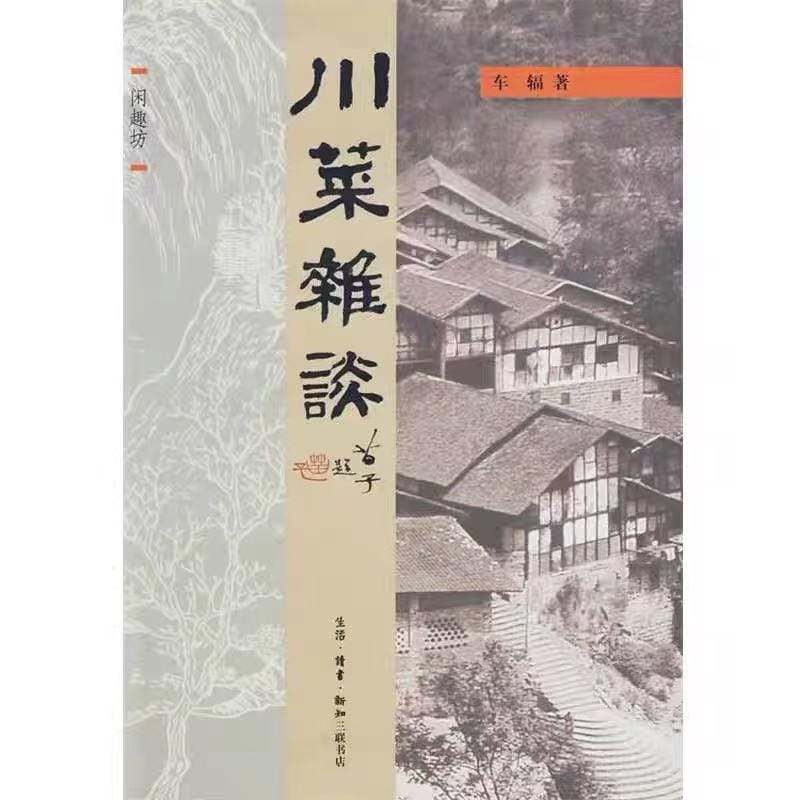
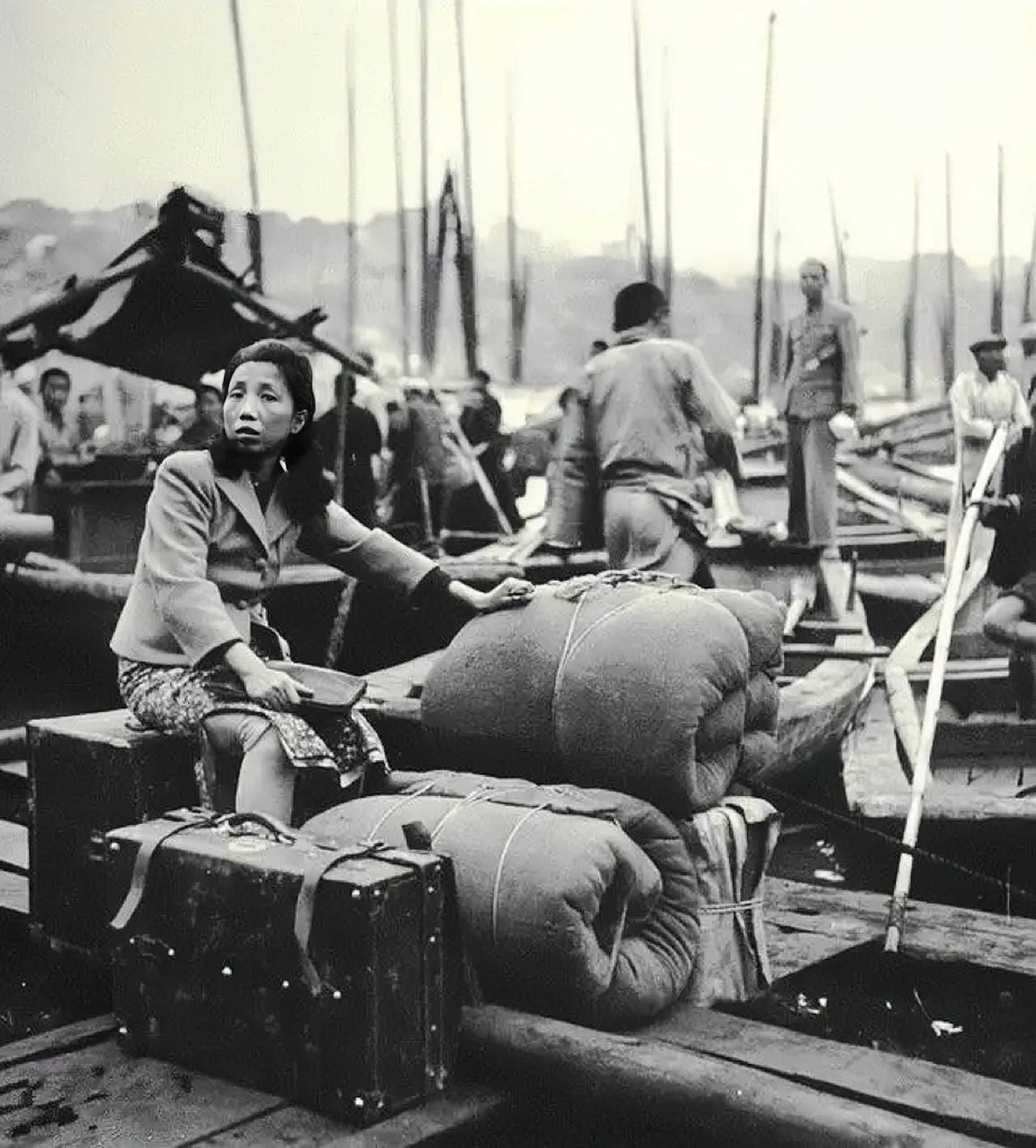
In his book Miscellaneous Talks on Sichuan Cuisine, the writer Che Fu recalled that during the wartime years (1930s-40s), many people from Jiangsu, Zhejiang, and Shanghai traveled up the Yangtze River and settled in Chengdu. Along with businesses, dialects, and customs, they also brought memories of coastal flavors and the habit of using dried seafood in everyday cooking. Fresh seafood was nearly impossible to transport into the Sichuan Basin at the time, but preserved ingredients such as dried shrimp, dried squid, and mussels could survive the long inland journey. As these ingredients gradually appeared in Chengdu markets and kitchens during the 1940s, they became part of the city’s evolving food culture and eventually gave rise to dishes such as Haiwei noodles.
When I tasted the soup and noodles for the first time, I was honestly overwhelmed by how strong the ocean flavor was, especially considering how simple the ingredients looked. It almost felt like Sichuan people’s imagination of the sea, combined with their own understanding of local cuisine, creating something completely distinct from other flavors in Sichuan cooking. It makes sense when you think about the dried ingredients and how concentrated their flavors become over time. Just like dried mushrooms carry an intense earthy aroma, dried seafood also packs an incredible amount of essence into a small form. In a bowl of these milky noodles, there is not only richness and xian, but also nostalgia for home, curiosity toward distant places, and perhaps even a lingering fascination with the ancient ocean that once covered the Sichuan Basin.
Snout & Seek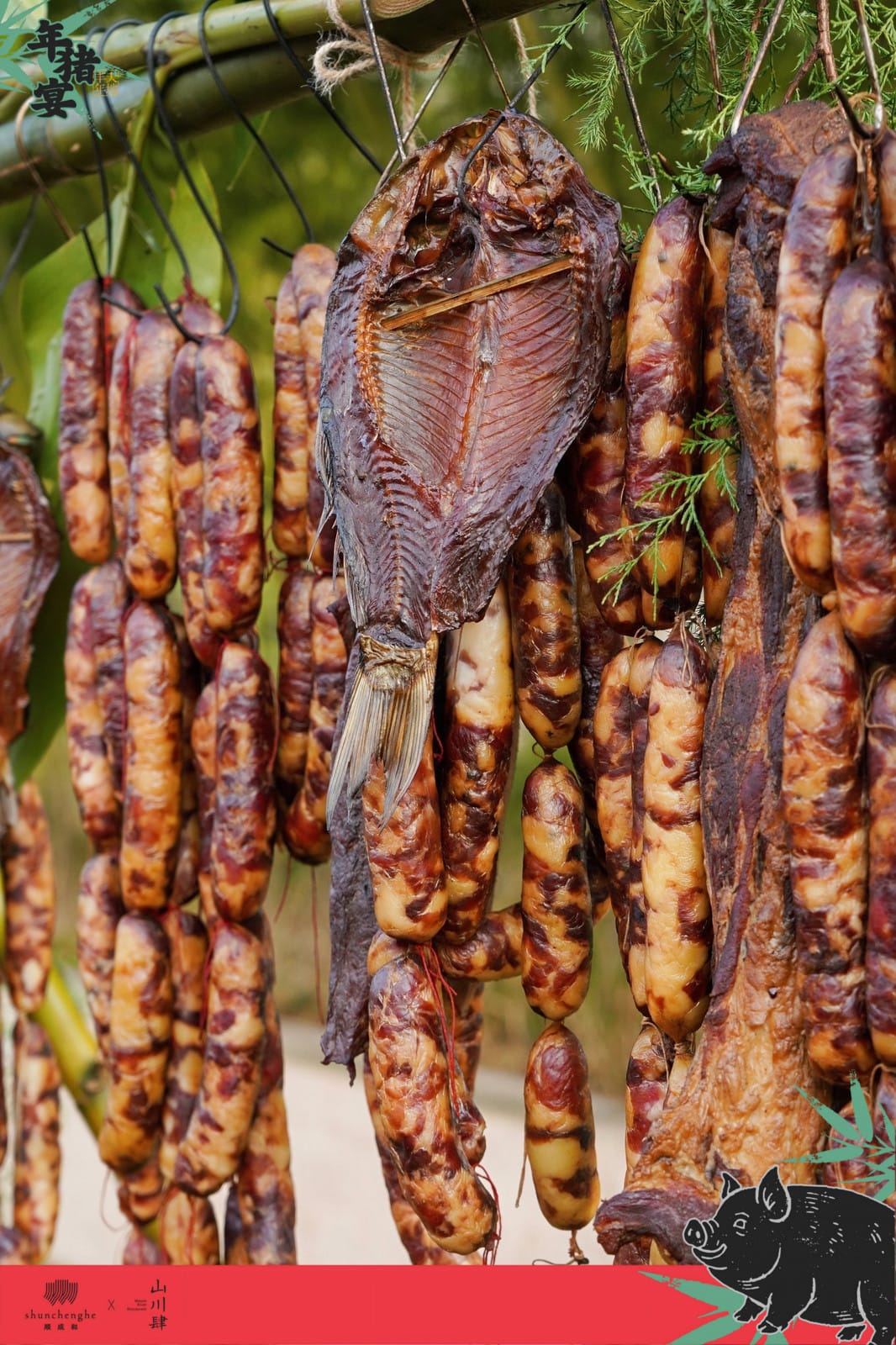
If you are in Chengdu and curious about noodles, we highly recommend trying Haiwei noodles. One of the best things about noodle culture in Sichuan is that shops usually let you choose your portion size: yī liǎng (一两), èr liǎng (二两), or sān liǎng (三两), with the smallest portion (yi liang) being around 50 grams of noodles. This makes it easy to order multiple small bowls and compare different flavors side by side.
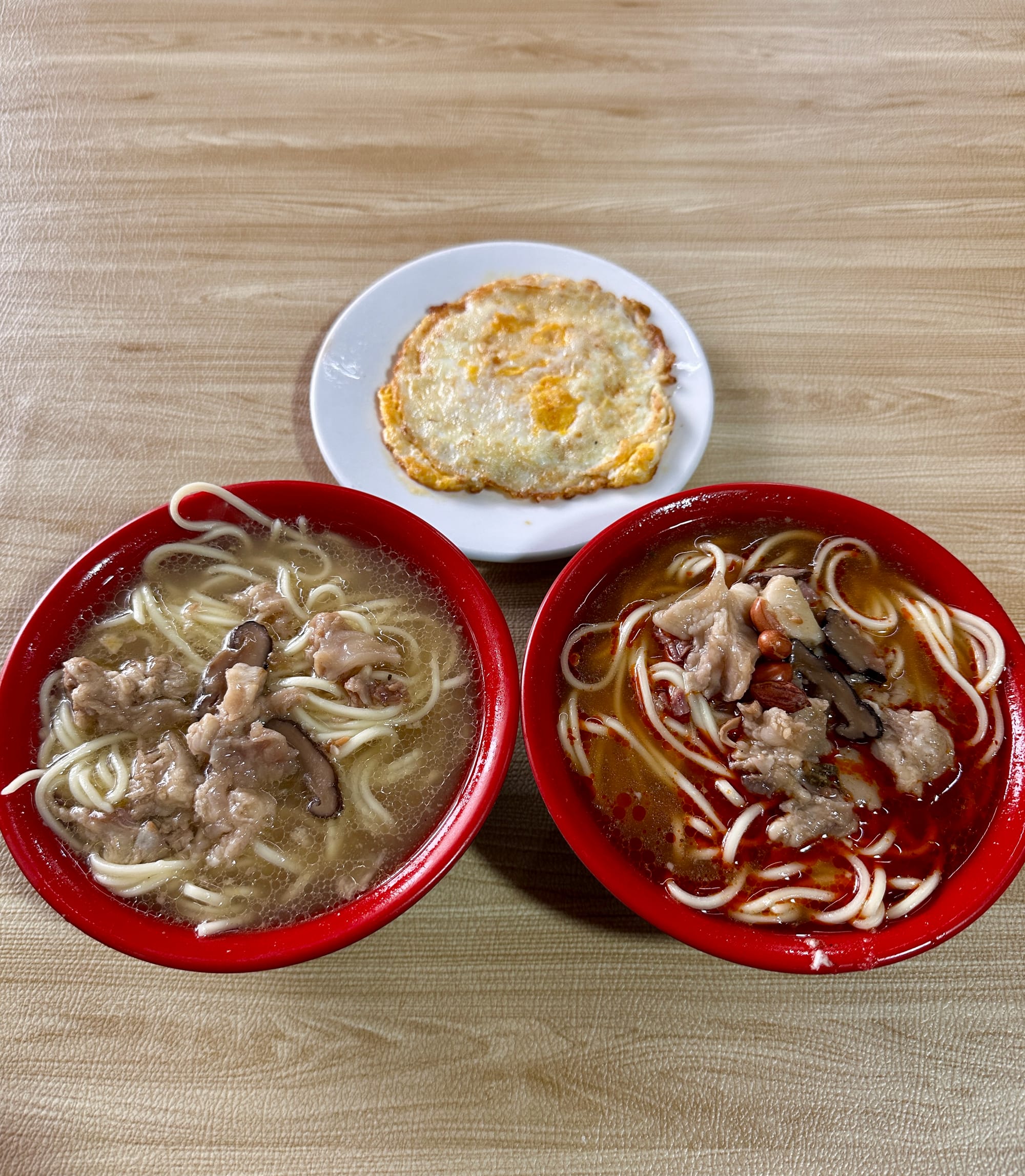
The contrast between each flavor can be surprisingly dramatic, and through these bowls of noodles, you can begin to understand how Sichuan culture took shape and continues to evolve today. Migration, trade, adaptation, and local interpretation all leave traces in the food. It is always fascinating to see how openness and inclusion allow a food culture to grow, absorb new influences, and eventually create something entirely its own.

A Tianjin, China native - Chloe has a deep appreciation for all things hotpot. Her appreciation of food and culture runs so deep that after a successful corporate career, she decided to uproot her life in China to attend Le Cordon Bleu Ottawa and Madrid. After working in the culinary industry in Canada, she decided to found Snout & Seek!
No spam, no sharing to third party. Only you and me.




Member discussion