Red Beetroot Risotto

Yield: 4
Active: 35 min
Total: 50 min
Heat: 🌶0/5
Diet: Vegetarian, GF
The Significance of the Dish
This dish is part of my end-of-diploma final menu project I designed for my restaurant. I gave it the name “Ruby” as part of my Rare Earth 4 dishes tasting menu. I picked out 4 places in the world that had great influence on my identity. This dish is inspired by Canada and its humble strength. Long winters, snow-covered landscapes, and the red maple leaf shape how food is experienced there. Root vegetables are humble, resilient, and deeply comforting, much like Canadian cuisine and character.
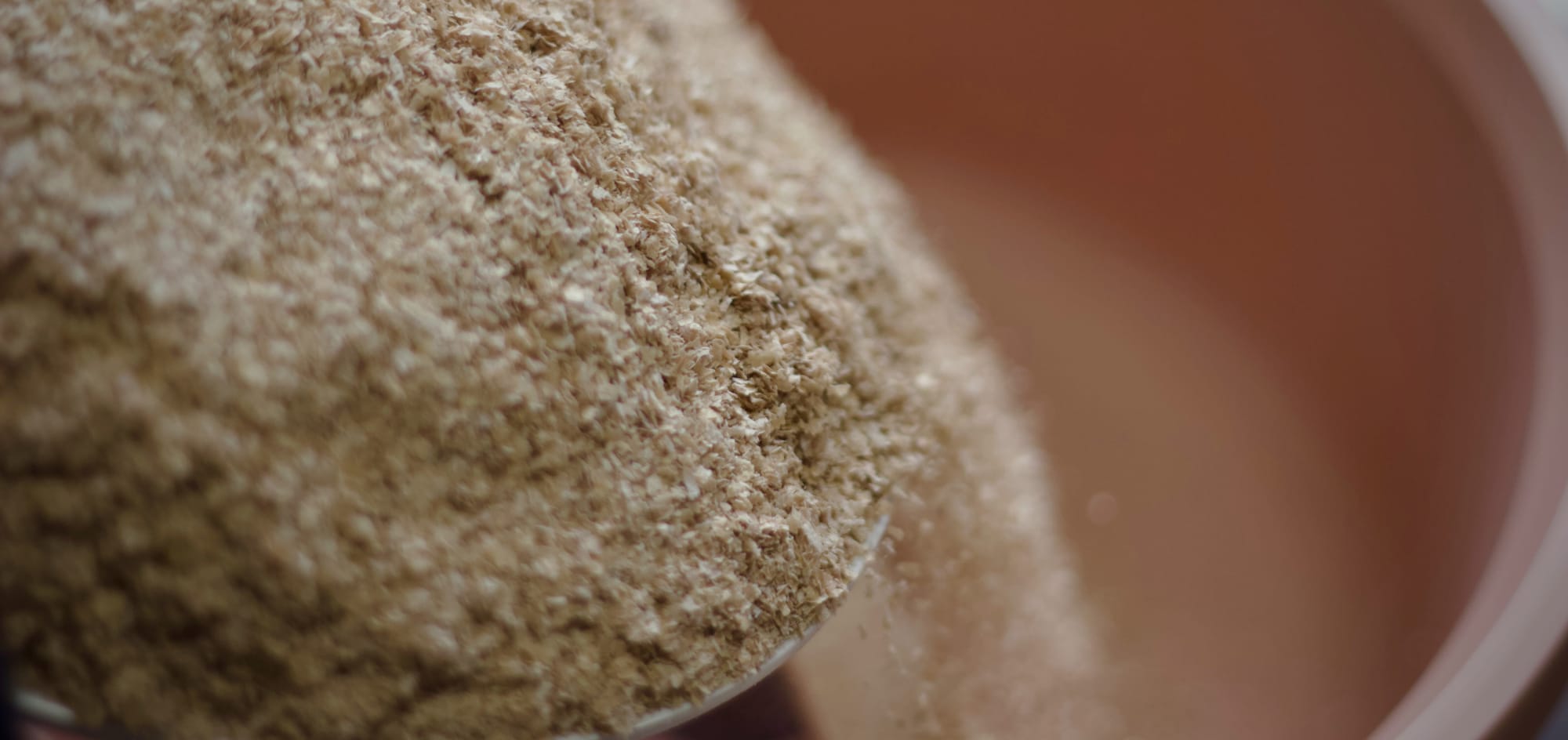
Red beetroot is a staple winter/spring ingredient that Canada proudly produces. On a freezing day, I think a warm risotto with beetroot is definitely going to warm people up from the chill outside. This beetroot risotto reflects warmth, kindness, and generosity. It is hearty, nourishing, and calming, just like a bowl of food meant to help someone feel at home.
Ingredient Guidance

- Beetroot: a classic winter and early spring vegetable in Canada. It brings sweetness, color, and earthiness.
- Arborio rice: essential for creamy risotto texture and starch release.
- Vegetable broth: keep warm to maintain even cooking and creaminess. You can add extra ingredients to add more layers of flavor for different seasons.
- Goat cheese: balances beet sweetness with savory acidity. Canadian goat cheese, especially from Quebec, works beautifully.
- Chioggia beet: chosen for its striking candy-cane pattern and mild flavor.
- Walnuts: add texture, bitterness, and warmth to contrast the soft risotto.
- Vinegar: white wine vinegar gives clean acidity without overpowering the beet.
Mise en Place
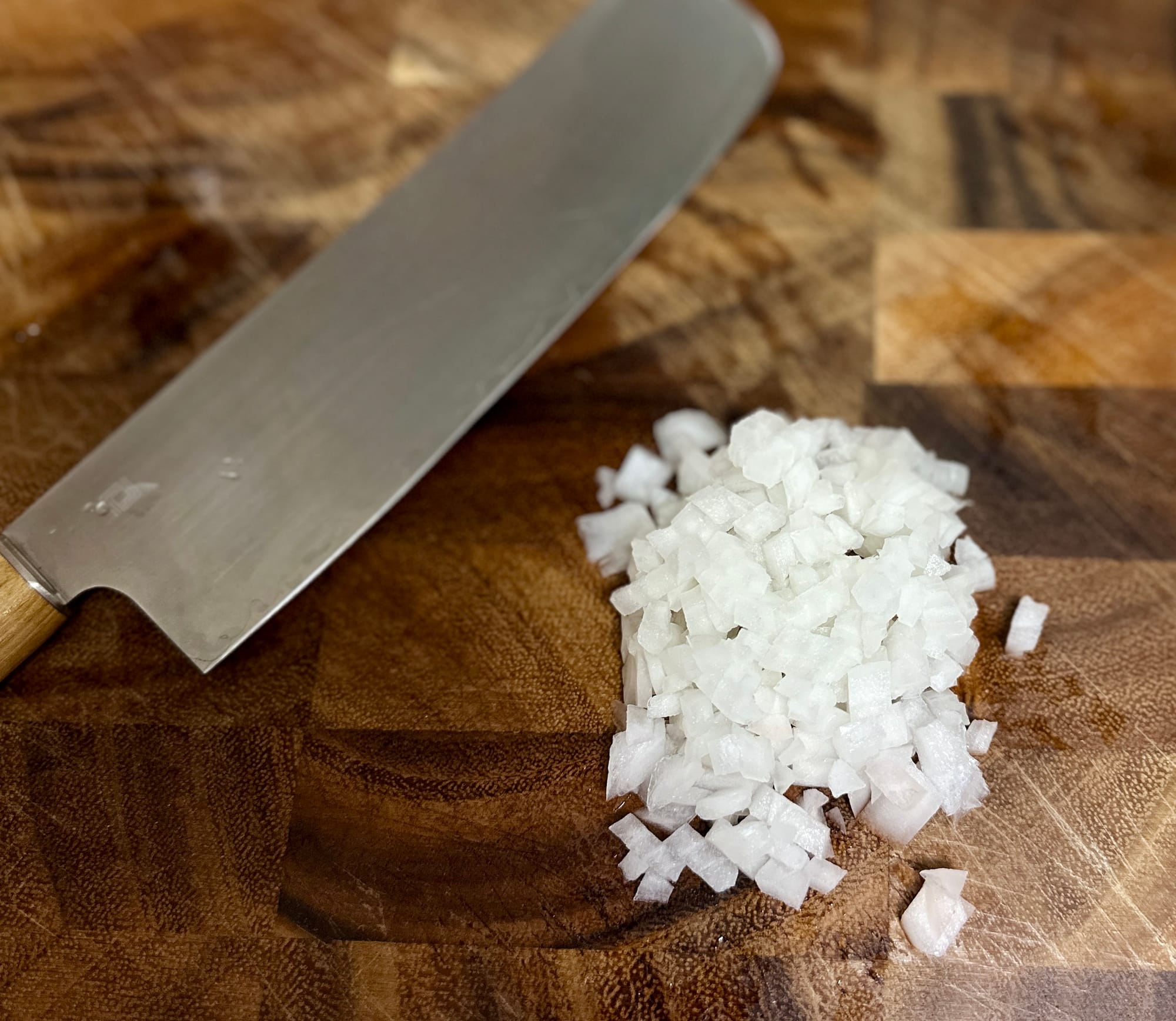

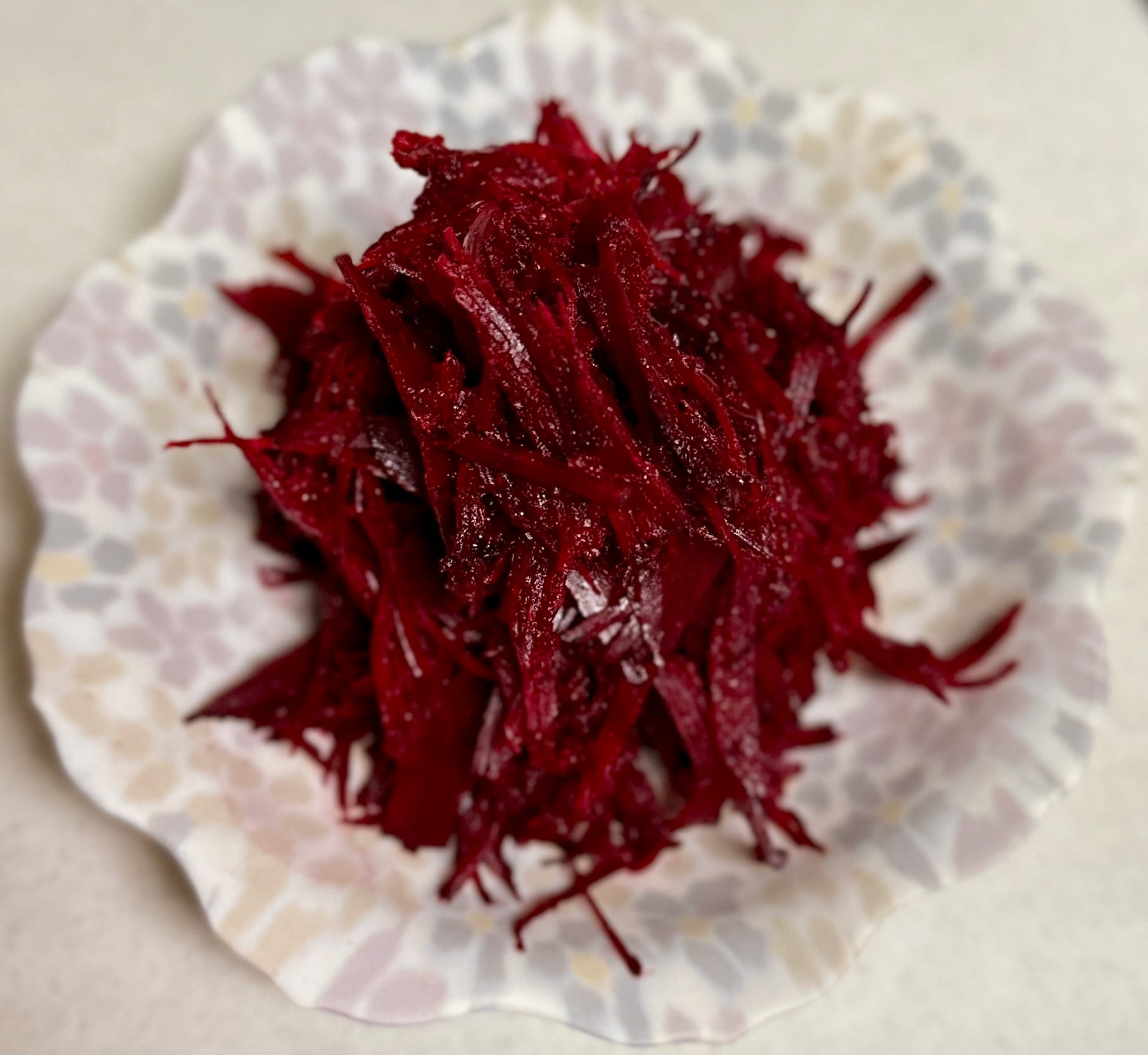
- Make vegetable broth, sieve and keep at a gentle simmer.
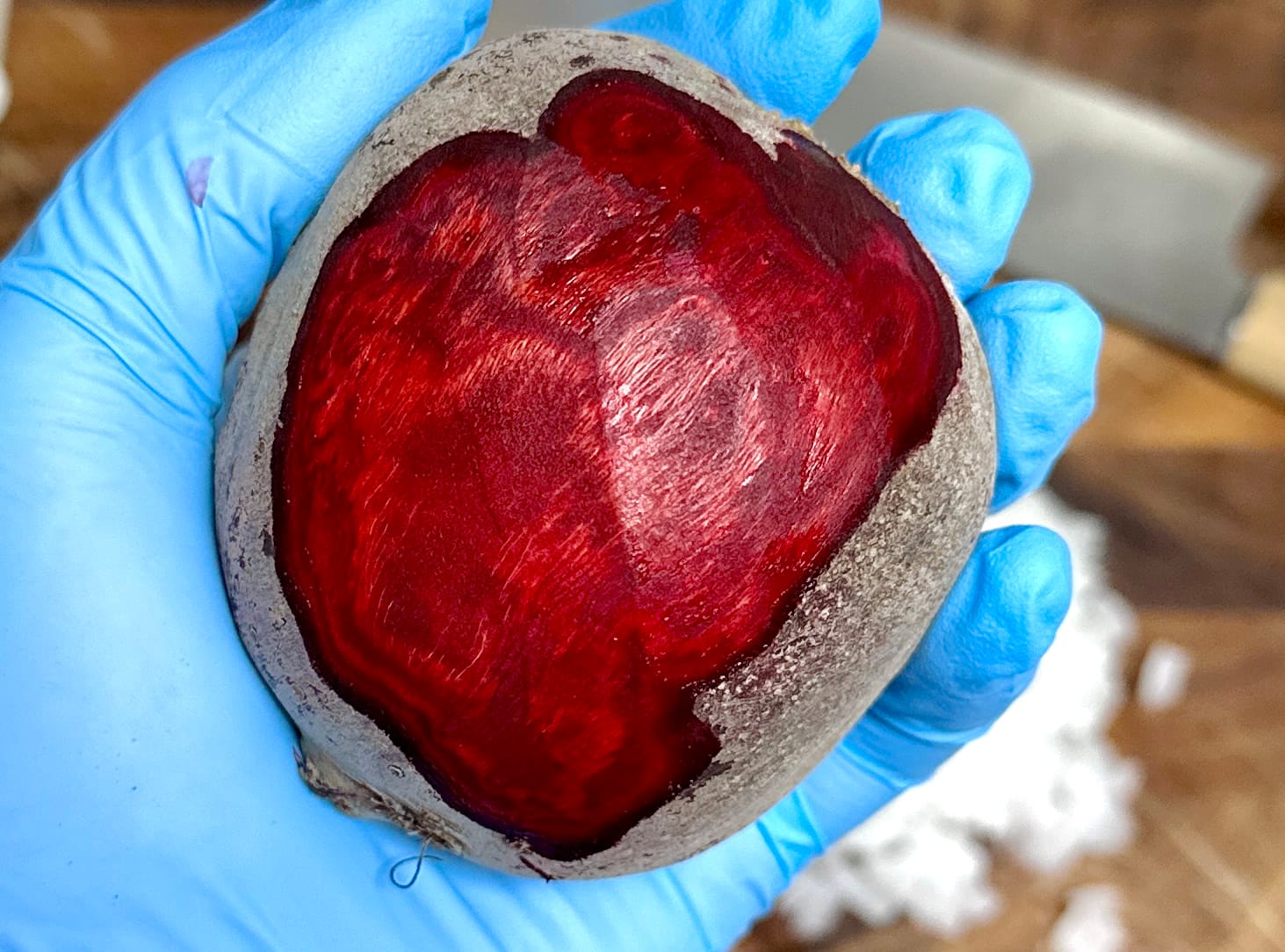
- Peel and grate red beetroot using gloves.
- Finely dice onion.
- Toast walnuts until fragrant.
- Slice Chioggia beet thinly using a mandolin.
- Prepare pickling liquid in advance.
Ingredients
Simple Vegetable Stock/Broth with Dried Shiitake Mushrooms
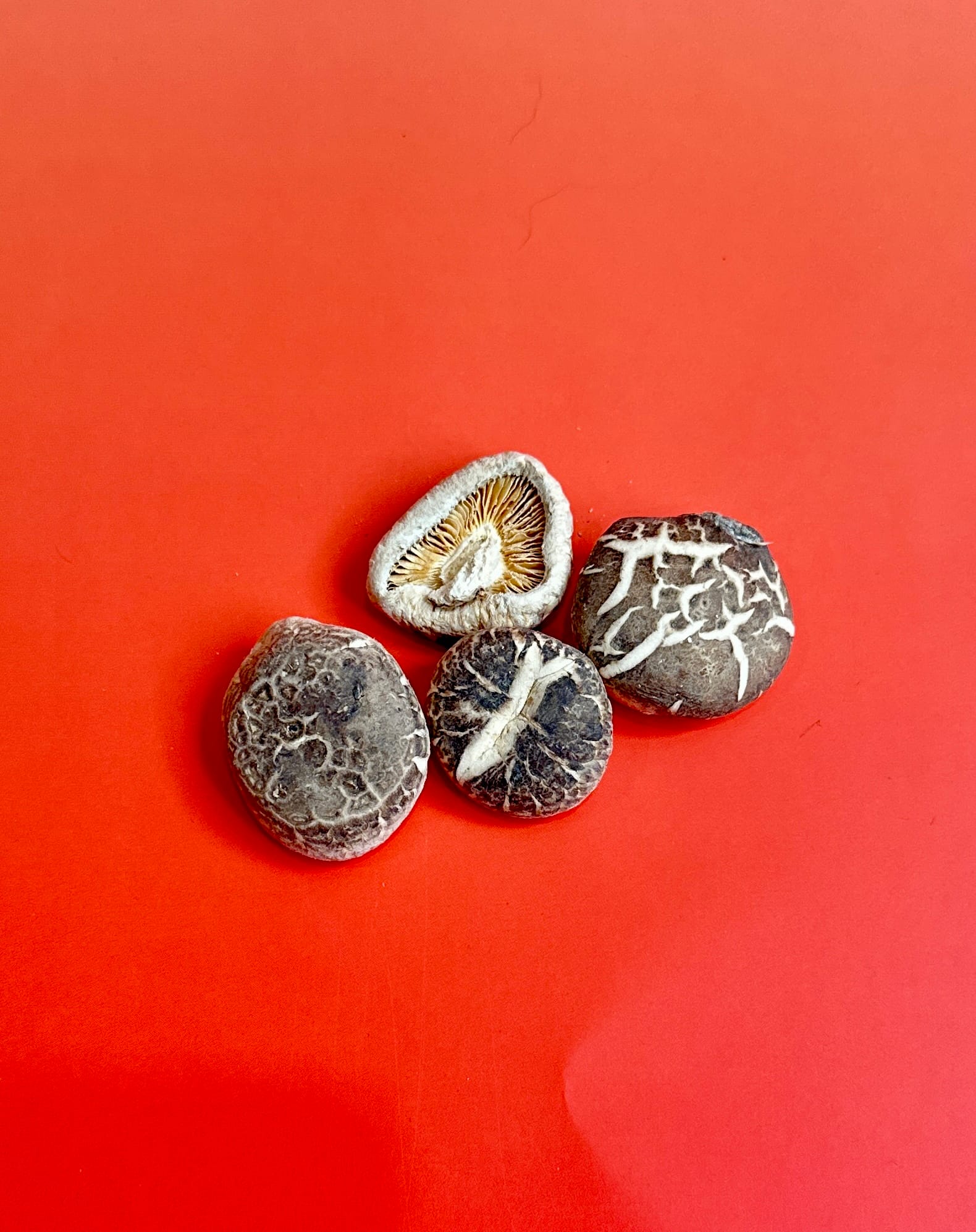
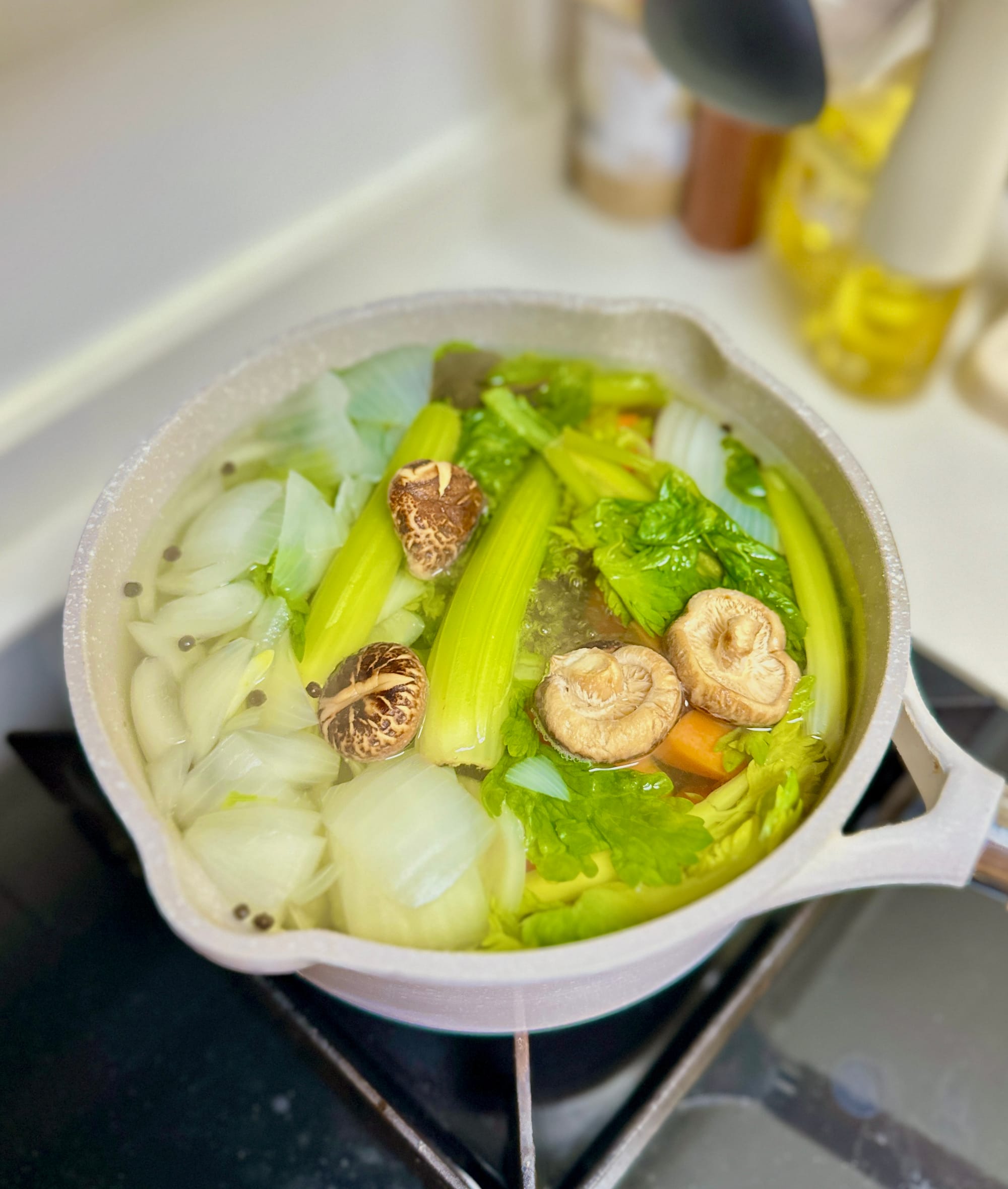
- ½ Carrot, chopped
- ½ White onion, chopped to the same size as the carrots
- 3 Celery stalks, chopped to the same size
- 3-4 dried shiitake mushrooms to add extra flavor that’s perfect for winter
- 5 g Black and white peppercorns
- 3 Bay leaves
- 1L Water
Beetroot Risotto
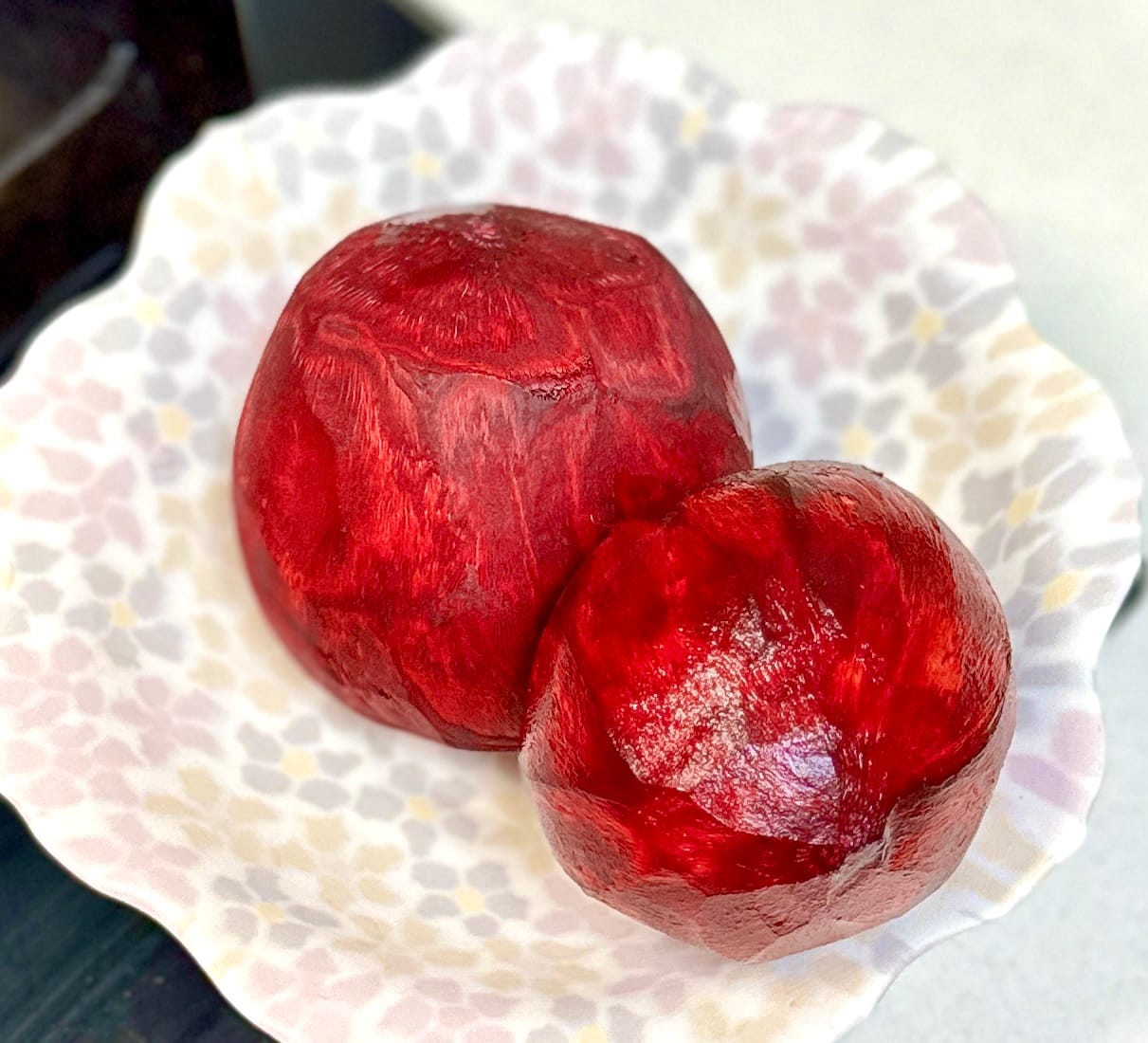
- 150 g Arborio rice
- 200 g red beetroot, peeled and grated
- 60 g white onion, finely diced
- 700 mL vegetable broth – Made with
- 20 g olive oil
- Salt and black pepper, to taste
Finish
- 30 g goat cheese, crumbled
- 10 g walnuts, toasted
Pickled Chioggia Beet
- 10 g Chioggia beet, thinly sliced
- 200 mL white wine vinegar
- 200 mL water
Method & Procedures
Vegetable Stock
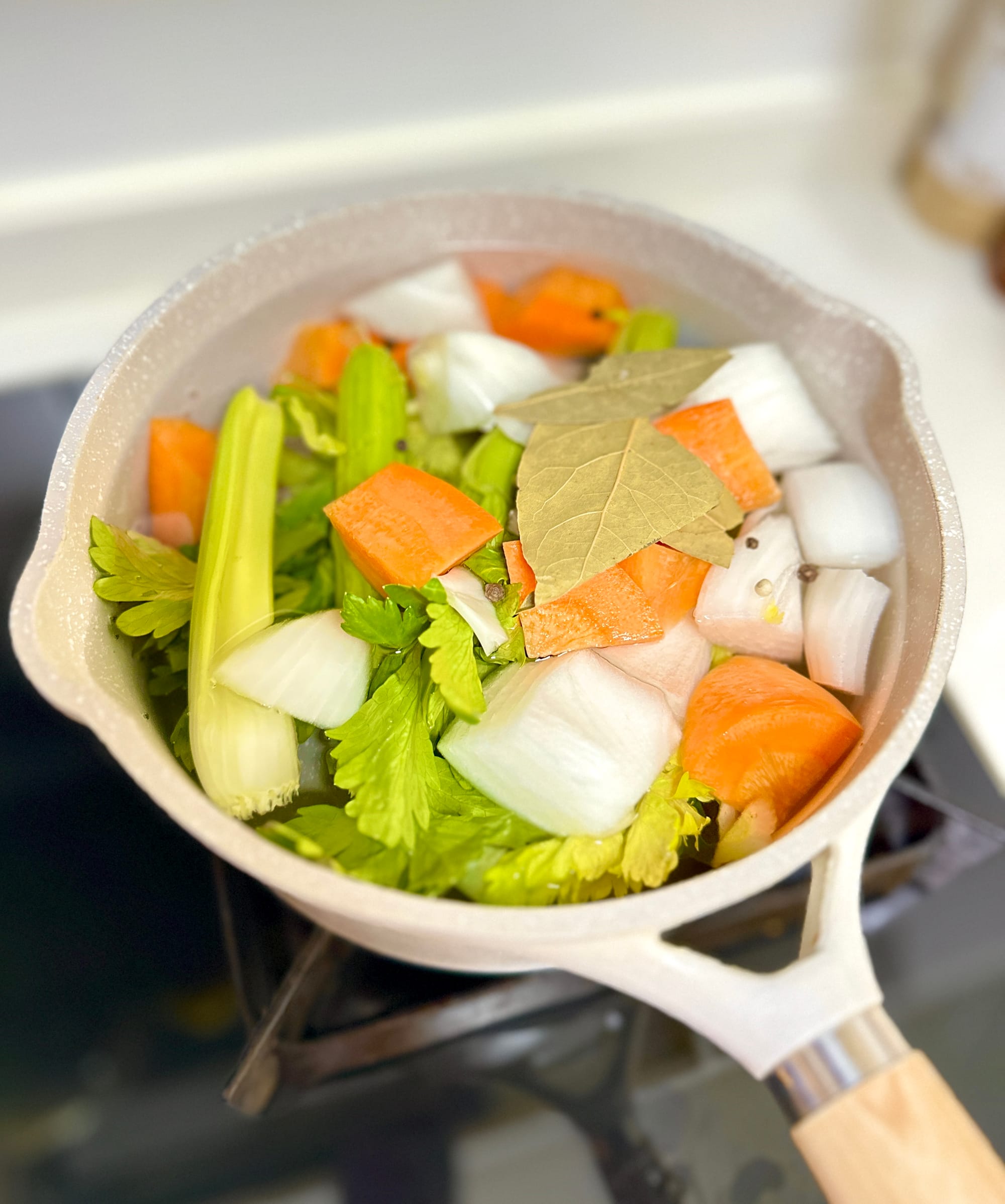
- Sweat the vegetables — Heat olive oil in a large pot over medium heat. Add onion, carrot, and celery. Cook gently 5–7 minutes until fragrant and softened but not browned.
- Add aromatics and water — Add bay leaf, and peppercorns. Pour in cold water
- Add in the dried shiitake mushrooms into the pot with other ingredients.
- Simmer gently — Bring to a low simmer. Reduce heat and cook uncovered for 45–60 minutes. Do not boil hard.
- Season lightly — Add a small pinch of salt near the end. Taste. The broth should be mild and clean.
- Strain — Strain through a fine sieve. Discard solids.
Pickled Chioggia Beet
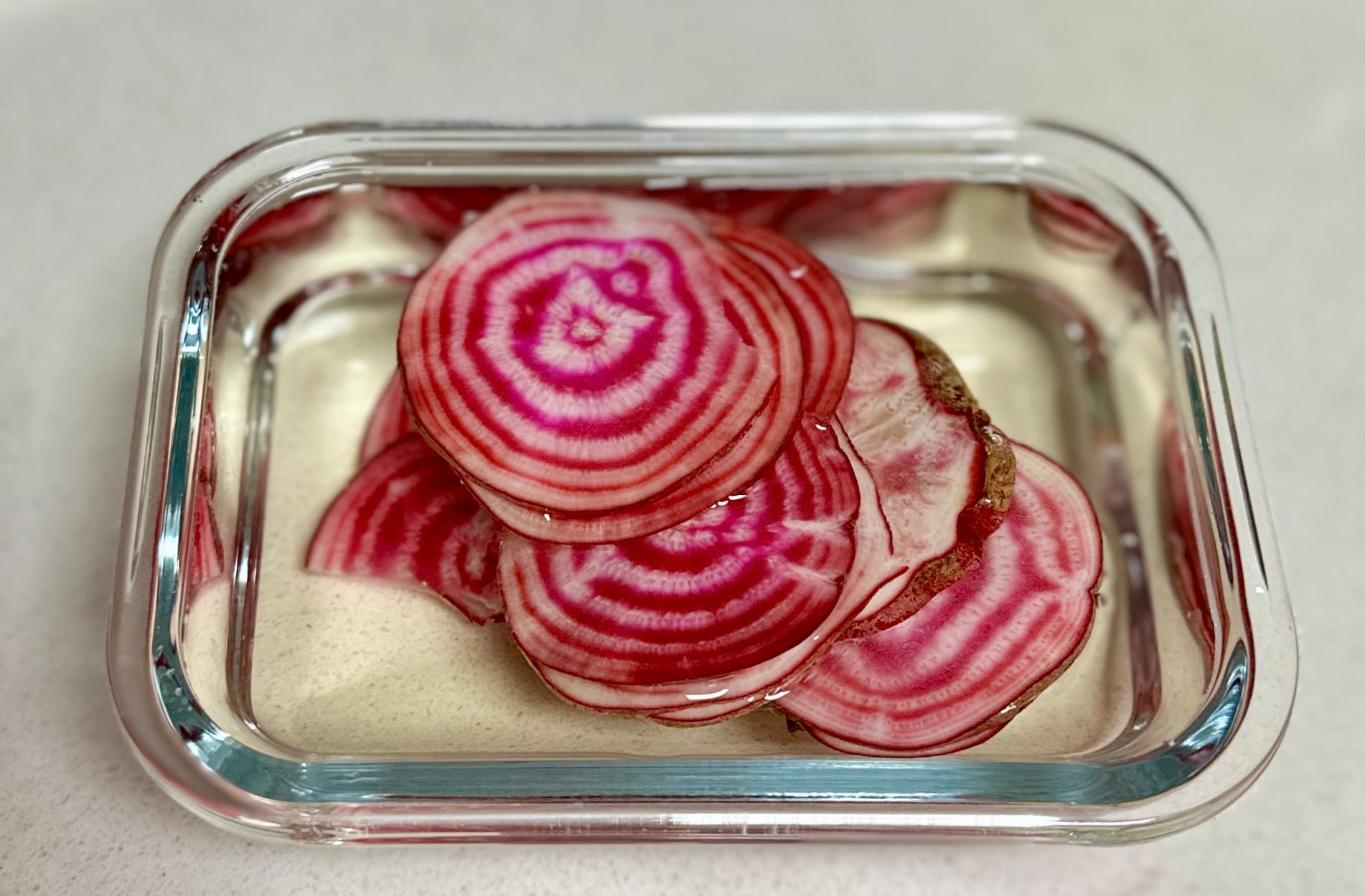
- Prepare the pickling liquid — Combine vinegar and water in a small pot and bring to a boil. Transfer to a container and let cool slightly.
- Slice the beet — Trim one end to reveal the ring pattern. Slice into 1 mm rounds using a mandolin.
- Pickle — Submerge beet slices fully in liquid. Pickle 30 to 60 minutes. Do not over-pickle or the red rings will bleed.
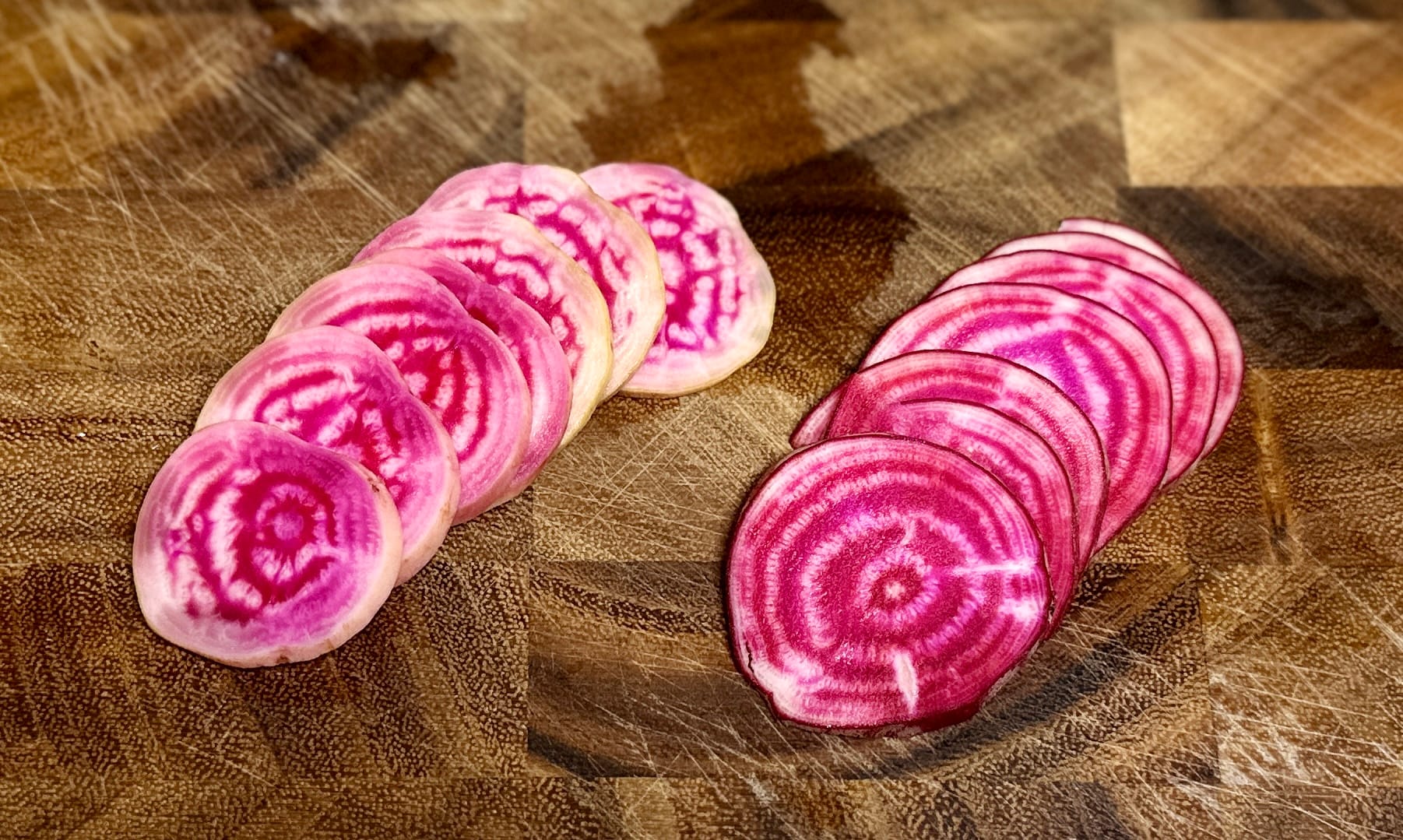
I have also put raw beetroot into my fermentation jar to give it a quick ferment for about 2 days. The flavor, as well as the texture is quite different than quick pickling as you can see the comparison below:
Beetroot Risotto
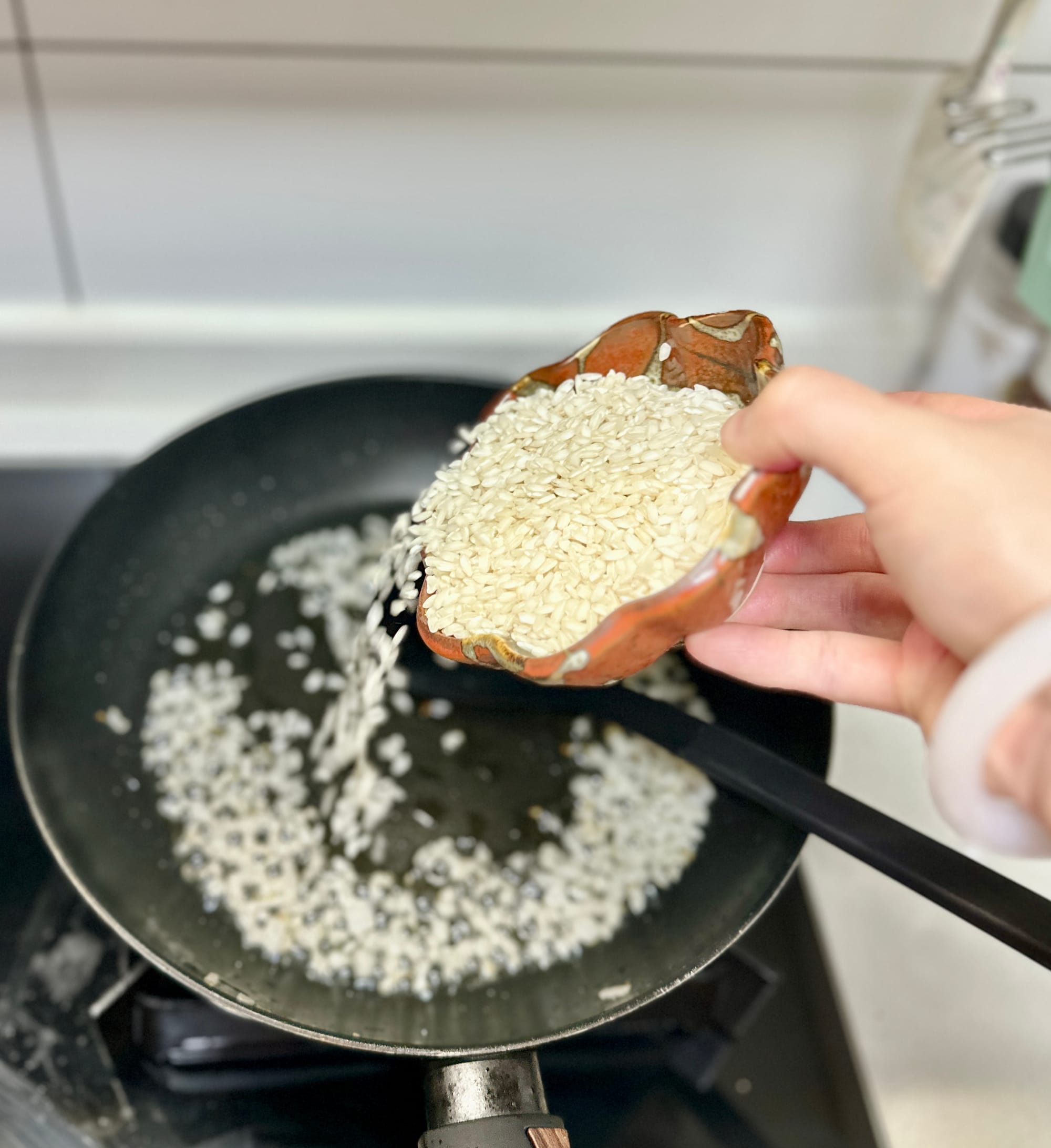
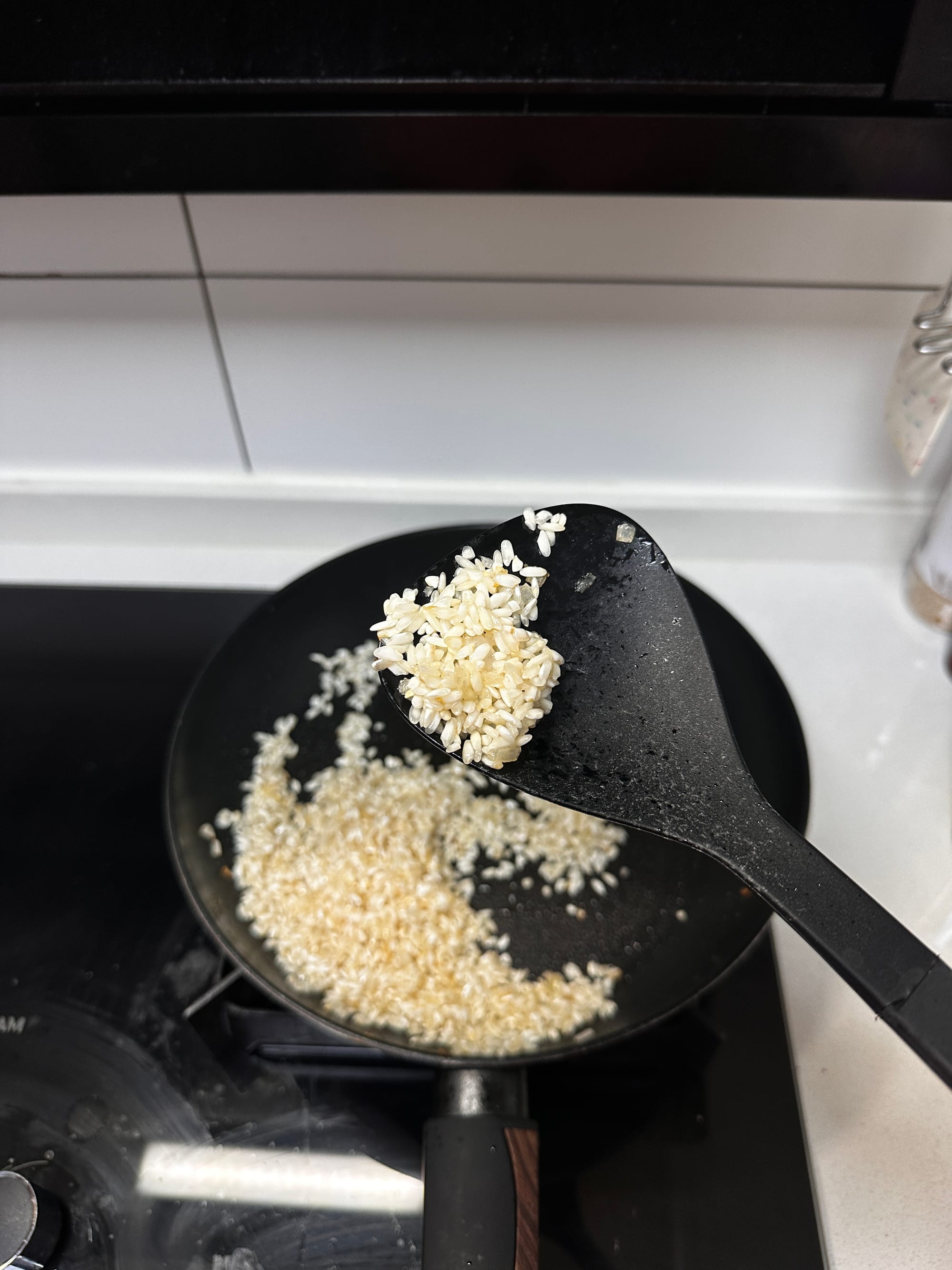
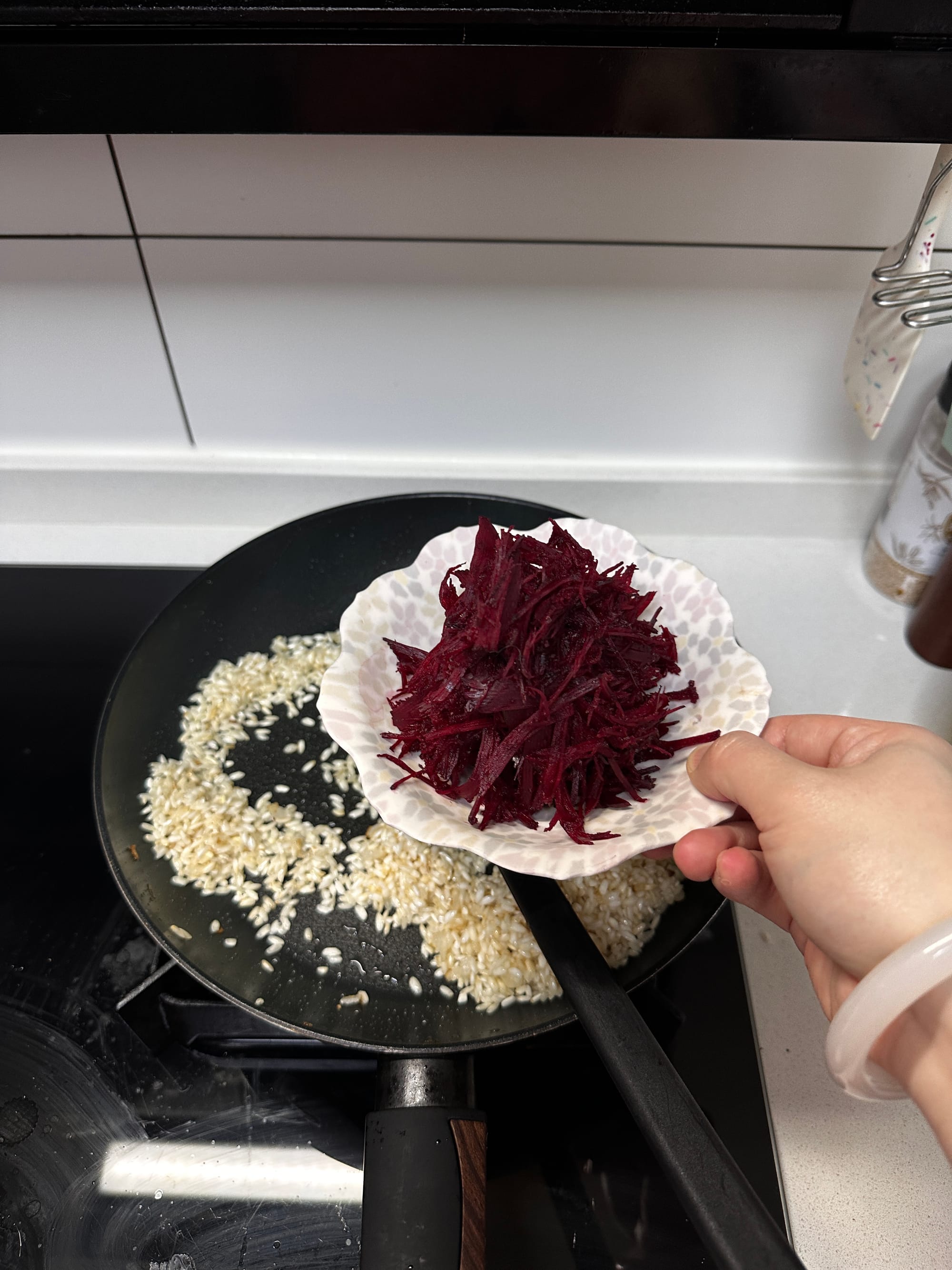
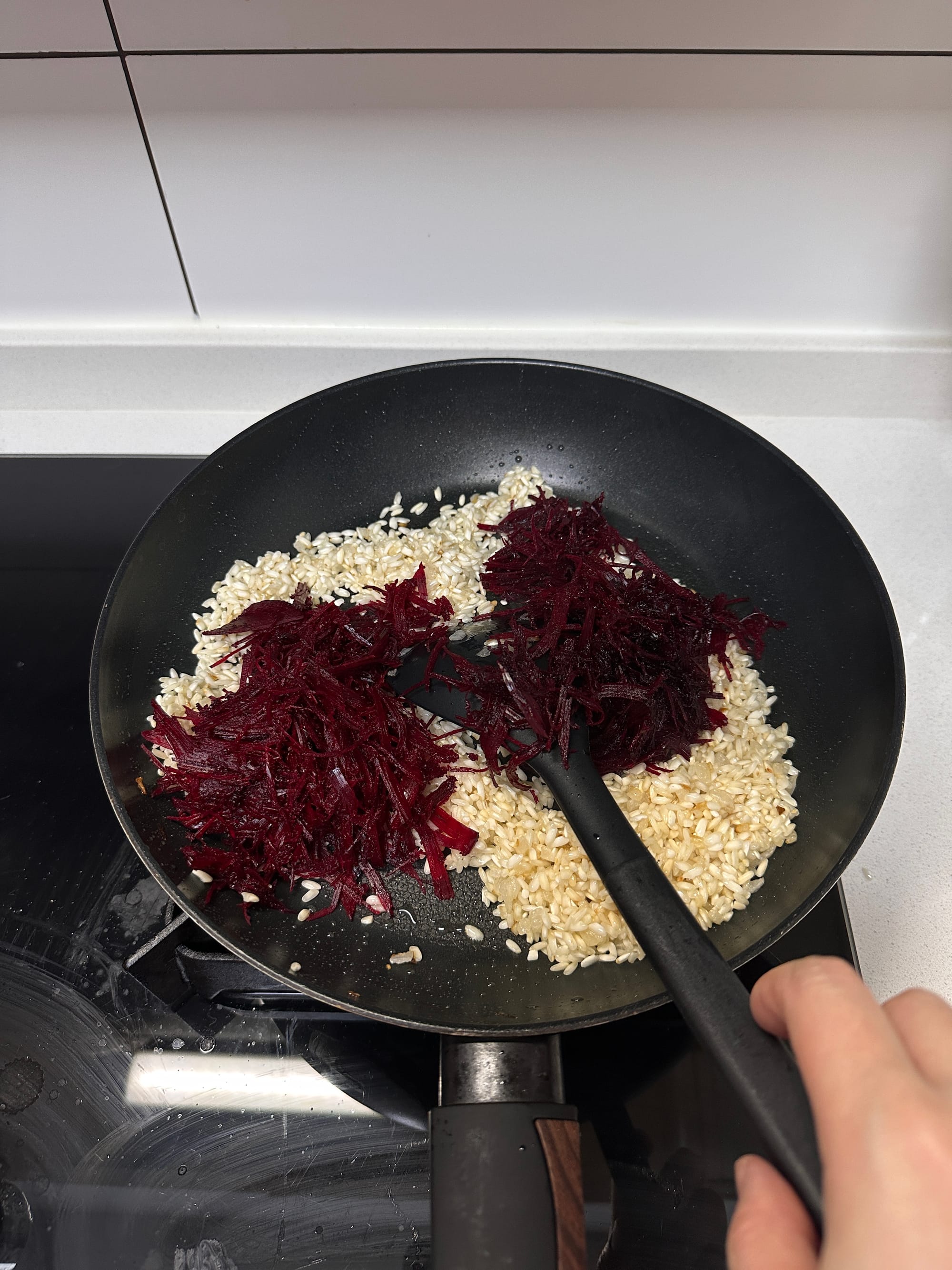
- Heat the broth — Bring vegetable broth to a simmer and keep warm.
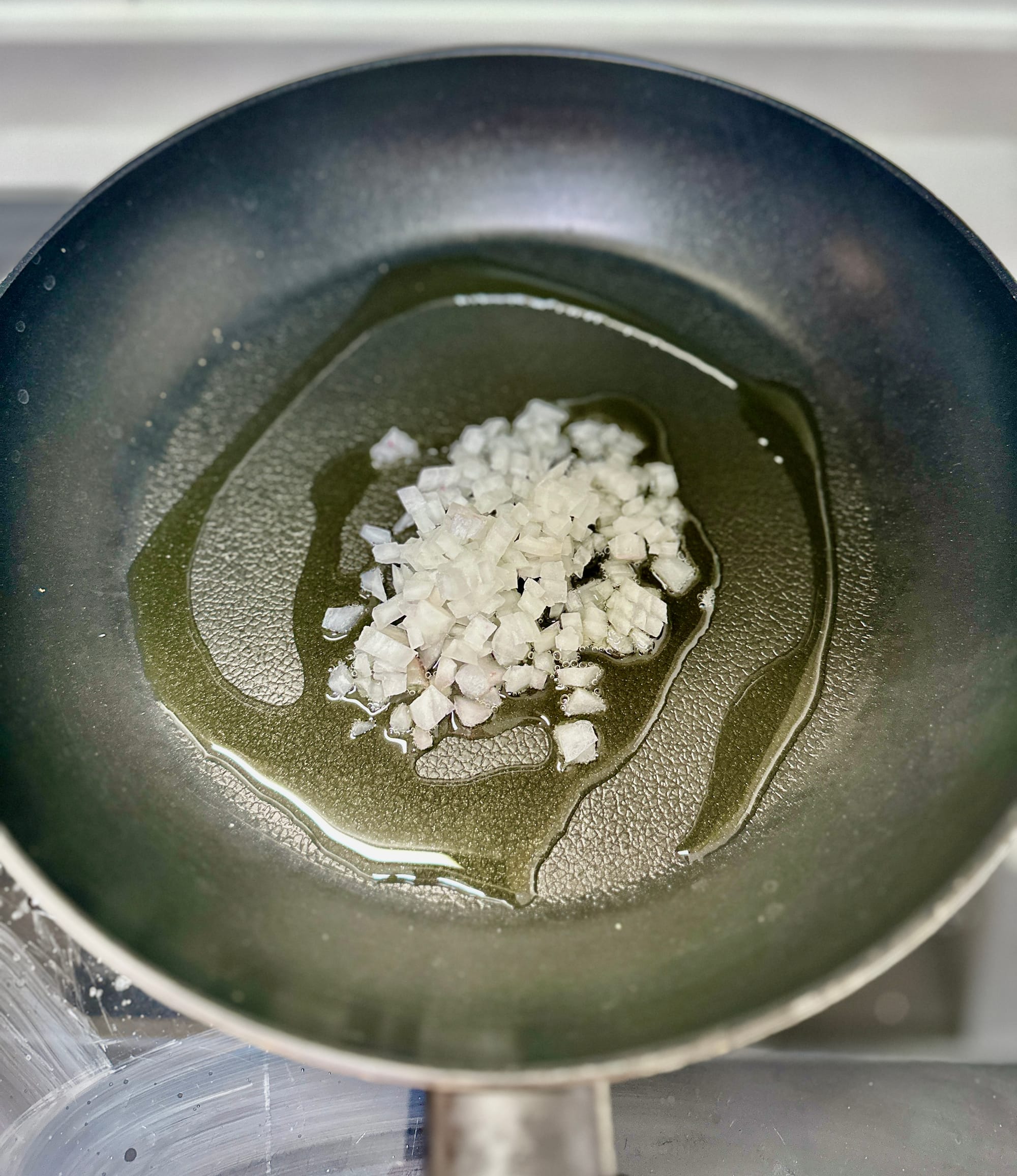
- Sweat the onion — Heat olive oil in a wide sauté pan over medium heat. Add onion and cook gently until translucent without browning.
- Nacrer the rice — Add Arborio rice. Stir until grains are coated and partially translucent.
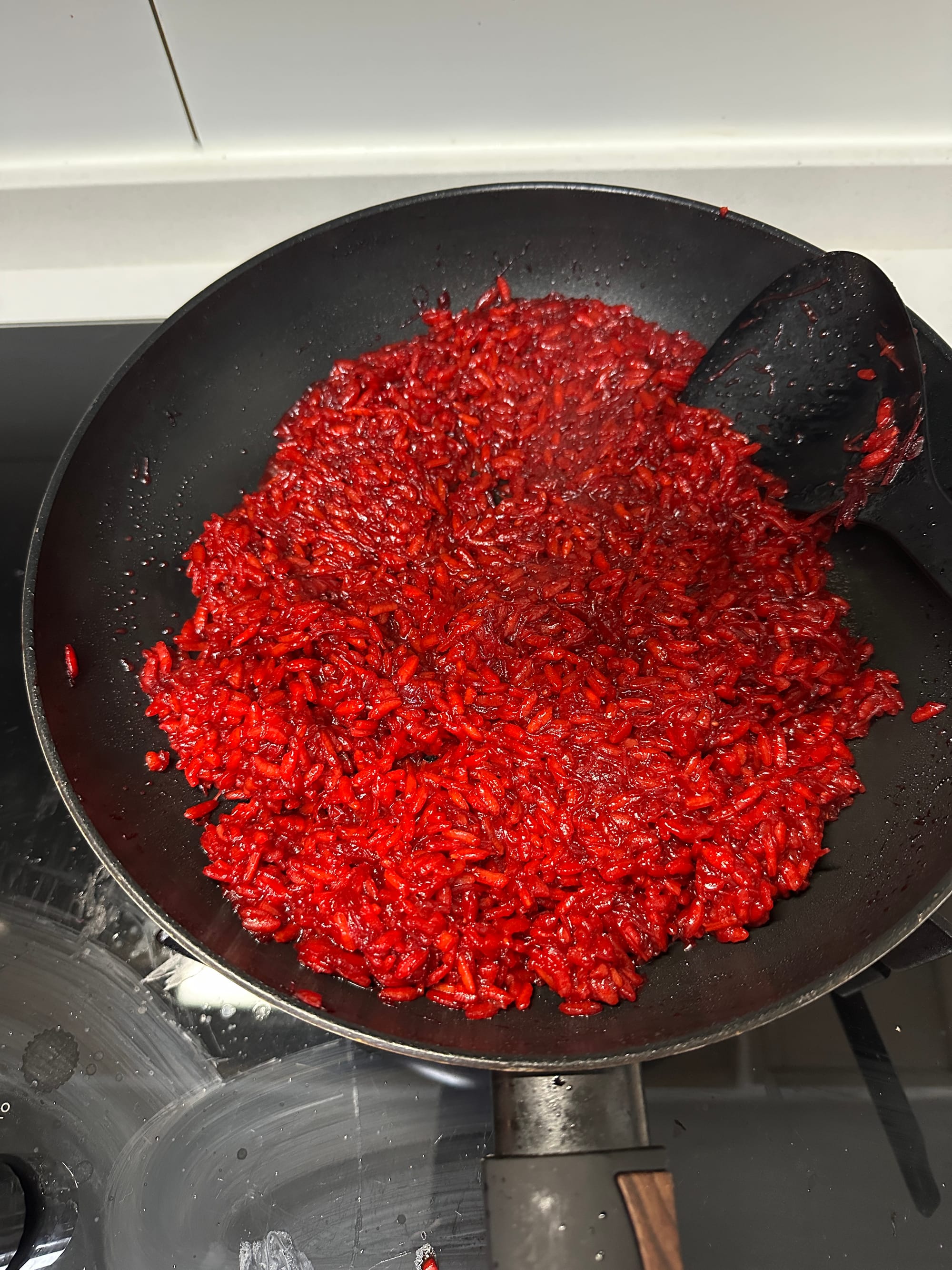
- Add beetroot — Stir in grated beetroot and cook briefly to release color and aroma.
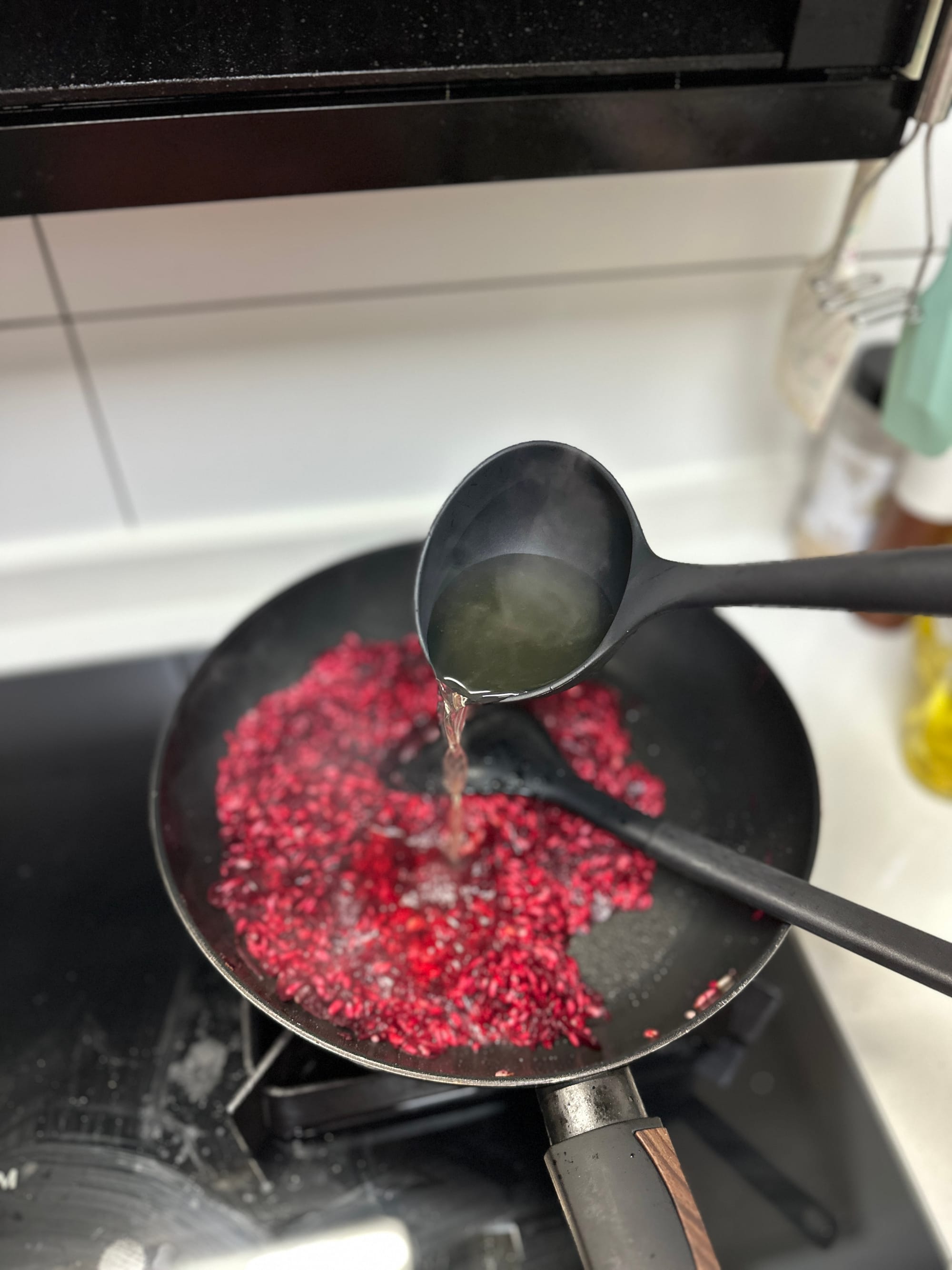
- Cook the risotto — Add hot broth one ladle at a time, stirring constantly. Let liquid absorb before adding more.
- Finish cooking — Continue until rice is al dente to tender and creamy. Season with salt and pepper. Add more broth if too thick.
Pro tip
Always keep the broth hot. Cold liquid will shock the rice and slow starch release. Wear gloves when handling beetroot to avoid staining.
Finish and Serve
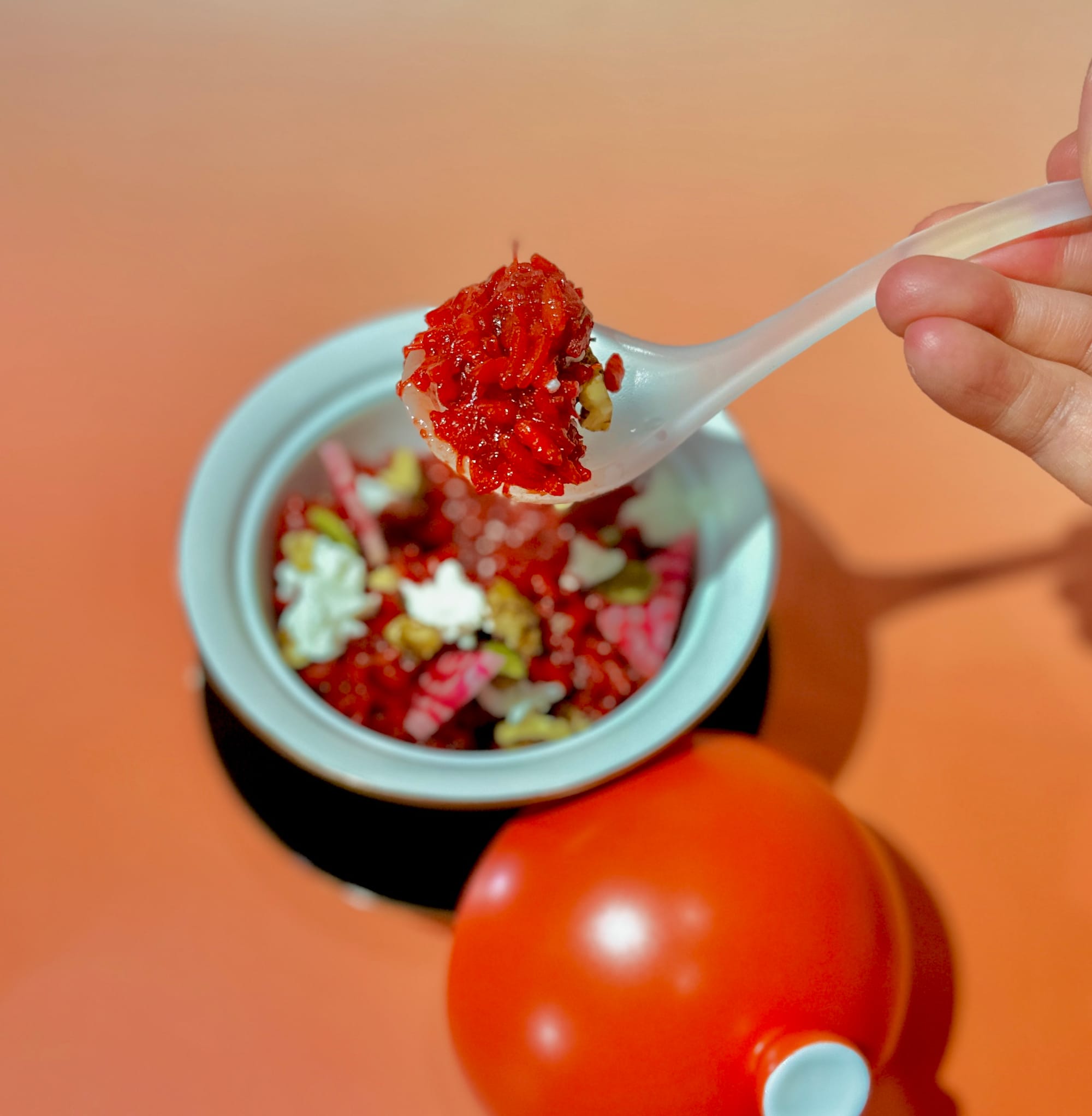
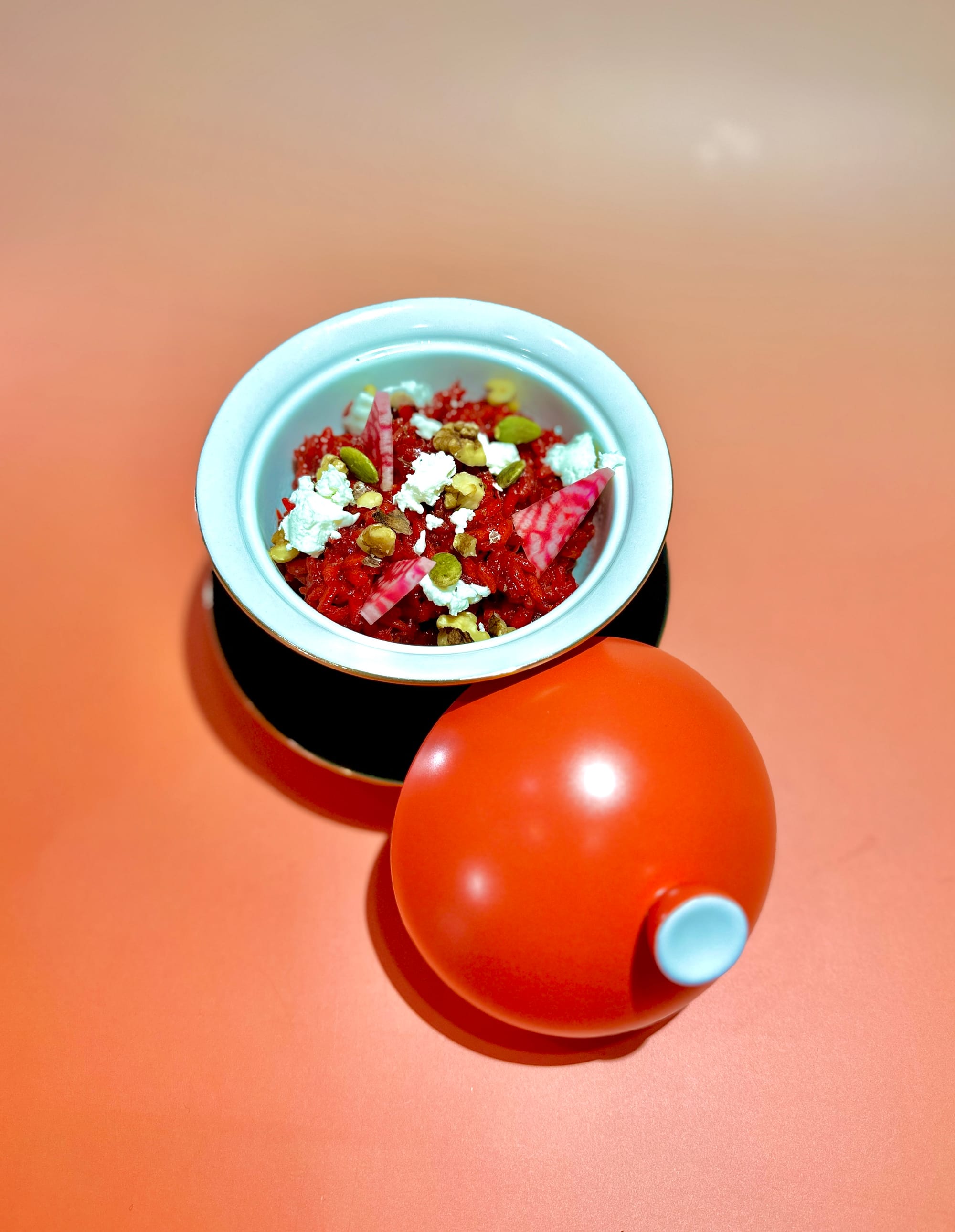
Plate risotto neatly in the center of the plate. Crumble goat cheese around the rim. Add toasted walnuts on top. Garnish with pickled Chioggia beet slices. Serve hot.
Why This Works
Slow stirring releases starch for natural creaminess without cream. Beetroot dyes the rice while adding sweetness. Goat cheese adds savory contrast. Pickled beet cuts richness with acidity, and walnuts bring crunch and depth.
Variations
- Creamier version: finish with a knob of butter or extra goat cheese.
- Brighter version: add lemon zest at the end.
- Nut-free: replace walnuts with toasted pumpkin seeds.
- Vegan: omit cheese and finish with olive oil and nutritional yeast.
Pairings
- Wine: light Pinot Noir or dry rosé.
- Tea: roasted oolong or barley tea.
- Side: simple green salad with vinaigrette.
Make-ahead and Storage
Risotto is best served fresh. Leftovers keep 1 day refrigerated. Reheat gently with added broth.
Sourcing
Look for firm, fresh beets and quality Arborio rice. If you can, try to use Canadian goat cheese, especially from Quebec.
Glossary
- Nacrer — coating rice grains with fat until translucent
- Chioggia beet — striped heirloom beet with mild sweetness
- Risotto — An Italian rice dish made by slowly cooking short-grain rice with hot stock, producing a naturally creamy consistency.

A Tianjin, China native - Chloe has a deep appreciation for all things hotpot. Her appreciation of food and culture runs so deep that after a successful corporate career, she decided to uproot her life in China to attend Le Cordon Bleu Ottawa and Madrid. After working in the culinary industry in Canada, she decided to found Snout & Seek!
No spam, no sharing to third party. Only you and me.



Member discussion