Indonesia’s Umami Bomb: Nasi Goreng
Serves: 2
Heat: 🌶🌶/5
Allergens: Contains shellfish and Soy
Significance of the Dish
One of my favorite ways to use up leftover rice from the night before is to make a fried rice dish out of it the next day. It’s quick and easy to whip up, and there’s a myriad of different versions of the recipe to choose from. Fried rice is also my go-to dish if I’m tired after a long day at work and don’t feel like putting a lot of effort into making dinner or a late-night meal. There is something comforting about it to me, probably because of the nostalgic value it holds.
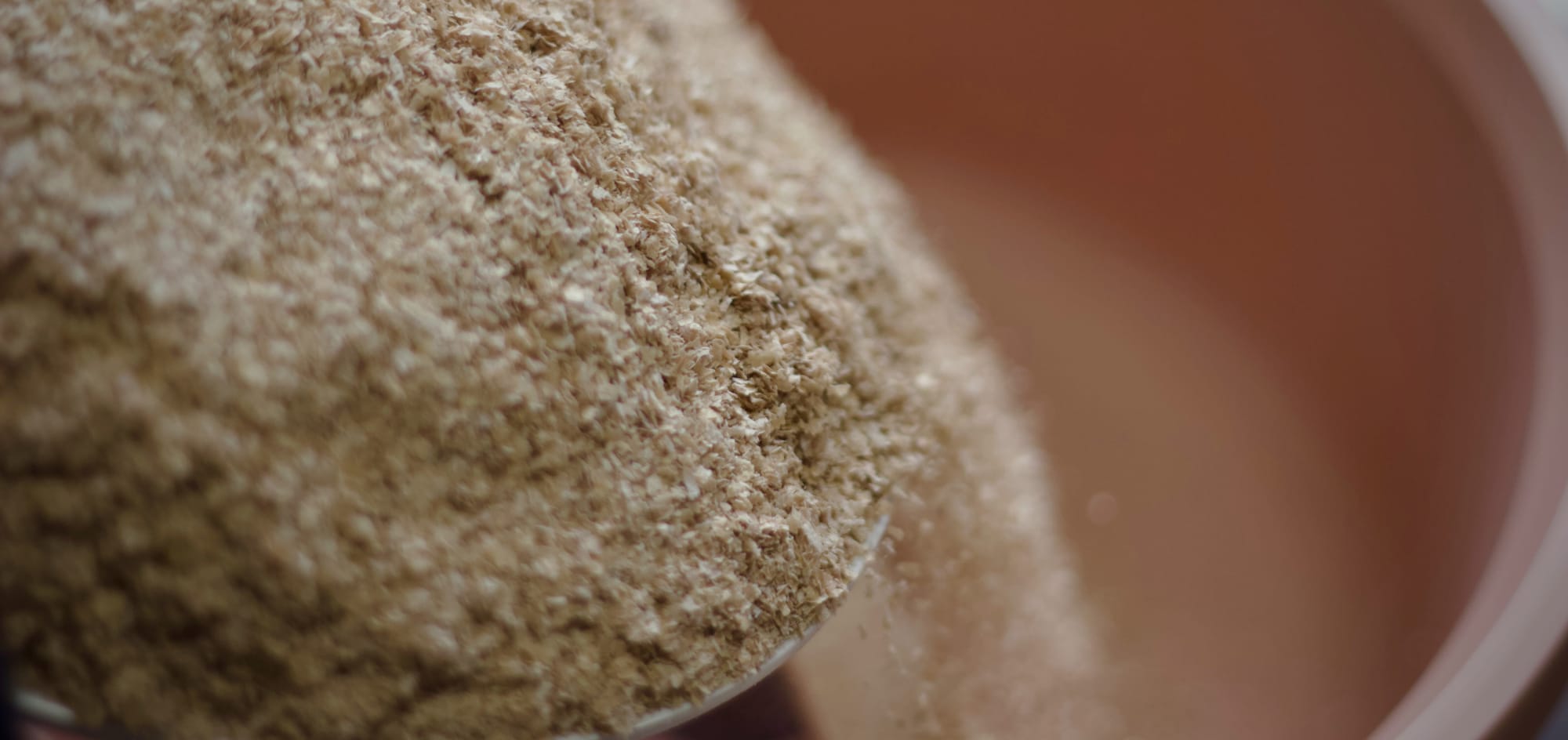
I grew up eating a lot of it in Sri Lanka, but my love for the dish only started later in life when I moved to the Netherlands. You might be thinking, what does a western European country know about fried rice? But due to its colonial past, the Netherlands has a large Indonesian population living in the country, who have brought their many flavorful foods with them. One of which is Nasi Goreng. A fried rice dish made with kecap manis instead of the traditional soy sauce. Kecap manis is a sweetened soy made by reducing soy sauce with molasses and ground coriander.
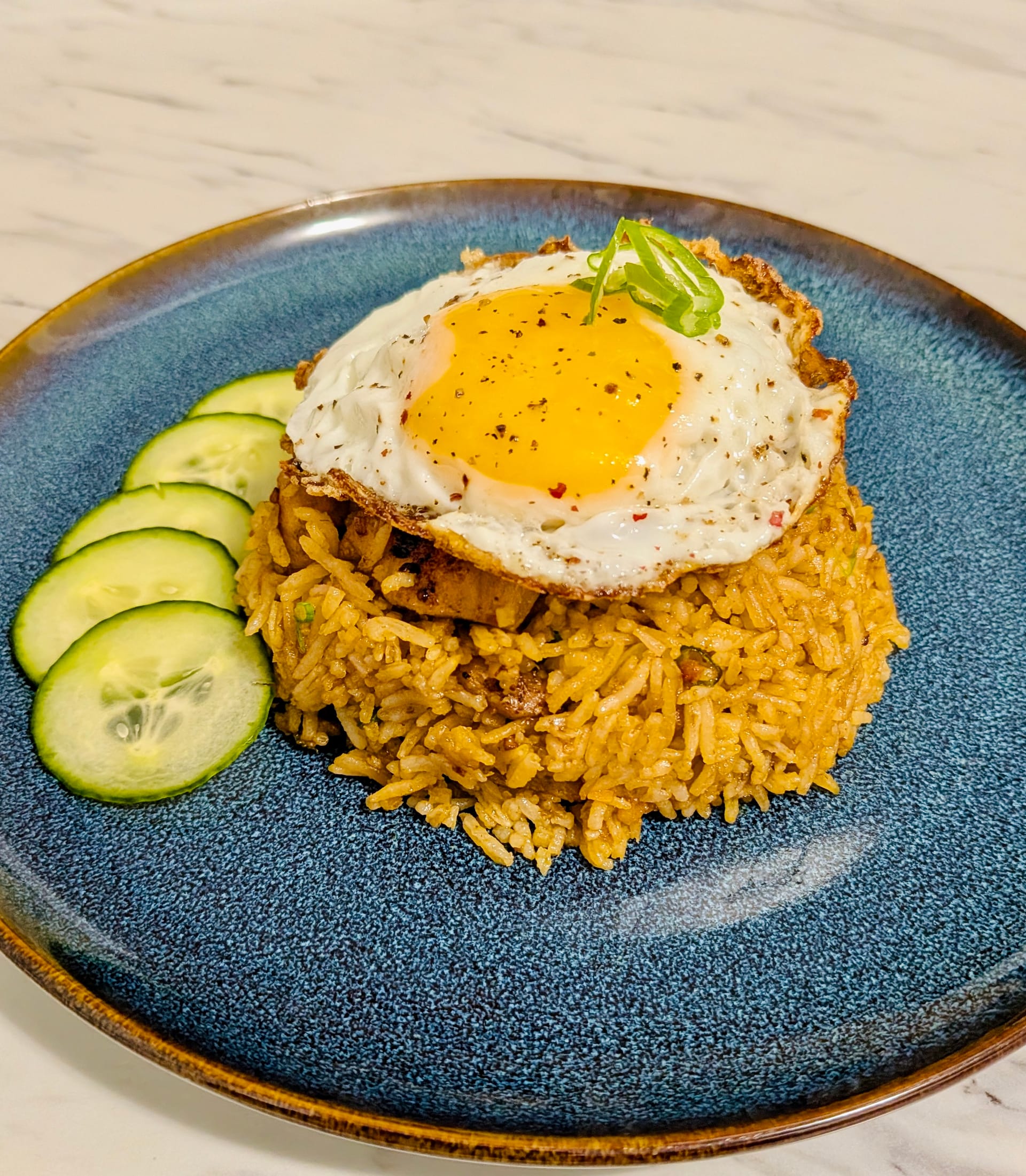
I later learned after traveling to Indonesia that a good nasi goreng has a spicy umami flavor thanks to the use of shrimp paste and chili (something the Dutch often leave out) and must be served with a fried egg on top. The creamy gooiness of the sunny-side-up egg pairs wonderfully with the umami bomb that is nasi goreng.
Ingredient Guidance
- Shrimp Paste: There are many different types of shrimp paste available for purchase, some more pungent than others. The shrimp paste you choose will ultimately end up creating a lot of the flavor for the rice, so you can experiment with a few different options until you find your favorite one. I prefer using shrimp pastes in oil; that way I can skip the roasting stage like I would normally do for a belacan-style shrimp paste to bring out more flavor.
Ingredients
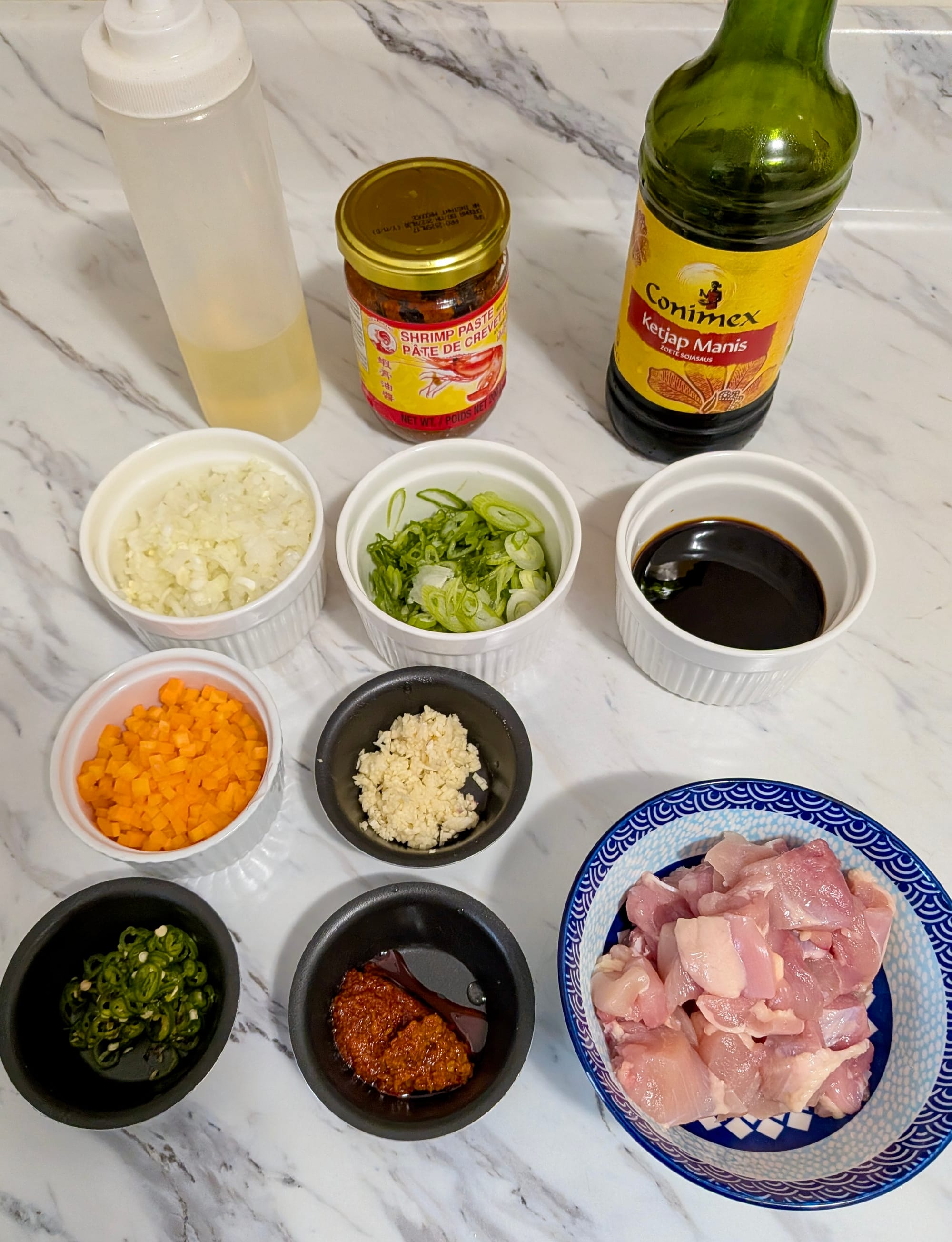
For the Rice
- 400g cooked long-grain rice (jasmine)
- 100g chicken thighs
- 2-3 cloves of garlic
- 1-2 chilies
- 1 yellow onion
- ¼ unit carrot (optional)
- 30ml kecap manis
- 10ml shrimp paste
- 1-2 units scallions
- 2 tbsp sunflower oil for cooking
For Homemade Kecap Manis (Optional)
- 150ml soy sauce
- 100ml molasses
- 1 tsp ground coriander powder
Mise en Place
Make the Kecap Manis — Start by making your own kecap manis, if you are not using store-bought. To make the sweet soy sauce, in a small pot, combine 150ml of soy sauce with 100ml of molasses and 1 tsp of ground coriander powder. Simmer the ingredients until the sauce thickens to a syrup consistency. If you can coat the back of a spoon with the sauce, it’s ready. Remember, the sauce will thicken as it cools down.
Prep the Protein — Cut the chicken thighs into small bite-sized pieces. Season with salt and pepper.
Chop Aromatics — Finely chop the onion and mince the garlic. Turn the carrot into a fine brunoise (2mm sized cubes). Thinly slice the scallions and chili.
Rice Preparation — If you are not making the nasi goreng with day-old steamed rice, you can also make a fresh batch with chicken stock instead, like a rice pilaf, and refrigerate it for 4 hours. However, it works best if the rice has had 12 hours in a fridge to dry out.
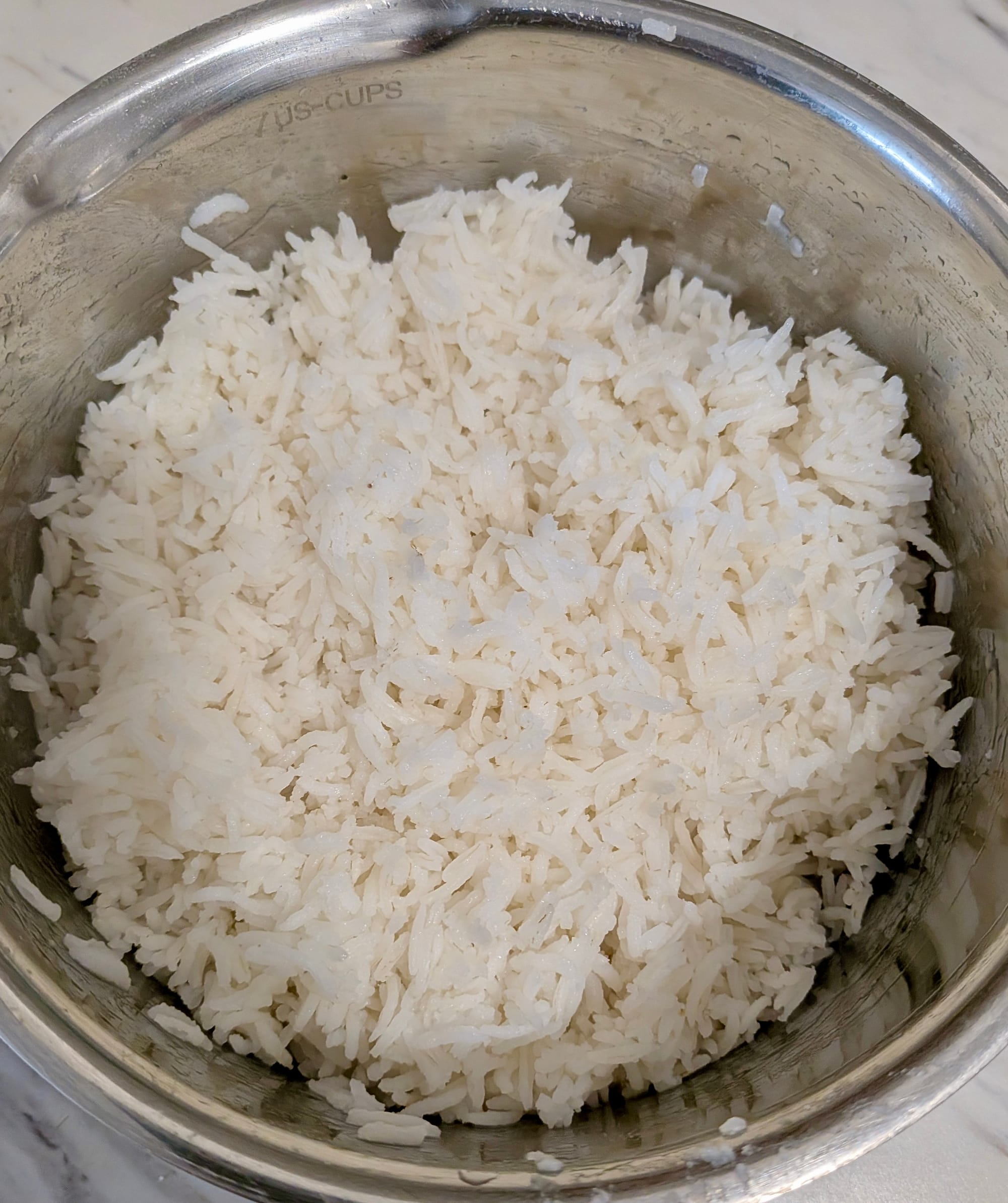
To make fresh rice: Add 125ml of stock to a pot and bring to a boil. Once boiling, add the rice and cover with a lid. Transfer to oven for 14–17 minutes at 350°F.
- Ratio for Jasmine rice: 1 part rice to 1.25 parts liquid.
- Ratio for Basmati rice: 1 part rice to 1.5 parts liquid.
Methods & Procedures
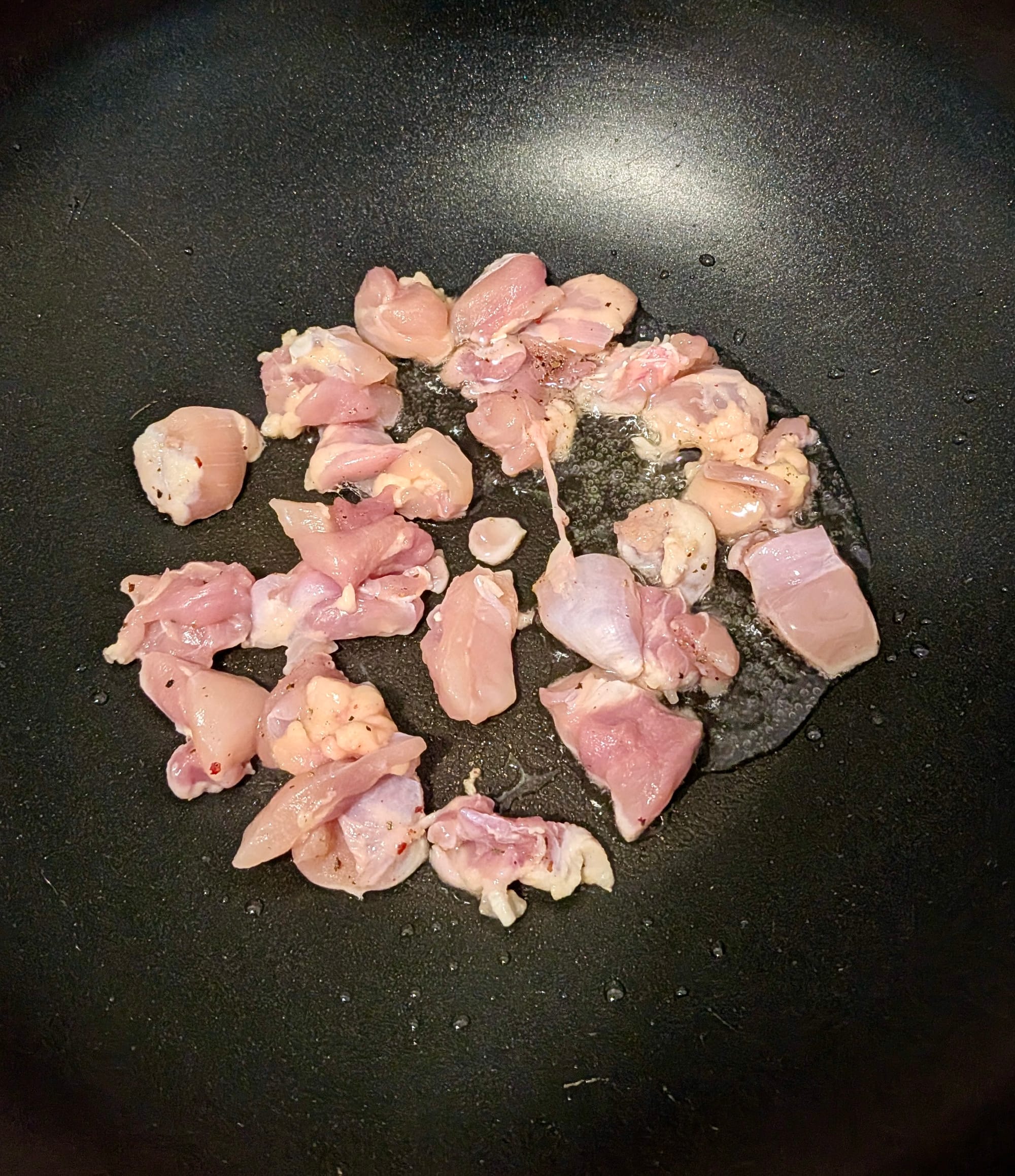
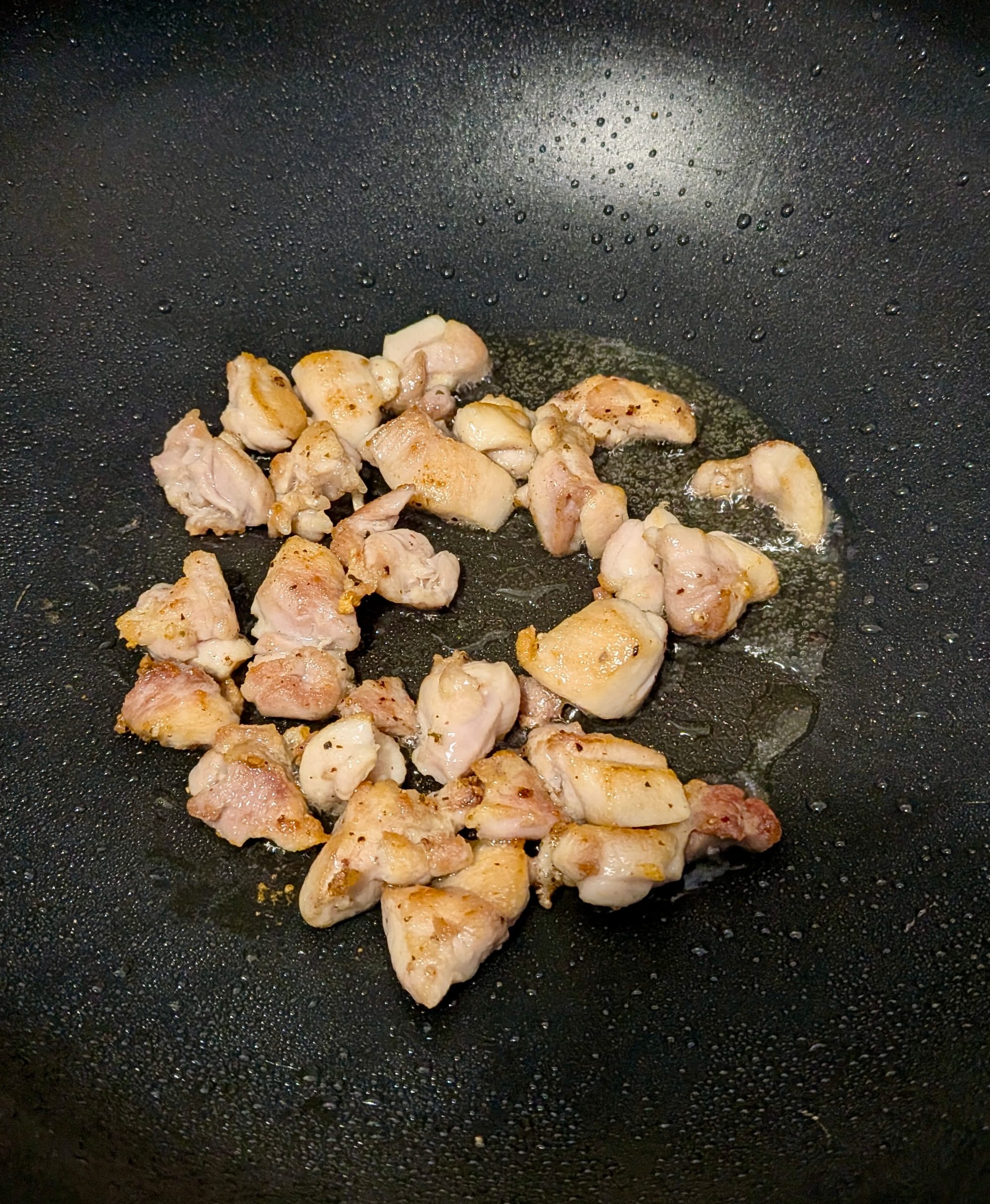
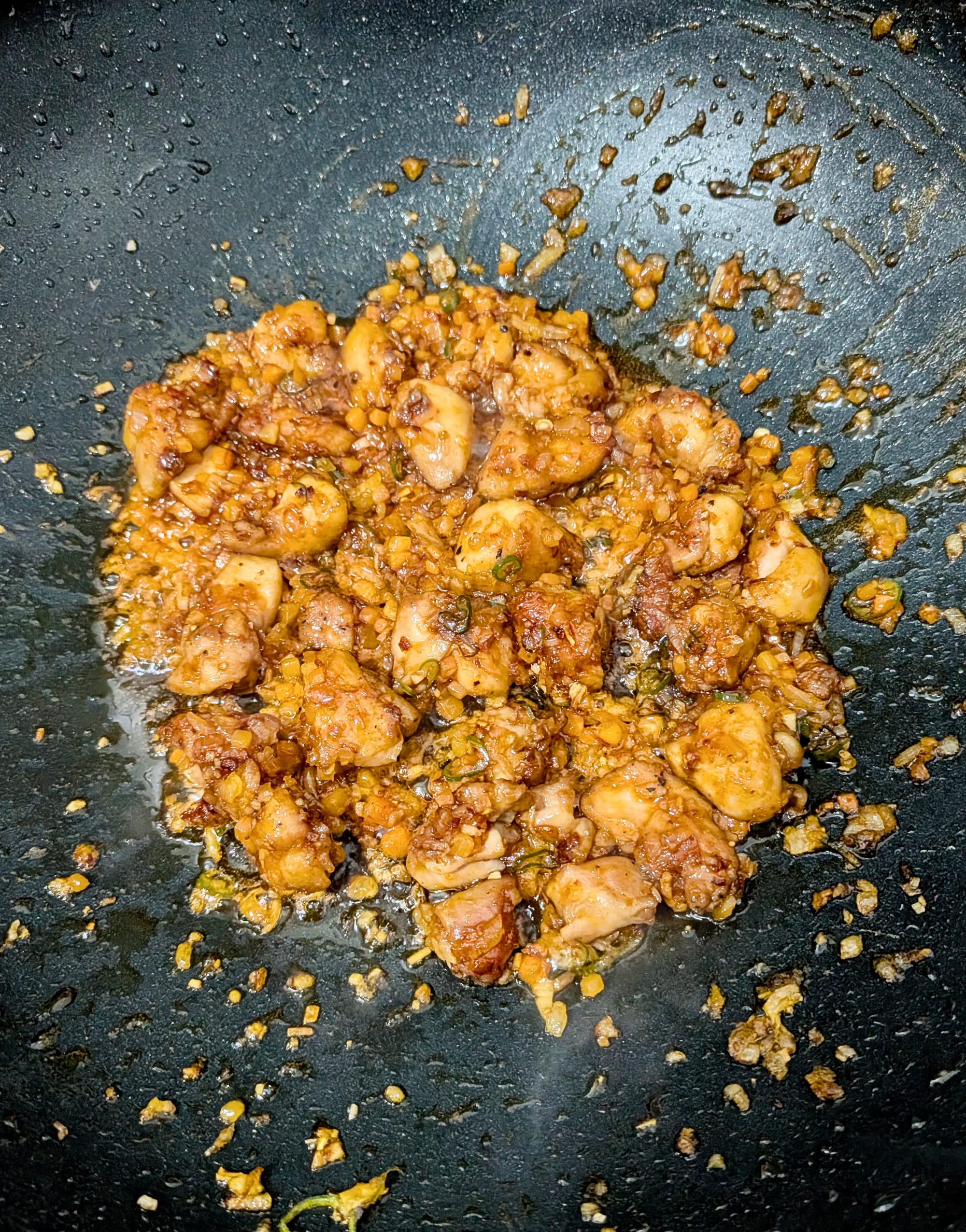
Cook the Chicken — Heat a wok on high heat and add the oil. Brown the chicken and add 1/3 of the kecap manis. Let the chicken absorb the sauce and then remove it from the pan and reserve for later.
Sweat Aromatics — Degrease the pan, and start with fresh oil. Sear the onions and if you are using carrots, add them too along with the chili. Once the onions have slightly turned golden in color, add in the garlic and chilis.
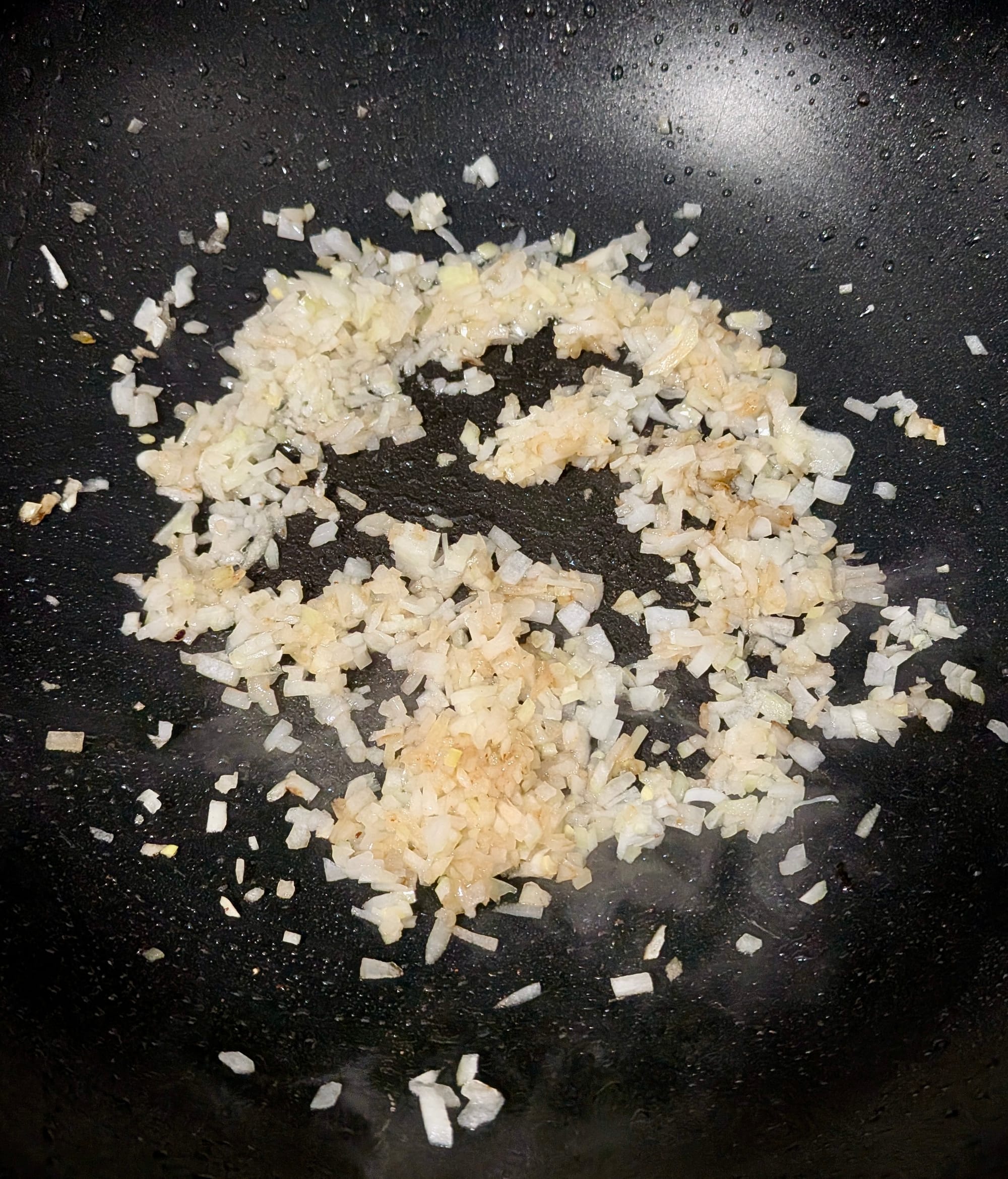
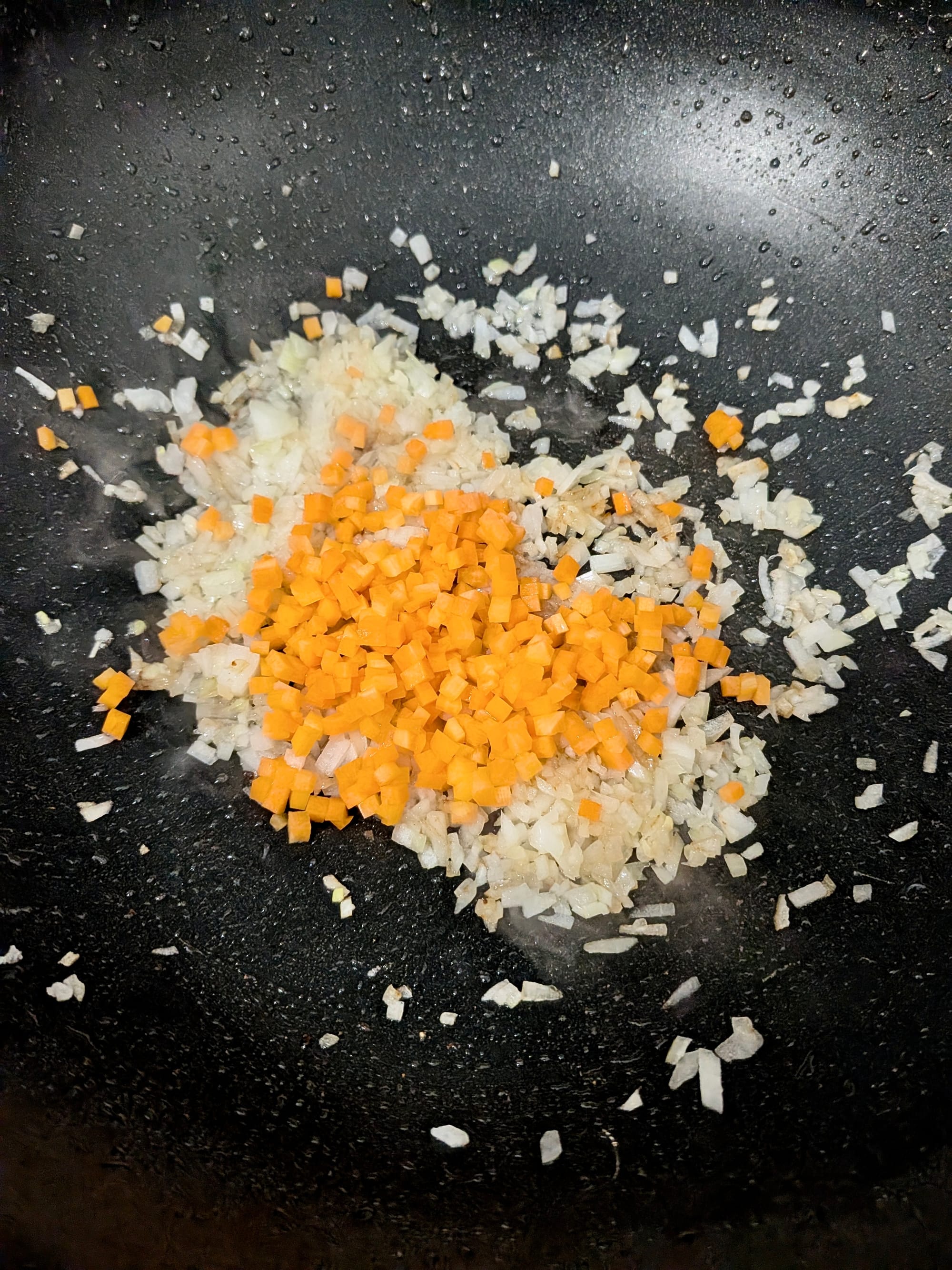
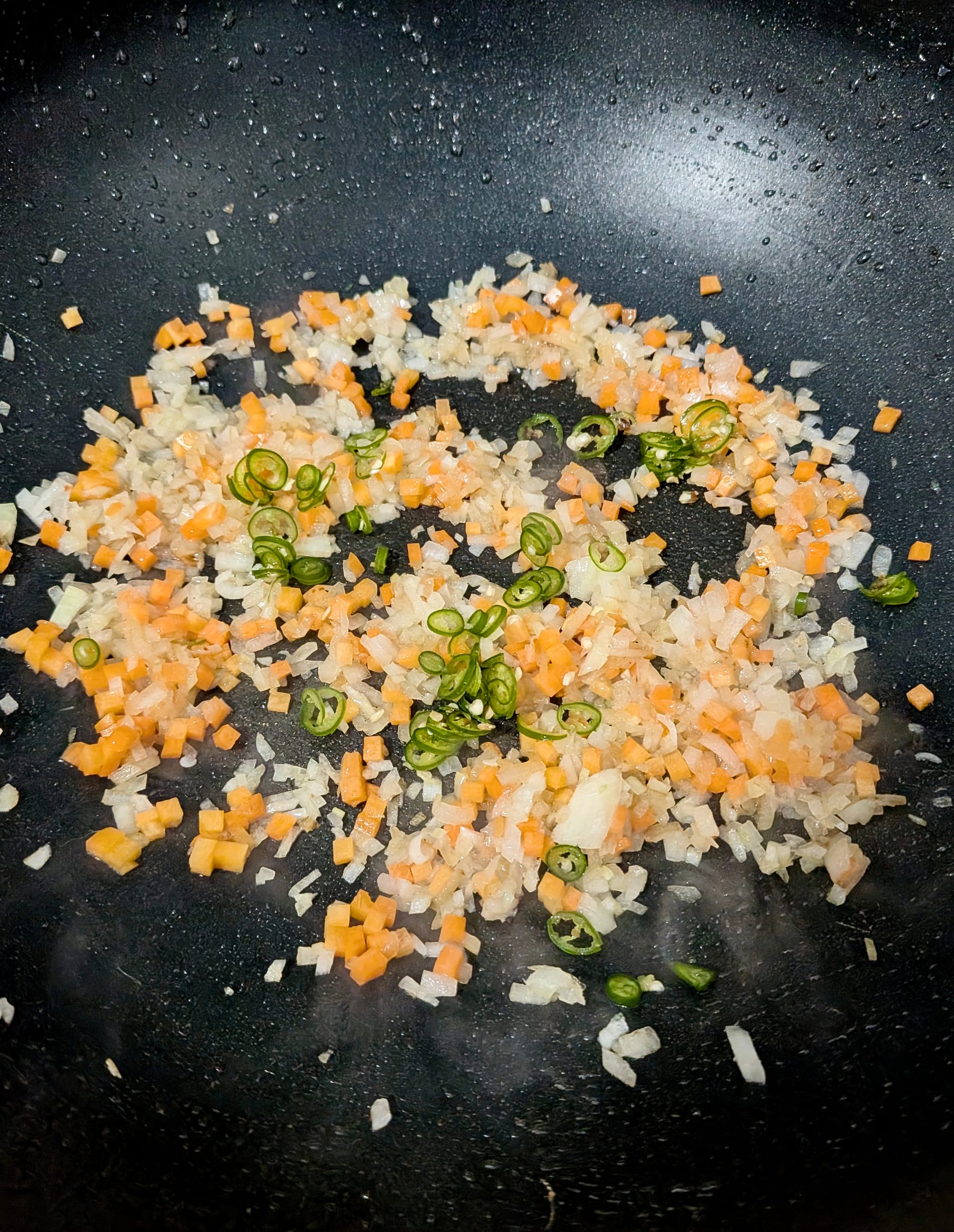
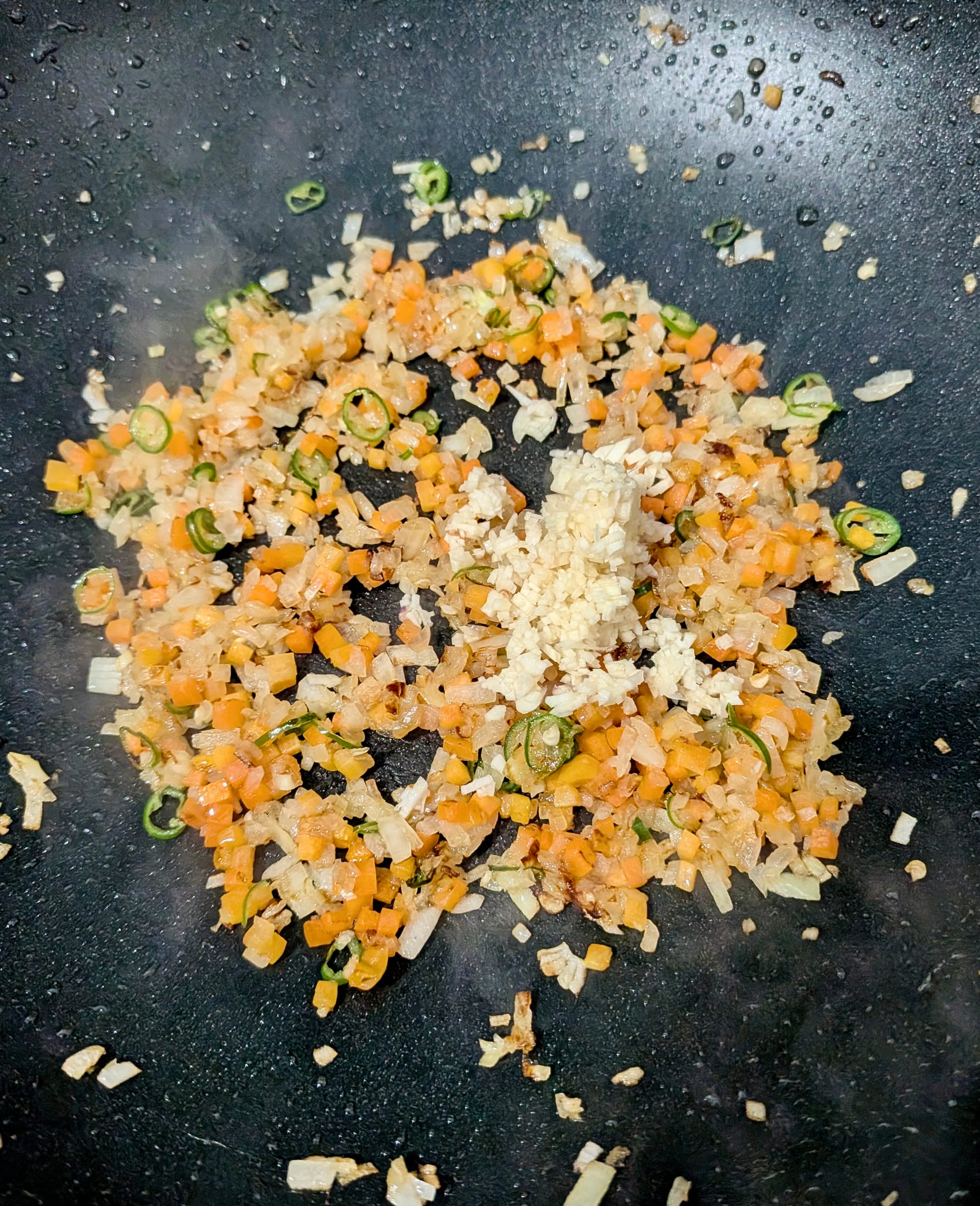
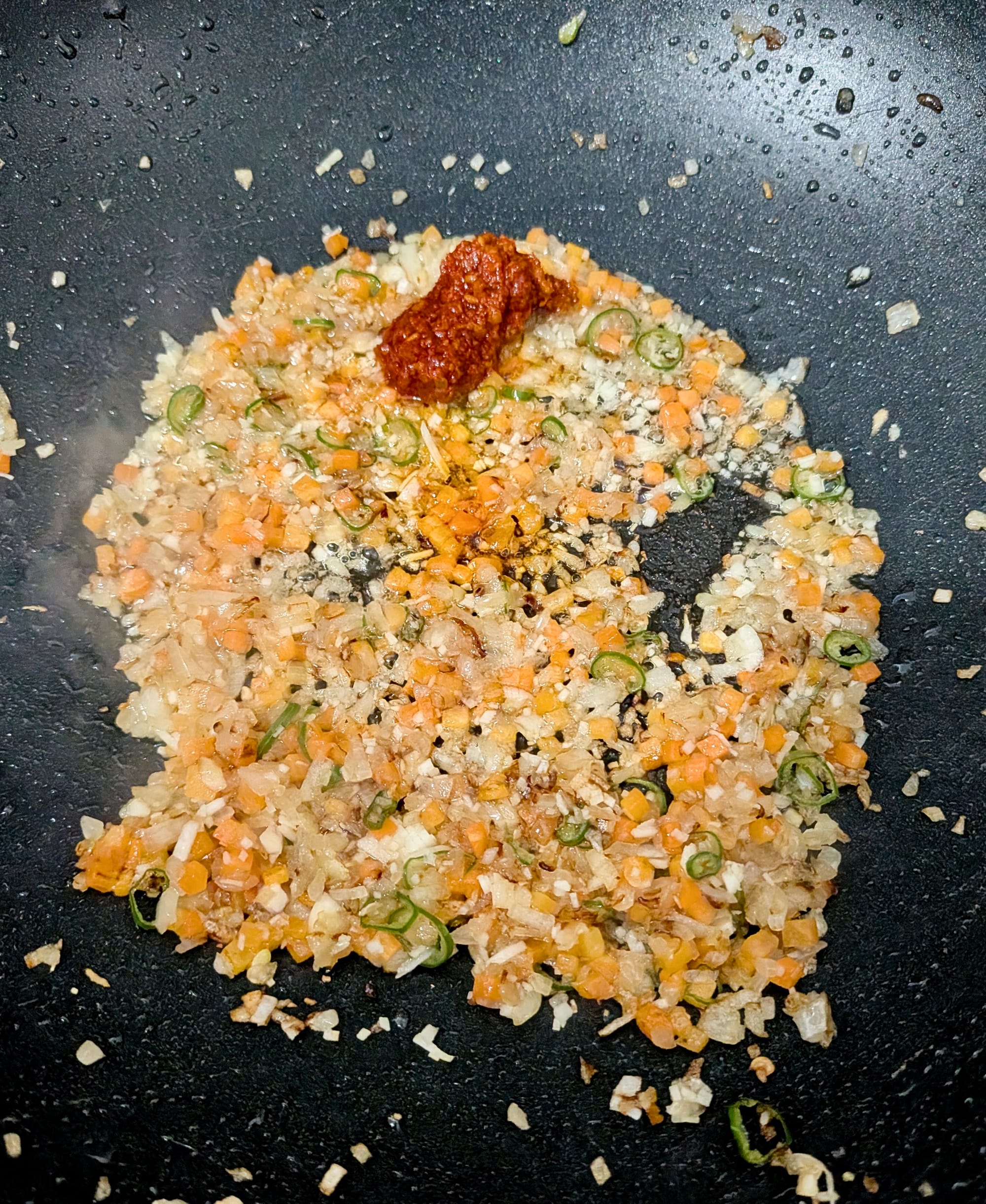
Fry the Paste — Once the garlic becomes fragrant, mix in the shrimp paste and fry it with the rest of the ingredients for a minute before adding back the chicken.
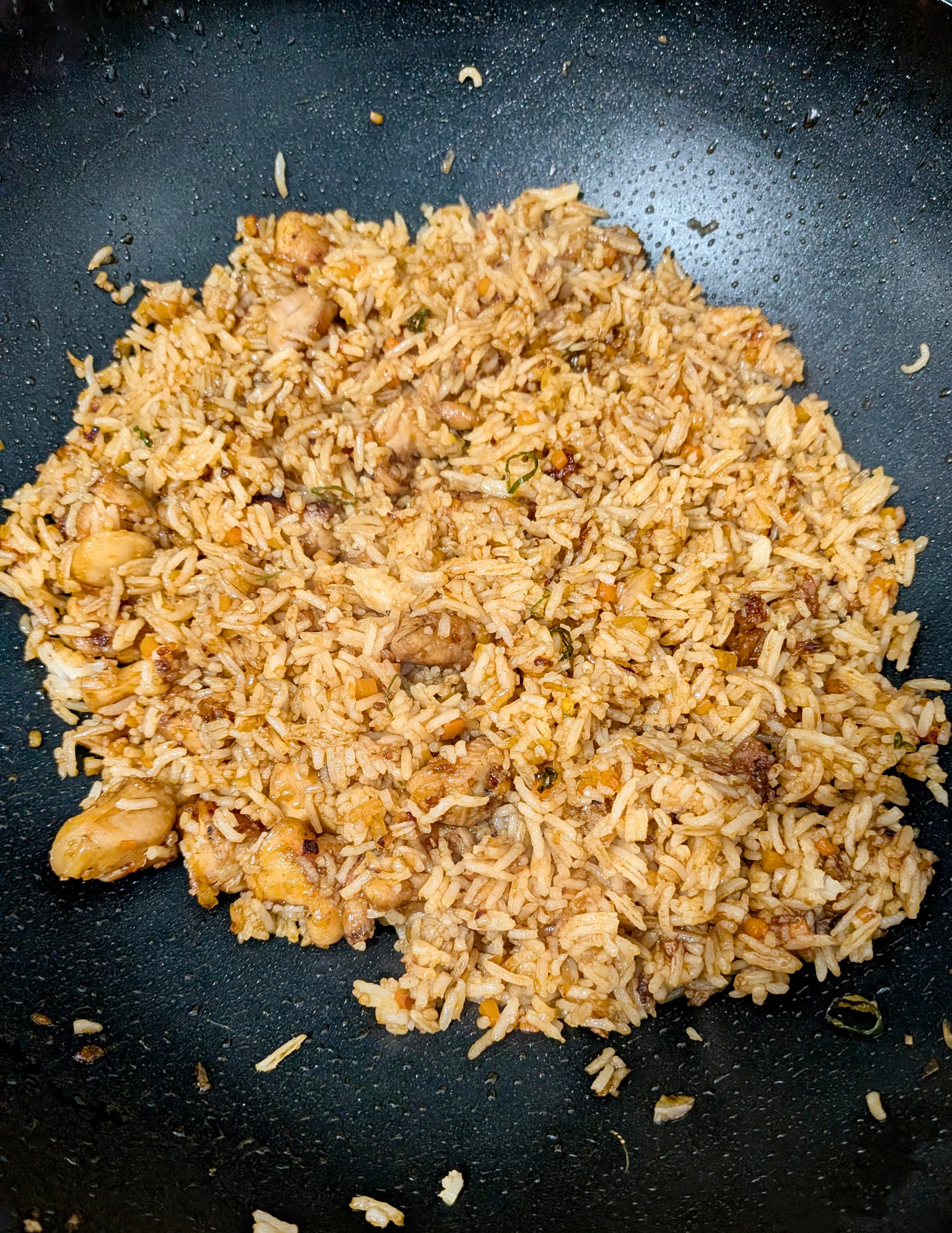
Add Rice — Add in the rice and use a spatula to separate the grains and mix through the rest. Mix in the remaining kecap manis and fry all the ingredients together.
Fry the Egg — For the fried egg, heat a new sauté pan to medium heat. Add the oil. Nasi is normally served with a fried egg that is sunny side up, so control the heat to make sure the bottom of the egg doesn’t burn by the time it cooks through the top.
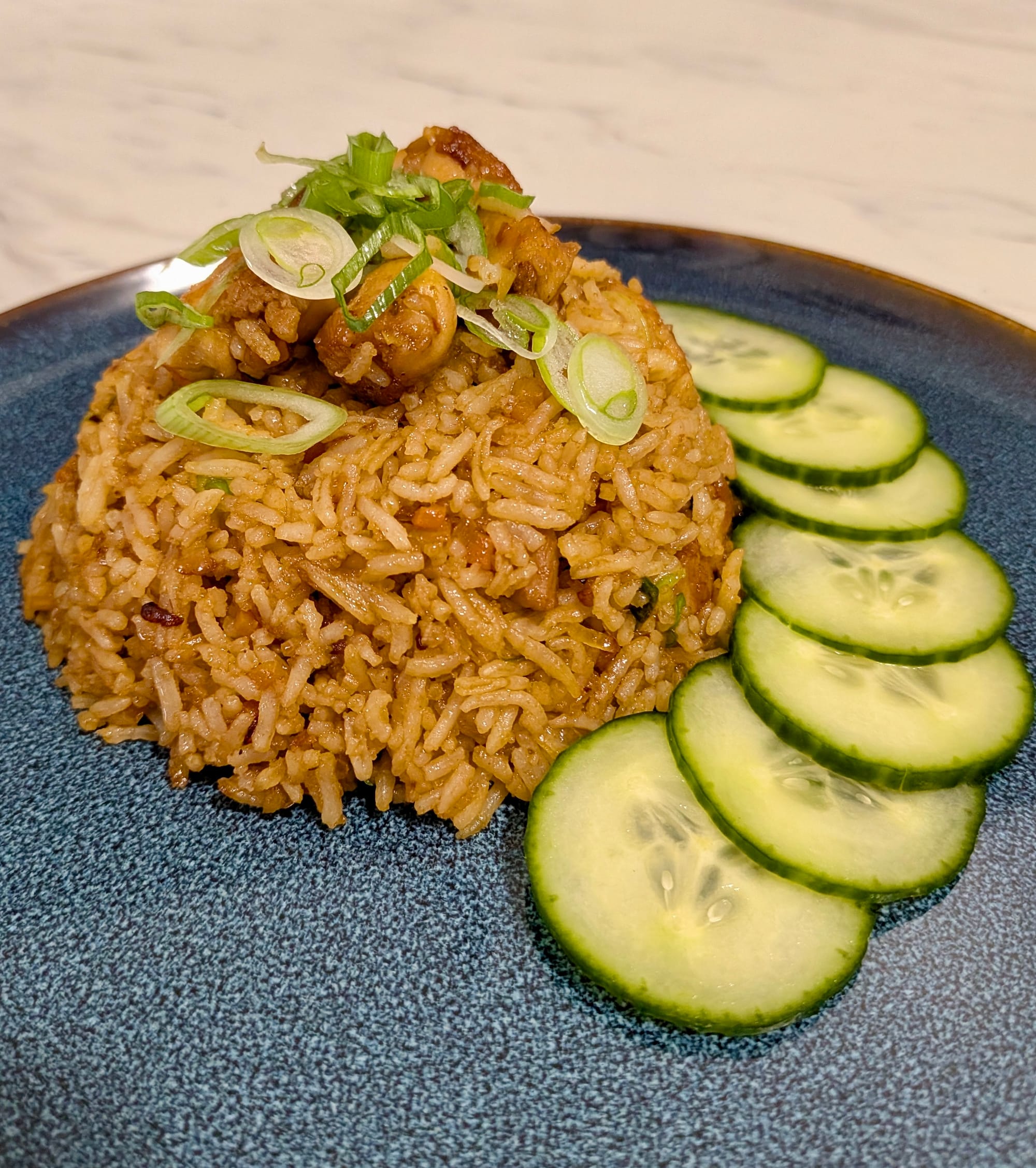
Finish and Serve — Finish with the sliced scallions on top. You can also garnish with some crispy shallots. For a bit of freshness, I’ve often seen this dish served with some cucumbers or tomatoes on the side; you can choose to do the same or leave them off if you’re not a fan.
Pro Tip
I use a metal ring to make the perfect egg. If you are going to do the same, it’s important to remember to grease the ring so that the egg does not stick to the sides.
Variations
- Bami Goreng: Instead of using rice, the same dish can be made with noodles.
- Vegetarian/Vegan: Replace the shrimp paste for dried mushroom powder or shiitake mushrooms to replicate the umami flavor.

Co-founder of Snout & Seek. Born and raised in Sri Lanka, Arnold's passion for food stems from both his Dutch and Sri Lankan roots. A graduate of Le Cordon Bleu Ottawa, Arnold's career in the culinary industry has brought him from the Netherlands to Canada, where he now teaches at a cooking school.
No spam, no sharing to third party. Only you and me.