Chengdu City Walk: The Truly Delicious Small Eateries Around Kuanzhai Alley

For first-time visitors to Chengdu, one of the must-see destinations is Kuanzhai Alley (宽窄巷子).
Kuanzhai Alley is a well-preserved Qing Dynasty commercial district. A few hundred meters away is another street called Kuixinglou Street (奎星楼街). In the past, Kuixinglou Street developed its reputation through generations of authentic local restaurants. However, over the last two or three years, it has become crowded with typical Chinese restaurant chains and trendy social media-driven establishments. These businesses tend to follow dining trends, and many rotate in and out within a year.
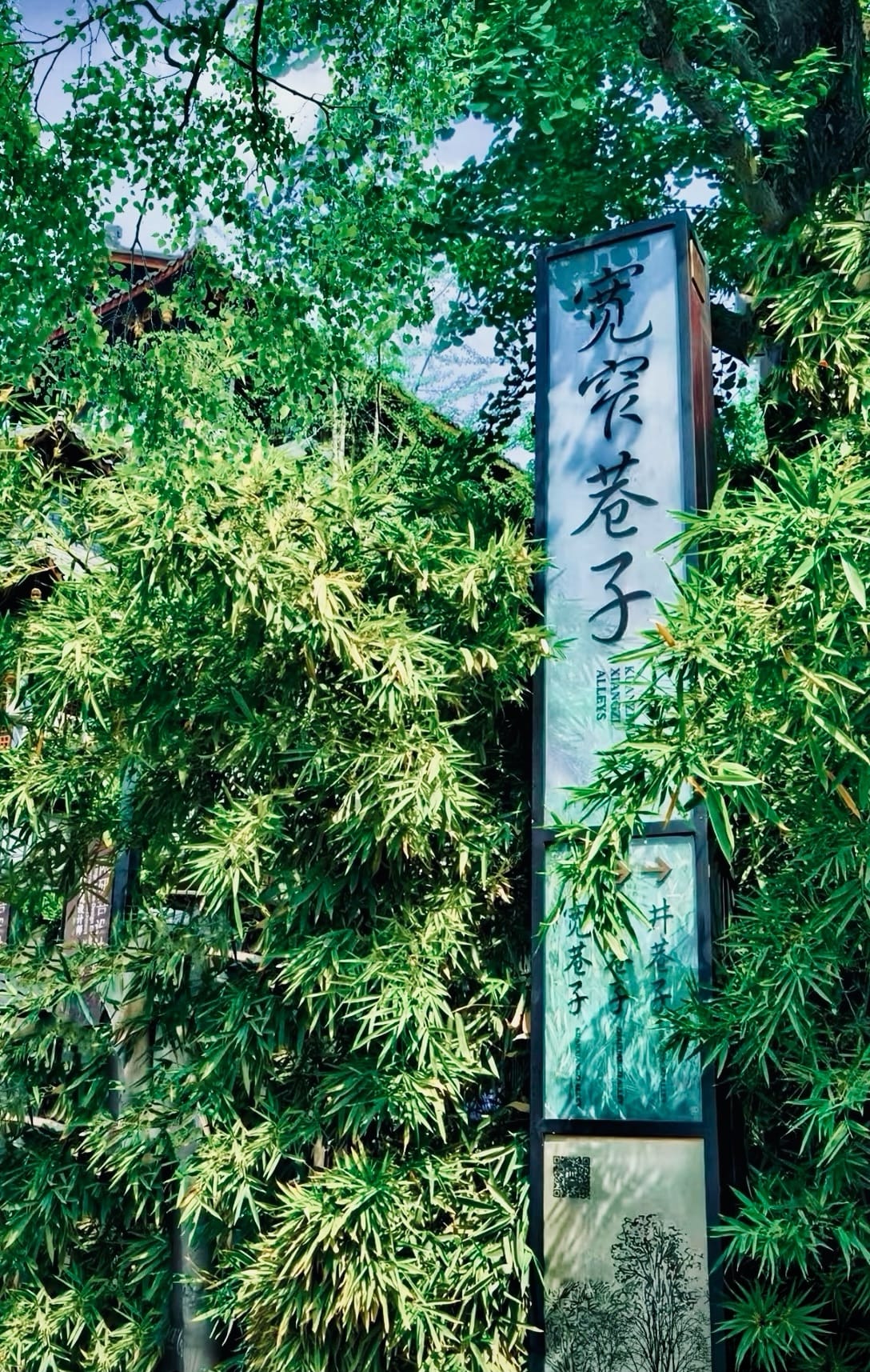

Kuanzhai Alley with its signature name plates and from above. Like many historical attractions in Chengdu, the old and the modern blend seamlessly in this city. Credit: First RED 6383963480, Second RED zc18291602136
As part of Chengdu’s historic city center, the area around Kuanzhai Alley is home to many unassuming local eateries that have quietly operated for decades. If you are planning a visit, I would recommend a few lesser-known establishments where you can experience authentic local flavors in a clean and comfortable setting. All of these restaurants are within a ten-minute walk of Kuanzhai Alley.
Not all of them serve the spicy and numbing dishes commonly associated with Chengdu on social media. In reality, Chengdu’s food culture is far more diverse.
Noodles and Dumplings
Chunyang Guan (纯阳馆)
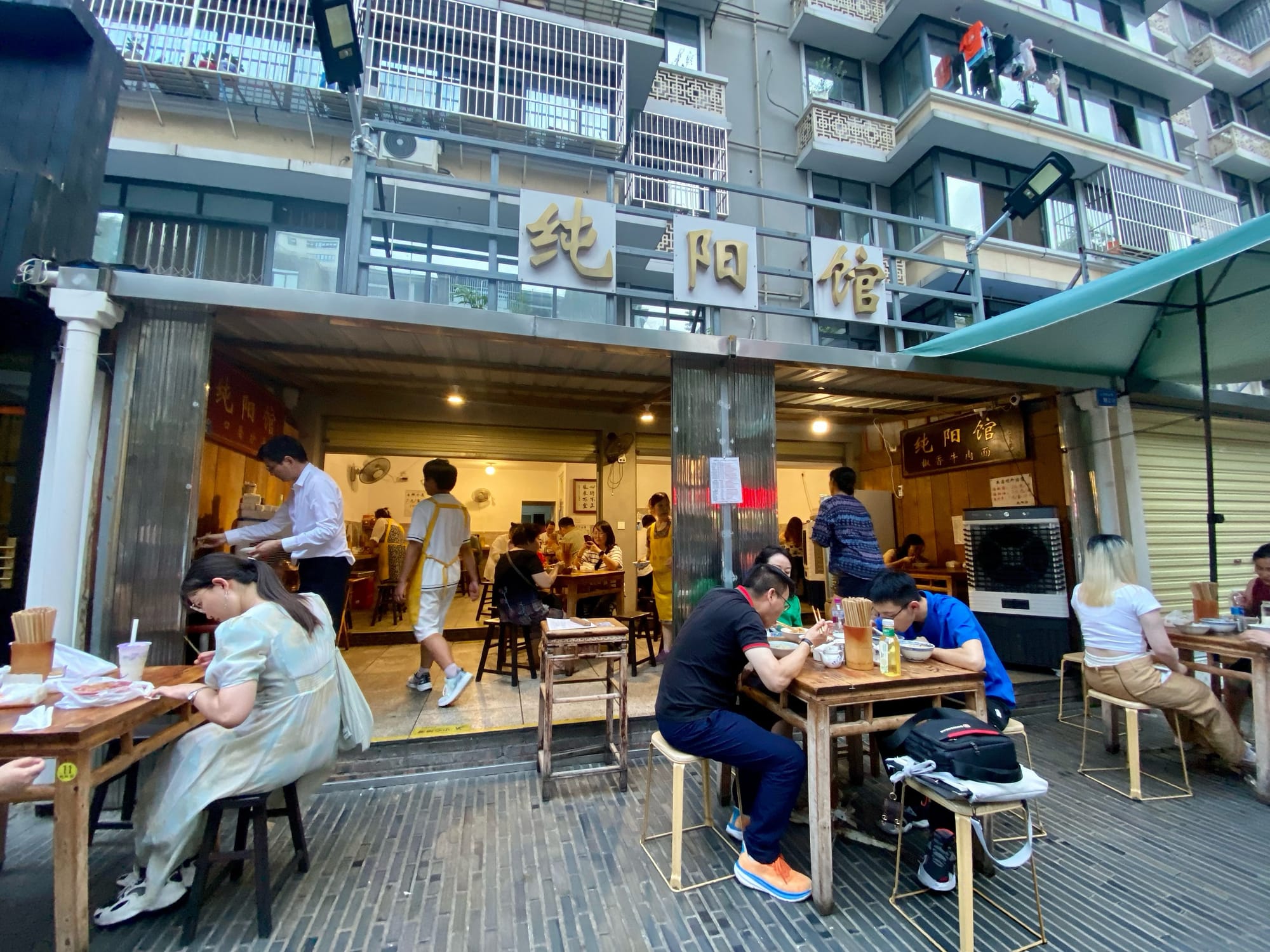
Recommended Dish: Fish-Fragrant Pork Rib Noodles (鱼香排骨面)
Fish-fragrant shredded pork is well known throughout China, but a fish-fragrant noodle broth is something unique to Chengdu. The restaurant uses pork spare ribs in a light noodle soup that is both appetizing and surprisingly refreshing. The rich fish-fragrant seasoning pairs beautifully with the owner’s homemade pickles.
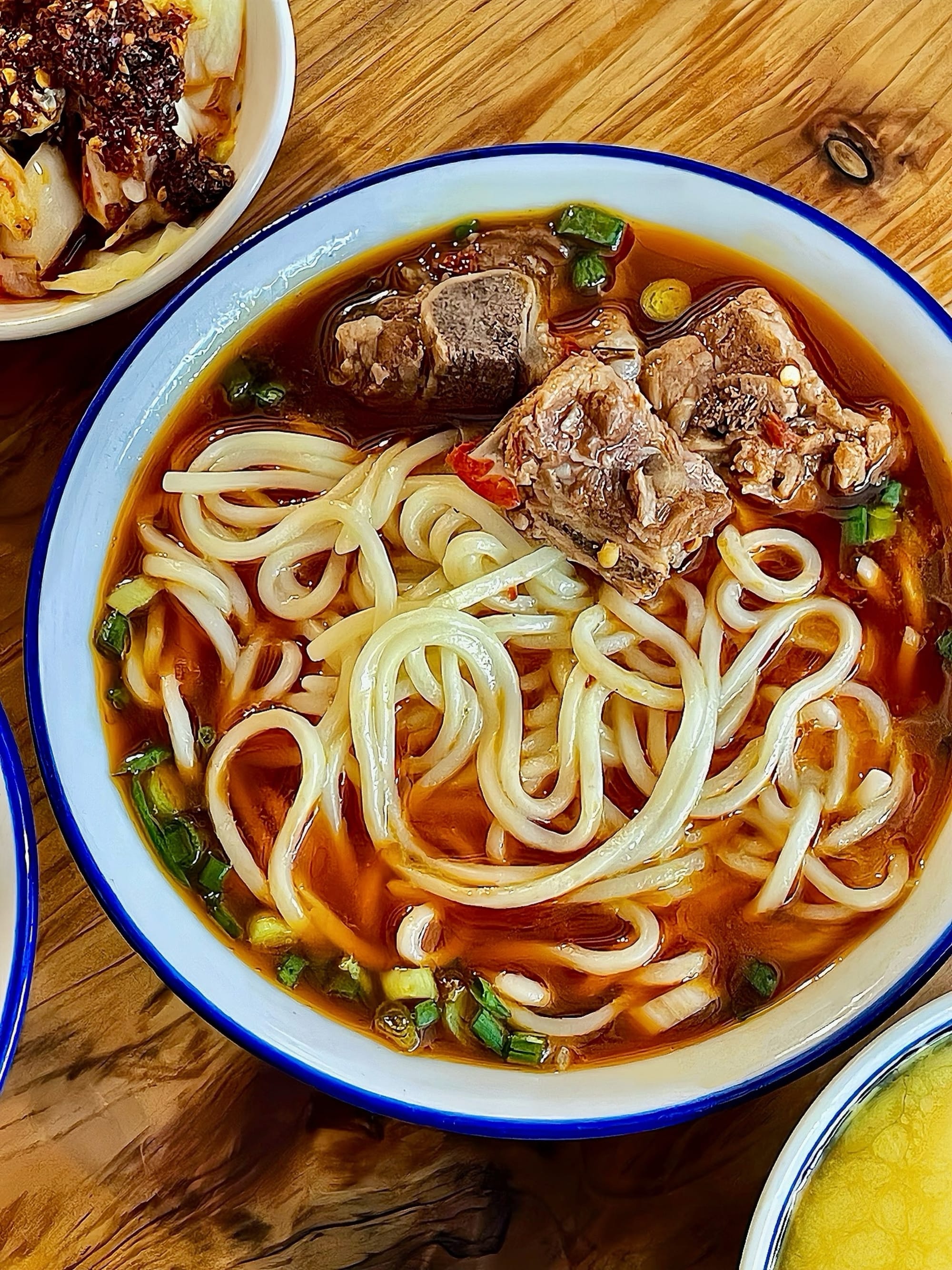
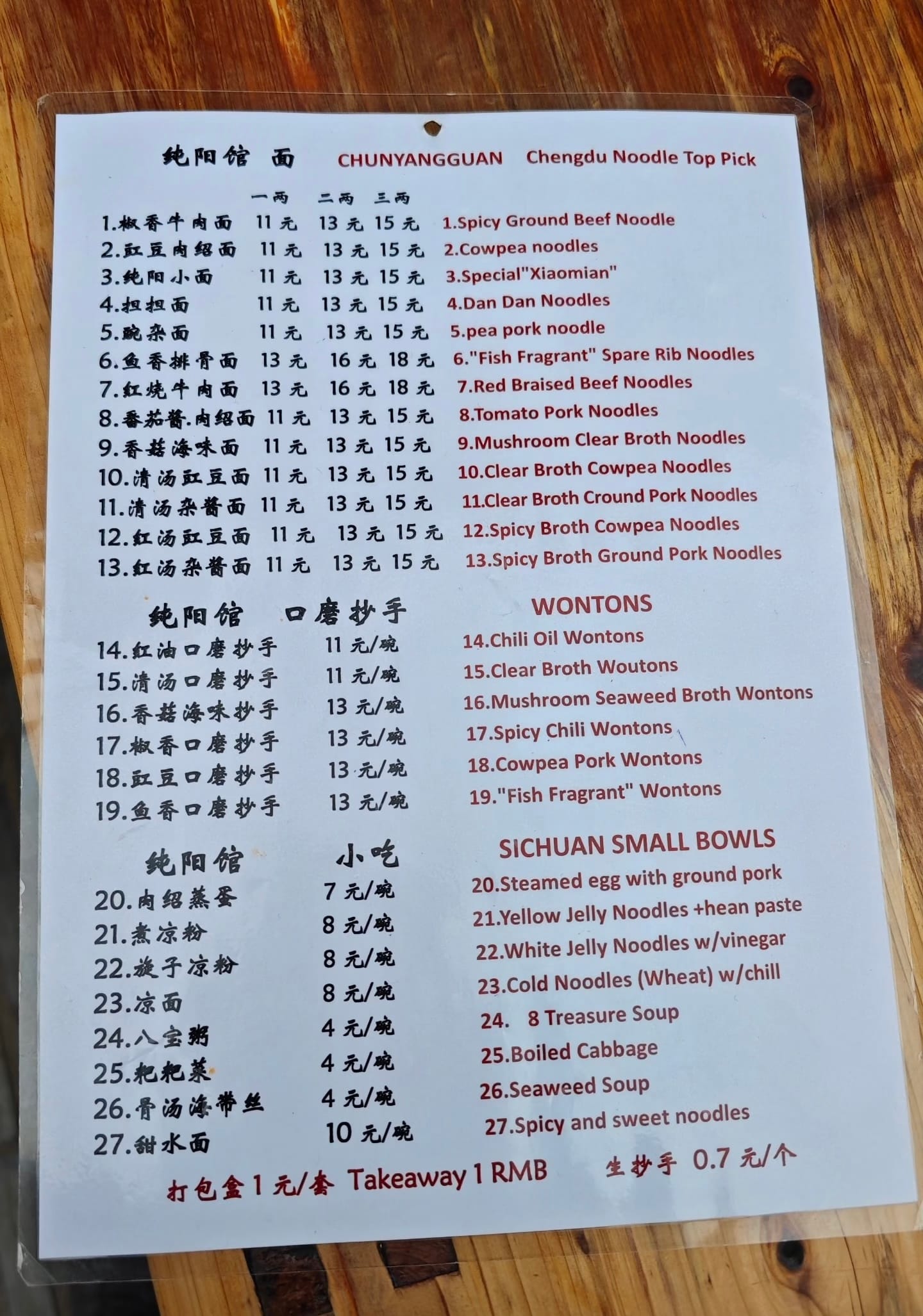
First: Fish fragrant pork rib noodles is their famous dish and loved by many locals and tourists. | Second: The restaurant also offers bilingual Chinese-English menus. Credit: RED Ruoyiya, 6933405048
Address: No. 8-2 Jixiang Street, Qingyang District, Chengdu
Chongqing Blanket Noodles (重庆铺盖面)
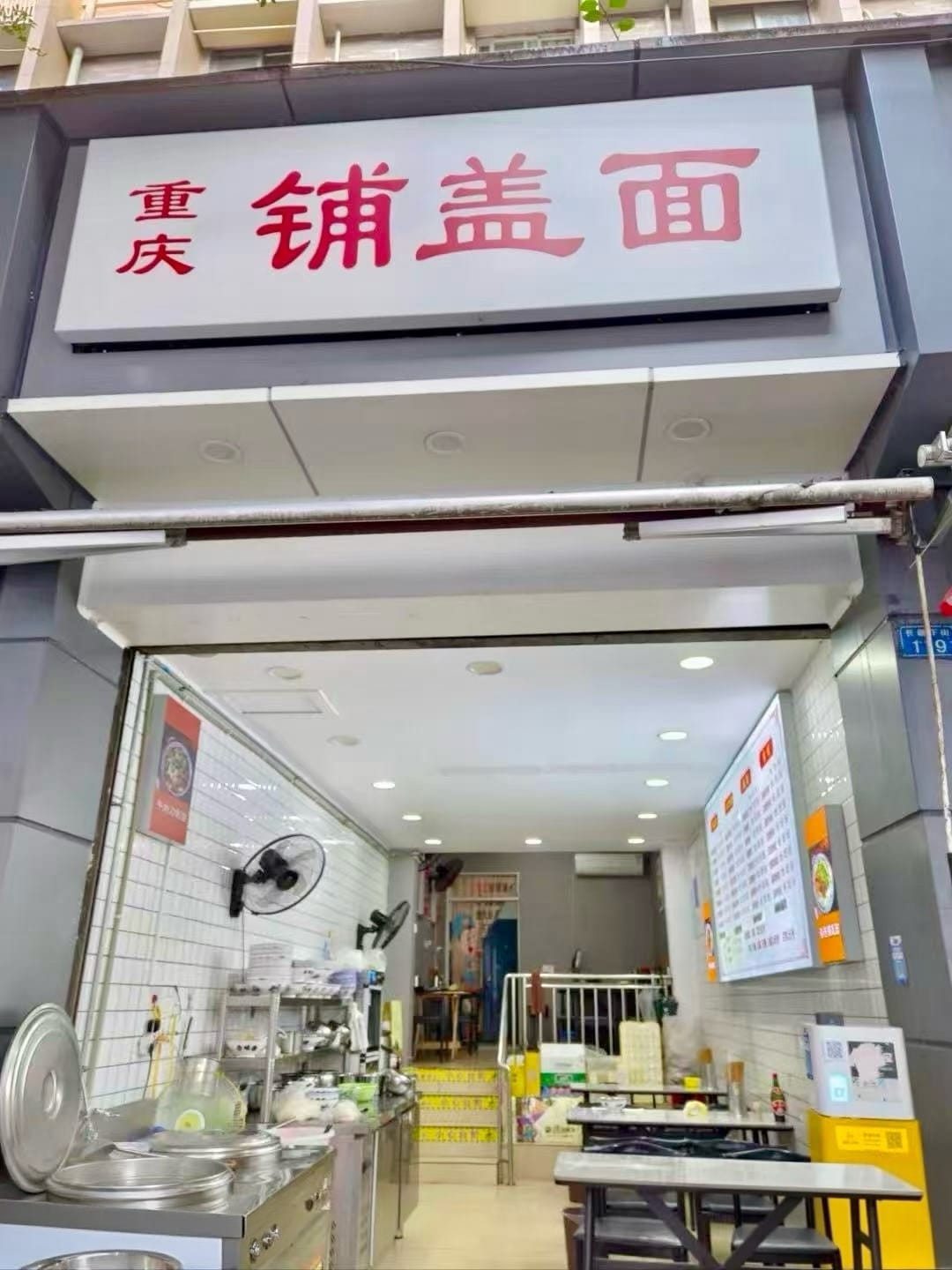
Recommended Dishes: Beef Blanket Noodles, Dry-Mixed Knife-Cut Noodles
Blanket noodles are very different from ordinary Chinese noodles. Instead of thin strands, they consist of large sheets of dough resembling a blanket, which is where the name comes from. The dish reflects the culinary fusion brought by migrants who settled in the Sichuan-Chongqing region during the Qing Dynasty.
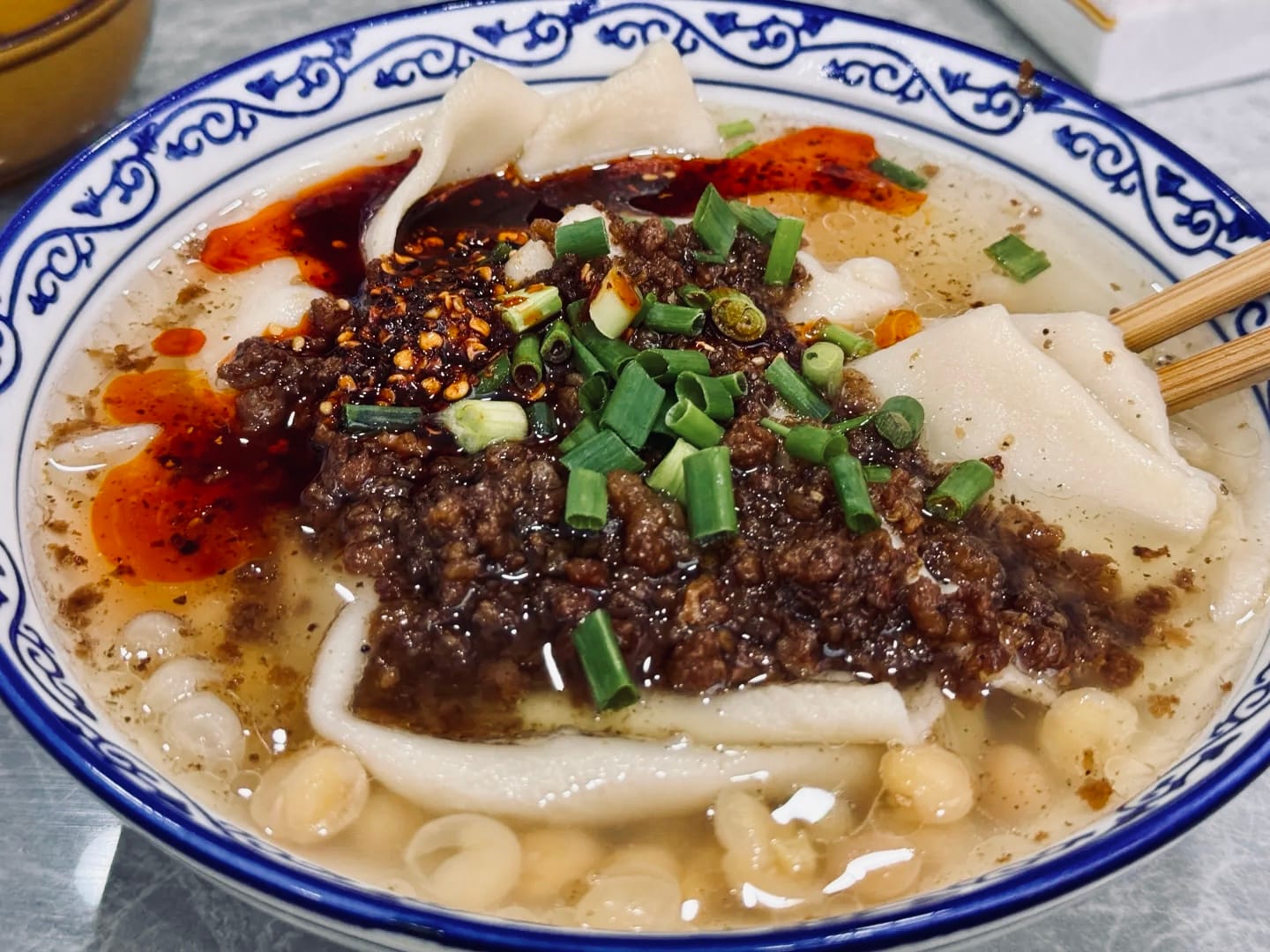
The noodles are stretched and pulled fresh to order, with each bowl typically containing three to four large noodle sheets. The braised beef and pork rib toppings are deeply flavorful, while the dry-mixed versions are equally recommended thanks to their fragrant chili oil.
Address: No. 119 Changshun Lower Street, Qingyang District
Sanya Native Chicken Noodles (三雅土鸡面)
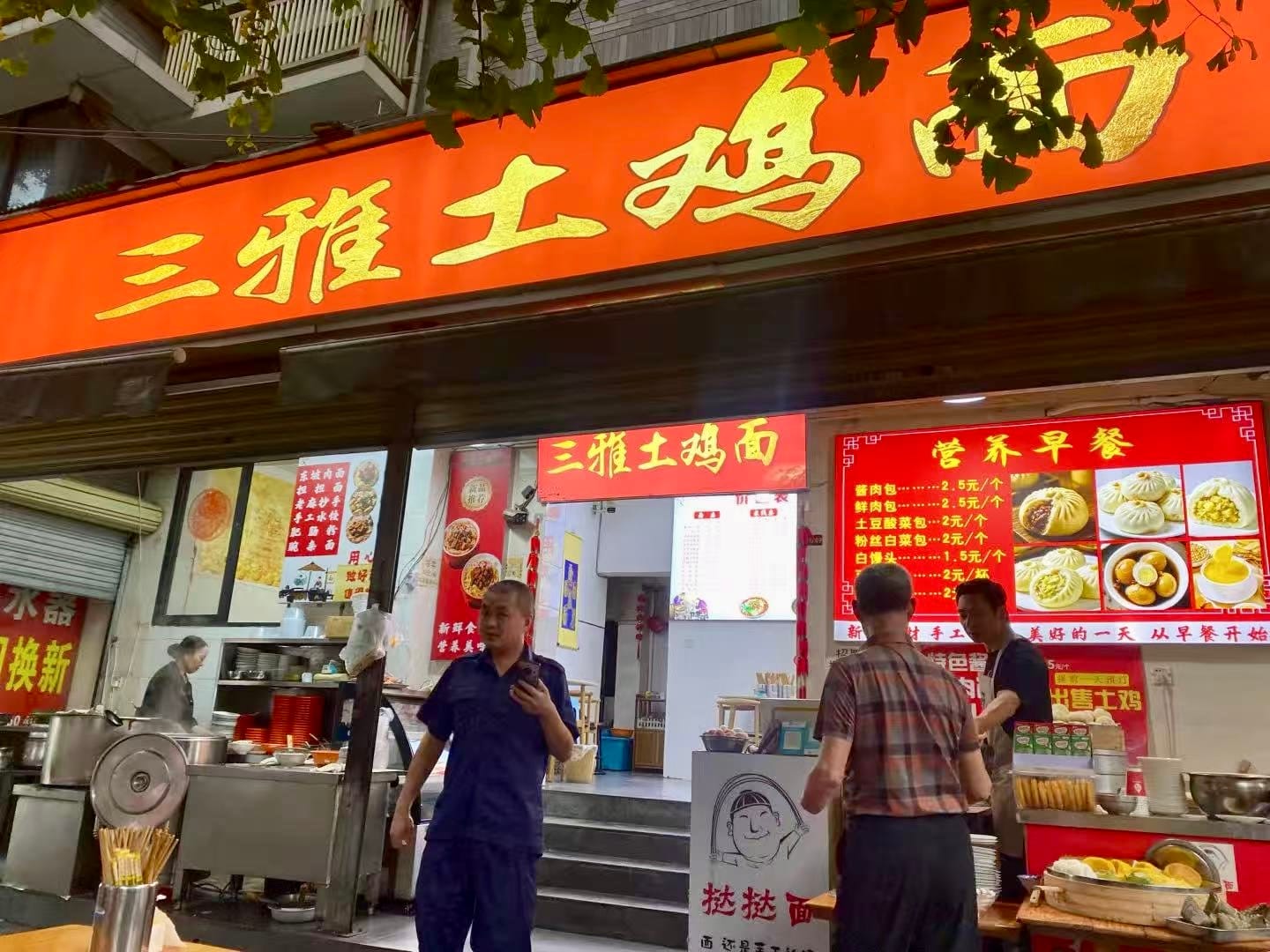
Recommended Dish: Chicken Broth Noodles
The owner comes from Ya’an, a city famous as the hometown of the giant panda. Fresh chicken broth is simmered daily, creating a bowl of noodles that relies on the quality of the broth itself rather than heavy seasonings. It is a simple but deeply satisfying dish. It is noteworthy that Chengdu is not just a city that serves spicy food, on the contrary, the range of food there is quite diverse where most people can find what they like.
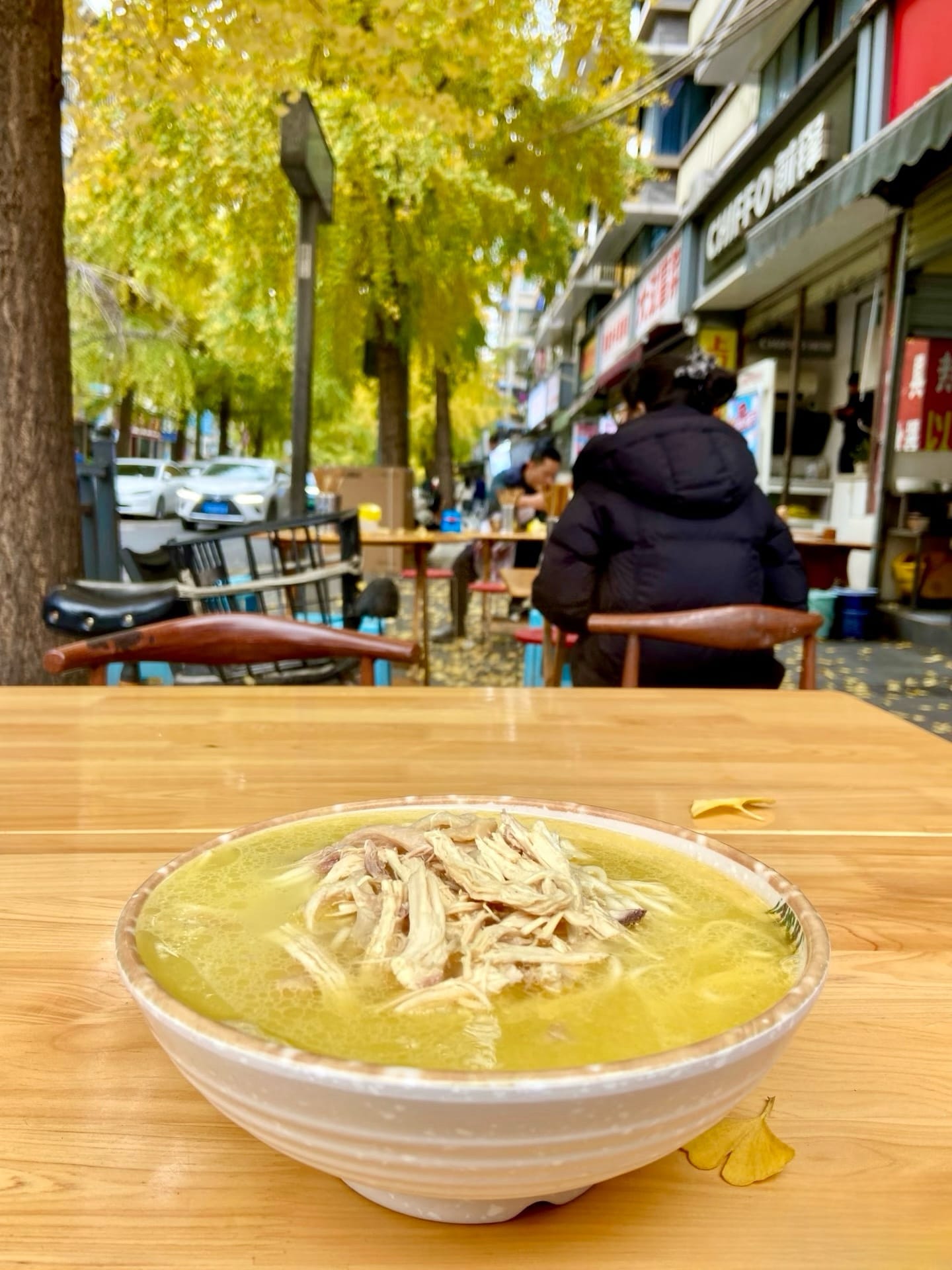
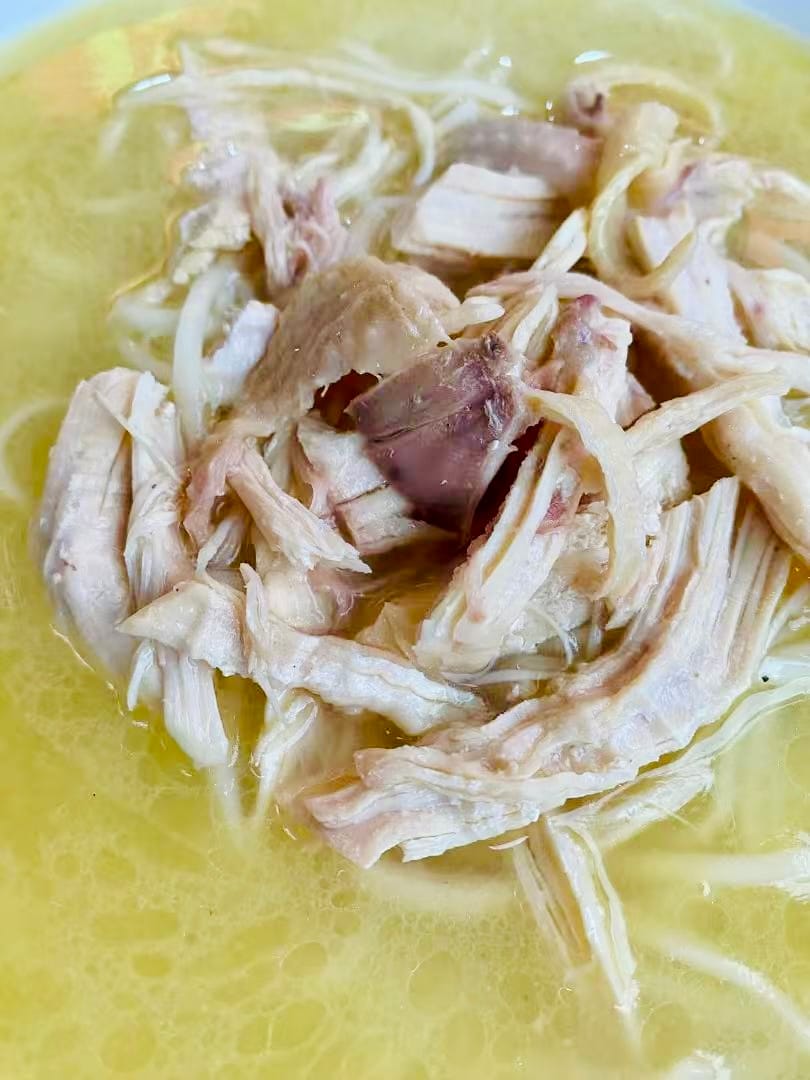
Address: No. 1-1 Sidao Street, Qingyang District
Dan Dumplings (但水饺)
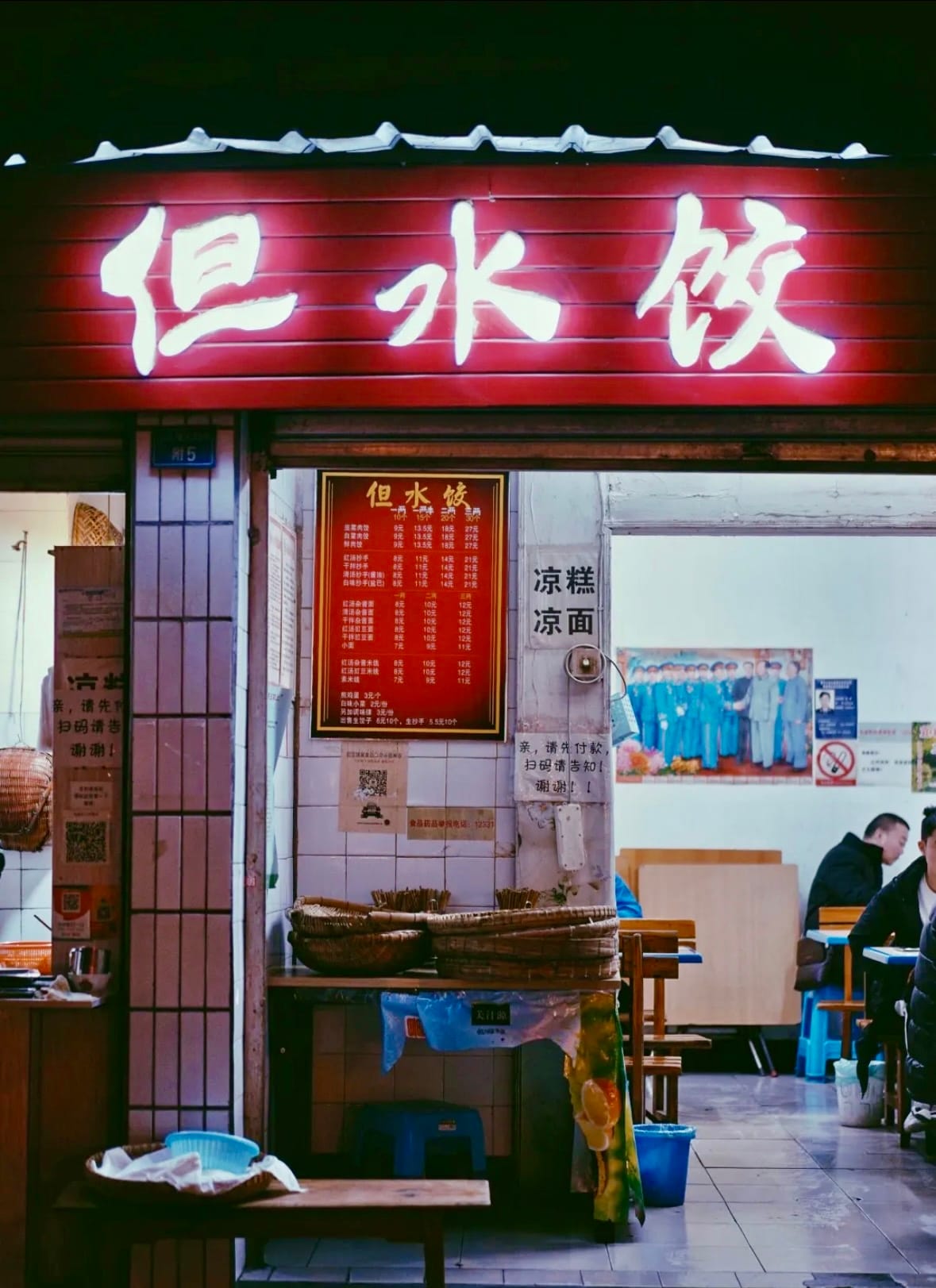
Recommended Dishes: Napa Cabbage Dumplings, Chive Dumplings
Unlike Chengdu’s famous red chili oil dumplings, Dan Dumplings are served with a dipping sauce. The dumplings are handmade fresh every day and come in only two fillings: cabbage and chive. The wrappers are slightly thicker and pleasantly chewy.
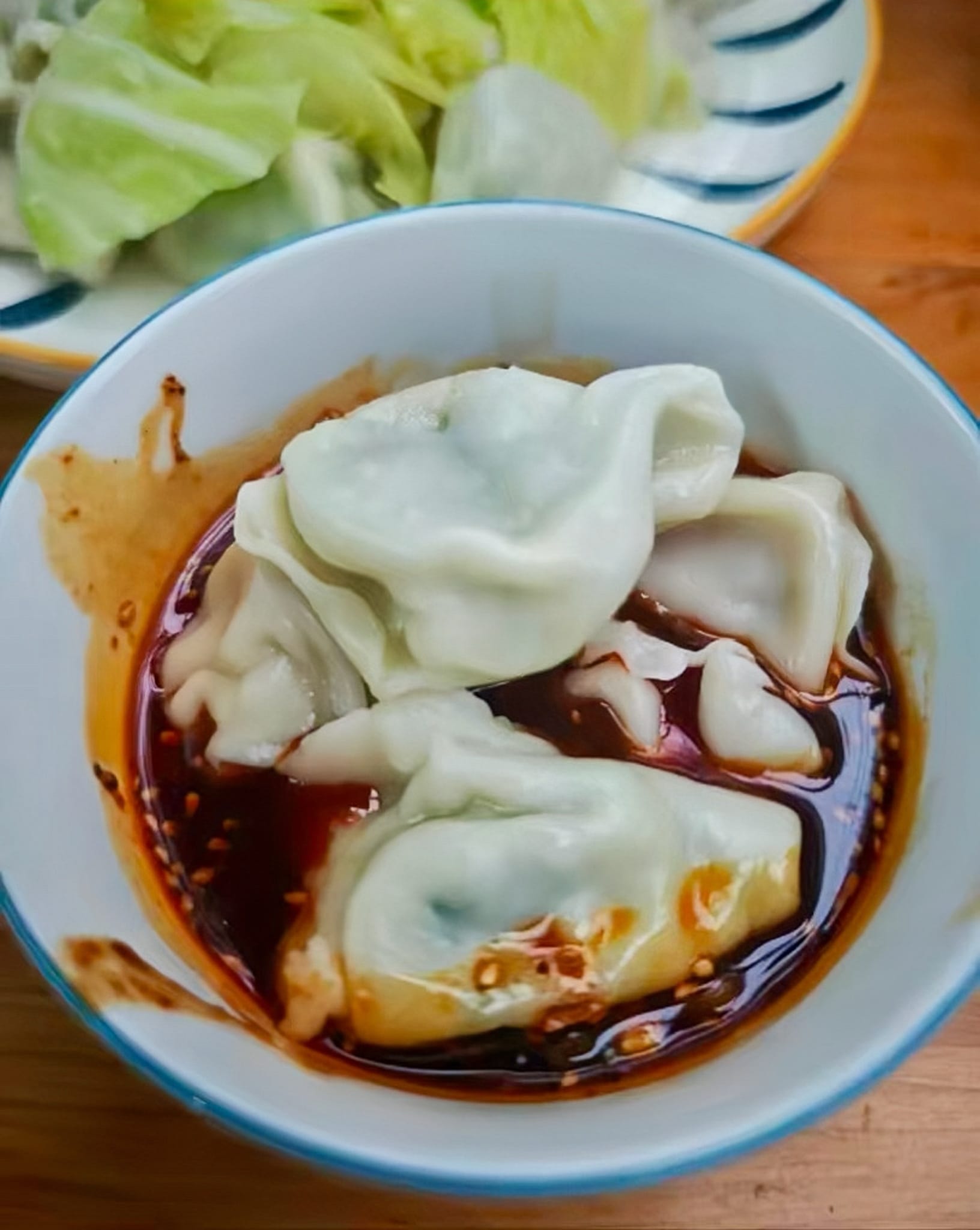
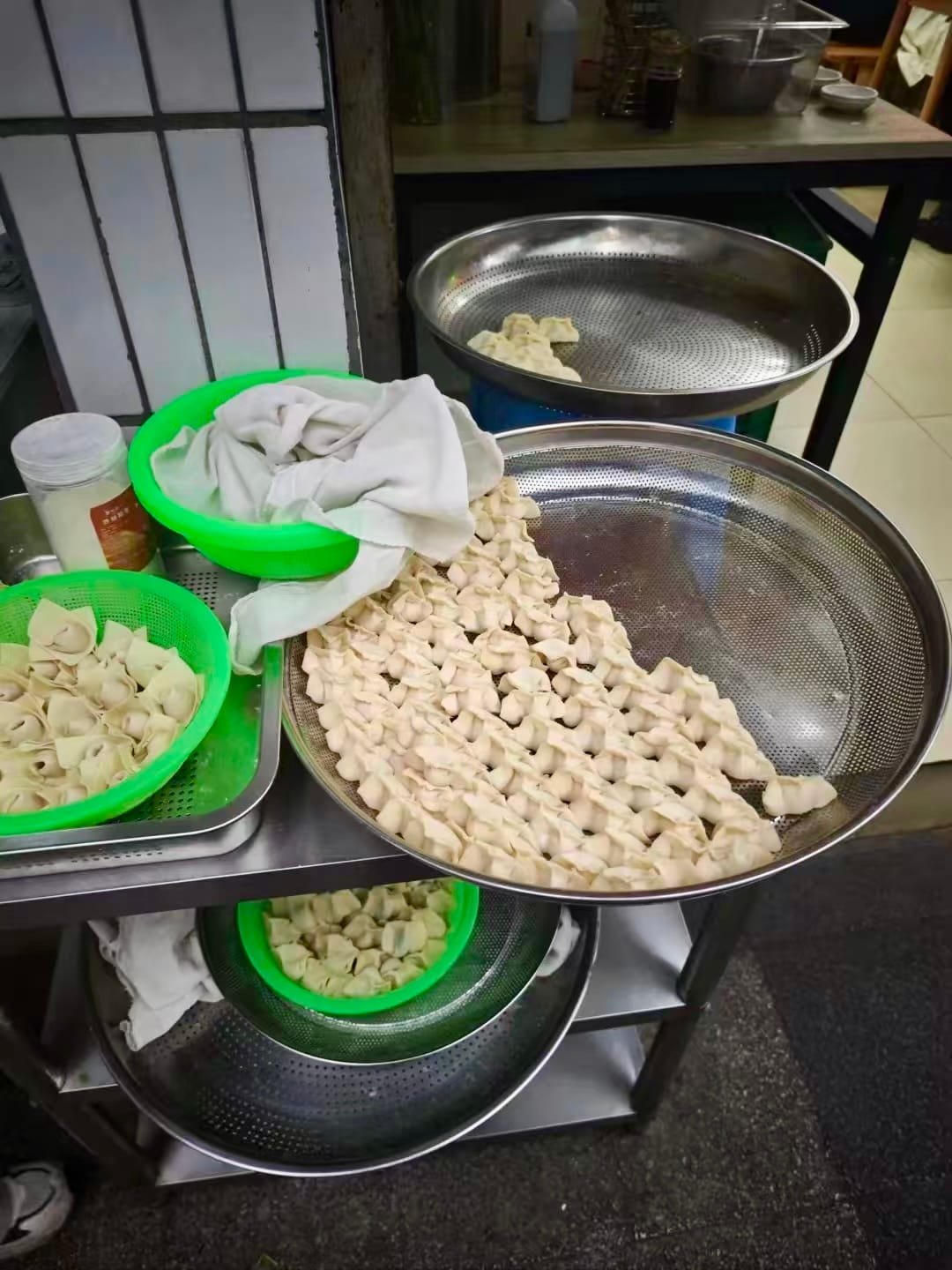
I particularly recommend the non-spicy dipping sauce.
Address: No. 46-4/5 Guojielou Street, Qingyang District
He Dumplings (贺水饺)
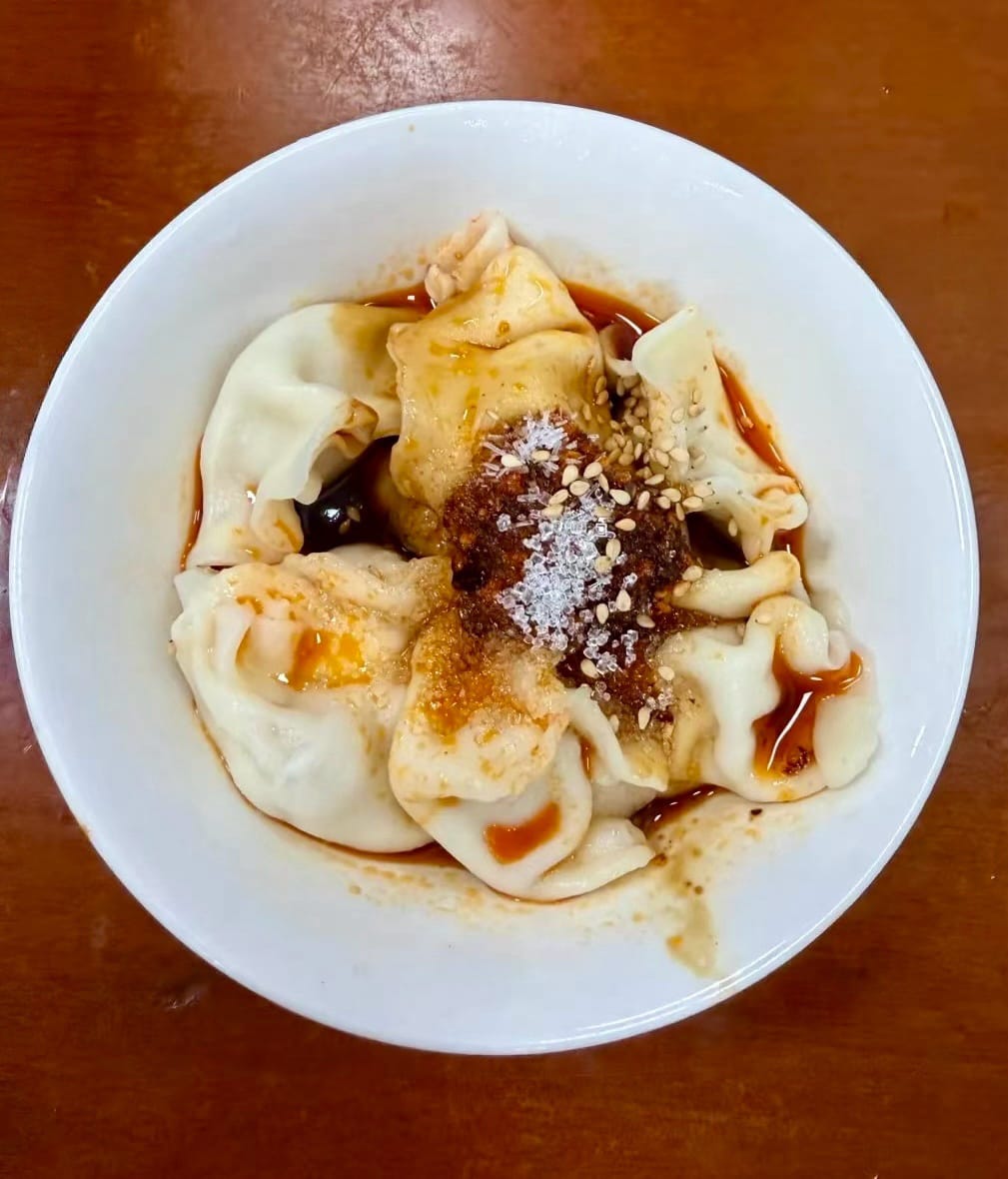
Recommended Dishes: Red Oil Dumplings, Steamed Pork Ribs with Rice Flour
I have mentioned this restaurant in a previous article. These dumplings are served with seasonings mixed directly into the bowl, a classic Chengdu style. Even the non-spicy version is excellent.
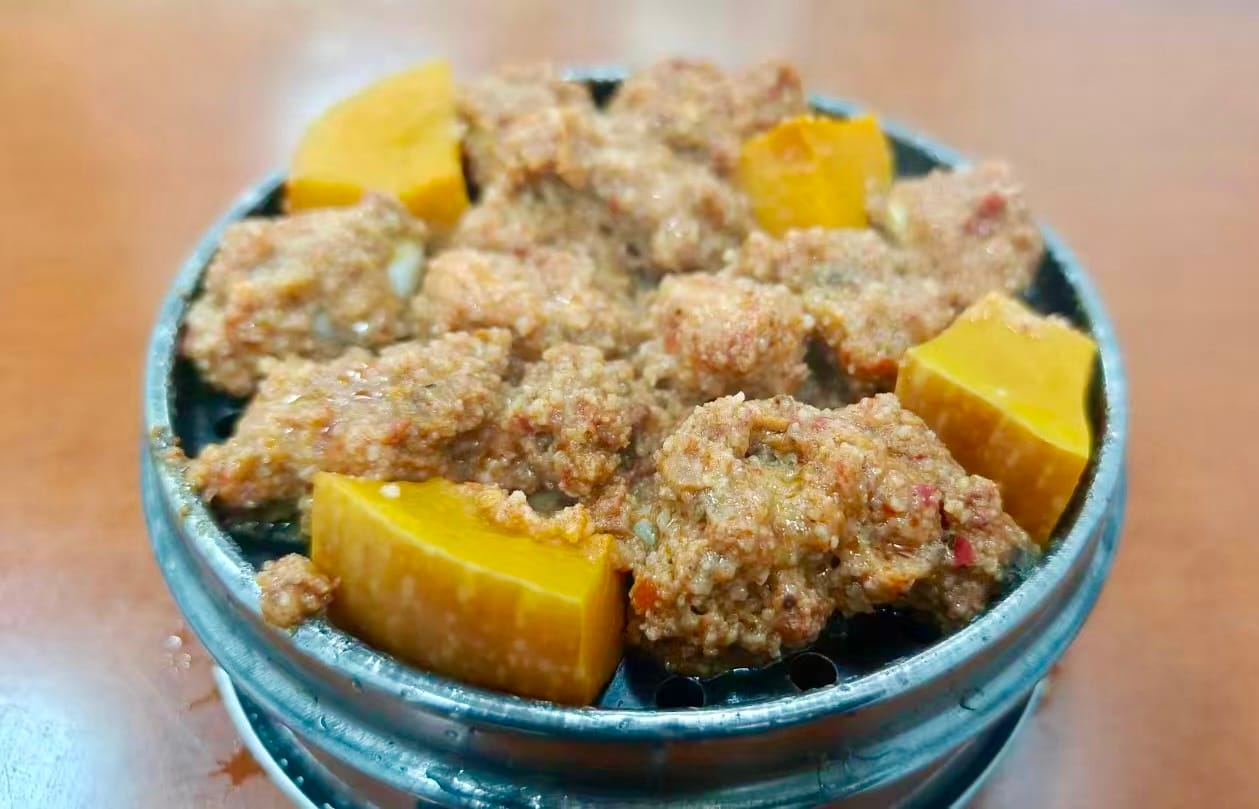
The steamed pork ribs are another signature dish. This cooking technique is popular throughout Sichuan, Chongqing, and Hunan, using pork ribs coated in seasoned rice flour and steamed with sweet potatoes or potatoes.
Address: No. 13-1 Jiaojia Alley, Qingyang District
Zha Zha Noodles (查渣面)
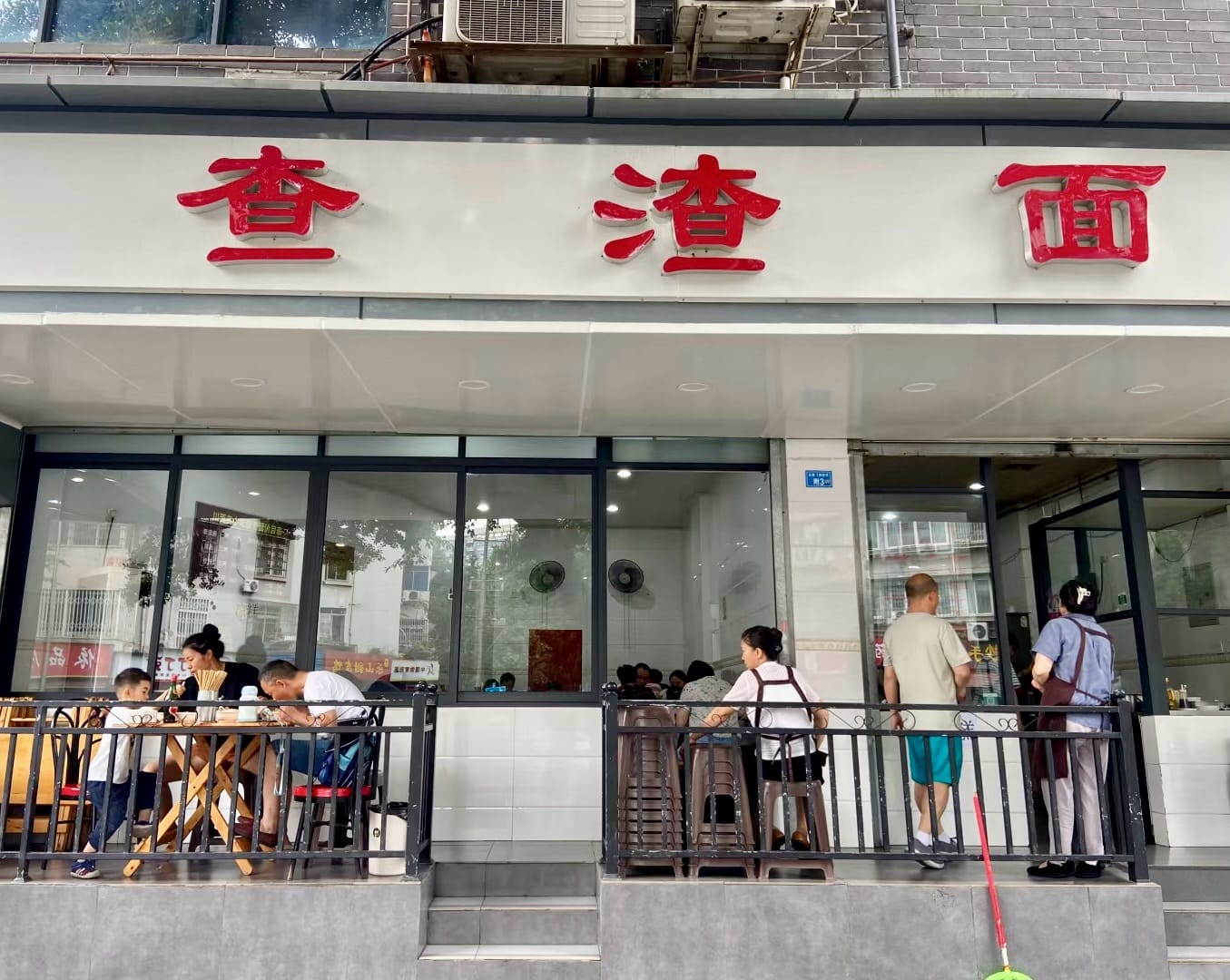
Recommended Dishes: Clear Broth Zha Zha Noodles, Cold Sliced Chicken
This noodle style originated in Qionglai, west of Chengdu. According to local legend, the founder once stir-fried leftover wonton filling and used it as a noodle topping the following day. Because his surname was Zha (查), the dish became known as Zha Zha Noodles.
The topping is finely chopped, crisp, aromatic, and intensely savory. The restaurant on Changshun Lower Street has been operating for over twenty years.
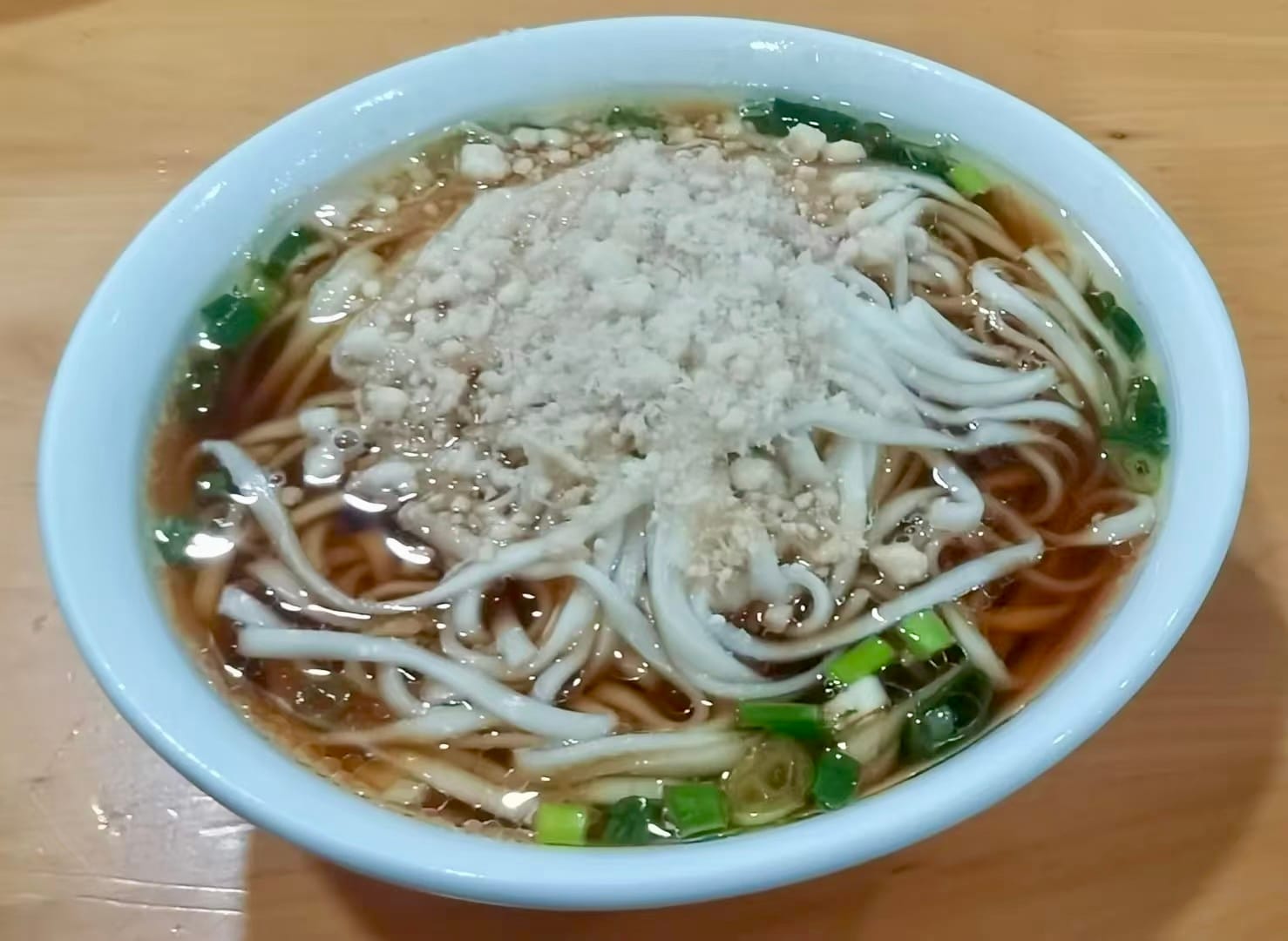
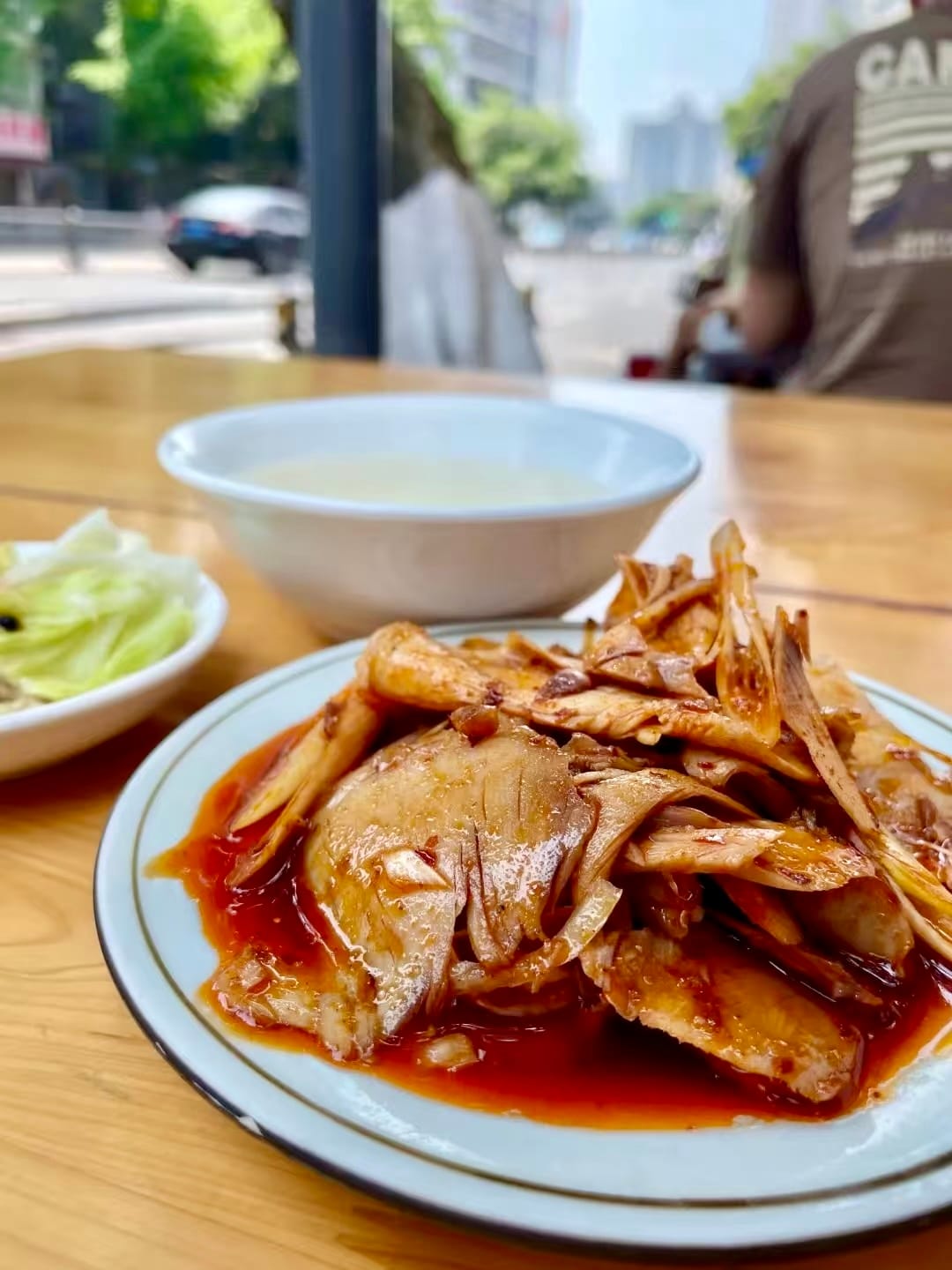
First: Clear broth noodle soup. | Second: Spicy cold chicken slices.
My personal favorite is the clear broth version, made with pork fat, light soy sauce, a touch of salt, and pork bone broth. It reminds me somewhat of a Japanese clear-broth ramen. Paired with a plate of spicy cold chicken slices, it forms a classic old Chengdu combination.
Address: No. 65-3 Changshun Lower Street, Qingyang District
Sichuan Cuisine
Lao Caipu Sichuan Restaurant (老菜谱川菜馆)
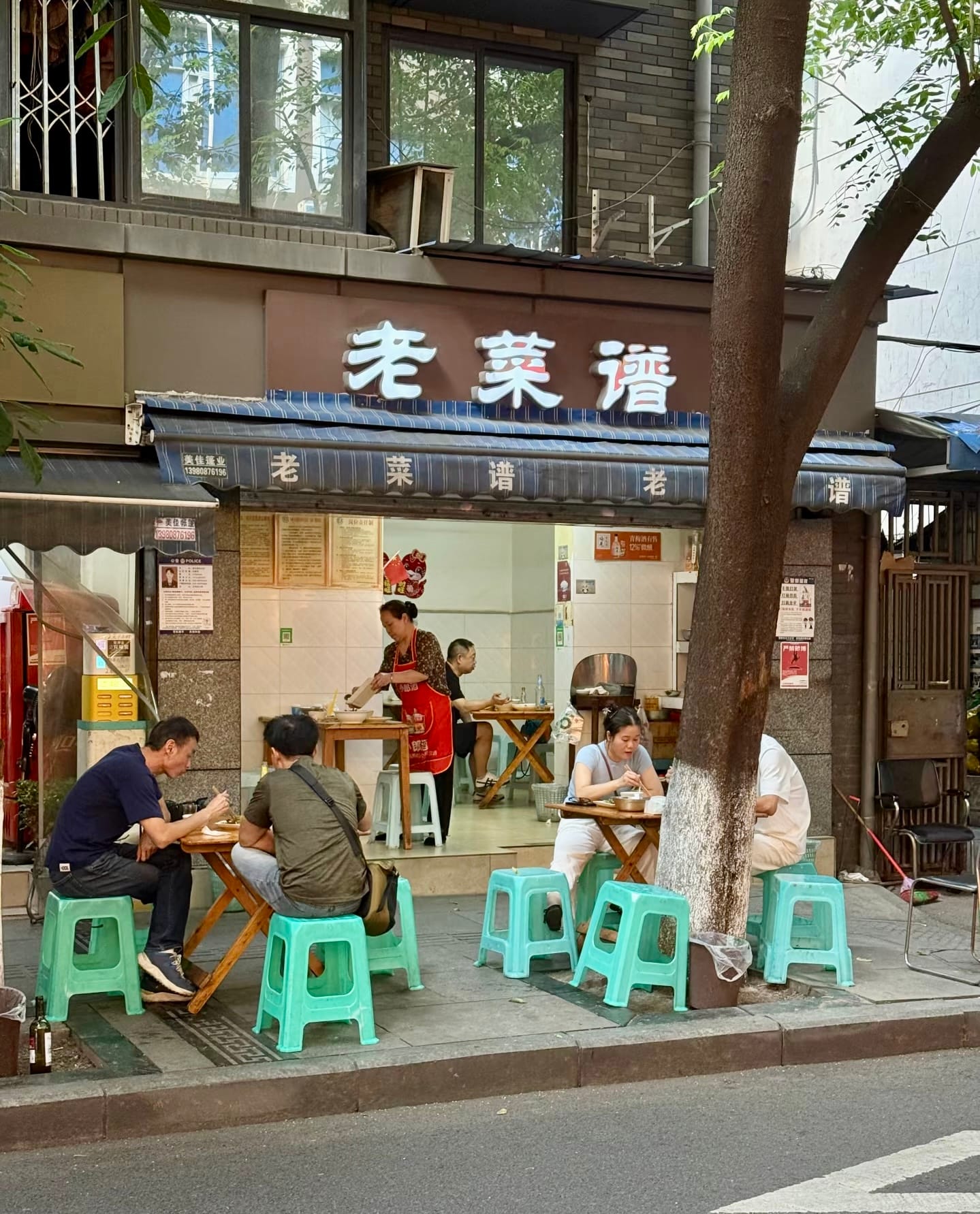
Recommended Dishes: Honestly, order everything.
Sichuan cuisine is often described as having twenty-four flavor profiles, with each region of Sichuan expressing them differently. In old Chengdu cuisine, lychee flavor (荔枝味) and kung pao flavor (宫保味) were often more prominent than outright spiciness.
The chef here is a native Chengdu resident who specializes in traditional home-style dishes that were once common but have largely disappeared from modern restaurant menus.
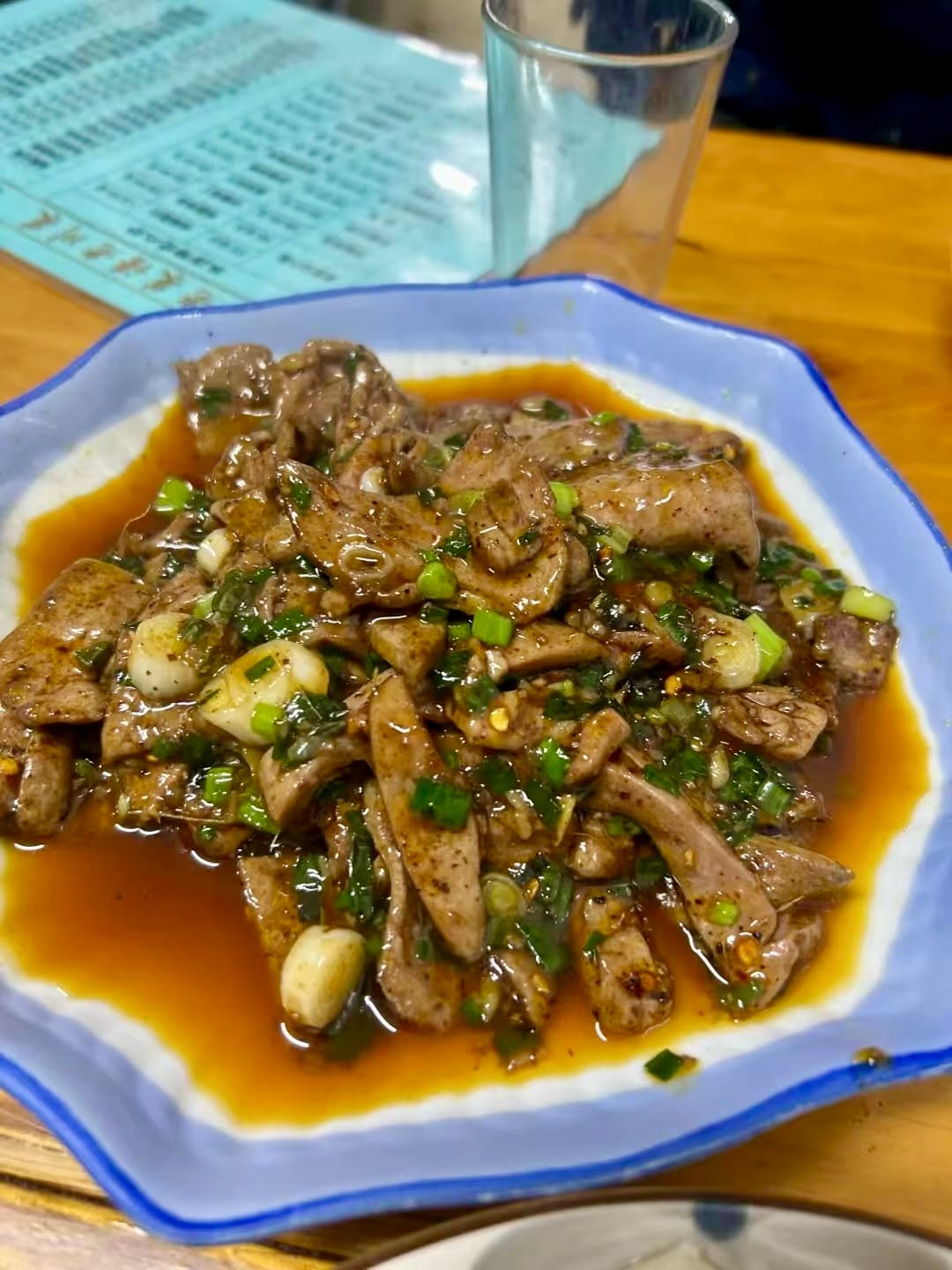
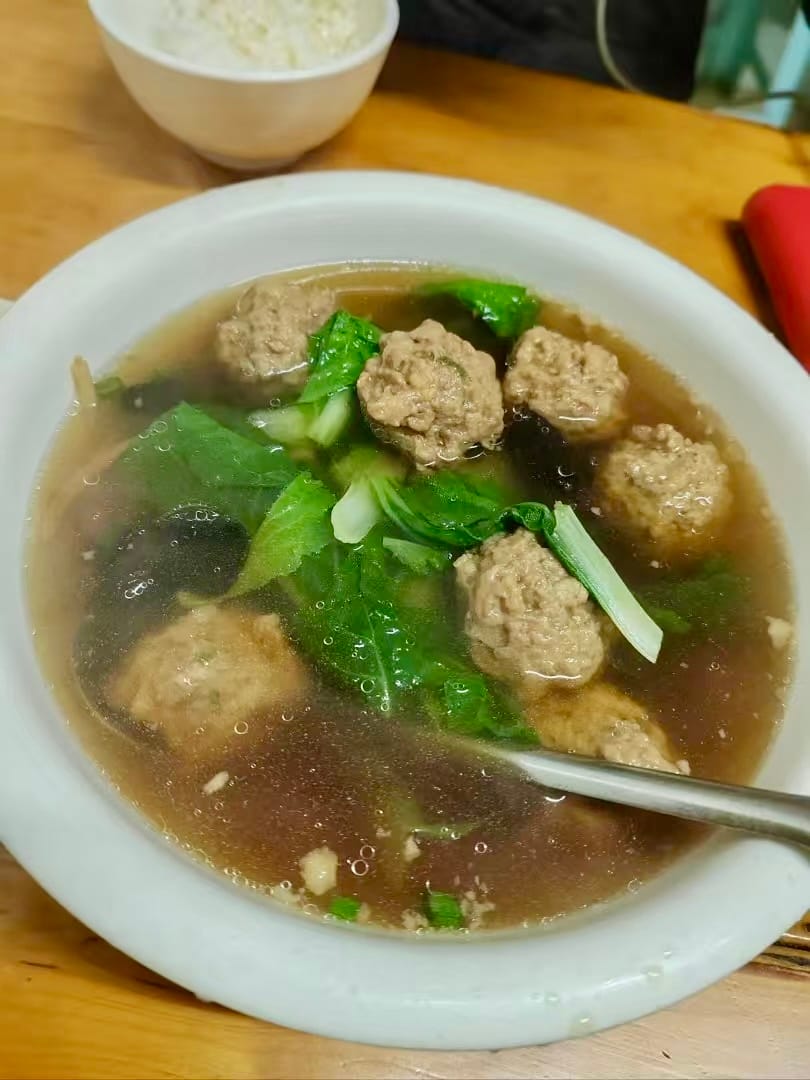
One example is pork meatball soup made with minced pork, scallions, ginger, soy sauce, and dried daylily flowers. Another is Hu La Pork Cubes (糊辣肉丁), which in Chengdu takes on a sweet-sour lychee-style flavor rather than the smoky chili profile associated with Chongqing or Guizhou.
Every dish on the menu reflects old Chengdu cooking traditions and is worth trying.
Address: No. 48-1 Changfa Street, Qingyang District
Wuweiju (五味居)
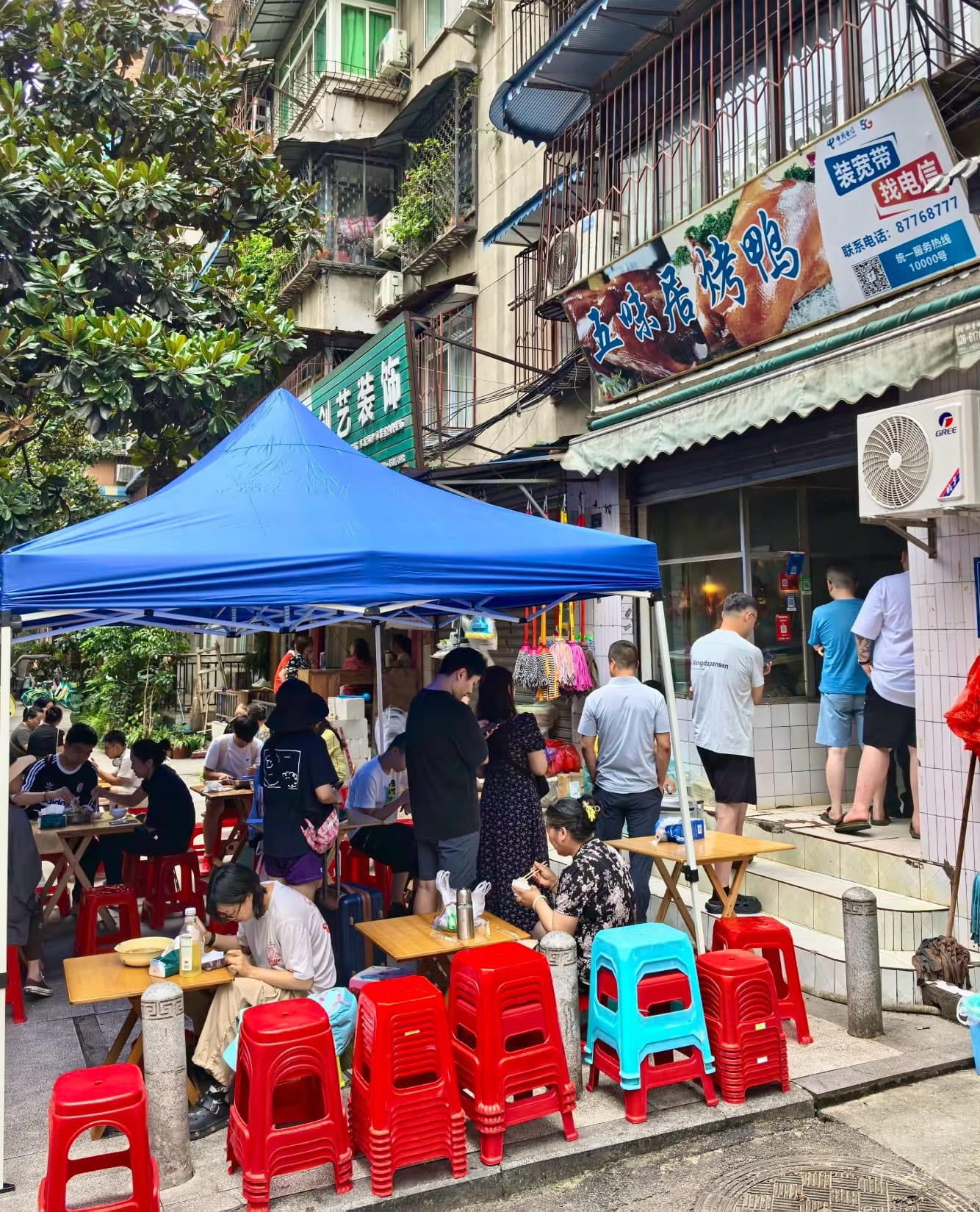
Recommended Dish: Mao Roast Duck (冒烤鸭)
Mao Roast Duck originated in Chengdu during the 1980s. The word mao (冒) refers to a cooking technique in which ingredients are placed in a bamboo strainer, briefly cooked in a prepared broth, then served with a ladle of flavorful soup and seasonings.
The dish combines the crispy skin and tender meat of roast duck with Sichuan’s mao cai tradition. Chopped roast duck is briefly immersed in seasoned broth before serving.
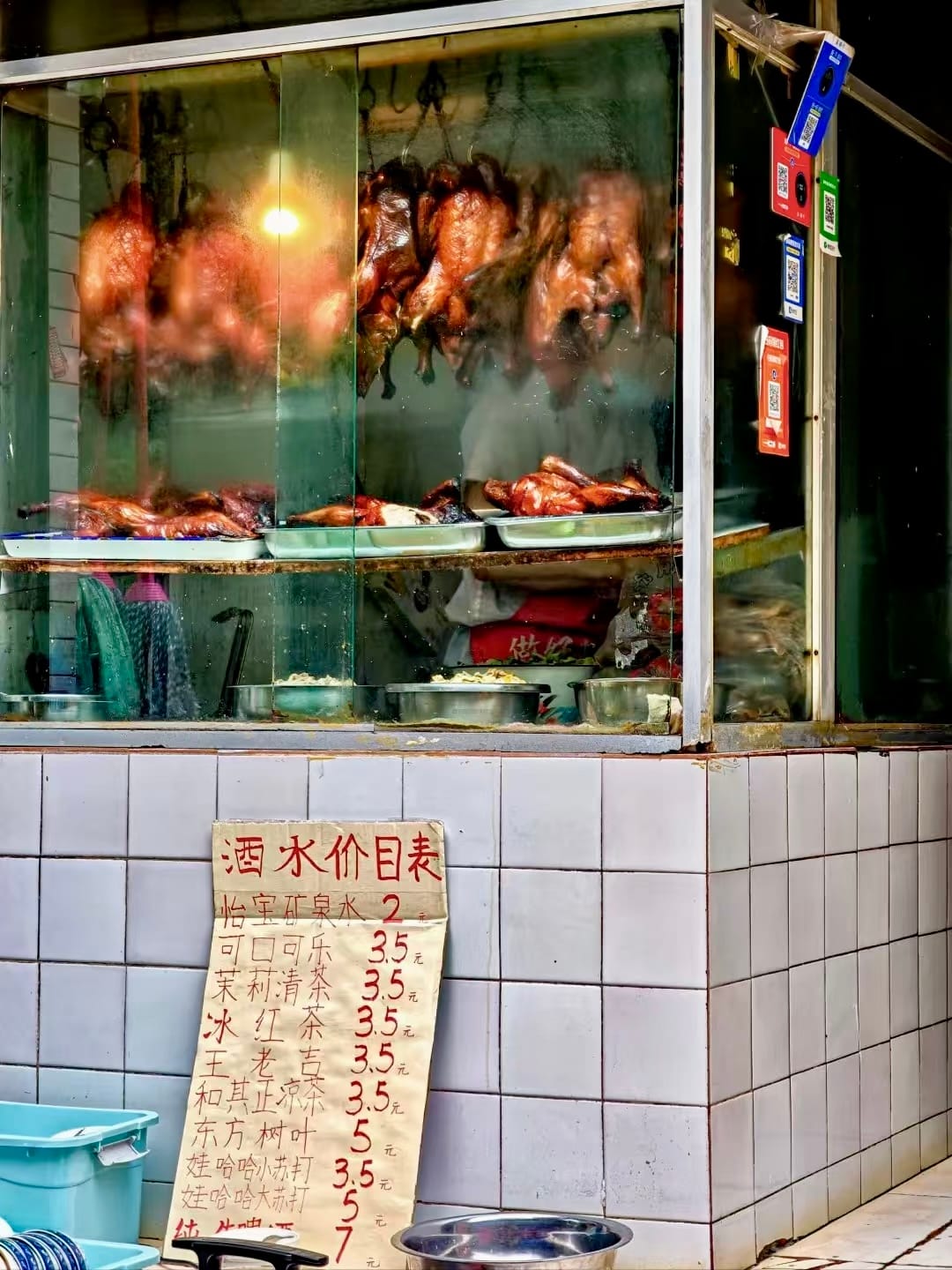
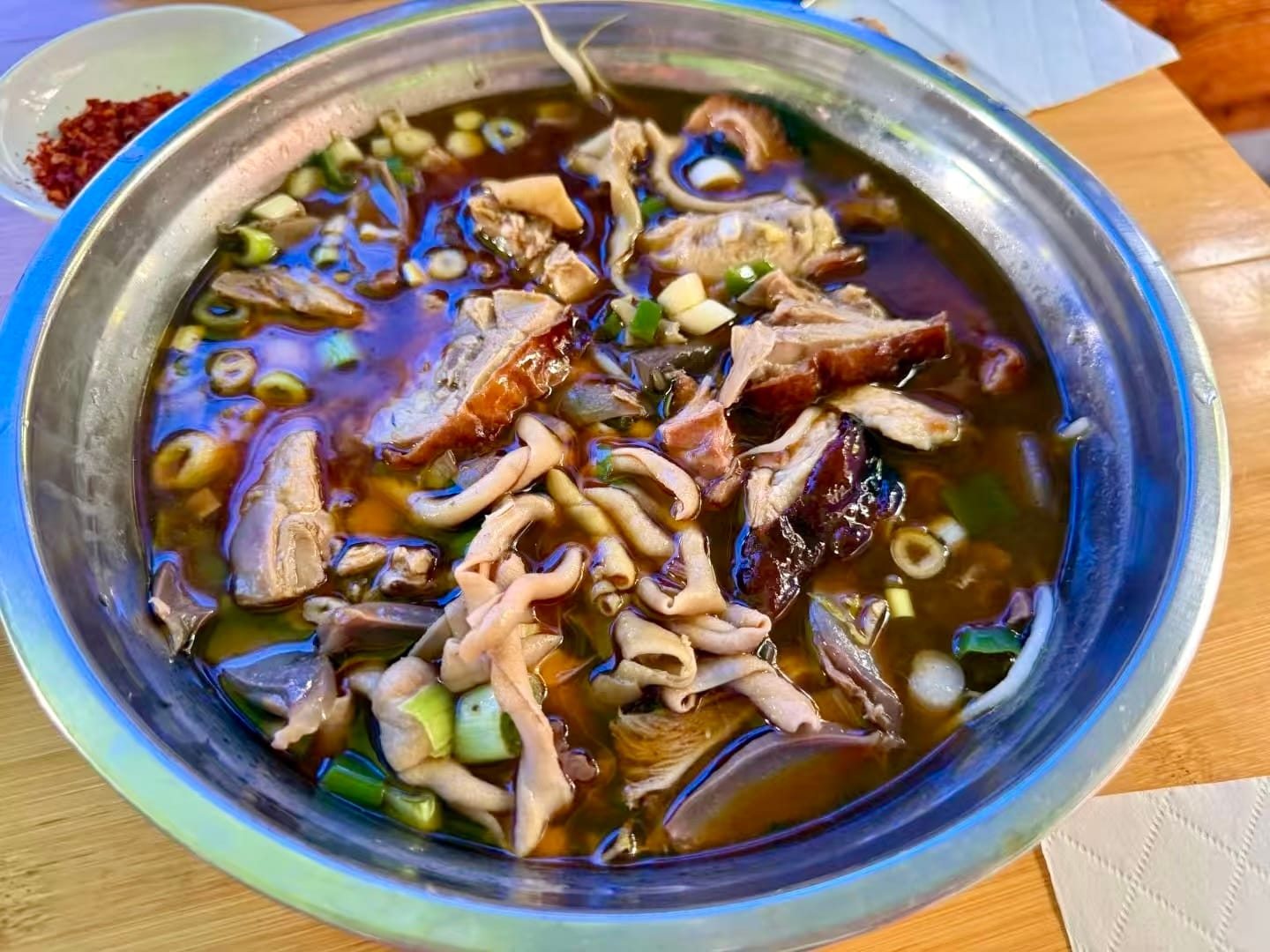
Traditional Chengdu Mao Roast Duck uses a specially prepared aromatic brine, resulting in a rich five-spice flavor rather than the hotpot-style bases that dominate the market today. Wuweiju remains one of the few places still serving this traditional version.
Address: No. 118 Guojielou Street, Qingyang District
Chengdu Snack Collection
Zhang Laowu Liangfen (张老五凉粉)
If you want to sample several of Chengdu’s most iconic snacks in one place, Zhang Laowu Liangfen is an excellent choice.
The menu includes many classic Chengdu specialties such as:
- Sweet Water Noodles (甜水面)
- Yellow Pea Jelly Noodles (黄凉粉)
- Cold Noodles (凉面)
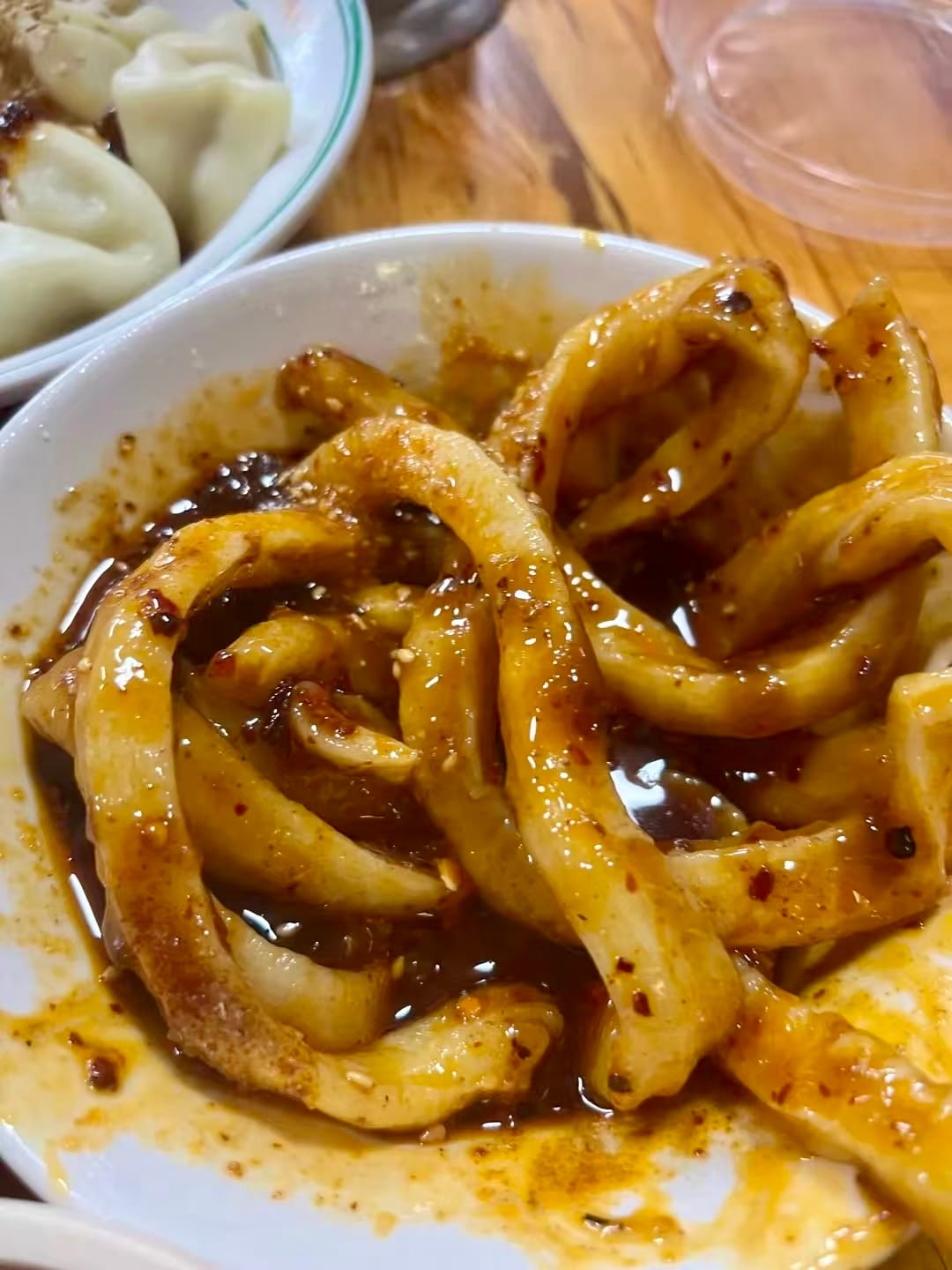
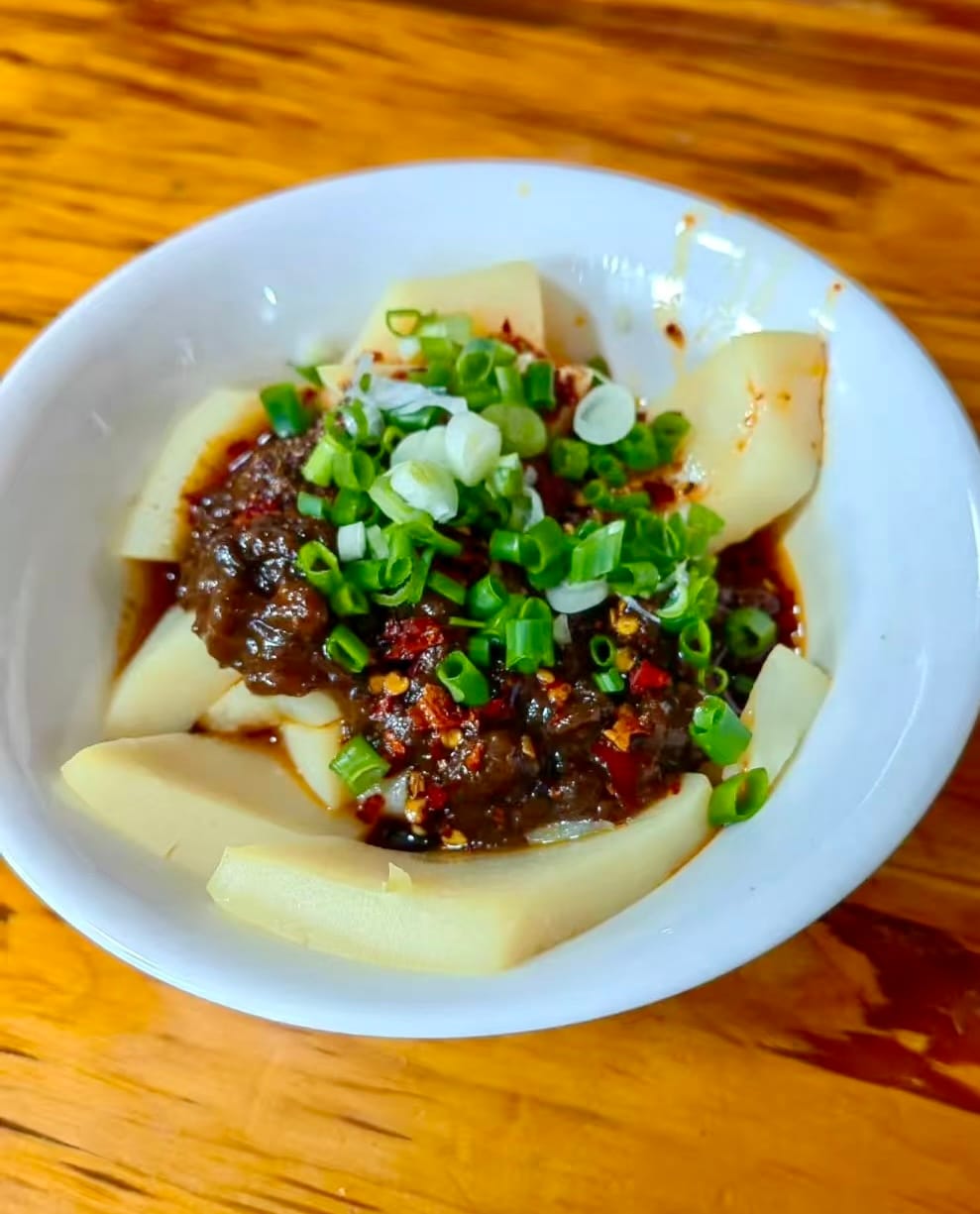
First: Sweet water noodles. | Second: Yellow pea jelly noodles.
Everything is prepared in a highly traditional style and offers a great introduction to Chengdu’s snack culture.
Address: No. 33-2-1 Huaishu Street, Qingyang District, Chengdu

Co-founder of Snout & Seek and FARLAND, ZhuangZhuang is passionate about understanding the local cultures of different ethnic groups through an anthropological lens. She aims to share the sustainable wisdom of these cultures with a wider audience through publications, products, and other methods. Zhuang enjoys photography, jazz music, cute animals, and Chinese traditional divination culture.
No spam, no sharing to third party. Only you and me.
Member discussion