24 Flavors of Sichuan - Home Style Flavor (Jiachang wei)
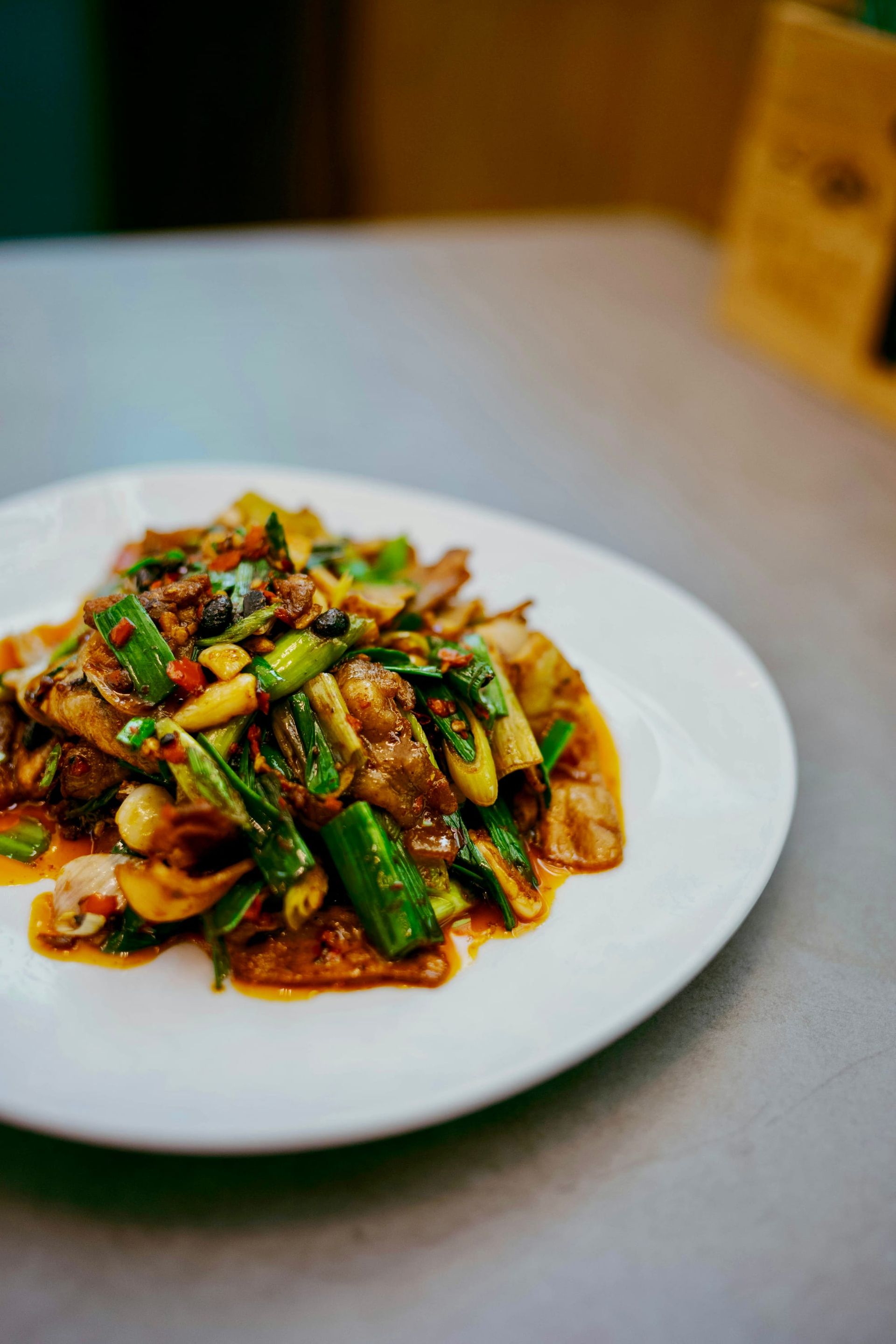
When we first interviewed a Luzhou chef who had specialized in Sichuan cuisine since the age of 17, I asked him what he would choose for his last meal. Without a moment of hesitation, he answered: Huiguorou (Twice-Cooked Pork). When I asked why, he explained that Huiguorou represents the essence of Jiachang wei (home-style flavor), a dish so fundamental that every Sichuan cook spends a lifetime trying to perfect it.
Indeed, Huiguorou is one of the most recognized dishes in China. Almost anyone familiar with Sichuan cuisine has heard of it, and everyone seems to have their own opinion on what makes a great version. At its core, the dish is deceptively simple. Pork belly is first simmered until just cooked, then sliced thinly and stir-fried with Pixian Doubanjiang (Pixian broad bean paste), fermented black beans, and vegetables such as garlic shoots or peppers. As the pork releases its fat into the wok, it combines with the fermented bean paste to create the rich, savory aroma that defines jiachang wei. There are no complicated techniques or expensive ingredients to hide behind. The quality of a Huiguorou depends entirely on a chef’s control of heat, timing, and seasoning, which is why such a seemingly humble dish has become one of the ultimate tests of Sichuan cooking.
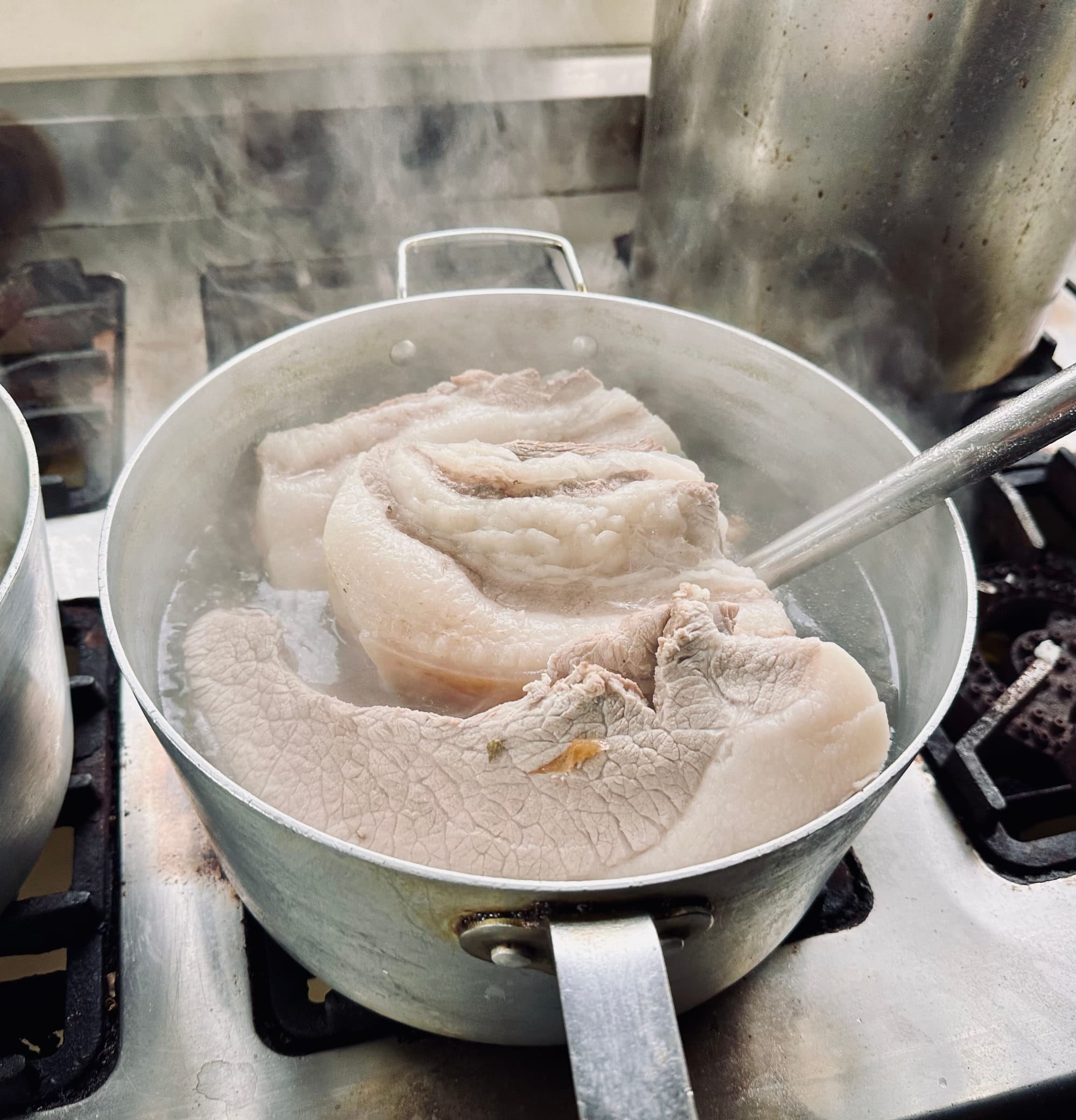
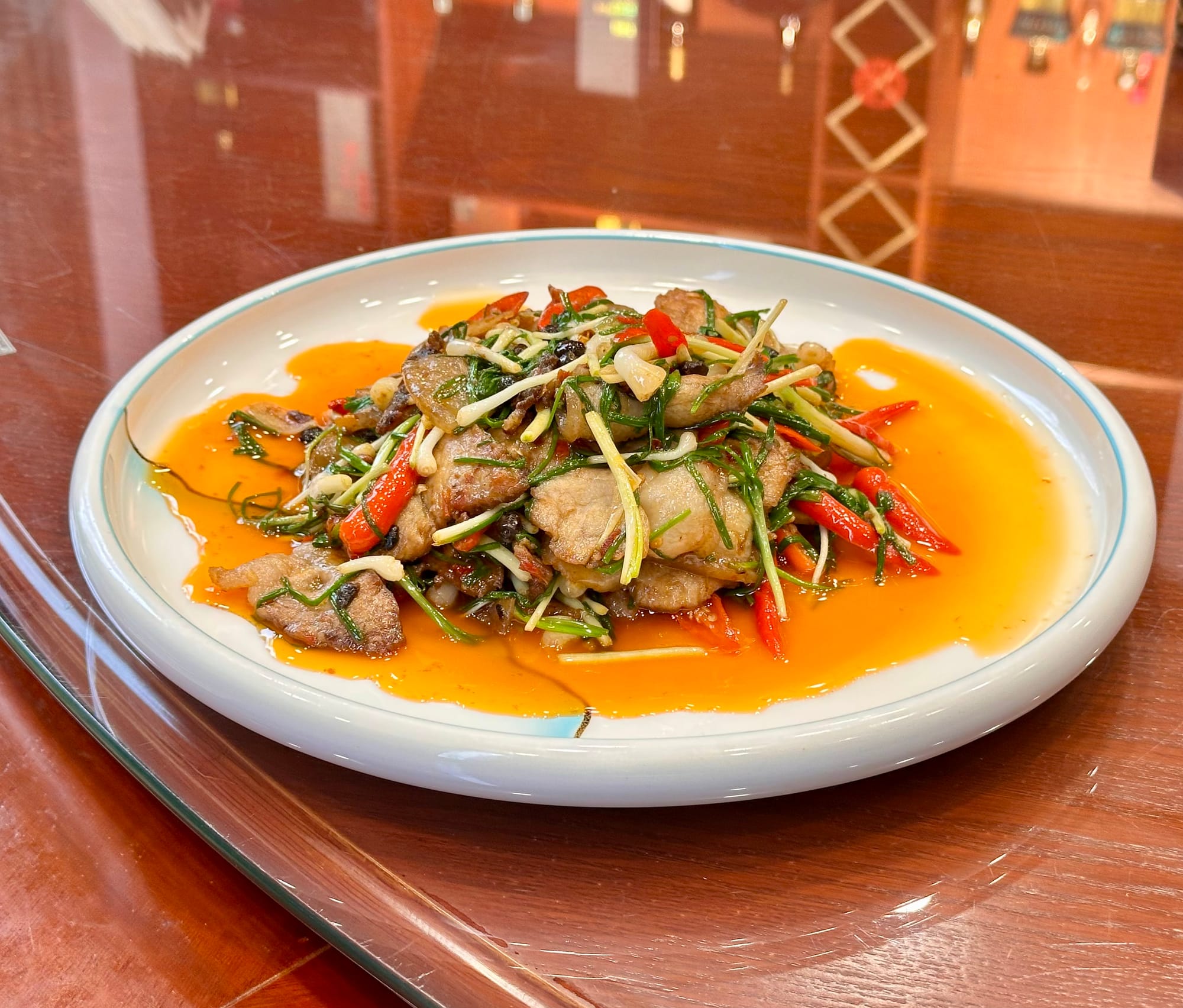
Twice cooked pork, as its name suggests, is made by cooking the pork twice. First boil it in hot water, then sliced to thin pieces and fry in the wok again.
At the center of it all, doubanjiang plays an integral role in shaping the flavor of Huiguorou. It is a staple ingredient not only in Sichuan households, but in kitchens across China. When a simple stir-fry seasoned with salt and soy sauce starts to feel repetitive, a spoonful of doubanjiang can completely transform the dish, bringing spice, savoriness, and a depth of flavor that is difficult to achieve through other seasonings alone.
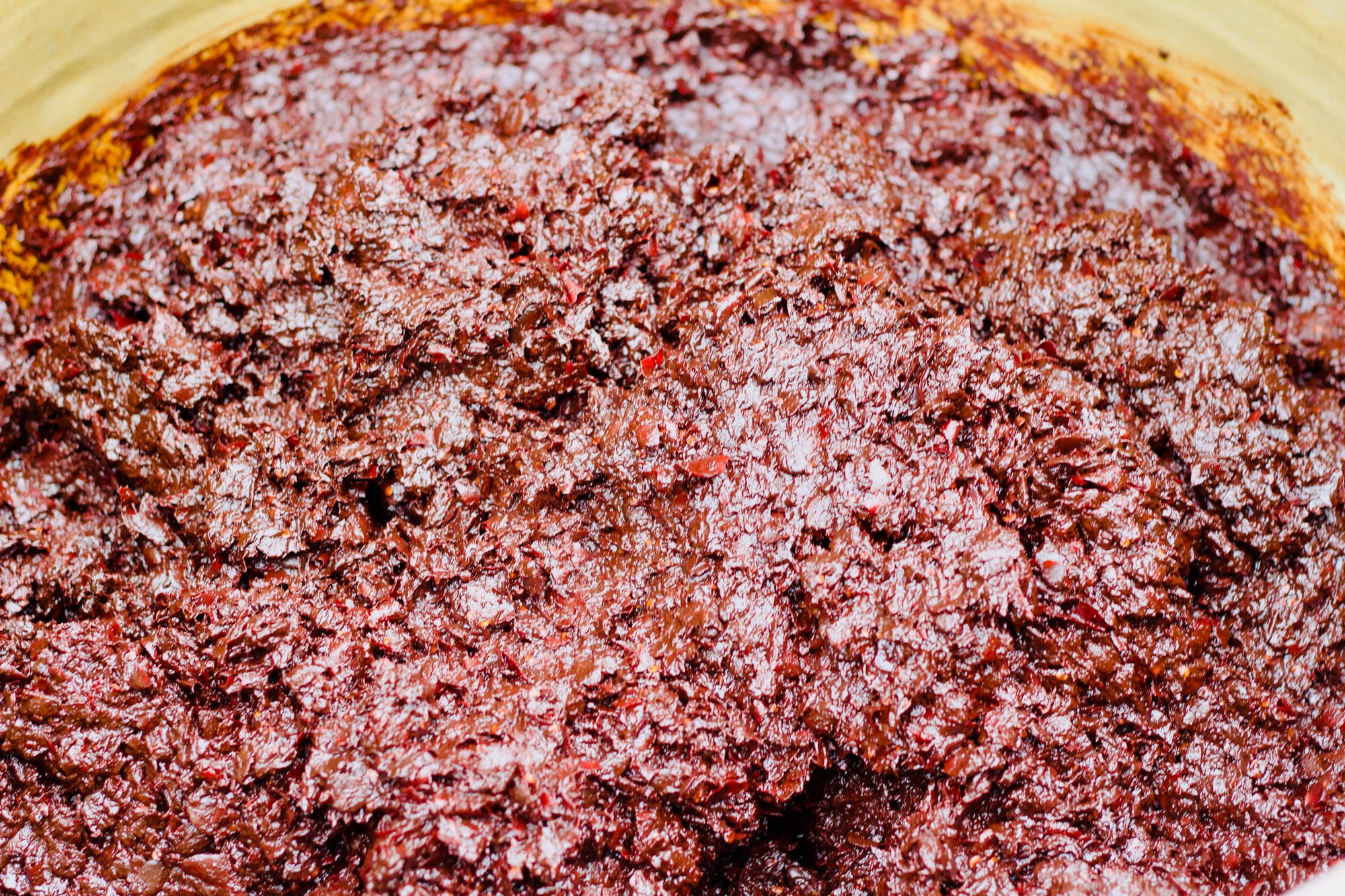
But what makes doubanjiang so special, and how did it come into being?
The answer lies in a combination of geography, climate, migration, and time. Unlike many northern Chinese bean pastes made primarily from soybeans, traditional Pixian Doubanjiang is made from broad beans, chili peppers, and salt. Its origins can be traced back to the Qing Dynasty, when waves of migrants brought new ingredients and food traditions into Sichuan. One popular local story credits a Fujian migrant named Chen Yixian with helping popularize the practice of combining fermented broad beans with chili peppers, creating an early version of the paste we know today.
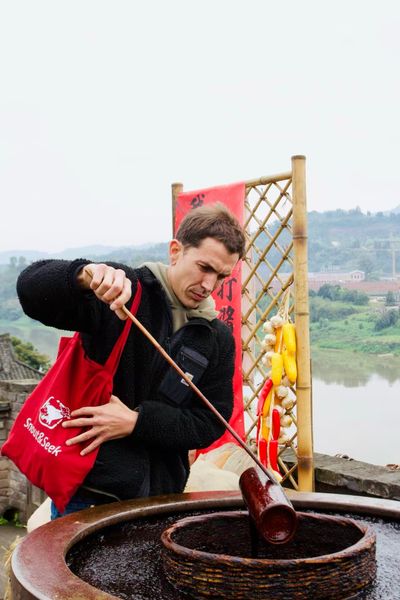
The environment of the Sichuan Basin also played a crucial role. Warm temperatures, high humidity, abundant agricultural production, and access to salt created ideal conditions for fermentation. Over generations, producers in Pixian developed a method of fermenting broad beans and chili peppers in large earthenware jars, exposing them to sunlight during the day and the open air at night. This process can last from one year to several years, gradually breaking down proteins and creating the rich aromas, savory compounds, and complex flavors that define the finished paste.
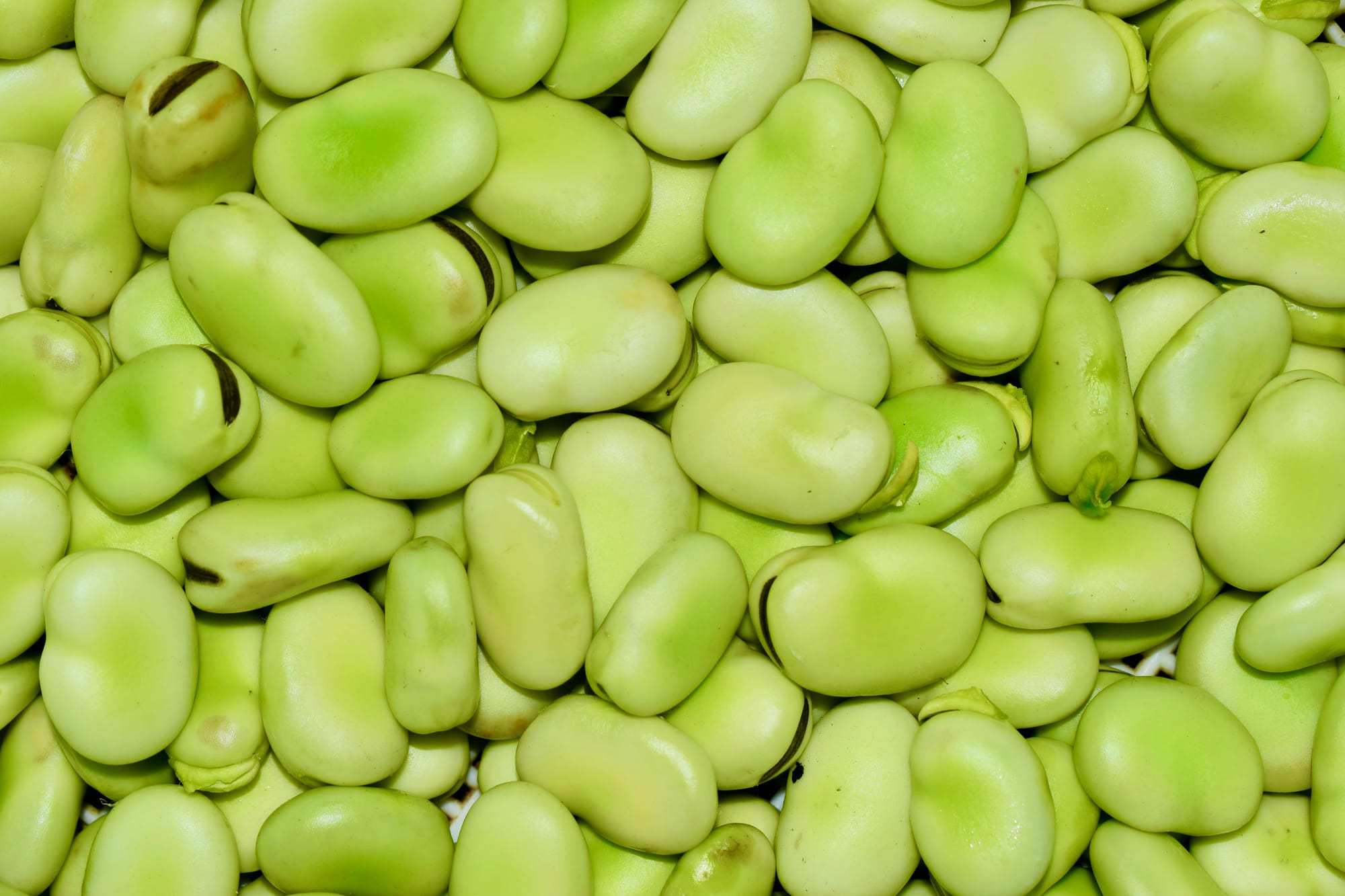
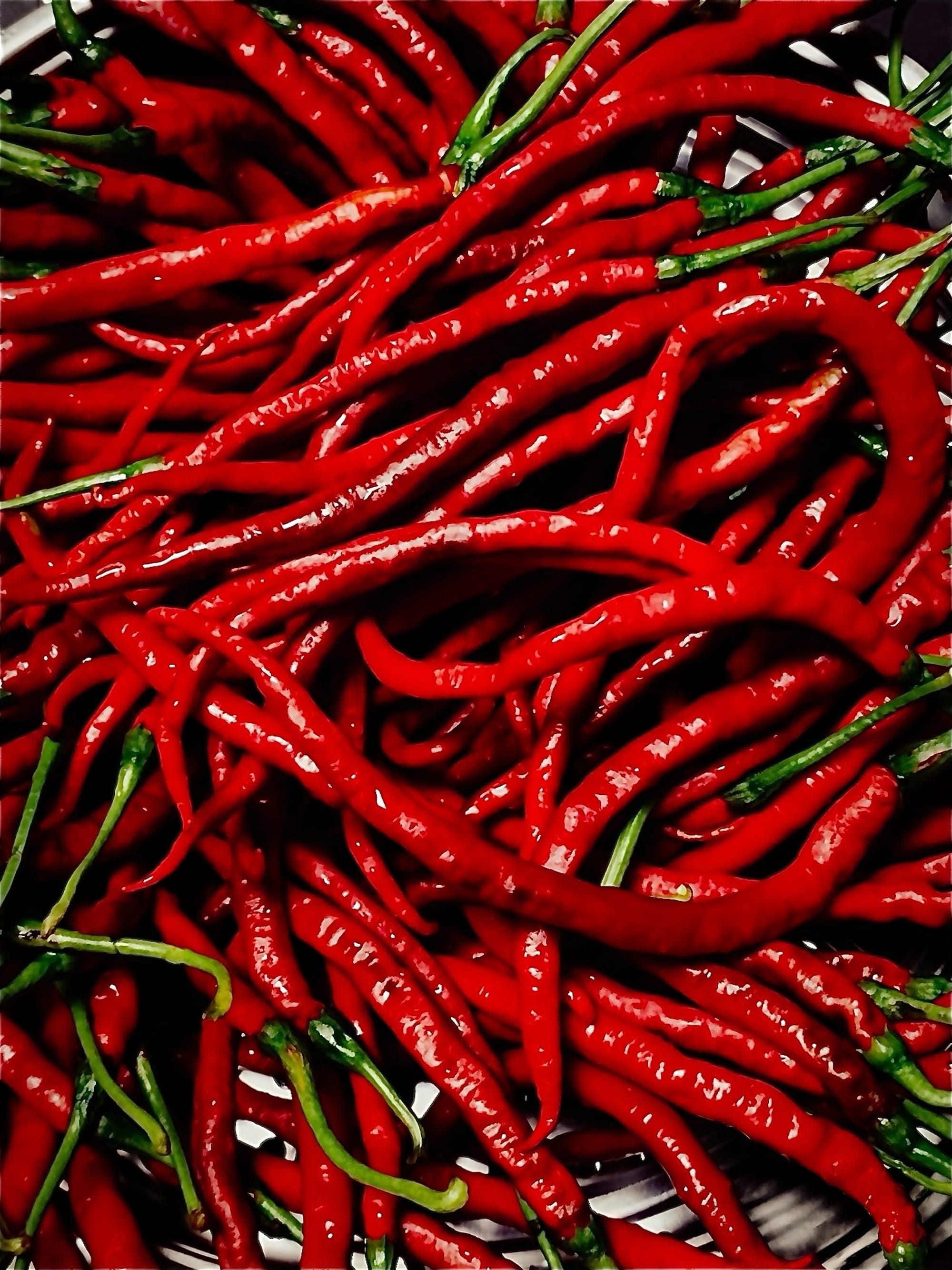
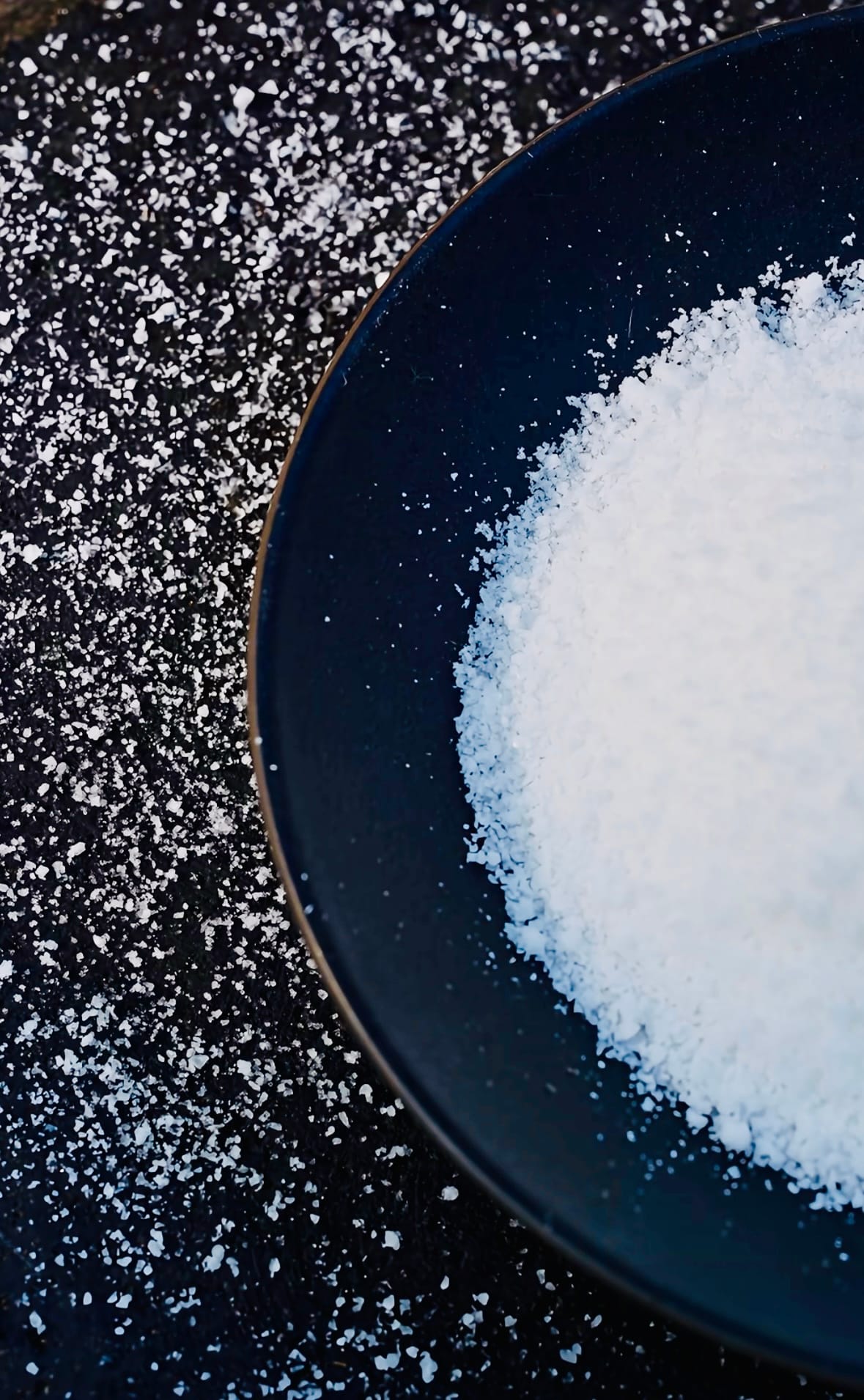
The three major ingredients of doubanjiang: broad beans, Sichuan erjintiao chili peppers and salt. Credit: RED 410739793; 彭南科
What makes doubanjiang remarkable is that it is more than a chili sauce and more than a bean paste. It is a fermented ingredient shaped by its environment, carrying the flavors of broad beans, chili peppers, microorganisms, sunshine, and time. In many ways, it serves the same role that miso does in Japan or aged cheese does in parts of Europe. In China or Chinese communities all over the world, doubanjiang has become one of the defining ingredients of Sichuan cooking. Many of the dishes people associate with the region today would not taste the same without it.
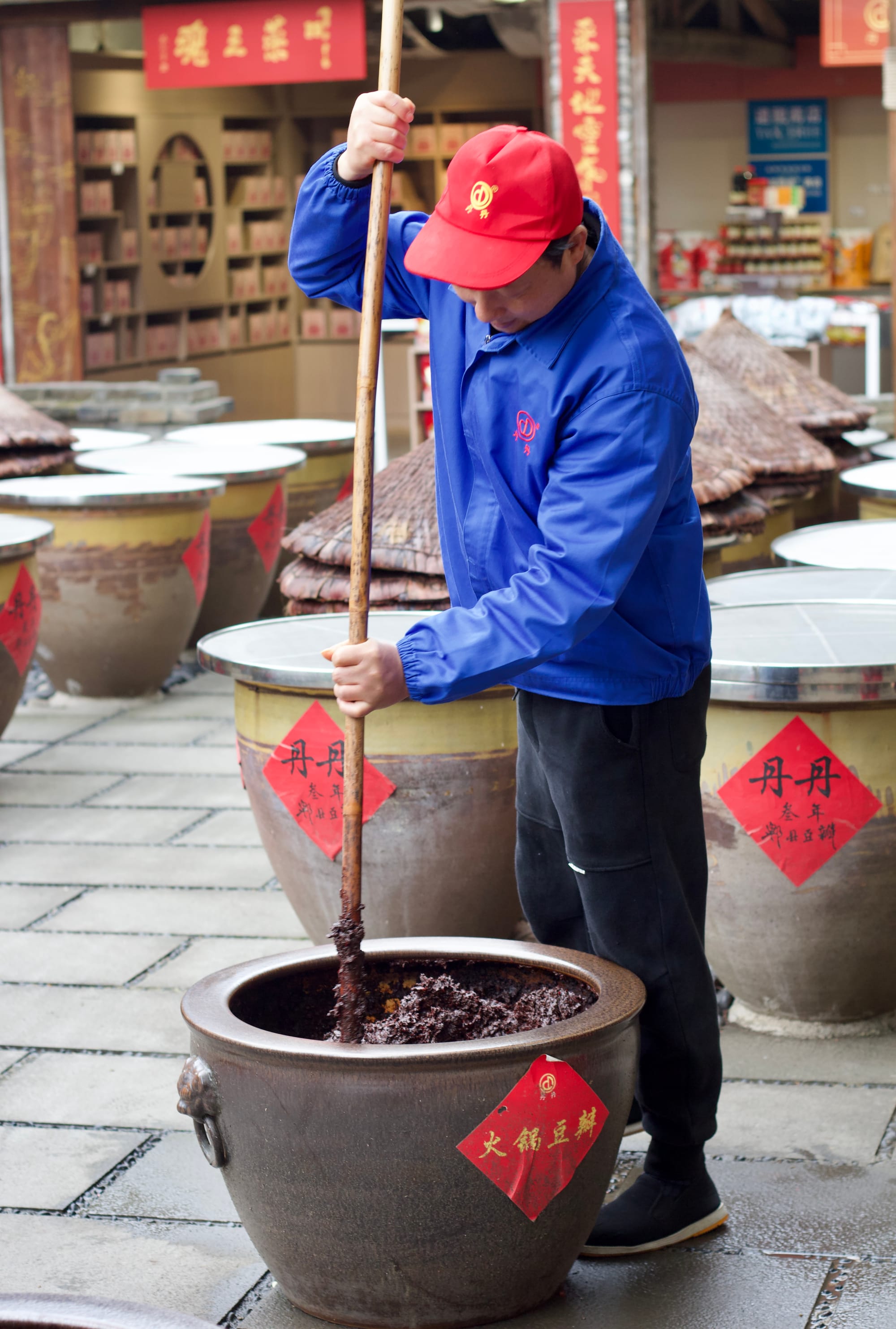
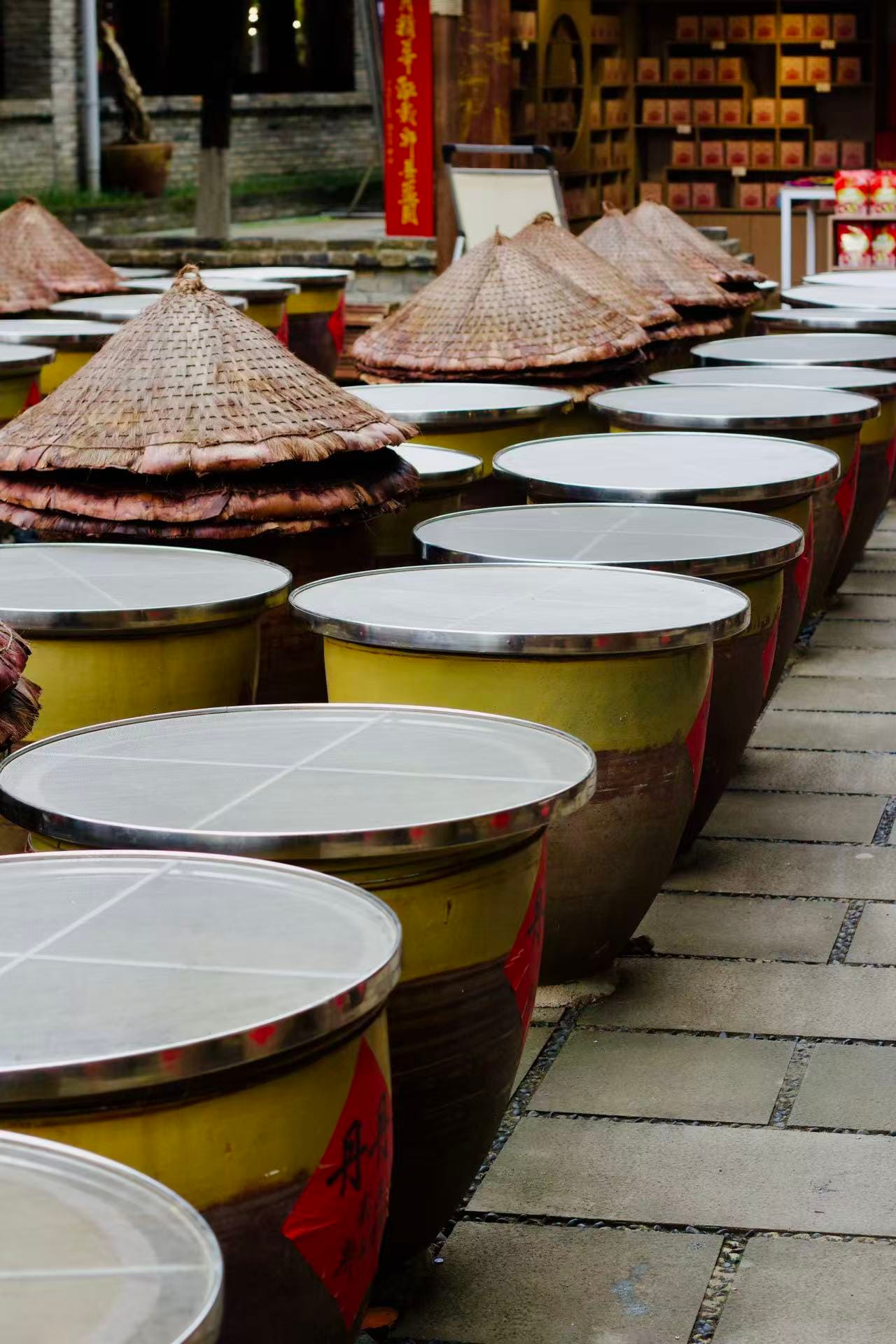
Sichuan Cuisine Museum is located in Pidu District in Chengdu, with urns of doubanjiang aging for years and technicians taking care of them every day.
With the foundation built by doubanjiang, Jiachang wei has flourished across Sichuan and eventually spread throughout China. It is deeply woven into everyday cooking, appearing in dishes that generations of families have grown up eating. The most famous example is Huiguorou, often regarded as the benchmark of Sichuan home cooking. Other classics include盐煎肉 Yán Jiān Ròu (Salt-Fried Pork), 家常豆腐Jiācháng Dòufu (Home-Style Tofu), and 豆瓣鱼Dòubàn Yú (Fish with Doubanjiang). While these dishes differ in ingredients and technique, they all rely on the savory depth, gentle heat, and fermented aroma provided by doubanjiang.
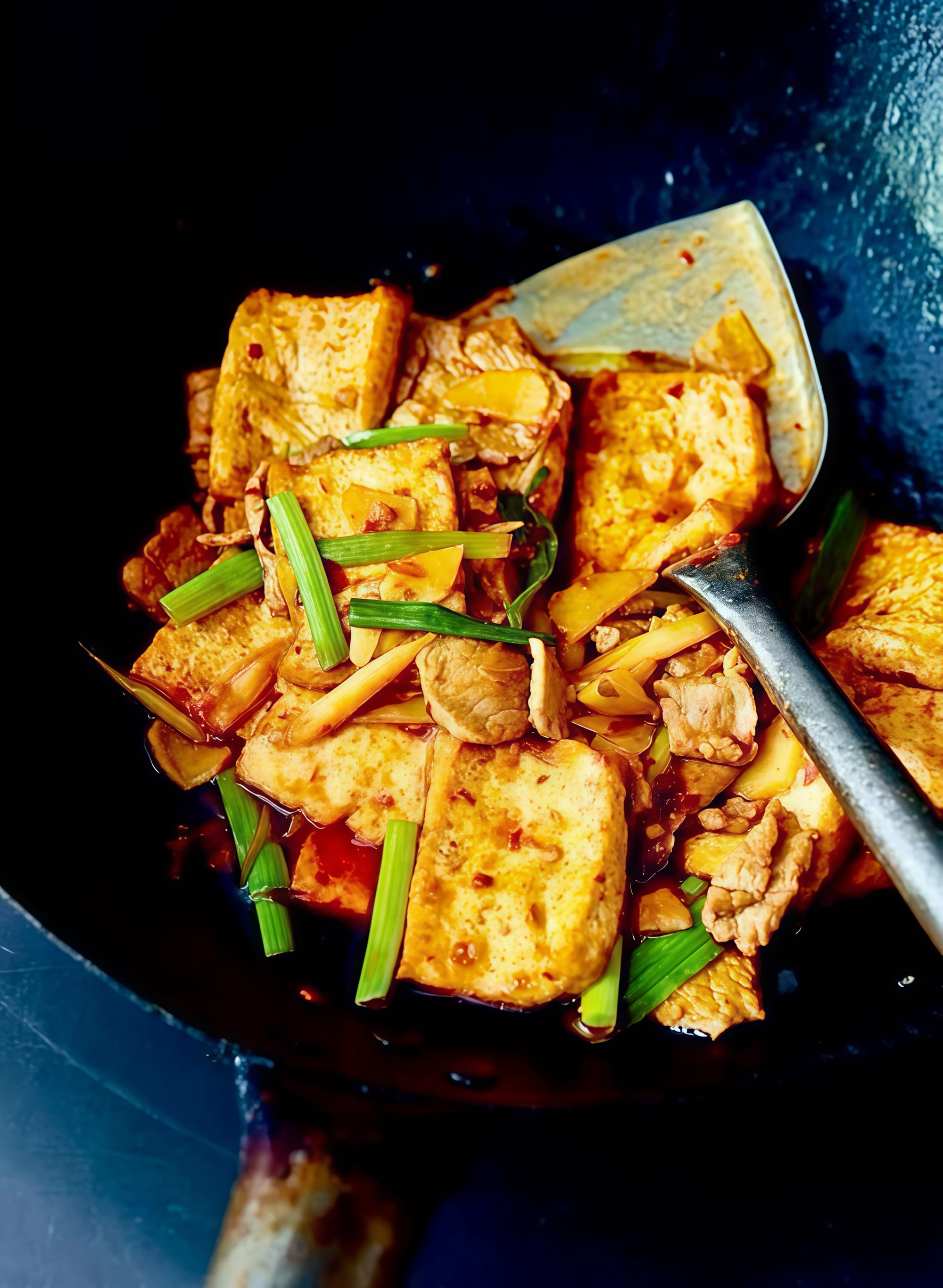
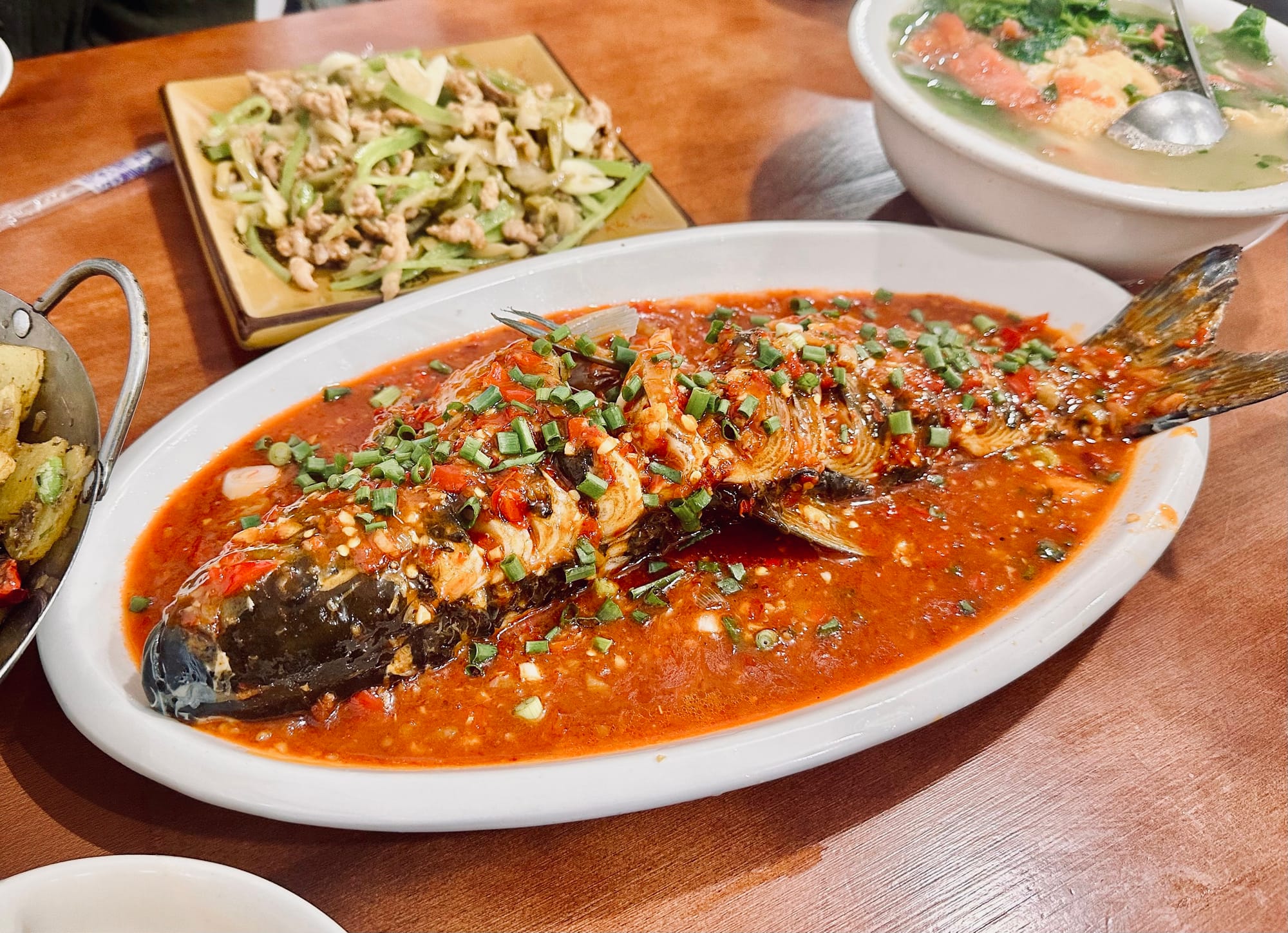
Home style tofu and Douban fish are all cooked with the foundation of Doubanjiang. Credit: Left RED 11571072047
The influence of Jiachang wei extends far beyond Sichuan. As Sichuan restaurants spread across China and later around the world, dishes built on this flavor profile became some of the most recognizable representations of Sichuan cuisine. For many people, their first introduction to Sichuan food was not an elaborate banquet dish or a fiery hotpot, but a plate of Huiguorou served with rice. In that sense, Jiachang wei has become more than a flavor profile. It represents the everyday side of Sichuan cooking; the food people return to after celebrations are over and guests have gone home.

A Tianjin, China native - Chloe has a deep appreciation for all things hotpot. Her appreciation of food and culture runs so deep that after a successful corporate career, she decided to uproot her life in China to attend Le Cordon Bleu Ottawa and Madrid. After working in the culinary industry in Canada, she decided to found Snout & Seek!
No spam, no sharing to third party. Only you and me.
Member discussion