Yifei Guo: A Daughter of Baijiu, A Builder of Home
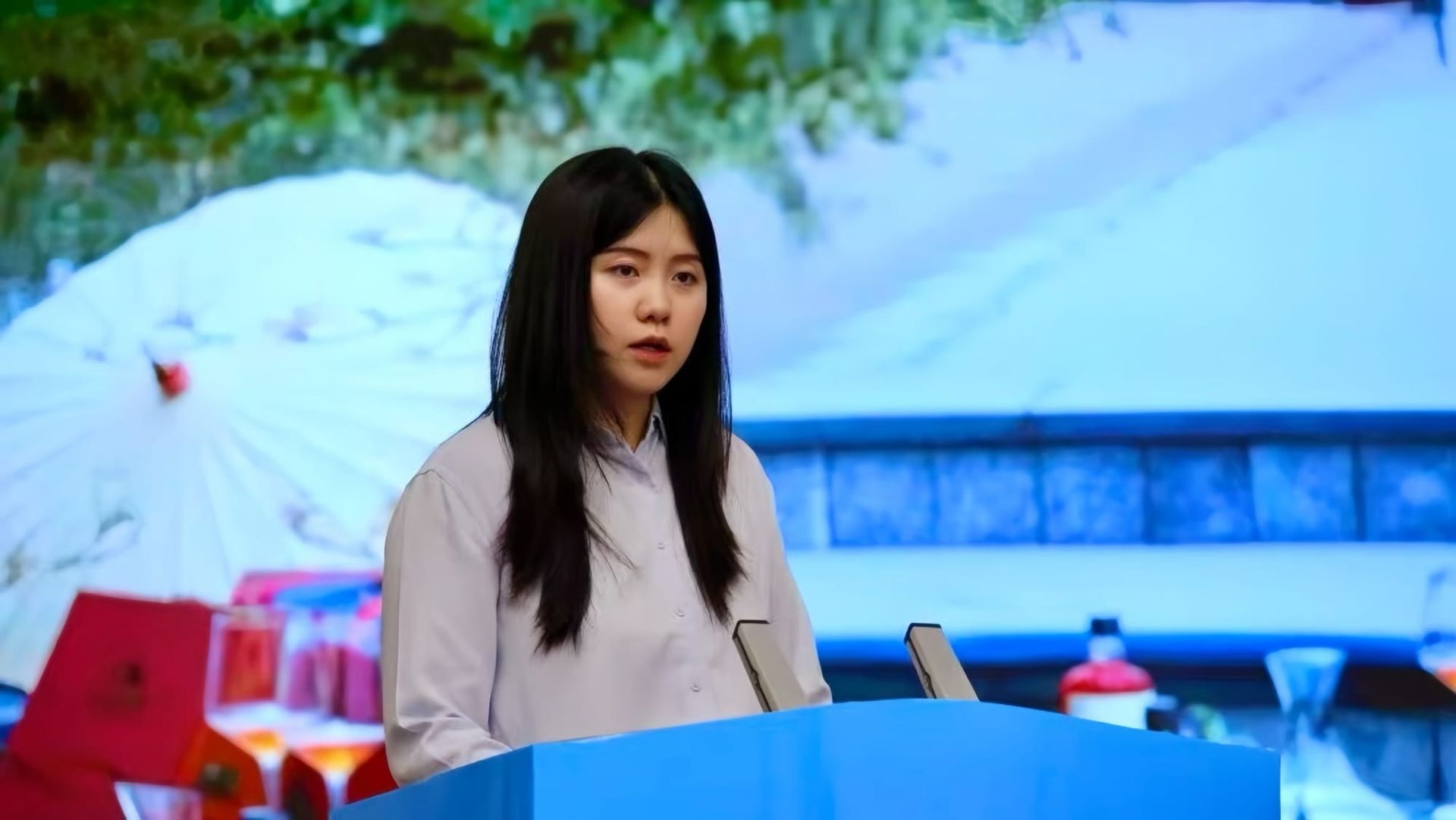
Before I met Yifei, my image of her was blurred, a hybrid of a Taoist master and a petite, quietly spoken woman. She existed only through other people’s words and descriptions, someone with an unusually clear vision, determined to build something of her own in a small city few had heard of.
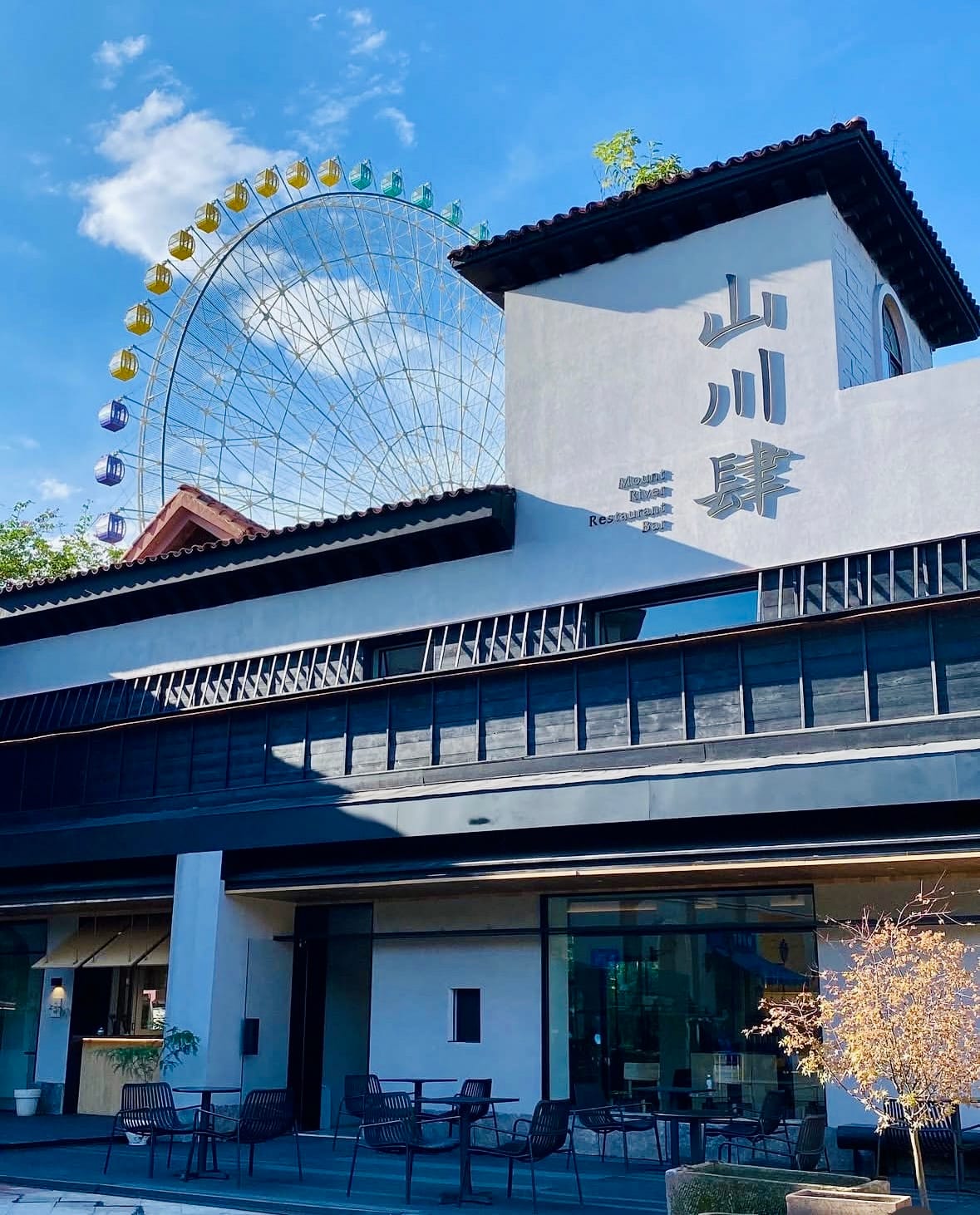
Luzhou, encircled by mountains and rivers, is known to many Chinese mainly through one name, Luzhou Laojiao. The city is branded as the “capital of baijiu,” a reminder of how deeply this ancient spirit shapes its identity. One of its landmarks, a giant Ferris wheel, lights up at night with promotional slogans about baijiu. And beneath that photo-op glow sits Yifei’s restaurant, MountRiver, where she has been trying to articulate the culture and food of her hometown on her own terms. When I finally met her, I realised my imagination had been both wrong and right.

More than a year ago, I began my own journey into fermentation after moving back to China from Canada. We settled temporarily in Shanghai, a megacity I had visited often before. This time, daily interactions felt more guarded than I remembered. Carrying that hesitation with me, I travelled from Shanghai to Chengdu, and from there continued on to Luzhou, a place I had known, like most Chinese, only through the name Luzhou Laojiao.

As I am not a typical baijiu connoisseur, Luzhou was a completely new experience for me. Located at the border of Sichuan, Chongqing, Yunnan, and Guizhou, the city carries traces of all these regions. There are rivers and mountains, forests and crops I had never encountered before. What surprised me most was how chill and open the people were. Throughout my stay, whether it was the niangniang at a fruit stall or a taxi driver, everyone was kind, curious, and eager to engage, as if they wanted to take part in my presence there. When I lifted my camera toward them, no one seemed bothered.
Beyond the people, what I noticed most on Luzhou’s streets was baijiu. Luzhou Laojiao or not, big shop or small, you could not miss it. Sometimes you would even see large ceramic jars used for storage right by the roadside, with a marinated-meat shop next door selling the kinds of dishes people like to eat with a drink. At times, I wondered whether baijiu had something to do with this ease, whether it made people more at peace with the world. That was where my friendship with Yifei began, across a table, as she spoke about baijiu.
The first time I stepped into MountRiver Restaurant, it felt completely out of place in a traditional small city. The white beige building, marked by black accents and the restaurant’s name written in kaishu calligraphy, conveyed a sense of elegance and deliberate seclusion. Inside, the decor was simple, but it reflected the owners’ aesthetic: clean lines, nature-inspired touches, and a clear respect for culture.
I was led into a private room with a traditional Chinese round table, the kind with a lazy Susan so dishes can circulate without anyone needing to stand up and pass plates around. In Chinese restaurants, round tables are common, because meals are often shared in large groups.
For the older generation, baijiu is also part of the ritual, a way of showing sincerity to friends and guests. Growing up in northern China, I watched my parents attend countless dinners where drinking was expected. It is a robust social culture, one that still shapes how people gather, host, and connect.
Yifei arrived a moment later with a warm smile. After greeting me, she sat down and began catching up with my friends, who had known her for years.
As we talked, we realised just before meeting us, she was in the middle of hosting a dinner for company guests in another room not far from ours. They were a wholesale client, in Luzhou to sign a large order for a customised baijiu line aimed at their own target audience. When I heard they were from the north, a place known for heavier drinking, I found myself slightly worried for her. She would be the one expected to accommodate them. But Yifei only smiled and told us she had learned to handle it with a more relaxed attitude.
“I’m getting better at this now. I can gauge how much I need to drink just by looking at the guest. And my team is always there to support me, which is a huge relief.”
I was genuinely surprised. Unlike many female leaders who feel they have to armour themselves with practiced toughness in a harsh work culture, Yifei did not perform a persona she did not believe in. She was simply honest about who she is.
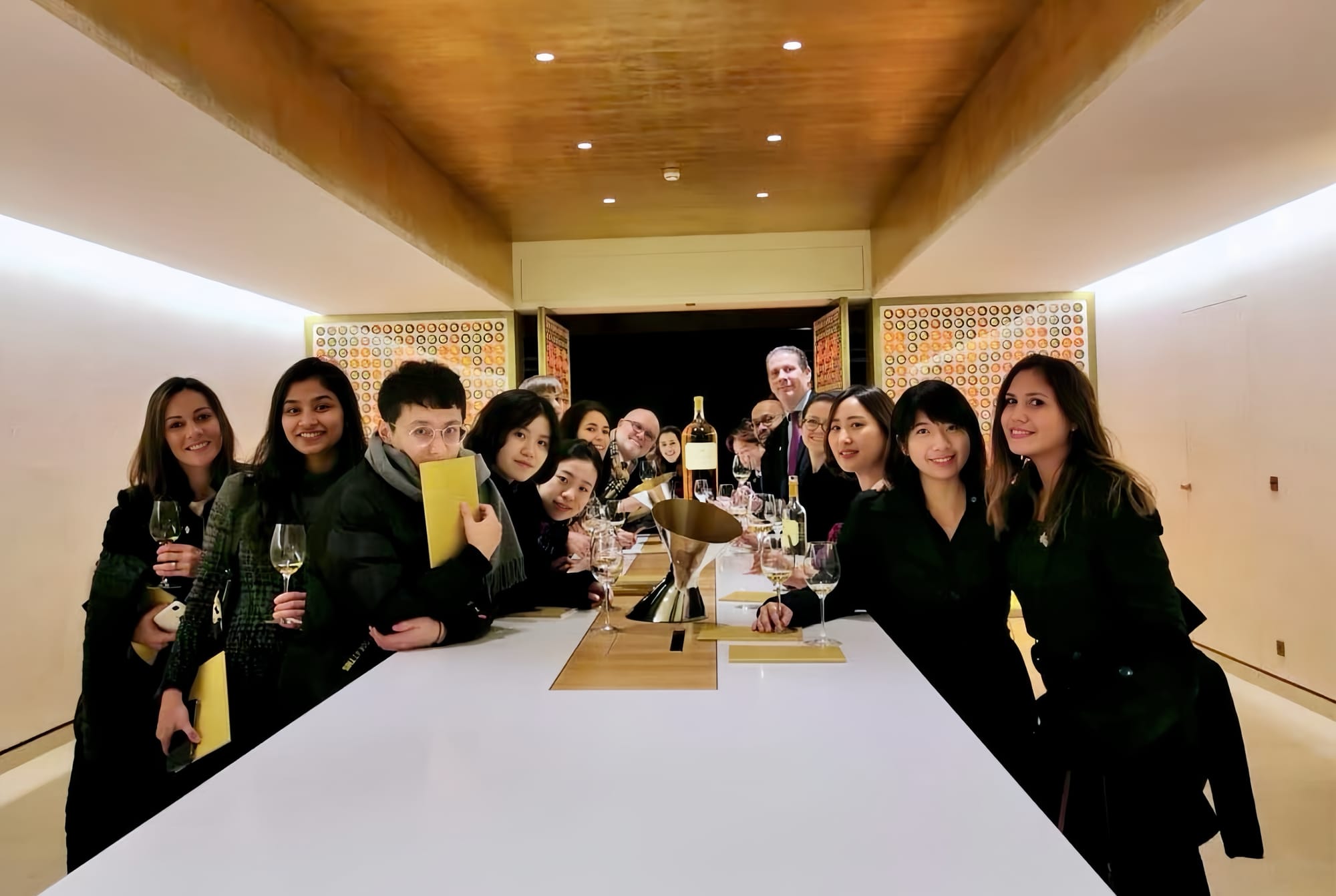
A Le Cordon Bleu Paris alumna who studied wine management, and the daughter of parents who work in the baijiu industry, she understands the social nuances of hospitality: when to be formal, when to soften, when to hold your ground, and how to do it all with sincerity. She likes to call herself an introvert, at least according to MBTI, which has become a popular shorthand in China for explaining personality. Yet watching her move between rooms, I could see that connection, for her, is something practiced. She steps beyond her default character when it matters, and that is often where real relationships begin.
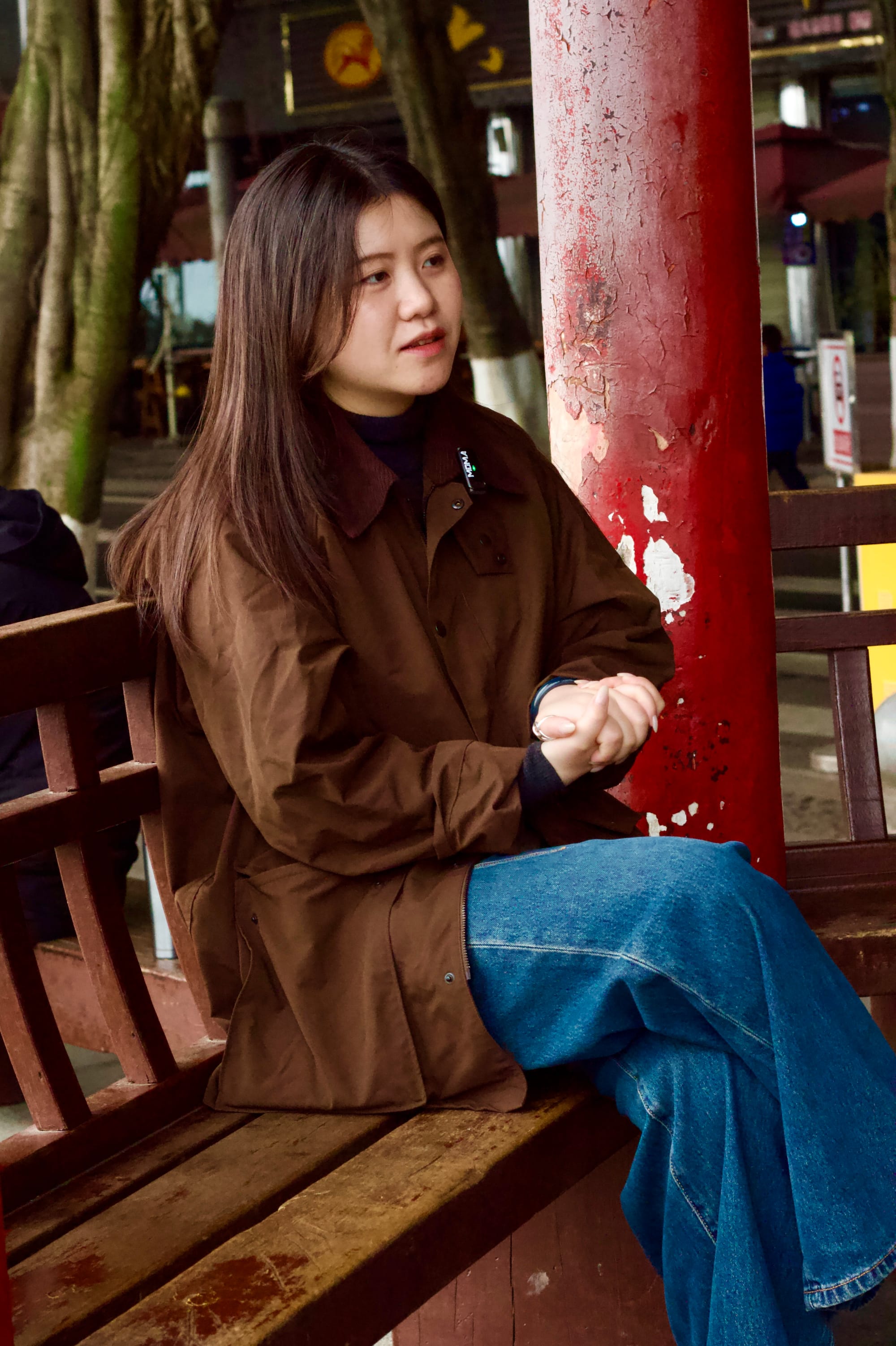
“When I interned at a Paris restaurant as a sommelier, I worked under a Korean chef whose kitchen blended Korean cuisine with French technique. I loved the way he introduced Korean food to Paris, not as something exotic, but as something you could talk about, understand, and grow with. I want to do the same with Luzhou cuisine. I want to open a dialogue about what we remember as ‘Luzhou flavours’, and how we can adapt them for the time we are living in now.”
I later found out that the restaurant was only one part of what she was building in Luzhou. When I tagged along on a renovation project in an older neighbourhood, I saw how fully she had invested herself in Luzhou’s future. She cared about these communities, not as nostalgic backdrops, but as places where people still lived, aged, and looked after one another. She wanted to bring new life into them, new energy, new ways for neighbours to meet again.
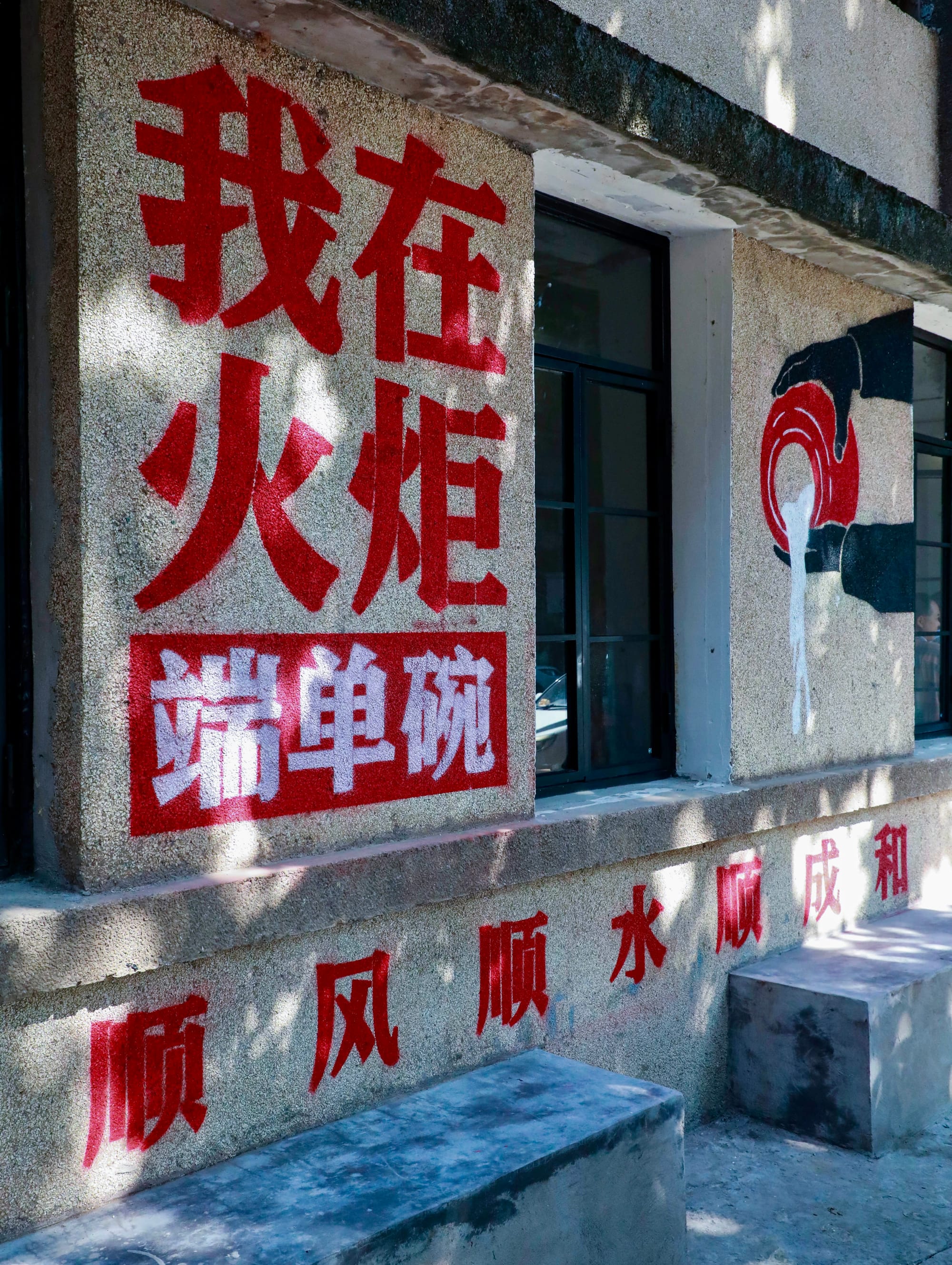
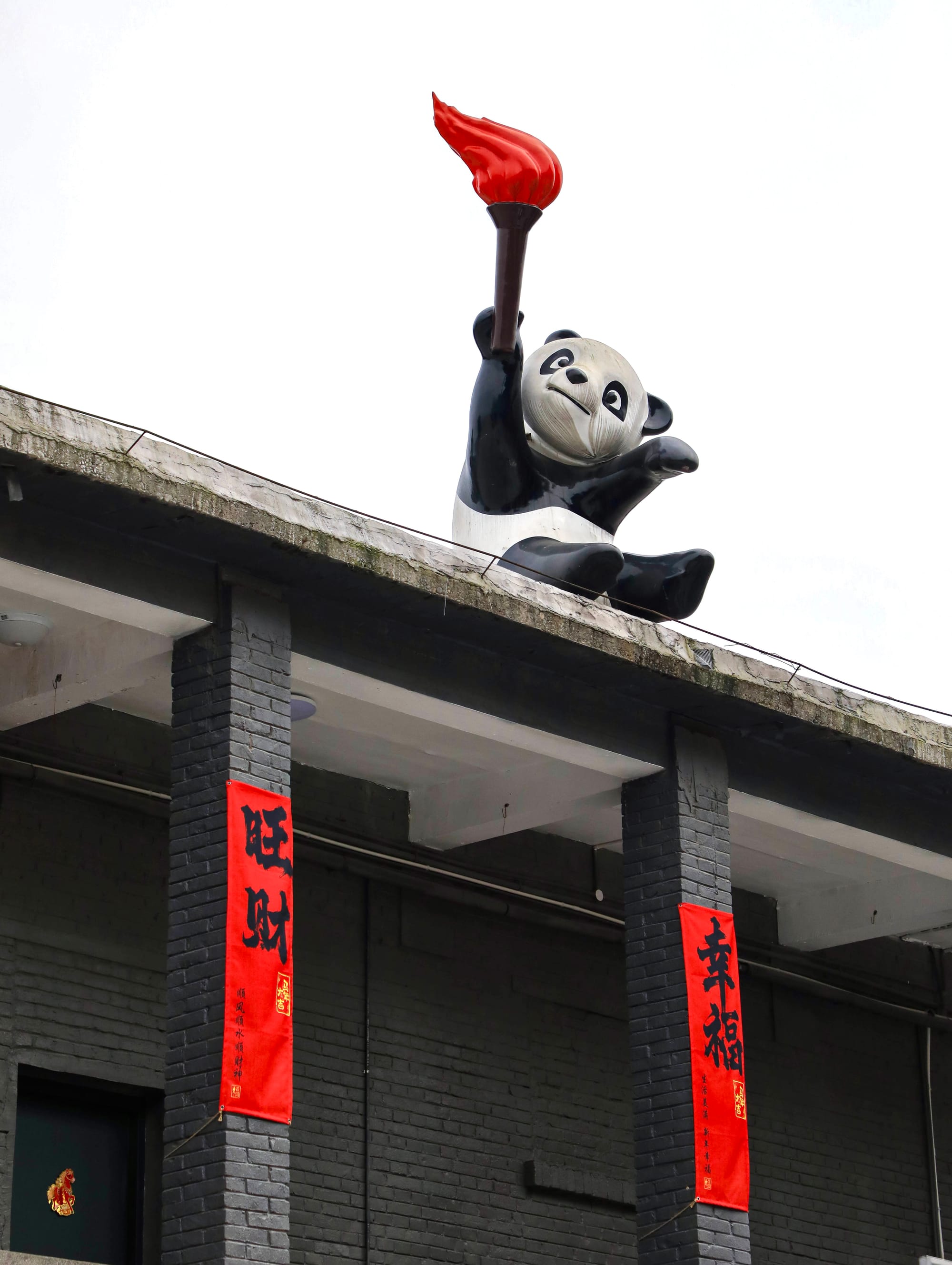
Huo Ju Community, also known as Blowtorch, is one of Luzhou’s older neighborhoods. It is now being thoughtfully renovated with the support of Yifei and her team. During holidays and local celebrations, her team shows up to share the moment with longtime neighbors and help keep the community spirit alive.
After years of studying and living overseas, she came back with a clearer understanding of what still held her. Her roots pulled her home, and with that pull came a stubborn commitment to make her hometown feel more connected. With Yifei and her talented, hardworking team behind it, Luzhou now has multiple renovation and hospitality projects underway, designed to improve daily life for locals while also drawing visitors from across China and beyond.
That is exactly what we set out to do at Snout & Seek. With Yifei and her team’s full support, we were able to experience Luzhou as a community through fermentation. Whether it was baijiu, soy sauce, vinegar, or fermented vegetables, the city revealed itself as far more vibrant and layered than we expected.
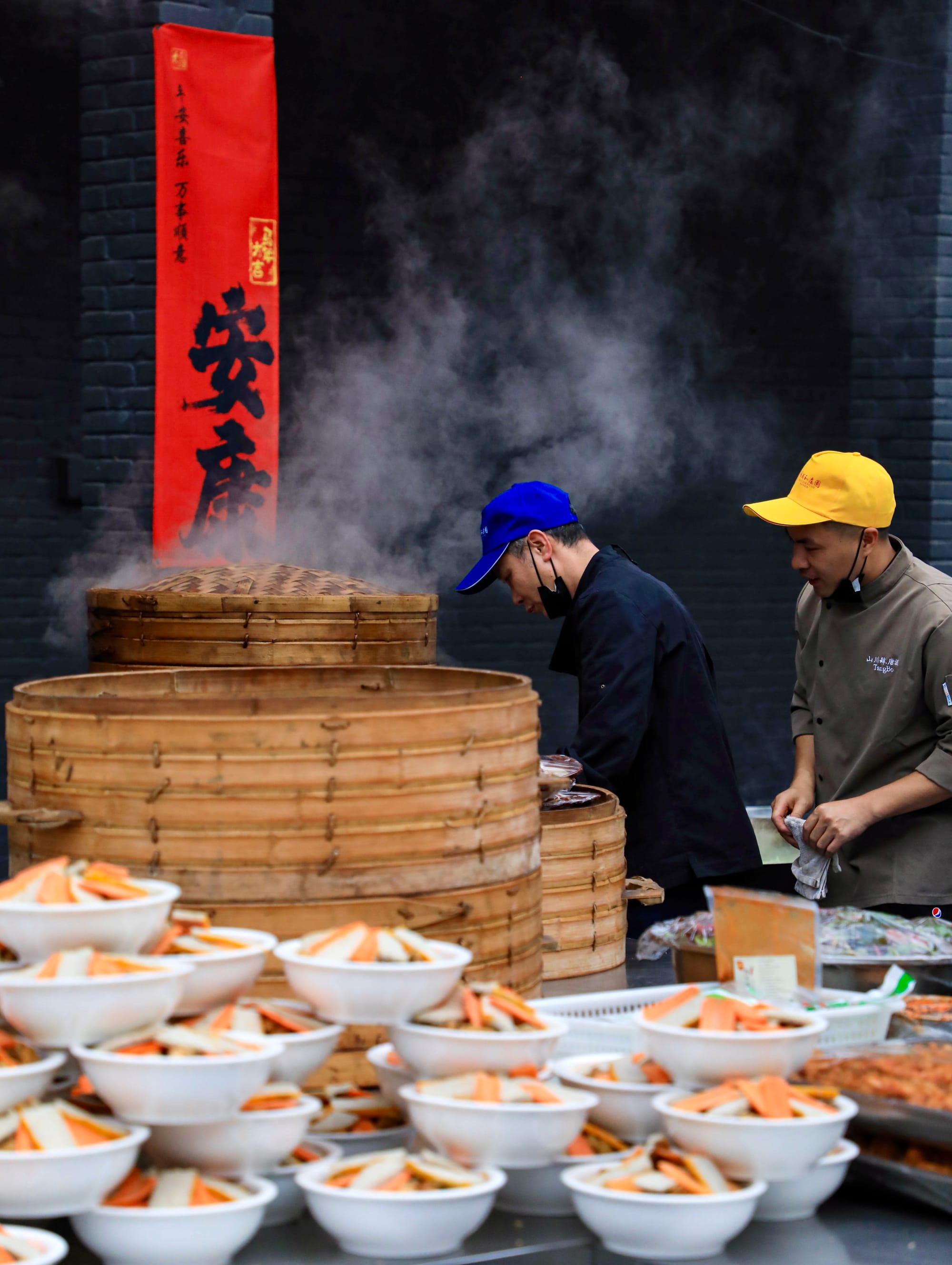
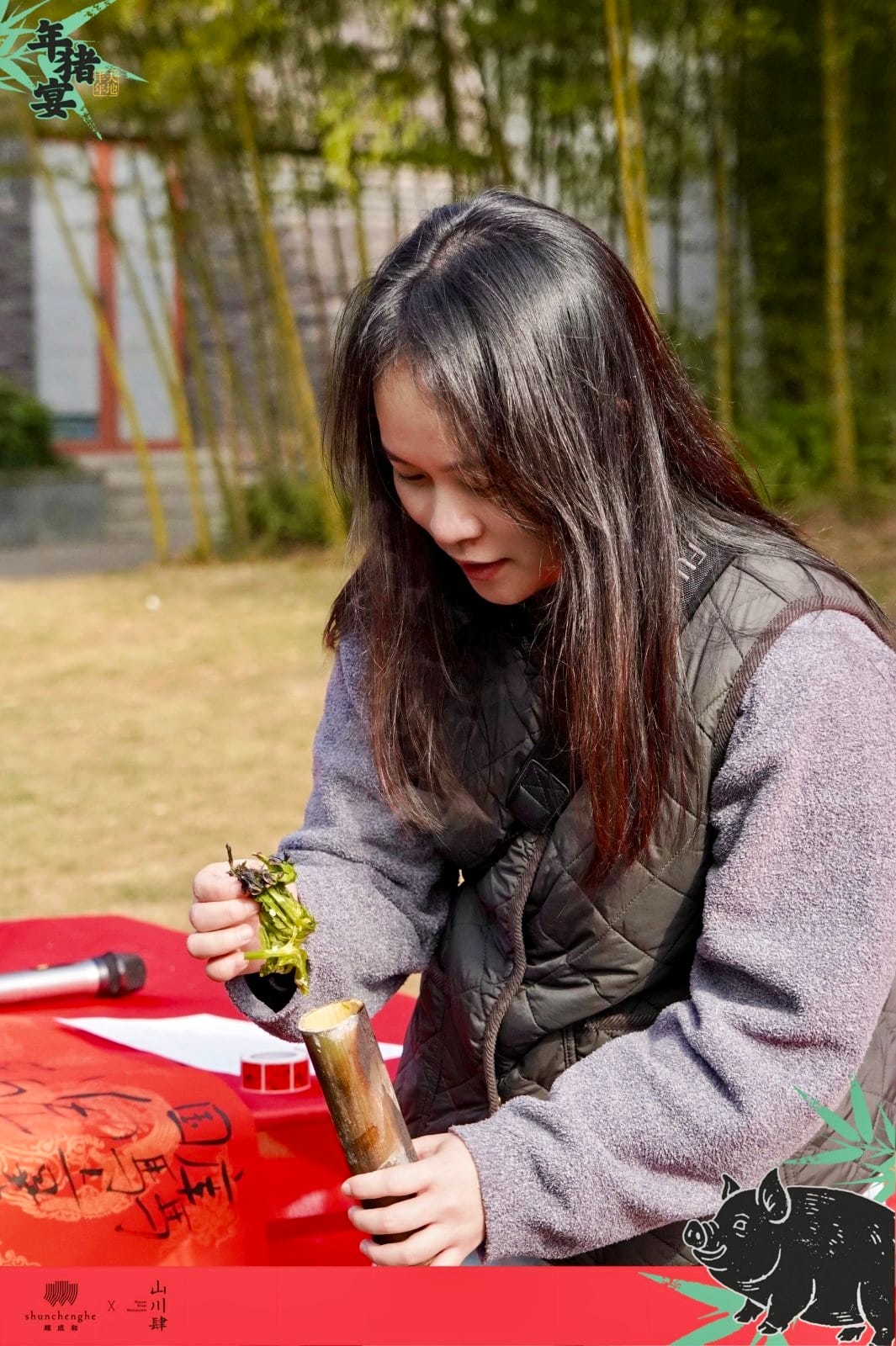
Yifei’s team is deeply involved in local community life. Through their work, many older traditions are not only preserved, but returned to everyday use. You can feel people growing closer again, simply because more of them are showing up, participating, and celebrating together.
Through the restaurants, producers, and artisans Yifei introduced us to, we met people doing steady, often unglamorous work to keep traditions alive, even when recognition rarely reaches them. Yifei uses her influence to bring these makers into view, to help their stories travel, and to make sure what they carry can be passed on.
Being part of a new generation in a traditional industry naturally comes with challenges. The hardest part is not the work itself, but bringing the older generation along, helping them see new trends and adapt to a changing environment. For Yifei, the way forward is to reframe what already exists, to rebrand familiar names and tell their stories from a fresh perspective. She feels the urgency of that work, because if these stories are not told with care now, they will be reduced to labels, or disappear from view altogether.
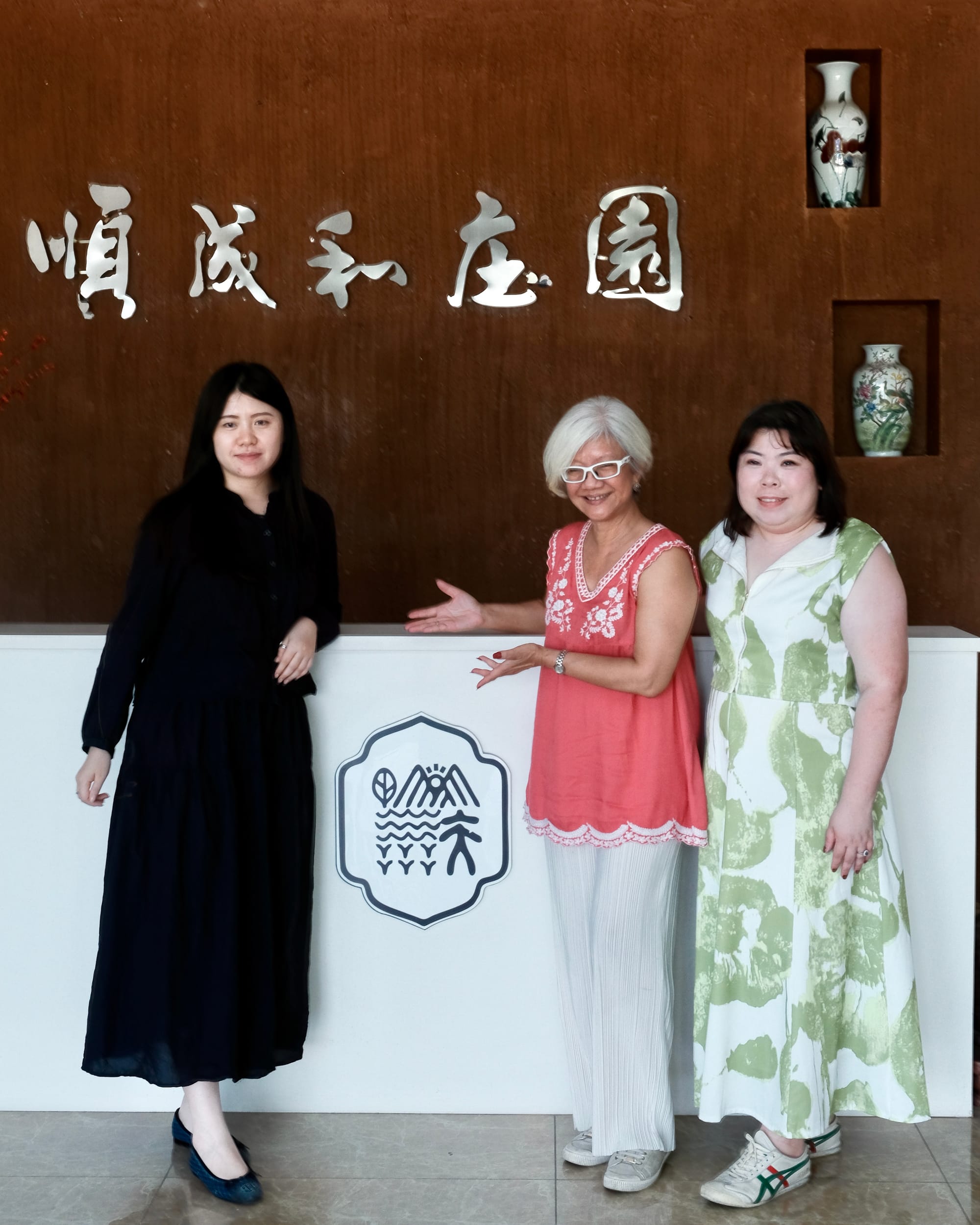
Domestically, Luzhou is entering a new chapter under the current five-year plan. In a world that feels increasingly uncertain, Yifei is holding her ground, determined to give back to the hometown that has held her family through every turn.

A Tianjin, China native - Chloe has a deep appreciation for all things hotpot. Her appreciation of food and culture runs so deep that after a successful corporate career, she decided to uproot her life in China to attend Le Cordon Bleu Ottawa and Madrid. After working in the culinary industry in Canada, she decided to found Snout & Seek!
No spam, no sharing to third party. Only you and me.
Member discussion