Yi Pickled Greens: Fermentation from the High Mountains
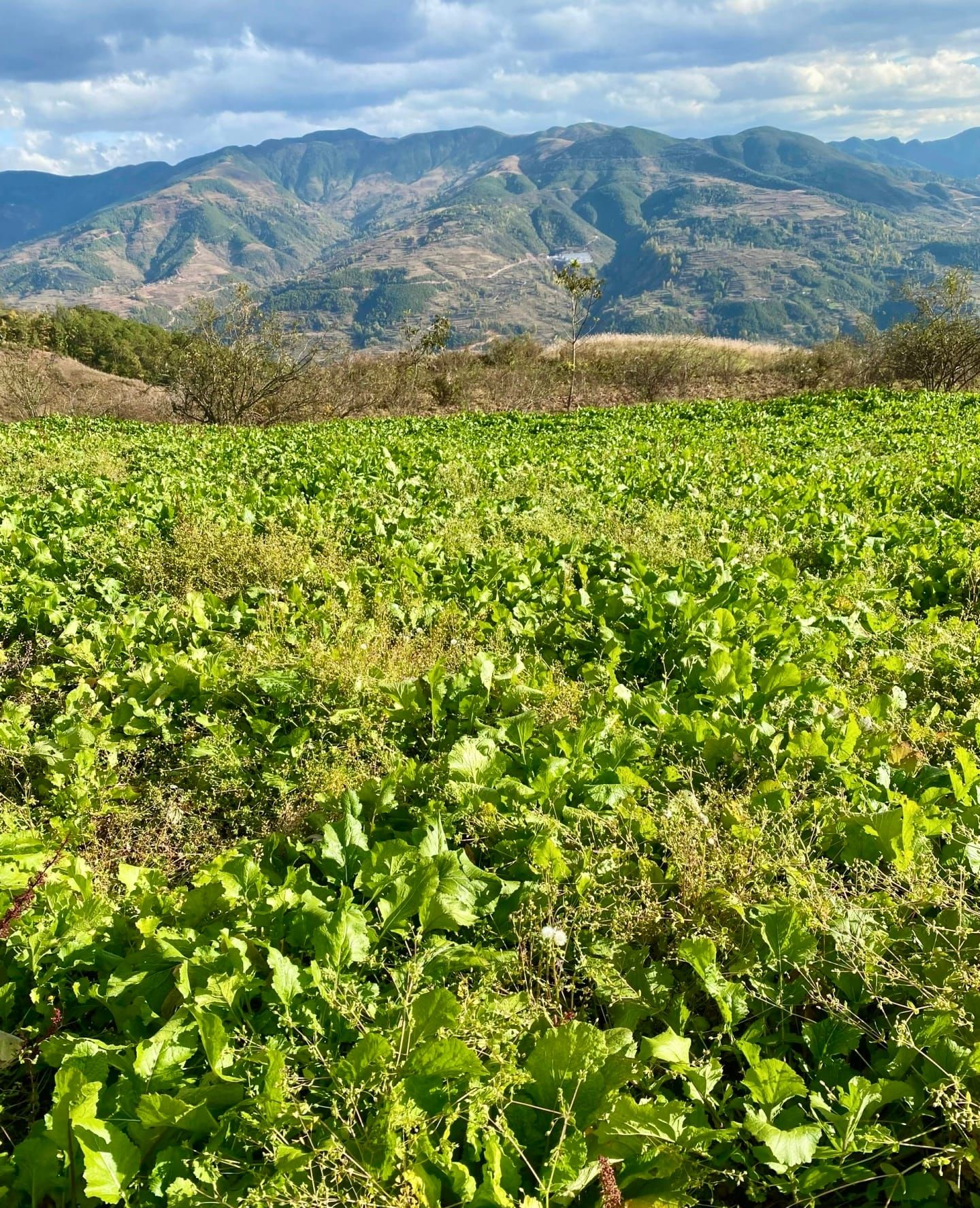
In the Yi regions of Liangshan, Sichuan, resources have historically been relatively limited. Compared with Yi cuisines in Yunnan and Guizhou, which make rich use of plant aromatics and chilies, Liangshan Yi cooking appears more restrained and minimal. Cooking techniques are also notably simple, yet sour pickled greens soup and pickled greens stewed with meat remain signature dishes.
One bowl that stood out during our visit to a local village was a sour pickled greens and potato soup. The soft, starchy potatoes combined with the light, gently acidic fragrance of the pickled greens created a comforting warmth that felt especially nourishing in the dry highland climate of Liangshan.
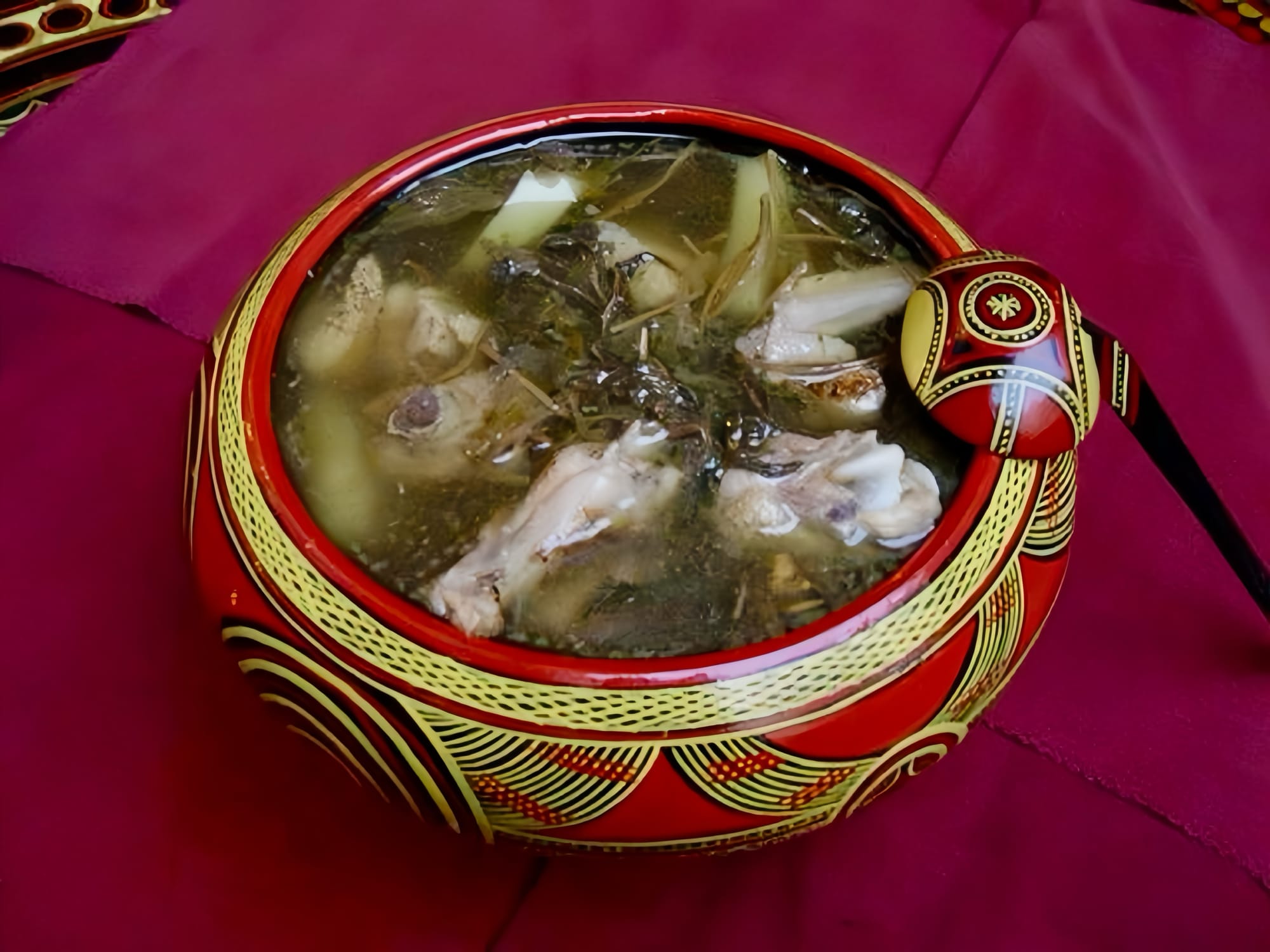
The Yi people use a distinctive traditional soup bowl for serving sour pickled greens. Compared with the sour pickled vegetables found across Sichuan and Guizhou, Liangshan Yi pickled greens taste noticeably milder. This difference likely comes from variations in microbial environments, vegetable varieties, and fermentation techniques. Rather than having a strong, sharp acidity, Liangshan Yi pickled greens carry a softer sourness, somewhat resembling the preserved mustard greens known in the Jiangnan region of eastern China.
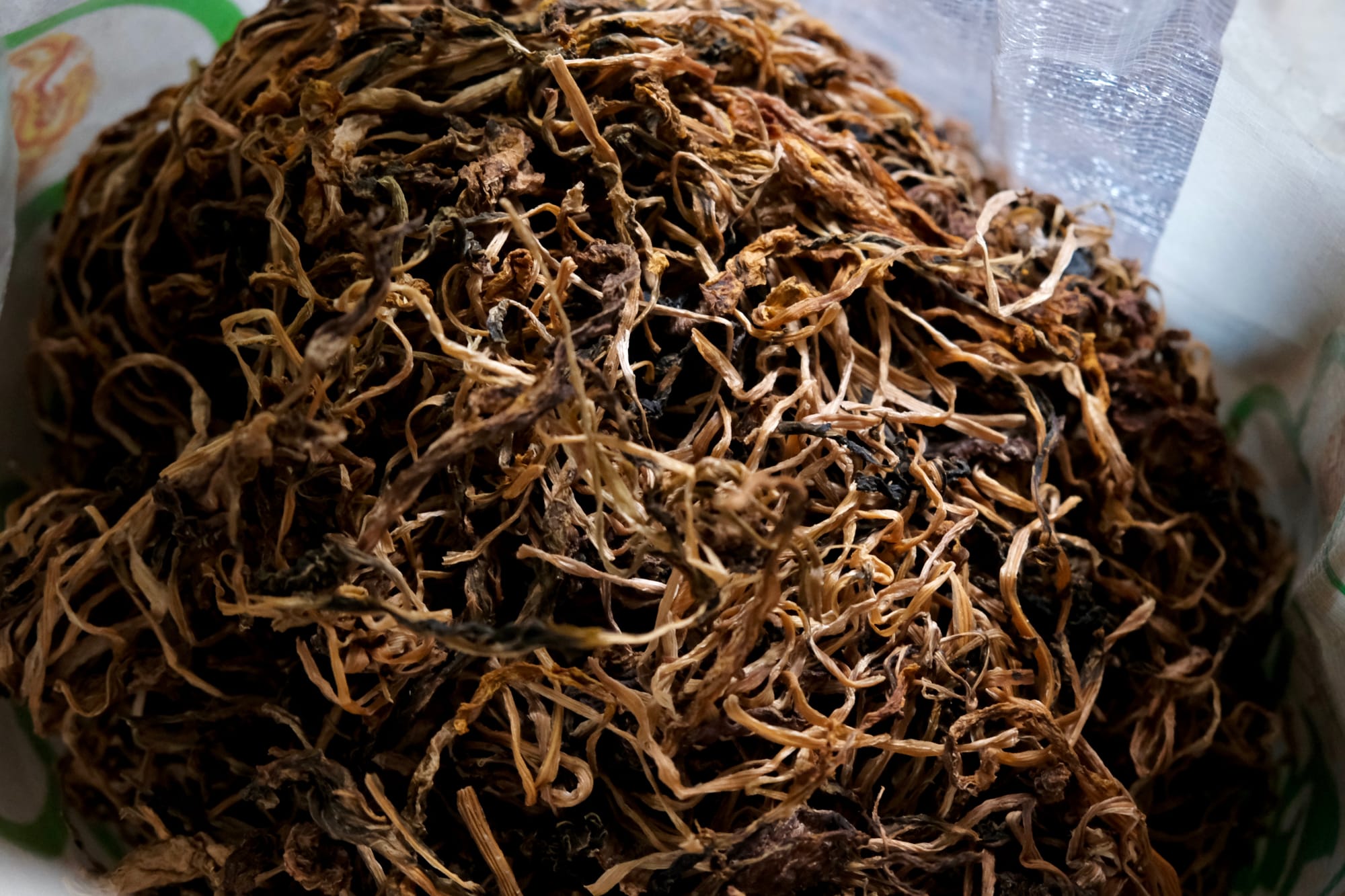
Yi pickled greens are dried during production. Well-made pickled greens carry a fresh aroma that is reminiscent of fermented tea.
Across Sichuan, traditional pickled greens are usually made from napa cabbage or leafy mustard greens. In Liangshan, however, the Yi people use a plant called yuangen, grown in cold alpine environments above 1,800 meters. Yuangen, botanically known as Brassica species with round root bulbs, is highly cold-resistant and resilient. Because of this, it serves as a primary vegetable crop for many ethnic communities living in high-altitude regions across Southwest China.
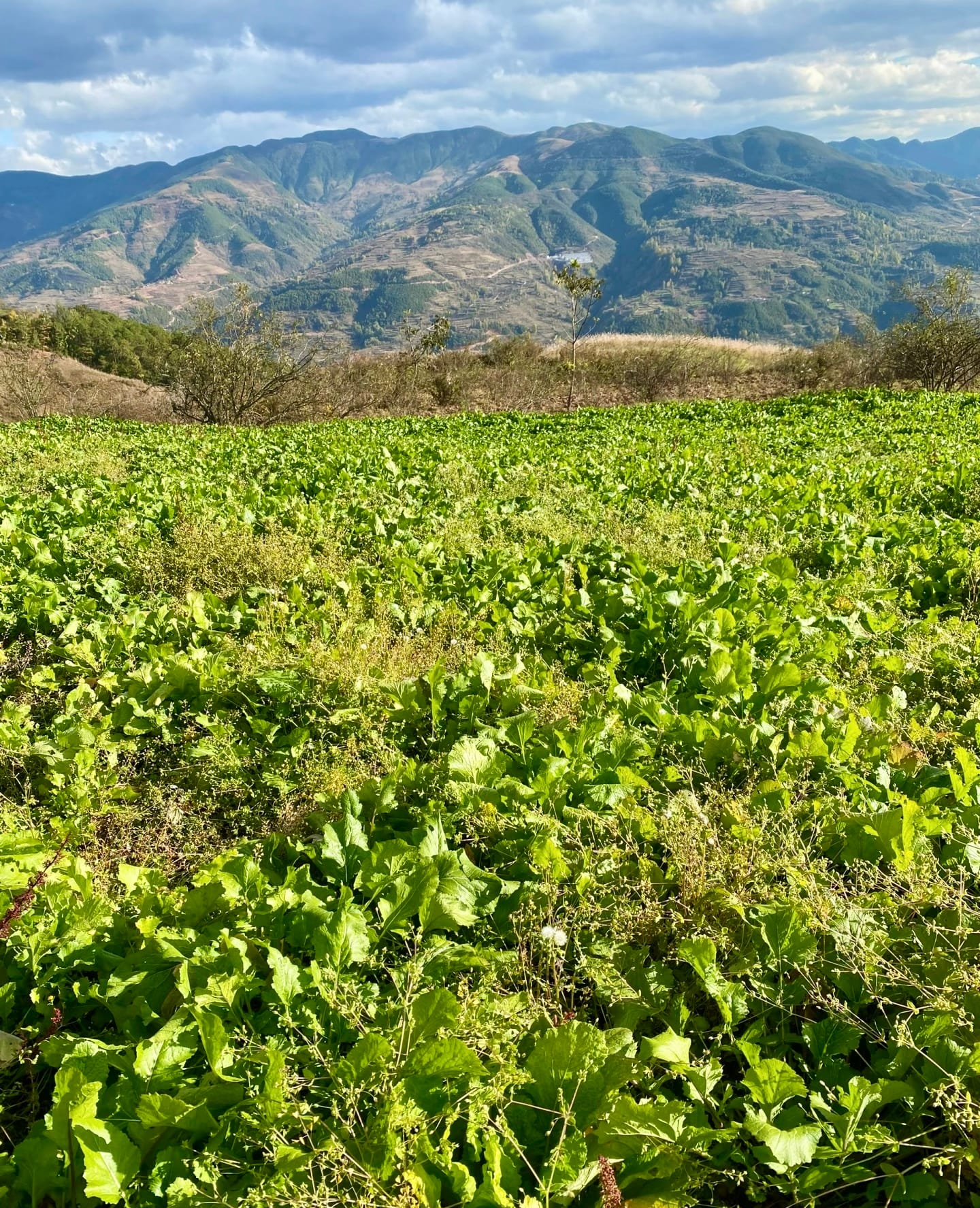
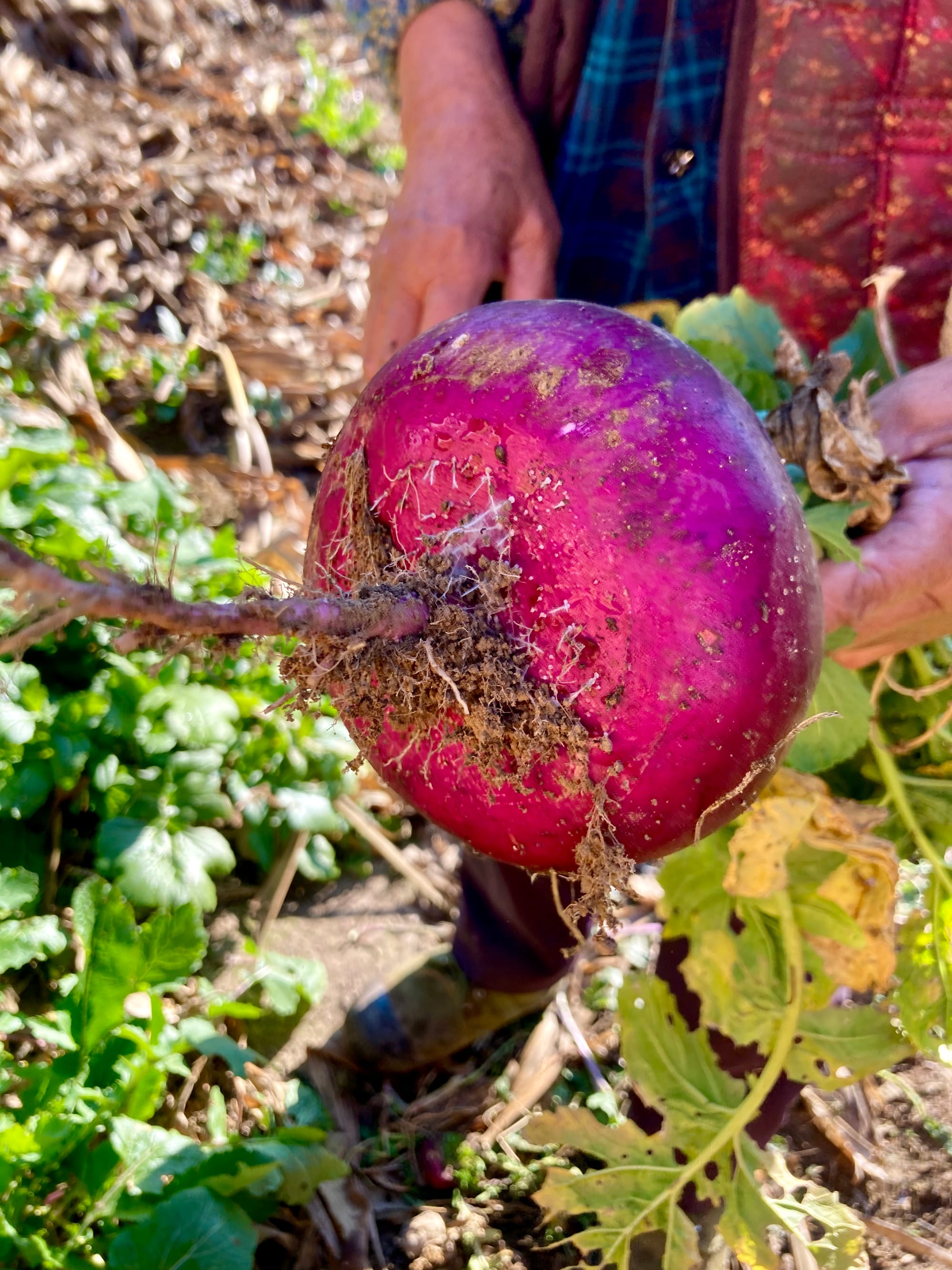
In the traditional Yi villages we visited, yuengen is harvested annually around November and December. Villagers remove the root bulb to feed pigs, while the leafy stems, still attached to their base, are used to make pickled greens. Keeping the stems intact helps prevent the leaves from scattering during processing.
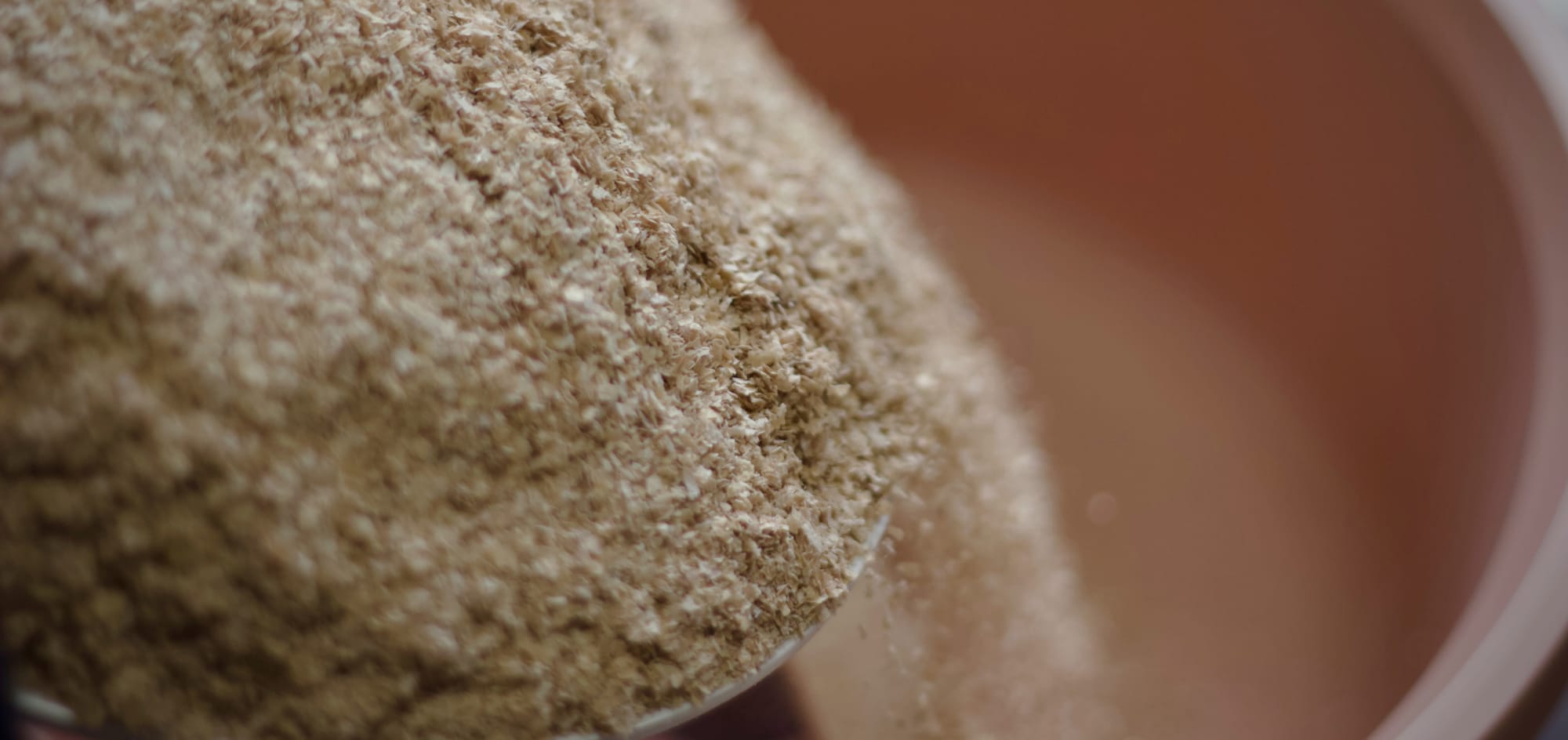
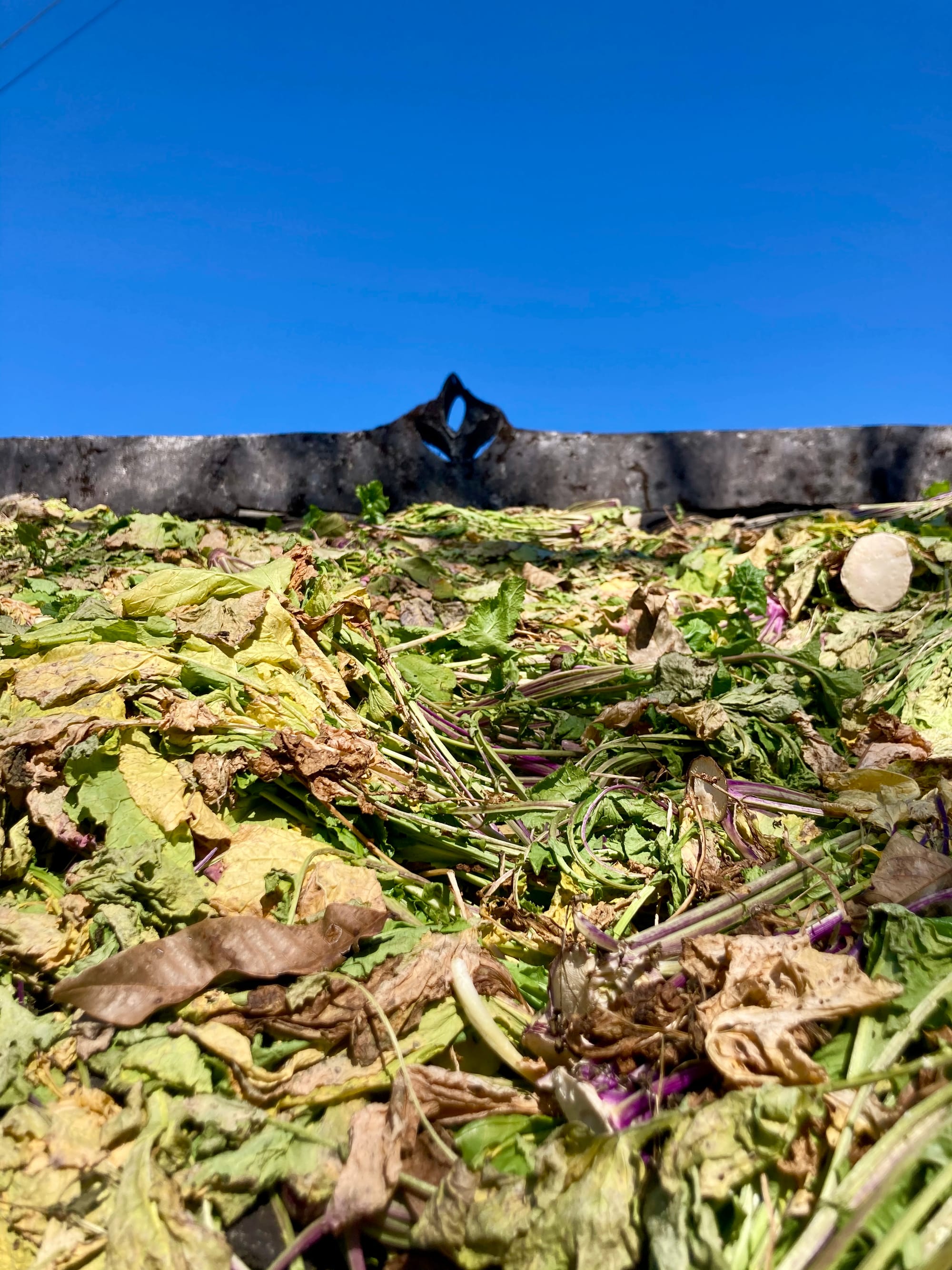
In late autumn and early winter, the bright skies of Mianning County, Sichuan, create ideal drying conditions. Large bundles of yuengen stems and leaves are spread across rooftops or courtyard floors to air-dry. Some households carefully wash the leaves before drying them. Once partially dried, the leaves are boiled in hot water, removed and air-dried again, then boiled a second time before being placed into fermentation jars. Enough cooled boiled water is added to submerge the vegetables, and the jar is sealed for about one week before the leaves are removed and dried again. The dry winter air helps rapidly remove moisture. Once completely dried, the pickled greens can be stored in bags for long-term preservation.
Yuengen pickled greens are a dried form of pickled vegetable, making them easy to transport and capable of long storage. In contrast, pickled greens from other regions are often preserved in brine and remain moist and crisp, with a sharp, refreshing acidity. Yi dried pickled greens require cooking. During simmering, their flavor gradually releases, creating a firmer texture with a lingering sourness that finishes with a subtle sweetness. Besides soups and stews such as pickled greens potato soup or pickled greens braised chicken, some people even steep the dried greens in water to drink, producing a beverage somewhat reminiscent of probiotic fermented drinks.
During our fieldwork in Chayuan Village, we met a Yi elder named Qiumu, whose pickled greens were among the finest we tasted. Her version carried a clean acidity with a gentle sweetness. Each year she produces roughly ten jin (about five kilograms), filling a large bag nearly the size of an embrace.
“Even if someone offers me one hundred yuan per jin, I still don’t want to sell it,” she told us. “On the market it sells for around thirty yuan per jin.”
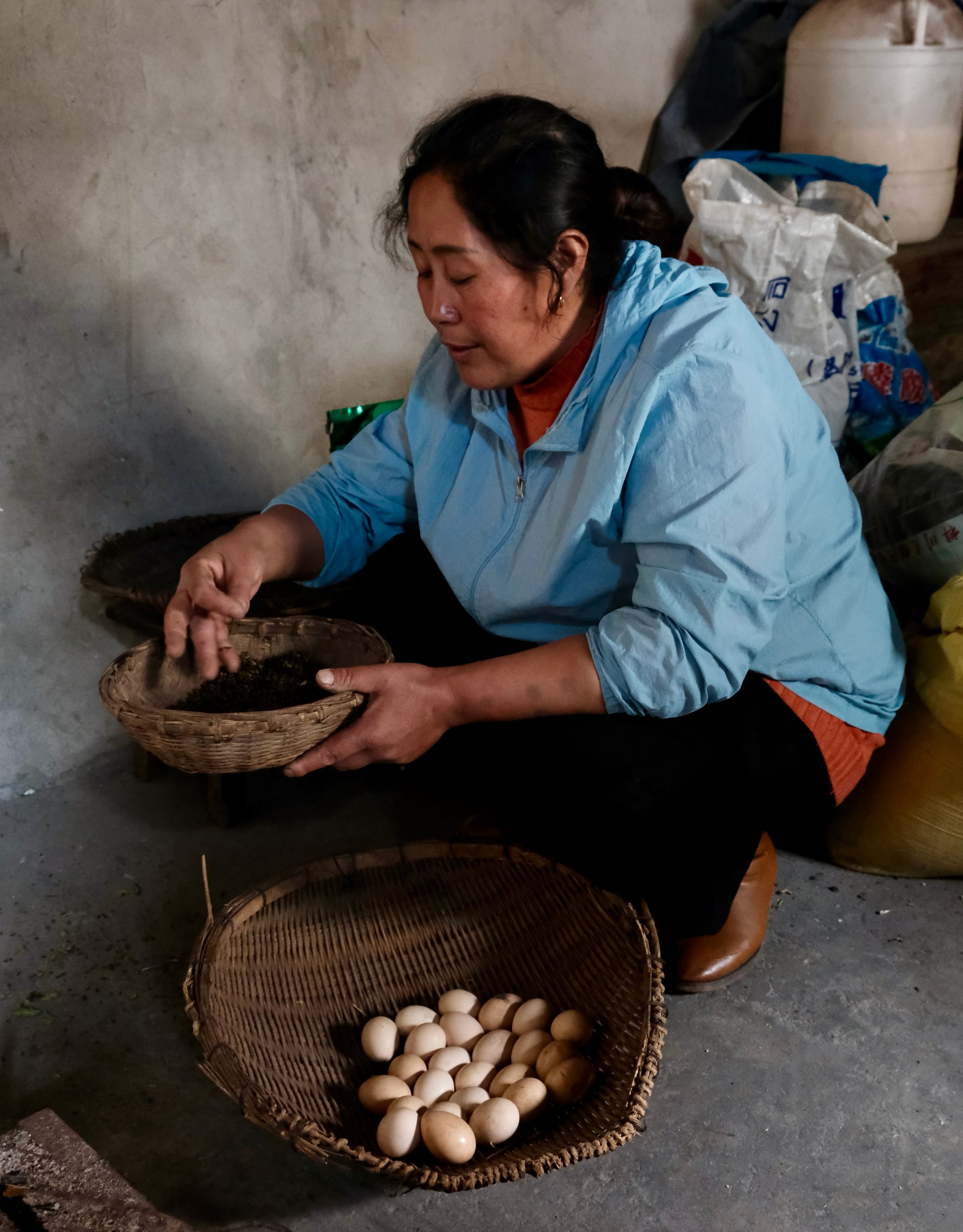
Most of her production is shared among her children, siblings, and relatives. She joked that she rarely keeps enough for herself.
Qiumu follows three key principles that differ from many other villagers. First, she carefully selects only the largest and most mature leaves. Second, she always washes the leaves thoroughly before drying them. Third, the final drying stage must be done in shade.
“Direct sunlight ruins the flavor,” she explained.
No salt is added at any stage of fermentation. Seasoning is introduced later during cooking.
Pickled greens rely on natural vegetable fermentation to produce lactic acid bacteria, which gives them their sourness. In most other regions, salt is added during fermentation to reduce contamination from unwanted microbes. However, Yi communities living above 1,800 meters benefit from a naturally cleaner microbial environment. The lower contamination risk allows fermentation to occur safely without salt, creating a distinctive flavor profile.
Because of this distinctive production method, Yi pickled greens are made without added salt and rely on natural high-altitude fermentation. The relatively clean microbial environment and gradual acidification help create a product that is both stable and nutritionally gentle. Their lower sodium content and naturally balanced fermentation may also explain why Liangshan Yi pickled greens taste noticeably milder and less salty than those found elsewhere.

Co-founder of Snout & Seek and FARLAND, ZhuangZhuang is passionate about understanding the local cultures of different ethnic groups through an anthropological lens. She aims to share the sustainable wisdom of these cultures with a wider audience through publications, products, and other methods. Zhuang enjoys photography, jazz music, cute animals, and Chinese traditional divination culture.
No spam, no sharing to third party. Only you and me.
Member discussion