Where Rice Grows with Forests: A Living Model of Sustainability
Understanding labor and harvest by seeing oneself as part of nature is one of the greatest strengths of traditional agriculture. The Dong People’s Ecological Wisdom in Growing Glutinous Rice.
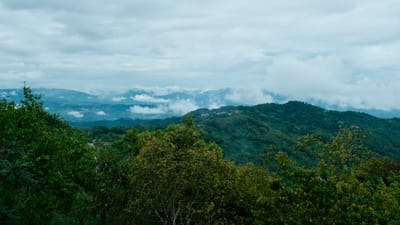
The Dong people are widely regarded as one of the earliest ethnic groups in China to practice rice cultivation. Living for generations in mountainous environments, they developed a rice farming system that works in close coordination with nature. Huanggang Dong Village, located in Congjiang County in Qiandongnan Prefecture of Guizhou Province, sits deep in a high-altitude mountain region surrounded by forested peaks. Because it has preserved Dong settlement patterns, agricultural traditions, and ecological landscapes in a remarkably complete way, Huanggang was recognized in 2025 by a United Nations–affiliated organization as one of China’s “Most Beautiful Tourist Villages,” drawing international attention.
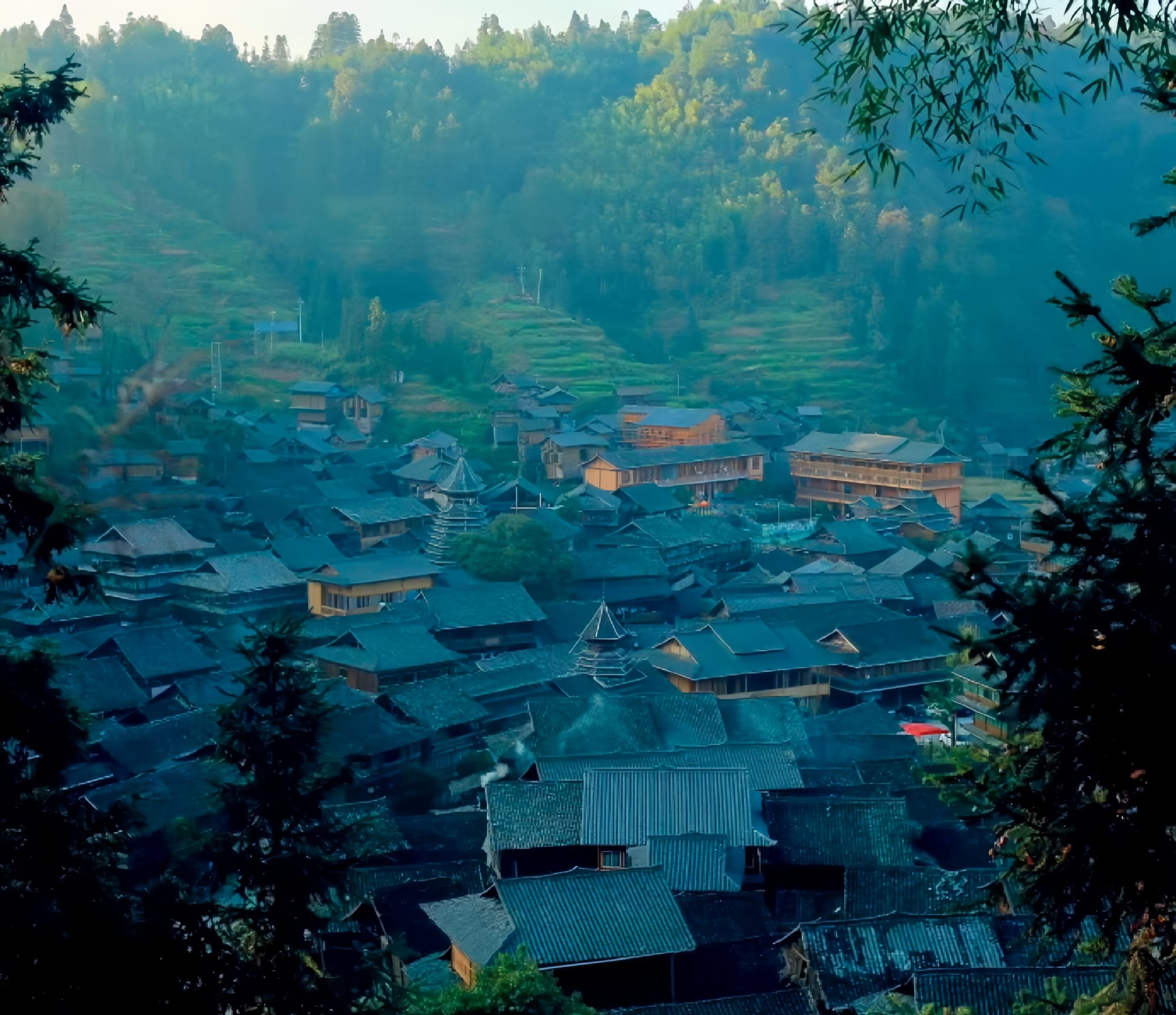
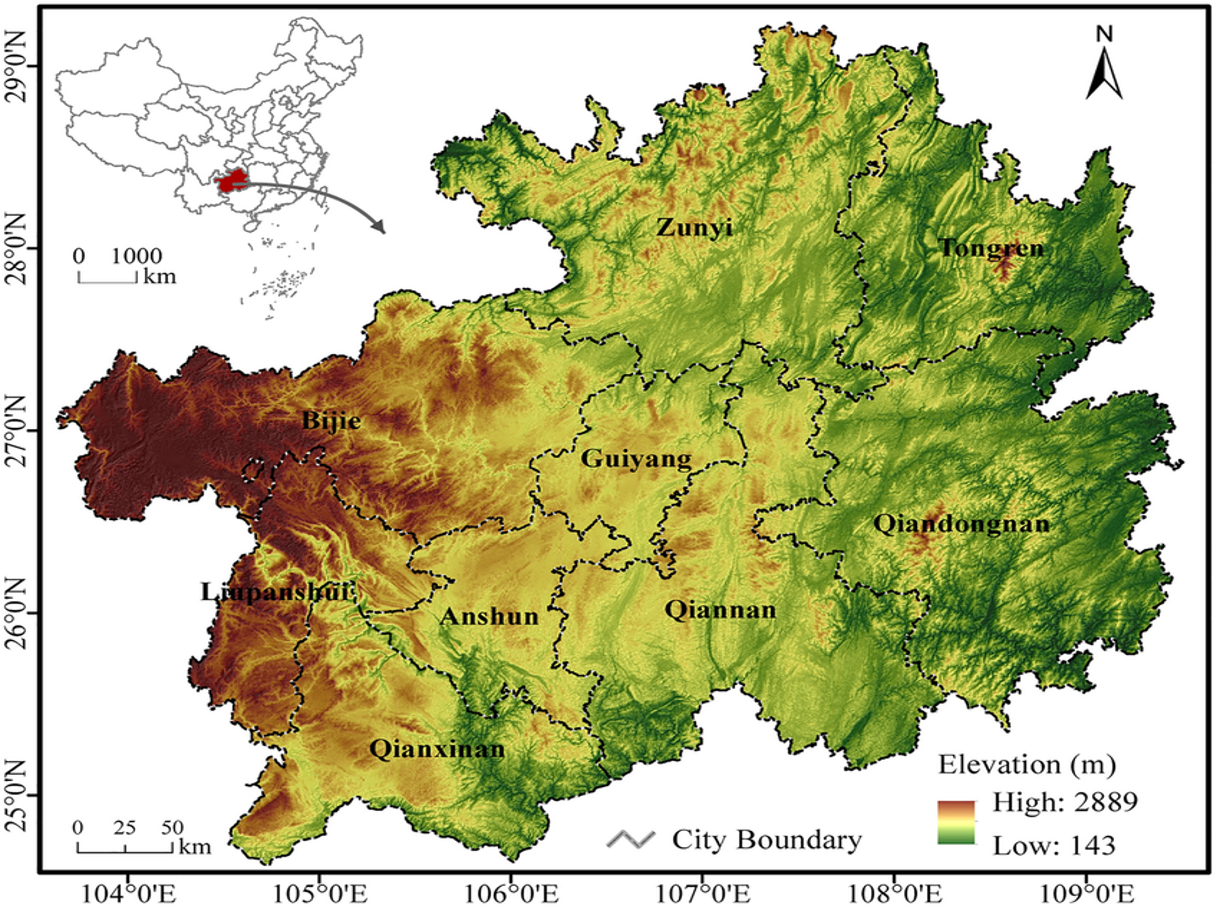
First: Huanggang Dong Village / Second: A map of Guizhou Province
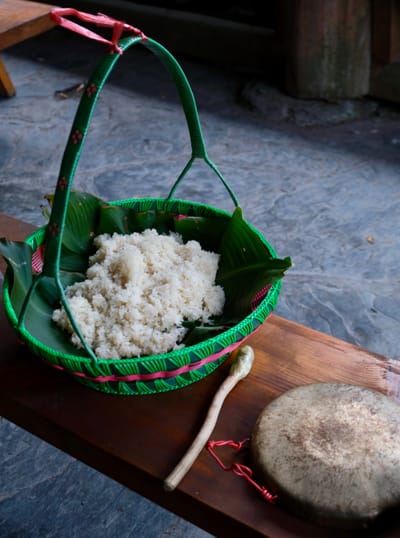
Unlike most rice-growing regions in China that primarily cultivate indica or japonica rice, the Dong people here continue to rely on glutinous rice as their staple food. This dietary tradition has profoundly shaped their farming system and varietal choices. Due to its remote mountain location and limited accessibility, Huanggang has preserved a wider range of ancient, indigenous rice varieties than neighboring Dong villages and has maintained traditional rice-growing methods more completely.
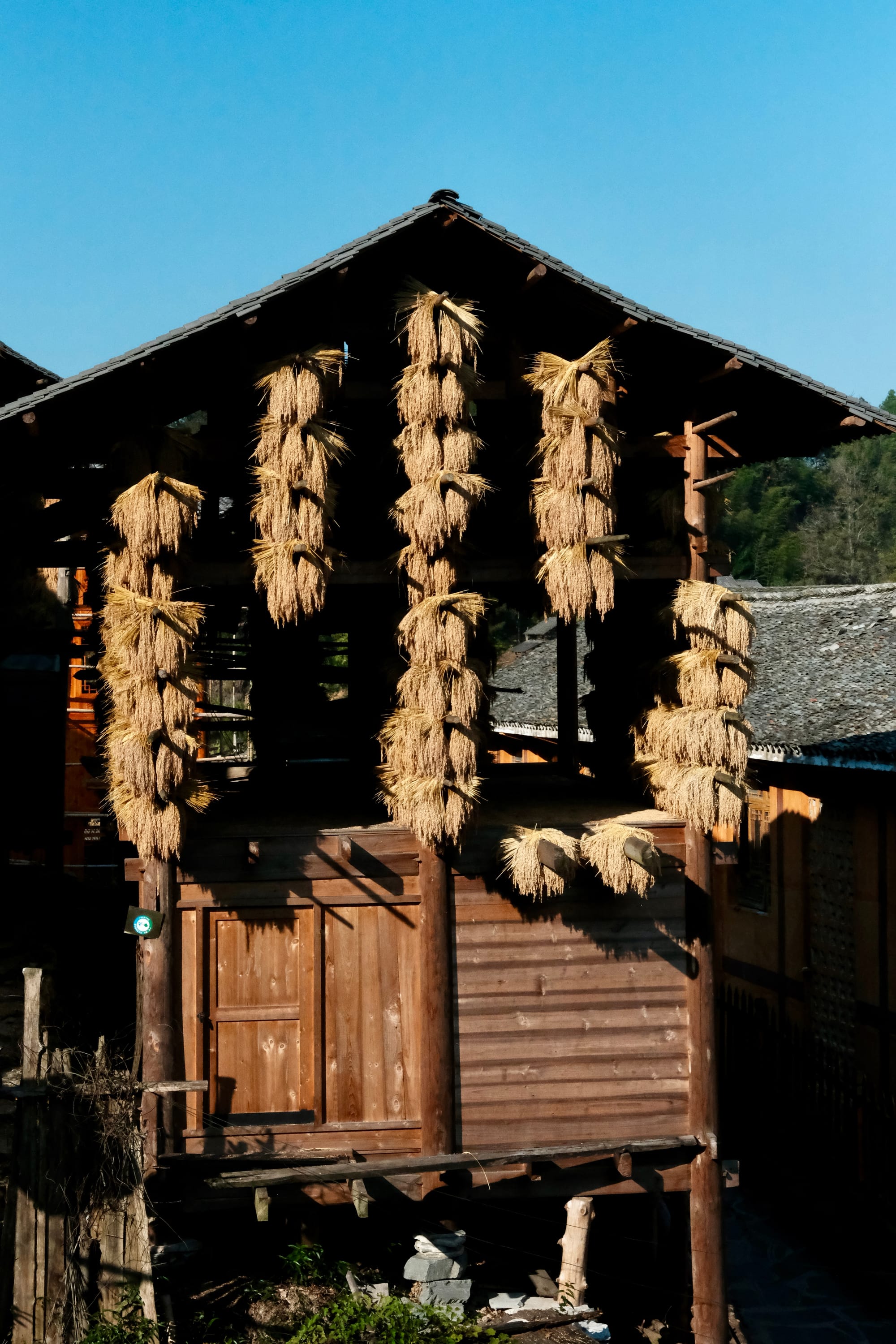
Most Dong villages in Qiandongnan are built on broad river valleys with flat rice fields. In contrast, Huanggang lies deep within forested mountain hollows, where rice fields are scattered among trees, varying in size and often located far from the village itself. From a distance, one might see only forest, not rice. Rice cultivation is highly sensitive to climate, soil, and surrounding conditions, and Huanggang villagers developed a labor system and ecological knowledge distinct from valley-based Dong villages. Everything begins with livelihood. Without the advantage of ideal farming terrain, people learned to rethink the land beneath their feet.
This is also the enduring appeal of traditional agriculture. It is a self-sustaining way of life shaped by specific peoples responding to specific landscapes. Modern agriculture, by contrast, relies heavily on specialization and standardization, requiring little intimate understanding of local ecosystems. When pests appear in rice fields, Huanggang villagers prefer raising fish and ducks in the paddies instead of using pesticides. As fish and ducks move through the water and brush against rice stalks, insects fall into the water and become feed. Yields are not reduced, food becomes healthier, and fish and ducks are raised at the same time.
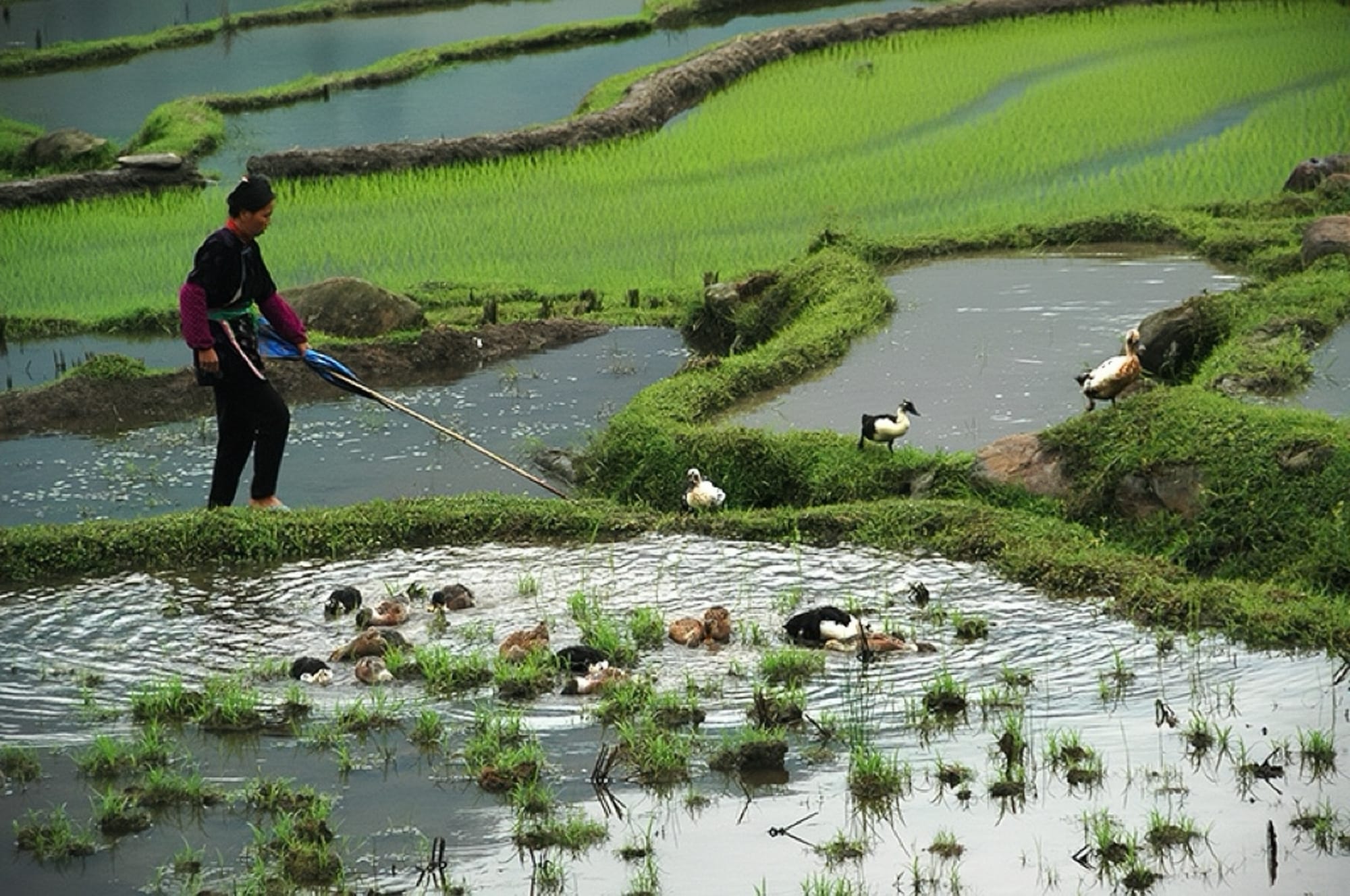
Harvest begins with understanding the rules that govern all living things, then adapting to them. There is no absolute dominance or opposition, only coexistence. Over time, a resilient and harmonious system naturally takes shape.
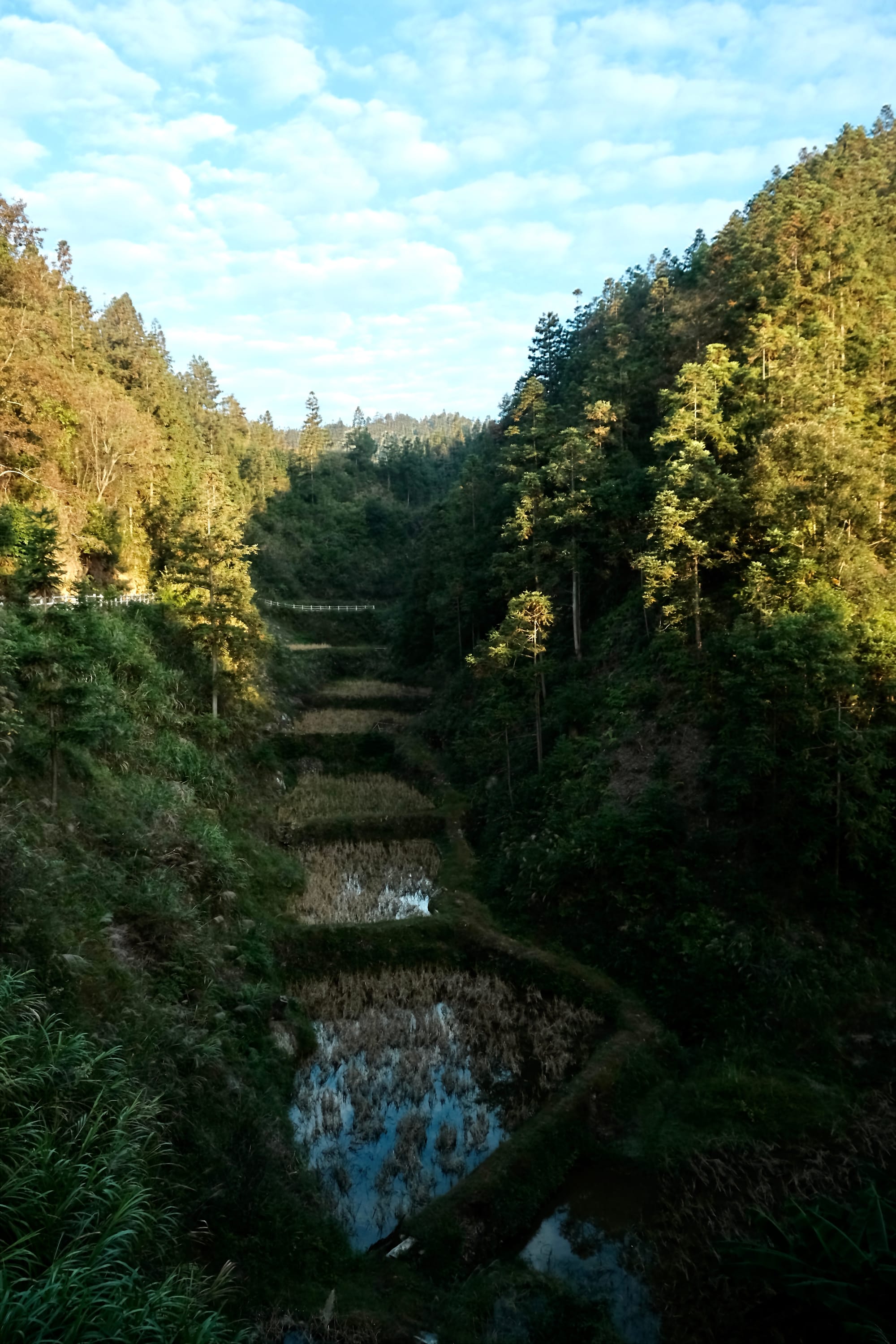
Where there is rice and water, we call it field.
Where there is no water, we call it land.
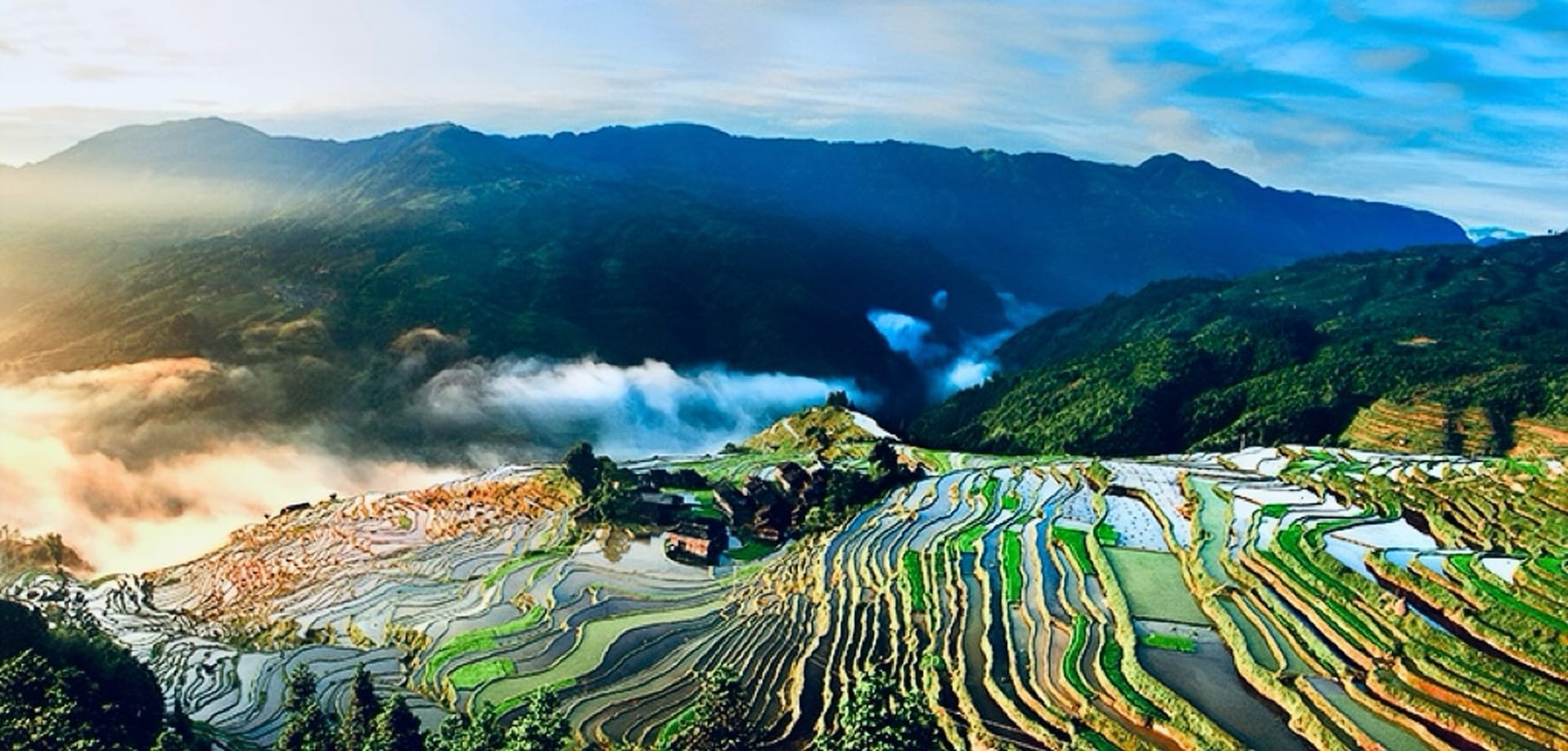
Restricted by mountainous terrain, Huanggang developed a diverse and highly detailed system of rice fields. The most common type follows forest streams, irrigated naturally by springs and mountain water. Others resemble terraced fields near riverbanks, where villagers constantly adjust water channels to reduce flood impact. A more labor-intensive type involves carving fields into steep slopes and reinforcing them with stone, drawing water from distant mountain springs. Another type lies at river outlets, cultivated on fertile soil formed by long-term sediment deposits. Together, these field types form a stable and complex mountain rice ecosystem.
Since ancestral times, villagers have invested enormous labor to maintain the integrated relationship between rice fields, forests, and water sources. Dong farming emphasizes water connectivity, with careful human management that does not alter nature but extends its natural cycles and recovery capacity. Due to Huanggang’s complex terrain, the time and effort required here exceed those of surrounding villages.
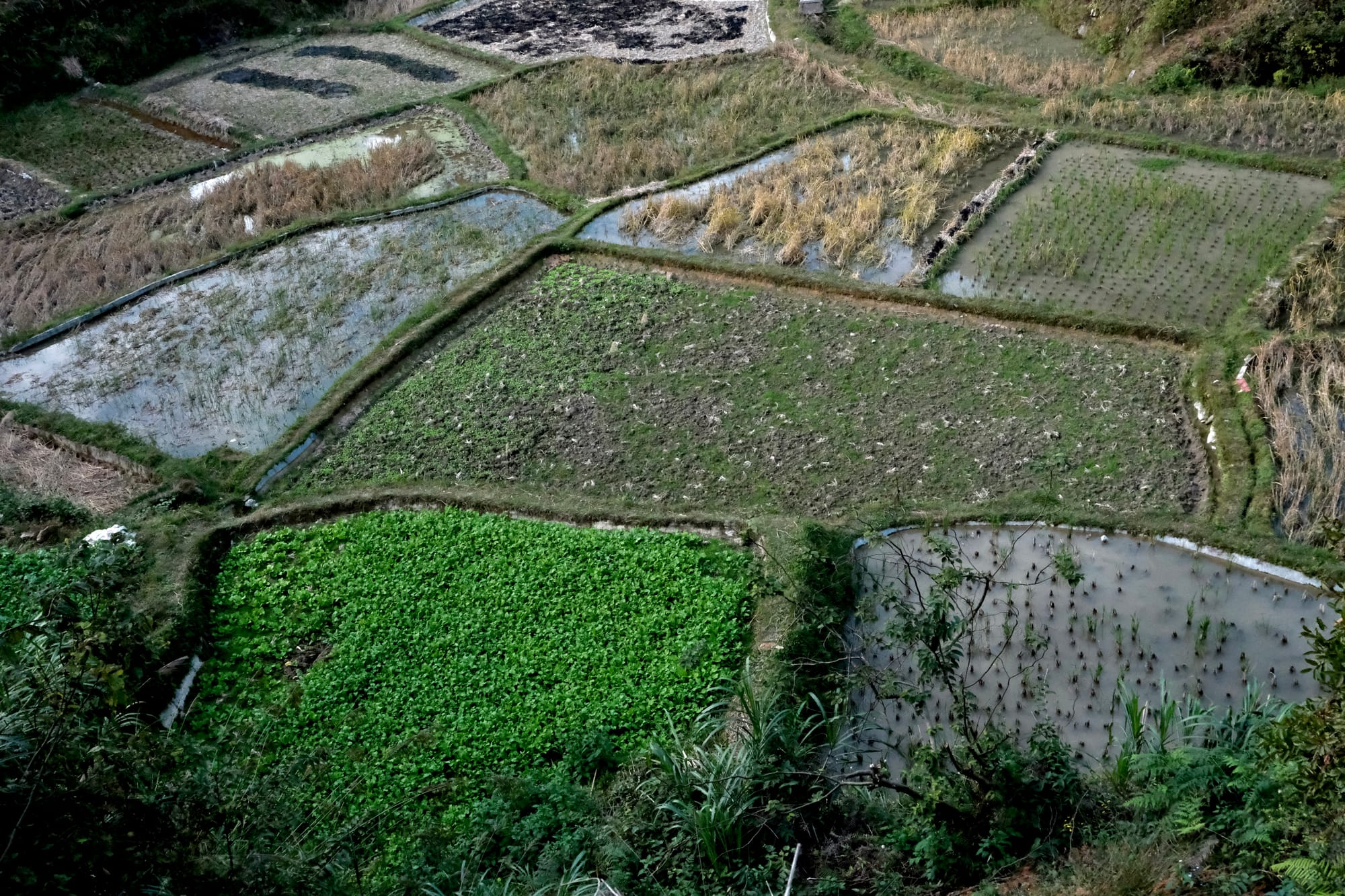
In forest-based farming, even adjacent fields can differ in soil and water conditions. To ensure stable yields, villagers often plant two rice varieties in the same field and adjust selections each year according to water temperature, climate, and soil changes. Through years of careful observation, people developed an acute awareness of rice varieties, wild plants, fish, and their environment. Researchers have found that children around ten years old can identify roughly two hundred wild plant species based on experience alone.
Ensuring Harvest Means Letting All Things Benefit
Unlike modern agriculture, which seeks to maximize output at all costs, local harvesting practices prioritize balance within the growth of all living things. In the classic rice, fish, and duck system, fish fry are released alongside rice seedlings each spring. Until harvest, villagers lead baskets of ducks to the fields every morning and bring them home together at dusk.
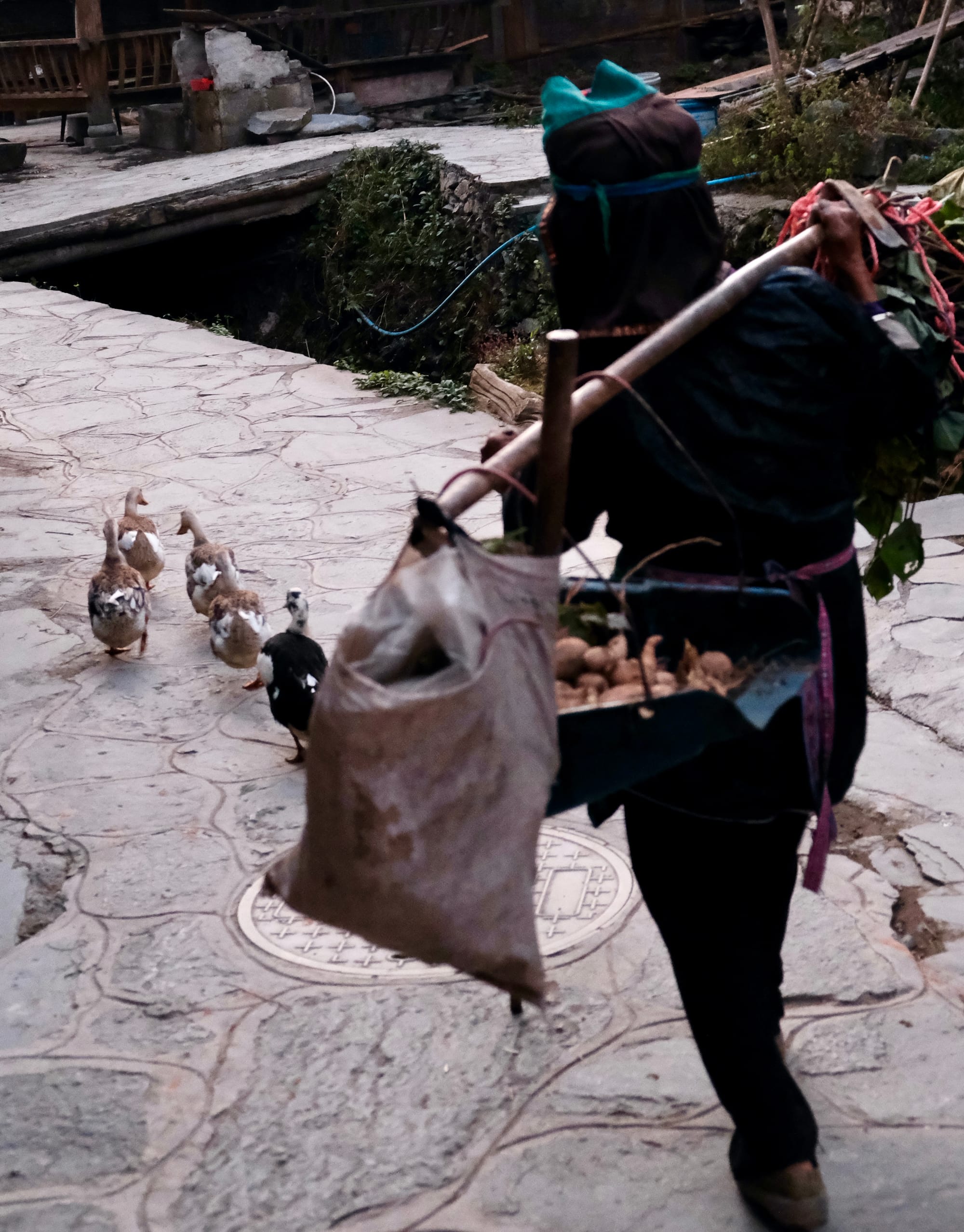
Insects and weeds become feed for fish and ducks, reducing pests while enriching soil through natural fertilization. This system also helps prevent rice diseases. Like rice itself, fish and ducks support complex, multi-species ecosystems, each sustaining distinct microbial communities. Such systems do not eliminate harmful microbes entirely, but they prevent them from reaching destructive levels.
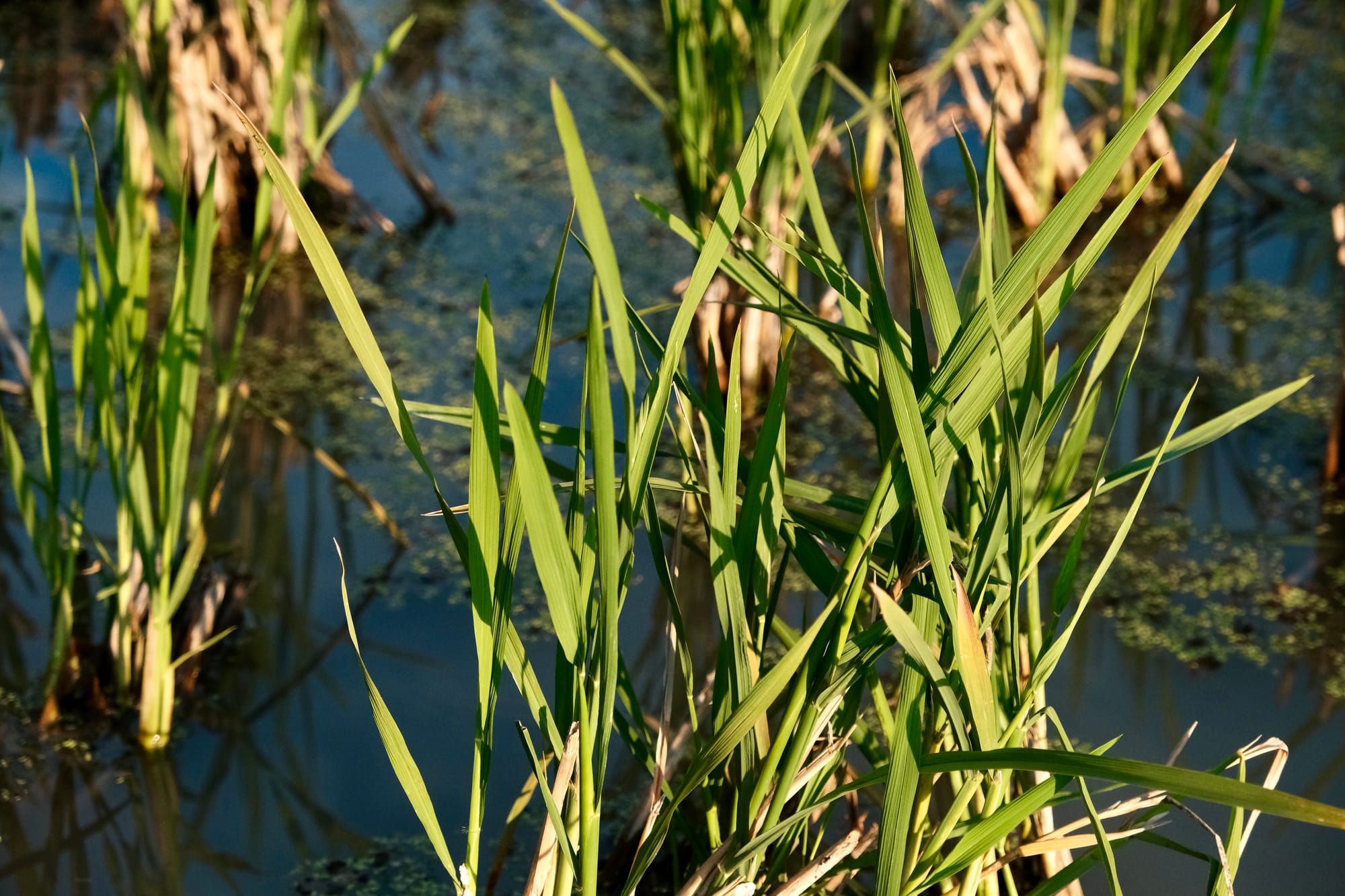
Fish movement breaks the stillness of paddy water, increasing oxygen levels and stimulating microbial growth, which accelerates the decomposition of organic matter. This process helps prevent issues such as root rot caused by oxygen deficiency. The value of sustaining an ecological system lies not only in solving problems, but in achieving resilience and stability through dynamic balance.
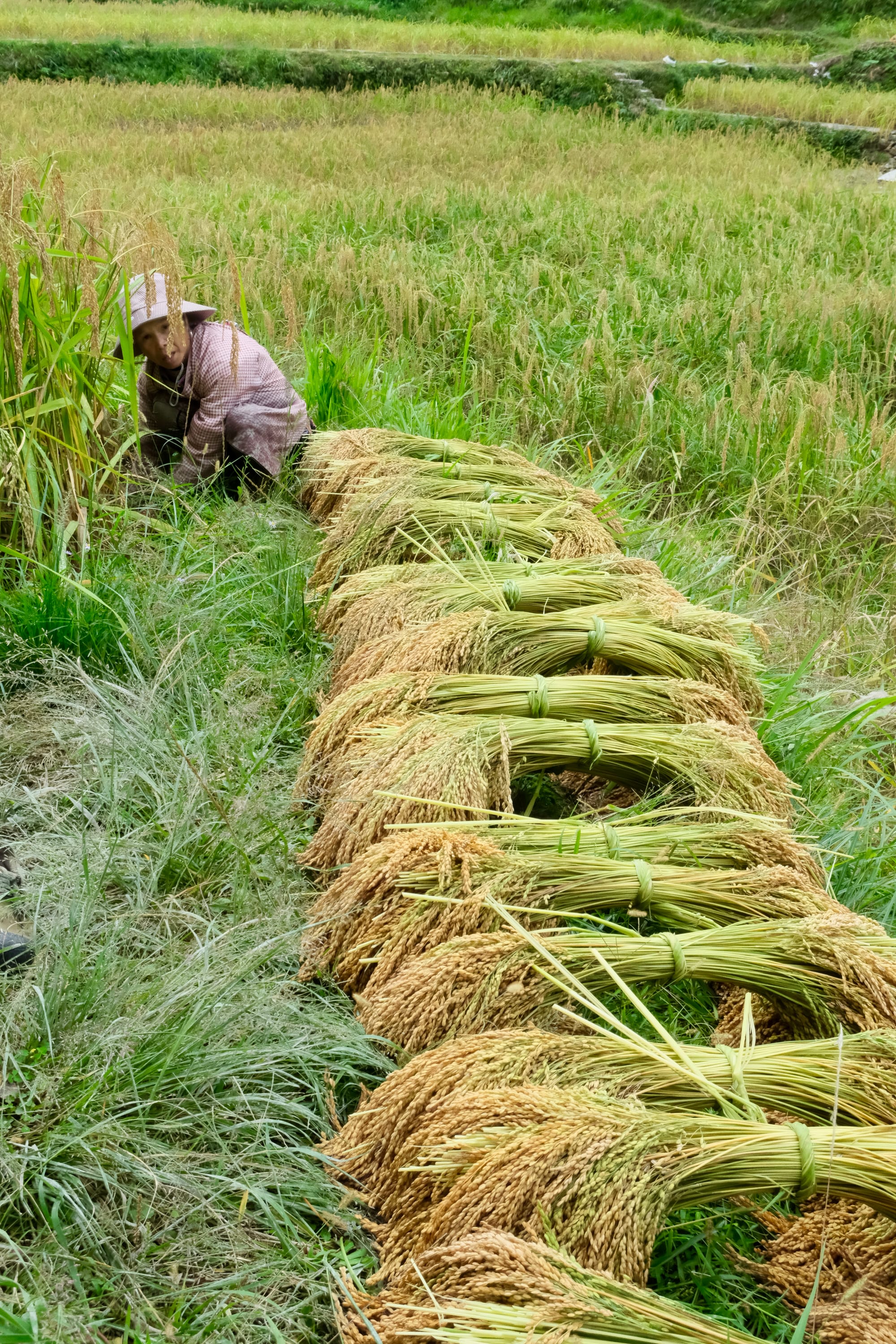
During summer hunts, villagers only take adult pheasants and doves. After autumn harvests, they deliberately leave a portion of rice for birds. Humans gain sustenance while allowing all living things to benefit, creating a cycle that continues over time. This is the Dong people’s wisdom of labor and survival. It is not “modern” in the contemporary sense. Modern thinking often focuses on maximizing returns and eliminating anything that reduces output. In contrast, this restrained and seemingly inefficient approach respects cycles and maintains a long-term, stable relationship between people and nature.
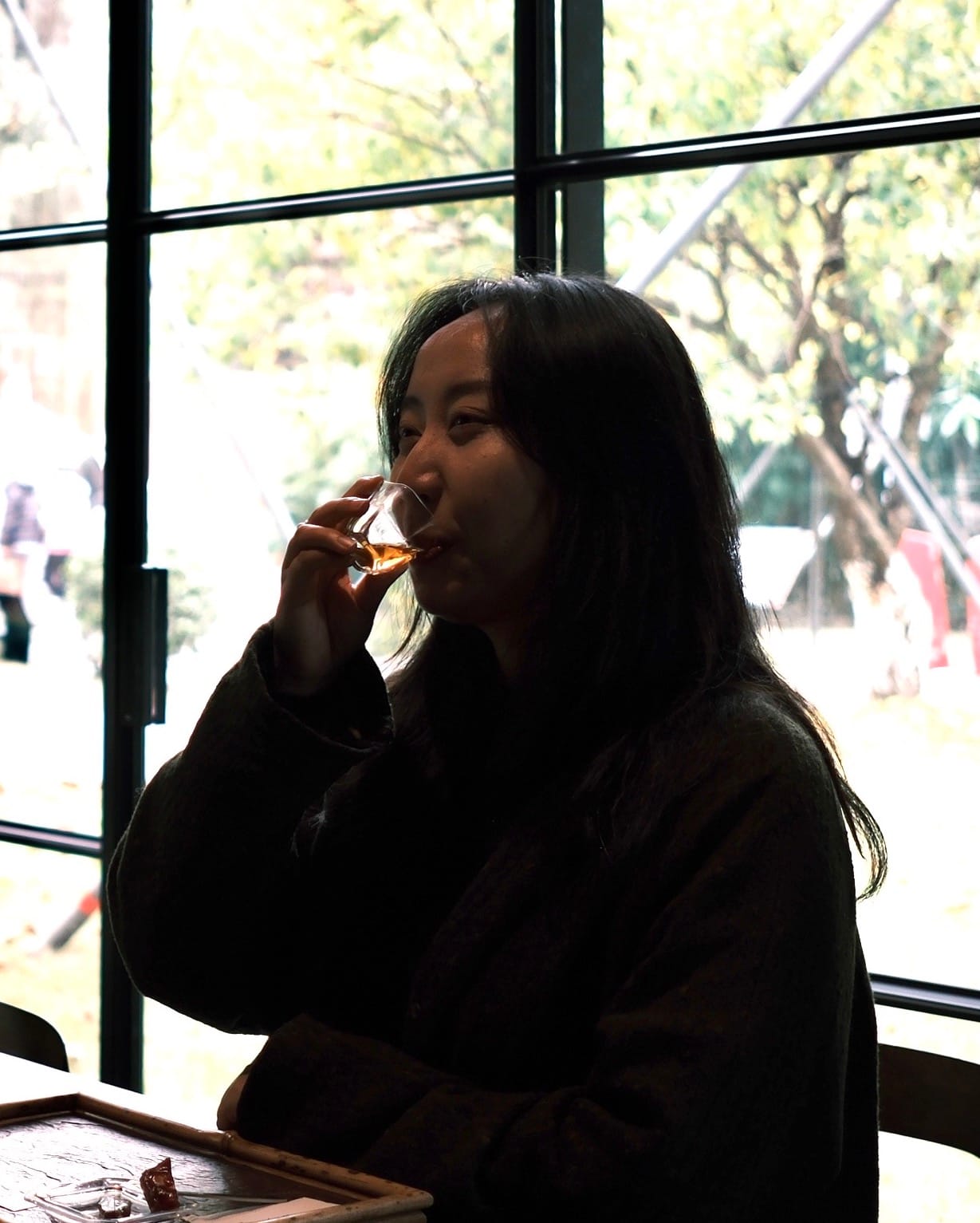
Co-founder of Snout & Seek, Hui Mu is a Yunnan native who loves hometown cuisine and local culture, Hui is currently based in Chengdu, Sichuan, engaged in food culture writing and magazine editing. Hui enjoys reading, trying new cuisines, hiking, and people-watching.
No spam, no sharing to third party. Only you and me.
Member discussion