
Wei Yuan: Between Expression and Precision, I Choose Joy
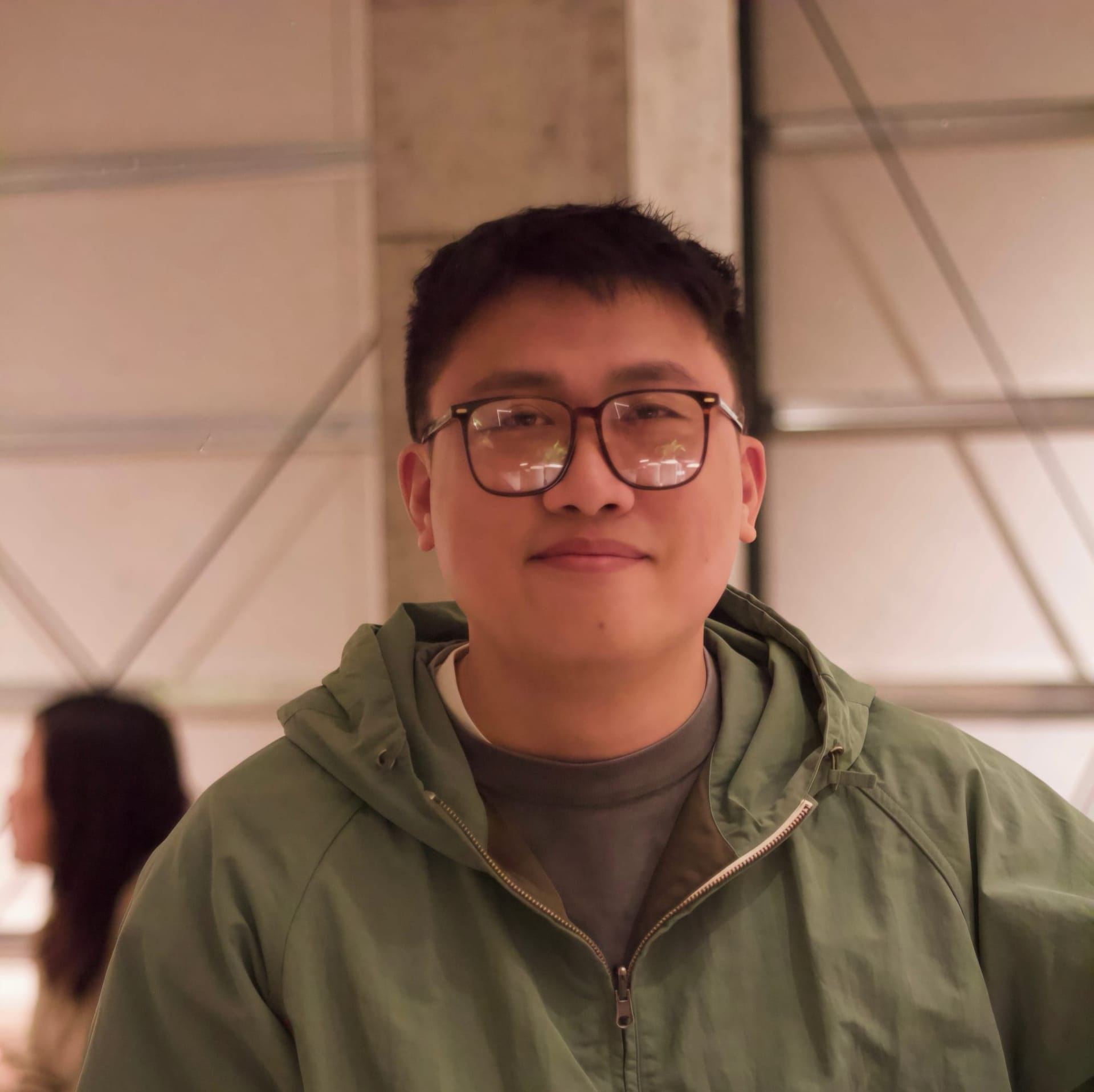
Wei Yuan, a Sichuan native who pursued a career in the culinary arts after the pandemic, is the creator of and e Bistro in Chengdu. An alumnus of Le Cordon Bleu Shanghai, he is passionate about creating a space where people can relax and enjoy themselves through food and drink. Much like his easygoing personality, the restaurant has become a home base for many young customers in Chengdu who are curious and open to try new things and meet new people.
Before meeting him in person, Wei Yuan was simply a contact on my WeChat. As our fermentation project gradually took us deeper into Sichuan, we have been fortunate to meet many inspiring people. Some are seasoned chefs and restaurant owners who have found their own ways to leave a lasting mark; others are young, eager newcomers looking to bring fresh ideas and creativity into a region already well-defined by its food culture. Wei Yuan is one of new younger generation. Though new to the industry, his vision is clear: to share what food means to him with his guests, offering not just meals, but a sense of warmth, care, and most importantly, happiness.
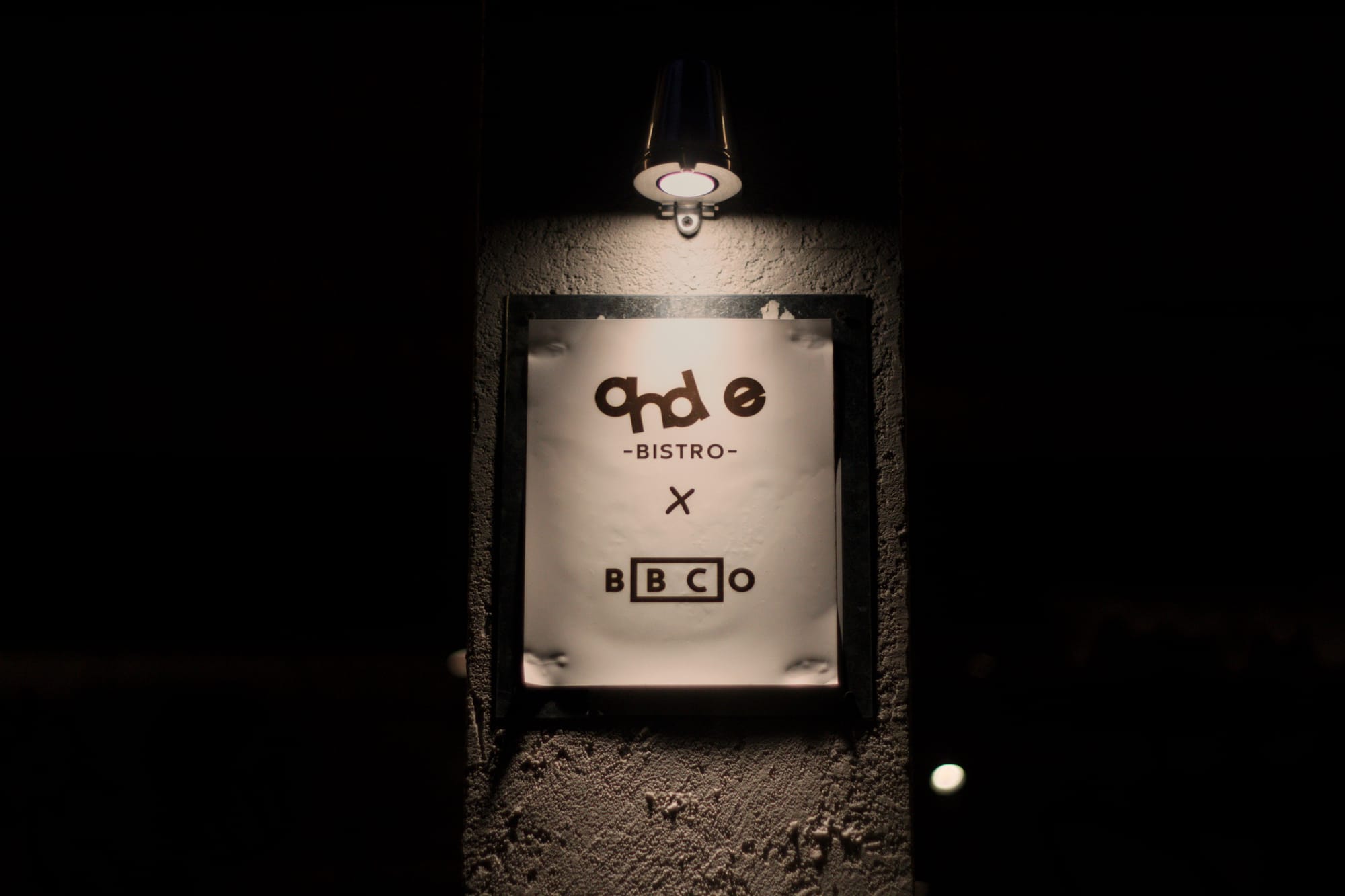
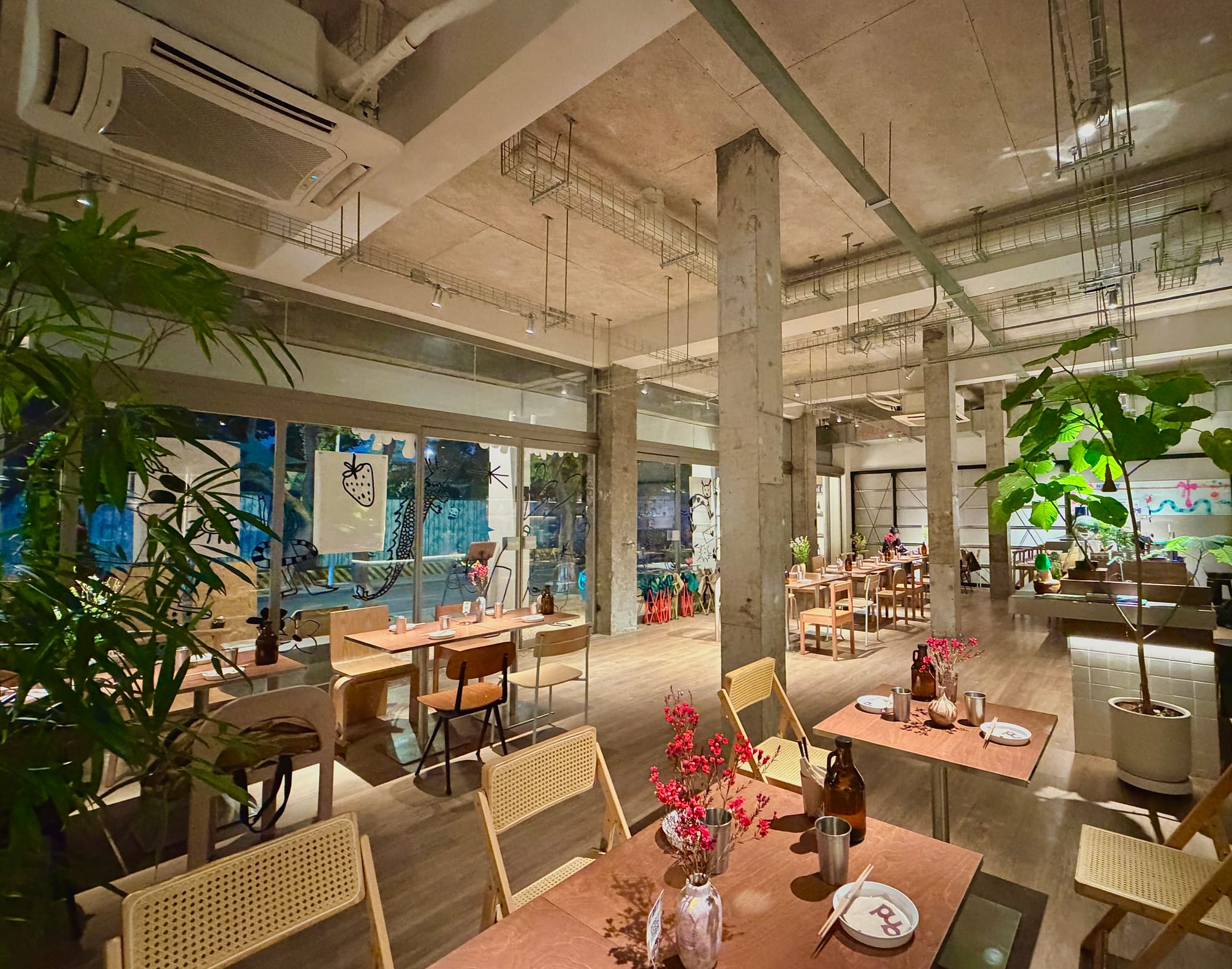
and e Bistro from outside and inside, it is a big space that demonstrates Wei Yuan’s aesthetics as well as his idea of combining French and Chinese style together
Located in Wuhou District, an area of Chengdu traditionally associated with long-established and affluent families, and e Bistro immediately surprised us with its scale and openness. Accustomed to the compact and crowded bistros of Shanghai, we did not expect such a spacious venue.
When asked why he chose to return to Sichuan instead of staying in Shanghai after graduating, Wei Yuan spoke candidly about costs. In today’s tier-one cities, restaurants face mounting financial pressure. Rent, ingredients, maintenance, and labor all weigh heavily, especially for Western-style establishments. With a background in finance and deep roots in Sichuan, Wei Yuan made a calculated decision. Returning home would allow him to work within a familiar setting, make better use of available resources, and pursue his culinary ambitions on more sustainable terms.

Born and raised in Mianyang, a city just north of Chengdu in Sichuan Province, Wei Yuan shares traits common among many Sichuan locals I have met: a relaxed temperament, openness, and an ease in expressing feelings and opinions. His earliest memories of cooking came from necessity, he said. When his parents were busy with work, he often cooked for himself. According to his parents, he was already handling food at the age of three. Instead of starting with something simple, he attempted to take on lobsters. One afternoon, they found him in the kitchen, standing on a stool beside the stove, lobsters in hand, trying to stir-fry them.
Years later, while working in the finance sector—where competition was intense and personal time scarce—Wei Yuan would think back on that memory from time to time. Cooking, even in its earliest and most chaotic form, represented comfort and relief. It reminded him that food had always been a place of calm, long before it became a profession.
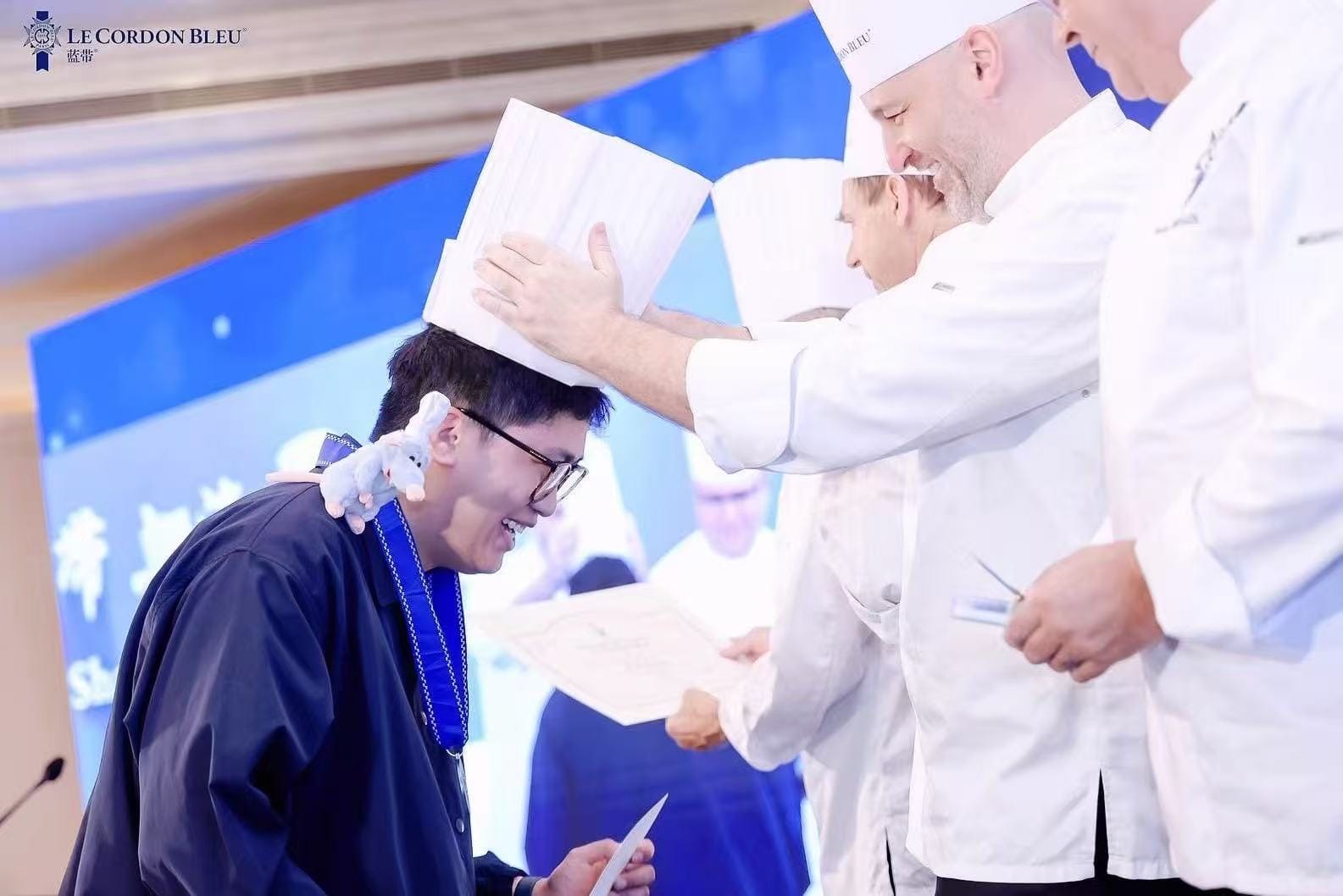
When everything came to a halt during the pandemic, Wei Yuan finally had time to reconsider the direction of his life. As familiar structures failed to provide a sense of security, food remained a constant. To pursue that simple happiness, he quit his job in Chengdu and moved to Shanghai to enroll at Le Cordon Bleu, unsure of where it would lead. When he resigned, his boss joked, “You’ll need a better excuse to leave us.” Wei Yuan knew then that his life would never follow the same path again.
There are many kinds of restaurants in the world, but few cities display diversity as effortlessly as Chengdu. Walking through its streets, food stalls and dining rooms appear at every turn. Some hotpot restaurants are packed from noon until late at night, filled with noise, laughter, and theatrical performances. Others are refined Western establishments where guests dress carefully for the occasion. Then there are the hole-in-the-wall shops, modest and unassuming, with lines stretching down the block. In Chengdu, these places coexist naturally, each finding its own rhythm within the city.
Against this backdrop, I asked Wei Yuan about his own vision for and e. He thought back to his time at Le Cordon Bleu.
“Before I started, I had this idea that once I graduated, I could become a renowned chef and maybe even revolutionize the culinary world,” he said. “But as I trained and studied, I realized that you can’t become an artist just because you decide to be one. Le Cordon Bleu simply gave me an entrance ticket into this world. What I would become after that was entirely up to me. It was scary to have to figure it out on my own, but at the same time, it was incredibly liberating.”
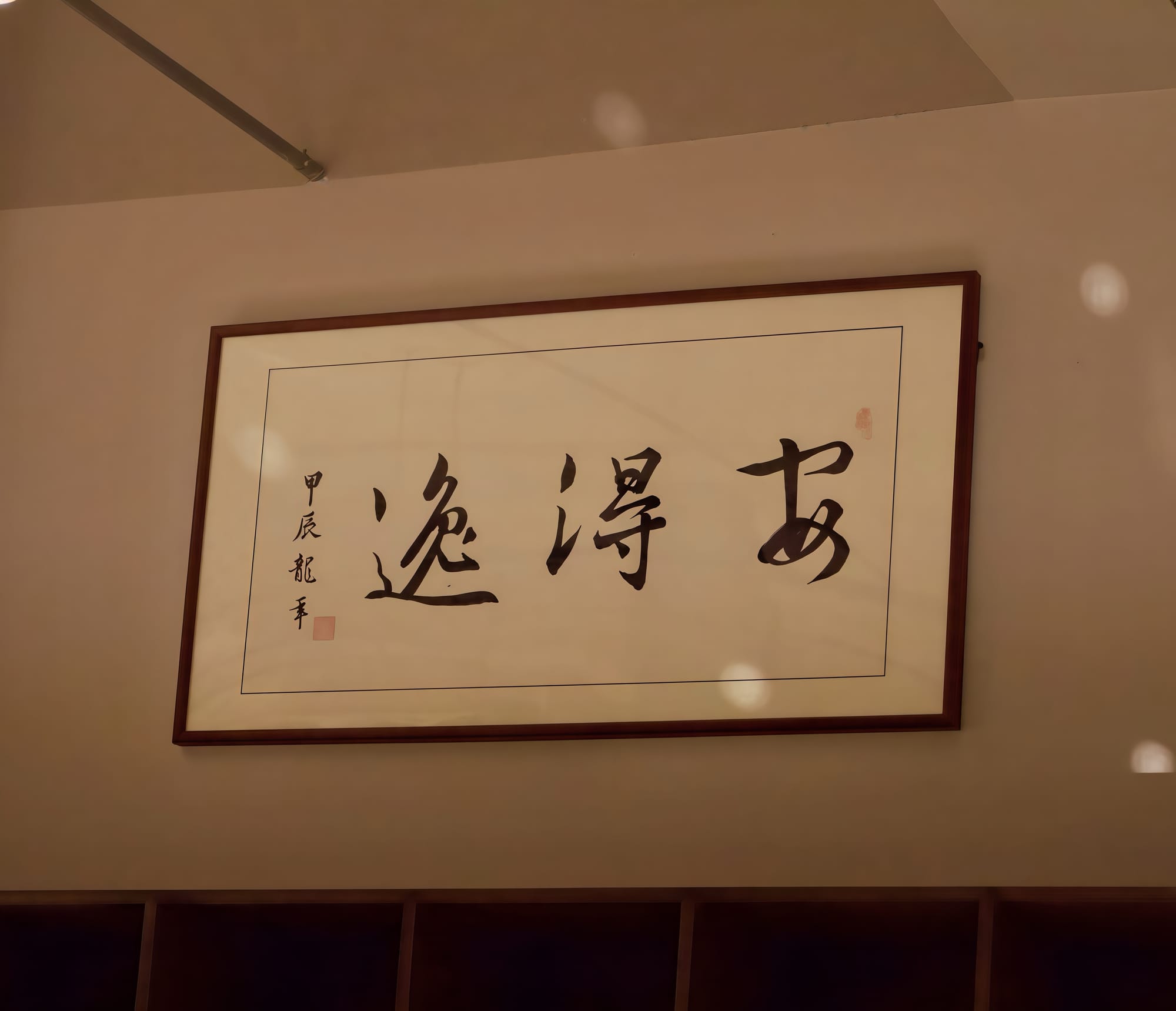
As soon as you enter the restaurant, your attention is drawn to a mounted scroll with calligraphy high on the wall facing the entrance. Written in black ink on white paper are the characters 安得逸 (ān dé yì), elegant and restrained. In Sichuanese, 安逸 describes a state of comfort so complete that nothing feels in need of change. That sense of ease is where the name and e comes from.
Wei Yuan greeted us at the door with his dog, Jian Guo, dressed casually yet thoughtfully. He gave us complete freedom to move around and prepare for the interview, setting the tone for the space in the same way he approaches his restaurant: relaxed, open, and unforced.
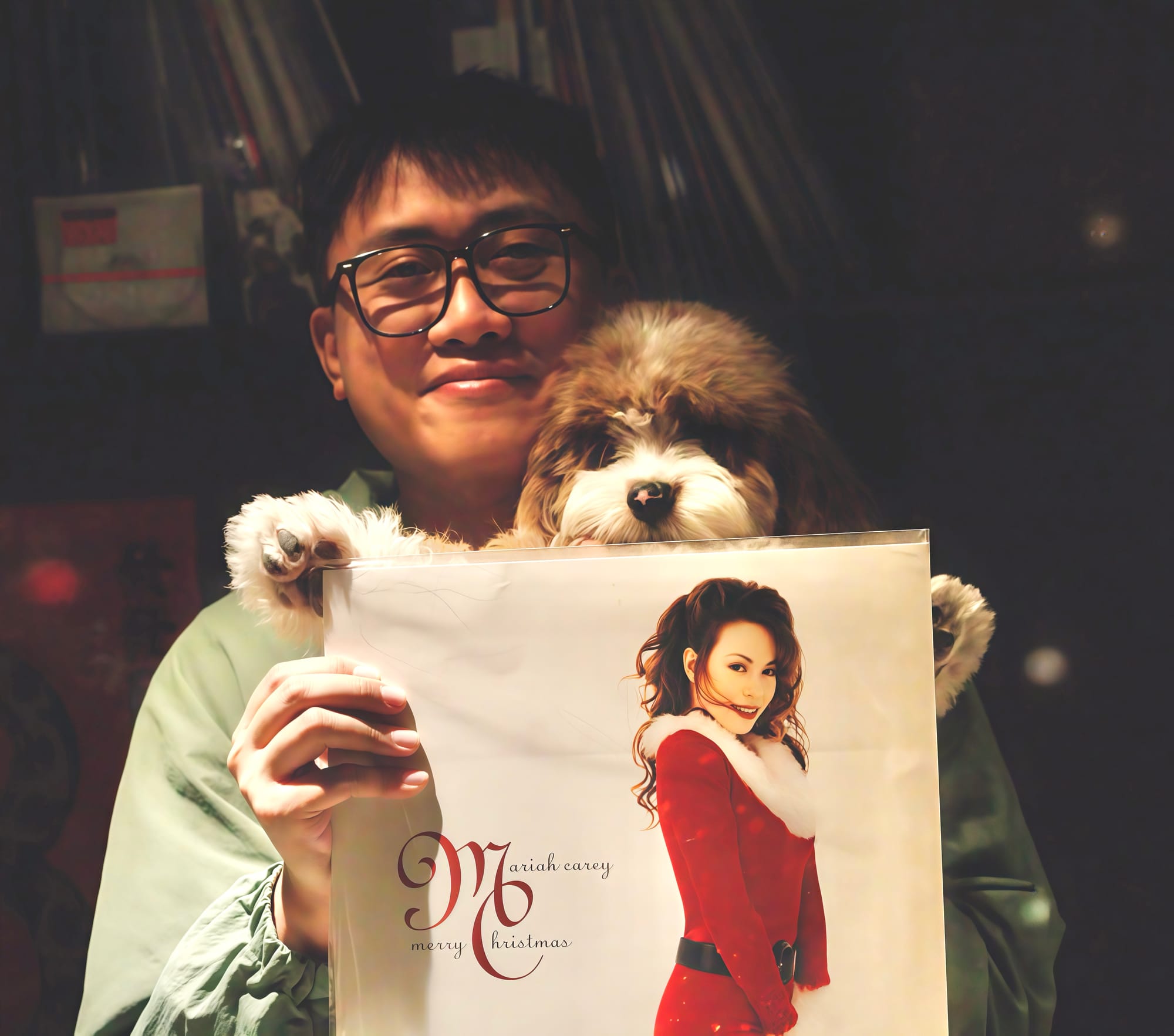
A music lover at heart, Wei Yuan had Mariah Carey playing for the Christmas season from a small DJ station near the dining area. On special occasions, professional DJs are invited to play at the restaurant, but the music selection is always his own, carefully chosen to keep the atmosphere warm and comfortable. It was a Monday night, one of the few moments he could spare for a longer conversation. We sat in a quiet corner of the softly lit dining room and began talking about how Sichuan diners respond to Western cuisine, especially in comparison with audiences in Shanghai.
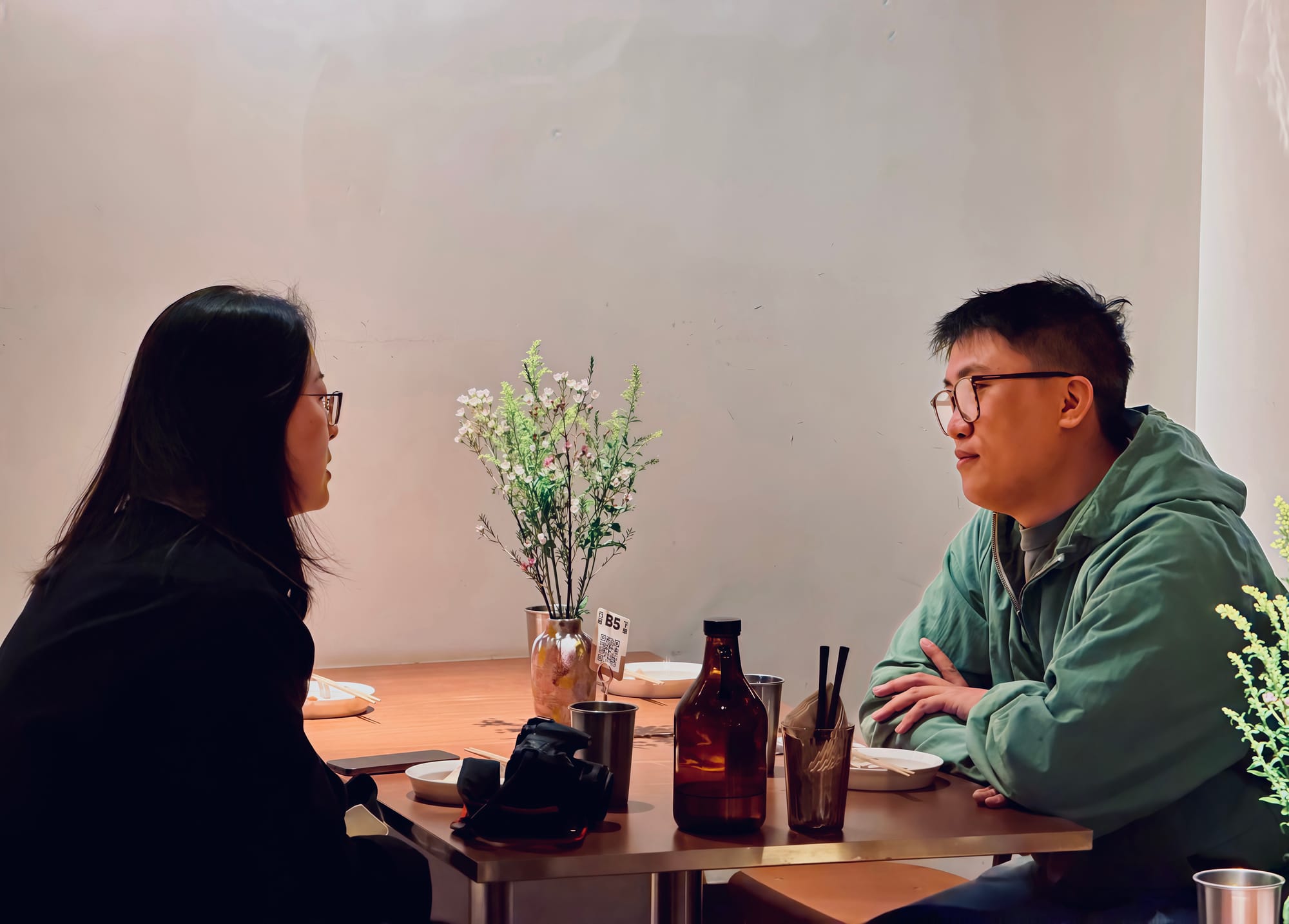
Much like the contrast between Chinese and French cuisine, there is also a clear difference in how Western food is received in Sichuan and in Shanghai. French cuisine is known for its systematic approach, with precise measurements and clearly defined procedures. Chinese cuisine, by contrast, leans heavily toward expression and intuition rather than scientific exactness.
Wei Yuan recalled that one common frustration for those learning to cook Chinese food is the frequent use of instructions such as “to taste” or “as needed,” which can be difficult for cooks without prior experience. This reliance on intuition is also one reason Chinese cuisine has historically been less formally documented than French cuisine, where written systems help preserve techniques and dishes over time.
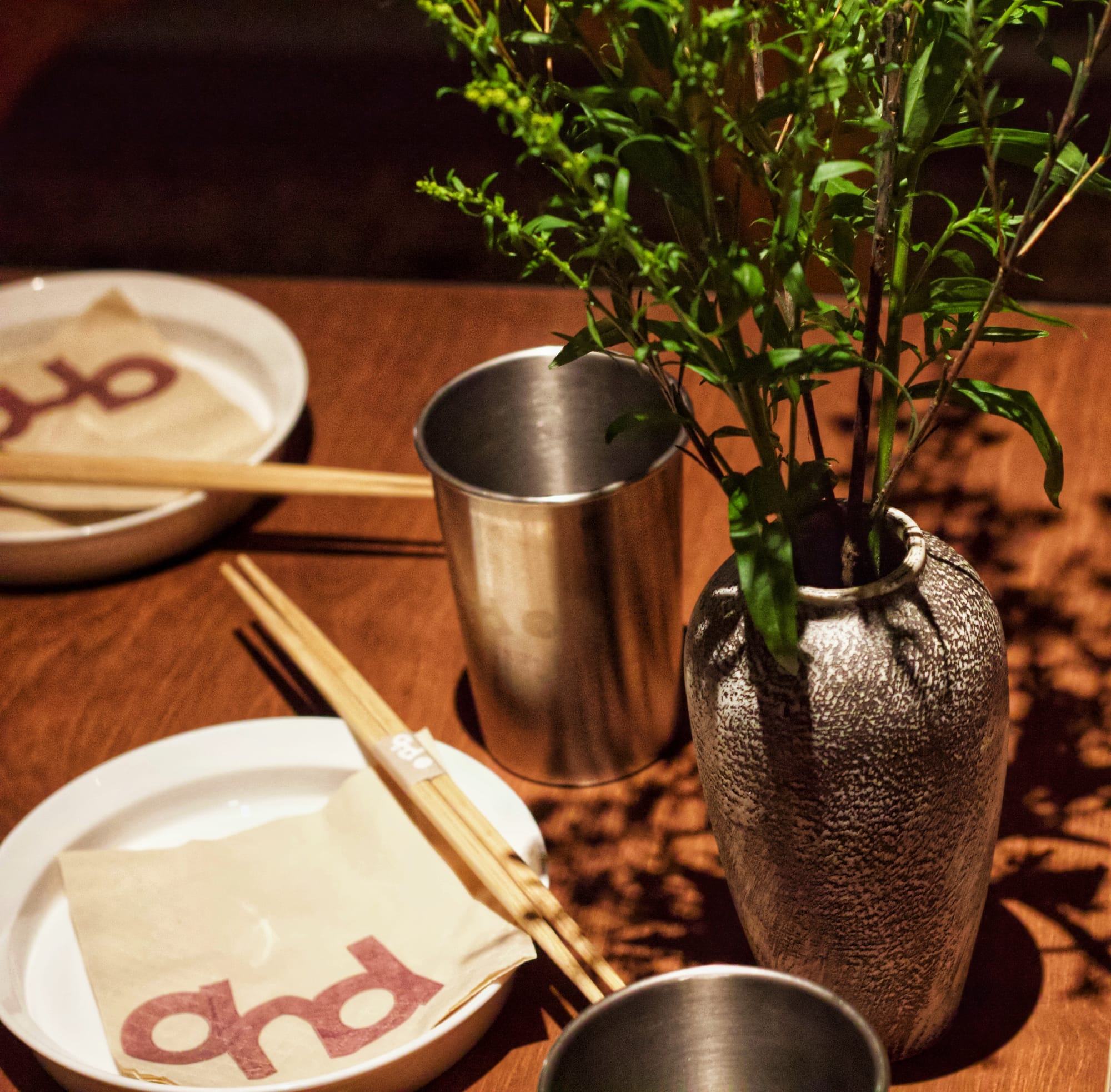
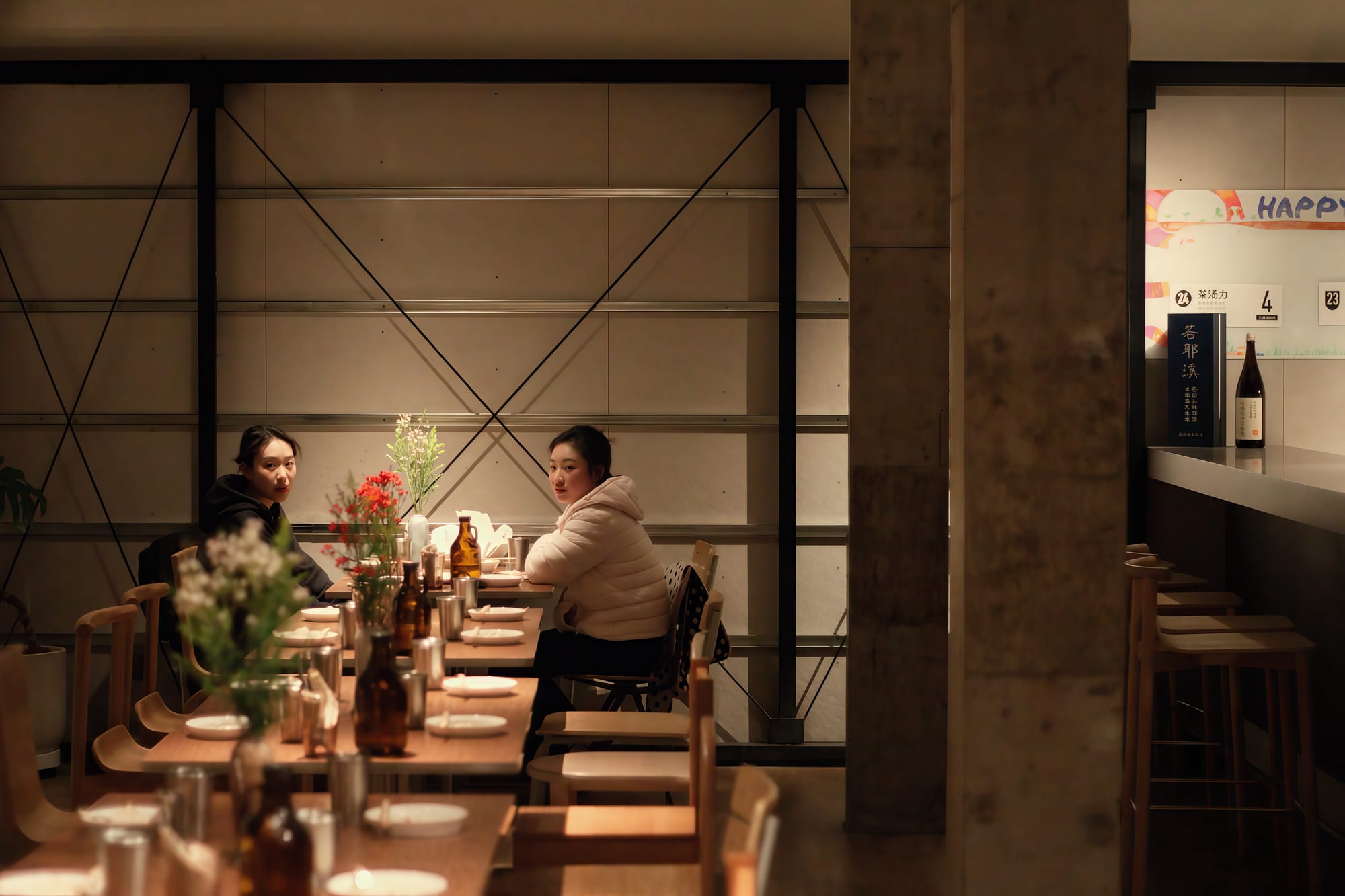
Both the interior design and the atmosphere appeal to younger audiences who seek a relaxed environment.
A similar dynamic plays out among Wei Yuan’s customers. Compared with diners in Shanghai, who are exposed to Western cuisine more frequently, people in Sichuan tend to approach unfamiliar food with greater caution. Deeply proud of their culinary heritage, many Sichuan diners see local food as an emotional anchor to home. When encountering foreign cuisines, comparison with familiar flavors happens almost instinctively. This is especially true of French food, which is often lighter in seasoning and relies heavily on butter and dairy, elements that are not traditionally central to Sichuan cooking.
“When I was hiring staff for the restaurant, I tried to strike a balance between the expression of Chinese cuisine and the precision of French cuisine,” Wei Yuan said. “Most of the cooks here have experience in both local Sichuan cooking and Western kitchens. As a bistro serving a local audience, it was essential for us to understand how French cuisine could be expressed in a Sichuan context. It’s also exciting to explore the common ground that Sichuan and French cuisines can share.”
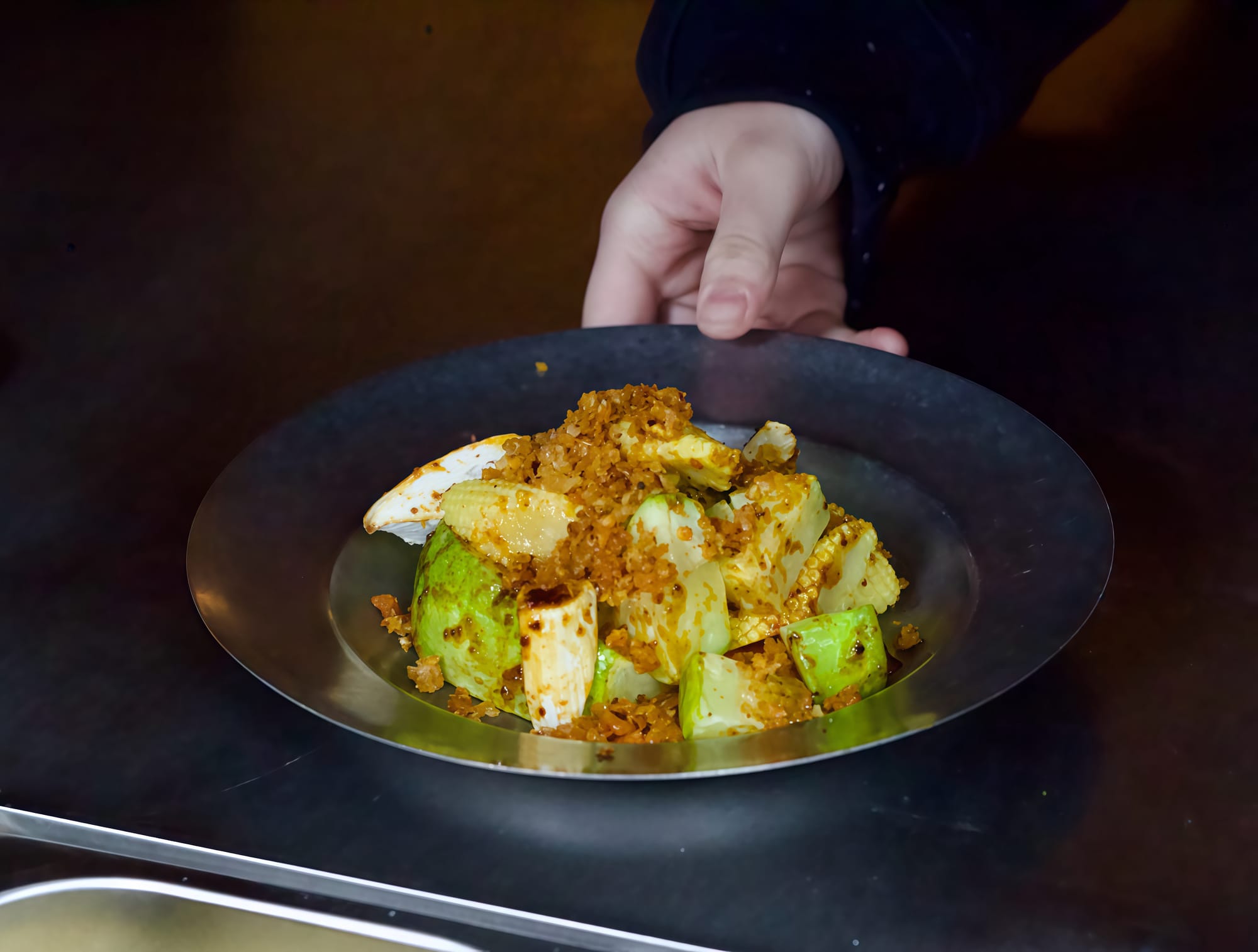
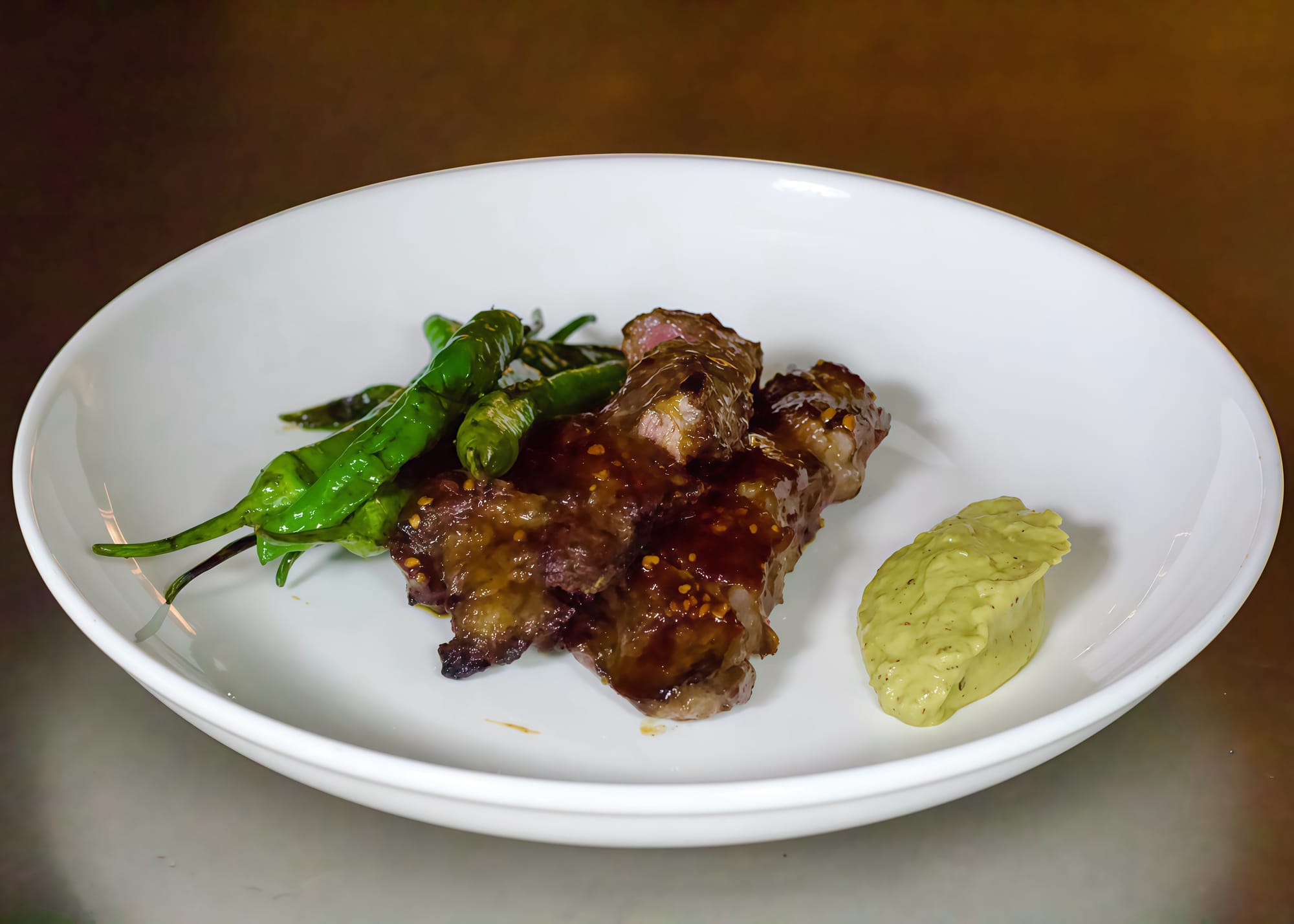
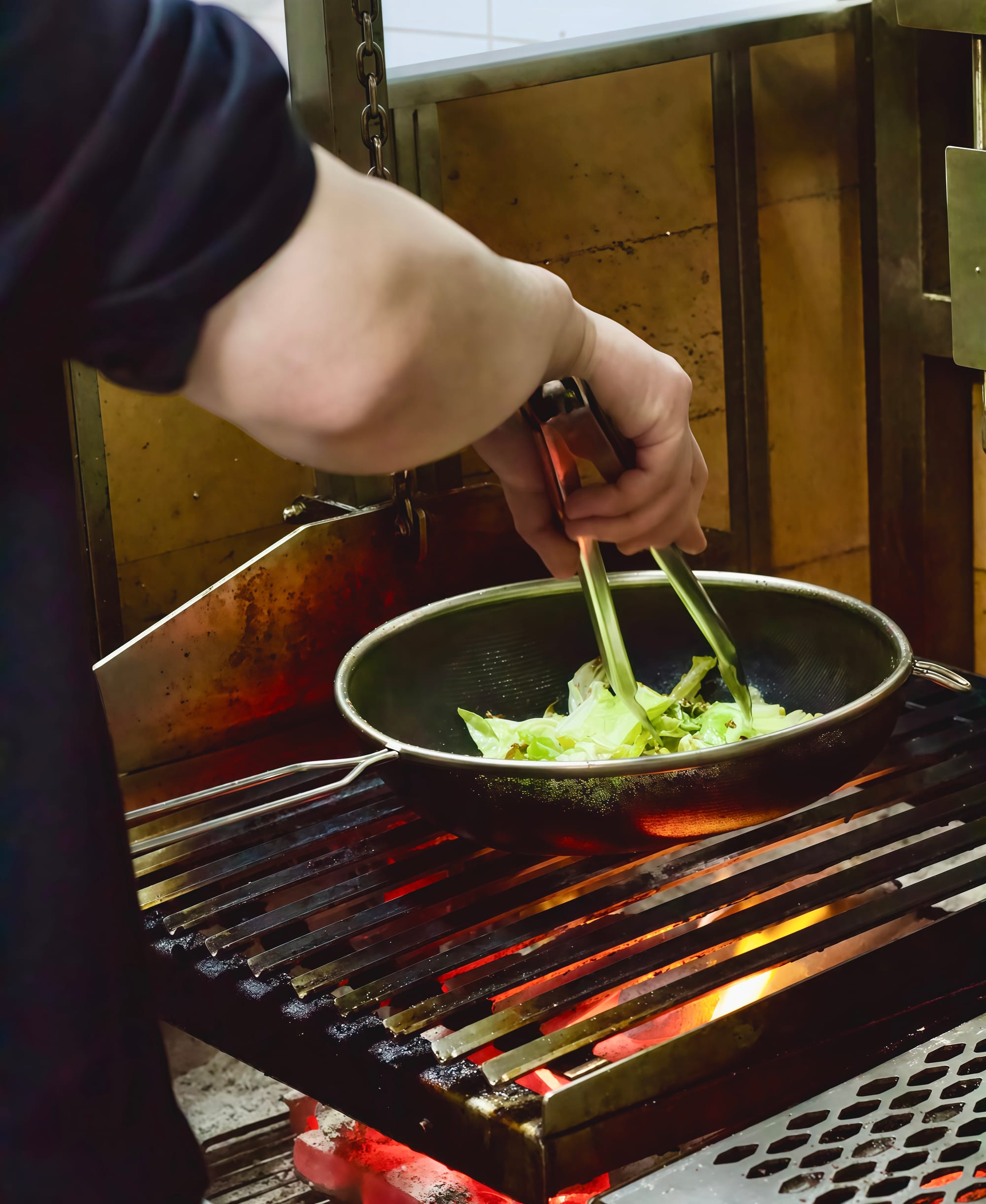
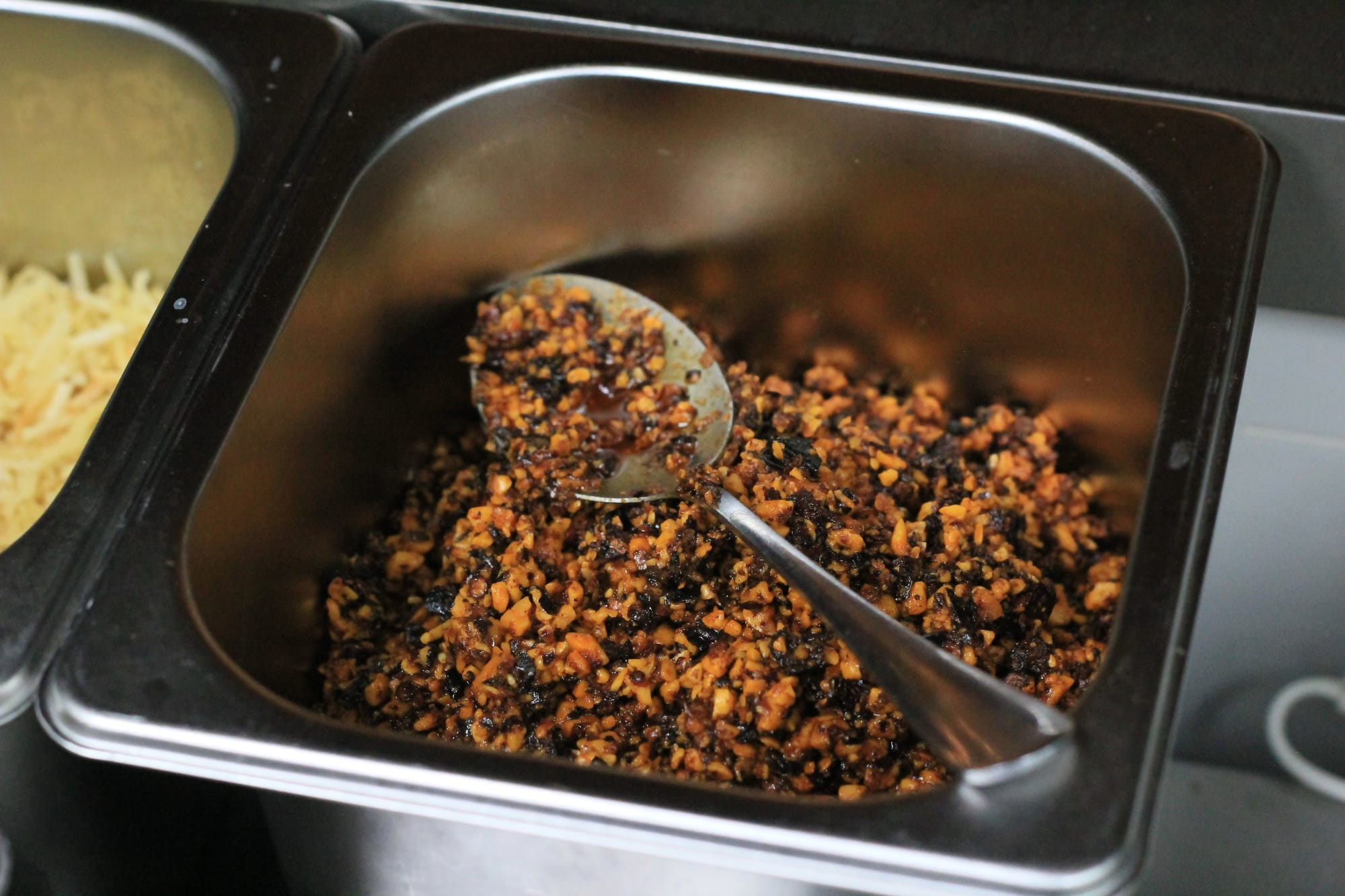
Cooking at and e Bistro combines French technique with Chinese flavor profiles. Many dishes use French culinary foundations alongside local seasonings, making them feel both Western in form and familiar in taste.
That approach is evident on the plate. Many of the dishes at and e rely on fundamental French techniques, particularly in sauces and cooking methods, yet draw their ingredients from across Sichuan, Guizhou, and Yunnan. Some combinations deepen familiar flavors; others introduce unexpected contrasts. At times, feedback from guests has prompted adjustments, pushing the kitchen to refine dishes or pivot in a new direction. The menu, much like the space itself, remains in conversation with its audience.
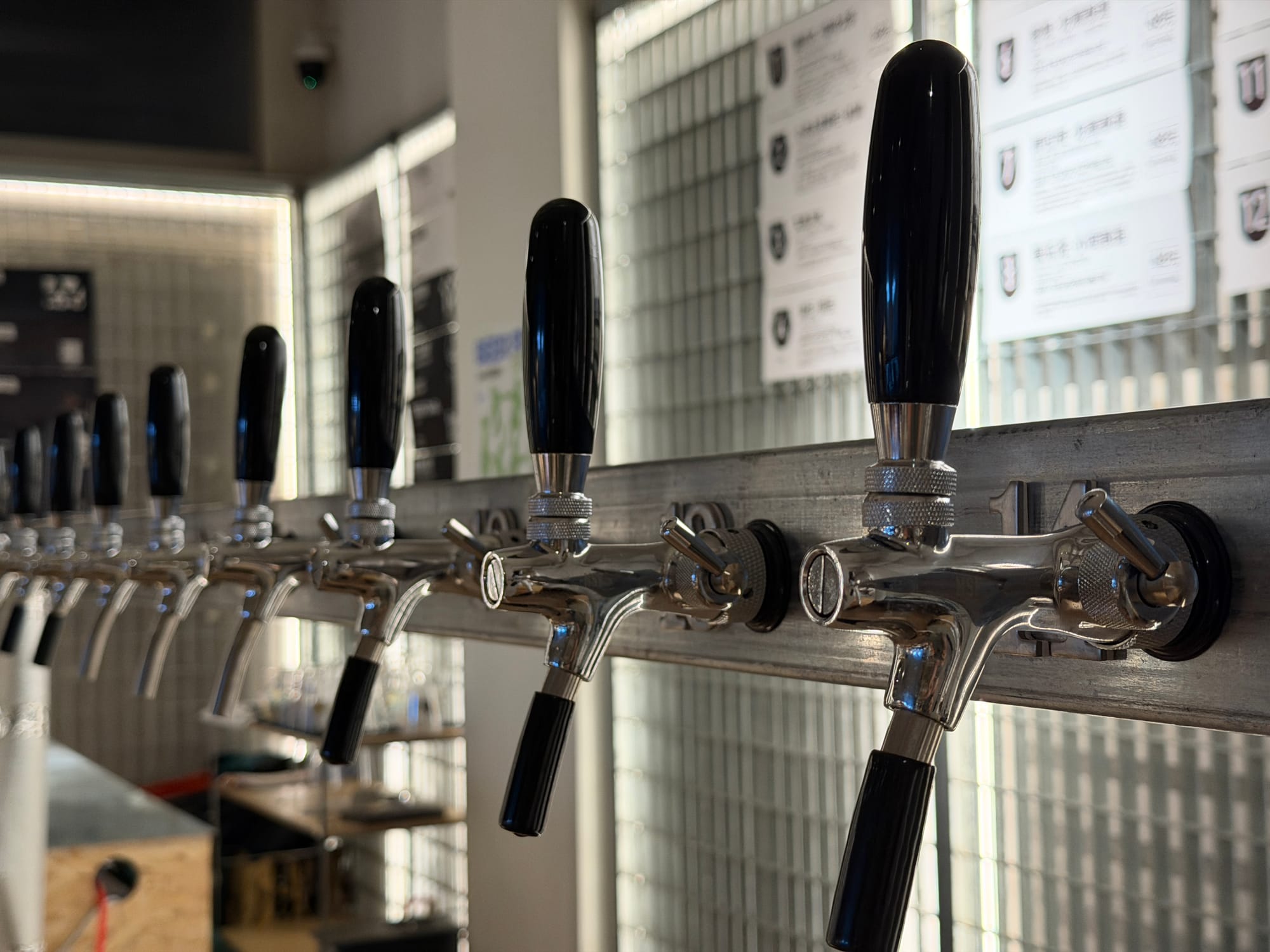
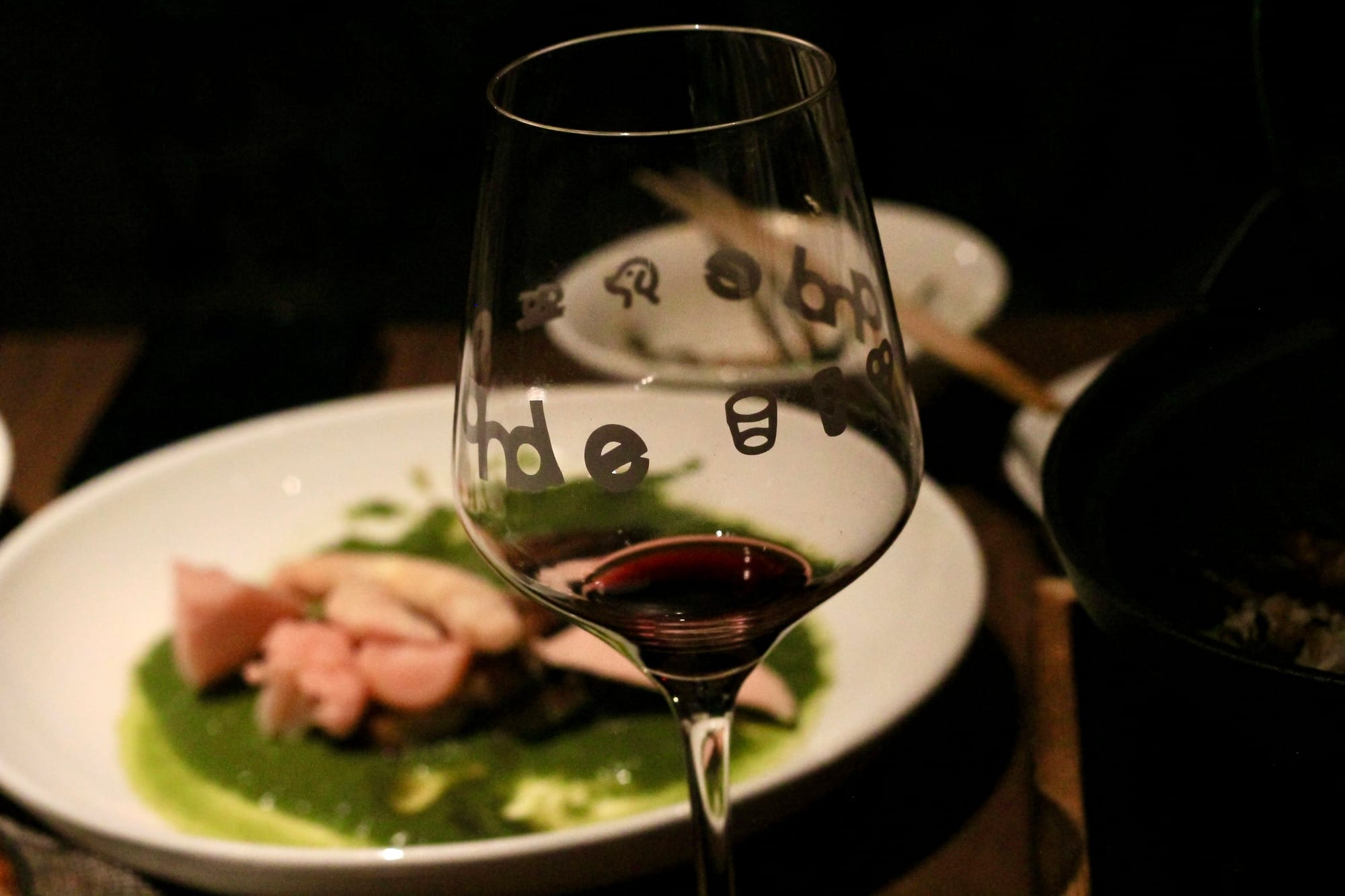
Beyond the traditional bar and its extensive wine selection, the bistro has also created a dedicated section for craft beer lovers, featuring collaborations with local brewers.
“As a new restaurateur, I think it’s very important to keep communication with our customers open,” Wei Yuan said. “It’s completely normal that we can’t please everyone, but we genuinely value feedback and are willing to adjust our menu to better serve guests who are open to trying something new. Some people may find terrines interesting and enjoyable, while others prefer hot dishes. Our job is to keep learning and improving.”
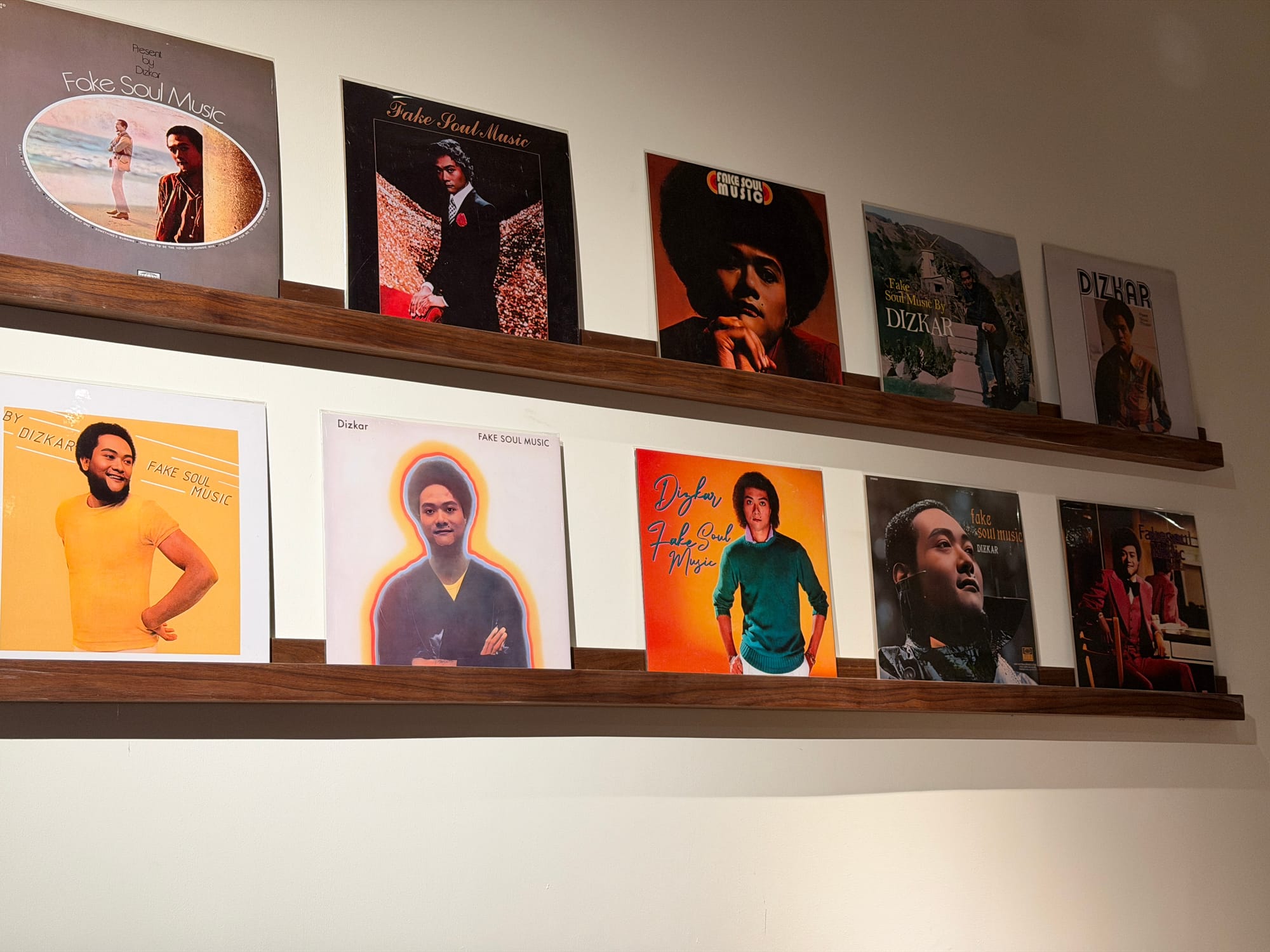
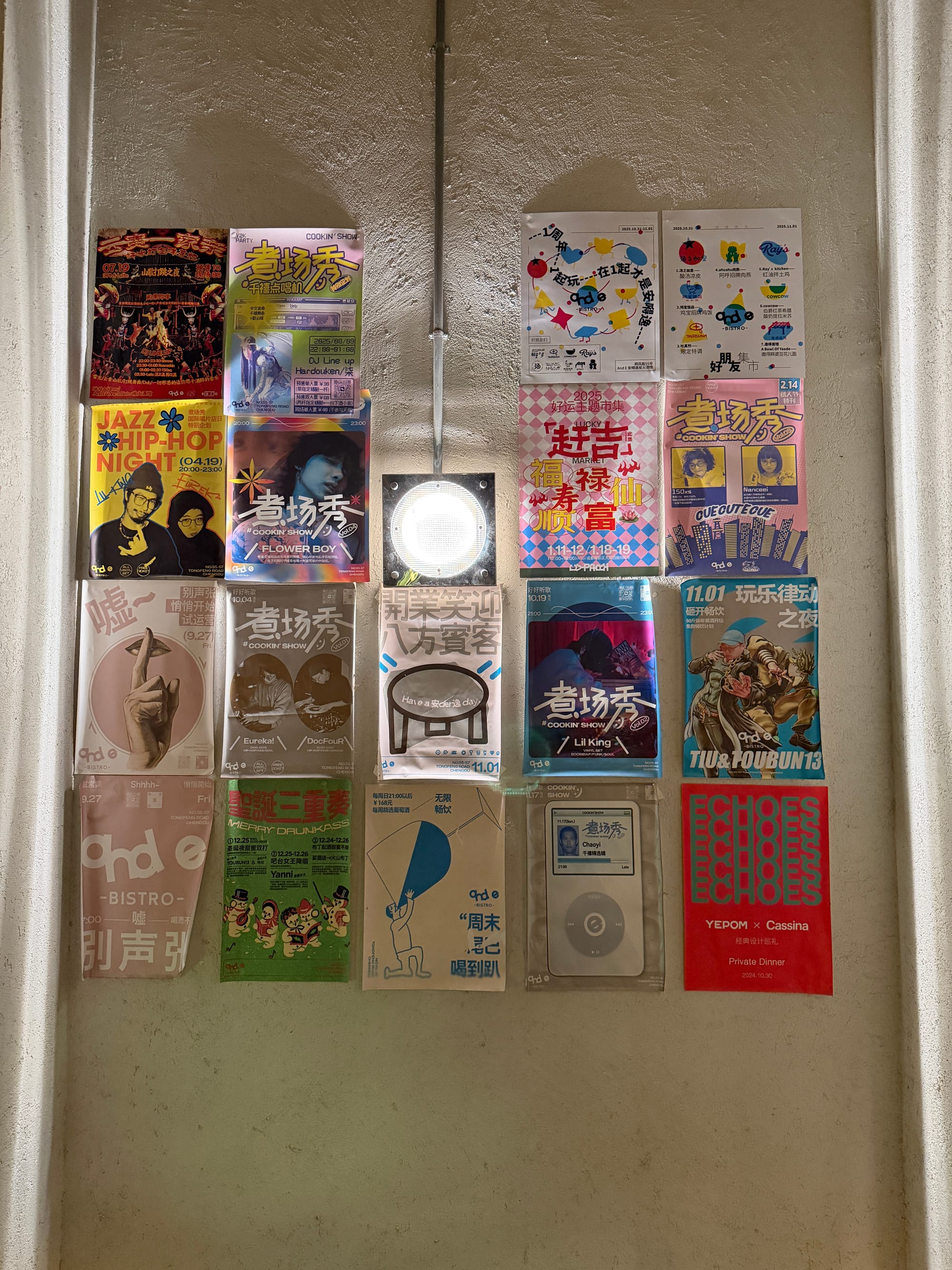
Wei Yuan’s music collection as well as posters for past events held at and e Bistro. Looking ahead, he plans to host more collaborations in the coming year, using the restaurant as a place to meet new friends and exchange ideas.
At the heart of it all is the vision Wei Yuan has set for and e: a place where people can relax and have fun. Since opening, the bistro has hosted dozens of gatherings, inviting young people to meet new friends over food and drink, often in collaboration with other restaurants and chefs he admires. Claiming not to be someone driven by material ambition, Wei Yuan is unapologetically generous when it comes to joy. And just as importantly, he is eager to share that joy with everyone who walks through his door.

A Tianjin, China native - Chloe has a deep appreciation for all things hotpot. Her appreciation of food and culture runs so deep that after a successful corporate career, she decided to uproot her life in China to attend Le Cordon Bleu Ottawa and Madrid. After working in the culinary industry in Canada, she decided to found Snout & Seek!
No spam, no sharing to third party. Only you and me.
Member discussion