The Ripple Effect of Dumplings
Author: Chloe Wang
In the late fall of 1953, a child was born to a small family on the North China Plain. He was the first born, and as the son in a traditional Tianjin household, his mother treasured him with all her means. He got all the best food they could provide and everyone in the family took care of him. He grew up smart, sensitive, and deeply loved by his parents. In the years that followed, the family grew. He welcomed two younger sisters and a little brother. He went from being the beloved son to the sibling who held everyone together through the great famine and the loss of their father. Like many young people of that time, he chose the practical path of vocational school to secure a stable job.
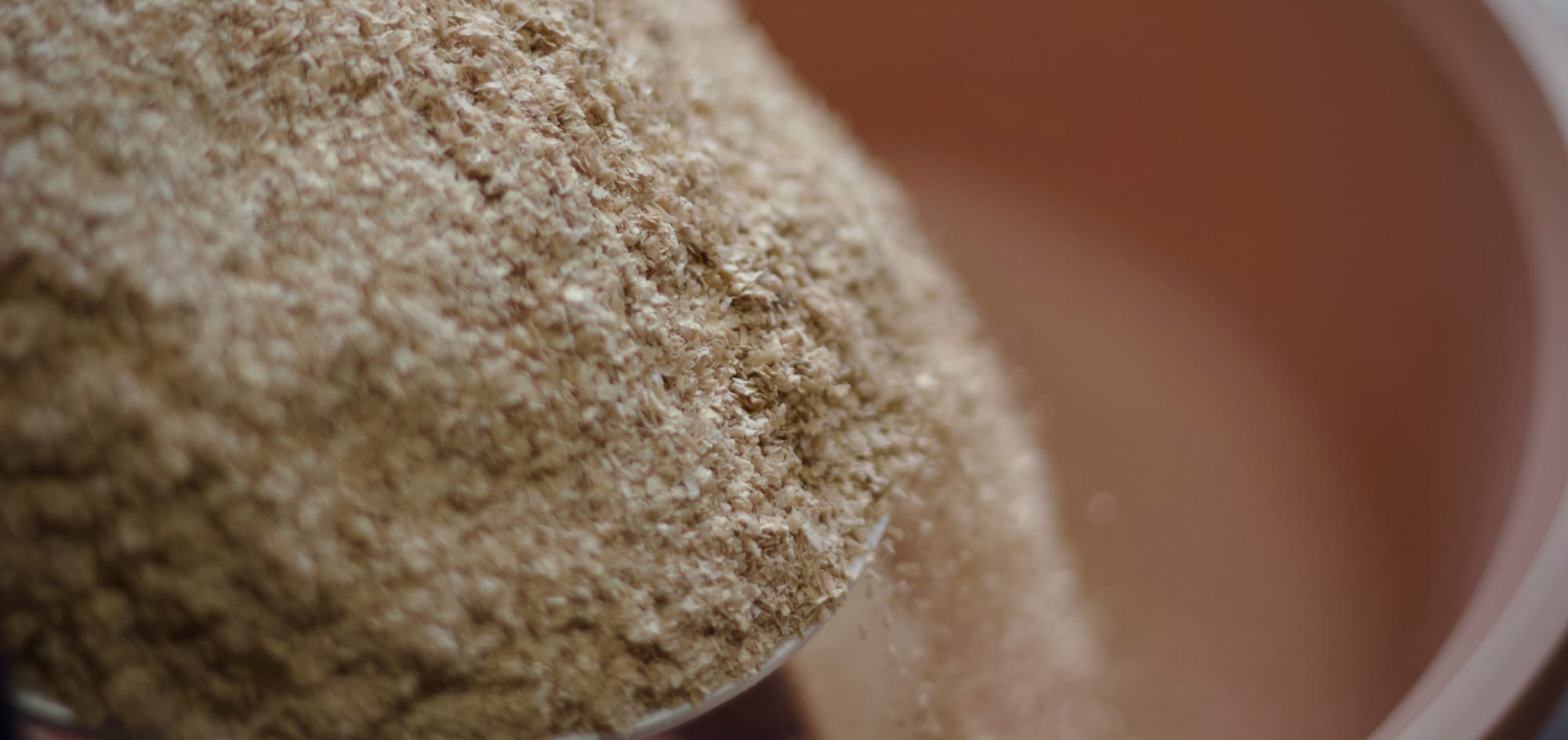
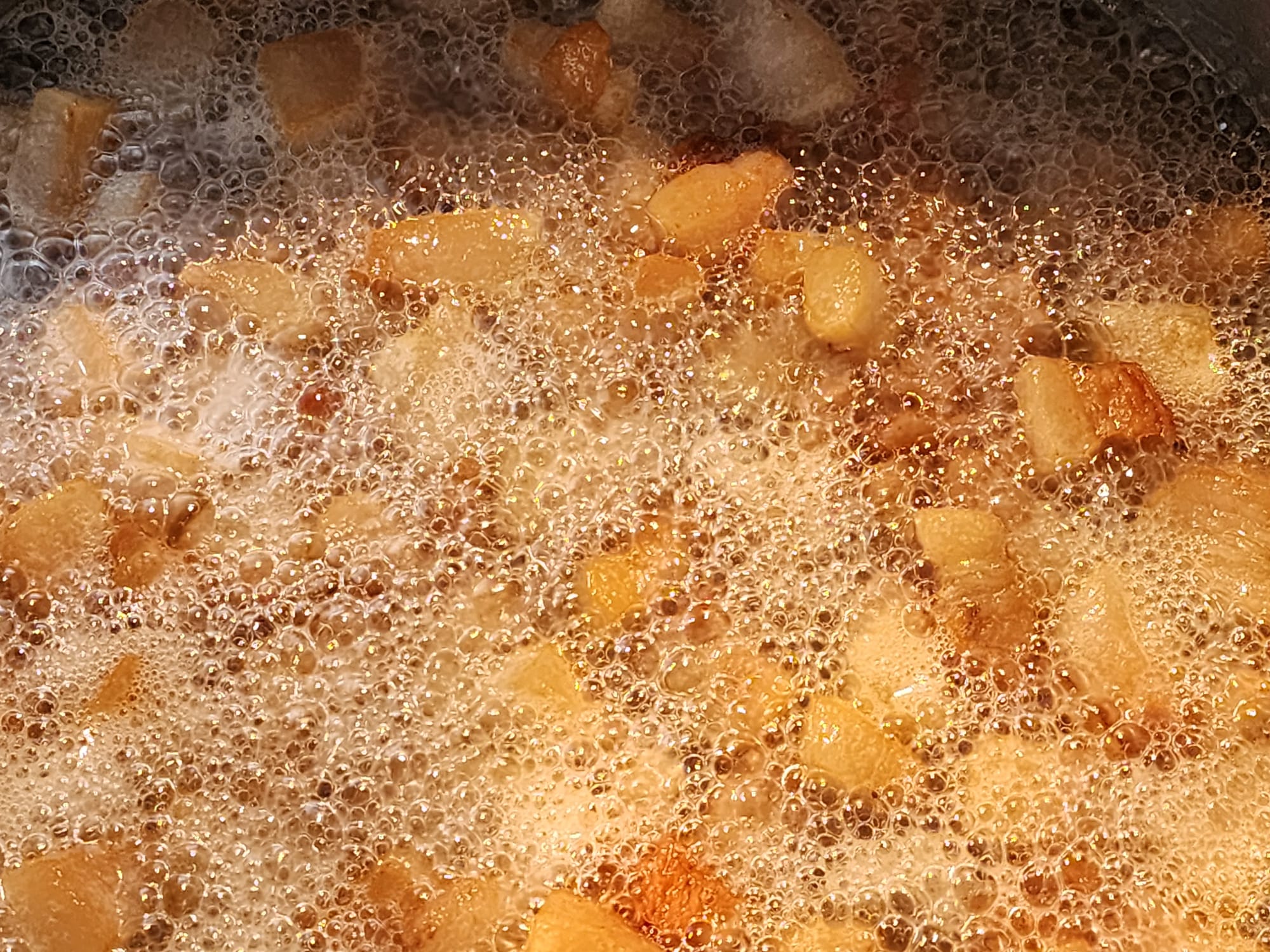
His life, and the lives of those around him, shifted from there. He married, found steady work, moved to a nearby city, and had two children. Even as his siblings scattered to different places, they stayed close. Every holiday and special occasion, the whole family of three generations gathered together. He would always bring gifts to his mom, talk with his siblings about happenings in his their lives, play mahjong together, and organize everyone to make dumplings. He especially loved dumplings filled with cabbage and pork, dipped in vinegar with whole cloves of garlic. Two out of three times, he would bring up the story of the great famine and how they managed to get a small piece of pork fat when no meat was available. They rendered it down and mixed the crispy bits into the dumpling filling. It became the best New Year meal they ever had.
They were so hungry that he would put a tiny piece of crispy pork fat in his mouth and taste it for hours without swallowing. When he told that story, I was usually sitting at the table adding big, palm-sized dumplings into my bowl with vinegar. I sometimes reacted with disgust at the part about holding pork fat in his mouth. I could never fully relate to or appreciate what he described because I had never been starved.
As his daughter, I grew up spoiled and well fed, and food meant much more than rendered pork fat or dumplings with no meat. For as long as I can remember, I have eaten his big fat dumplings filled with cabbage, pork, and a good amount of sesame oil, which was another luxury for him during the famine years. As a kid, the sesame oil was too strong for me. Whenever he added it, I could taste it right away and would protest by refusing to eat whatever dish he made with it.
He is obsessed with dumplings in all shapes and forms.
I didn’t notice it until I reached adulthood and started paying attention to different people’s eating habits. There is a running joke in China that people from northern China use dumplings emotional support. Holidays, family gatherings, weddings, funerals, weekends - they all end with plates of dumplings. It is certainly true for my family. I was raised in a dumpling vacuum, and when I interacted with people from other parts of China, I realized people don’t eat dumplings for every occasion. Especially in southern China, dumplings are mostly considered a snack and not something serious. If you serve your Shanghai friends just dumplings, they will probably feel offended, thinking you don’t take them seriously.
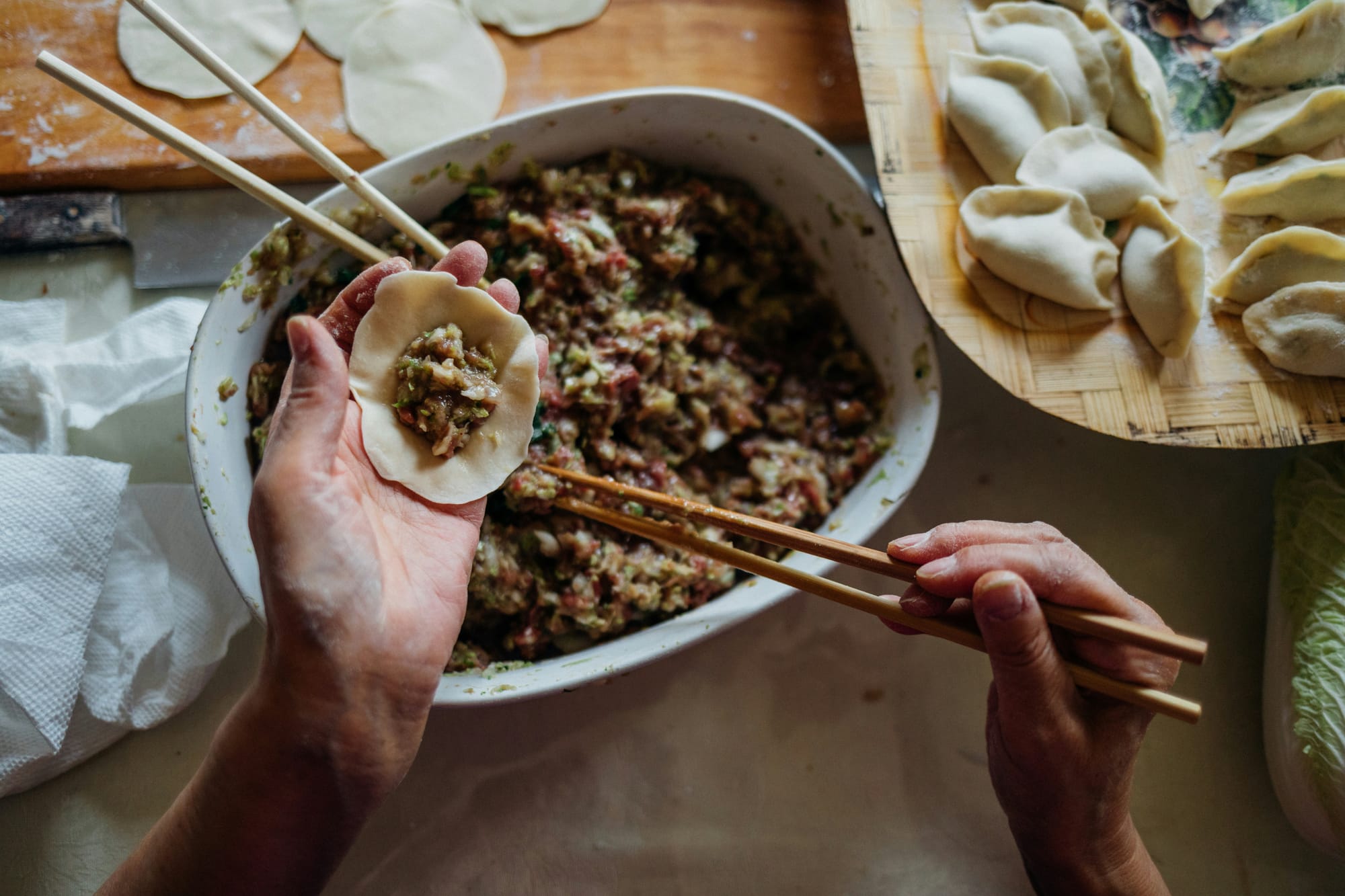
That being said, people in China love dumplings for reasons that go far beyond taste. In the north, where wheat is the main crop and winters are long and cold, dumplings became the most comforting and practical food a family could make together. The act of wrapping is slow and repetitive, which gives everyone a chance to sit around one table, talk, and share the work by hand. Dumplings are also symbolic. Their shape resembles the old silver ingots that represented wealth, so eating them on New Year’s is believed to bring good fortune. Families gather to wrap dumplings as a way to welcome warmth, luck, and reunion into the home. For many people, the smell of cabbage and pork filling, the stack of wrappers, and the rhythm of folding are memories of childhood and family closeness. Dumplings are a kind of superfood because they combine vegetables, protein, and carbohydrates in one, and they also carry a feeling of being held, protected, and connected to the people you love.
There are many ways to make dumplings. You can boil them, steam them, or pan fry them. You can fold the wrappers with your fingers or squeeze them with your thumbs. You can leave an opening on both sides to make pot stickers or flatten them into a Chinese meat pie. Additionally, you can make baozi, the round steamed bun with filling inside. Believe me, I have tried everything. Thirty-six years later and having eaten dumplings nearly every single weekend before adulthood, I have eaten my fair share of dumplings. At a certain point in my life, whenever “dumplings” came out of my dad’s mouth, I would reply automatically, “Not again!”
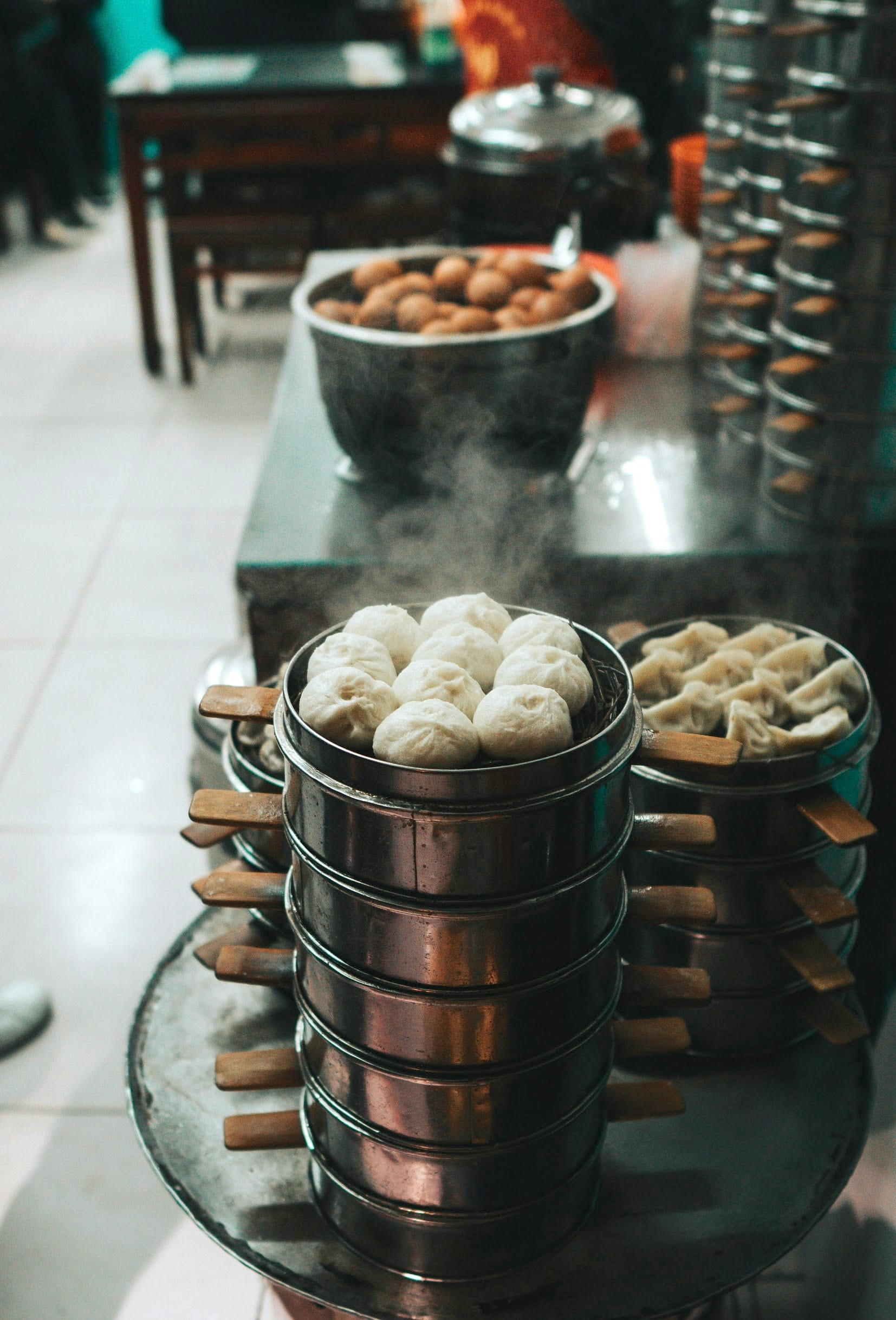
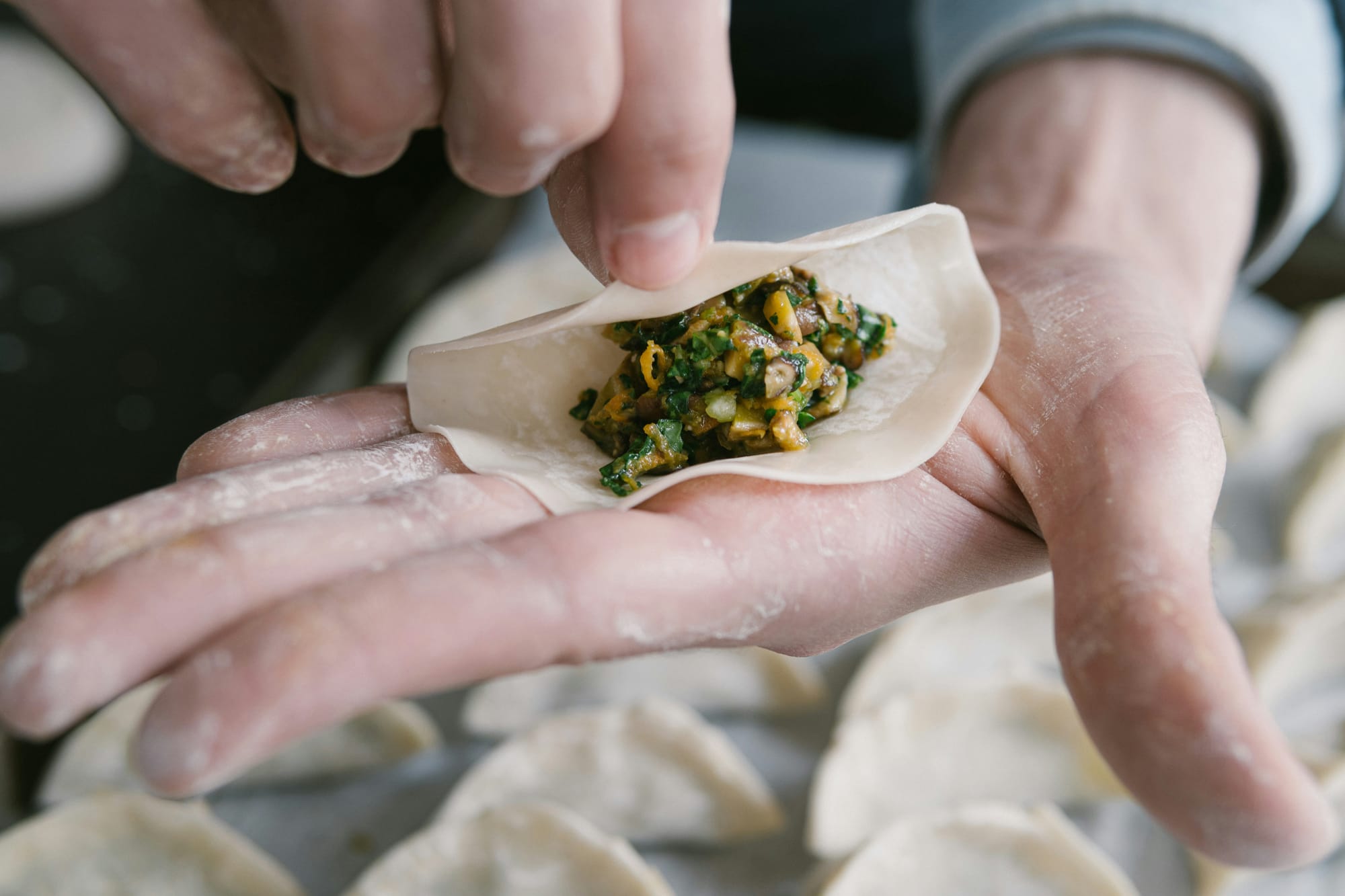
This mentality changed when I moved away from my parents, all the way across the globe to the other side of the world. My role shifted from dumpling consumer to dumpling maker. When the weather turned cold and New Year’s approached, I would sometimes think about making dumplings on a whim. That was when I realized I had never been taught how to make the wrappers or how to properly mix the perfect filling. At home I was always the outsider, waiting to be served, or the occasional helper who folded a few wrappers when I was bored.
In the beginning, I went to the Chinese supermarket to buy premade wrappers, and I had to use water to seal them because they were so dry they wouldn’t stick. Time also moved differently once I became the one making them. I went from sitting on the couch watching TV and hearing my parents yell “fifteen minutes until the dumplings are done” to standing at the counter mixing fillings and folding dozens of dumplings while hours passed and my back started to hurt. In moments like that, I wished I could go back to being the little brat who complained about eating too many dumplings too often.
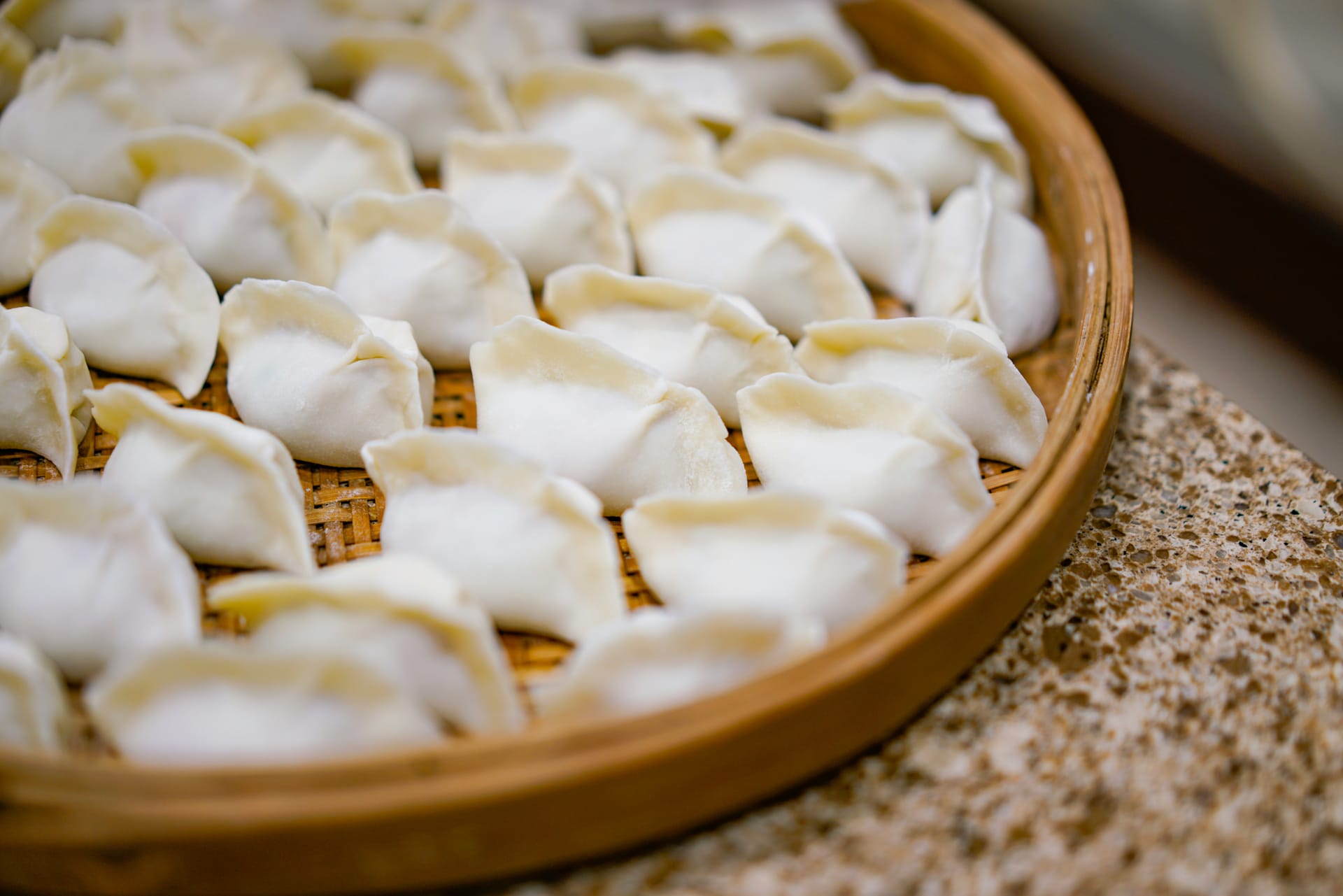
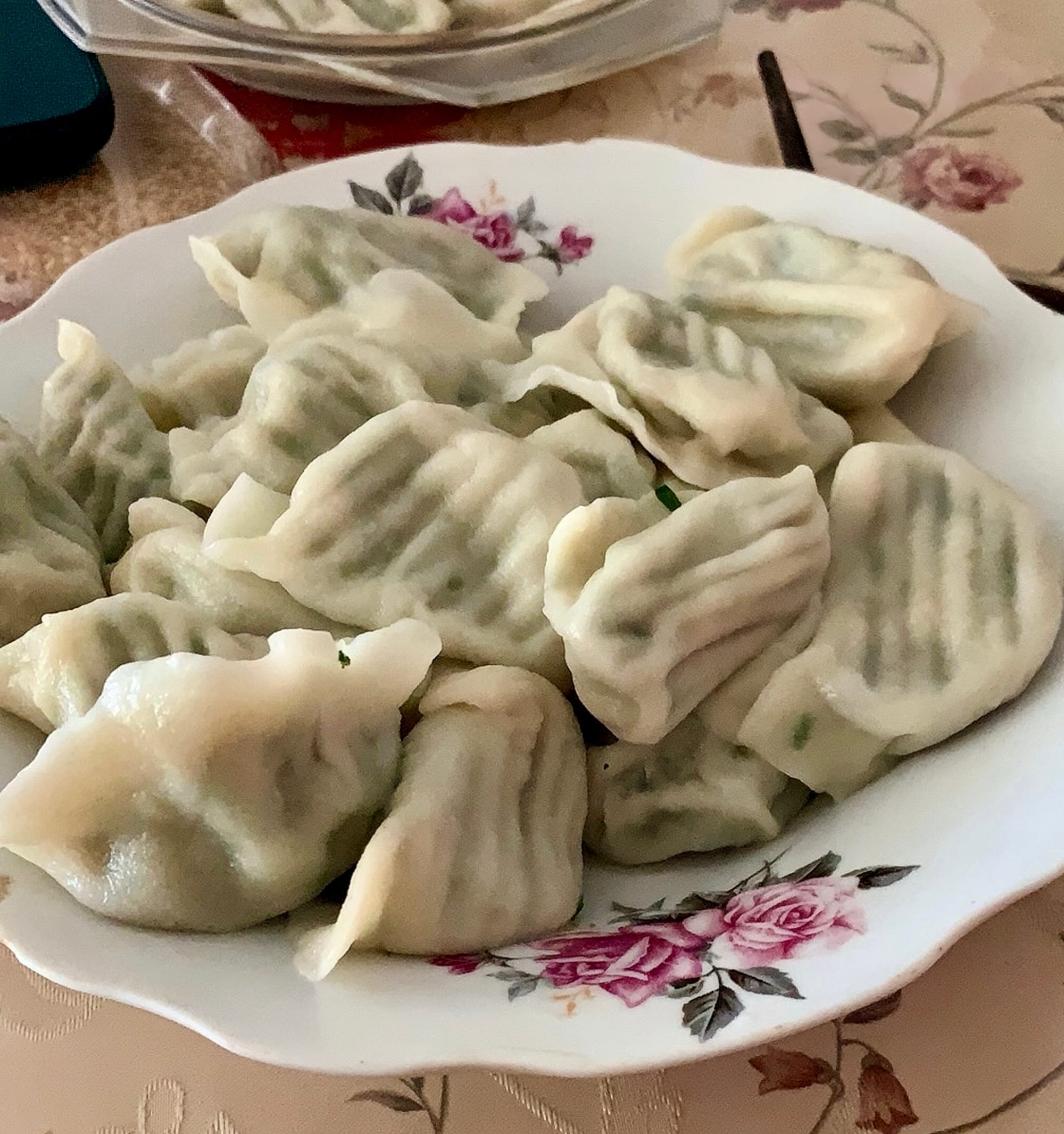
When I went through the photos on my phone to see if I had ever taken pictures of my parents’ dumplings, I found one tucked among all the other dumplings I have eaten over the years. They are not as smooth as the ones you get in a store or restaurant. The bottoms are rippled, almost as if they were shaped that way on purpose. I stared at the picture for a second, confused, until I remembered how my parents put shaped dumplings on a round tray made with bamboo sticks lining up one by one, and they used old cabbage leaves underneath the dumplings when they steam them, just to keep them from sticking to the trays. My dad always eats the steamed cabbage leaves because they turn soft and tender, and because he hates wasting anything. It is a virtue of his, and a battle of mine for as long as I can remember. He refuses to throw out anything, even the steamed cabbage leaves. He simply can’t let go.

A Tianjin, China native - Chloe has a deep appreciation for all things hotpot. Her appreciation of food and culture runs so deep that after a successful corporate career, she decided to uproot her life in China to attend Le Cordon Bleu Ottawa and Madrid. After working in the culinary industry in Canada, she decided to found Snout & Seek!
No spam, no sharing to third party. Only you and me.
Member discussion