The Demise of Home Cooking in China
A place with an oven is a place to be.
In April 2020, we bought our first chest freezer in Ottawa, driven by the fear of food shortages at the beginning of the pandemic. Instead of waiting in long grocery store lines for overpriced meat that was often sold out, we started buying in bulk from a local butcher. Ground beef, chicken breast, and stewing beef quickly became staples in our freezer.
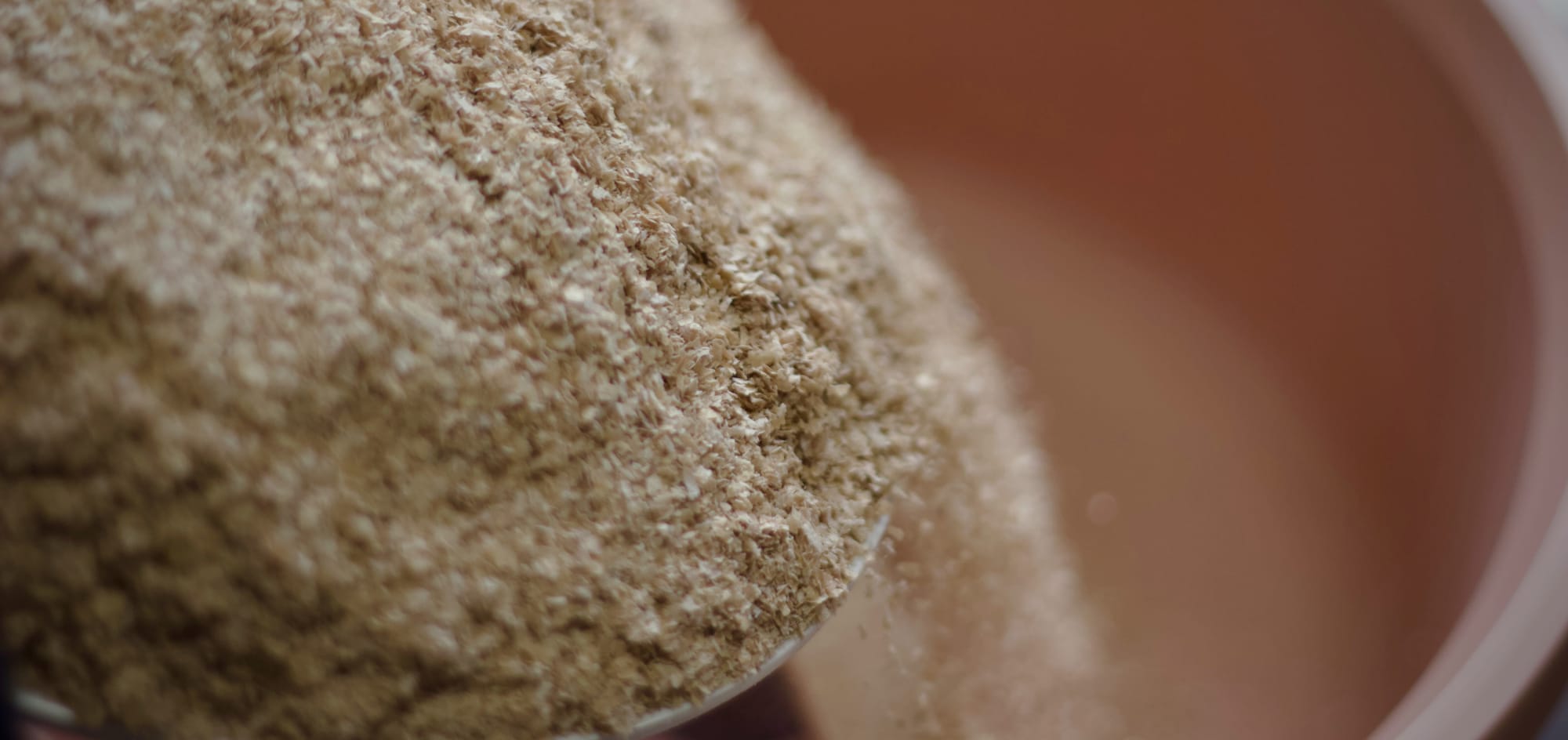
Later, we switched to Costco for beef tenderloin and short ribs, along with chicken legs and pork belly. Every haul felt deeply satisfying, not just because of the quantity, but because each cut pointed clearly to future meals we would cook in our kitchen. The freezer became a map of dinners yet to come.
In our apartment at the time, we cooked on an induction stove. It took some getting used to after growing up with gas stoves, but the oven was my favorite part. It was large and powerful, and it opened up a world of dishes I had never made before moving to Canada. Ovens are not widely used in China. When the oven light turned on, I knew that soon something I had planned and worked on would come out golden and crisp...most of the time at least.
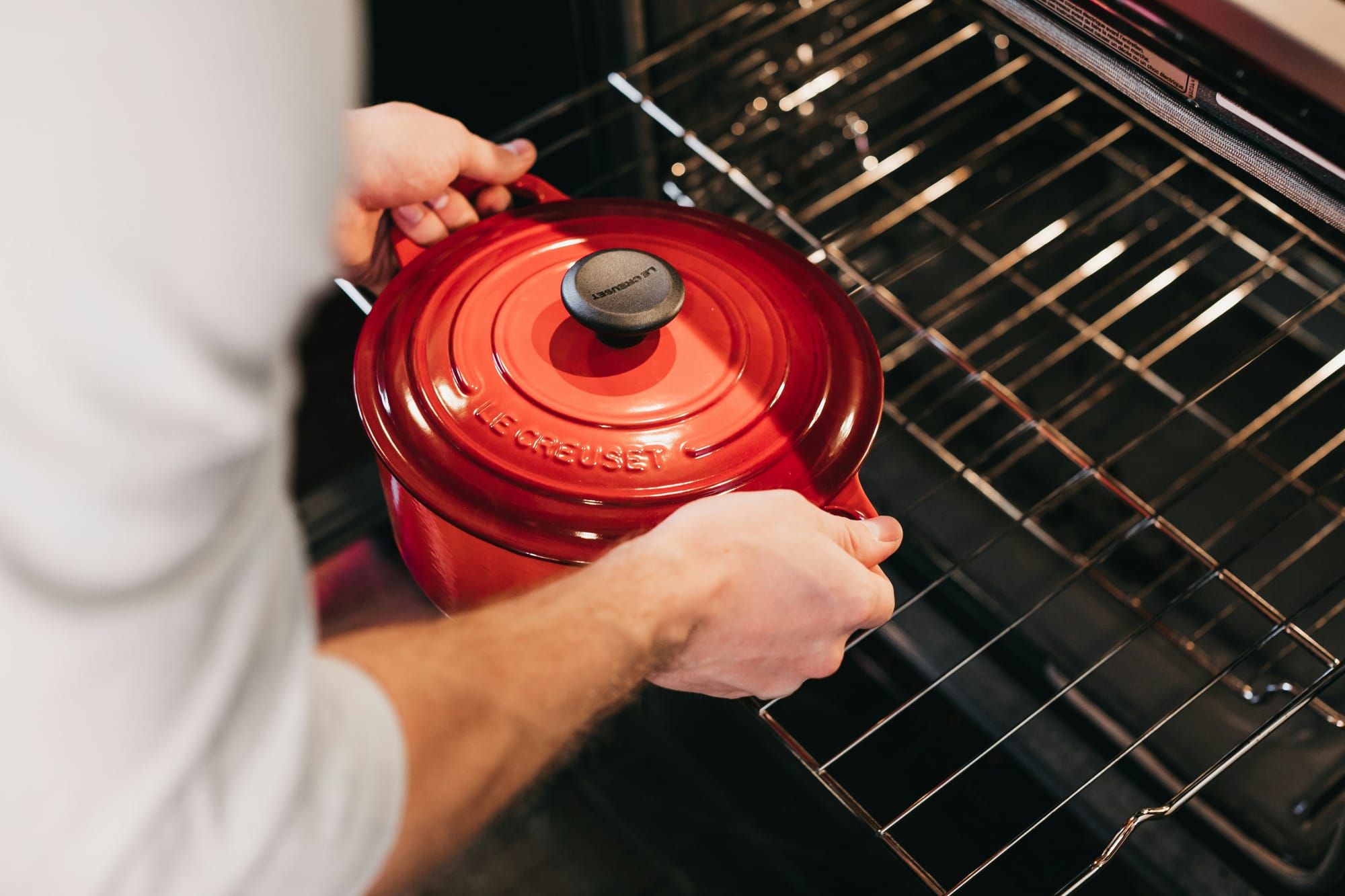
I made roasted chicken, beef Wellington, mac and cheese, key lime pie, burnt Basque cheesecake, and more batches of bagels than I can count. I practiced all the exam dishes from Le Cordon Bleu. We also reheated countless slices of pizza and endless leftovers. Anything we put in the oven carried the same conviction: Given enough time and heat, it would turn out right (not literally, of course). Delivery platforms like DoorDash and Uber Eats existed, but we rarely used them. The options were limited and expensive, and more importantly, we were perfectly capable of cooking for ourselves.
Scrolling and clicking is the life.
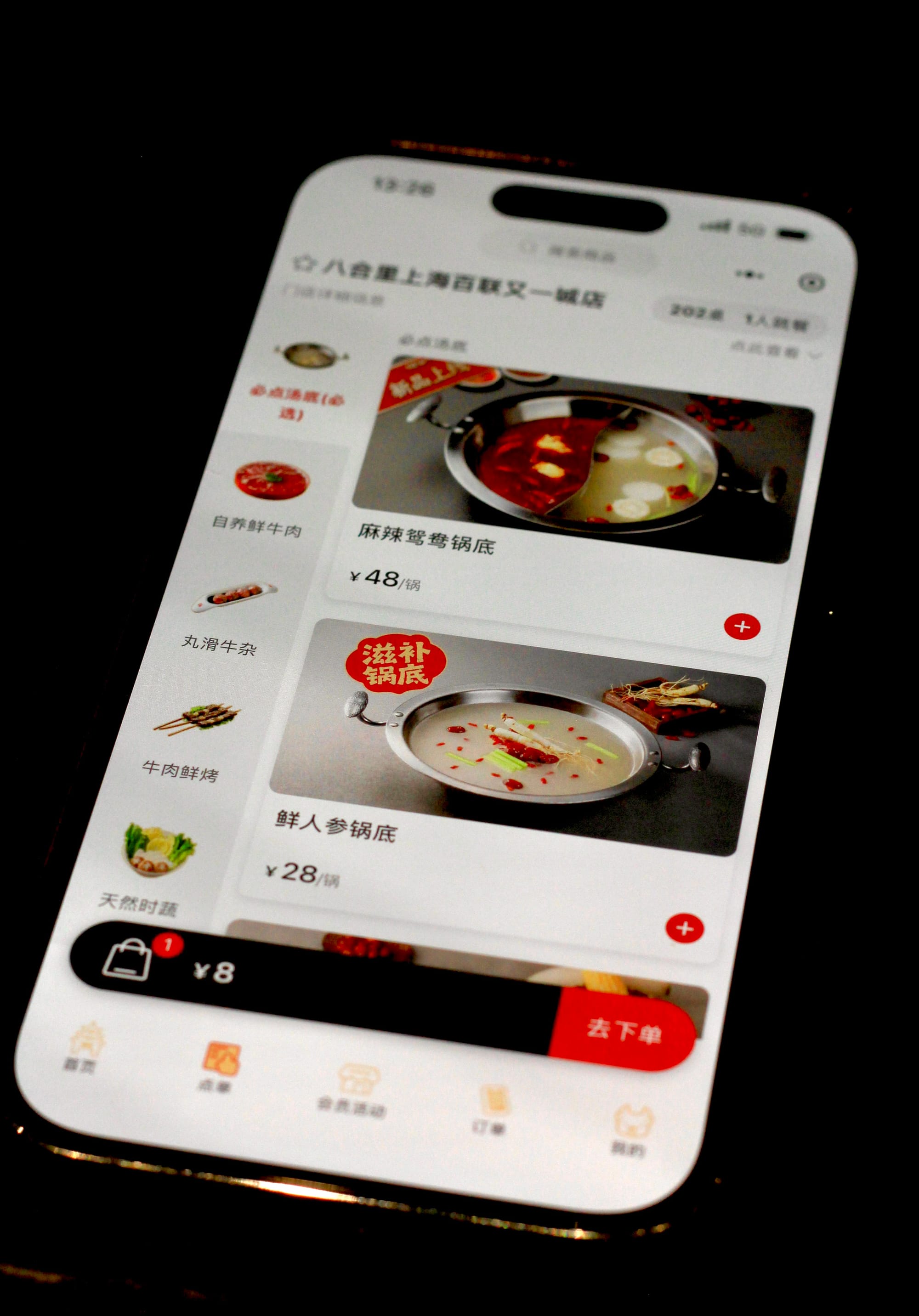
Things began to shift when we decided to move back to China. One of the biggest surprises during apartment hunting in Shanghai was how small the kitchens were. In newly renovated one-bedroom apartments, minimal kitchen space felt almost guaranteed. When I asked about larger kitchens, our real estate agent replied,
“Why do you need more space? Young people don’t cook anymore. They work around the clock and rely on waimai (food delivery services). They don’t have time to cook, and they don’t need to.”
It was not that young people in China no longer knew how to cook, but that the conditions that once made cooking necessary had quietly disappeared.
I didn’t budge. Cooking has always been part of my life and a major source of comfort. My husband says it is my love-language. It took us some time but finally we found one in the location we preferred and a price range we could cope with, we moved into a ground floor apartment with a kitchen of my own, literally. It cannot accommodate more than one person at a time.
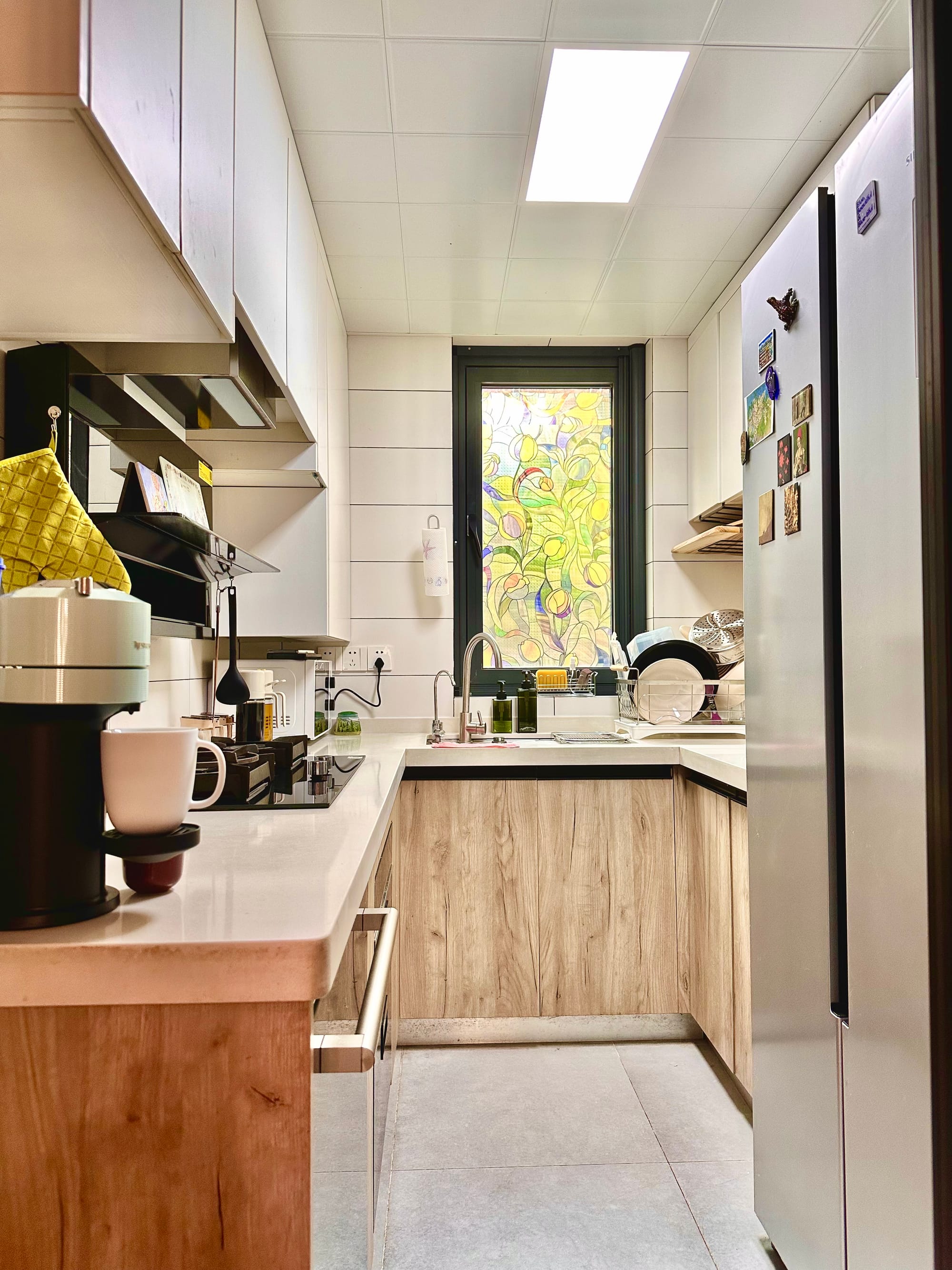
Yes, it is barely more than a hallway. The metal appliance under the stove is not an oven, but a dishwasher we have never used. Beneath it sits another popular fixture in Chinese homes, a dish sanitizer designed to kill bacteria on plates, bowls, and chopsticks. It makes perfect sense in theory and almost none in practice. For the past year, my small oven has been sitting on the floor of our dining room, occasionally moved onto the table when we have no guests. Its presence there is a constant reminder that my cooking environment is no longer what it once was.
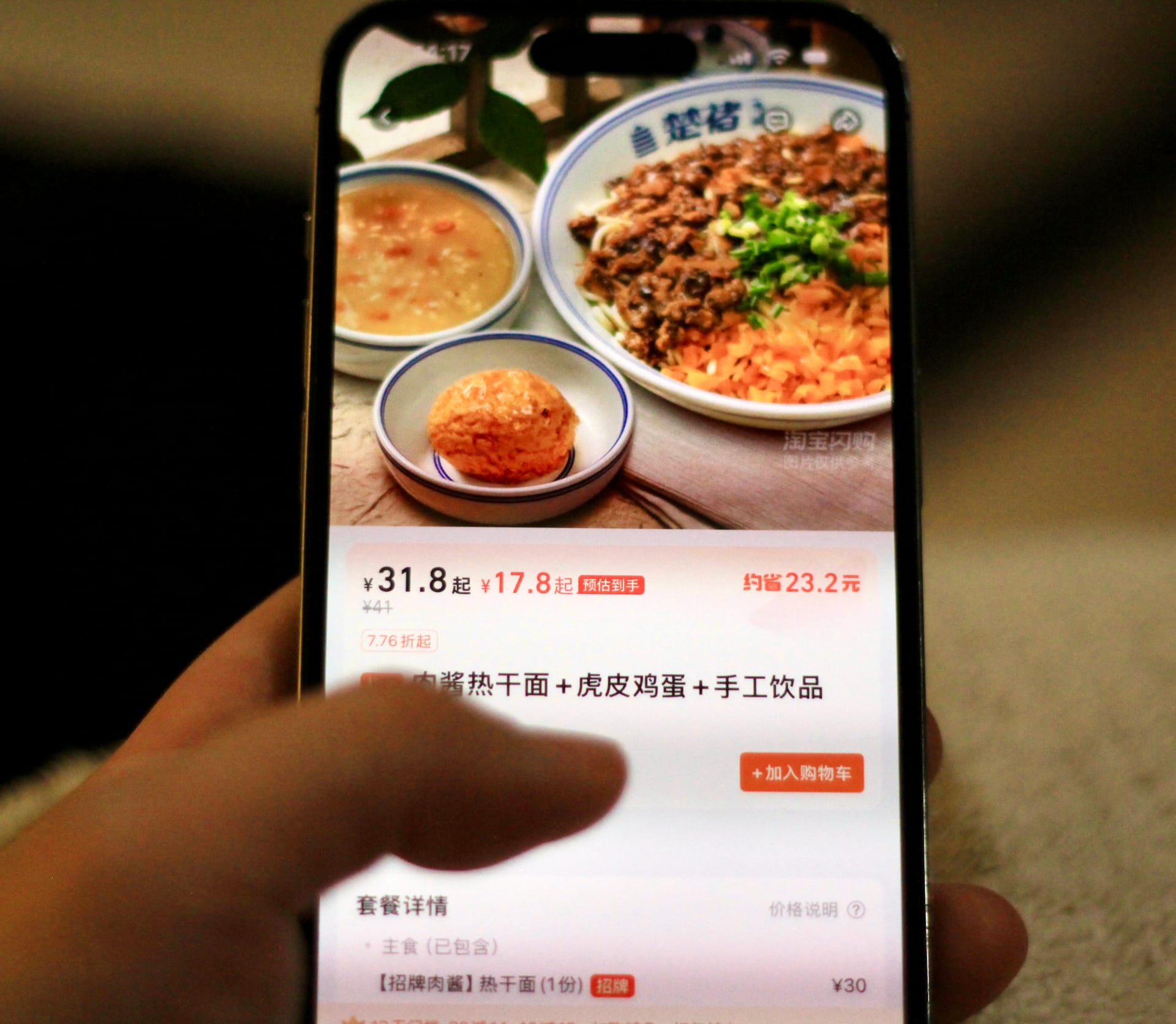
One of the perks of living in one of China’s most modern cities is the sheer abundance of ingredients and cooking resources. Convenience stores and grocery platforms are everywhere, and competition between Costco and Sam’s Club is fierce in a city with such high purchasing power. If I realize at seven in the morning that I am missing an ingredient for breakfast, I can open my phone, place an order on any number of apps, and within thirty minutes everything I need arrives at my door.
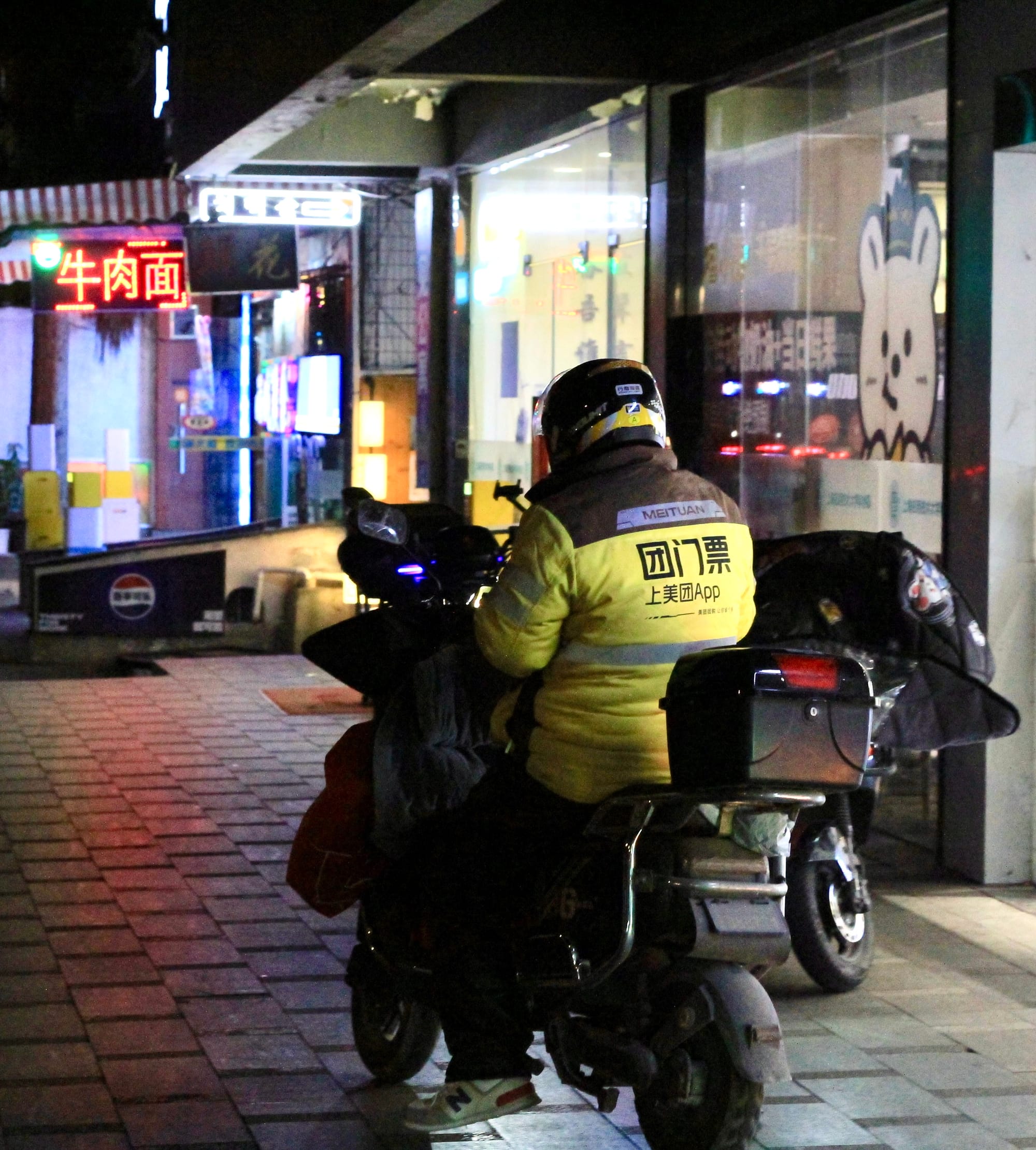
It makes life undeniably easier. I no longer need to plan days ahead, write grocery lists, or travel across the city in snowy winter to buy in bulk alongside hundreds of others. All it takes is a few swipes to compare prices, place an order, and return to whatever I was doing until the doorbell rings with bags of food neatly packed and delivered.
Cooking is not a necessity, but a leisure.
With the timely arrival of delivery services, ingredients are not the only thing that can show up on your doorstep within 30 minutes. Food delivery services have been developing rapidly since around 2016, and almost a decade later they have become one of the largest consumer markets in the world. In 2024, China’s online food delivery market was worth over 1.6 trillion yuan (about $229 billion USD) and is projected to continue growing in the coming years. It is at a scale that makes it the largest food delivery market globally. At the same time, the number of online food delivery users in China has surpassed 550 million people, meaning that roughly half of all internet users regularly rely on delivery platforms for meals.
Speed alone does not explain the dominance of food delivery. Variety does. Platforms offer more cuisines in a single screen than most home kitchens could produce in a month. The food arrives hot, portioned, and predictably decent. For many new restaurants, joining delivery platforms is no longer optional but foundational, often the first step after opening their doors. When professionally cooked meals are cheaper, faster, and more diverse than what most people can reasonably make after work, the question is no longer why people order food, but how is home cooking expected to survive?
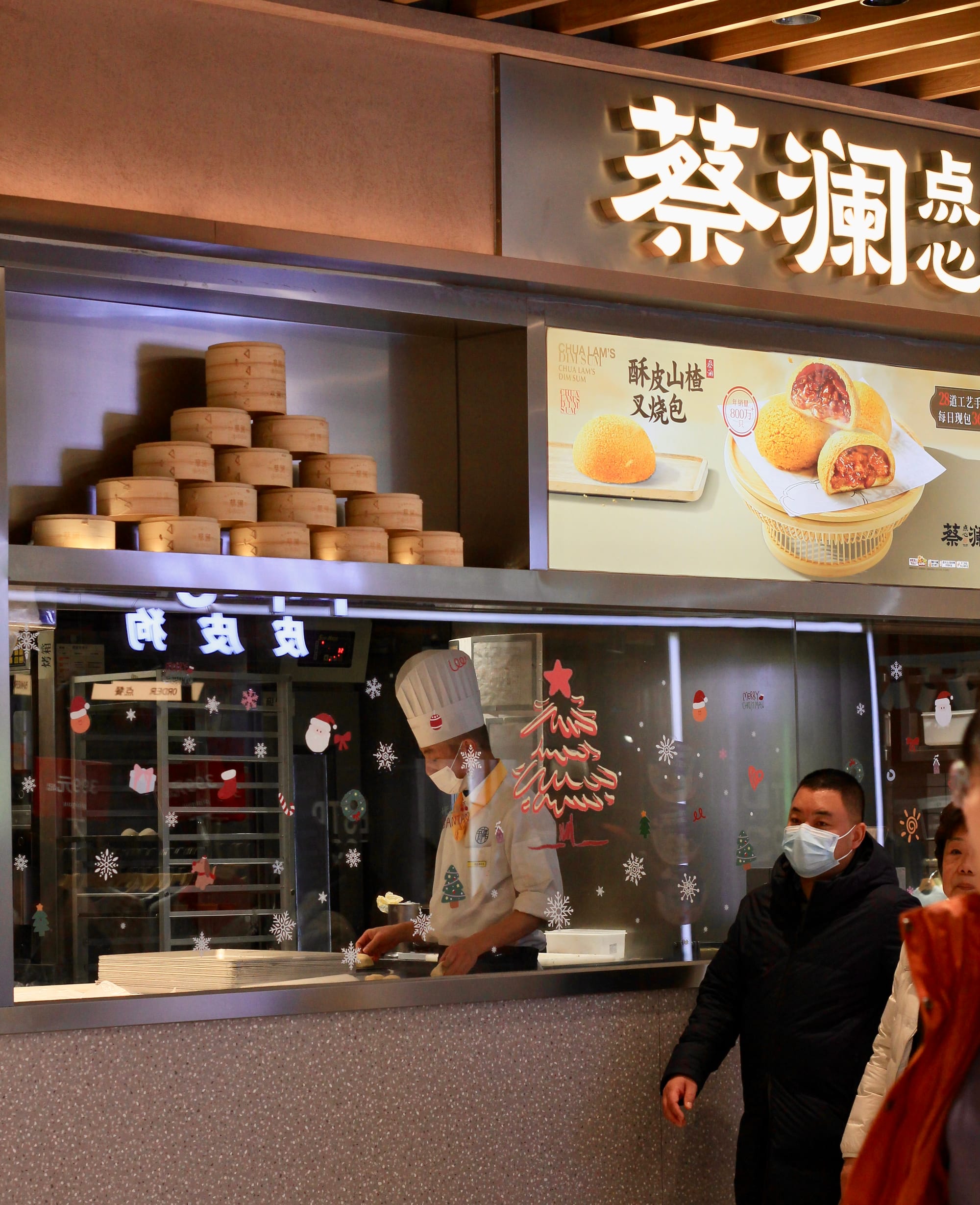
When you walk through major cities like Beijing and Shanghai, restaurants appear almost everywhere. Some are hole-in-the-wall stalls, others polished and high-end, but regardless of price or cuisine, dining out has been made remarkably straightforward. You enter a hotpot restaurant, scan the QR code at the table once you are seated, and order without waiting for a server. Payment, customization, and reordering are all handled with your fingers.
I sometimes complain that restaurants in Shanghai feel overpriced for what they offer, that too much of their budget goes into making the space photogenic rather than making the food truly delicious and memorable. Yet these places clearly serve a purpose for a large portion of the younger population, providing ready-made backdrops for sharing life online. If that is not what you are looking for, it is easy to escape to second-tier cities like Chengdu or Xi’an, where authentic and delicious food is both widely available and affordable.
In either case, the result is the same. You can eat well without planning ahead, without stocking a fridge, and without facing the fatigue of cooking and washing dishes. When good food is plentiful, accessible, and inexpensive outside the home, cooking shifts from a necessity to an optional effort, even a hobby, for some people.
This shift is reflected in the kind of cooking content that thrives online. Among China’s many food influencers, a popular genre focuses on teaching people how to cook at home with minimal steps and preparation. The goal is no longer to master elaborate or technically demanding dishes, but to make simple food taste better through shortcuts, tricks, and optimization hacks. Cooking tutorials increasingly emphasize speed, efficiency, and small improvements rather than culinary depth.
One viral Douyin (read: TikTok) video featured a man who claimed to have found the perfect timing for boiling an egg: nine minutes and twelve seconds. The comment section quickly crowned him “the Egg God.” The joke landed because it felt true. Cooking, for many, has become less about immersion or routine, and more about extracting the best possible result from the least amount of time and effort.
There are also other talks surrounding health concerns from ordering food or dining outside. Traditional Chinese food relies heavily on oil, sodium and condiments to enhance the flavour. When more and more people are increasingly health conscientious, cooking at home seems like a good solution. But then again, the smart businesses that promote healthy diets are already sprouting to fill the gap. If you search “gym diet” on Meituan (a popular app for food delivery), the options are endless. Branded for gym bros, health gurus, and still photogenic and portion- and ingredient-controlled, who would bother preparing their own meals?
Right now, I am convinced the kitchen space I wanted was simply allocated to those restaurants instead. So when I stand in my narrow kitchen, I try to comfort myself with the a feeling that good food should always be nearby. That is exactly how it feels living with an oven on the floor.

A Tianjin, China native - Chloe has a deep appreciation for all things hotpot. Her appreciation of food and culture runs so deep that after a successful corporate career, she decided to uproot her life in China to attend Le Cordon Bleu Ottawa and Madrid. After working in the culinary industry in Canada, she decided to found Snout & Seek!
No spam, no sharing to third party. Only you and me.



Member discussion