Spring and Summer Markets in Liangshan

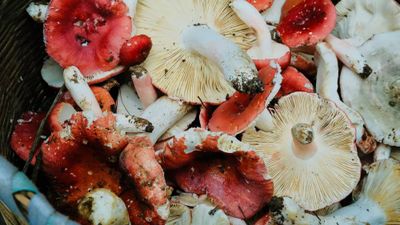
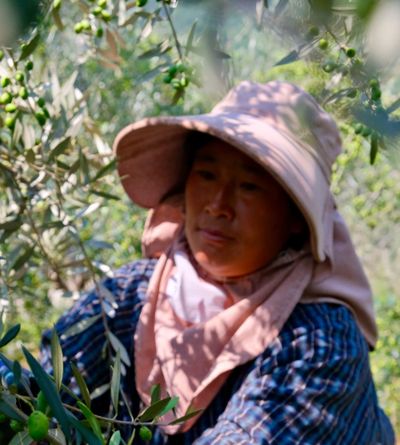
As April approaches and the rainy season nears, the first batch of wild greens begins to appear in the markets. In Mianning County, women from nearby villages head into the mountains before dawn, carrying baskets on their backs, then take the early bus into town to sell what they’ve gathered. Wild plants form an important part of the local diet. For generations, the Yi, Han, Tibetan, and other communities living here have relied on the mountains, developing deep knowledge of wild vegetables, fruits, mushrooms, and medicinal herbs.
In the market, the most common wild greens we saw were freshly harvested ferns. Some people take them home for cold dishes or quick stir-fries. Another plant, known locally as jijiecai, is popular for hotpot during this season. “There will be more varieties later,” one vendor told us.
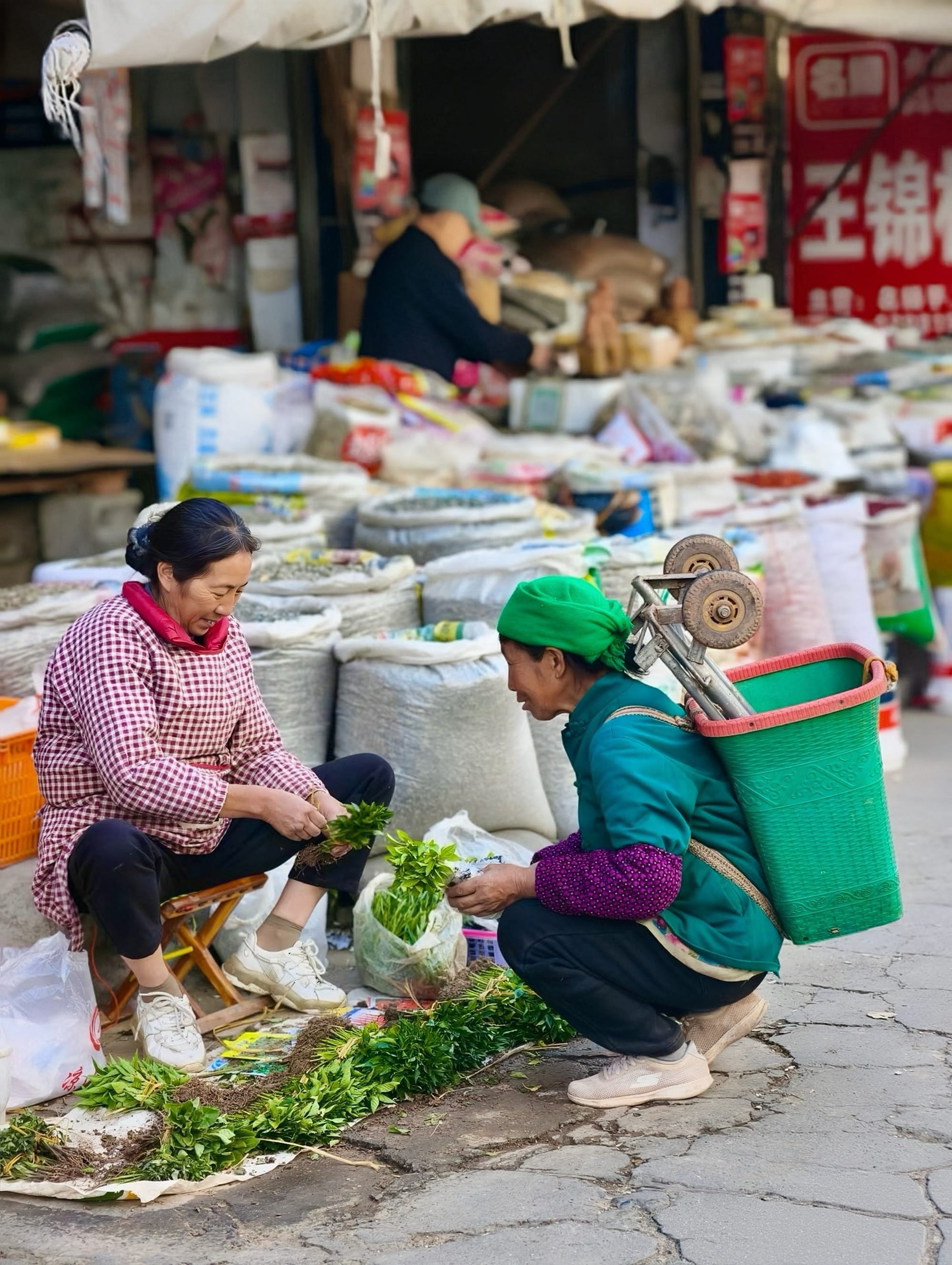
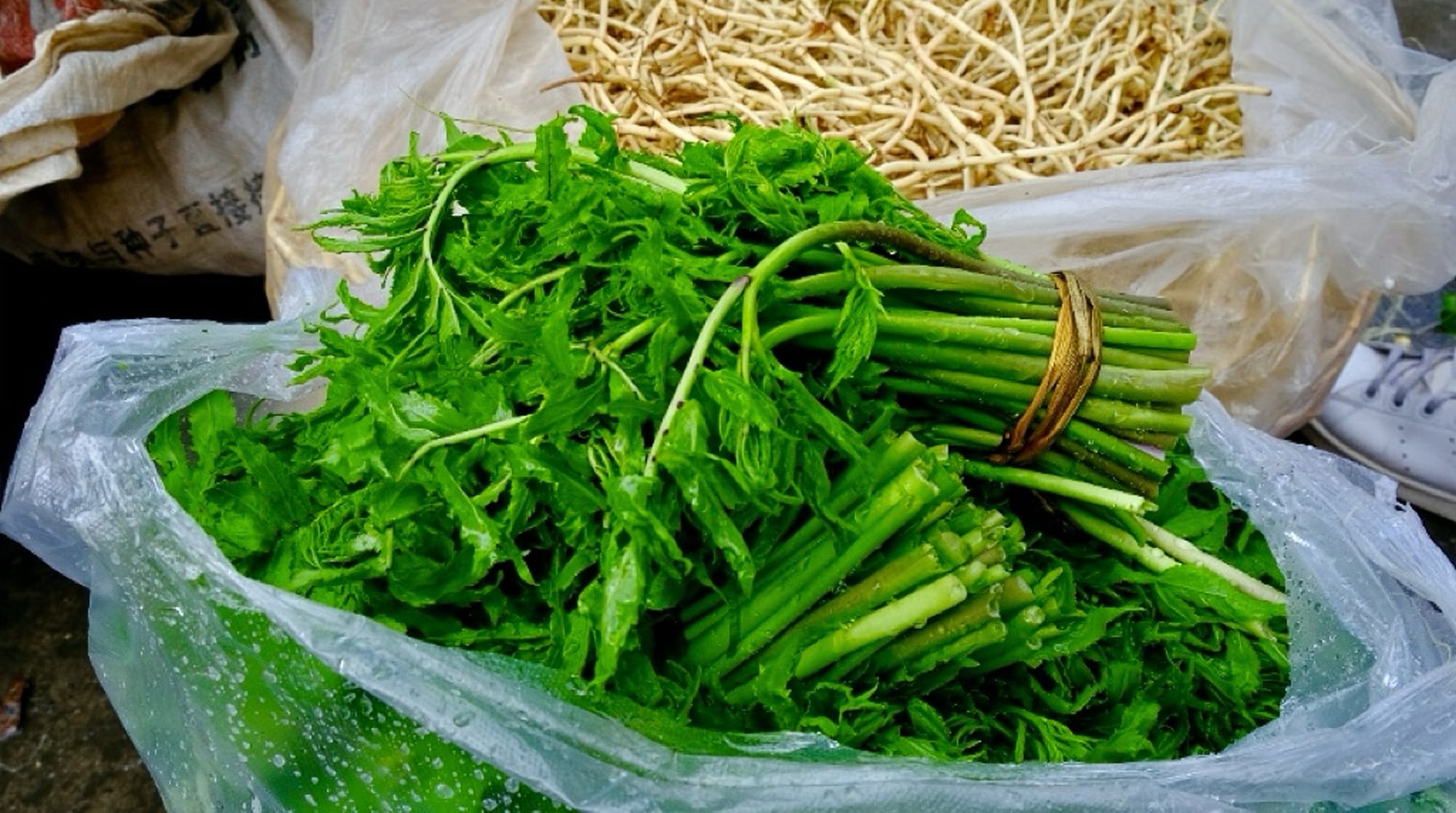
First: Locals in Mianning market, picking out fresh plants for the day. Credit: RED xuelangdawang | Second: Jijiecai - local wild green used for hotpot.
The Liangshan region lies within the Hengduan Mountains, an area known for its complex geological history and diverse ecosystems. It is considered one of China’s centers of plant origin and evolution. Mianning, located between the Anning River valley and mid-mountain regions, combines plateau and subtropical climates. Its wide elevation range and varied terrain create layered microclimates, supporting rich biodiversity.
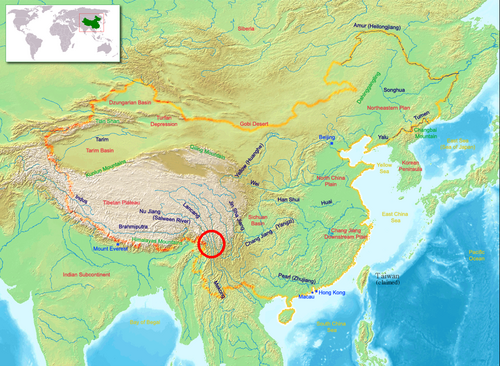
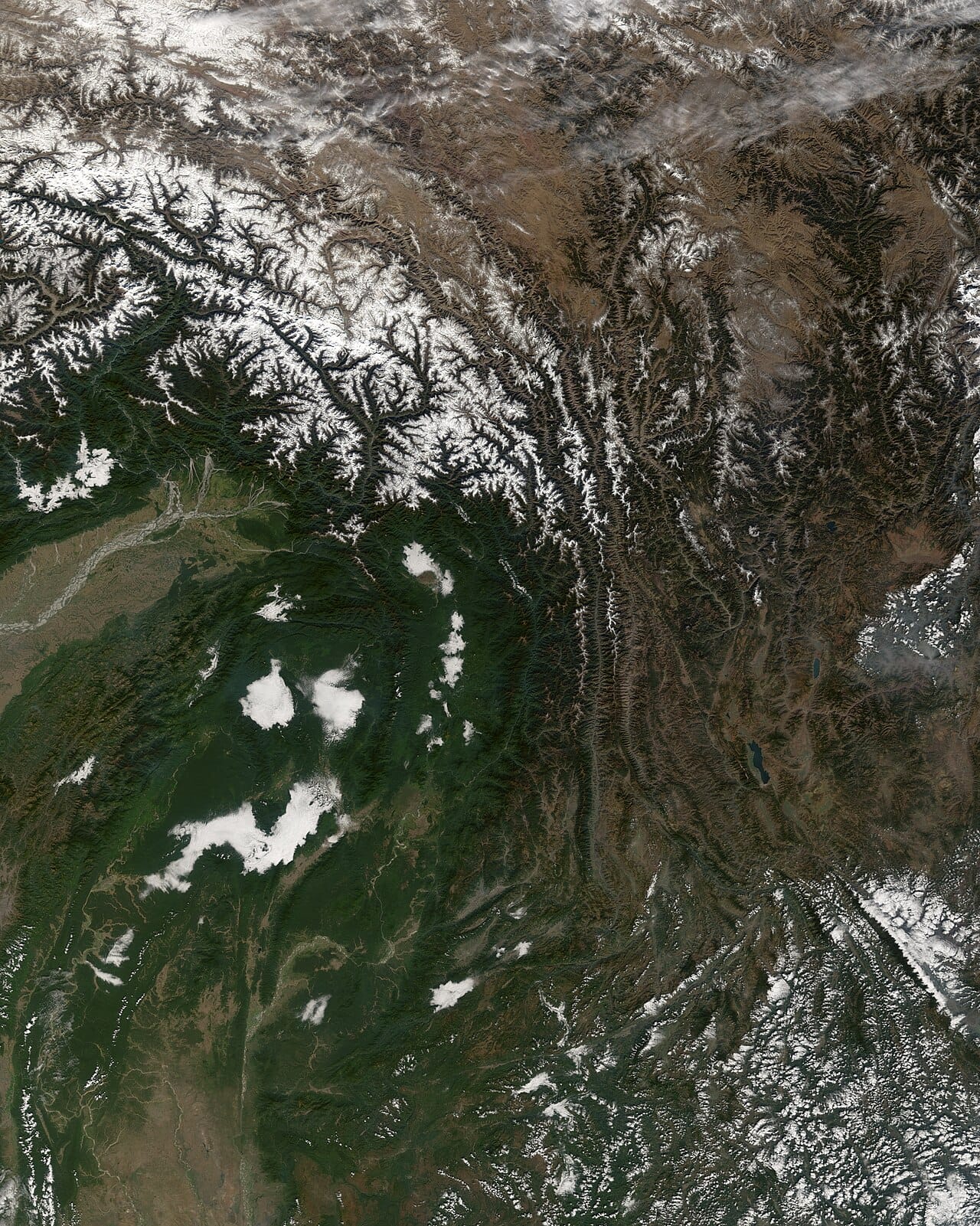
First: Hengduan Mountains circled in the map. Credit: ChinaGeography | Second: Satellite view of the Hengduan Mountains, Credit: NASA image created by Jesse Allen
Wild greens in Mianning are available from April through November. From May to October, wild mushrooms are also at their peak. According to botanical surveys, local food culture draws from 110 species of wild plants across 45 families and 91 genera. These include staple crops, wild vegetables, fruits, seasoning plants, fermentation materials, medicinal-edible plants, and herbs used as tea substitutes.
Subscribe to continue reading