Shilong Village: Sugarcane as Roof, Gift, and the Taste of New Year
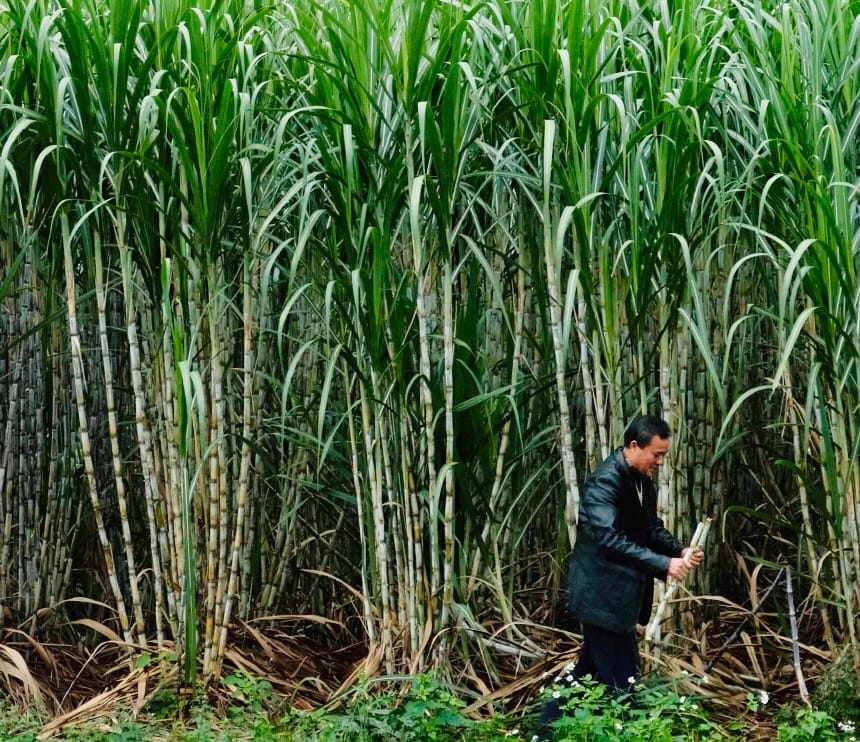
Hidden along the Li River in Yangshuo lies a vast sugarcane forest that feels almost like a tropical rainforest. The village it nourishes, Shilong Village, carries a long history of sugarcane cultivation. Here, natural sweetness is woven into architecture, food traditions, and seasonal celebrations, giving rise to a way of life shaped by both environment and inherited wisdom.
Entering the Sugarcane Forest
In November, we left Yangshuo County and followed Provincial Road 305 southeast along the Li River. After traveling through a stretch of winding karst peaks, vast sugarcane fields gradually revealed themselves between the mountains. Before stepping into the fields, a refreshing, gentle fragrance drifted through the air. The towering sugarcane, nearly four meters tall, rose in dense rows that completely enclosed our view. Walking through them felt like entering a tropical rainforest, a humbling reminder of nature’s vitality and beauty.
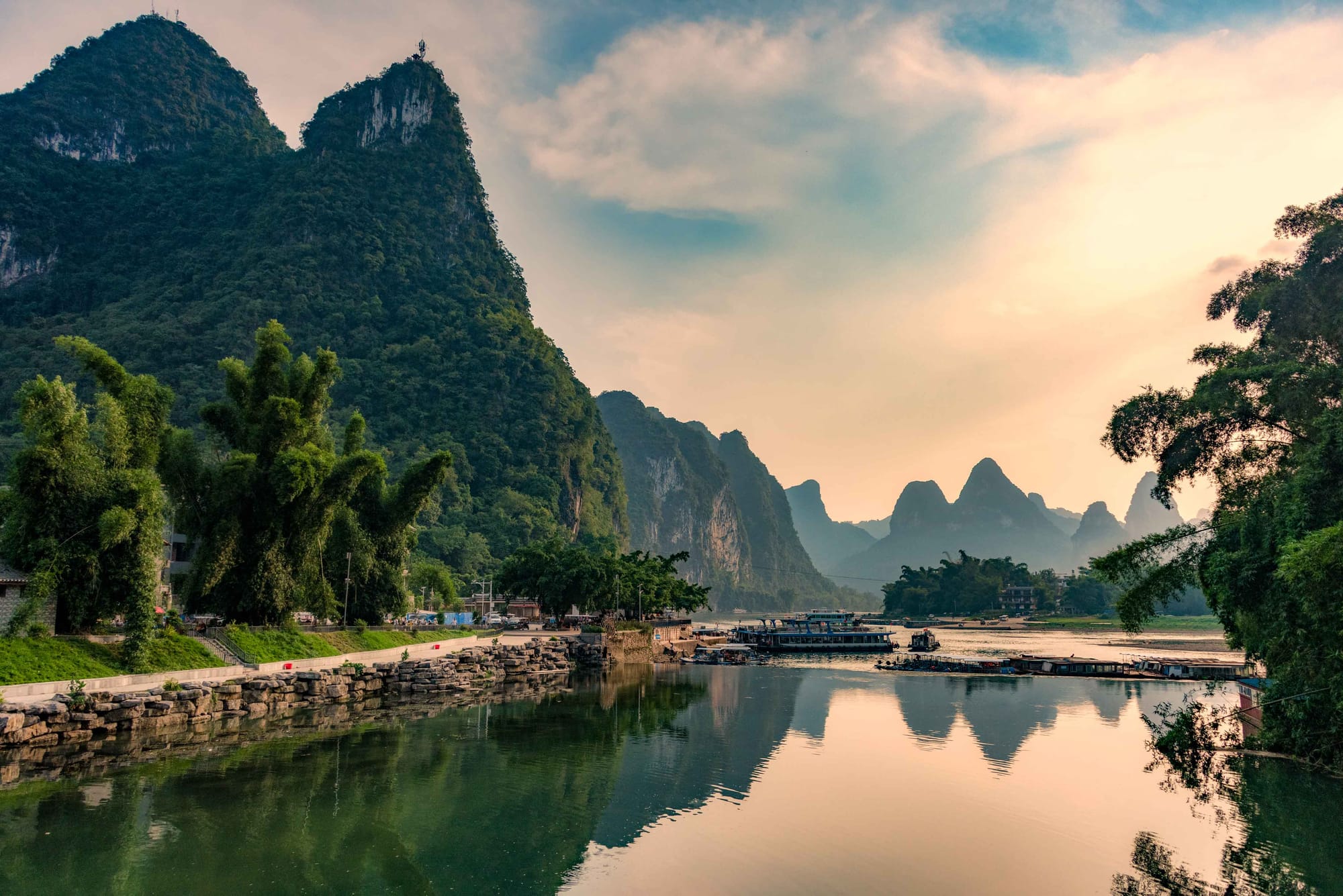
Our destination was Shilong Village in Laowu, Fuli Town, located beside the Mashui River, a tributary at the source of the Li River. Historical records trace Fuli Town back more than 1,300 years. It was once called “Fuli Market,” named after the lychee groves that once filled the region, with homes hidden among the trees. With waterways connecting upstream to Guilin and downstream to Wuzhou, Fuli became Yangshuo’s largest continuous sugarcane growing region. During the commune era, each village operated its own sugar workshop. Today, Fuli remains home to Yangshuo’s largest privately owned sugar refinery, Qiaoci Sugar Workshop.
Subscribe to continue reading