Hunting for Truffles in Yunnan
Hunting is an ancient language for conversing with nature. It teaches people to read the traces left by the wind, to understand the expressions of mountains, and to take only what is needed with restraint, gratitude, and a sense of shared existence.
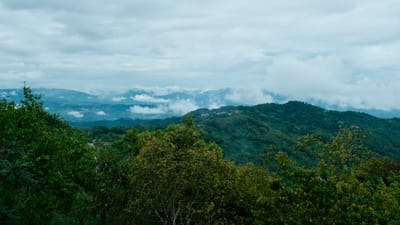
Tracing the river upstream, Gongshan is the final stretch of land in Yunnan carved by the Nujiang River. The mountains here rise sharply, the valleys drop suddenly, and two great rivers of the Nujiang and the Dulongjiang, cut north to south between three towering ranges. The entire county lies squeezed between the Biluo Snow Mountains and the Gaoligong Mountains, at the crossroads of Tibet, Myanmar, and Yunnan.
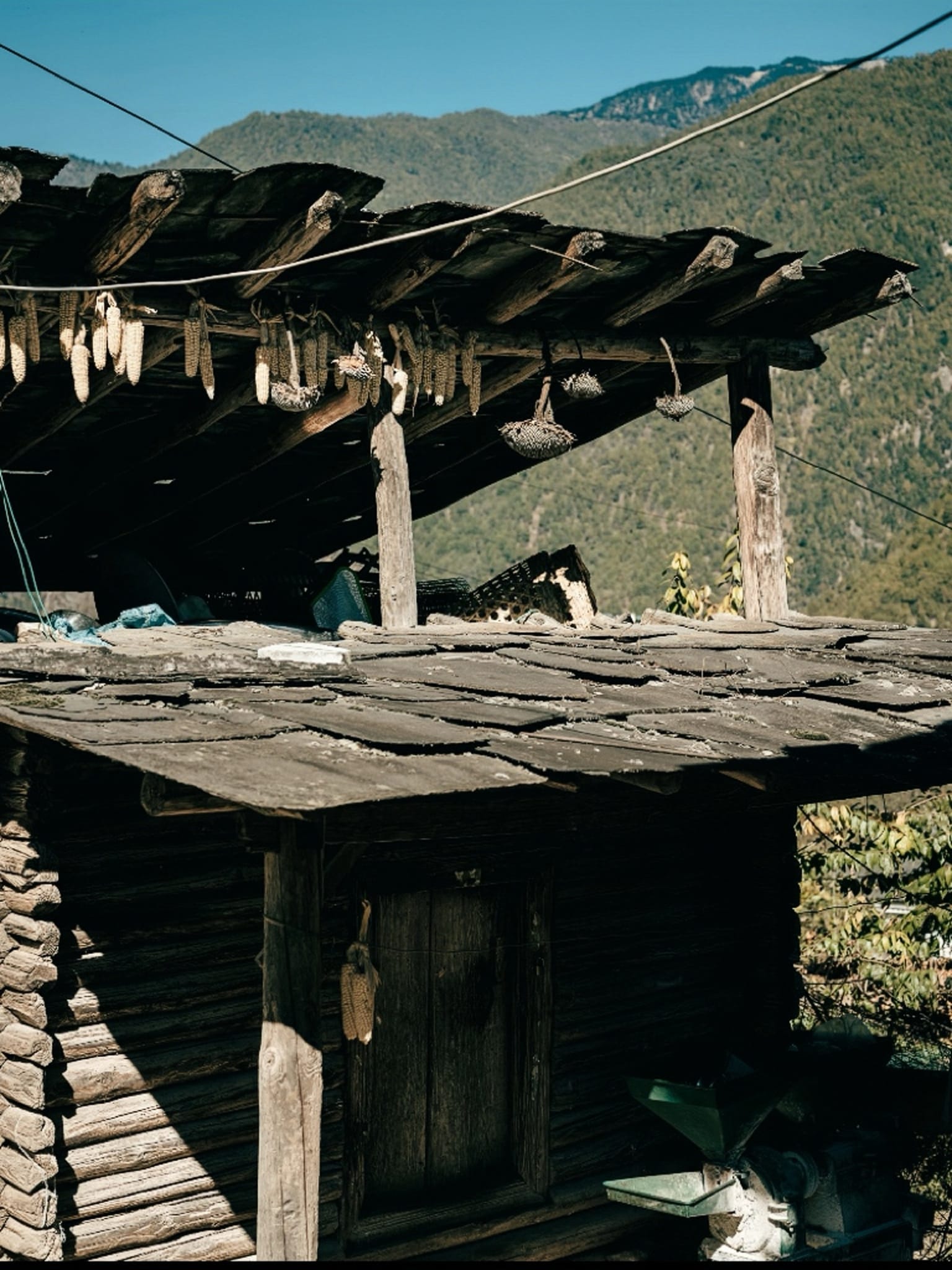

A traditional timber house and the Nu River running through the gorge. Credit: Left: 腿毛哥Quiliano
For generations, the Lisu, Nu, and Derung peoples have lived along these steep mountainsides. Arable land is scarce, the alpine climate is harsh, and life depends entirely on coexistence with the mountains. Forests, shrubs, meadows — locals can identify every wildflower, herb, and berry. Plants shape every part of life: clothing, food, shelter, tools, and medicine. And from plants to animals, these three ethnic groups have developed rich “seeking and hunting” knowledge that sustains their way of life.
To “hunt” is always to enter a space of negotiation and uncertainty. Gongshan, more than 3,000 kilometers from Shanghai, lies at a historical crossroads where ethnic migrations were frequent, and border peoples traded and exchanged knowledge. In these vast, rugged mountains, survival has long depended on an intimate understanding of weather, soil, plants, wind, and the many beings that inhabit the land. People learned to read the mountain’s countless subtle signs, treating its creatures as partners in a shared world.
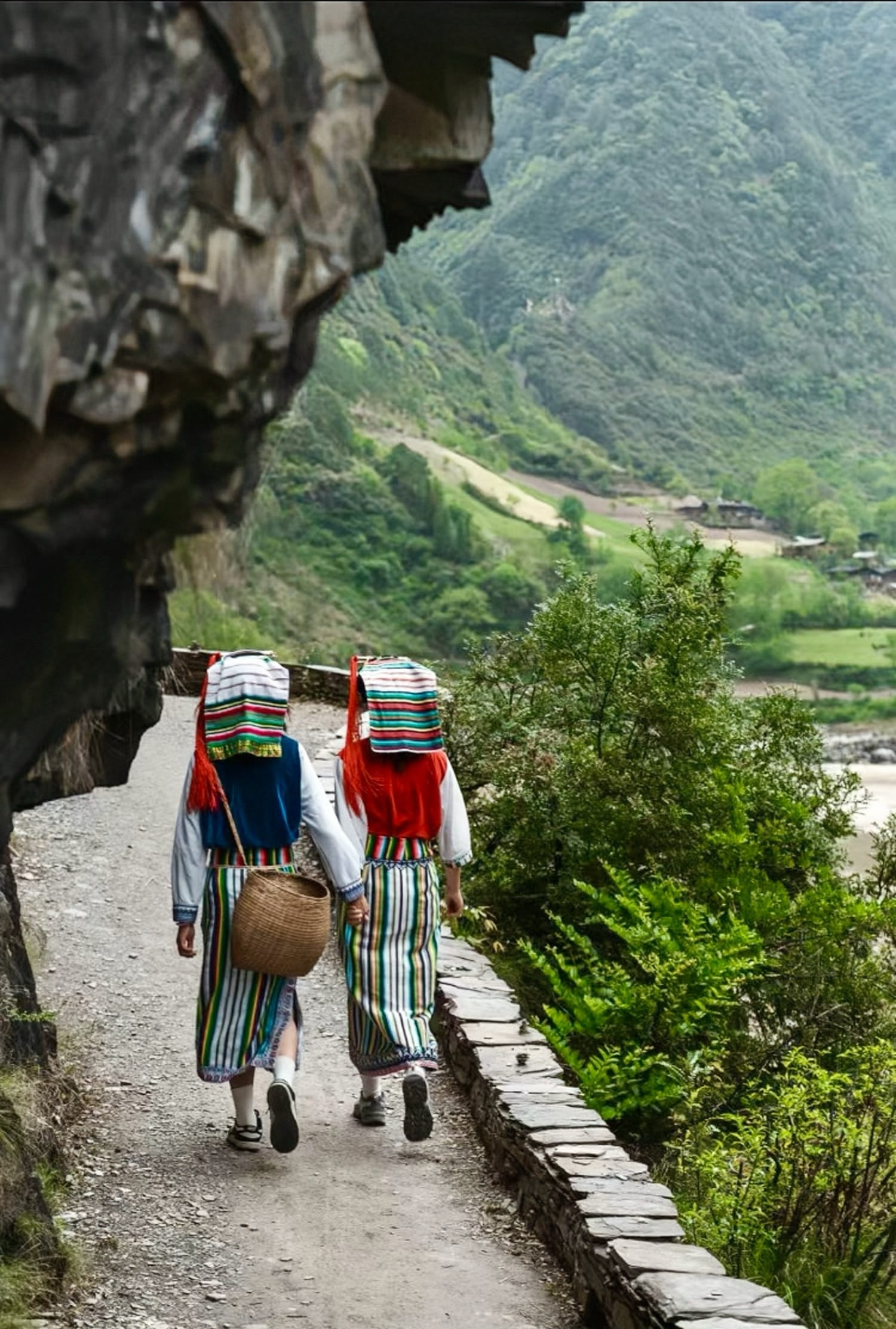
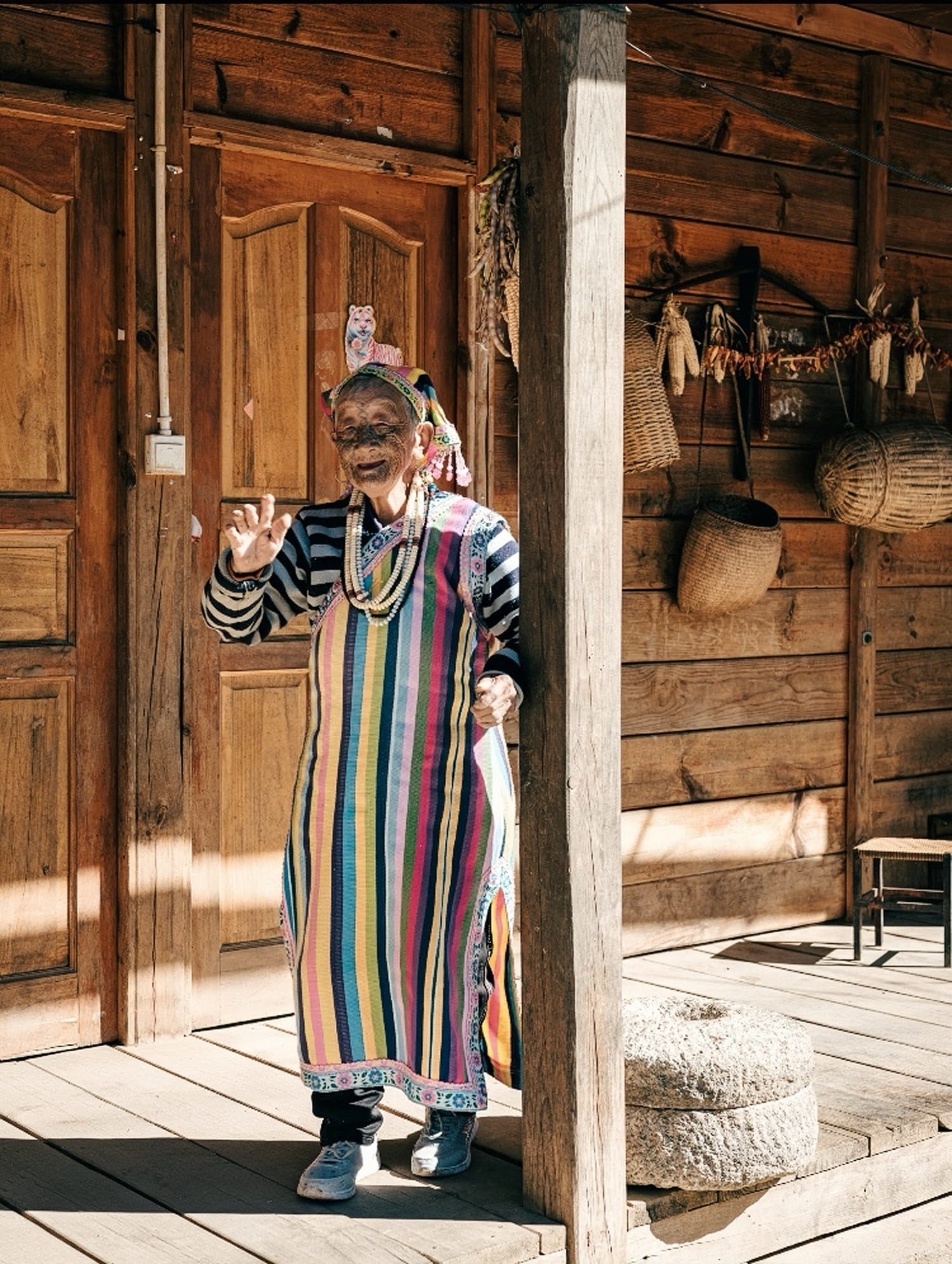
Nu woman. Right: Derung woman. Both groups are transborder ethnicities whose clothing traditions influence one another. The rainbow-colored handwoven textiles seen here serve as both garments and blankets. Their weaving technique is the traditional “back-strap loom.” Credit: Left: No kid cool; right: 腿毛哥Quiliano.
Humanity has never stopped confronting uncertainty. For the peoples of the Nujiang valley, “seeking and hunting” is the most concrete expression of this relationship. Around hunting emerged rituals, worship traditions, songs, and tools crafted directly from the materials of the mountains. Yet hunting here does not signify violence, fear, scarcity, or anxiety about the future. The Derung people, for example, have a rule: if a hunter strikes an animal directly in the heart, he must not kill it again — or the mountain spirit will punish him. When the Nu people collect honey or wild mushrooms, they always leave some behind so the ecosystem can regenerate. The Lisu observe seasonal cycles by reading the behaviors of birds and flowers, and each household maintains a small private plot. There is no tradition of preserving food through fermentation; hunting and gathering aim only to meet the needs of life, because the mountains are generous enough.
These small details reveal the precious human qualities embedded in everyday life: abundance, restraint, generosity, and a quiet, lyrical relationship with nature.
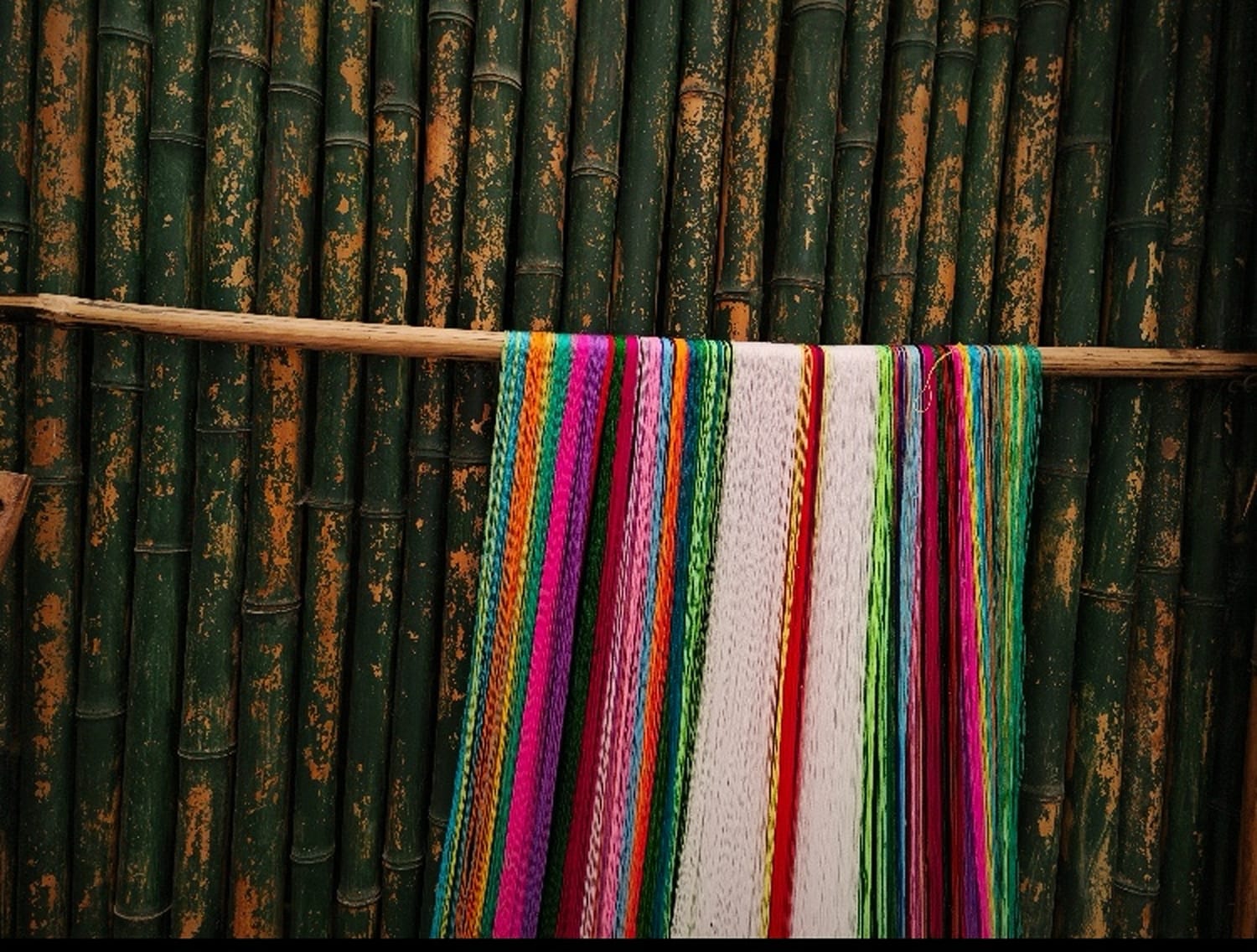
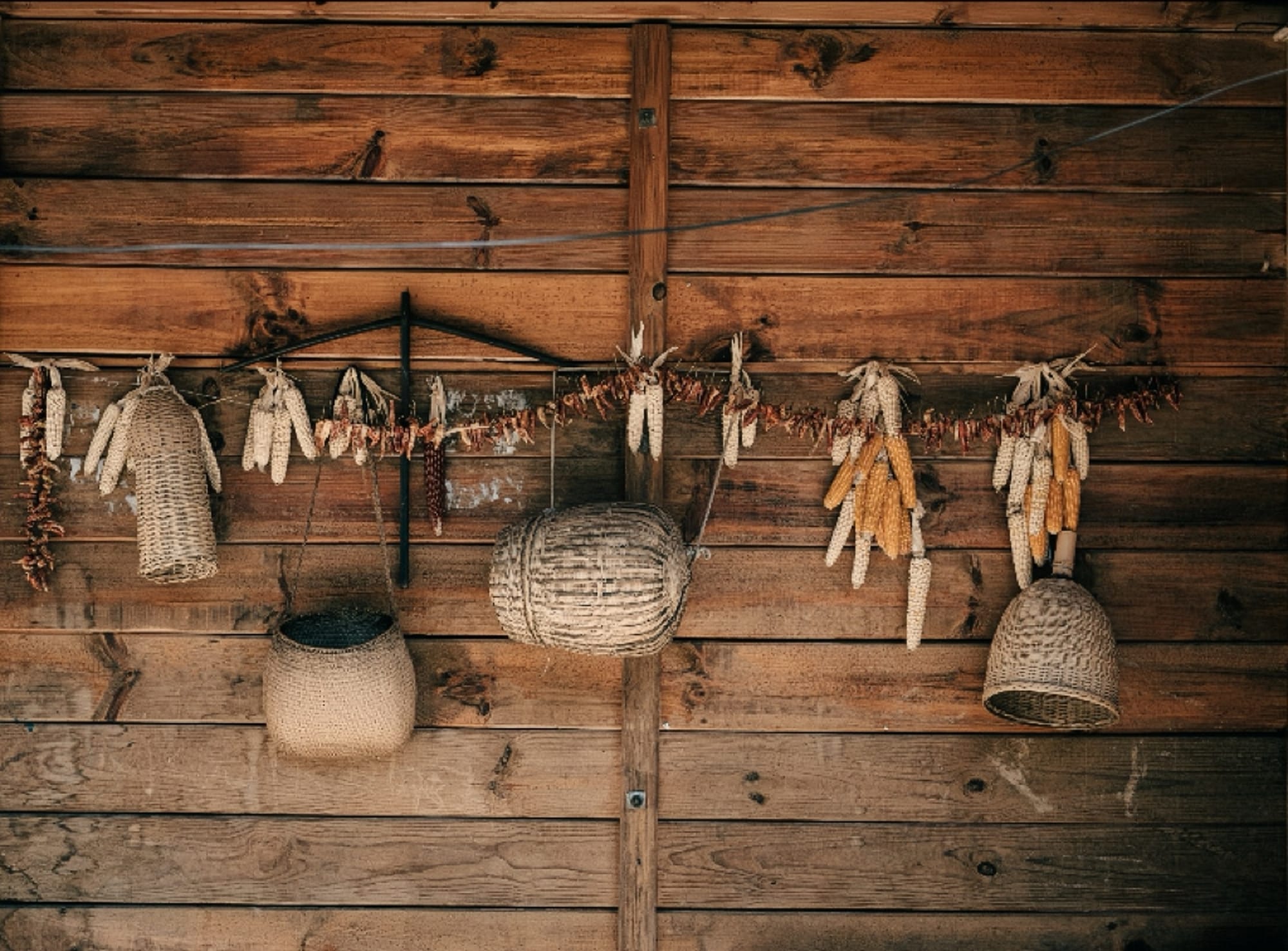
Derung homes and textile weaving. Top photo by @腿毛哥Quiliano; bottom by @cindy最爱抹茶冰淇淋.
Morels: Lisu
From late spring to early summer, around April and May, weather in Gongshan shifts rapidly between sun and rain. This is when morels begin to emerge beneath walnut trees, water oaks, and other forest canopies. Thanks to the ancient biodiversity of the Gaoligong Mountains, which have existed since deep geological time, morels, a species dating back to the Late Jurassic, continue to survive here.
In the Lisu flower-and-bird calendar, the morel harvest comes during the “month of birdsong.” Images of mushroom foraging appear frequently in Lisu ritual songs, symbolizing the mountain god’s blessings, much like pine forests, camellias, and alpine meadows.
For the Lisu, hunting and gathering have long been the foundation of life along the Nujiang. To express gratitude, apology, or comfort to the plants and animals they take from, their ancestors created sincere and elaborate rituals. These ceremonies ask the spirits to grant food, and also ask the souls of the animals and plants not to retaliate against the community.
Forests, churches (with the influence from westerners, many Lisu people are Christians), and fire pits are considered the three most important spaces in Lisu life. The abundance of nature flows into their delicate, poetic emotional world.
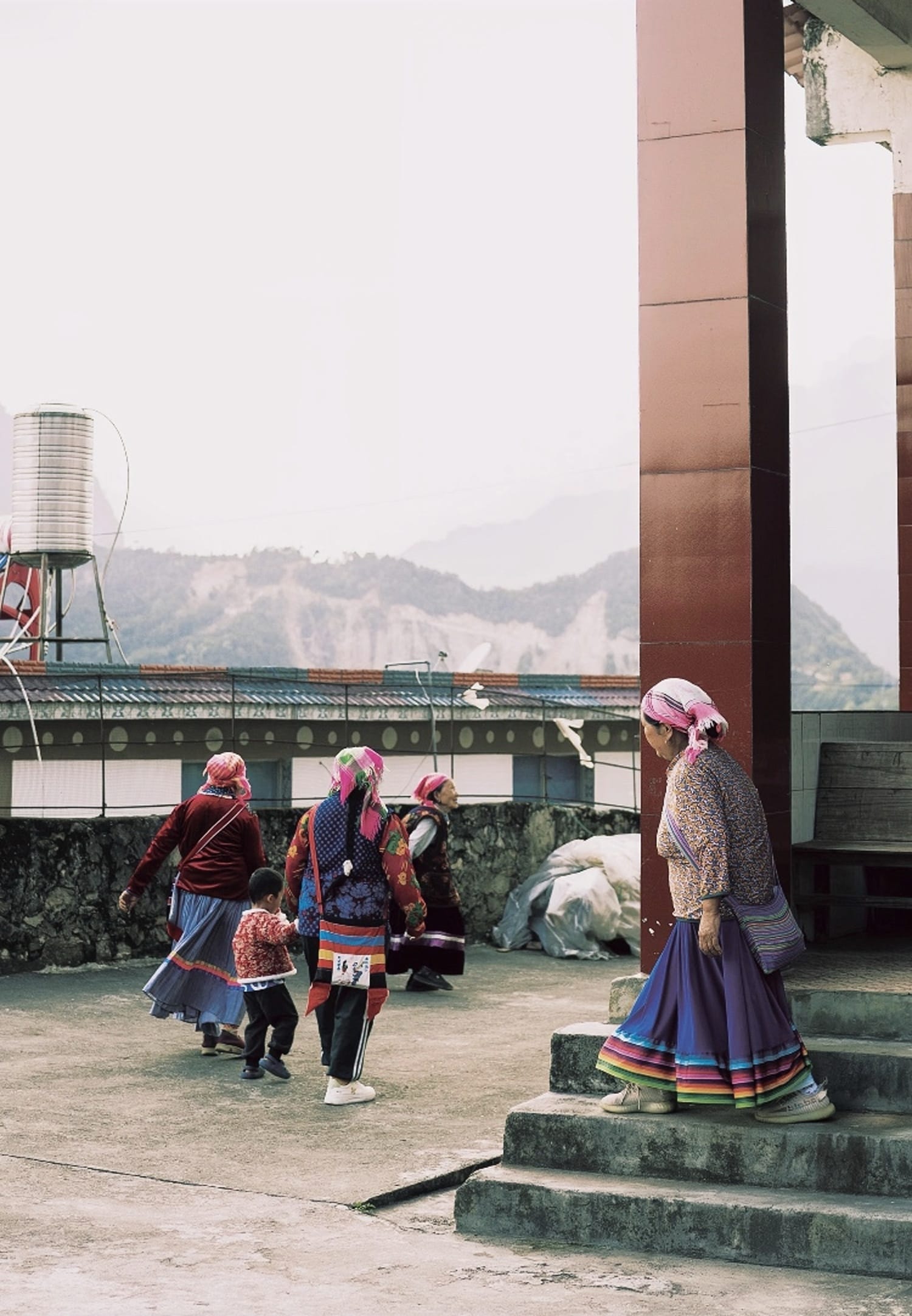
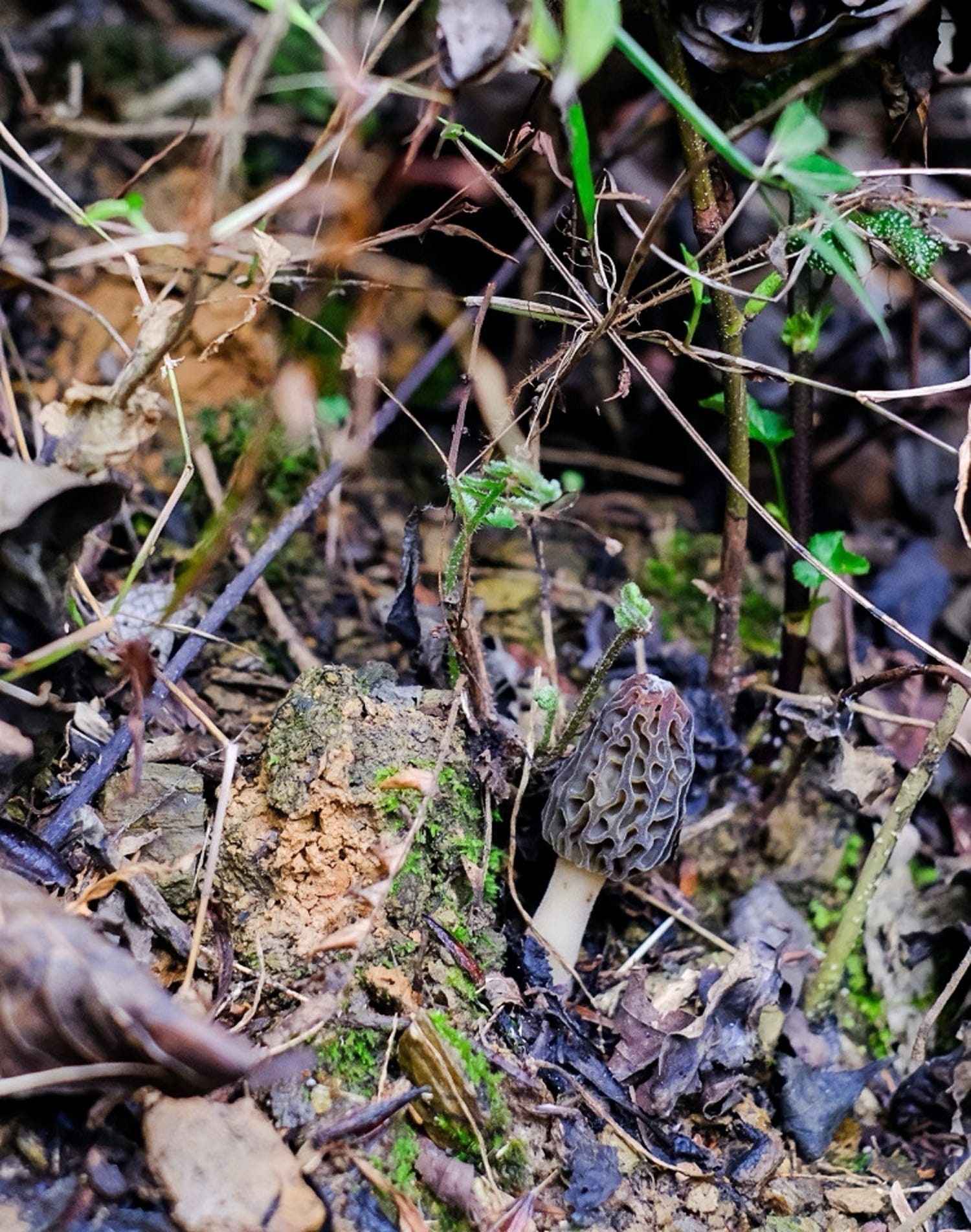
Lisu people and morels. Left photo by @Jiiiaaang.
Warm, simple, content with little, this is the spirit of the Lisu. Foraged morels are dried and saved for the New Year. When family members gather around the fire pit to cook chicken and morel soup, ancient toasting songs and hymns echo together. It is a moment both humble and deeply romantic.
Honey: Derung
Honey gathering is one of the most important traditional activities among the Derung people.
Their beekeeping practices reflect a relationship with the mountains that resembles friendship. This trust makes them gentle, openhearted, and generous. They are the people who seem to carry the temperament of vines and forests, because they understand the language of all living things.
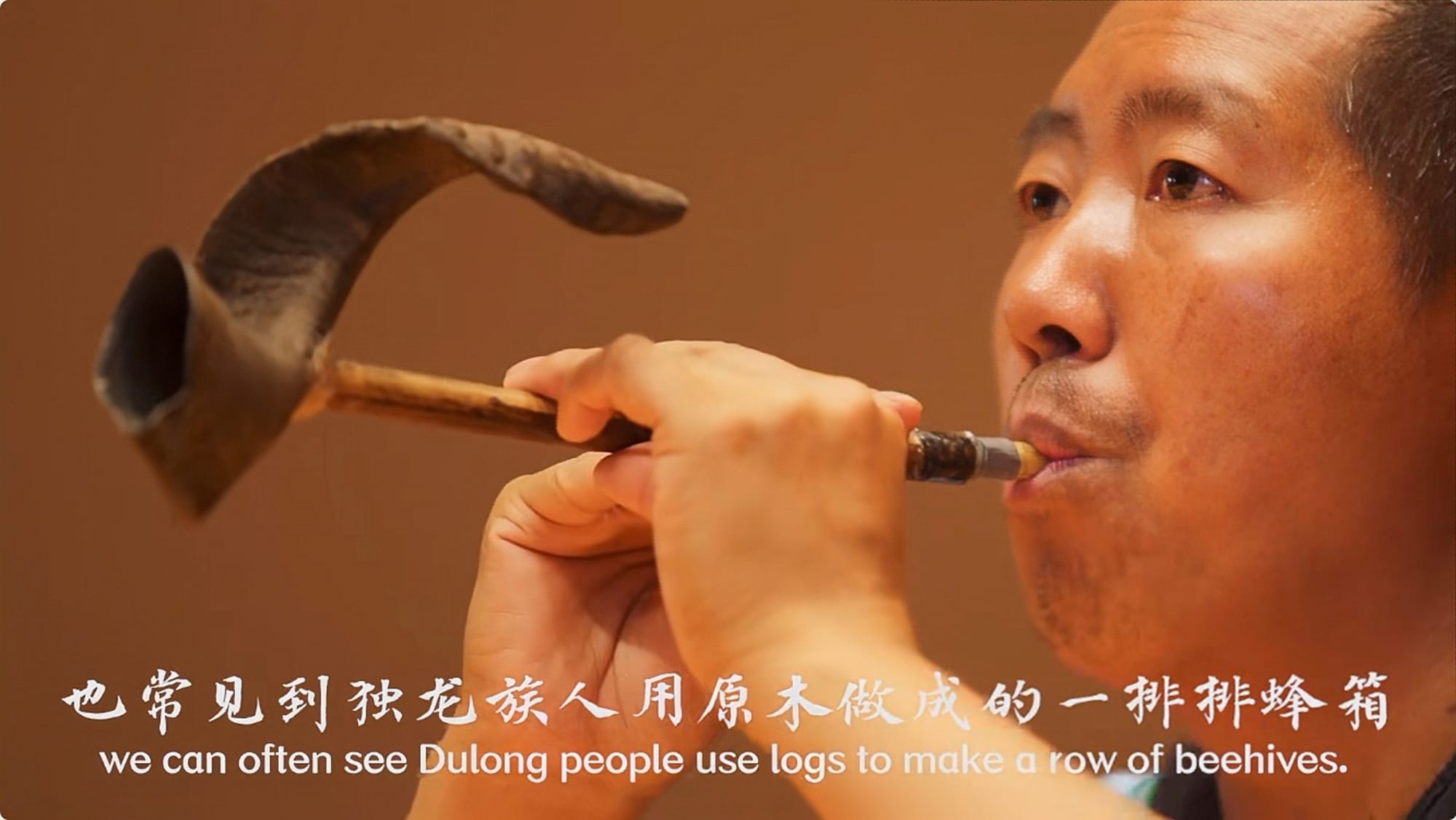
When they discover a hive, the Derung will only harvest honey if the larvae have already matured. If not, they leave it untouched. They never harm the bees. Smoke is used to gently disperse the swarm. Honey is cut with hands wrapped in palm bark, making sure not to break the honeycomb. Each time they harvest, they leave enough honey for the bees to survive the winter, ensuring that the hive will thrive the following year.
Beehives are typically made from dead tree trunks or driftwood found in the river. These materials are easy to hollow out and avoid unnecessary cutting of live trees. In Derung beekeeping alone, 38 plant species from 19 botanical families are used, most of them trees. Different parts of these plants are used to craft the hive, attract bees, fix the hive in place, or gently drive bees away.
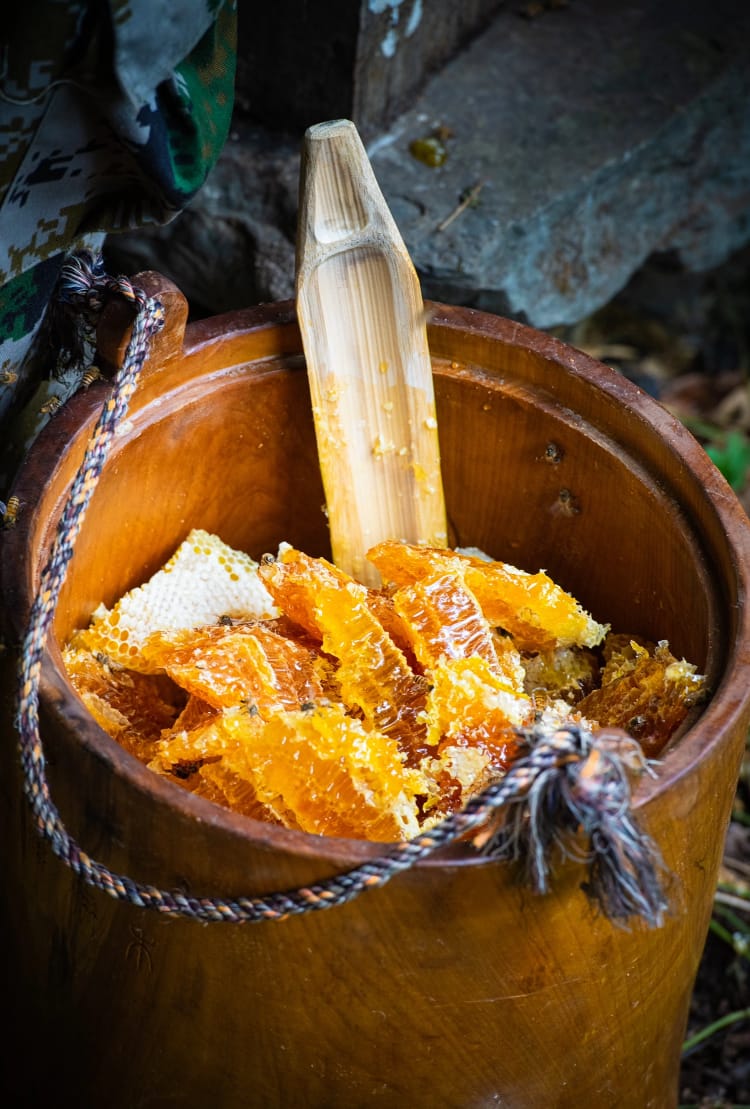
To protect hives from wildlife and natural disasters, beekeepers build natural shelters using bamboo, vines, and leaves such as cogongrass, fan palms, and magnolia. Sometimes a single piece of wood is placed atop the hive for protection.
Local honeybees in the Dulong River region have formed long-term symbiotic relationships with other species, especially the plants they pollinate. Together, bees, plants, and the Derung people create a sustainable ecological system rooted in reciprocal care.
Truffles: Nu
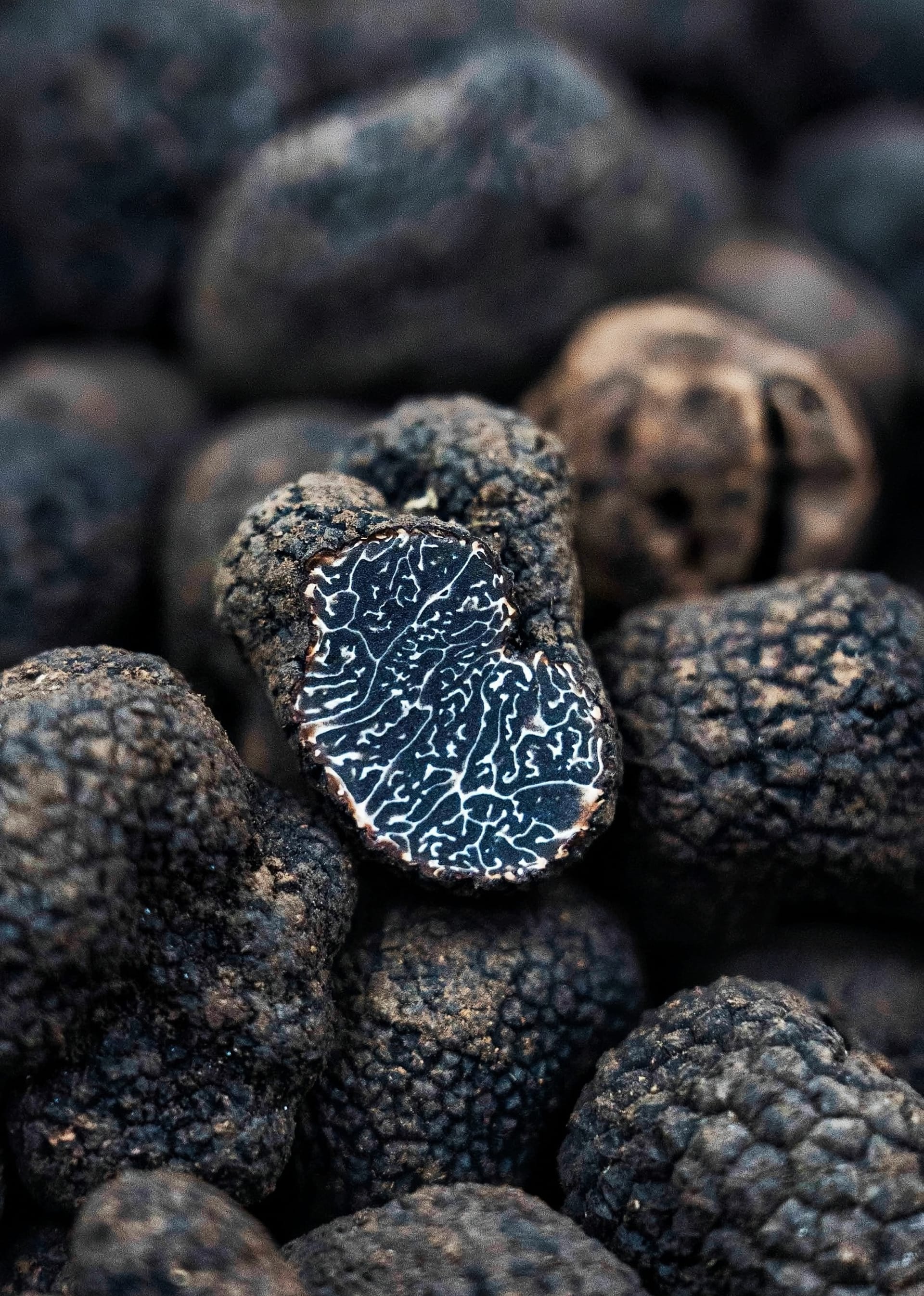
In the Nu language, mu refers to all mushrooms, just as it does in Lisu. Truffles are called mu he, meaning “black mushrooms.” In Lisu culture, mushrooms symbolize the irresistible flavors of the mountains. In the “Song for Guiding the Spirits,” mushrooms appear as symbols of temptation — a reminder for the deceased not to be lured off the path on their journey back to the ancestors.
The Gaoligong Mountains are one of China’s best truffle-producing regions. In winter, the Nu people set out to search for them. Truffles grow beneath pine and oak trees, and fresh ones can be buried in the soil for up to a month. They are a winter blessing. Locals infuse them into liquor, slice and dry them, or reserve them for New Year feasts.
In the past, locals called them “pig-sniff mushrooms,” because hunters would bring along a sow capable of detecting the faint aroma drifting through the woods. Skilled foragers also developed the ability to read the forest, changes in weather, soil density, plant signals, and the slightest clues left by animals. Just as with matsutake, one must avoid damaging the surrounding mycelium when harvesting truffles. Taking everything at once destroys the network and prevents future growth. Over time, this formed a system of reciprocal harvesting.
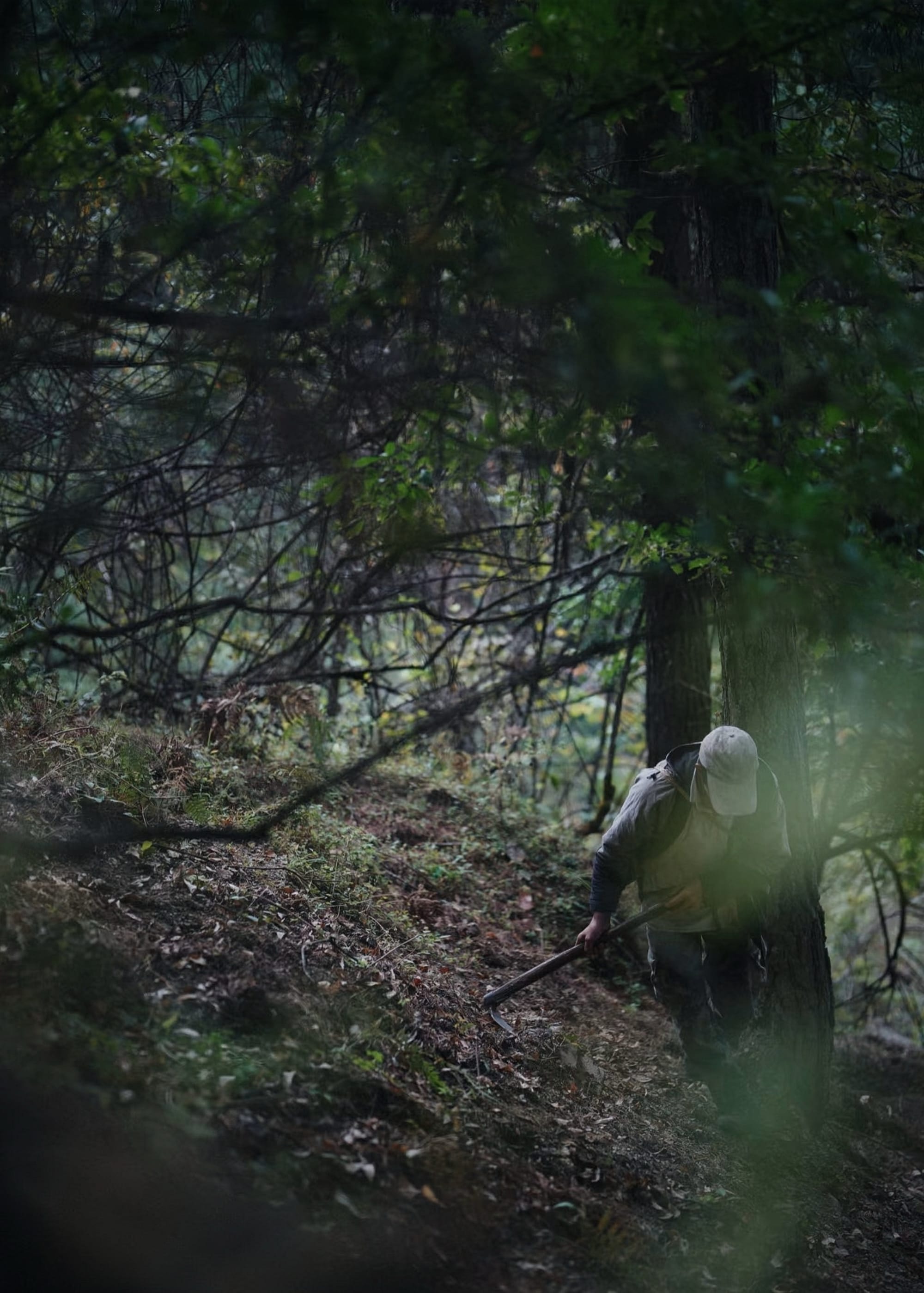
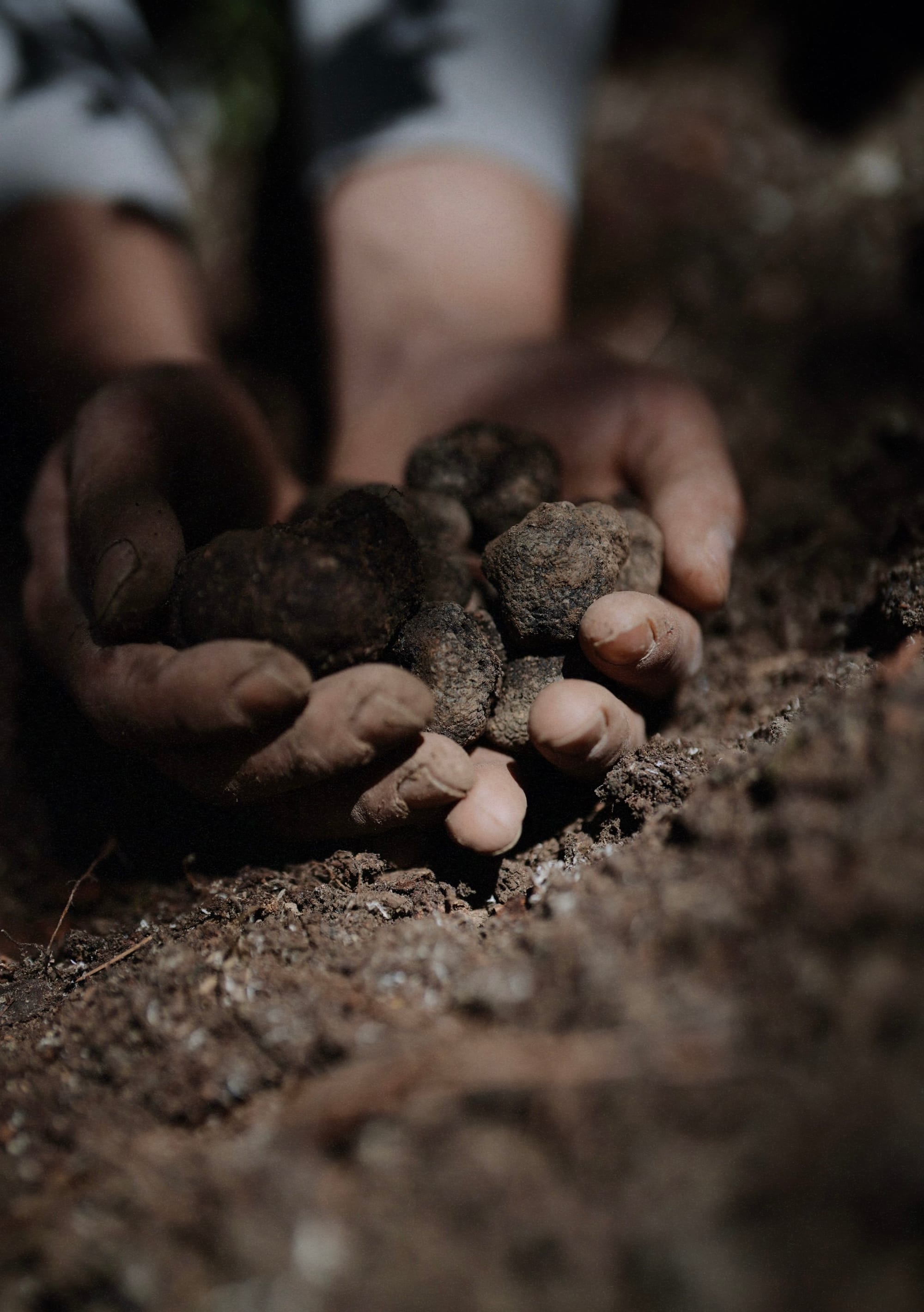
The Nu people collecting truffles. Credit:未央weiwei.
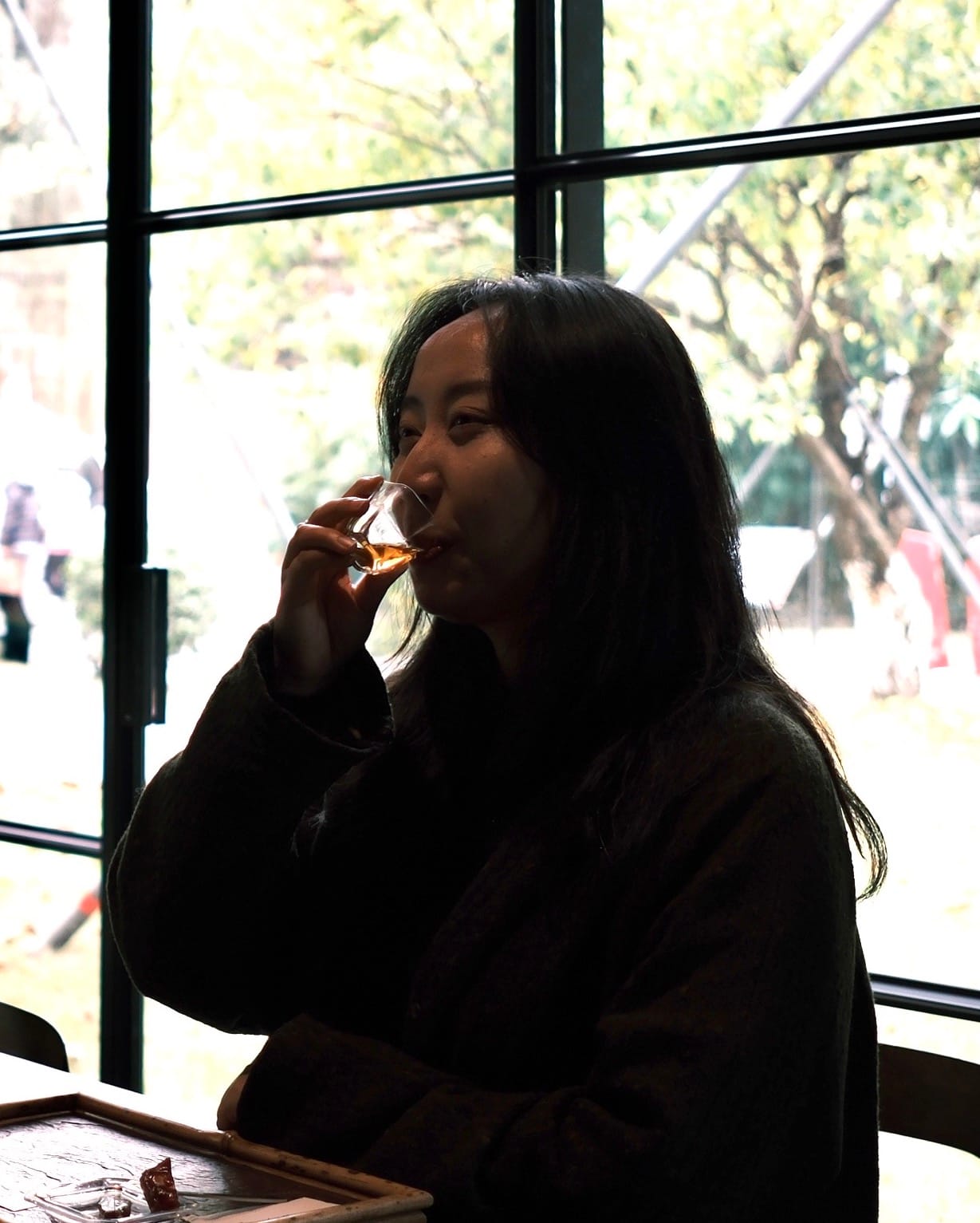
Co-founder of Snout & Seek, Hui Mu is a Yunnan native who loves hometown cuisine and local culture, Hui is currently based in Chengdu, Sichuan, engaged in food culture writing and magazine editing. Hui enjoys reading, trying new cuisines, hiking, and people-watching.
No spam, no sharing to third party. Only you and me.
Member discussion