Guardians on the Mountain: The Flock That Feeds a People
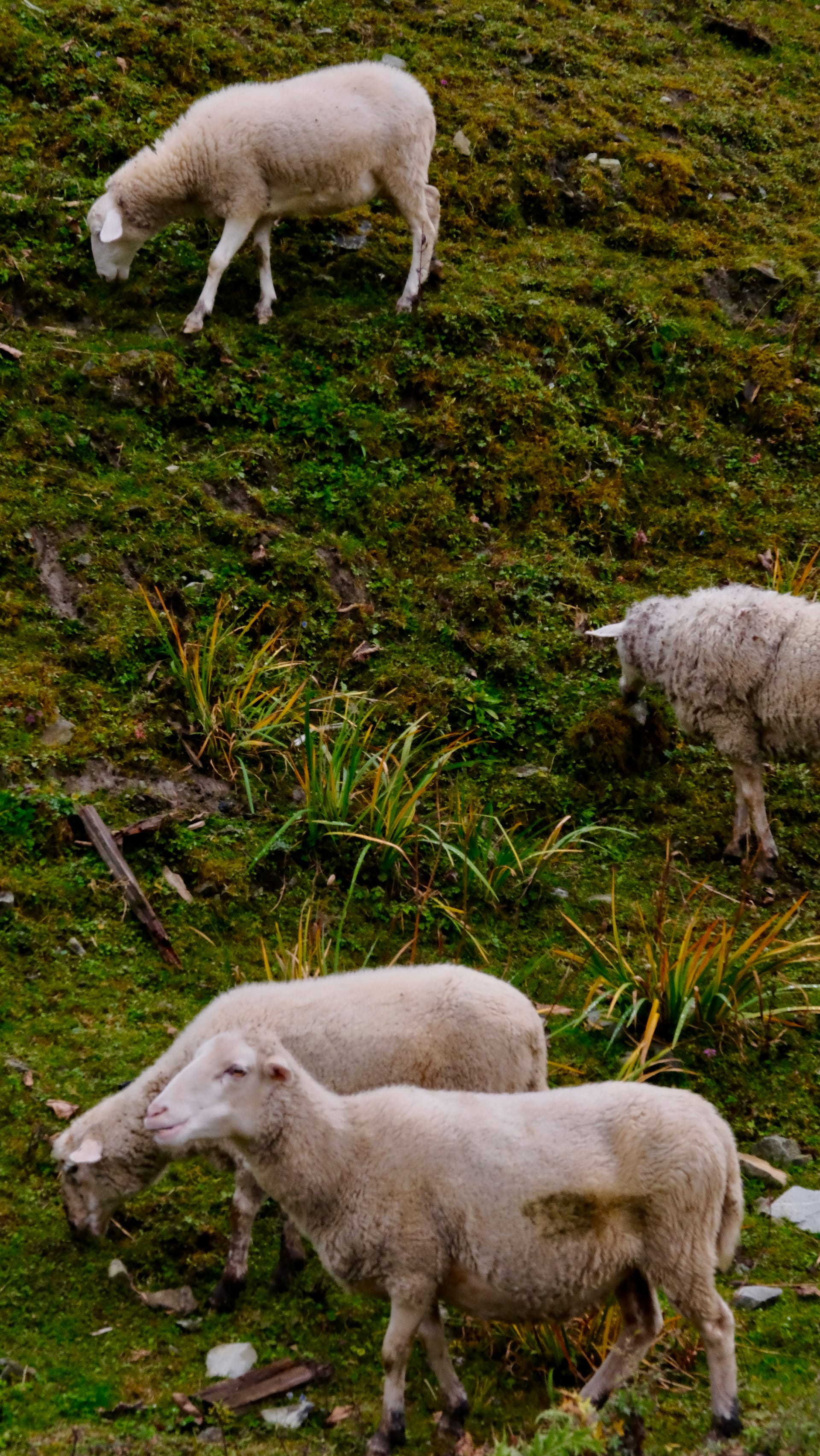
Deep in Liangshan, Sichuan, lies Yele, a name that in the Yi language means “the land of shepherding.” For over two centuries, Yi villagers here have continued a tradition of free-range sheep grazing across alpine meadows, nourishing the soil with sheep manure and living in quiet reciprocity with nature.
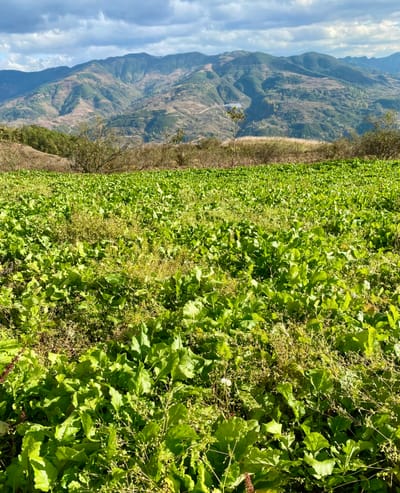
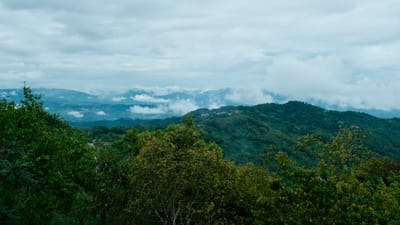
Yele is located in the northeastern part of Mianning County in Liangshan Yi Autonomous Prefecture, nestled among the mountains bordering Shimian and Jiulong counties. The terrain is dramatic. Mountains rise sharply from deep valleys, and narrow winding roads trace the uneven folds of the landscape. As a transitional zone between the Qinghai–Tibet Plateau and the western Sichuan Plateau, the land here feels lifted and textured. Steep slopes, significant changes in elevation, alpine meadows, wide valley flats, and winding rivers define the geography.
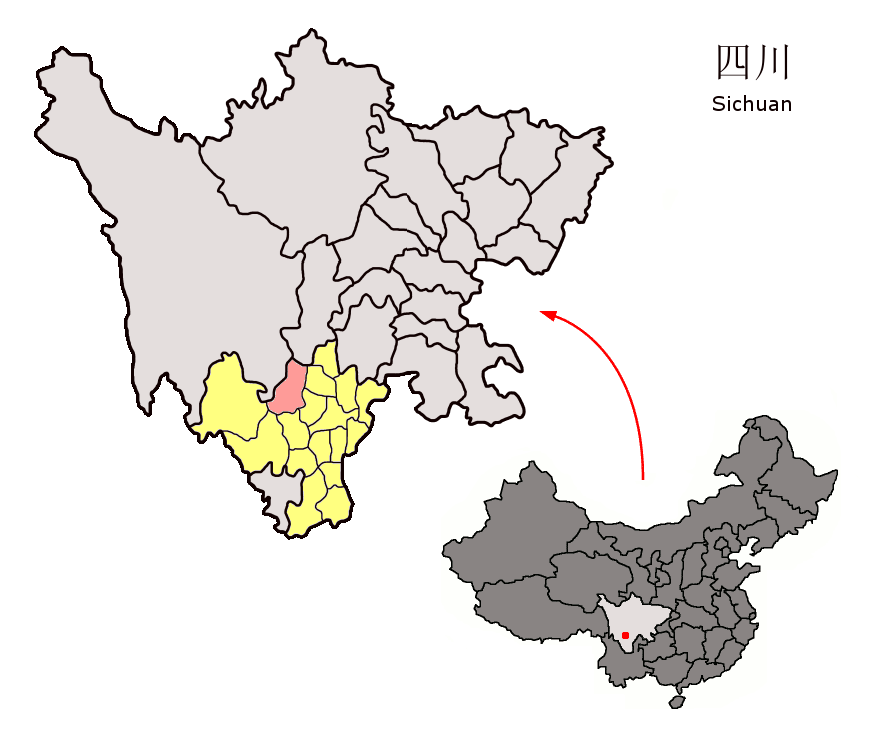
Mianning County on the map marked in red. Credit: Wikipedia
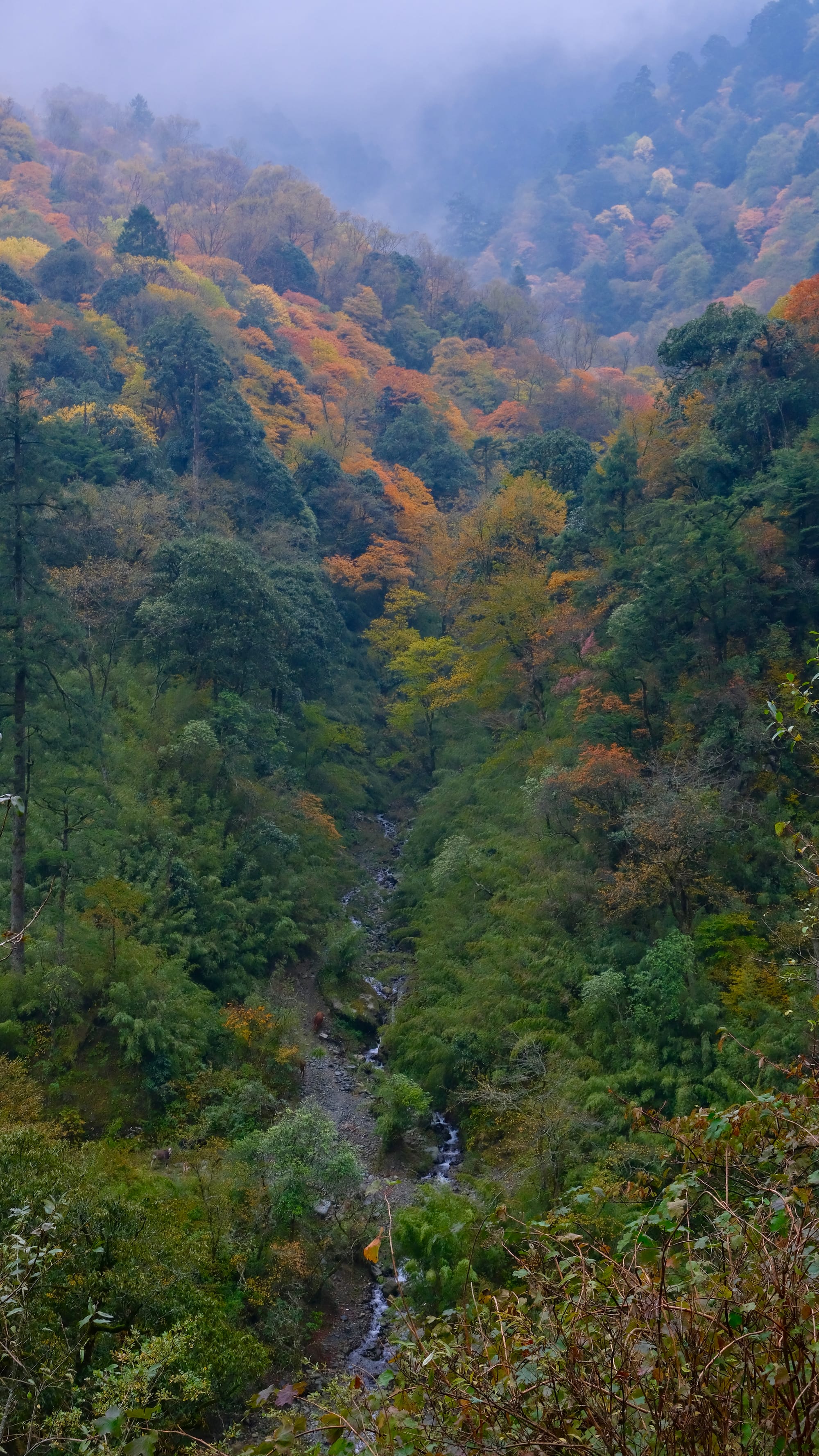
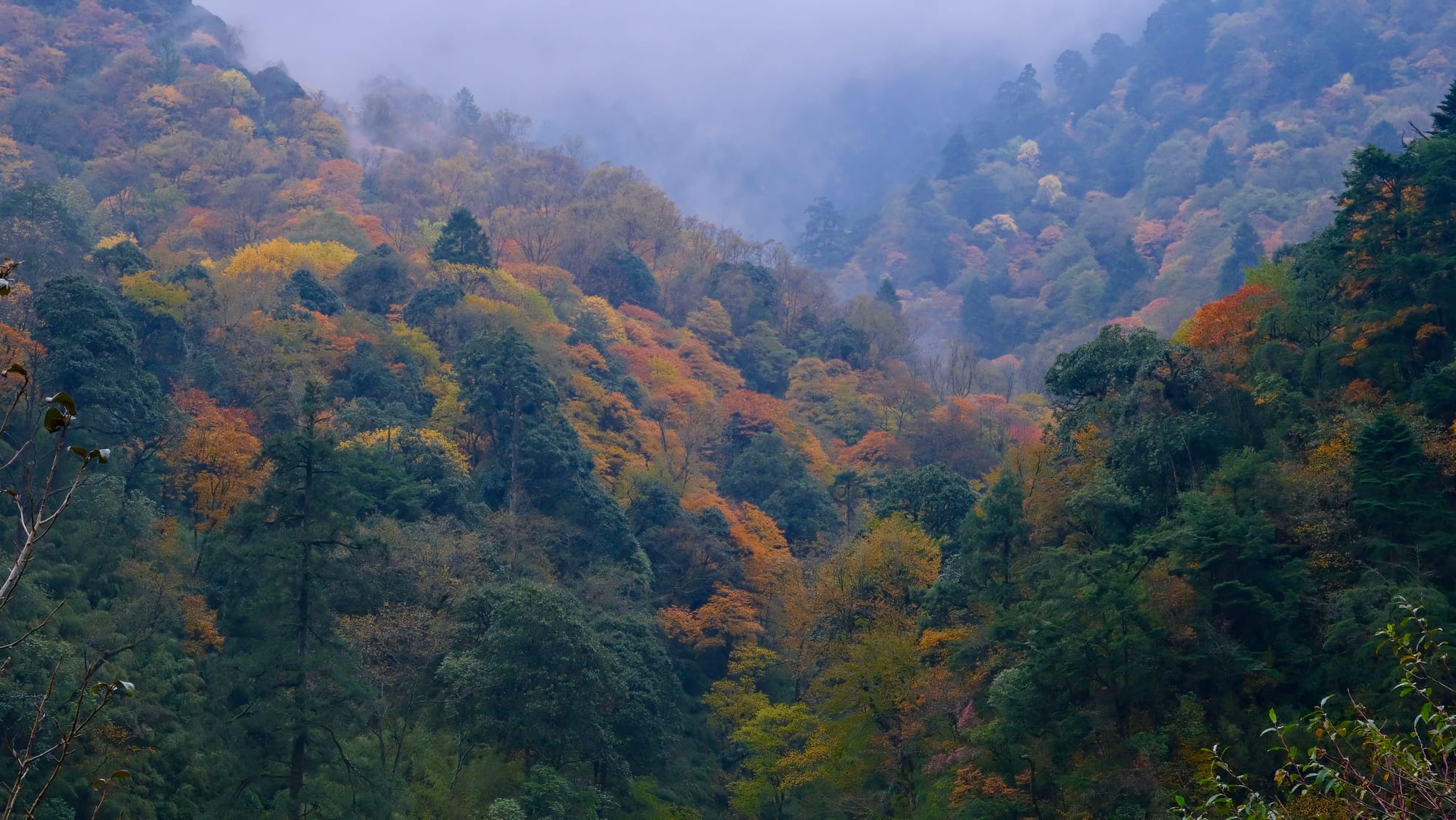
In the Yi worldview, “Yele” carries a meaning far more vivid than modern administrative boundaries. In Yi language, Yele literally means “the land of shepherding.” In ancient Yi scriptures such as the Zhi Lu Jing (The Guiding Path), Yele is described as a lush highland of abundant grass and water, a place that the souls of the departed must pass through on their journey back to their ancestors. By October, forests gradually begin to shift in color. For the shepherd Su Yuejun, this is when Yele is at its most beautiful.
Subscribe to continue reading