From Border Town Kitchens to Noma: The “Use Everything” Philosophy
Noma has become a symbol of modern Nordic cooking not because it chases luxury ingredients, but because it treats ingredients with attention and restraint. The idea is simple: flavor is not only in the “best” cuts, and beauty is not only in what looks polished on a plate. A kitchen can be creative by listening more closely to what an animal or a plant already offers, and by finding value in the overlooked parts, the bones, the skins, the trim, the bitter leaves. In that sense, “use everything” is not a trend. It is a way of cooking that carries respect, reduces waste, and turns practicality into something quietly satisfying.
With that in mind, it is hard not to think about places where this mindset has never needed a name. In Huili, a small border town between Sichuan and Yunnan, black goat is not an ingredient chosen for a concept. It is daily life, breakfast and supper, soup and hot pot, stir fries and steamed dishes, built on a local understanding that nothing should be wasted if it can become delicious.

In traditional Chinese ideas about meat, there has long been a saying: beef is moderate, pork is ordinary, and lamb is supreme. The Chinese affection for lamb can even be seen in the language itself. In Chinese characters, “big lamb” signifies beauty, and “fish plus lamb” forms the word for freshness or Umami 鲜. Fat, well-raised lamb has long been a synonym for rich flavor.
In the north of China, people tend to favor mutton from sheep, while in the south, goat meat is preferred. Goat meat is high in protein and low in cholesterol, and is believed to warm the body, nourish the stomach and kidneys, and promote metabolism. For these reasons, it has become increasingly popular. Among all goat varieties, black goat stands out. Its meat is especially tender, fine-textured, and mild, with very little gaminess, earning it a reputation as a prized delicacy.
During a work trip, we had the chance to visit a small town on the border between Sichuan and Yunnan. Its name is Huili. Huili is famous far and wide for its black goat, and the locals not only love eating goat, they know exactly how to eat it. Among them, Huili black goat is particularly celebrated.
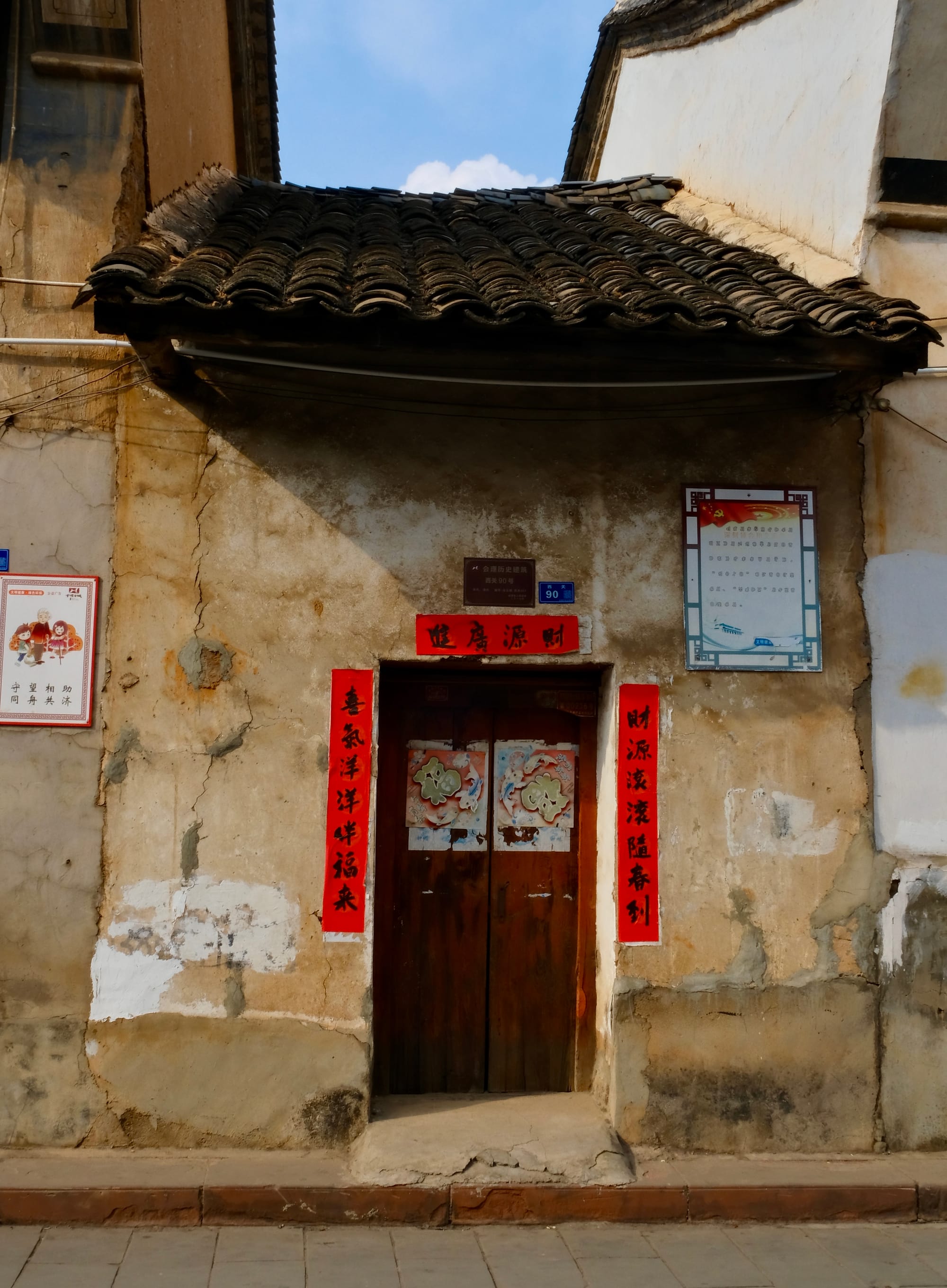
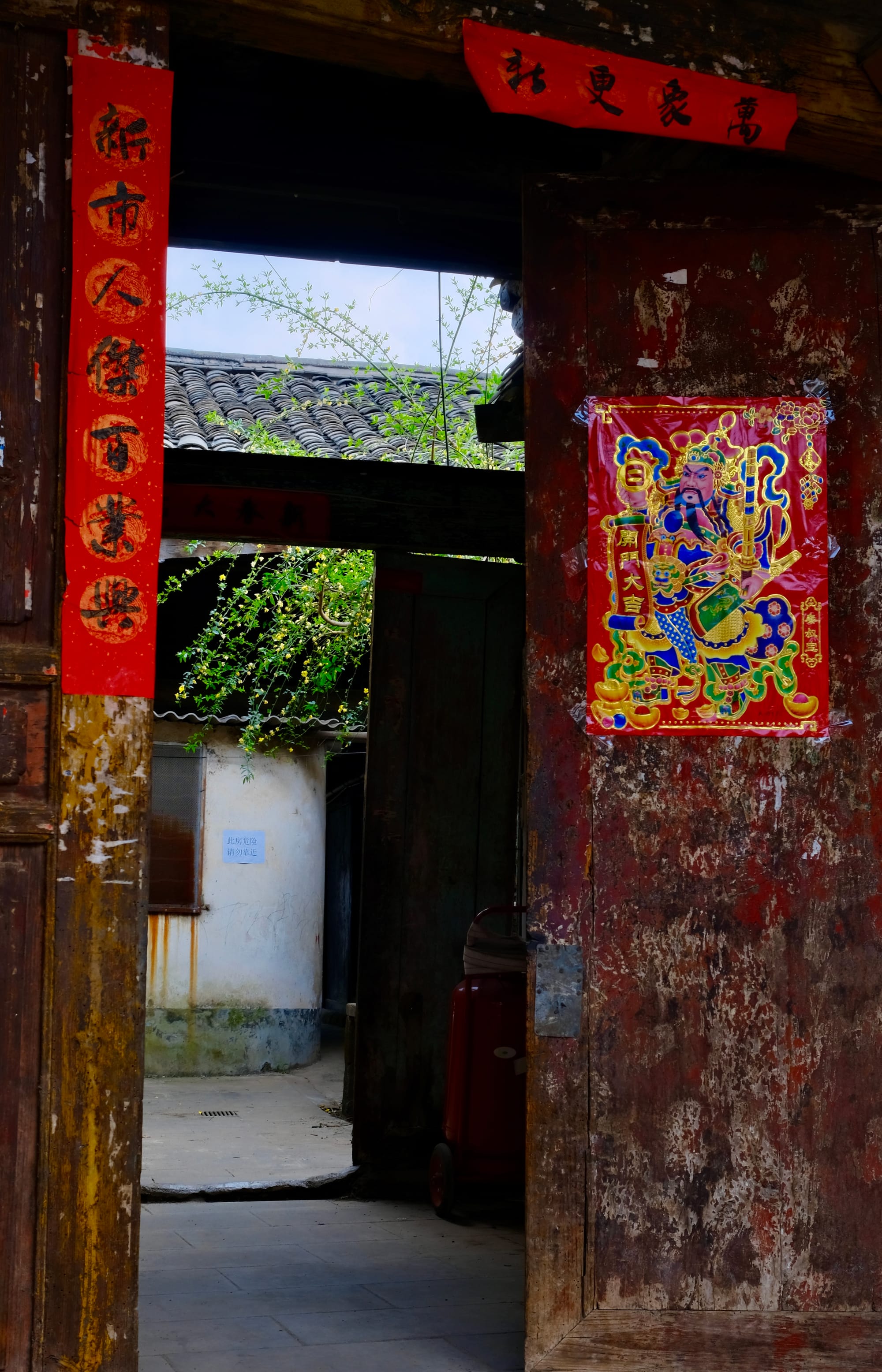
Historic buildings in Huili, Sichuan. People still put red stickers for the new year to wish for the fortune and wellbeing.
In Huili’s county town, Tian Ji Castrated Goat Restaurant has been operating for over twenty years. The owner’s father-in-law began learning the trade as a young teenager, starting as an apprentice, then opening his own shop, and refining his skills over decades. His goat soup earned widespread praise from Huili locals who truly understand goat meat. Castrated black goat is especially tender and has less gamy flavor, meeting higher expectations for texture and taste.
Goat rice noodles often rank at the very top of Huili’s breakfast favorites. Unlike rice noodles elsewhere, Huili’s noodles are thick, firm, and springy. At first glance, the dish looks deceptively simple: freshly blanched rice noodles, clear broth, and slices of white goat meat. Do not be disappointed too soon. The real journey begins with the condiments that follow. Ground and slightly burnt chili powder, fermented bean paste, fresh chilies, cilantro, minced ginger, scallions. All of them gather in a large, colorful bowl alongside the fresh goat meat and noodles. One bite is enough to warm your face and make you wish you had discovered it sooner.
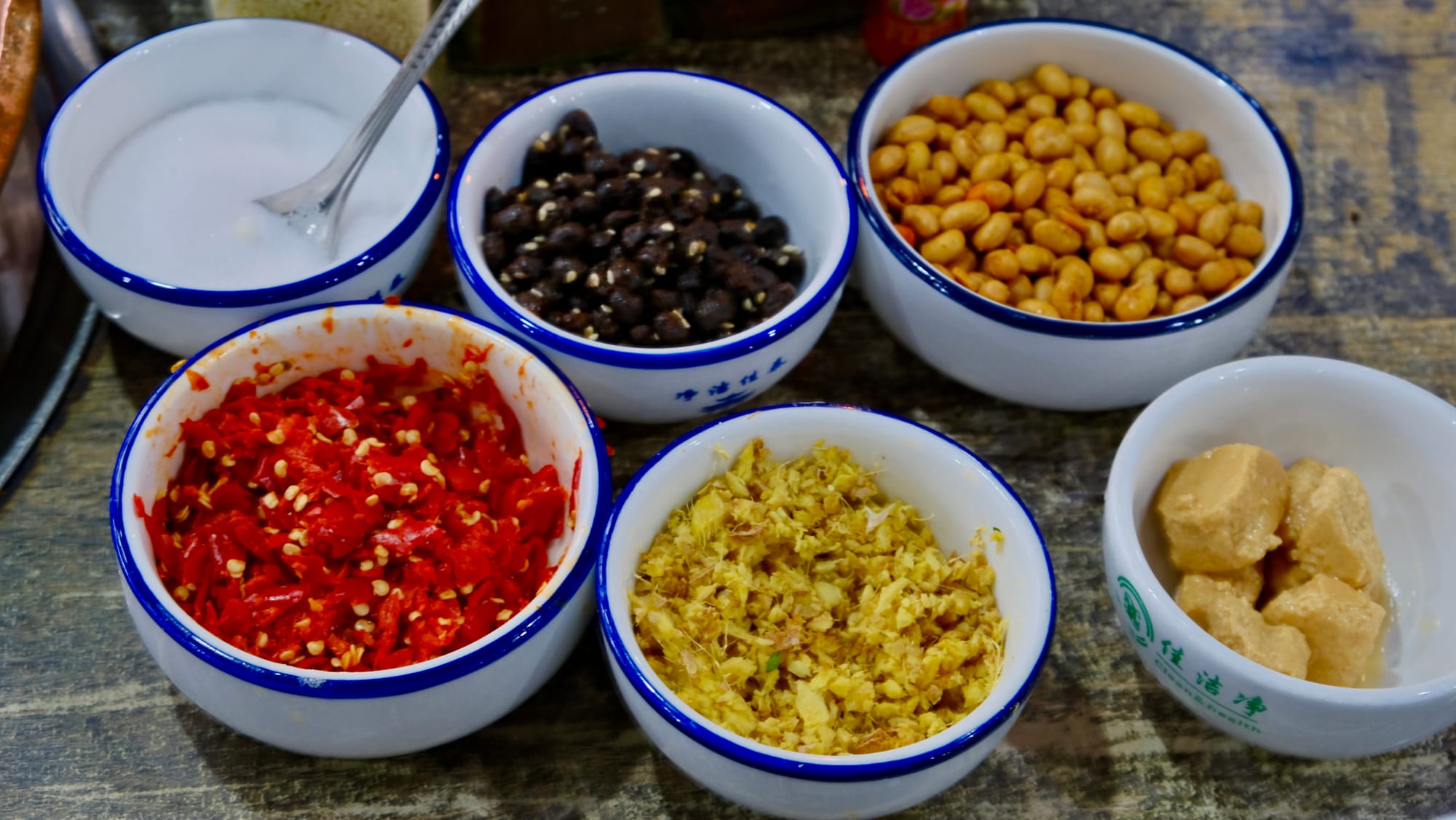
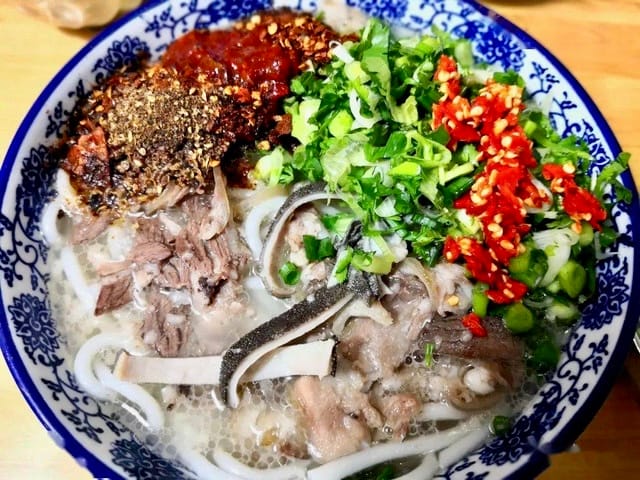
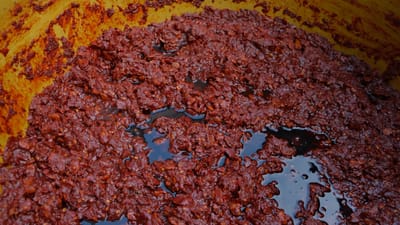
First: The dipping sauces for goat soup include fermented tofu, minced ginger, fermented black beans, and chili bean paste. / Second: Goat rice noodles are the most beloved breakfast in Huili.
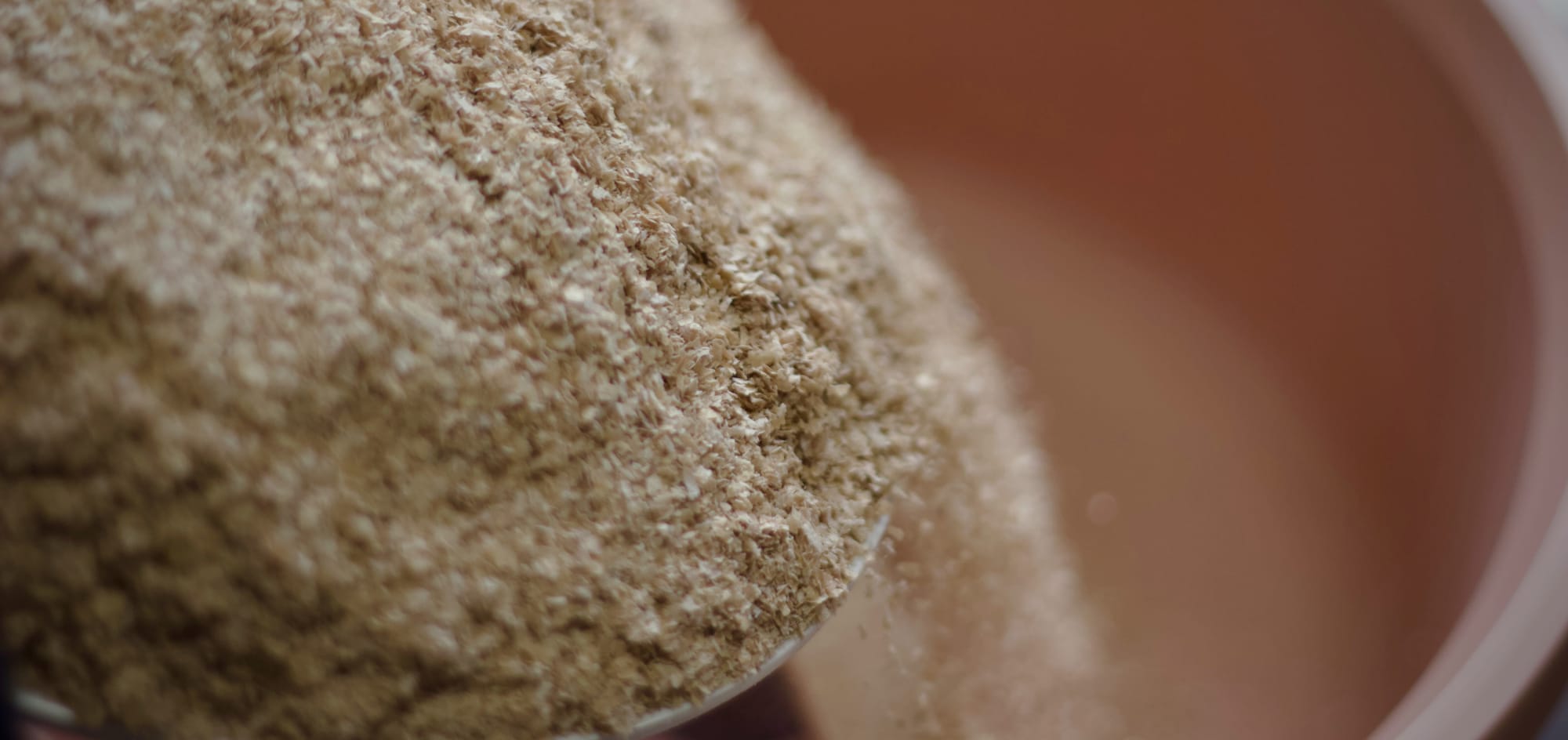
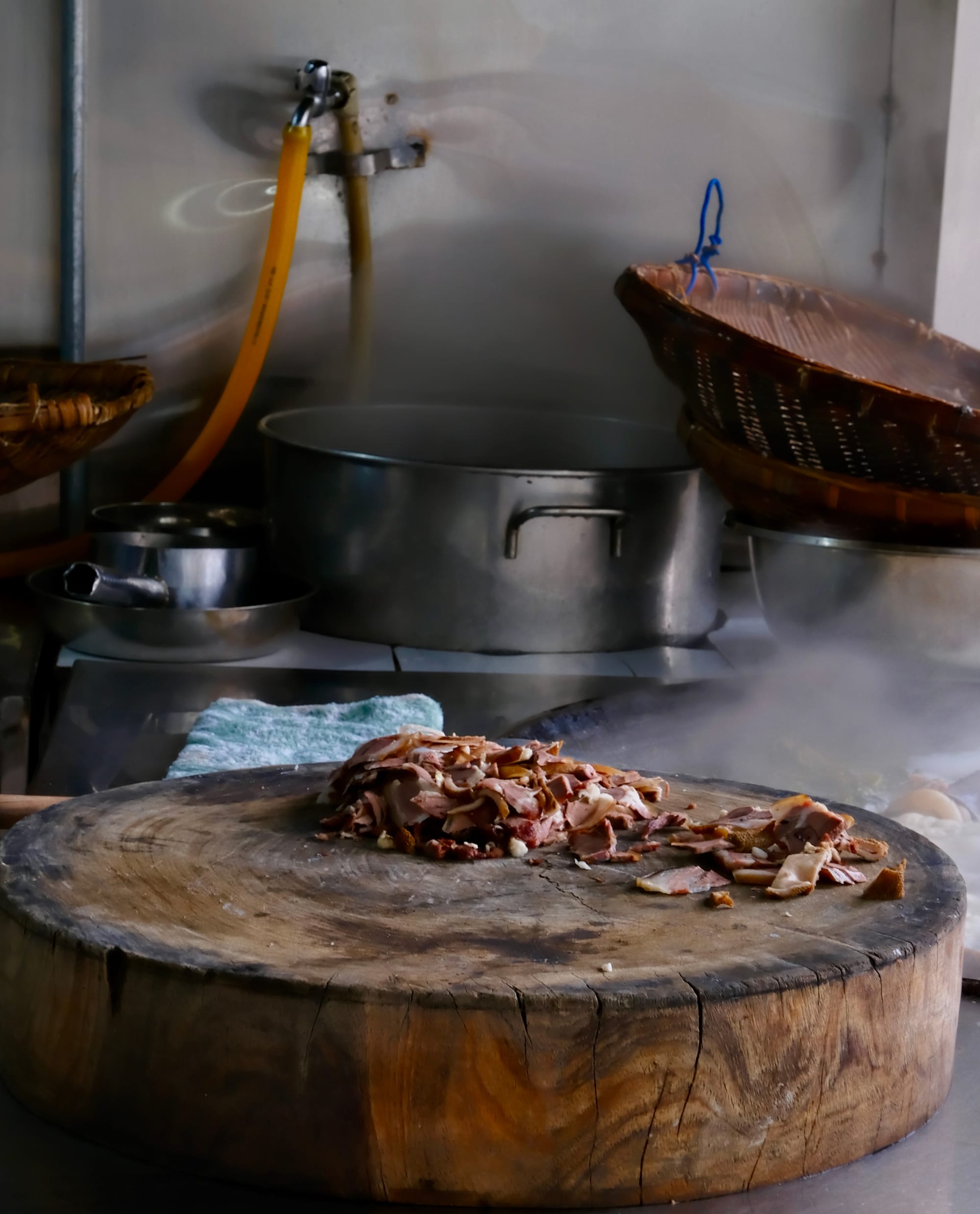
Tian Ji’s real secret lies in a long menu listing nearly one hundred goat dishes. Steamed goat with rice flour, stir-fried goat liver, chopped goat meat, goat fat fried eggs, goat hot pot. No part of the animal is wasted.
In Huili, goat hot pot must be made with skin-on goat meat. Red and white, lean and fatty. As the meat cooks, the fat from the skin slowly melts and seeps into the meat, enhancing its aroma and flavor. The skin also protects the meat, keeping it tender and juicy. The broth is made fresh each day from goat bones and turns a rich, milky white. As you eat, seasonal vegetables are added to the pot, making the soup grow deeper and more fragrant with every boil. A homemade chili bean paste is essential, as black goat and fermented chili bring out the best in each other.
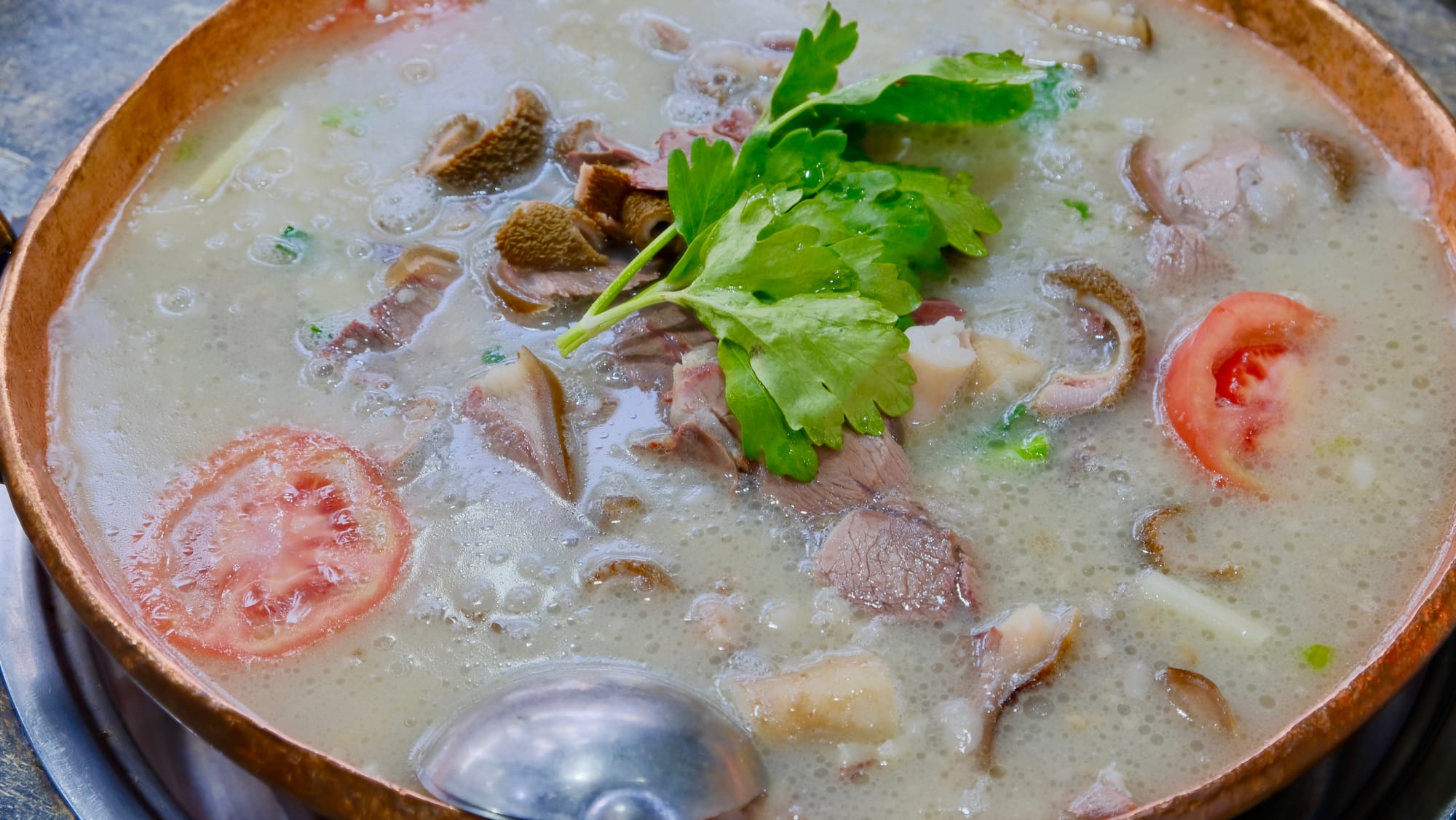
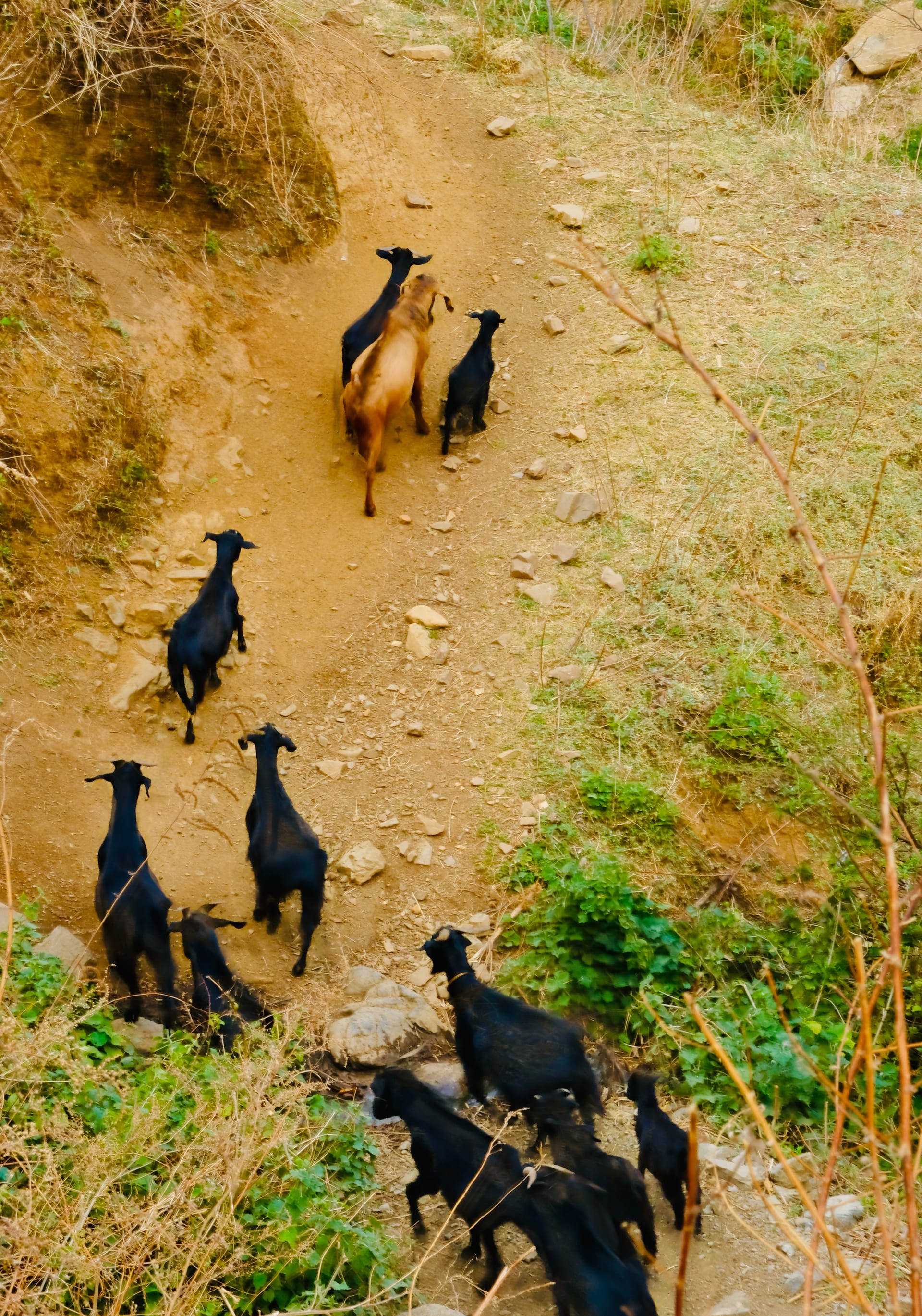
About forty minutes from Huili’s town center are the villages where the goats are raised. The rugged mountain roads may be harsh for humans, but the rich vegetation and wild forests are paradise for black goats. Every morning around nine thirty, herds are released and guided into the mountains, scattering into the forest like black pearls across a jade plate. They roam freely, grazing and wandering throughout the day. By late afternoon, around five or six, the goats return on their own, without much effort from the herders. Day after day, Huili’s black goats live a steady nine-to-six life.
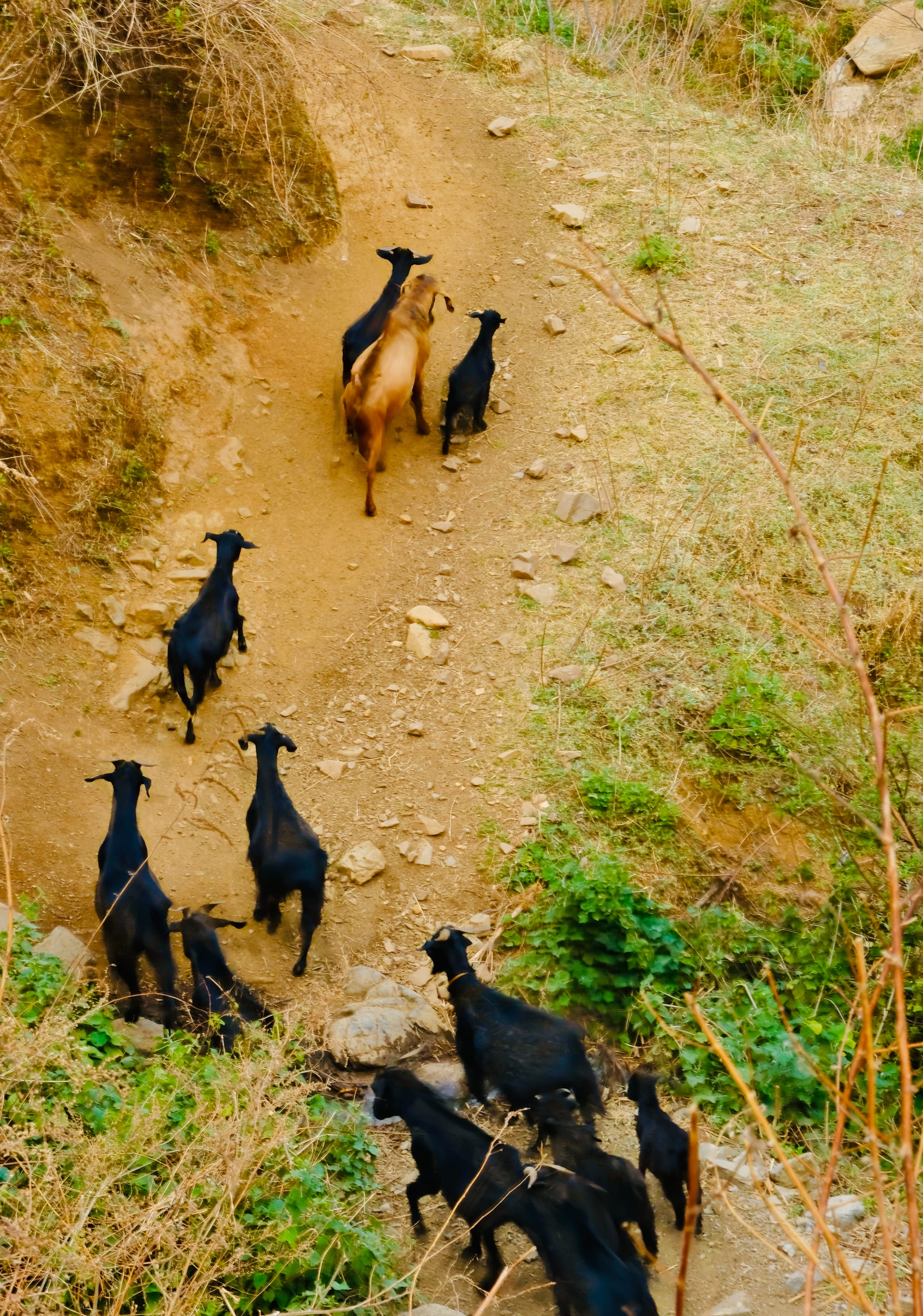
For the people of Huili, goat is enjoyed at every meal. Goat rice noodles in the morning, stir-fried goat liver at noon, goat hot pot in the evening. On the Huili table, black goat is always the first choice.

Co-founder of Snout & Seek and FARLAND, ZhuangZhuang is passionate about understanding the local cultures of different ethnic groups through an anthropological lens. She aims to share the sustainable wisdom of these cultures with a wider audience through publications, products, and other methods. Zhuang enjoys photography, jazz music, cute animals, and Chinese traditional divination culture.
No spam, no sharing to third party. Only you and me.