
From Avocado to Coffee, A Mind-opening Journey
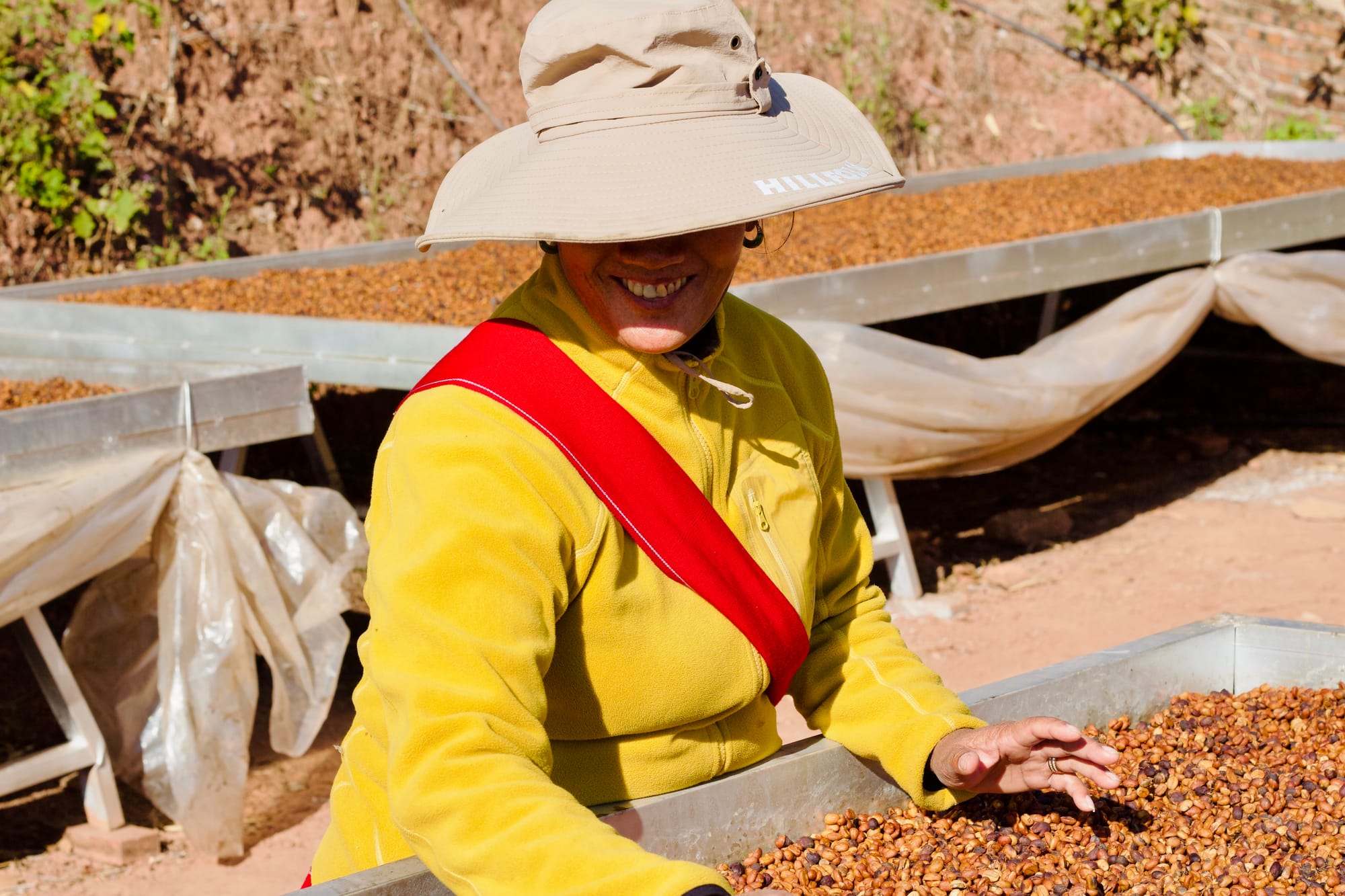
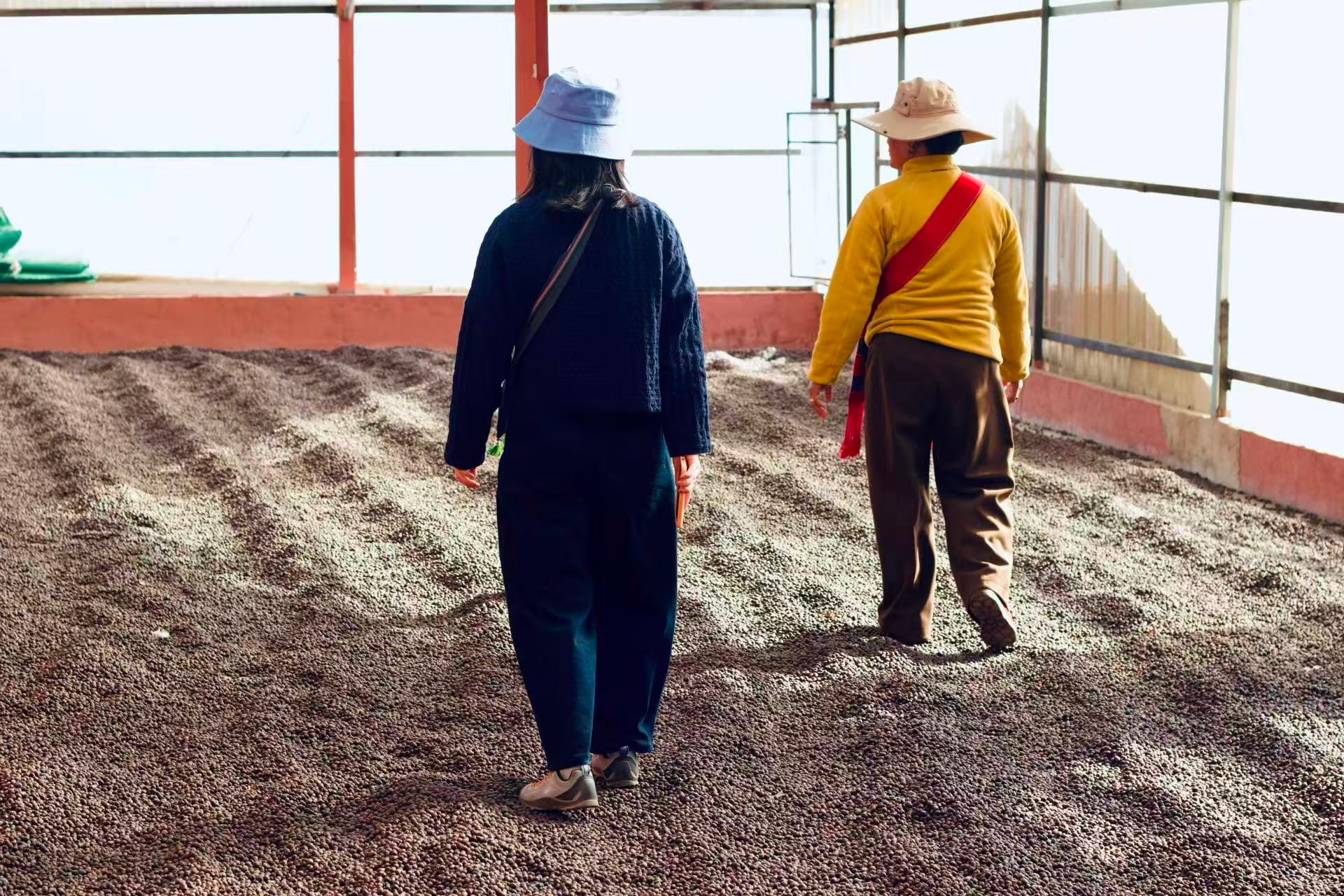
It was a sunny afternoon at the end of January in Menglian, Yunnan. We found ourselves on a coffee estate where coffee cherries seemed to be everywhere we turned. Leading the way was the owner's mother, Ya Nei, in her 60s, wearing a bright yellow jacket and a sun hat. She walked ahead of us with a quick, relaxed stride. It was obvious she knew every corner of this place and had walked these paths thousands of times.
“When we grew tea back in the day, none of us talked to each other,” she said. “Each family grew their own tea and sold it to buyers from the cities. The wholesalers never told us how the market worked. We just kept our heads down and stayed in the fields.”
“What about now?”, one of our team members asked.
“Now we mostly grow coffee, and everything has changed for us,” she said. “We’ve met so many people in the coffee industry. We’ve learned so much from the outside world. Every day, there’s something new to learn.”
She couldn’t hide her smile, the same one she wore as she showed us the sun-drying area they reserve for high-end coffee buyers in China.
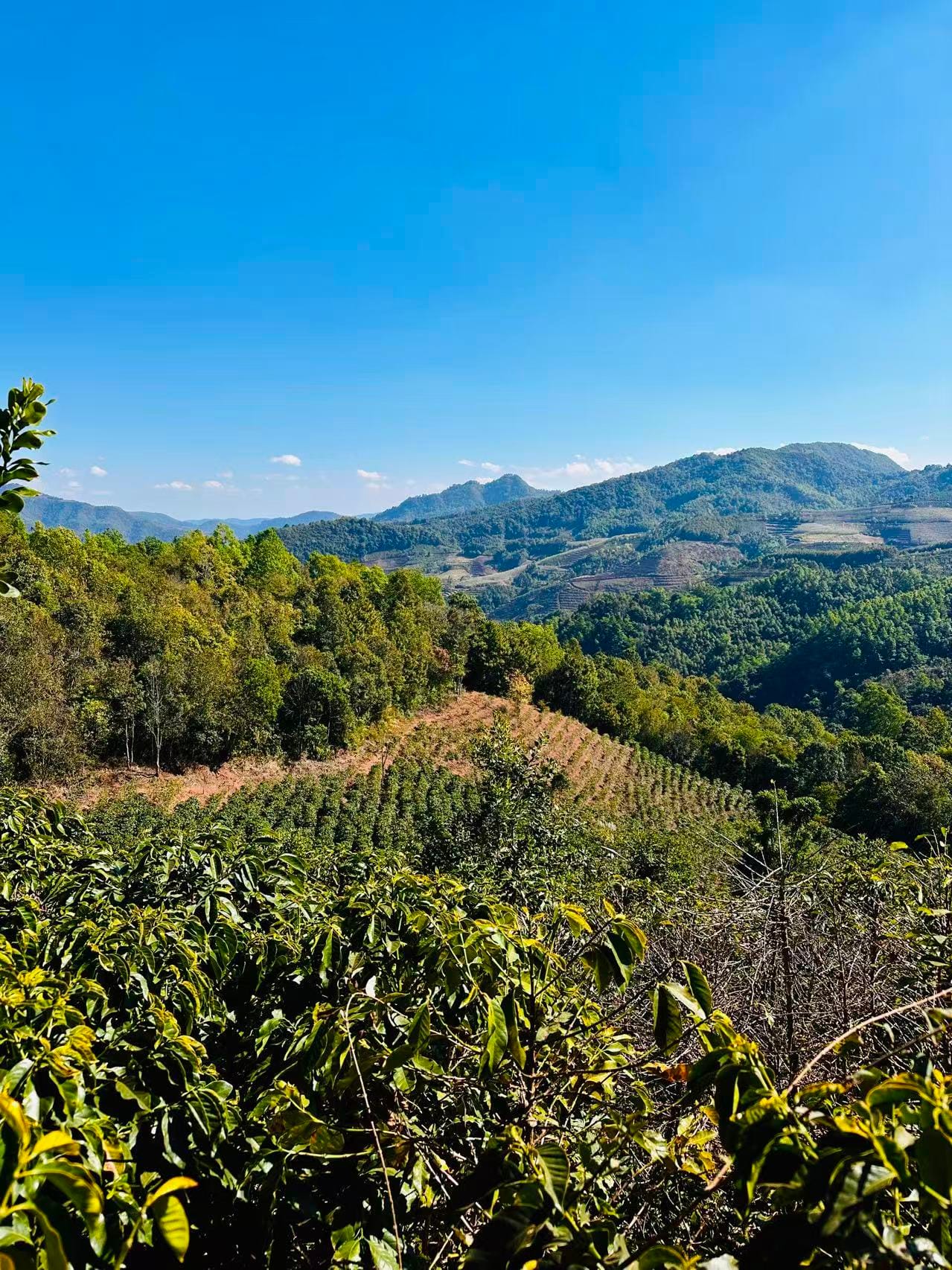
In Menglian, coffee is changing people’s sense of possibility. It’s reshaping how farmers connect with each other, how they understand the market, and how they see the world beyond the hills where they live and work.
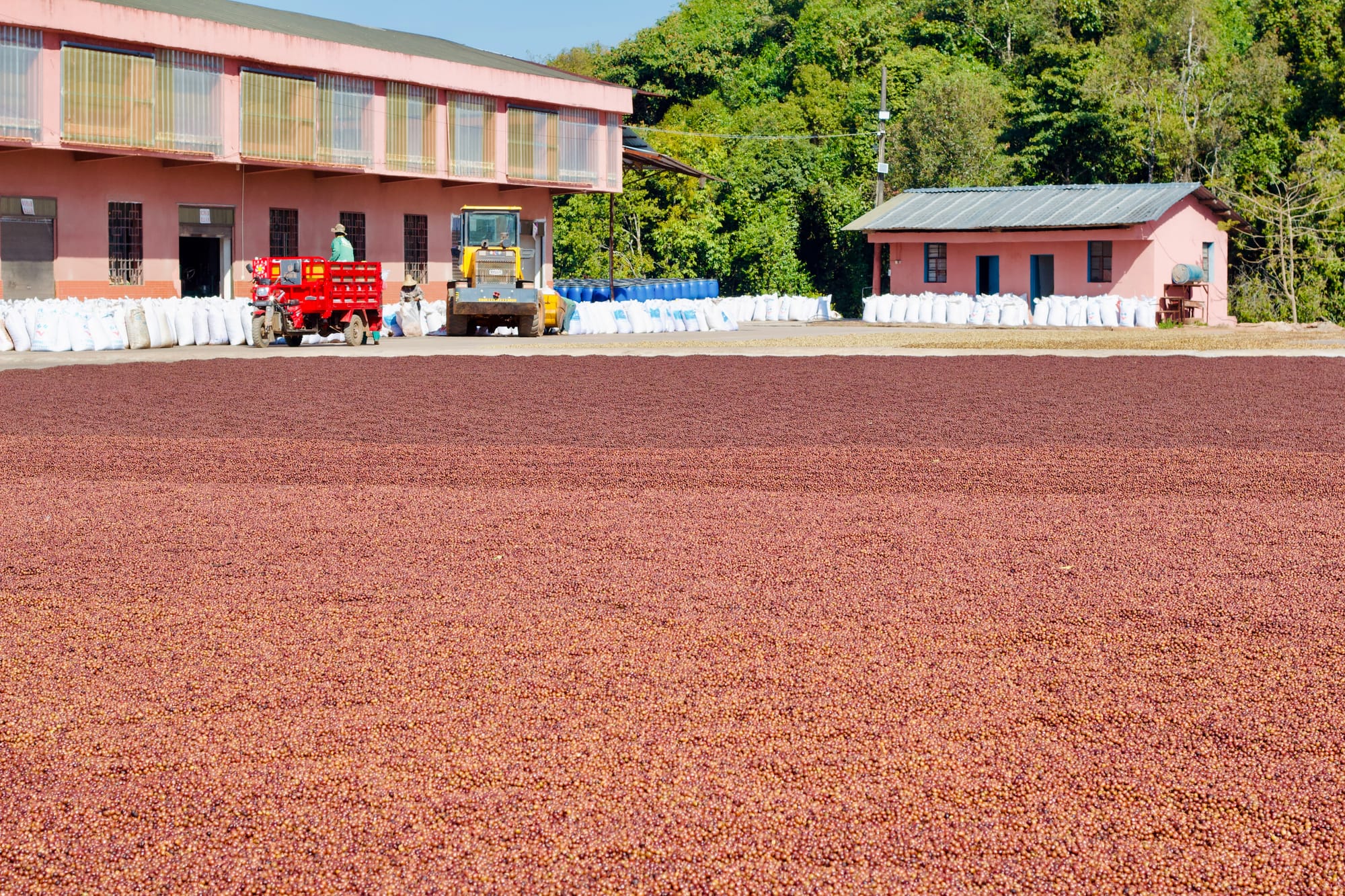
First: In Menglian, the coffee harvesting season is from Late November to Mid-March, you can see farmers all over the mountains to employ workers to pick coffee cherries. | Second: Ya Nei’s coffee estate with coffee cherries spread out all over the open area.
Coffee arrived here in early trial plots in the 1950s. Large-scale planting followed in the 1990s, tied to major international brands like Nestlé. Over the past decade, as coffee consumption has grown dramatically across China, farmers in Menglian have felt the shift more intensely than ever before.
You can see it everywhere, here. Just last week, when I walked into a Lavazza store in Shanghai, I spotted their newest collaboration with a Menglian coffee estate. The menu described the flavor as “Wa Niang", inspired by the Wa people’s water wine. I immediately thought of Ya Nei, who led us through the fields, and of her smile when she talked about how connected the coffee community has become.
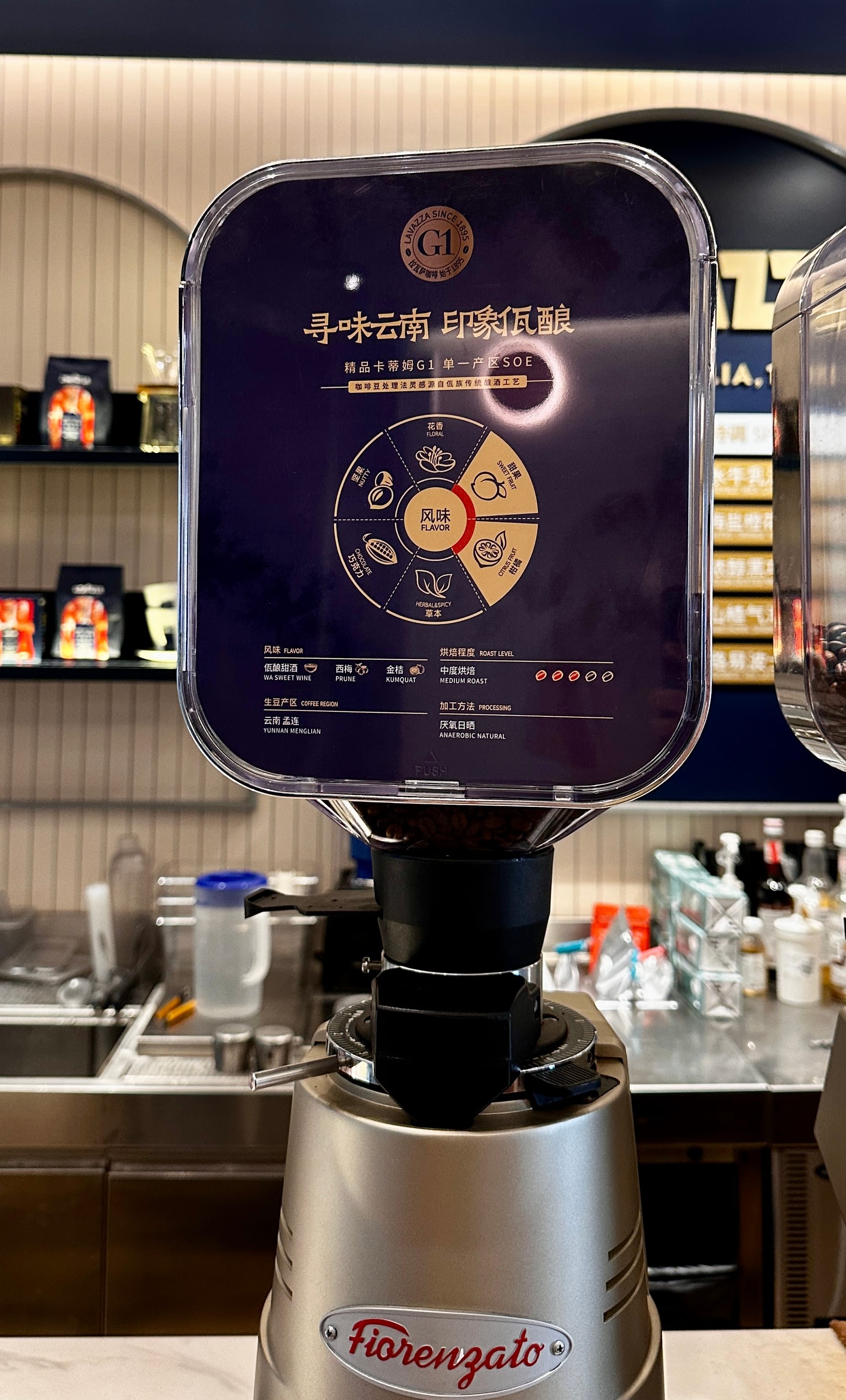
Although Yunnan coffee is still a distance away from world-renowned origins like Ethiopia or parts of South America, and while Catimor remains the dominant variety, people’s views of Yunnan coffee in China have slowly but surely changed over the years.
When I was a kid, coffee was both rare and an acquired taste. The most common option was Nestlé instant coffee. The first time I tried it, like most kids, I couldn’t wrap my head around why anyone would willingly drink this bitter, brown water. Nearly 30 years later, I’ve become a regular coffee drinker myself, leaning toward darker roasts and always curious to try new beans and roasts.
During the last three decades, Starbucks went from novelty to infrastructure, and now on to something more localized in how it’s run here in China. Luckin - a local Chinese coffee chain - revolutionized coffee drinking culture in China. Now, more people are aware of what SOE stands for (Single-Origin Espresso). It is as if China has mastered coffee knowledge overnight.
But we know it didn’t happen overnight. Thanks to thousands of coffee farmers like Ya Nei, people in China now get to choose what they want in a cup, instead of settling for whatever is available via import. And with that convenience has come something else: more people are finally paying attention to Yunnan coffee.

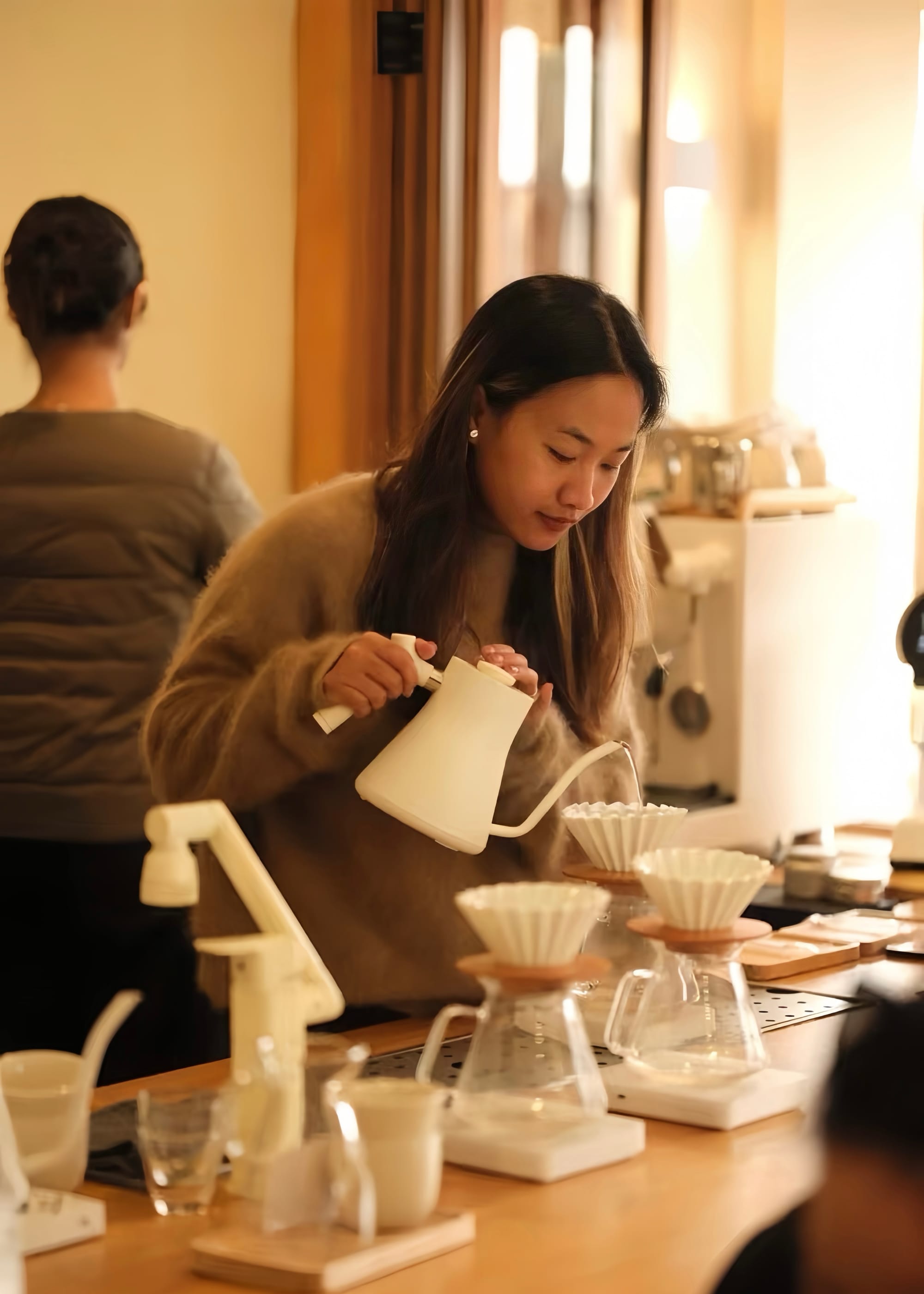
First: Picar Coffee, named after the pickup truck (皮卡, pí kǎ), the iconic vehicle used to collect coffee cherries across Menglian. | Second: Ya Nei’s younger daughter, Huahua, the café manager, representing a new generation of coffee farmers reaching beyond the mountains and sharing Yunnan coffee with the outside world. Credit: PicarCoffee
During the visit, as I sipped a pour-over on the estate, a question kept circling in my head. Why do so many independent coffee shops love pour-over? And why did the coffee here lean toward the brighter, more acidic side, with a lighter roast?
Ya Nei didn’t hesitate.
“What you’re drinking here is the purest form of coffee,” she said. “Coffee shop owners from all over China, even from overseas, come here to taste the beans close to their original character. They want to understand the raw profile first, and then they roast it themselves, depending on what they want to bring out, the floral notes, the fruit, the sweetness that’s already in the bean.”
Her words put her earlier story into perspective. I thought back to what she said about how dramatically her mindset changed once they started growing coffee. Now she understands how the market works. She welcomes baristas to visit the estate, and some even stay with the family for a few days to learn about Yunnan coffee. For Ya Nei, this isn’t just a crop, it’s a community - connected, curious, and growing together.
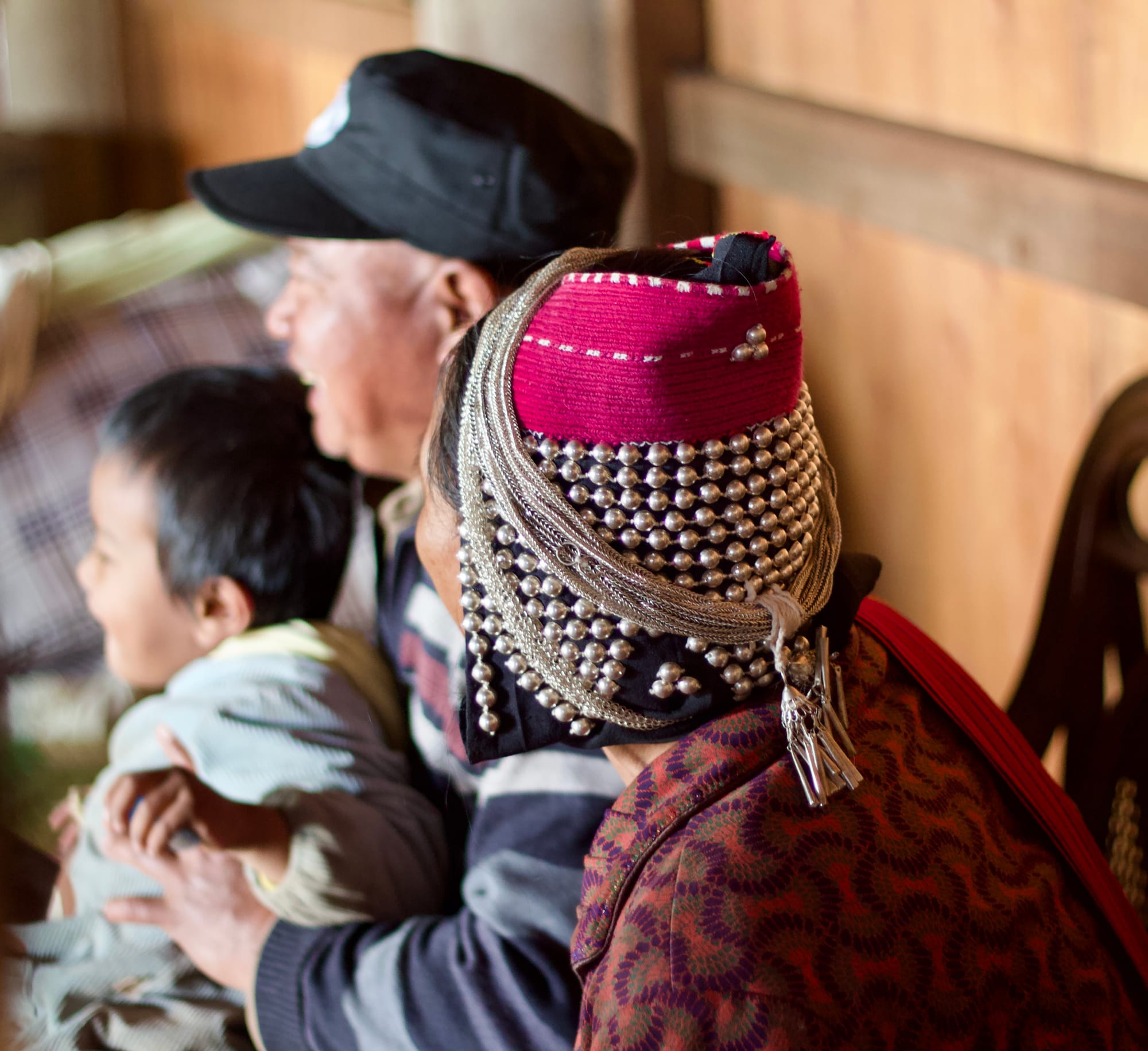
Yunnan is fortunate in another way, too. Thanks to its climate and fertile soil, it often becomes the testing ground for new crops. Before coffee became the center of attention in Menglian, another “promising” crop arrived with similar optimism: the avocado.
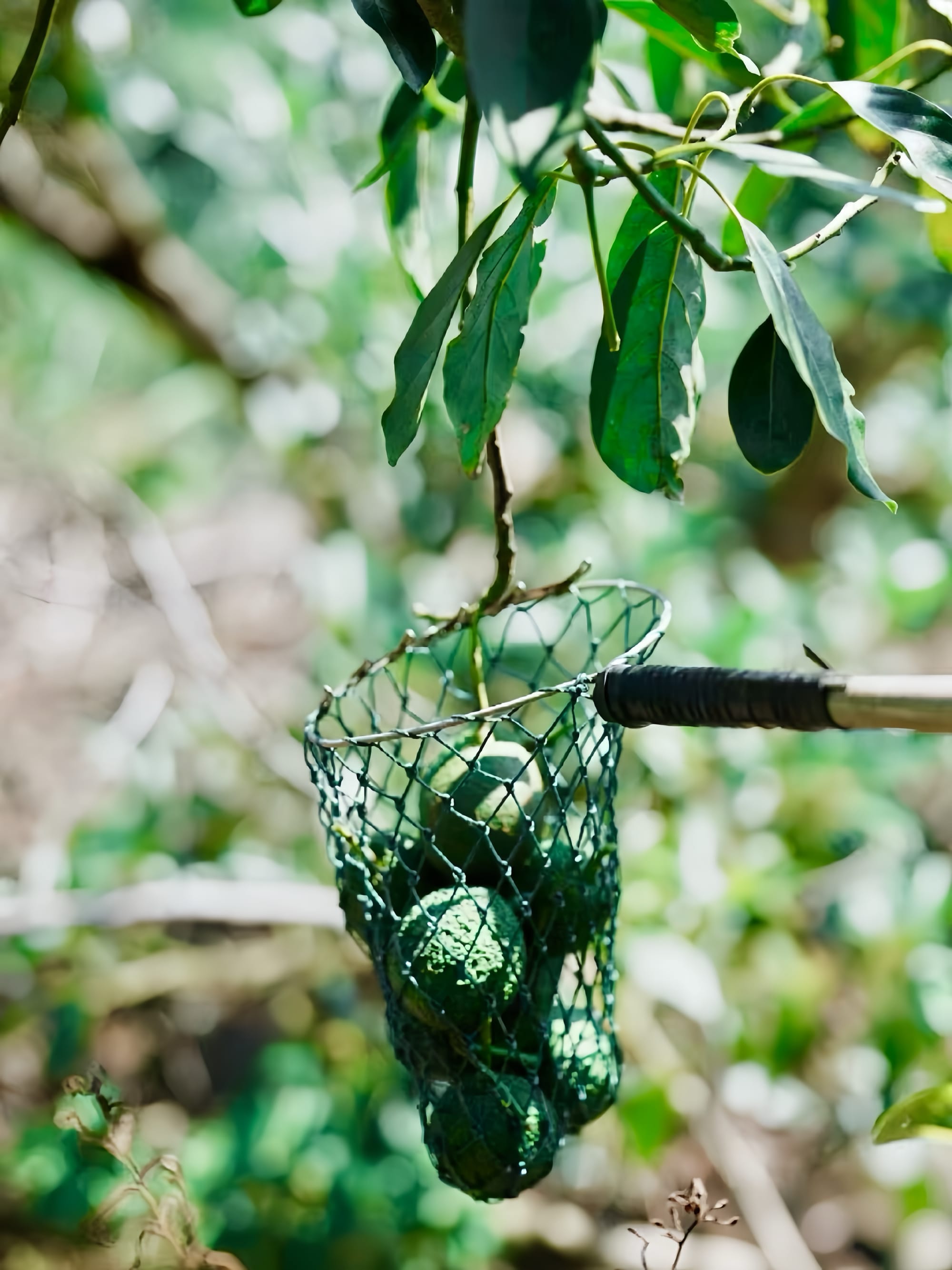
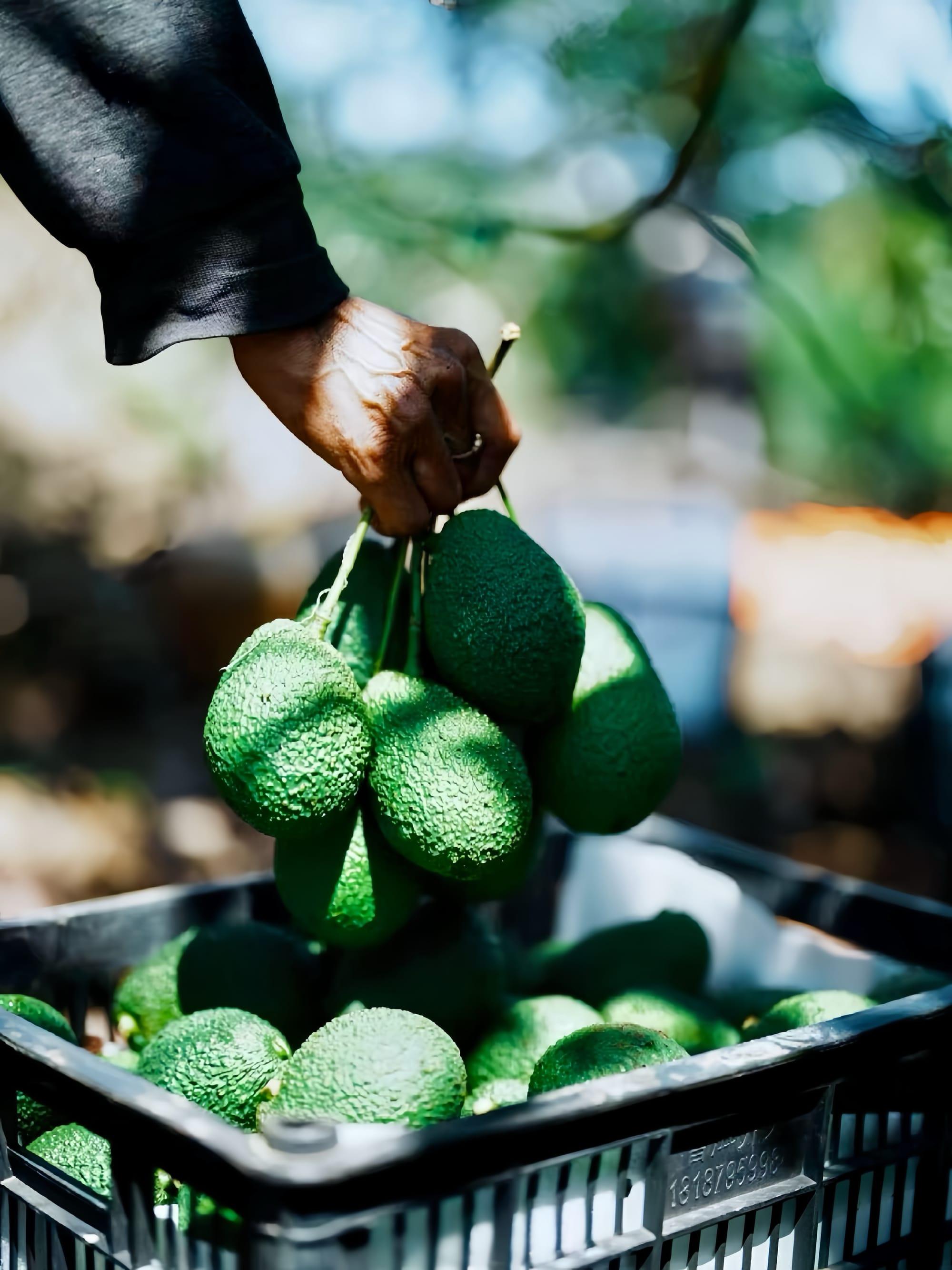
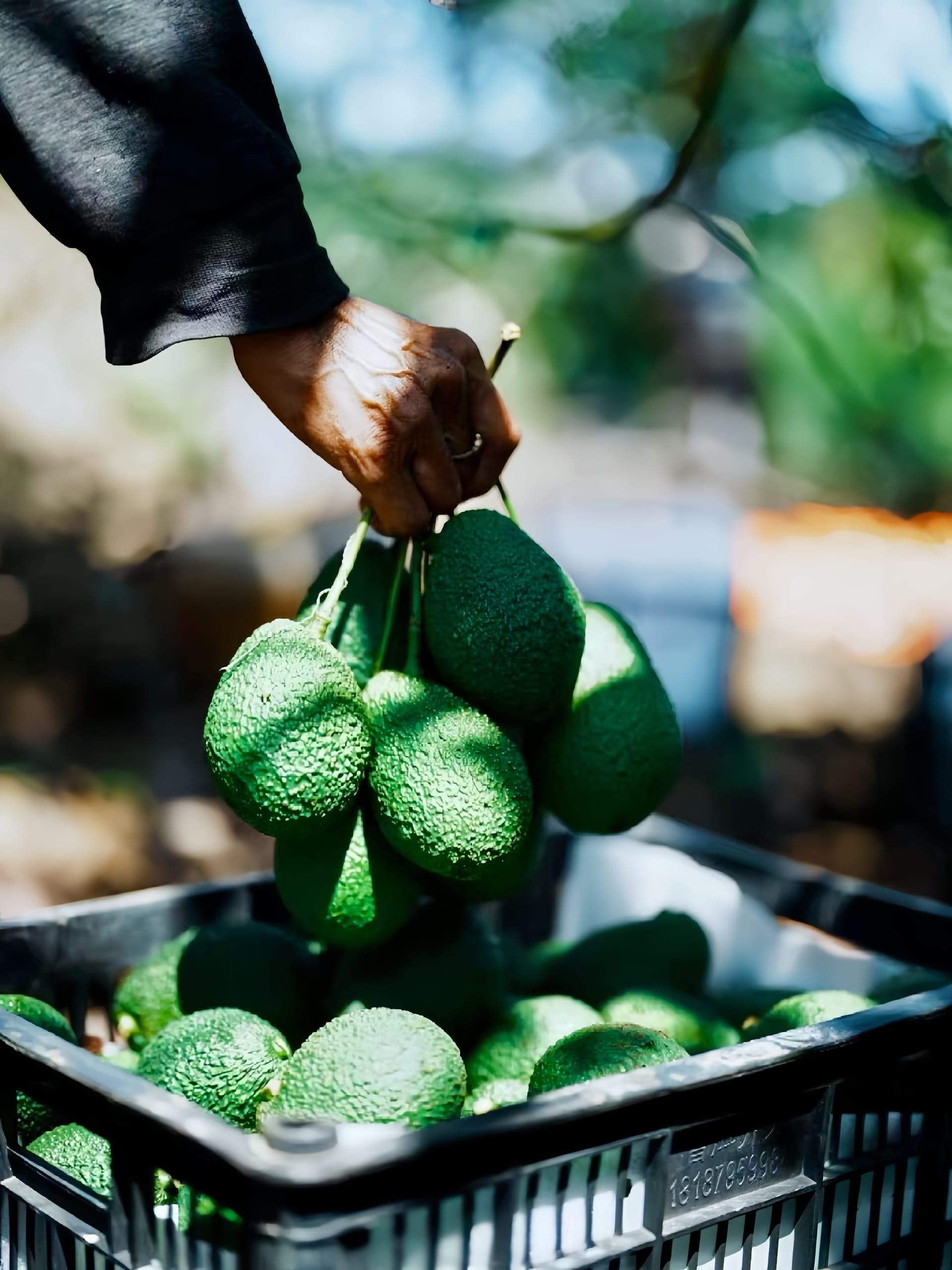
Avocado harvest season in Menglian. The variety grown here is Hass, originally developed in California, USA. Credit: 山中inmountain
Before avocados became globally mainstream in the 2010s, they had already been introduced to Yunnan decades earlier. The first trial plantings began in the 1950s, but the crop didn’t gain real momentum locally in China until around 2020, when demand in China’s big, Tier-1 cities surged. As avocado toast and guacamole started showing up on menus and in home kitchens in Beijing and Shanghai, Menglian’s avocados, once just another experiment in the hills, suddenly had an audience.
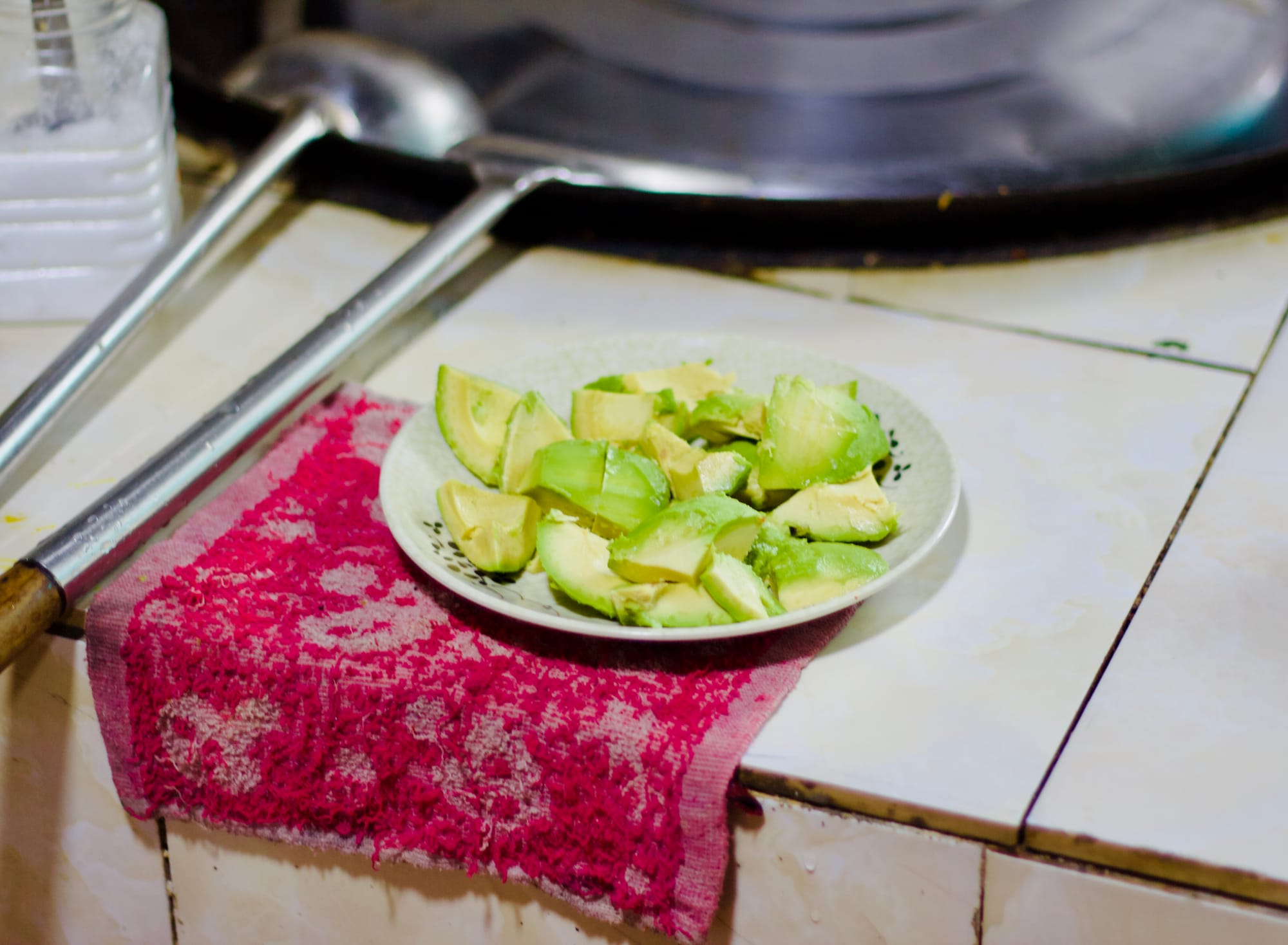
Although not native to Yunnan, the avocado's journey in Menglian is proof of how quickly people there adapt and how fully they make use of what arrives. Walk down the street in Menglian and you’ll see avocados everywhere; in food markets, coffee shops, restaurants, and even craft stores. Avocado coffee, avocado smoothies, avocado sandwiches, stir-fried avocado with eggs, Yunnan-style cold salads with avocado, and most surprising to me, avocado in chicken soup.
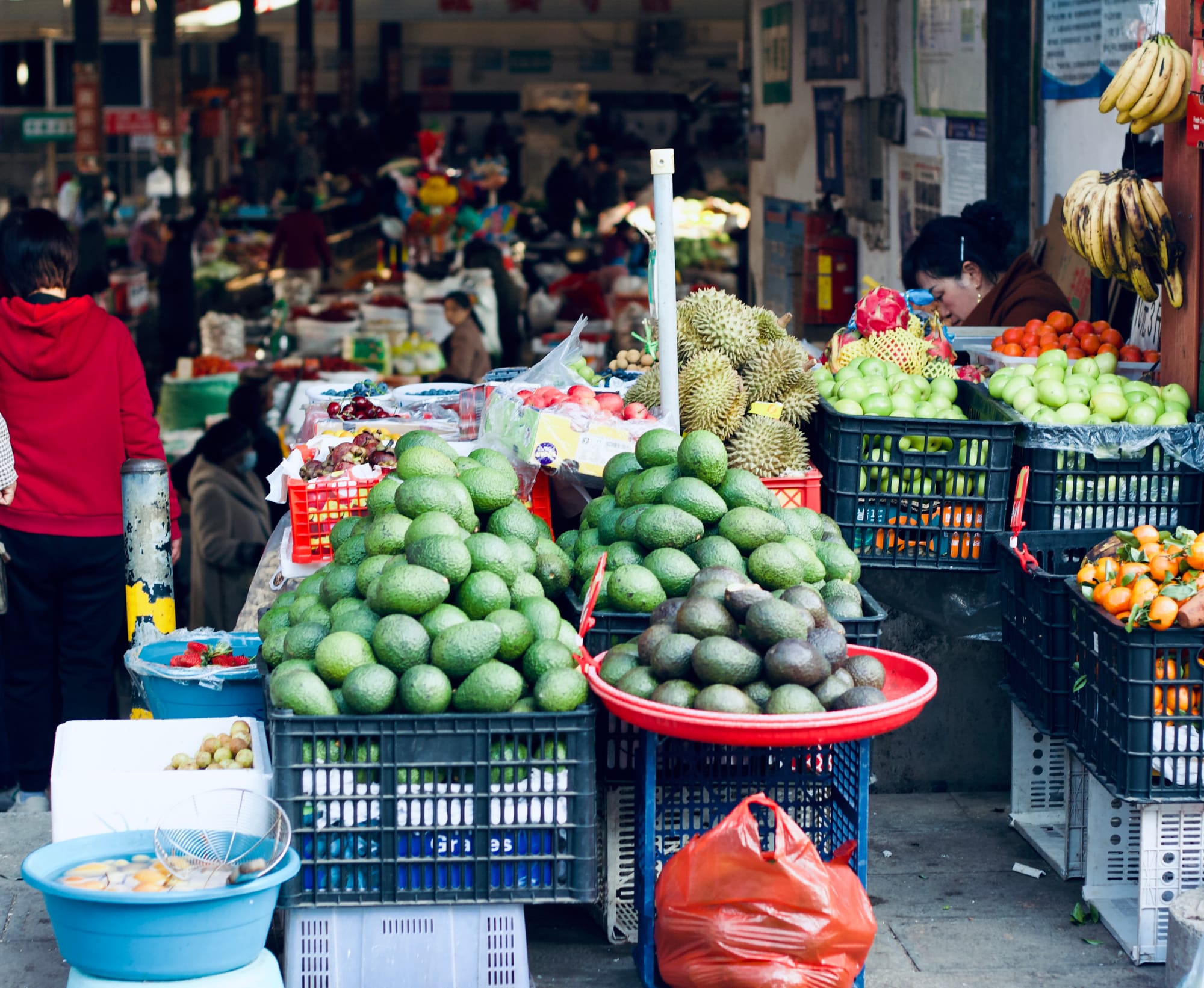
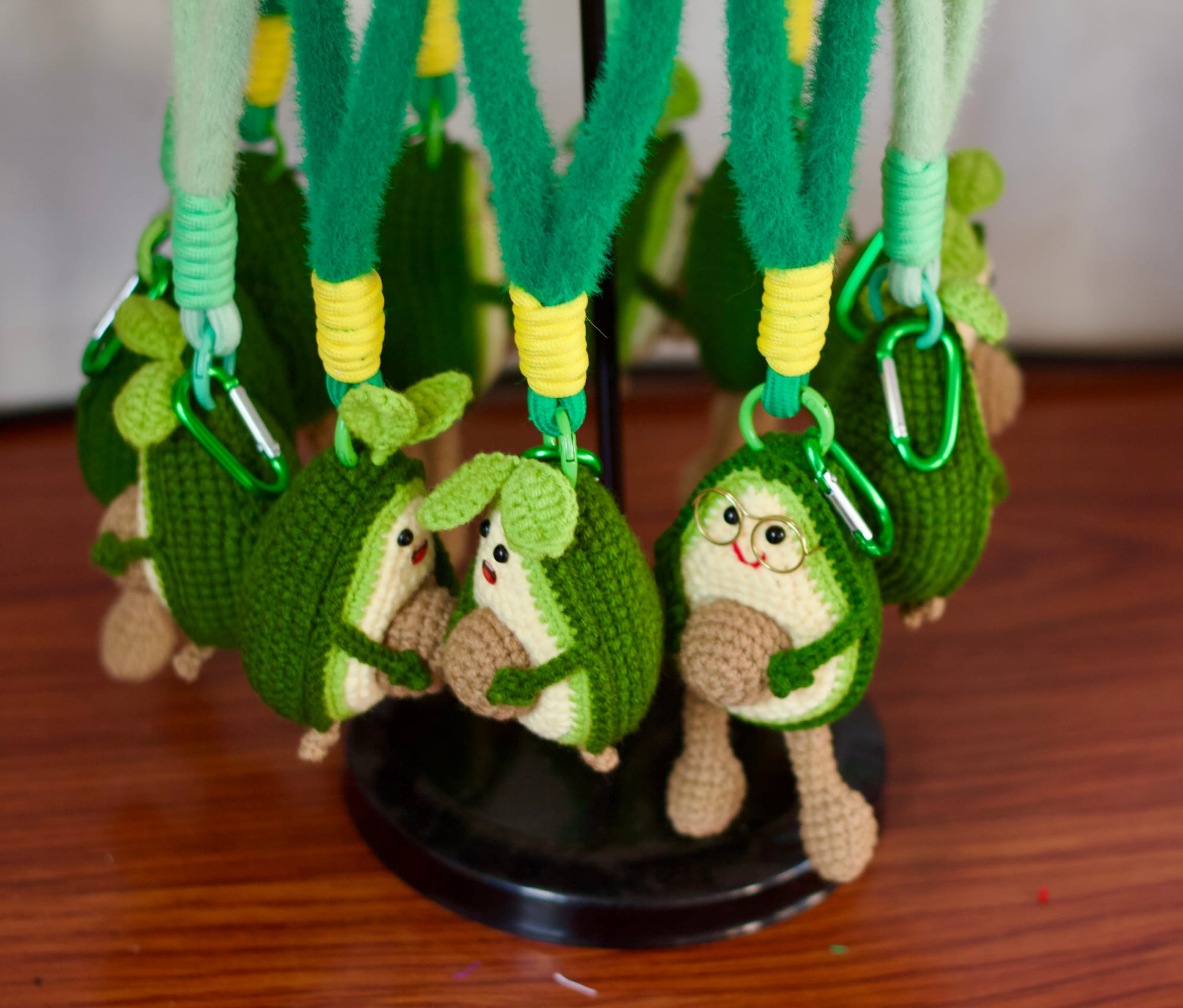
Avocados show up everywhere, from food markets to craft stores. Their popularity speaks for itself.
In Yunnan, avocado isn’t treated as a symbol of “modern” eating. It’s simply an ingredient, one that opened up more economic opportunities. Unlike in Shanghai or Beijing, where restaurants have to think about food costs and whether customers will accept it, in Menglian it’s just another thing people cook with due to its local abundance. No hierarchy, no performance, just what’s readily available and tastes good. If it wasn’t avocado that found its way to Yunnan, but another unfamiliar crop, I think it would have been welcomed the same way, first by the soil, and then by the people.
By the time we left the estate, the sun was lower and the drying beds looked almost golden. I took one last sip and thought about how quickly Menglian absorbs what arrives, coffee cherries on the slopes, avocados on street menus, and even in a bowl of chicken soup. The “outside world” Ya Nei talked about wasn’t far away anymore. It had arrived - in baristas who travel here to taste and learn, in flavor notes printed in Shanghai, in farmers who now speak the language of the market. And somehow, it still begins here, with soil, patience, and a smile.

A Tianjin, China native - Chloe has a deep appreciation for all things hotpot. Her appreciation of food and culture runs so deep that after a successful corporate career, she decided to uproot her life in China to attend Le Cordon Bleu Ottawa and Madrid. After working in the culinary industry in Canada, she decided to found Snout & Seek!
No spam, no sharing to third party. Only you and me.



Member discussion