Finding Shangri-La on the Forest Floor
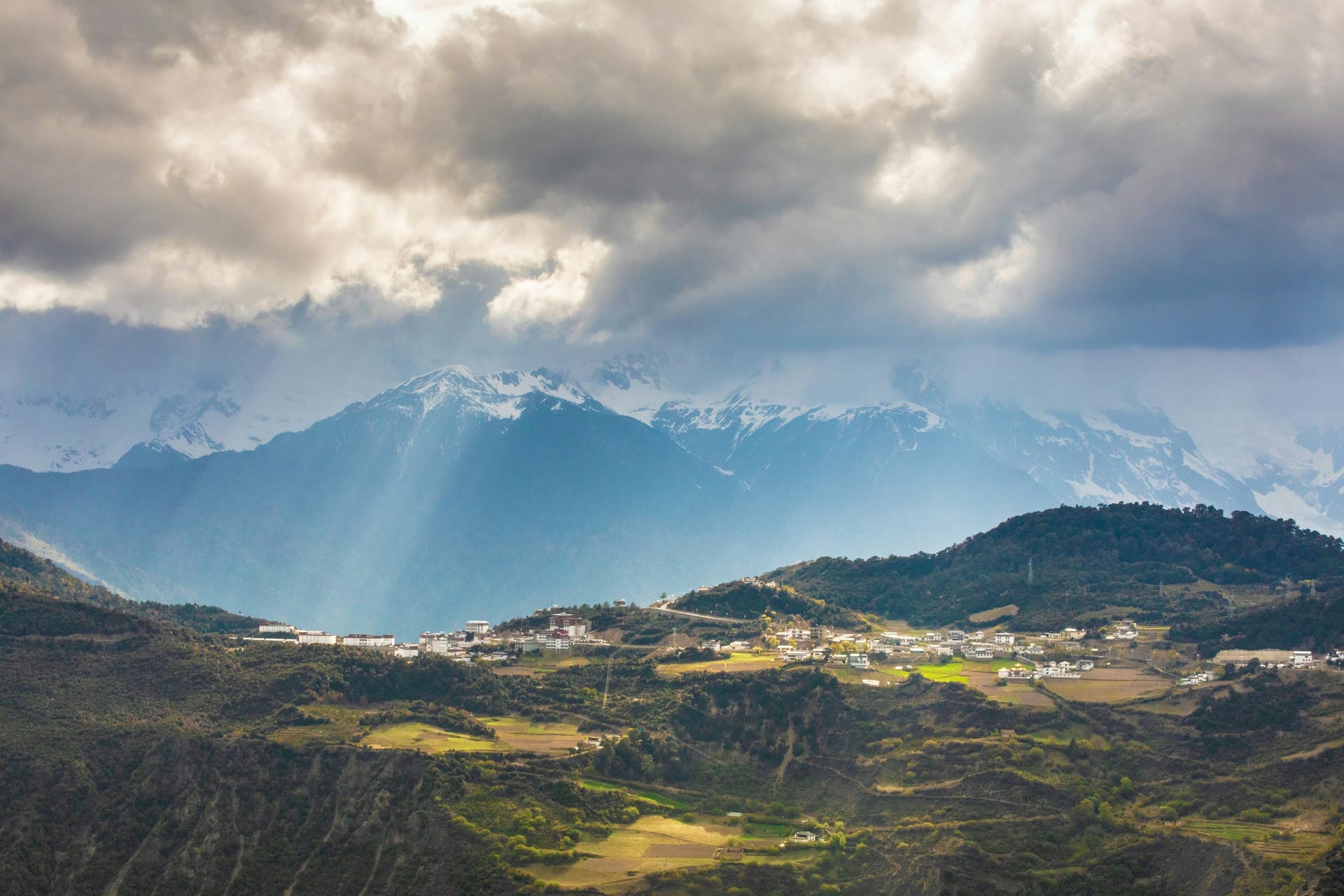
The sharp sensitivity Yunnan people have toward forests, climate, and seasonal change finds its clearest expression in mushroom foraging.
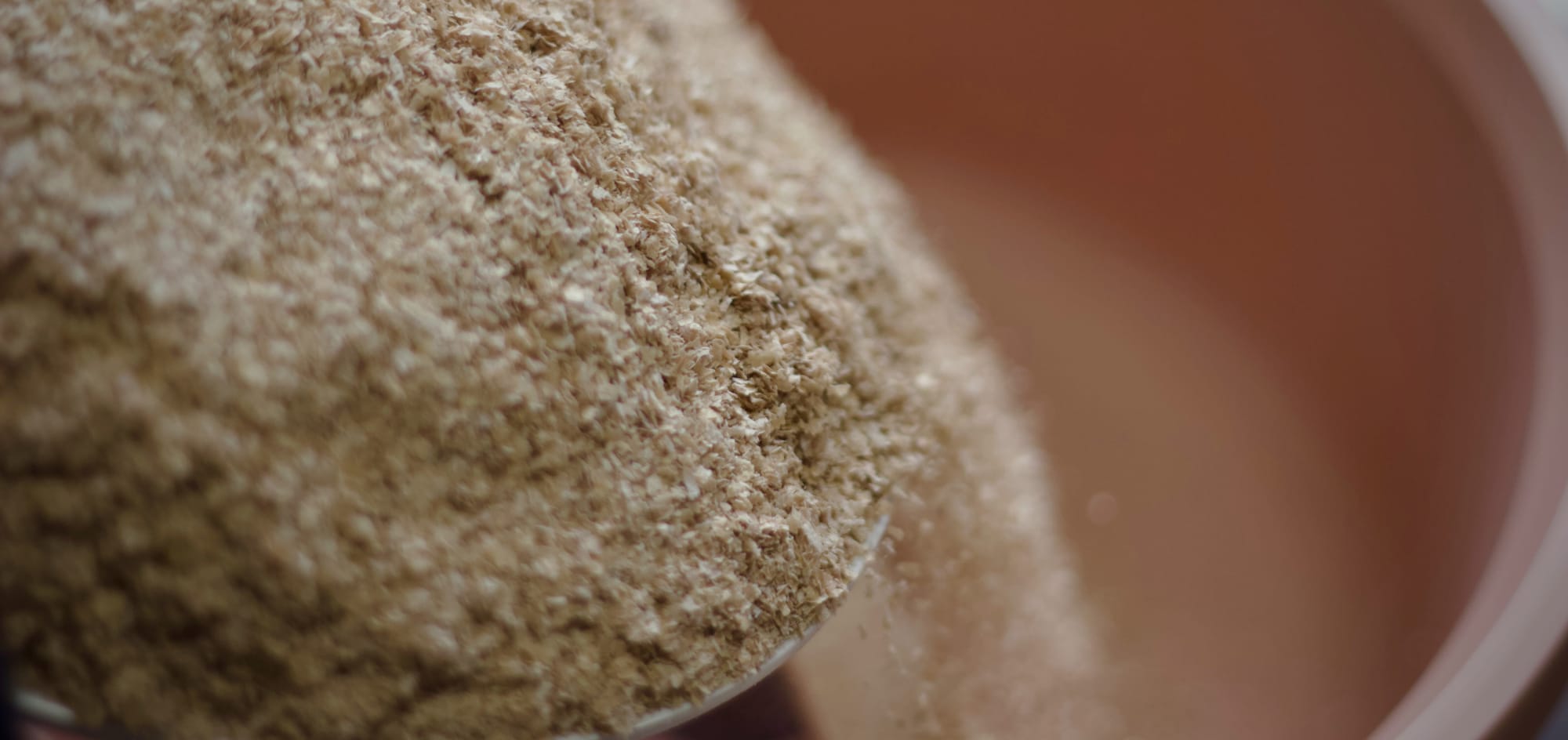
When the summer rains arrive, “picking mushrooms” becomes an essential part of everyday life across Yunnan. For those who make a living from it, foraging begins even before stepping into the mountains. They observe surrounding plants and weather patterns to judge whether mushrooms are ready. Experienced foragers can even locate mushroom patches by scent alone. As long as the underground mycelium is left undisturbed, the same patch will continue to offer generous harvests year after year.
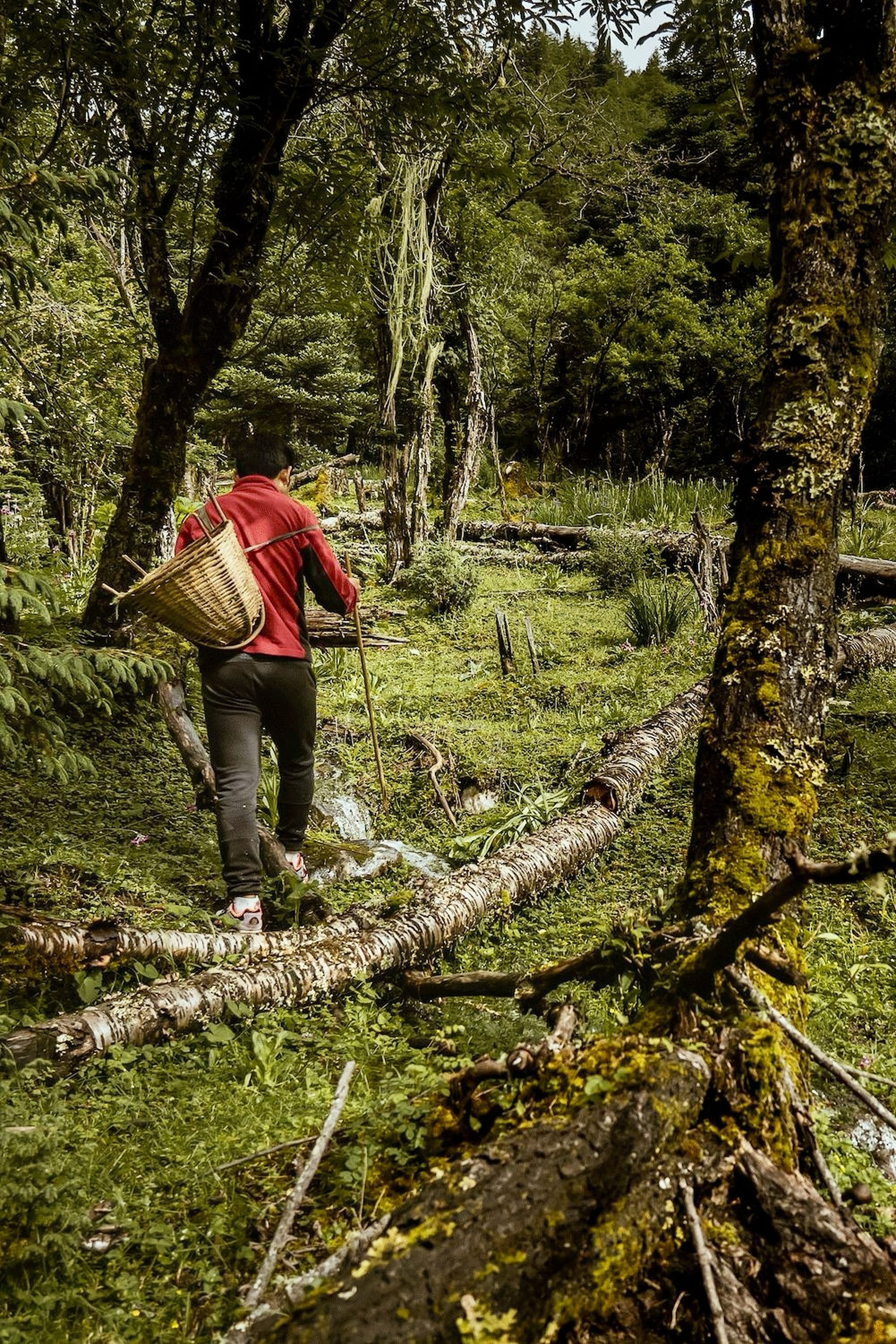
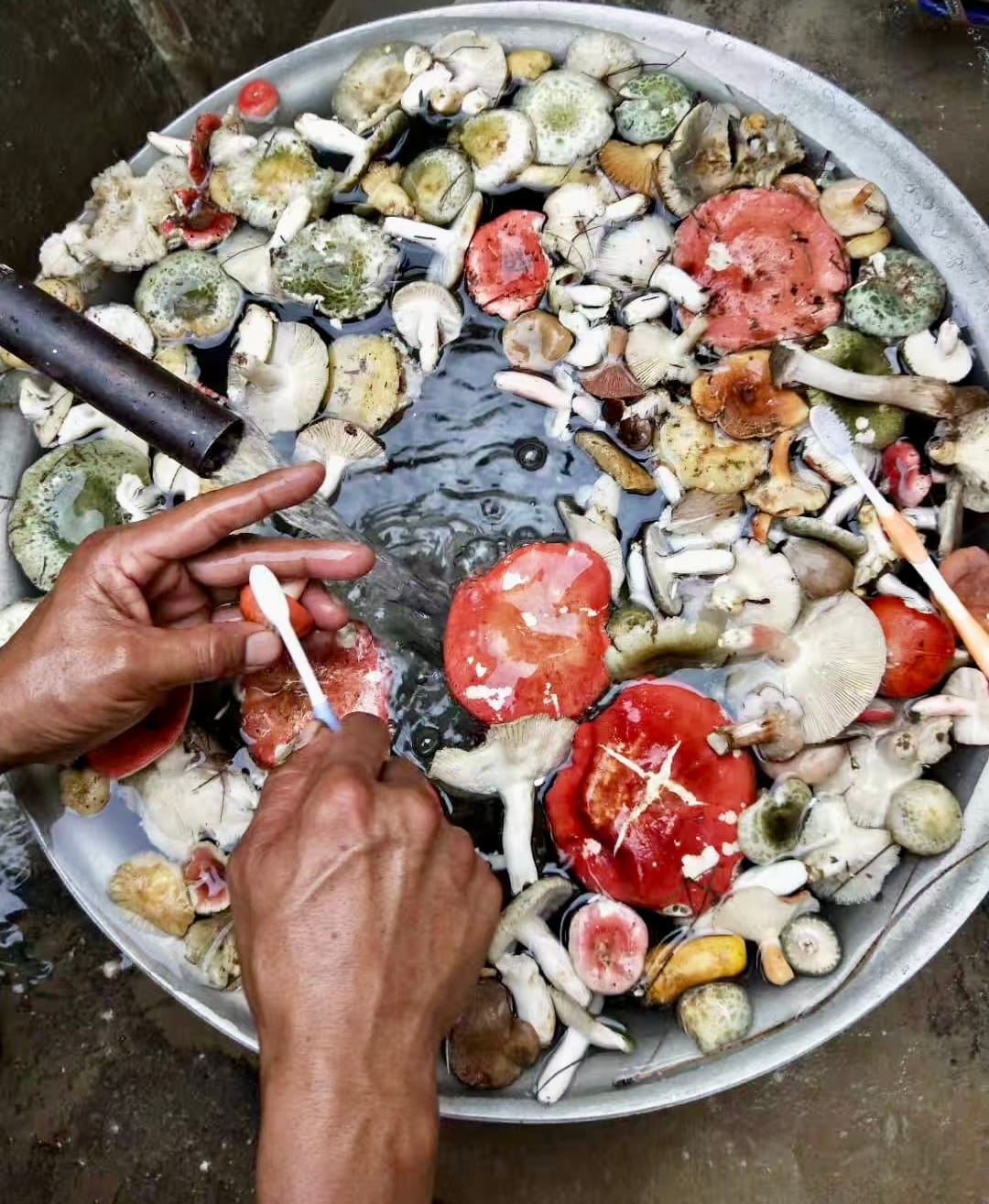
First: People heading into the mountains to forage mushrooms. / Second: A colorful spread of wild mushrooms cooked on the spot after picking (right).
Yunnan is one of the finest regions in China for matsutake mushrooms. Villagers who gather them always set out before sunrise, ensuring they are already deep in the forest by the time the sun appears. At this hour, the aroma of matsutake is at its strongest. Skilled foragers say they can smell a mushroom patch from forty or fifty meters away. “You just stand still,” they say, “and when the wind blows, the scent will lead you to it.”
Before matsutake became a global luxury ingredient in fine dining, mountain communities in Yunnan called it “mountain chicken mushroom.” Among Tibetans in Shangri La, it is known as “Bisha.” To local people, matsutake was defined not by its value but by its intense aroma and short harvesting season. Traditionally, mushroom foraging was a family activity. Parents took children into the forest, turning it into a kind of treasure hunt while teaching them how to distinguish edible mushrooms from poisonous ones, how to recognize mushroom patches, and how to protect them. Yunnan has a long history of eating wild fungi, and knowledge about matsutake, how it grows, how to protect it, where to find it, how to identify it, harvest it, cook it, and store it, has been passed down through generations as a form of local wisdom.
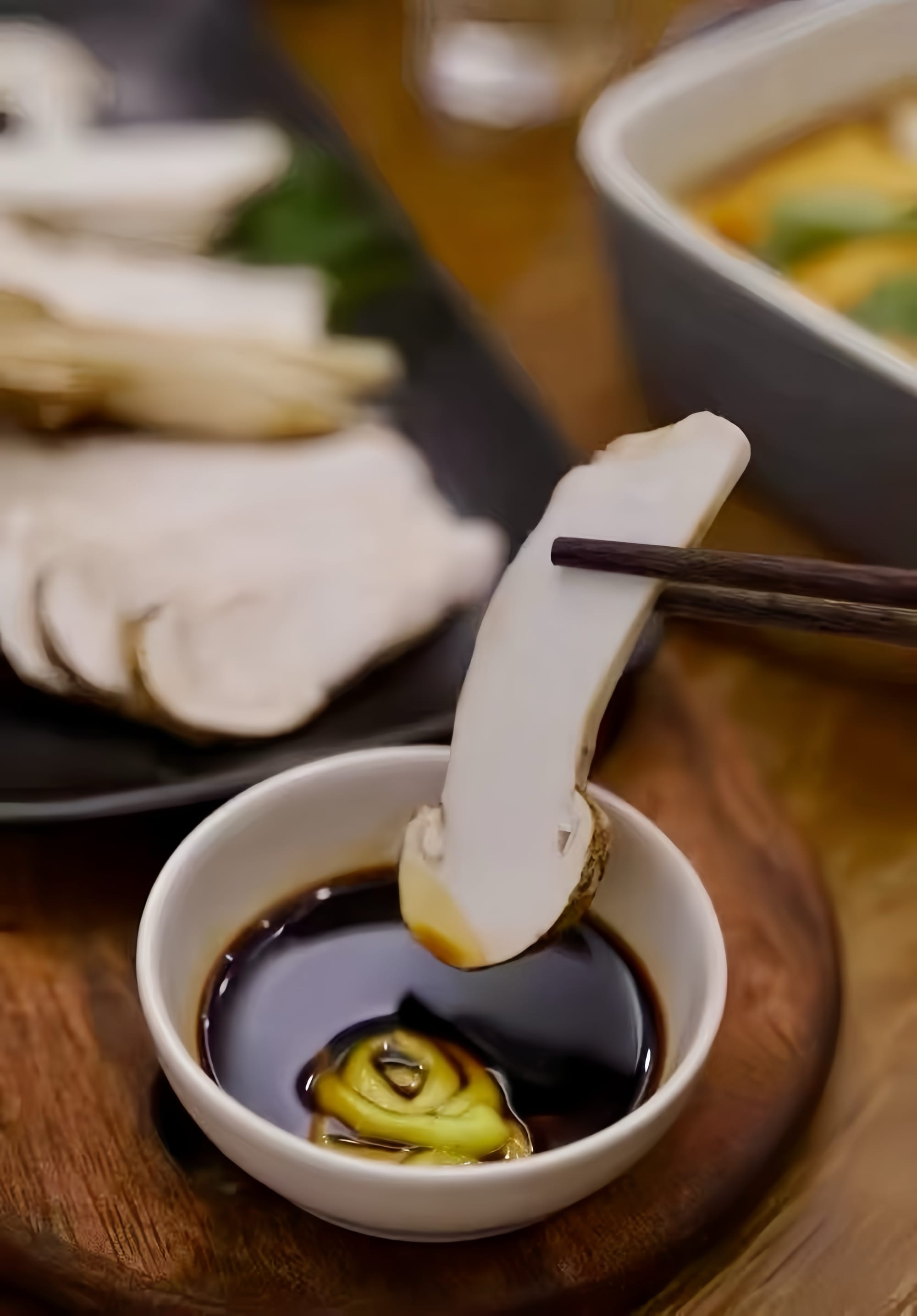
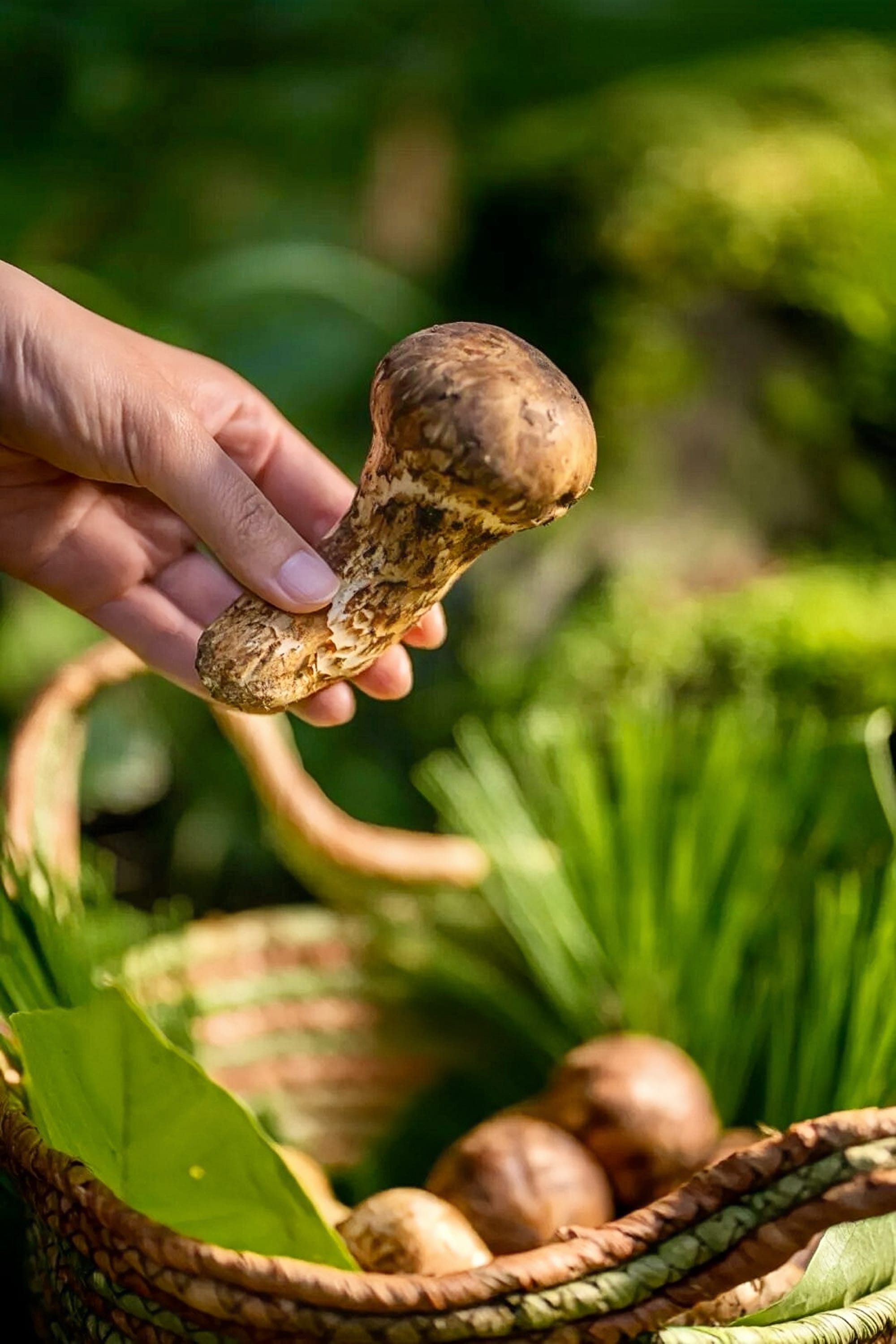
First: Matsutake sashimi. / Second: Matsutake from Shangri La.
In Miheimen Village of Chuxiong Yi Autonomous Prefecture, villagers abstain from smoking and drinking the day before going into the mountains to forage, believing it helps keep their sense of smell sharp. Their understanding of mushrooms is as intimate as their knowledge of their own homes. Local elders say, “When mold appears on the back of your chopping board, matsutake have started growing in the mountains.” In Shangri La, Tibetan foragers often stay deep in the forest during the harvest season, living simply, as one folk song goes, “I have no swift horse, only the legs my parents gave me. I have no comfortable home, only places with water and firewood.”
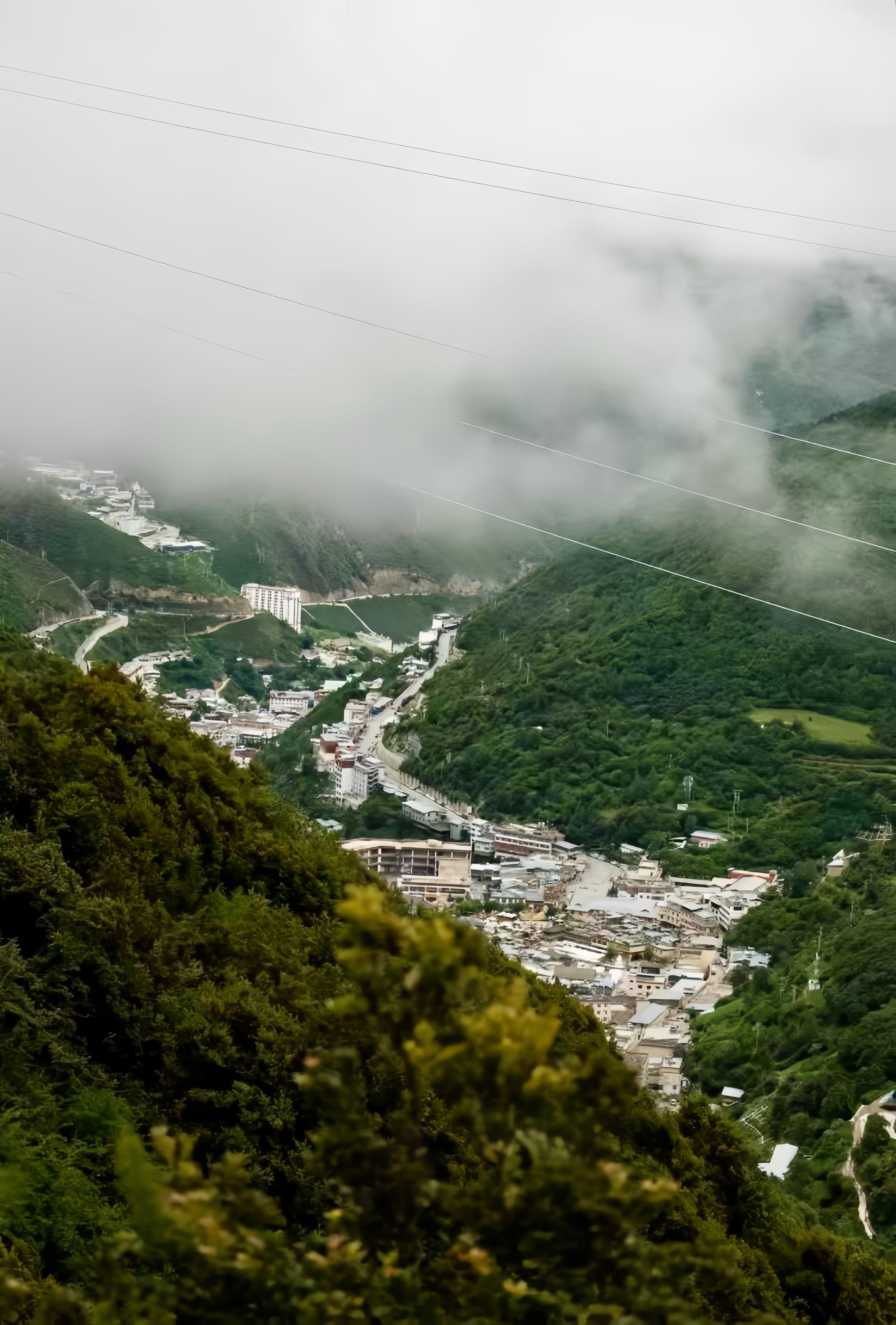
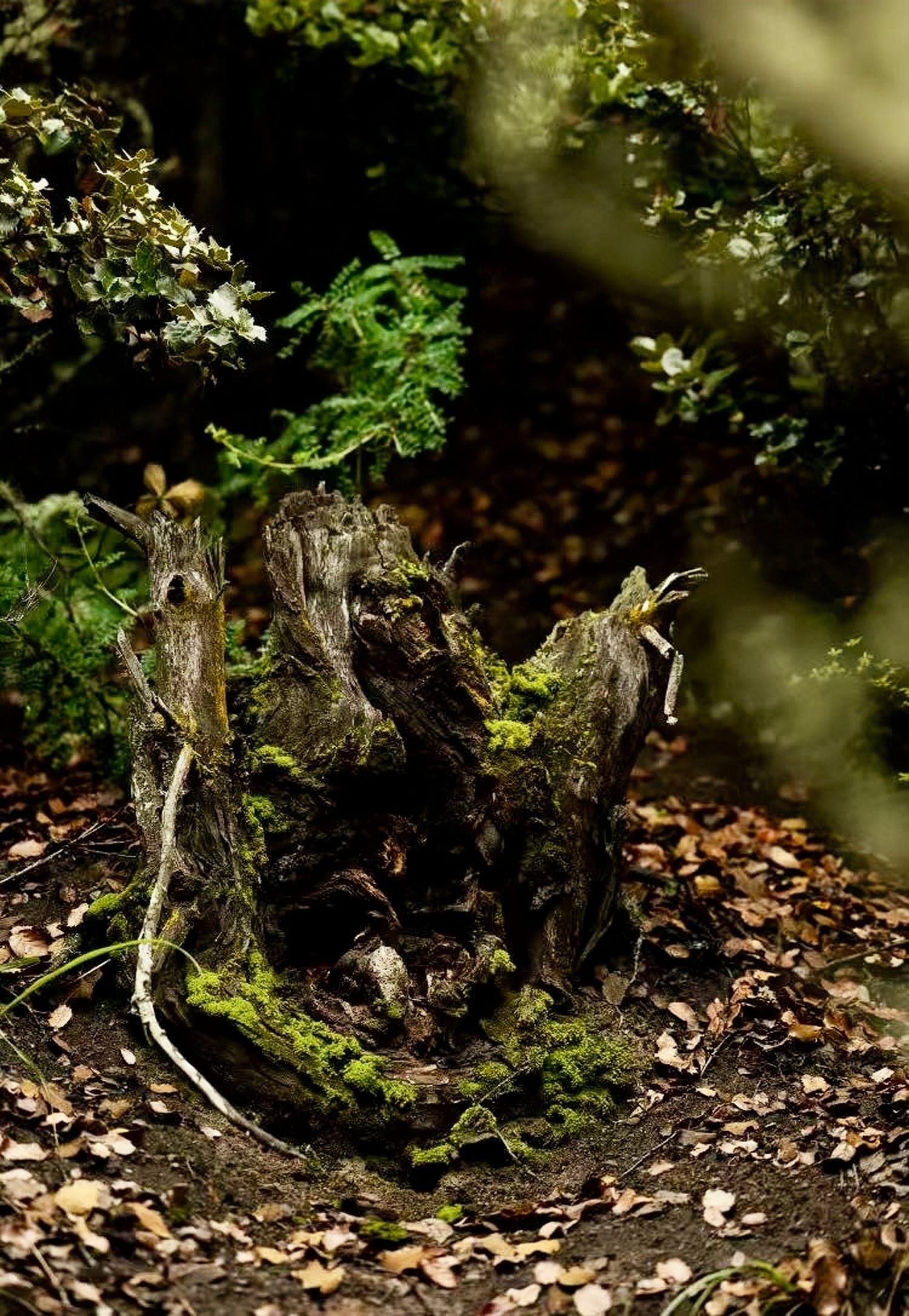
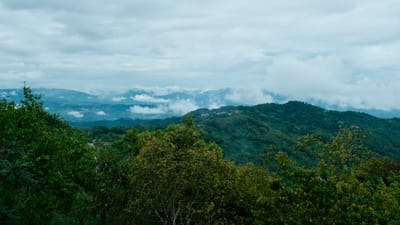
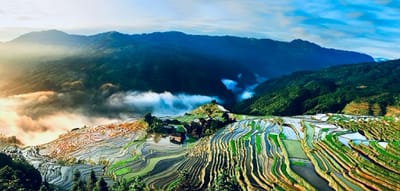
Forests of Yunnan. / Second: Living by the mountains and eating from the mountains is the foundation of Yunnan’s food culture. Credit: ffan
Matsutake are highly sensitive to climate. Too much moisture in the air weakens their aroma, while sudden drops in temperature or frost can damage the mycelium and prevent growth the following year. Only mature trees over fifty years old can form stable mycorrhizal relationships with matsutake. Beneath soil covered with dry leaves after rainfall, a few specks of white are signs of living mycelium. Skilled foragers understand the importance of protecting these hidden networks. They do not disturb the soil unnecessarily. Instead, they gently pinch the stem and lift the mushroom from the earth, then carefully restore the surface, covering it with dry leaves or pine needles to protect the underground roots.
This is a language without words. The natural system that binds matsutake, soil, and forest also flows through the mountain communities who live alongside it, sustained by its gifts year after year. In Yunnan, mushroom foraging is seen as a seasonal outing, much like how in Japan the prized matsutake is exchanged as a gift, reviving sensitivity to the quiet beauty of autumn. The pleasure of foraging brings a special brightness to the long, often tiresome rainy season. Connections between people, objects, and nature, so often severed by industrial life, remain vividly alive in the annual ritual of mushroom picking.
Co-founder of Snout & Seek, Hui Mu is a Yunnan native who loves hometown cuisine and local culture, Hui is currently based in Chengdu, Sichuan, engaged in food culture writing and magazine editing. Hui enjoys reading, trying new cuisines, hiking, and people-watching.
No spam, no sharing to third party. Only you and me.
Member discussion