
“Eastern Chocolate” – Liangshan Brown Sugar
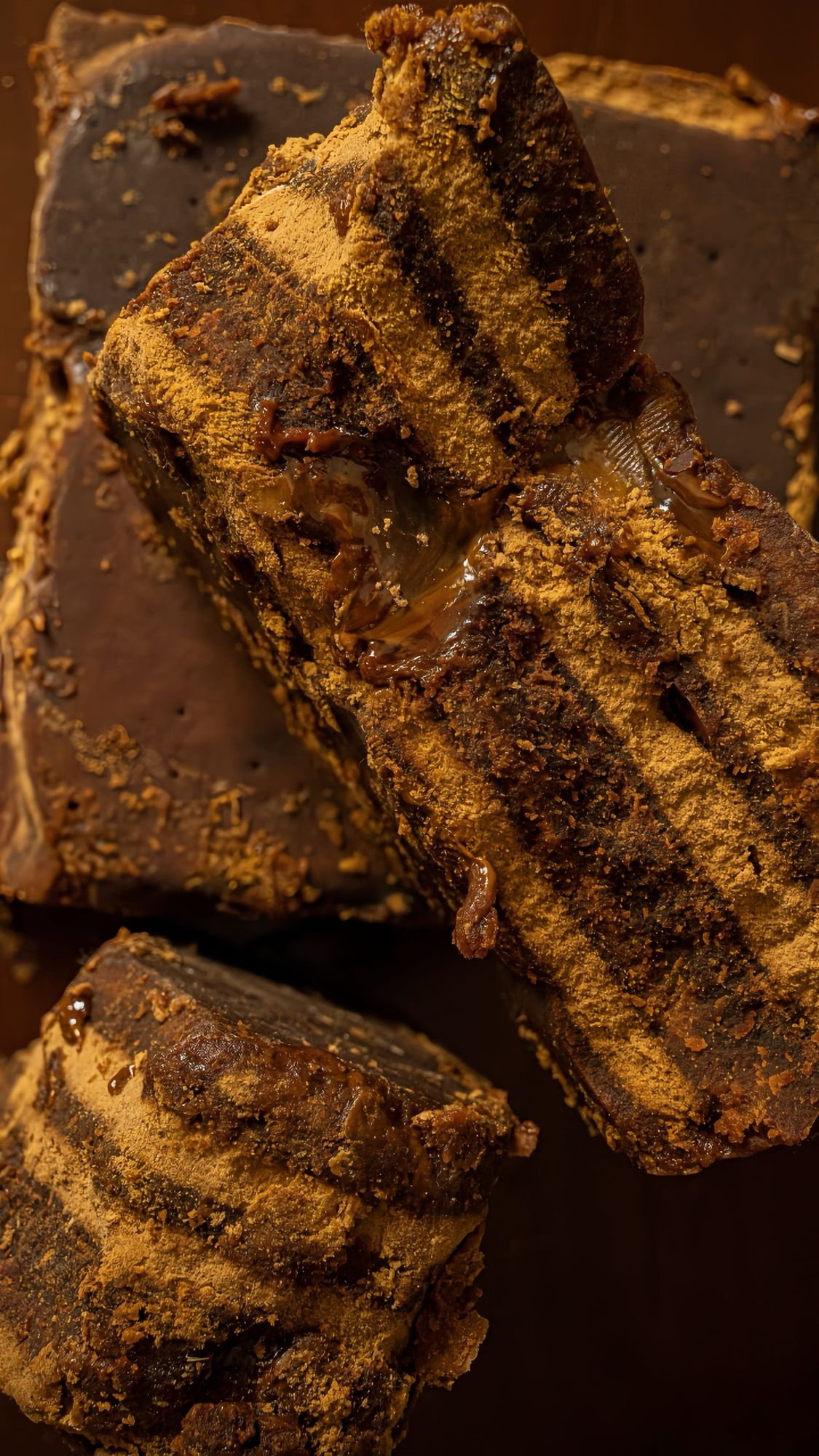
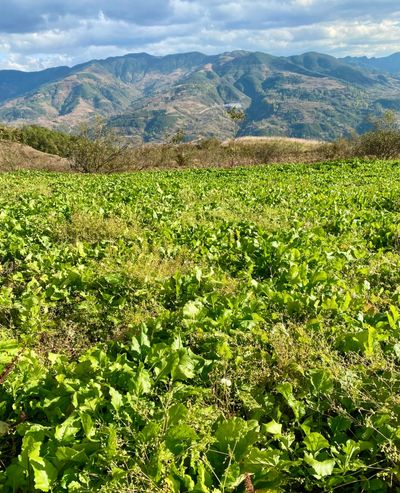
In February 2023, at the end of winter and the start of a dry spring season, we drove through the Panxi region in southern Sichuan, near the border with Yunnan. Red dust lifted into the air along the road, carried by the dry wind. The sunlight was intense, and the landscape already felt like a subtropical plateau. This is also the kind of environment where sugarcane grows well. Our destination was Kaihua Sugar Factory in Yundian Town, Huili.
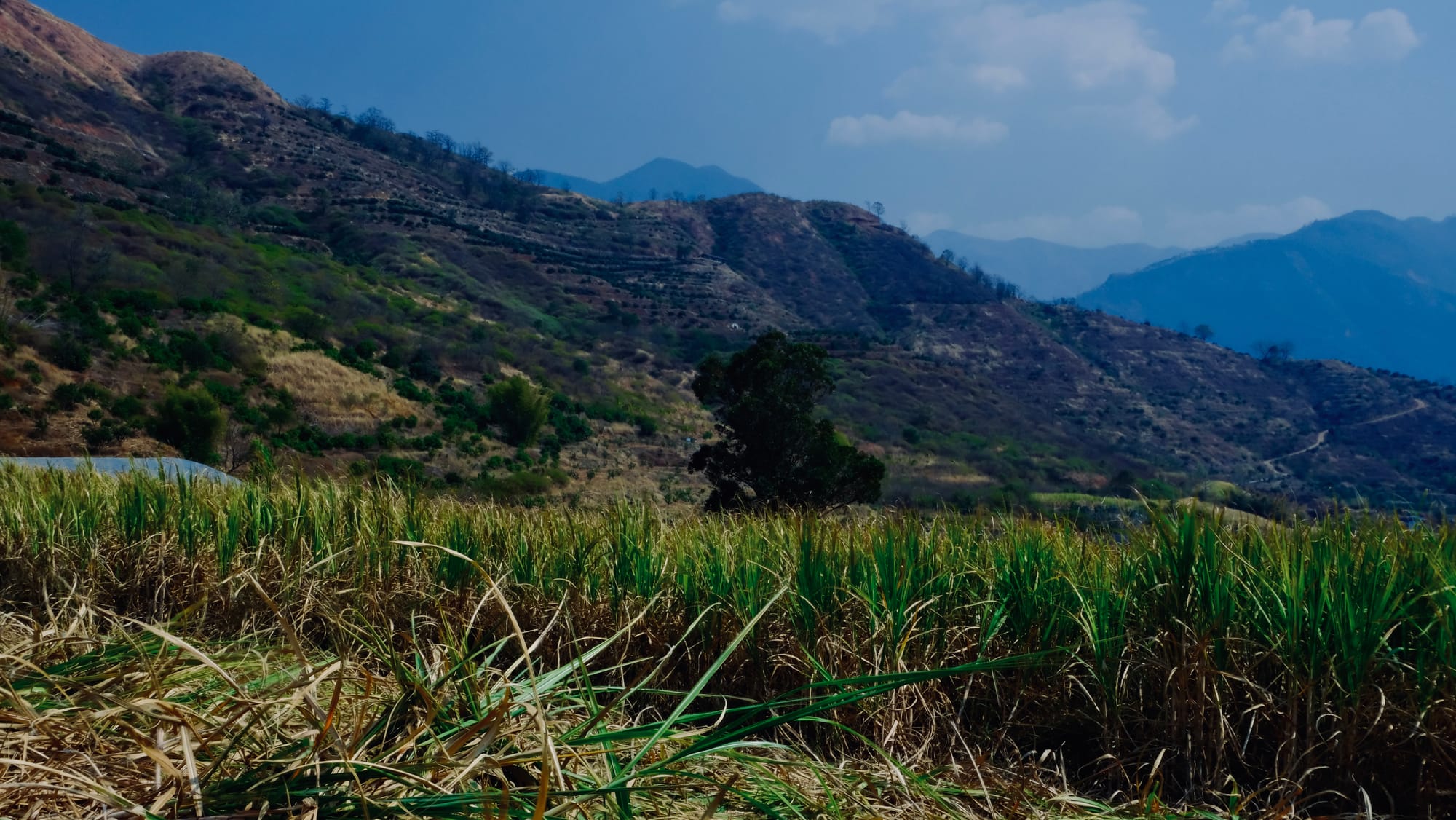
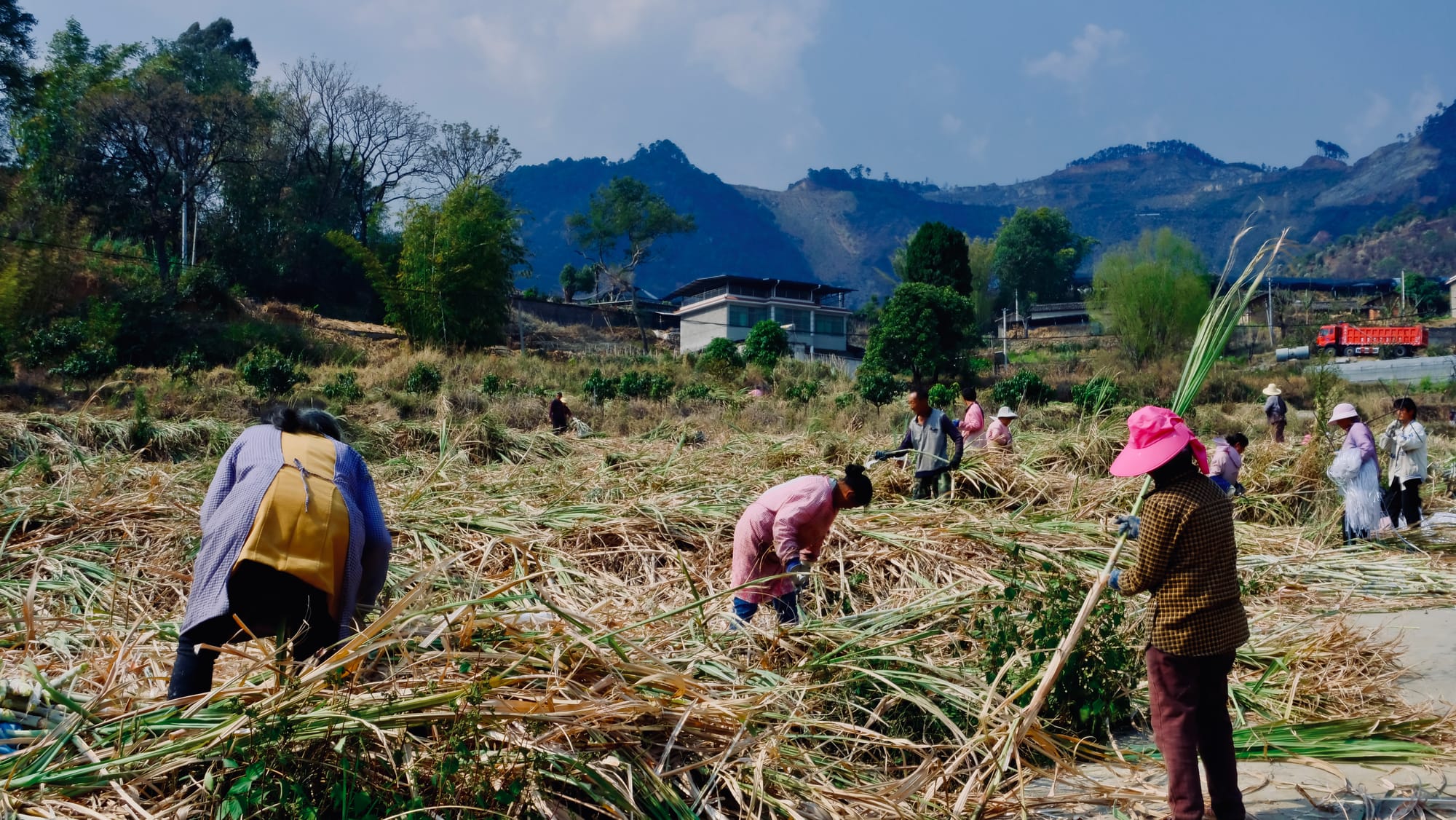
Nearby, sugarcane farmers wearing blue work uniforms were busy cutting cane. Dust rose from the ground while the strong sunlight reflected off the gravelly soil. The dry red sand provides excellent conditions for sugarcane roots to grow deep and strong. The local climate maintains an annual average temperature between 19 and 22°C, along with 2,100 to 2,500 hours of sunshine each year. These conditions help sugarcane accumulate photosynthetic products, increasing both yield and sugar content.
Seeing that we had arrived exhausted and thirsty from the heat, the sugar factory owner Wang Lijun warmly offered us paper cups and a kettle of hot water. Inside each cup she placed a cube of brown sugar coated with rose petals. As the hot water dissolved the sugar, the fresh aroma of sugarcane mixed with the fragrance of rose petals spread through the room. After drinking it, our throats immediately felt soothed.
Brown sugar has been one of China’s traditional sweeteners for more than a thousand years. Made from sugarcane, the juice is extracted, clarified through sedimentation, and then boiled directly until it forms dark reddish-brown or yellowish sugar blocks.
“Brown sugar is a little like wine,” Wang said. Although its quality does not depend on aging, sugar stored for longer develops a darker color and a fuller, more rounded flavor with a faint medicinal note. High quality brown sugar is described in China with the phrase: “solid as stone, breaking apart like sand.”
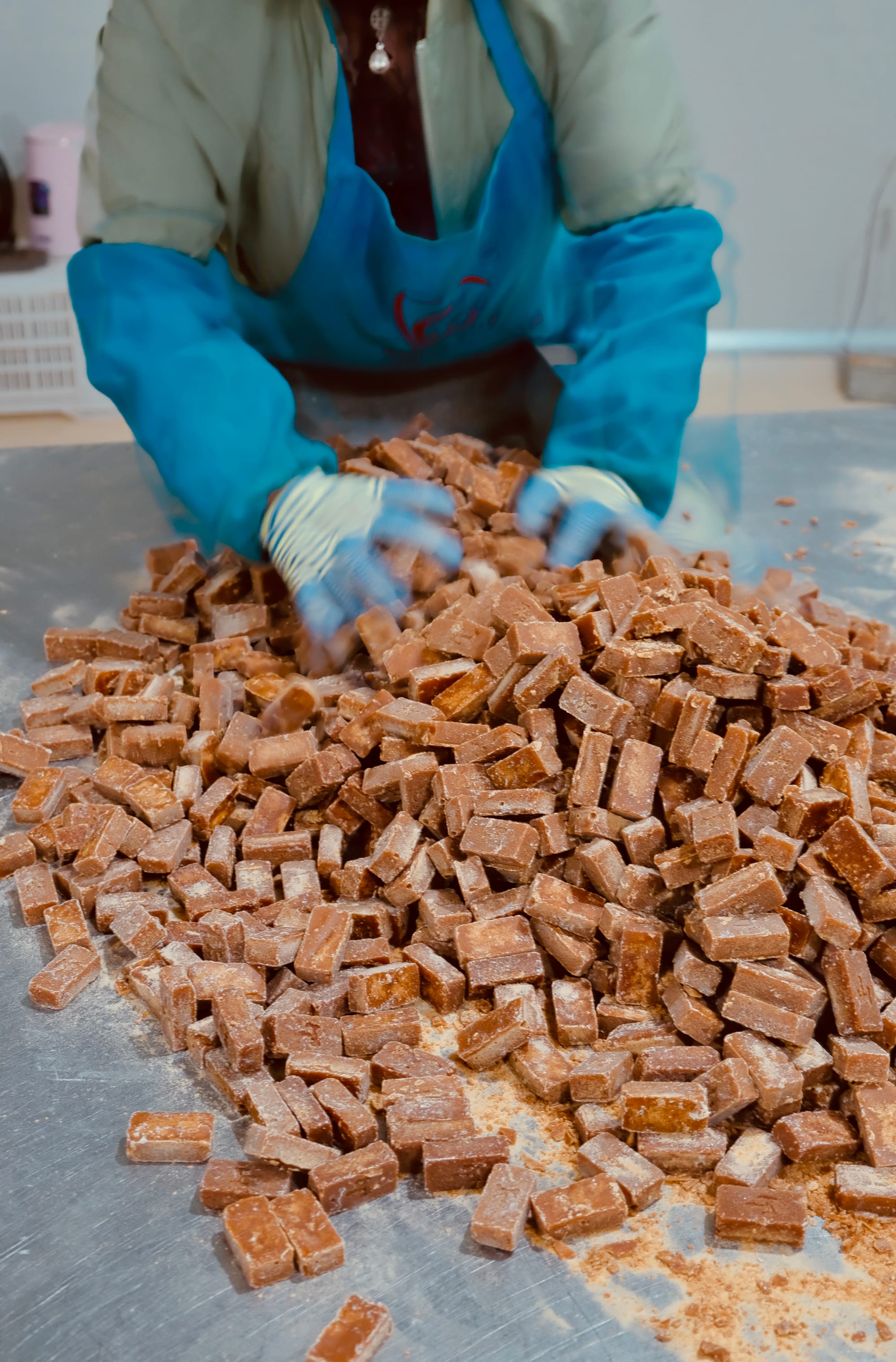
Kaihua still insists on producing solid brown sugar. Today the market offers many forms such as liquid brown sugar or instant drink powders, but Wang explained that traditional solid brown sugar preserves the greatest amount of nutrients from sugarcane. Compared with refined white sugar, brown sugar processing remains far closer to natural production.
First, the sugarcane juice is purified mainly through physical processes, with minimal chemical additives. Second, the crystallization process occurs through controlled cooling, allowing many organic nutrients and soluble minerals to remain within the sugar crystals. In traditional Chinese medicine, brown sugar produced in this way is believed to support and strengthen the body’s vital energy.
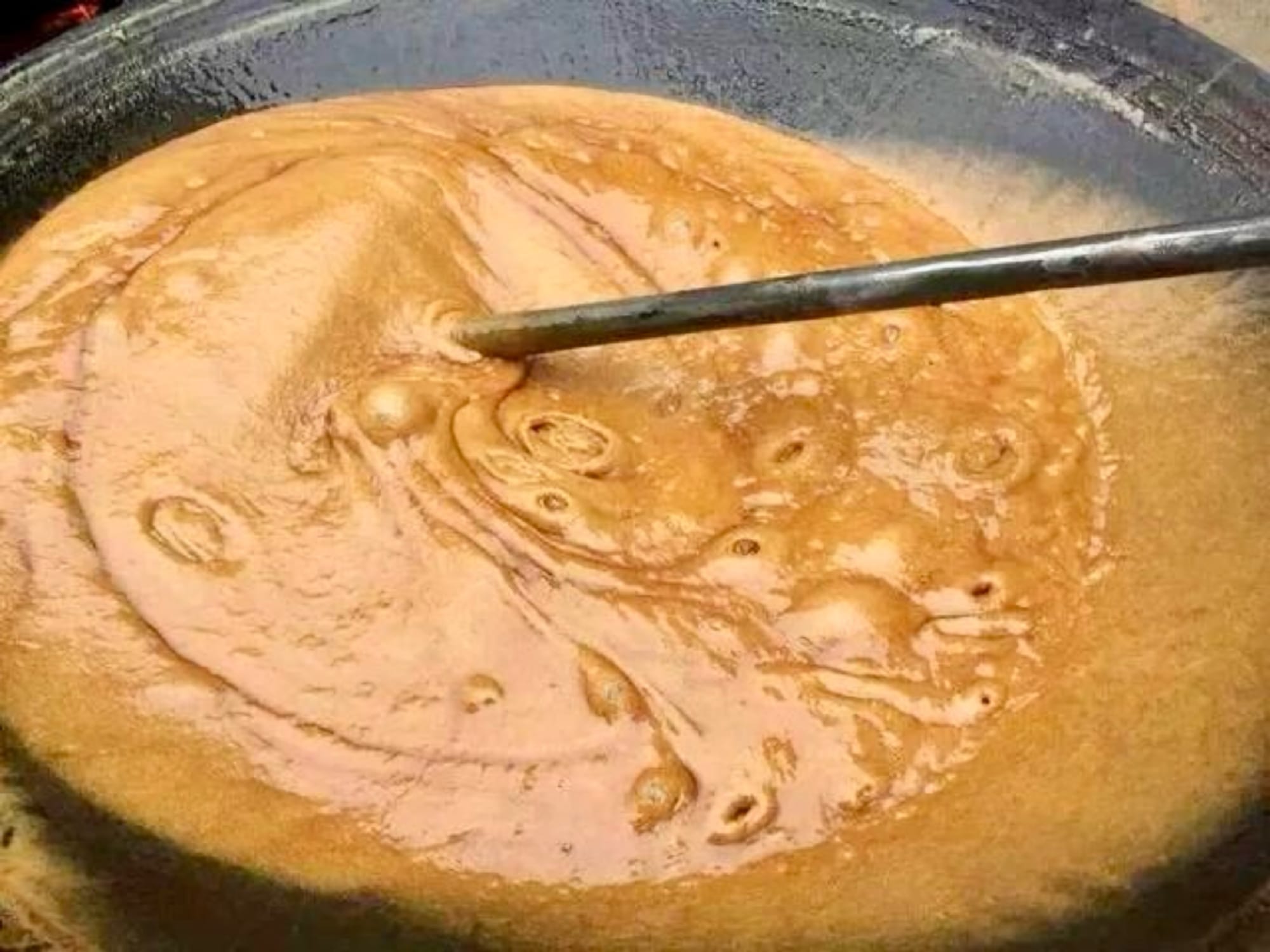
Another interesting detail is that despite the widespread use of industrial production methods today, the factory still avoids chemical defoaming agents during cooking. When boiling sugarcane juice, foam naturally forms on the surface. Many factories rely on chemical agents to remove it. Here, however, they follow a technique passed down by experienced sugar makers over two decades. They use rapeseed oil to remove the foam during the boiling process.
Sichuan and Yunnan are among the regions where brown sugar is used most widely. In both provinces it plays an important role in many snacks and traditional dishes.
Examples from Sichuan
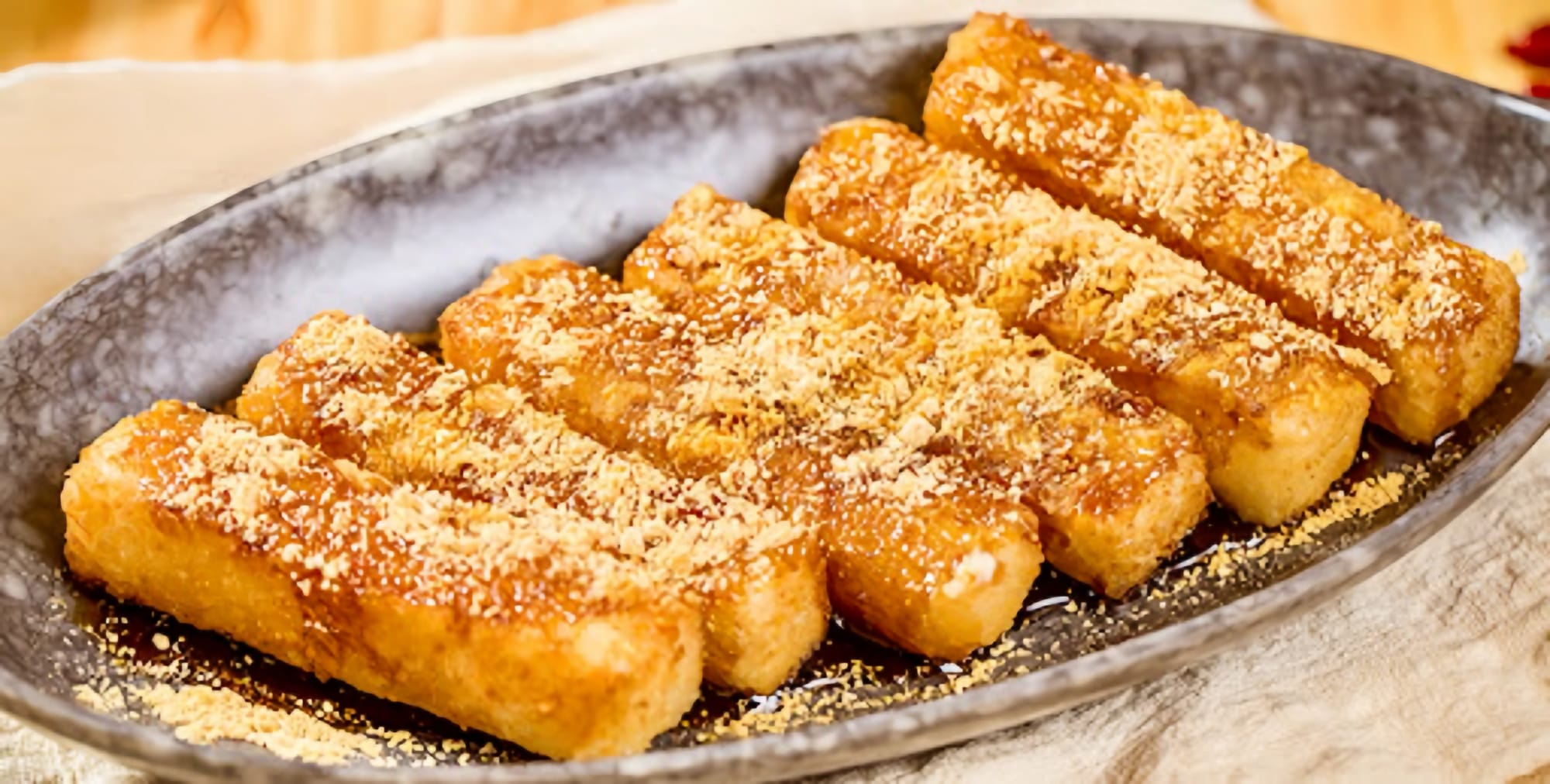
Deep fried glutinous rice cakes coated in thick brown sugar syrup.
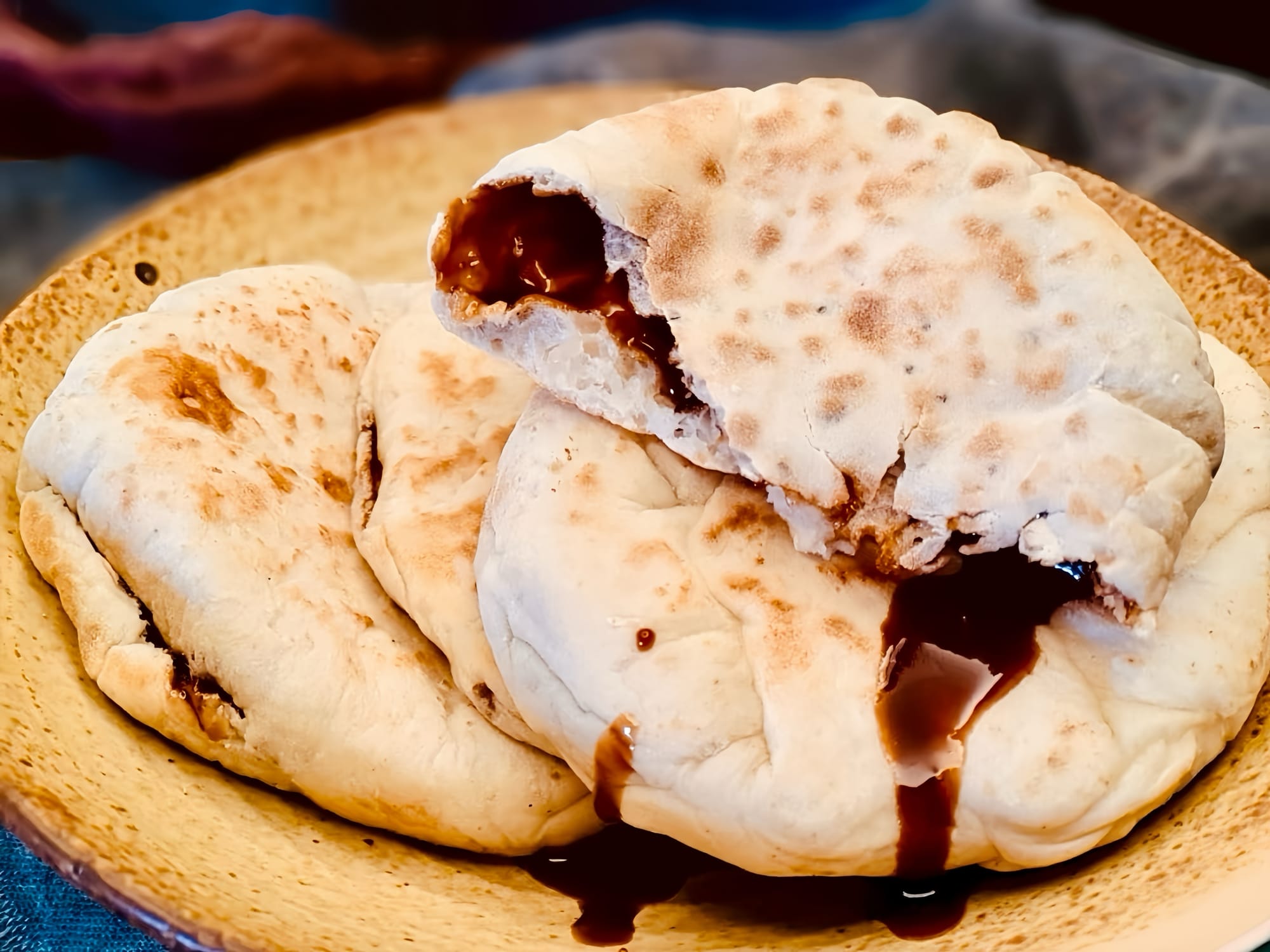
Flatbread filled with brown sugar and baked over a charcoal stove.
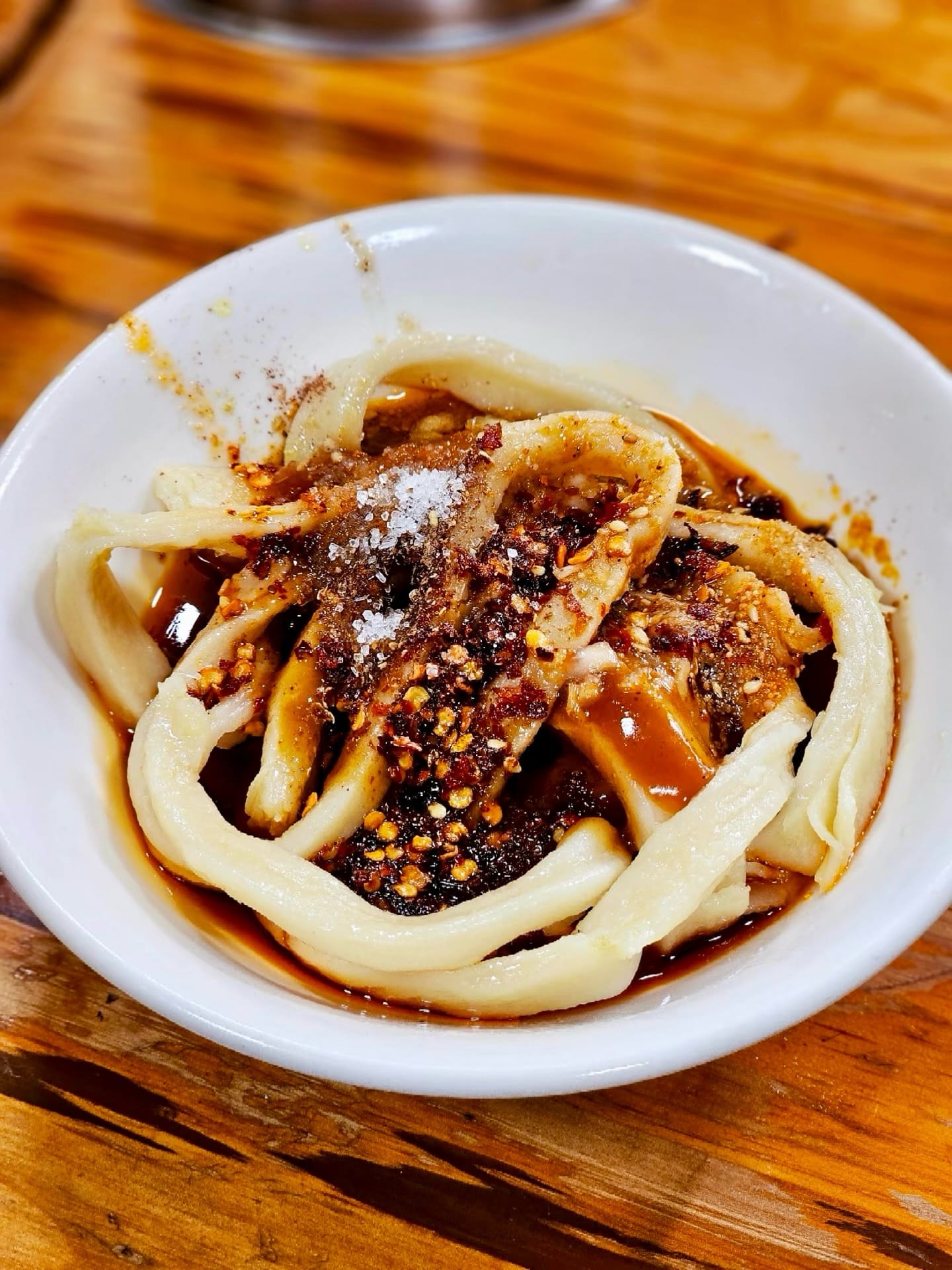
One key ingredient is “replicated soy sauce,” which is cooked with brown sugar.
Examples from Yunnan
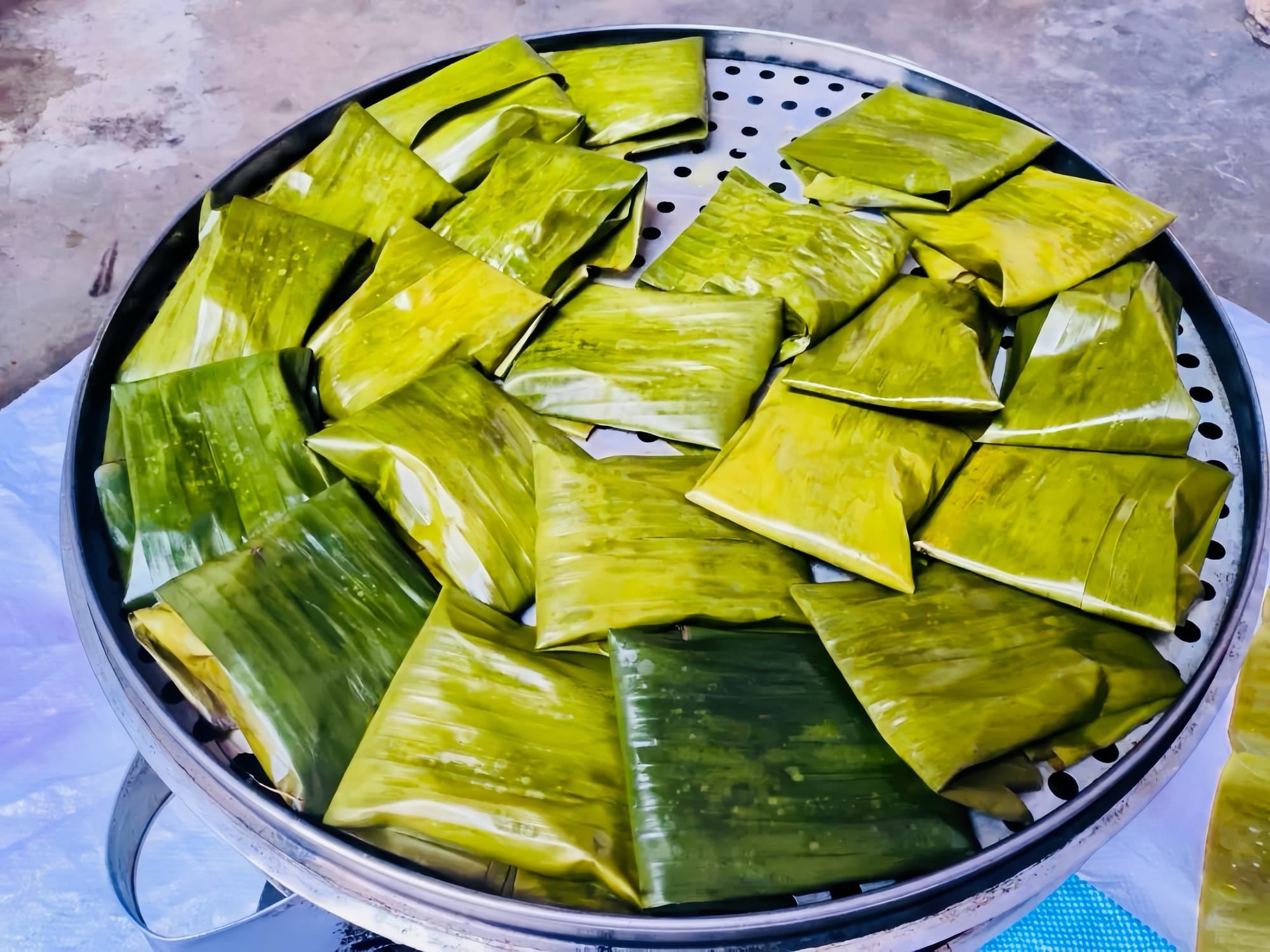
A Dai ethnic snack called “Hao Zhua” in Dai language. It is made by steaming soft rice batter with brown sugar syrup and wrapping it in banana leaves.
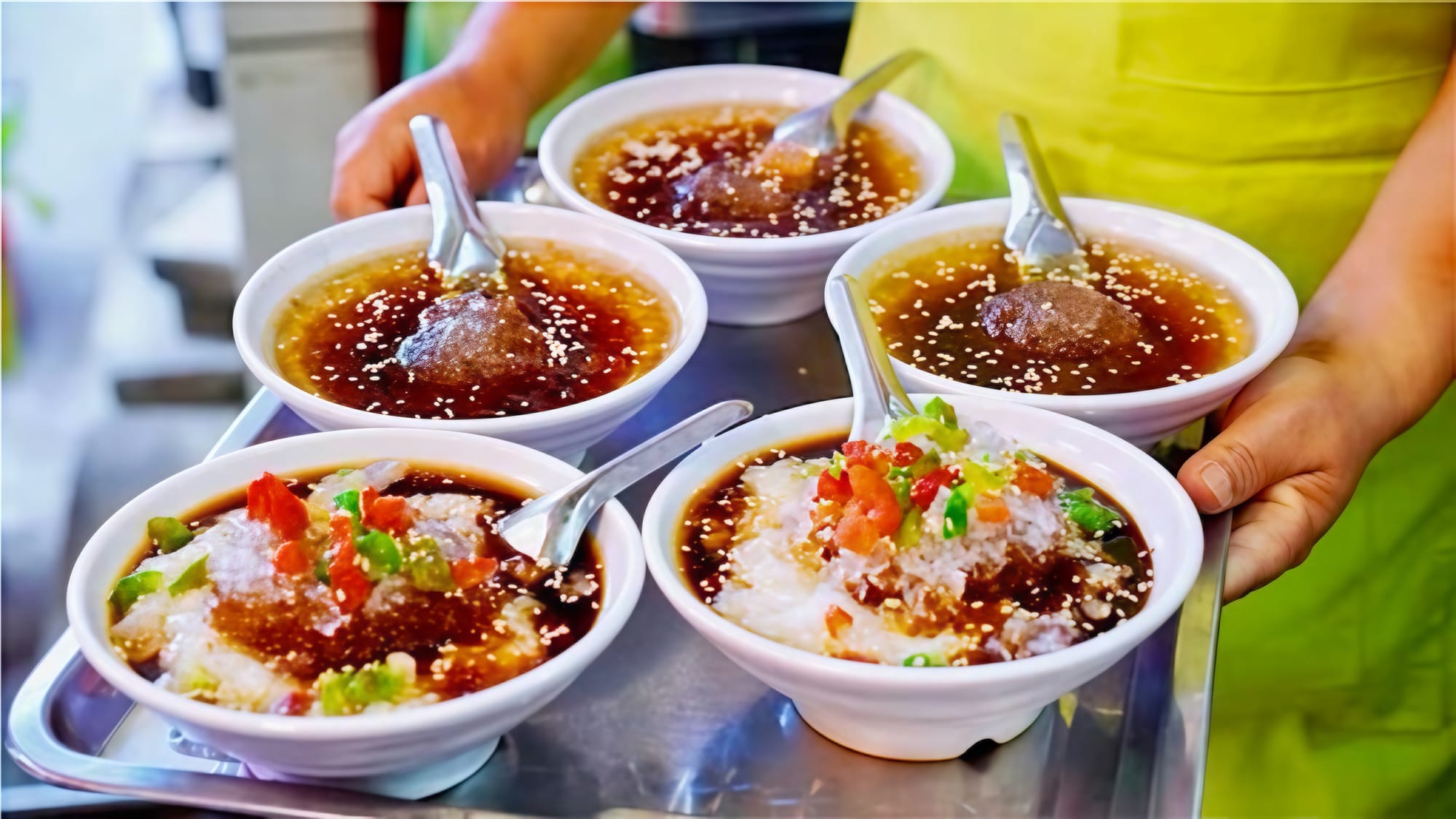
Fermented glutinous rice served cold, mixed with brown sugar and preserved fruits.
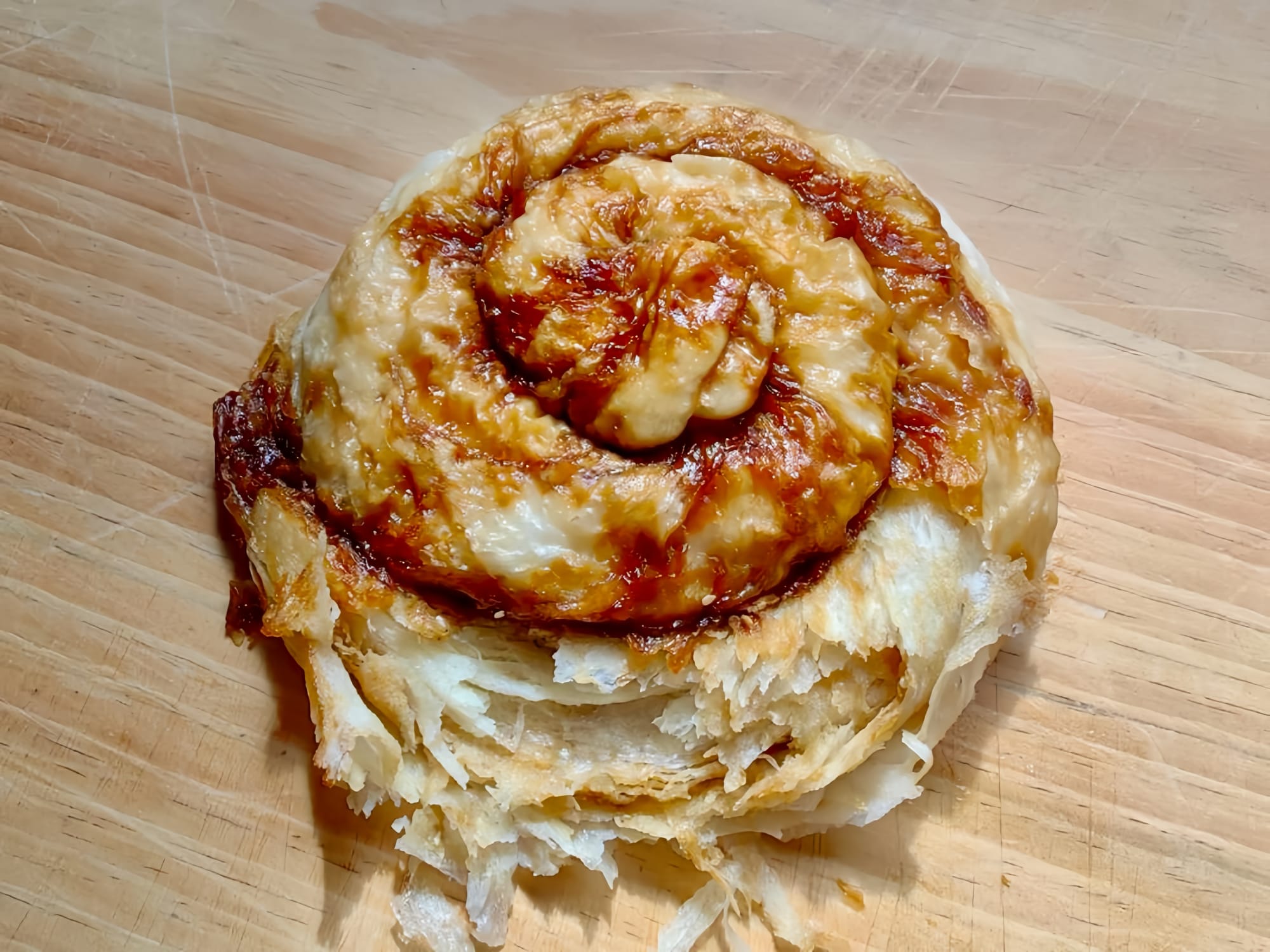
A traditional pastry from Baoshan in Yunnan, made by steaming a mixture of eggs and brown sugar.
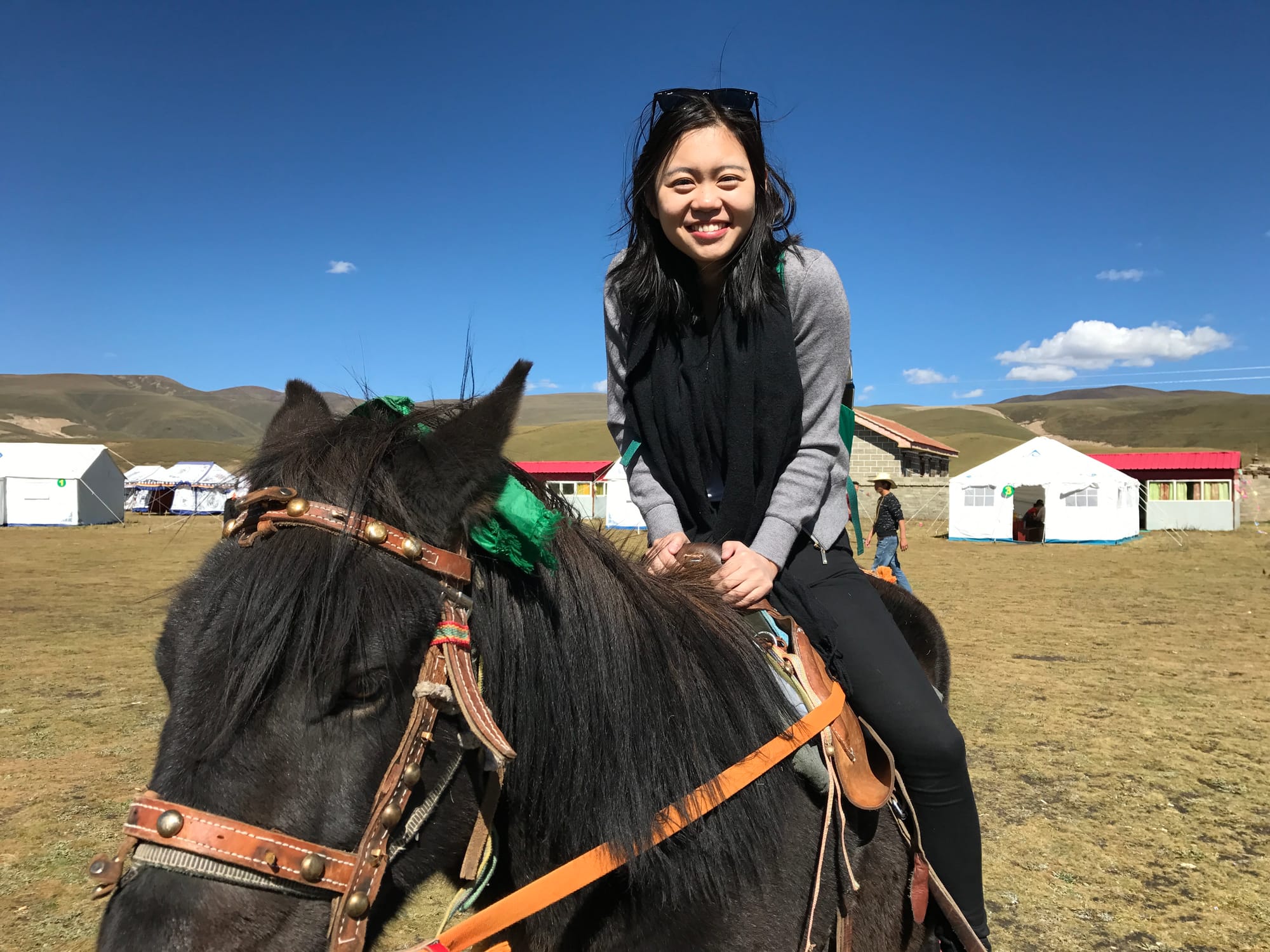
Co-founder of Snout & Seek and FARLAND, ZhuangZhuang is passionate about understanding the local cultures of different ethnic groups through an anthropological lens. She aims to share the sustainable wisdom of these cultures with a wider audience through publications, products, and other methods. Zhuang enjoys photography, jazz music, cute animals, and Chinese traditional divination culture.
No spam, no sharing to third party. Only you and me.
Member discussion