
Cili: The Understated King of Vitamin C
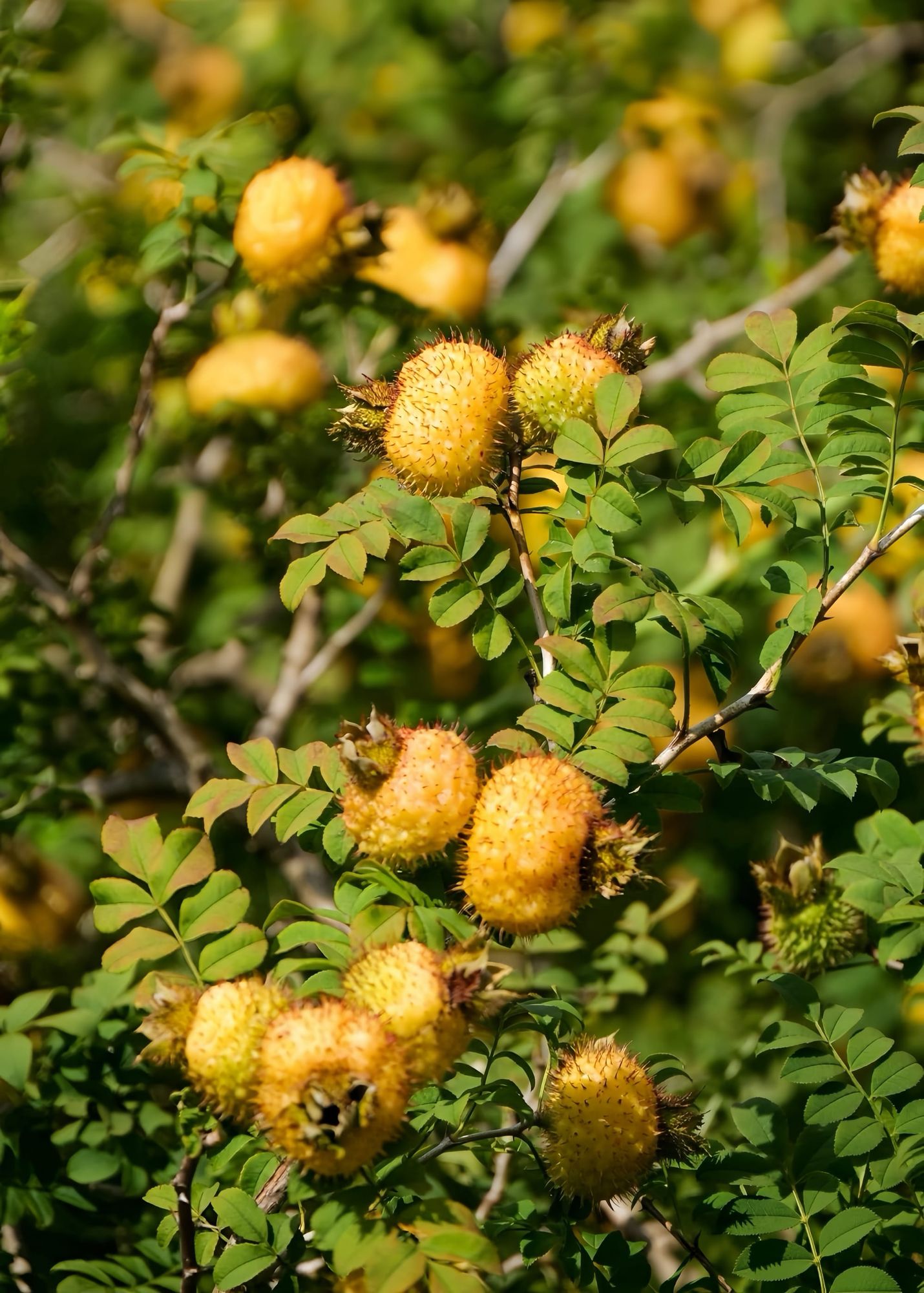
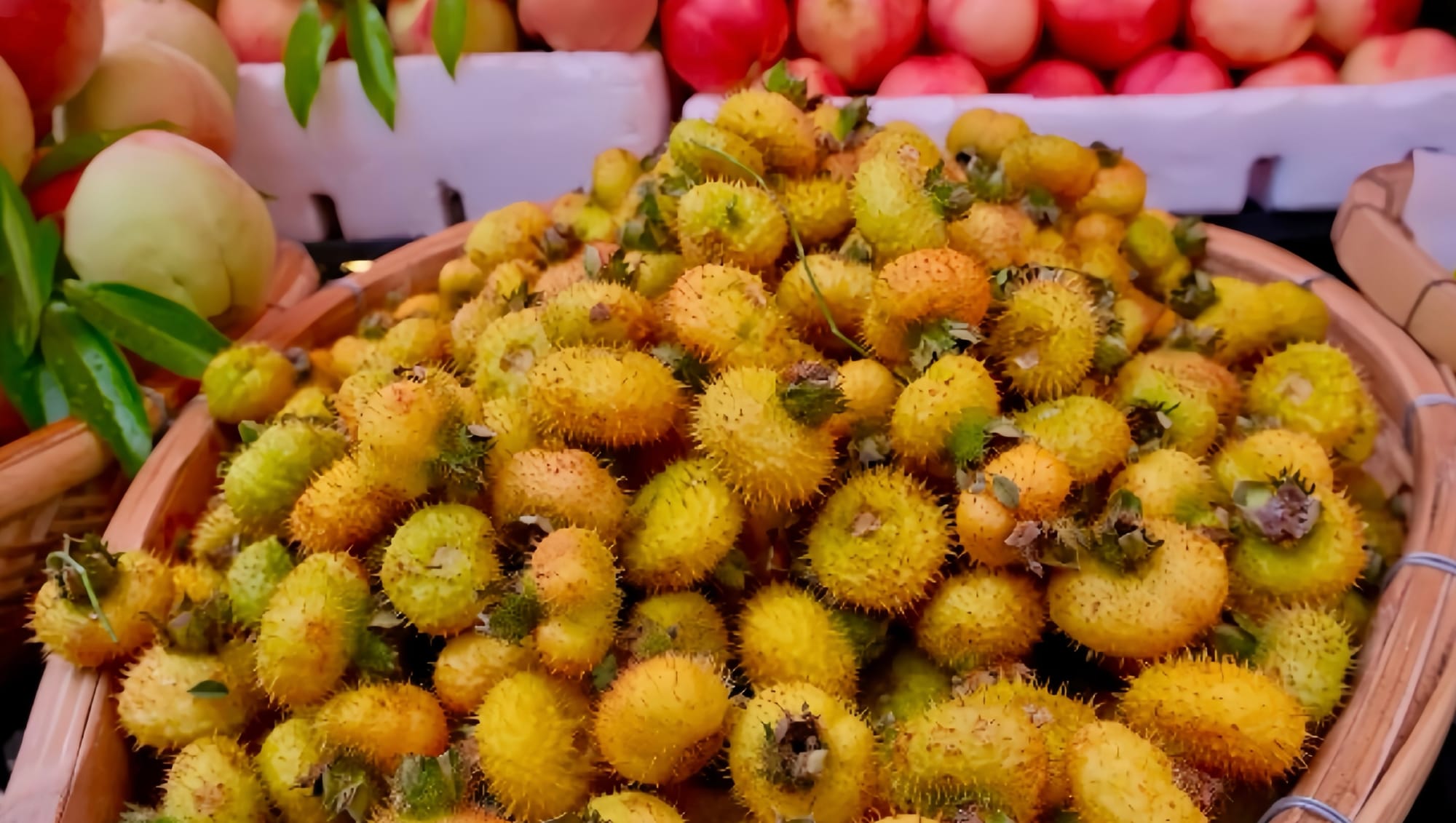
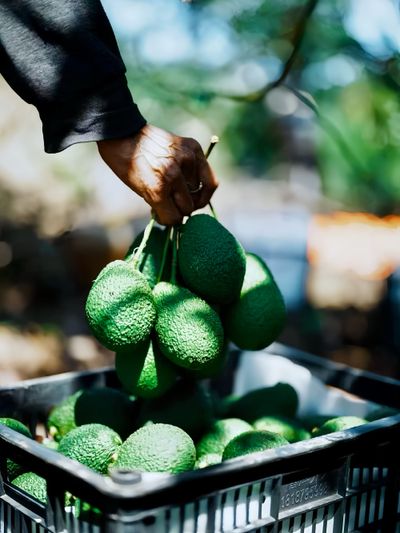
In early August, although the season had already reached the Start of Autumn, the blazing heat of midsummer still lingered. As we walked beneath the shade canopies of Mianning County’s market, we spotted the first batch of fresh cili coming into season. The bright yellow fruit was placed in the most eye-catching spot on the fruit stalls, constantly drawing people to stop and look. Higher up, on the eastern mountaintop of Hedong Village in Gaoyang Subdistrict, Mianning County, the skin of Ma Jianghong’s thousand-mu cili groves had already turned a greenish yellow. The generosity of the land stretched out before us, waiting only for the sun to ripen the fruit fully.
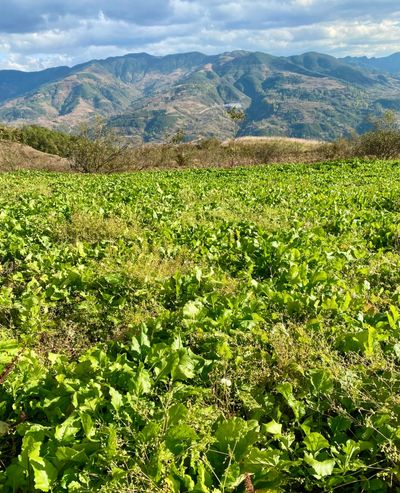
Cili, also known as Rosa roxburghii, is a distinctive fruit native to Guizhou and parts of southwestern Sichuan. It mainly grows on sunny hillsides, in valleys, along roadsides, and among shrubs at elevations between 500 and 2,500 meters. Around 300 years ago, people discovered the medicinal value of this fruit, covered from head to toe in thorns, and began to domesticate and use it. In Guizhou, cili has already become one of the province’s pillar agricultural industries, with the region accounting for about 90 percent of China’s cili production. This time, however, we turn to a growing region outside large-scale cultivation: Mianning County in Liangshan Yi Autonomous Prefecture, Sichuan. To this day, cili in southern Sichuan is still grown in what locals describe as a “wild” way, naturally woven into everyday eating habits.
In Mianning, where cili has been eaten for at least several hundred years, local people have deep feelings for the fruit. Every year, when the harvest season arrives, about ten percent of the crop is eaten fresh by Mianning residents themselves. Some buy it to stir-fry with beef, while others preserve it in pickle jars. This alone shows how deeply cili is loved here.
We tasted the fresh fruit ourselves and found that the description in Qian Shu, a book on Guizhou written during the early Qing period (1644-1911), “sweet with a slight sourness,” no longer feels particularly accurate today. Because the fruit contains a large amount of tannins, its texture is crisp, but its flavor is intensely tart and astringent to urban palates, carrying a raw mountain character. Even in Guizhou, where cili was first developed commercially, people never really formed the habit of eating it fresh as an everyday fruit.
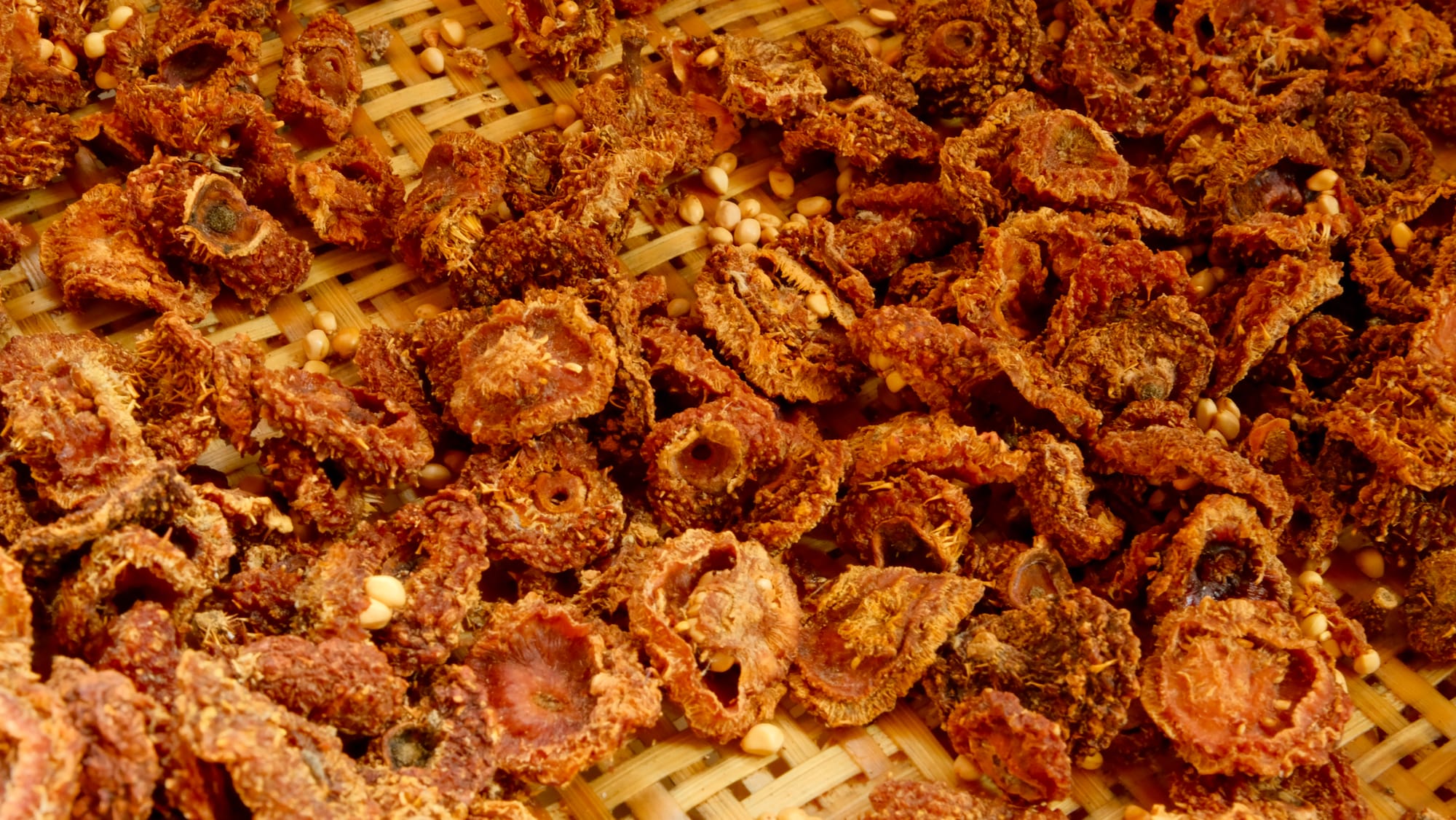
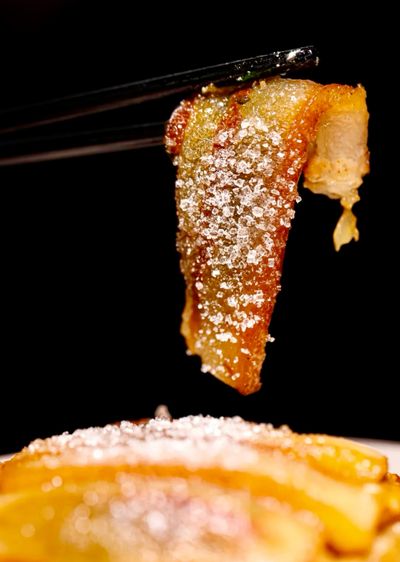
“The whole southwest region has cili, but only people from Mianning like to eat it fresh dipped in white sugar or chili powder. In other places, it is usually processed or soaked in liquor. People do not eat it raw,” said Ma Jianghong.
He explained that he has loved eating cili since childhood, and that for generations his family has picked wild cili from hillsides and roadsides to eat fresh or infuse in alcohol. The exceptionally favorable climate has brought a rich variety of edible plants, which has in turn shaped the local palate. In his view, the habit of eating cili fresh comes from Mianning people’s love of sour flavors. Even when eating apricots, for example, they often prefer green, underripe fruit with skin still tinged with green. To them, that immature state offers the freshest and most layered flavor.
Mianning produces between 700 and 800 tons of cili raw material each year, making it the largest growing area in Sichuan. Yet compared with Guizhou, Mianning’s history of cili processing began several decades later.

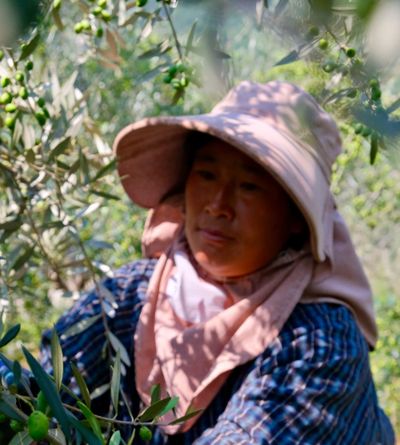
What makes Mianning’s cili especially precious is that it still remains, in many ways, a “wild plant.” Ma Jianghong, who runs a cili processing factory in Mianning, told us that under Mianning’s climate conditions, the fruit can be grown without pesticides, whereas in Guizhou pesticides are generally needed.
“In Guizhou, the climate is too humid and hot. The plants tend to put more energy into growing leaves instead of fruit. In that muggy weather, insects also become a problem, so pesticides are necessary. But that does not happen here. Mianning’s climate is very cool, with a large temperature difference between day and night, so the fruit grows very well in a natural environment.”
Relatively speaking, pesticide-free cili offers greater benefits both in the taste of the fresh fruit and in terms of environmental sustainability.
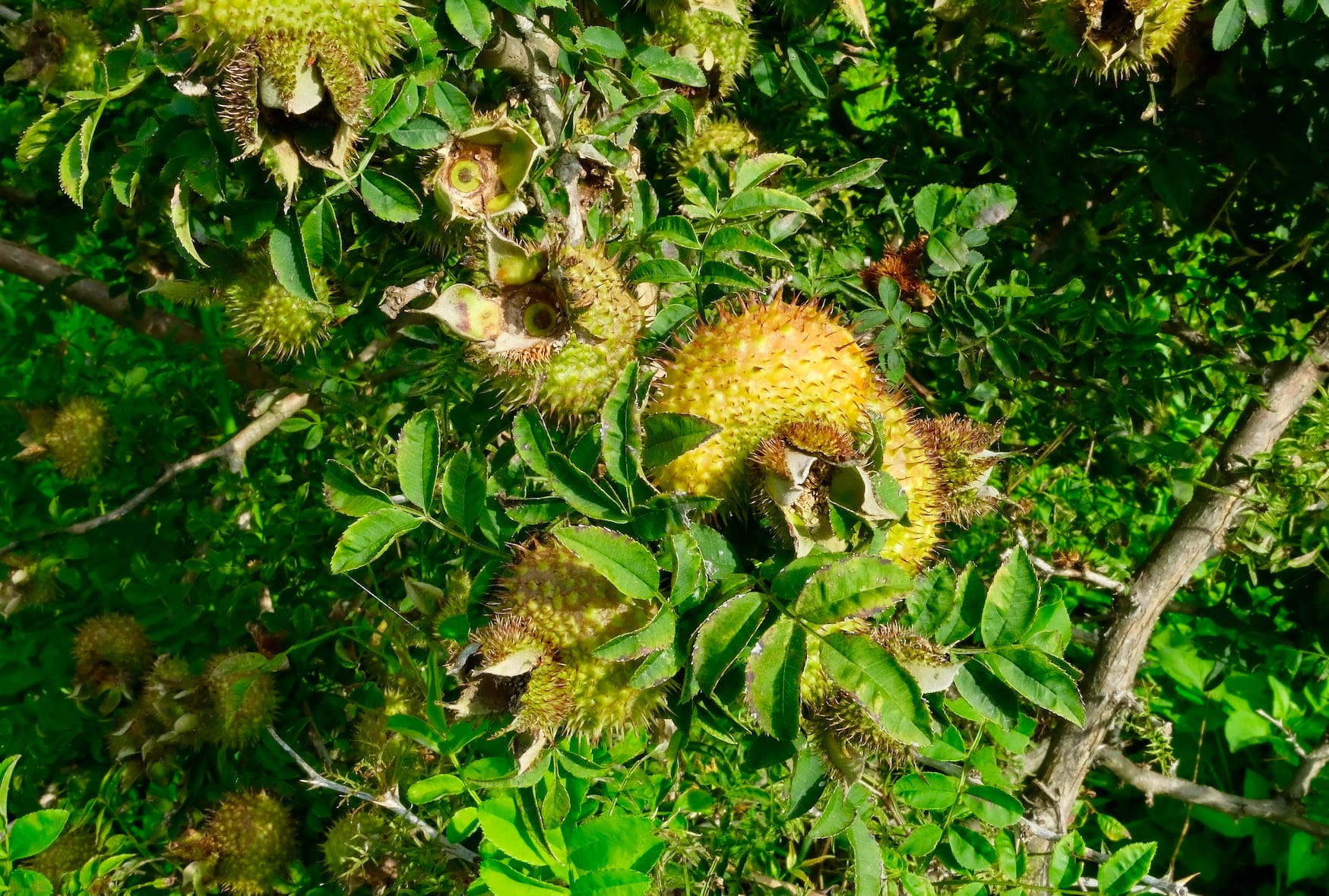
As demand for health-focused products continues to rise, Mianning’s cili industry has also experienced a sudden wave of growth. The vitamin C content of wild cili is dozens of times higher than that of many other fruits and vegetables. “From last year to this year, the number of people asking to buy from us has suddenly increased a lot. Some milk tea brands have also come to us, including Hushang Ayi, Heytea, and Shuyi Shaoxiancao,” Ma Jianghong said.
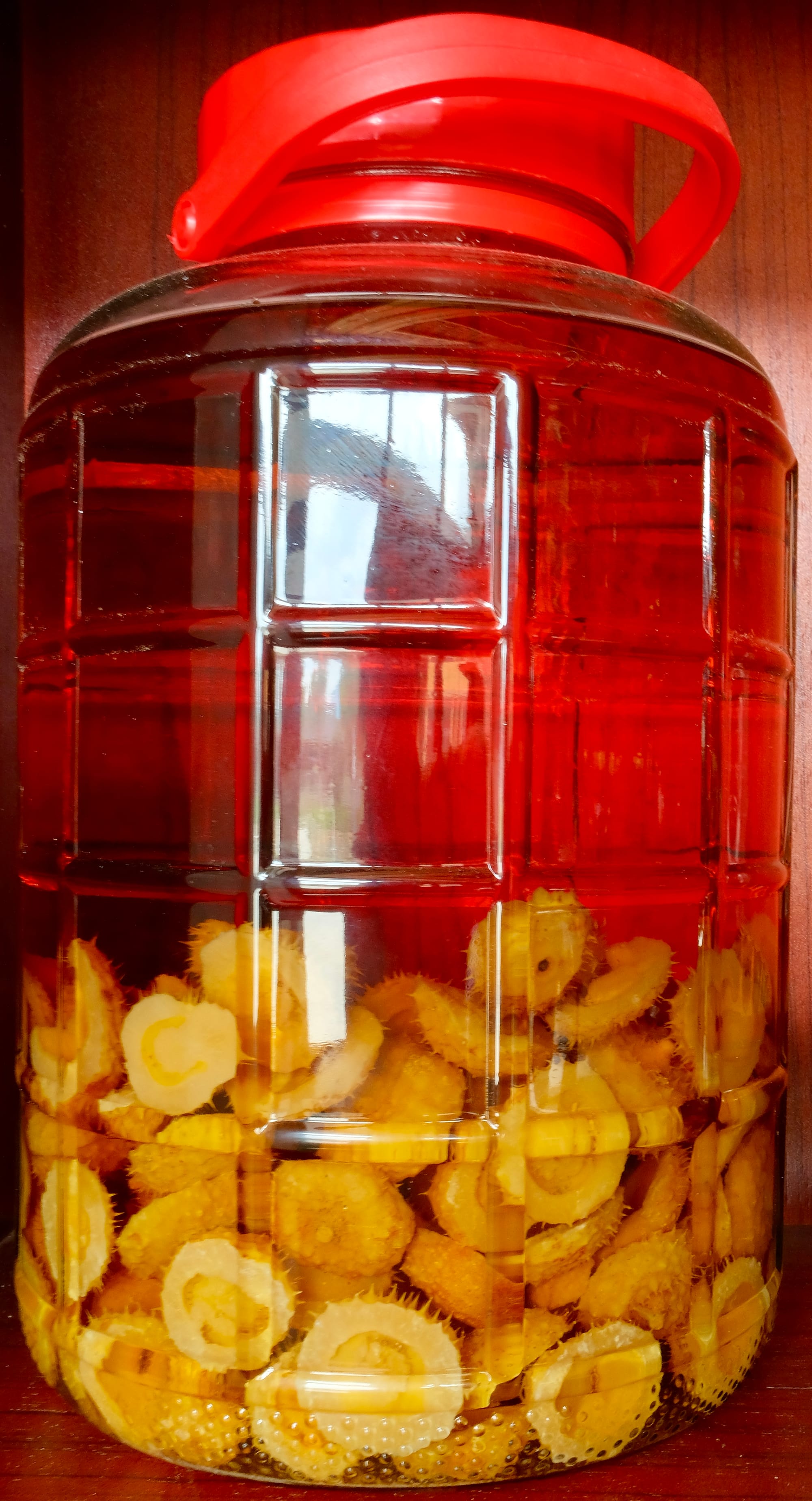
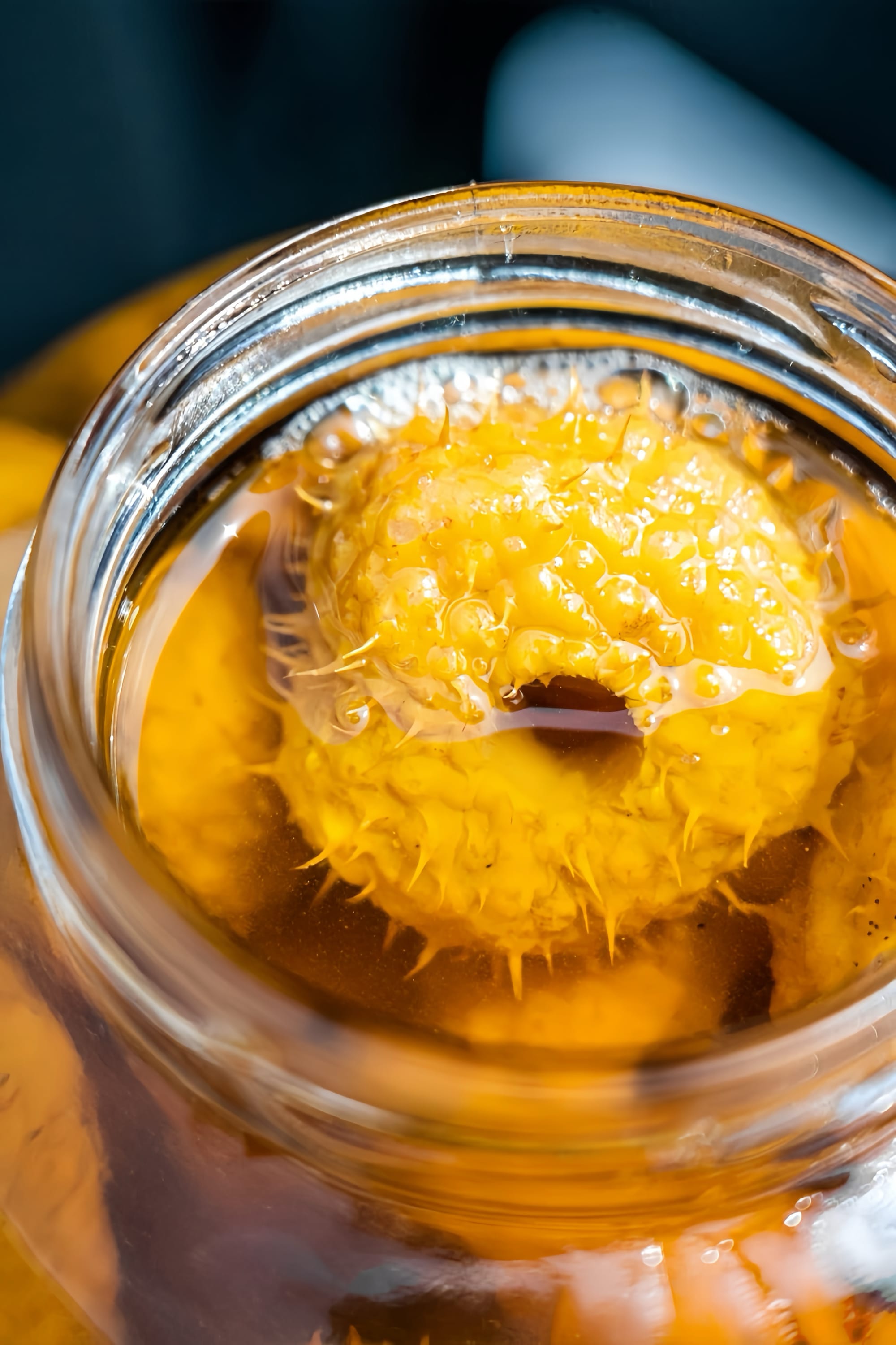
Pickled cili has been appearing more and more on drink menus, from soft beverages to alcoholic ones. Cocktails, in particular, are starting to feature fermented cili for its bright, tangy edge, making it a fitting flavor for spring and summer drinks. Credit: RED CHUNGUI

Co-founder of Snout & Seek and FARLAND, ZhuangZhuang is passionate about understanding the local cultures of different ethnic groups through an anthropological lens. She aims to share the sustainable wisdom of these cultures with a wider audience through publications, products, and other methods. Zhuang enjoys photography, jazz music, cute animals, and Chinese traditional divination culture.
No spam, no sharing to third party. Only you and me.

Member discussion