Chef Tang Bo: Your Starter for the Fermentation Journey in Sichuan

Author: Chloe Wang
For most people who did not grow up eating spicy food, the first bite can feel overwhelming. Your senses are hit all at once. Before you realize what is happening, the heat creeps up your neck, your forehead begins to sweat, and your stomach feels as if it has swallowed a small fire. Although born in the northern part of China with no cultural background of eating spicy food, I consider myself to have an extremely high tolerance to spice, and over the years I have learned that not all heat is the same. Mexican spice feels bold and tangy while Indian spice can feel as if it is meant to challenge you, both mentally and physically. Sichuan spice, however, is something else entirely. It confronts you at first, but the aroma lingers, the numbing and tingling sensation settles in, and slowly it becomes addictive. Before you know it, you always want to add a little chili oil or powder into whatever you are eating.
Sichuan people, in many ways, are like that too. At first glance, they can seem loud, expressive, emotional, and always speaking in a language I cannot quite follow (Sichuanese and other local dialects overwhelm Mandarin in Sichuan). But once you spend time together, you begin to notice the warmth, humor, and generosity beneath the surface. That was exactly how I felt when I first met Chef Tang.
A year ago, I traveled to Luzhou and sat down in his restaurant, Mount River. He walked in with a brief greeting and a shy smile, then took a seat beside me at the round table, surrounded by both our teams. He kept a serious expression and avoided eye contact, and I remember thinking that he must be the reserved type. But the moment the conversation turned to food, he came alive, speaking rapidly in Sichuanese, his words full of energy and conviction. I could only understand fragments, perhaps twenty percent at most. Occasionally he noticed my confusion and switched to Mandarin, though his accent remained quite thick. It became clear to me very quickly that food was the language he trusted most.
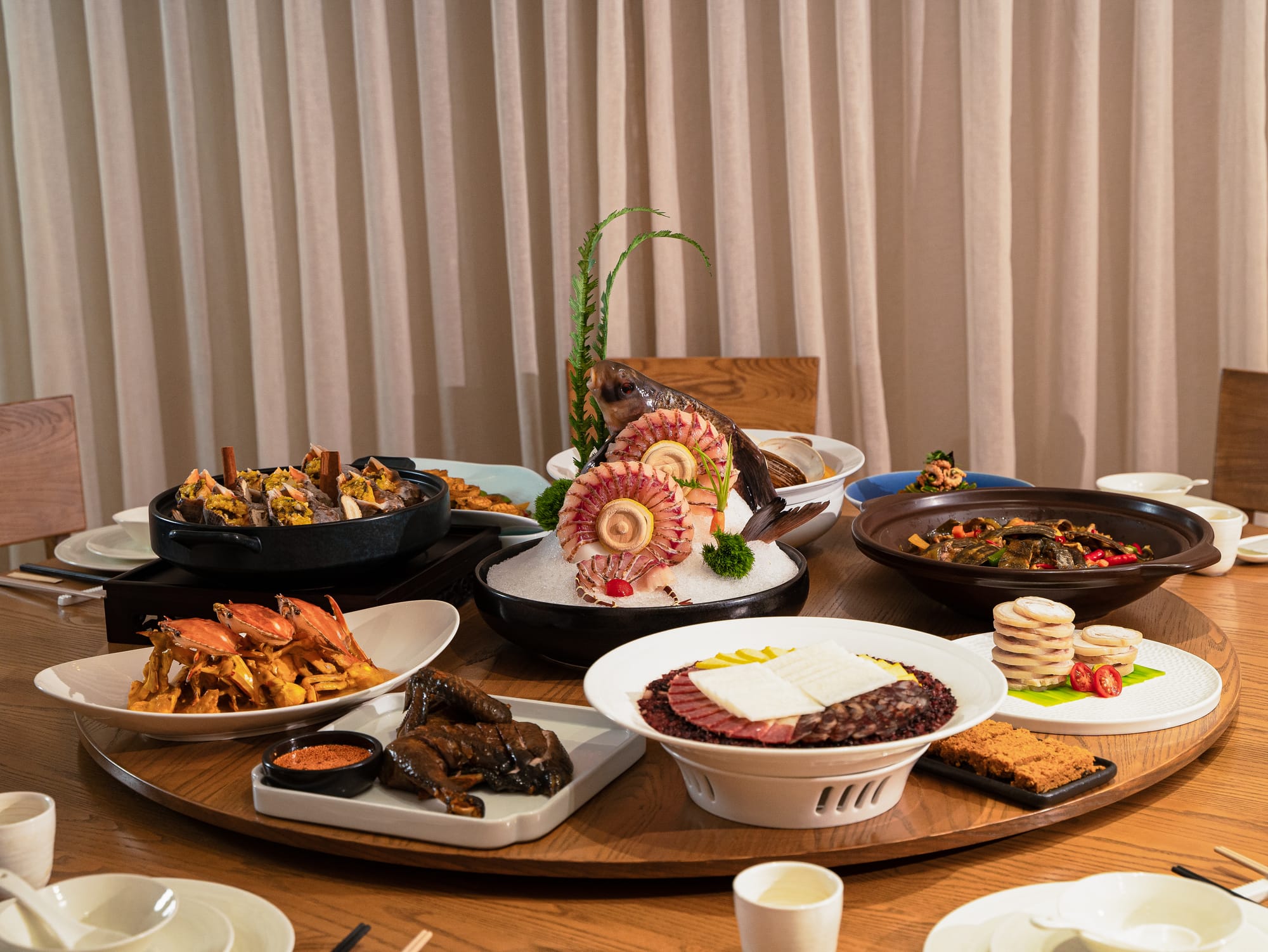
As the trip went on and we continued to eat together in different settings, in small noodle shops, banquet halls, and even at his grandparents’ countryside home, my impression was reaffirmed over and over again. Food was not simply what he cooked. It was how he expressed himself. Every dish he prepared and served at Mount River carried a piece of his world, shaped by Luzhou’s rivers, its mountains, and his own childhood memories. When he spoke about technique or ingredients, his voice softened. When he spoke about his hometown, he lit up, as if he were finally standing on familiar ground.
As we began bringing more people to Luzhou to participate in our fermentation experience, I had more chances to observe him from different angles and to understand him beyond our first meeting. I learned that Chef Tang has been cooking for most of his life. Long before he entered a professional kitchen, he grew up watching elders in his family cure meats, pickle vegetables, and prepare festive meals with an instinctive sense of rhythm and care. When he formally entered the culinary world in 2007, he carried those early lessons with him. Years of demanding training followed, from foundational Chinese cooking to the more complex techniques of Sichuan cuisine. He worked under established chefs, spent countless hours behind woks, and developed a discipline that shaped not only his cooking, but his character.
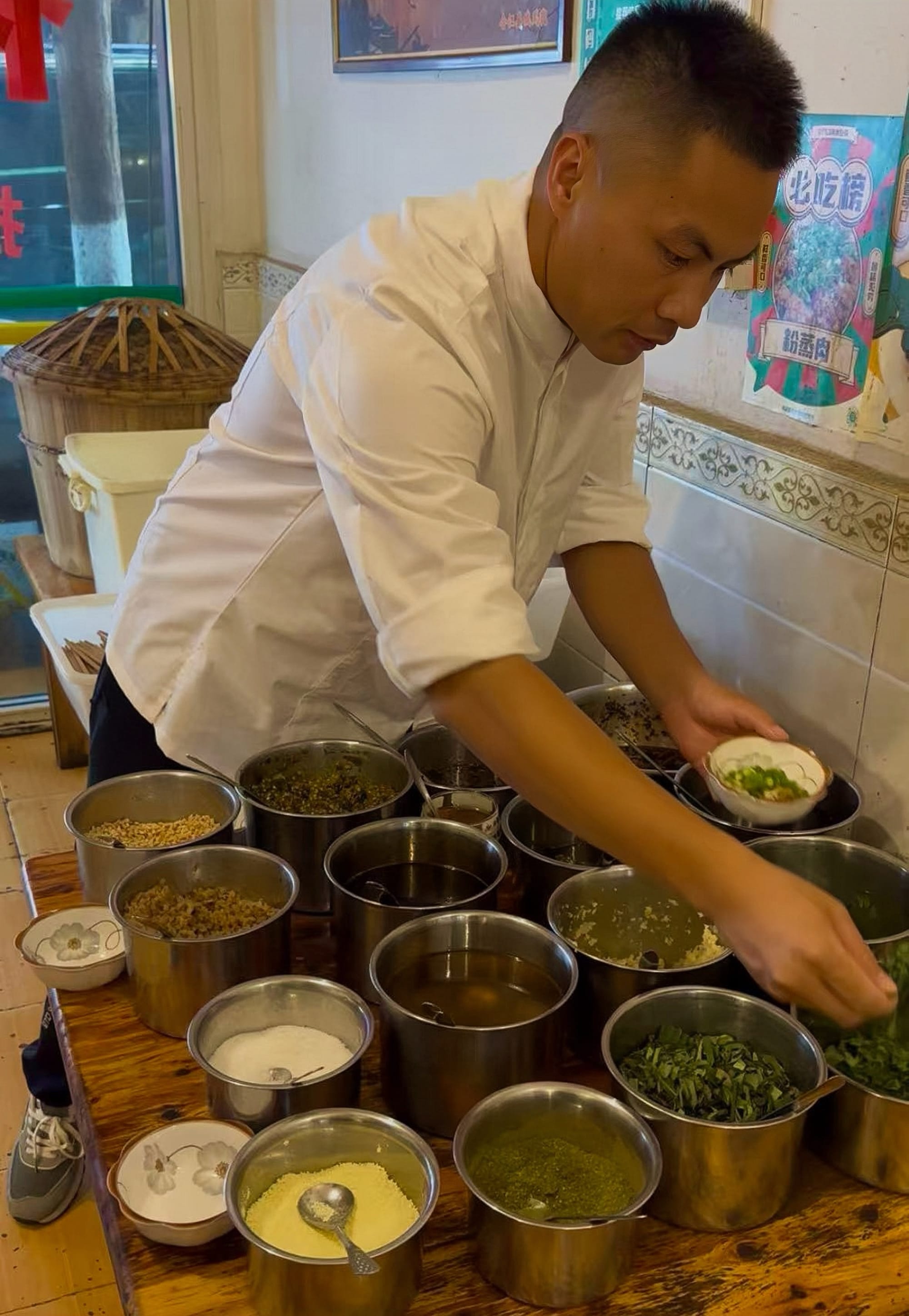
Over time, he became head chef at several restaurants, quietly building a reputation in Luzhou. By the time he opened Mount River, his style had already taken shape. It was deeply rooted in Sichuan tradition yet refined and restrained. At Mount River, he chose to step beyond his comfort zone, allowing influences from other regions to enter his cooking while remaining firmly grounded in his Luzhou identity. His dishes often begin with something humble and familiar, perhaps a simple soup or a plate of vegetables, but finish with flavors that feel layered and carefully curated. He approaches cooking with humility and curiosity, always open to learning from others.
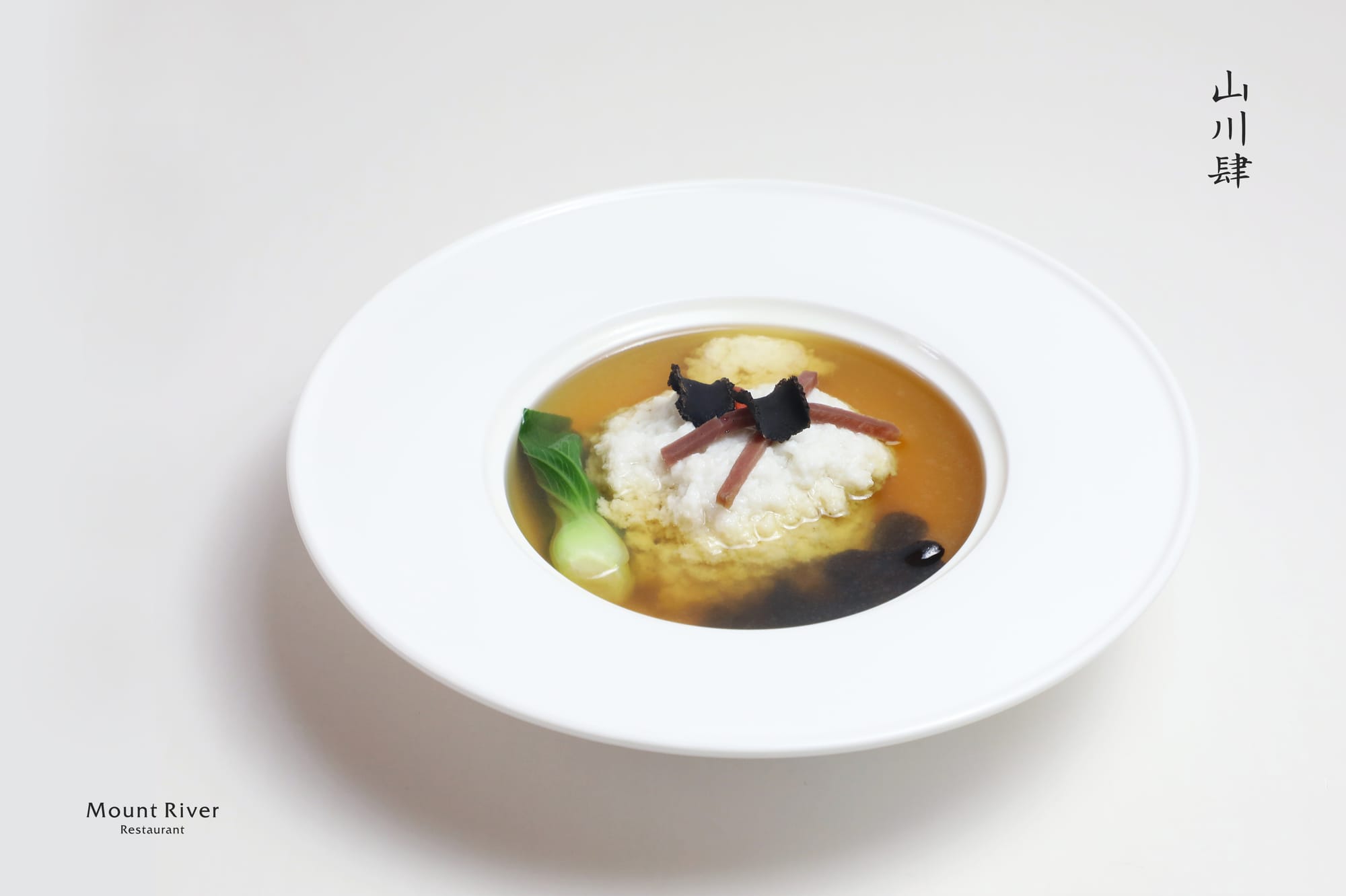
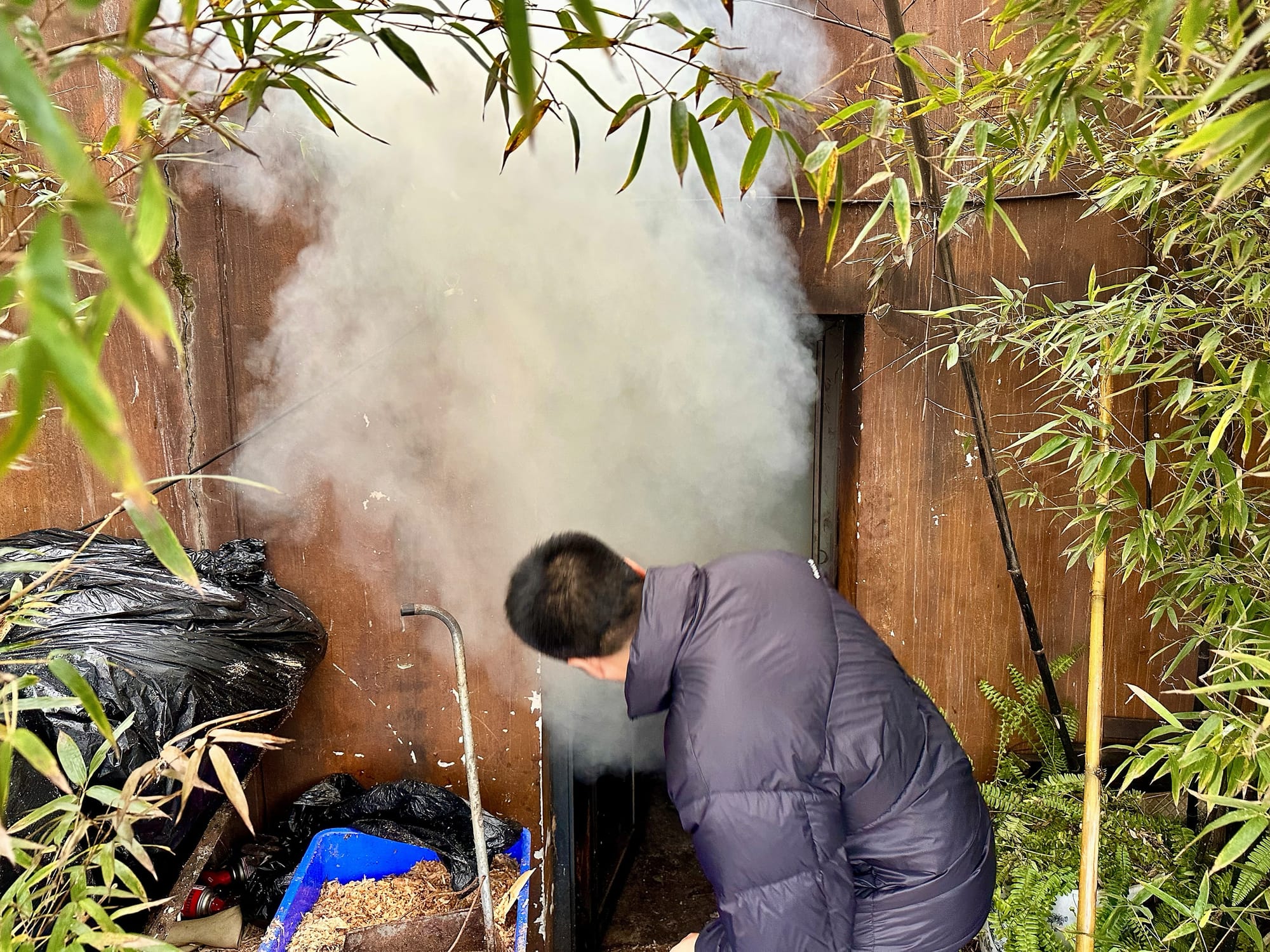
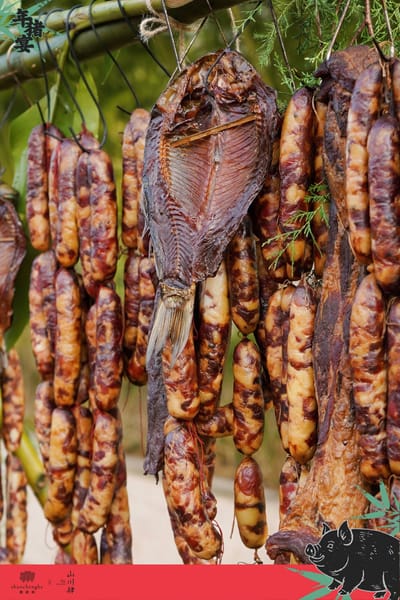
Outside the kitchen, he carries a quiet pride for his city. Luzhou is defined by fermentation with air filled with the scent of baijiu pits, pickled vegetables, cured meats, and aging chili pastes. To him, these are not just techniques or traditions. They are the soul of Luzhou. Everything he cooks reflects that deeper story. He often says that cooking is a way of preserving memory, and that even the simplest dish should hold meaning, whether it comes from a childhood meal or a shared moment at the table.
The more time I spent with him, the more I saw a side of him that was not immediately obvious. Beneath the seriousness was a gentleness that revealed itself when he spoke about his children, or in the way he treated his team and friends. Once he felt comfortable, his humor surfaced, along with the warmth so characteristic of Sichuan people. He became expressive, attentive, and unexpectedly thoughtful. When I mentioned that one of our team members especially enjoyed the candied oranges from his hometown, he secretly bought four large boxes for me to bring back as gifts.
His story reminded me that some people do not reveal their kindness immediately. Like Sichuan spice, they require patience. You take one small taste, then another, until the complexity slowly unfolds.
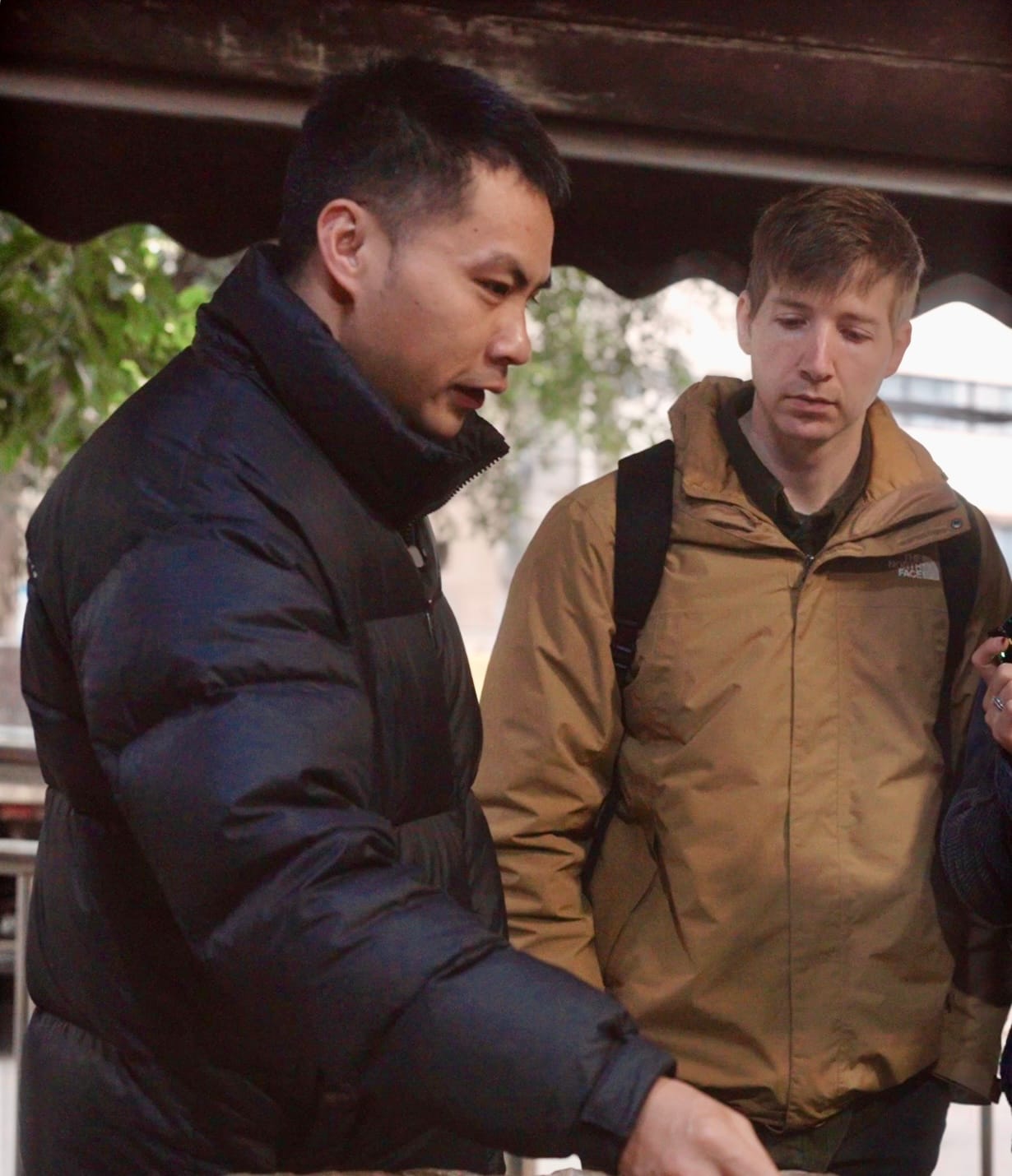
Like the fermentation experience itself, where hidden treasures wait quietly for those willing to pay attention, Chef Tang has been one of those discoveries. The more time I spend with him, the more layers emerge. What began as a simple professional encounter has grown into a friendship shaped by food, trust, and a shared love for the flavors of Luzhou. He is a reminder that the most meaningful people in our lives often appear quietly and stay with a depth that only time can reveal.
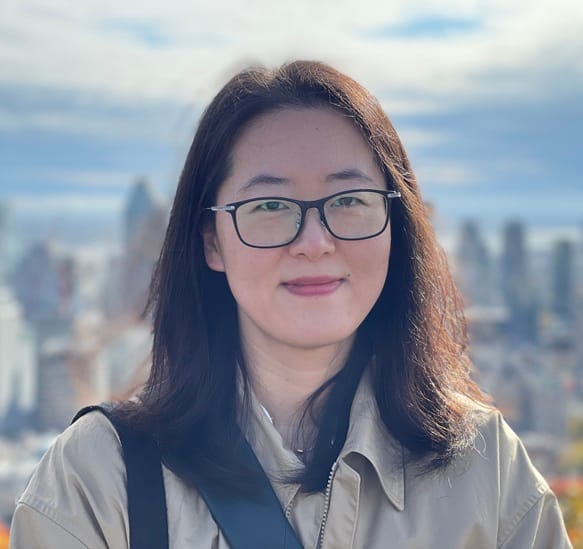
A Tianjin, China native - Chloe has a deep appreciation for all things hotpot. Her appreciation of food and culture runs so deep that after a successful corporate career, she decided to uproot her life in China to attend Le Cordon Bleu Ottawa and Madrid. After working in the culinary industry in Canada, she decided to found Snout & Seek!
No spam, no sharing to third party. Only you and me.
Member discussion