Canadians in Yunnan: Natural Connection
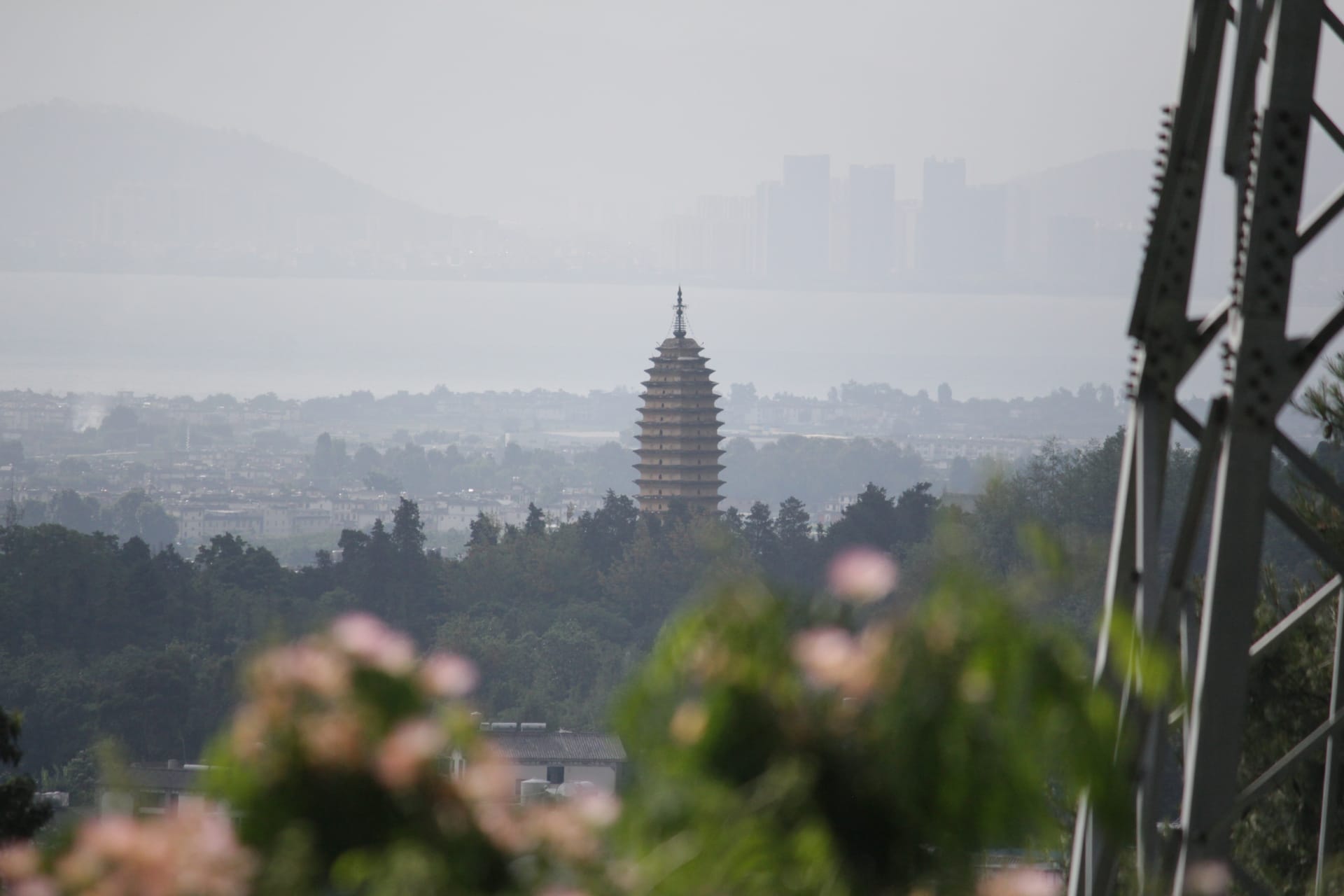
Author: Cameron Carson
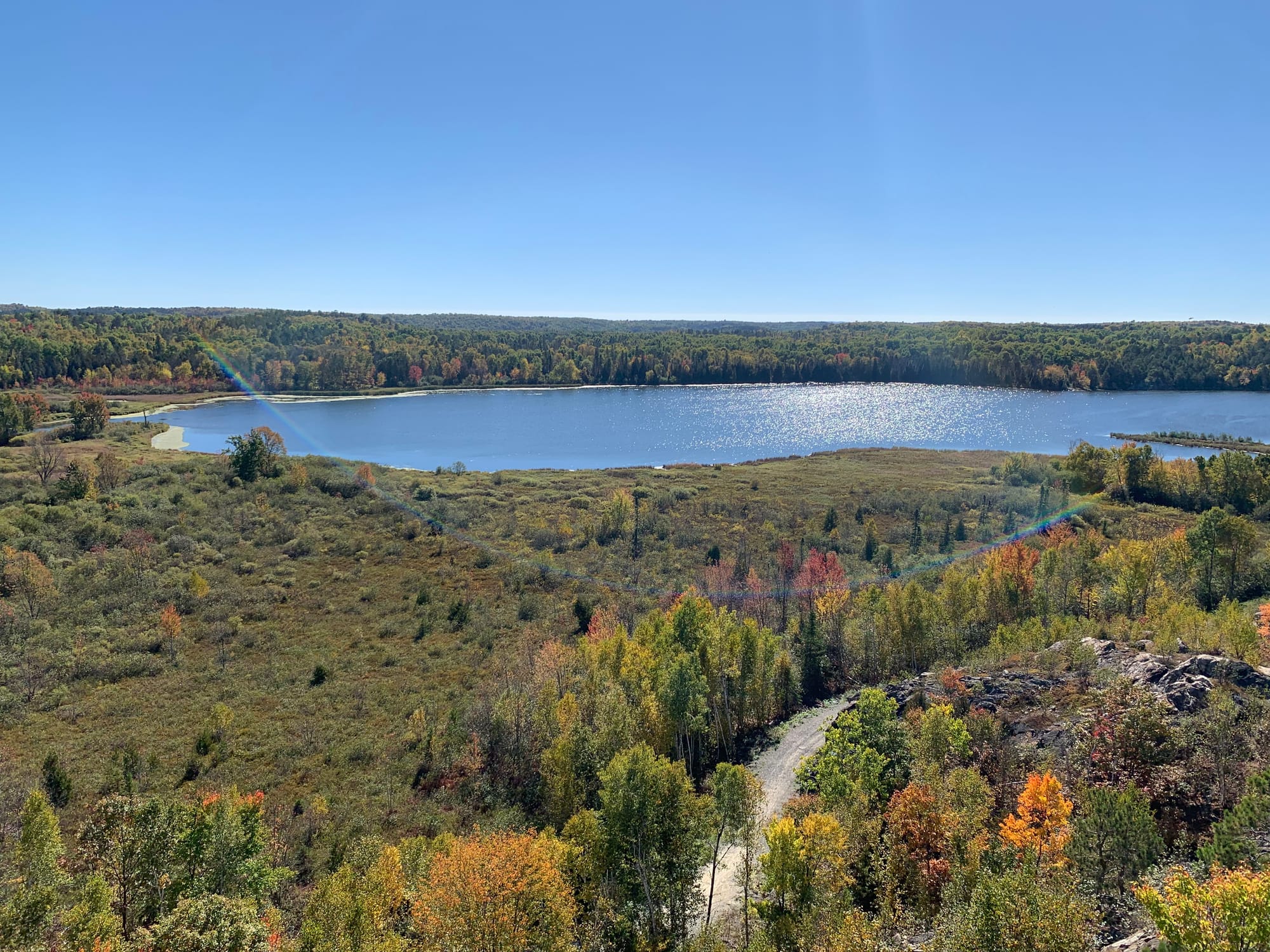
As a Northern Ontario native now living in Shanghai, China, I am often left with a hole in my heart. As you can imagine, living in a city with a population roughly the size of Canada, there isn't much nature. Nothing akin to what I grew up with in my hometown, at least.
Enter: Yunnan, China
Yunnan is growing in popularity both in and outside of China as one of the most desirable tourist and living destinations thanks to its environment. If you are a coffee connoisseur, you've probably tried Yunnan origin beans at some point, and probably loved them, too. If you were to ask a Chinese person where the best mountains, forests, and unspoiled nature is in China - 9/10 you will hear "Yunnan!".
Up until this past year, I had never been to Yunnan. My wife had been when she was a teenager, with her mom, but that was a long time ago (don't tell her I said that!). This year we went together and visited Dali and Sha Xi. Two remarkably different cities/towns each famous for something unique in the province.
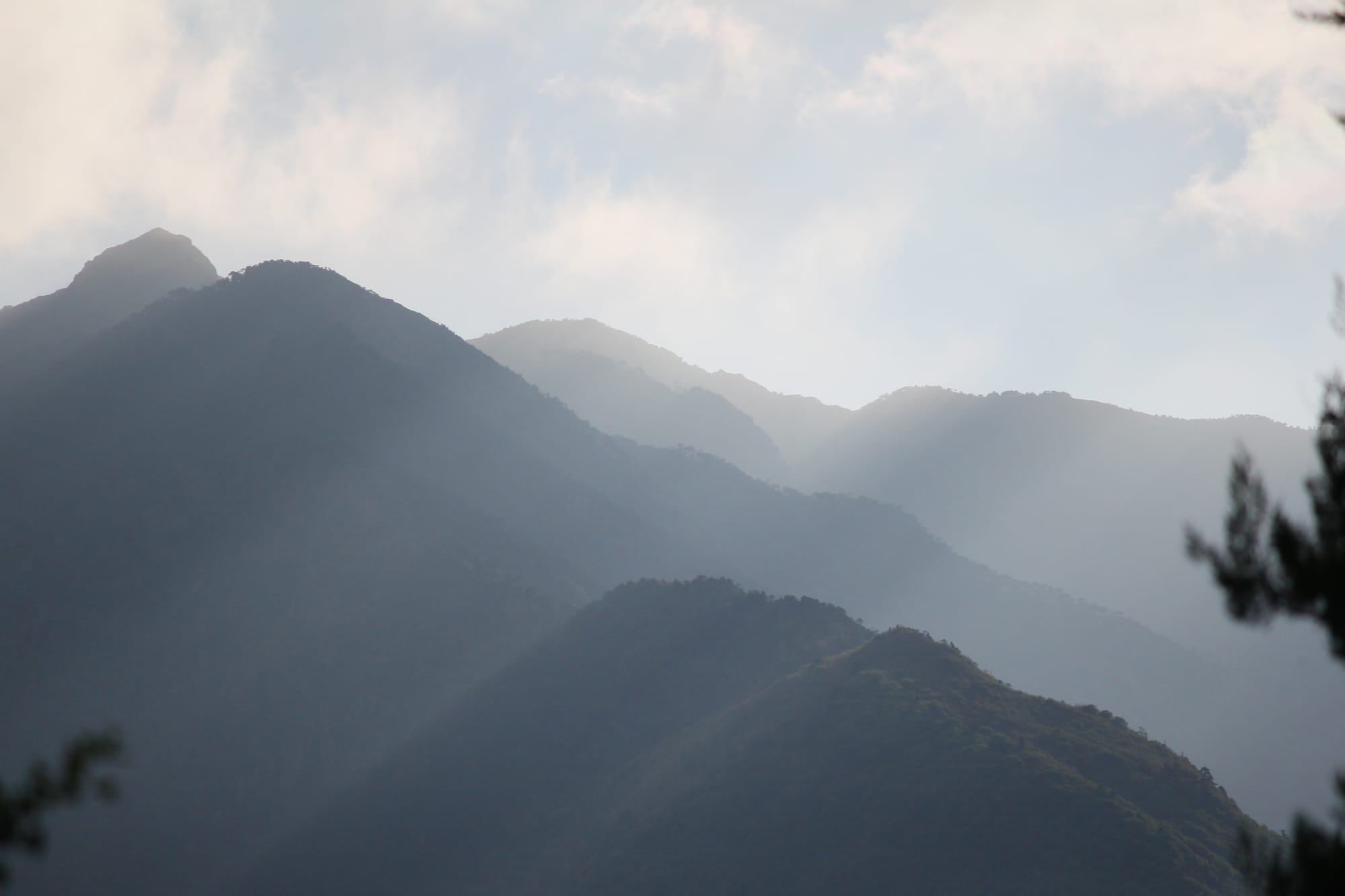
Dali, Mount Cangshan: 4,122 m Peak Elevation
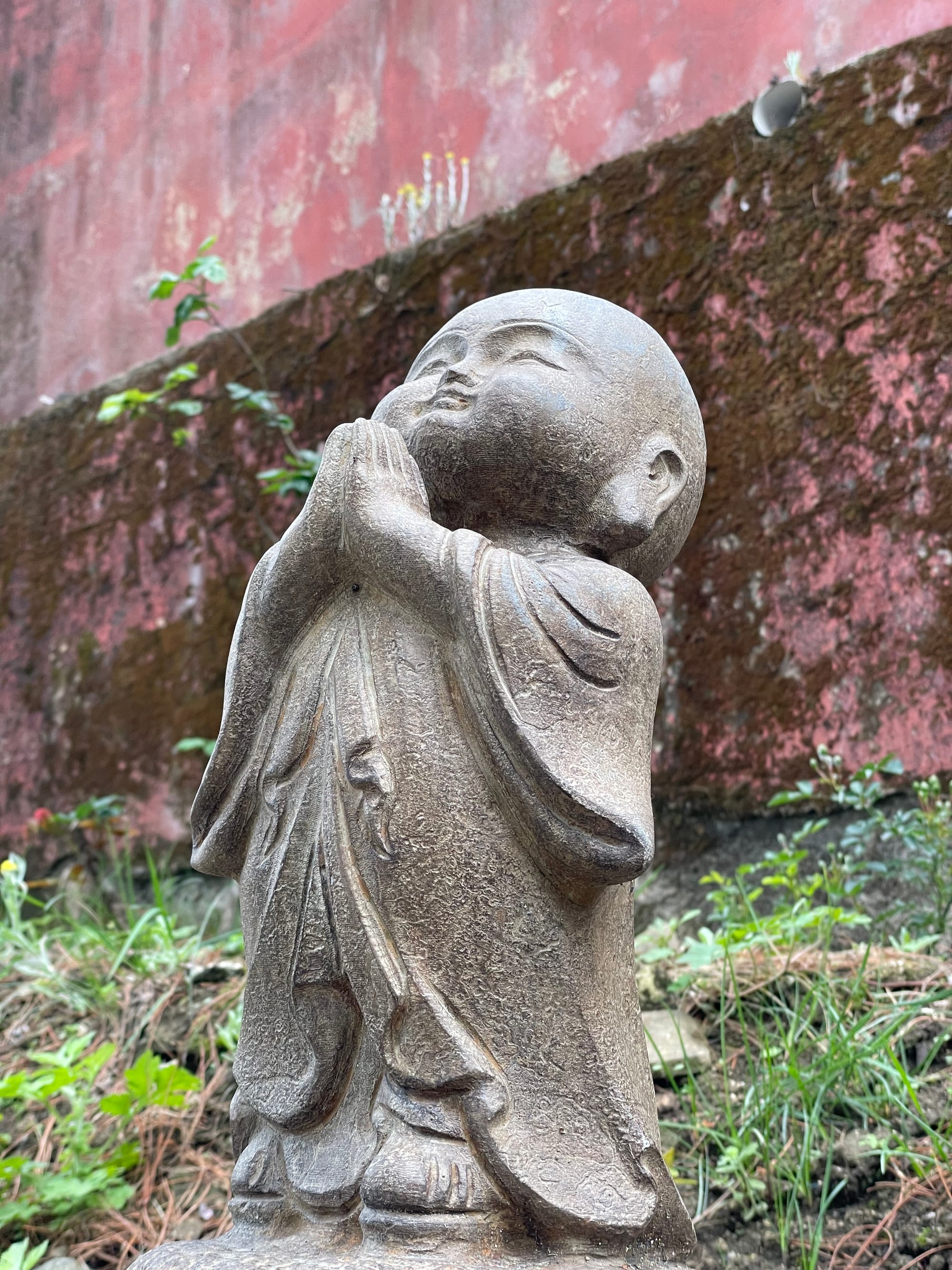
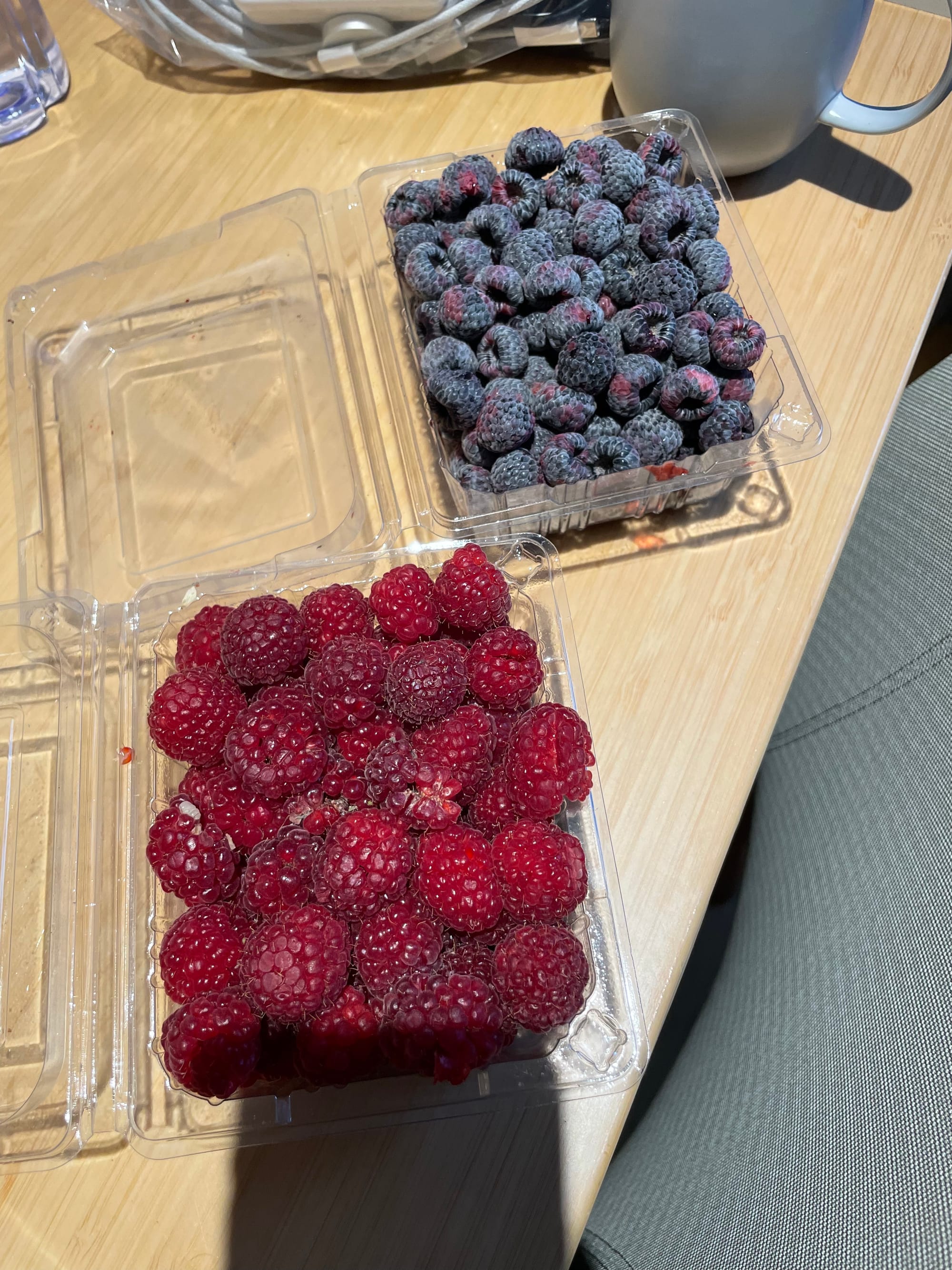
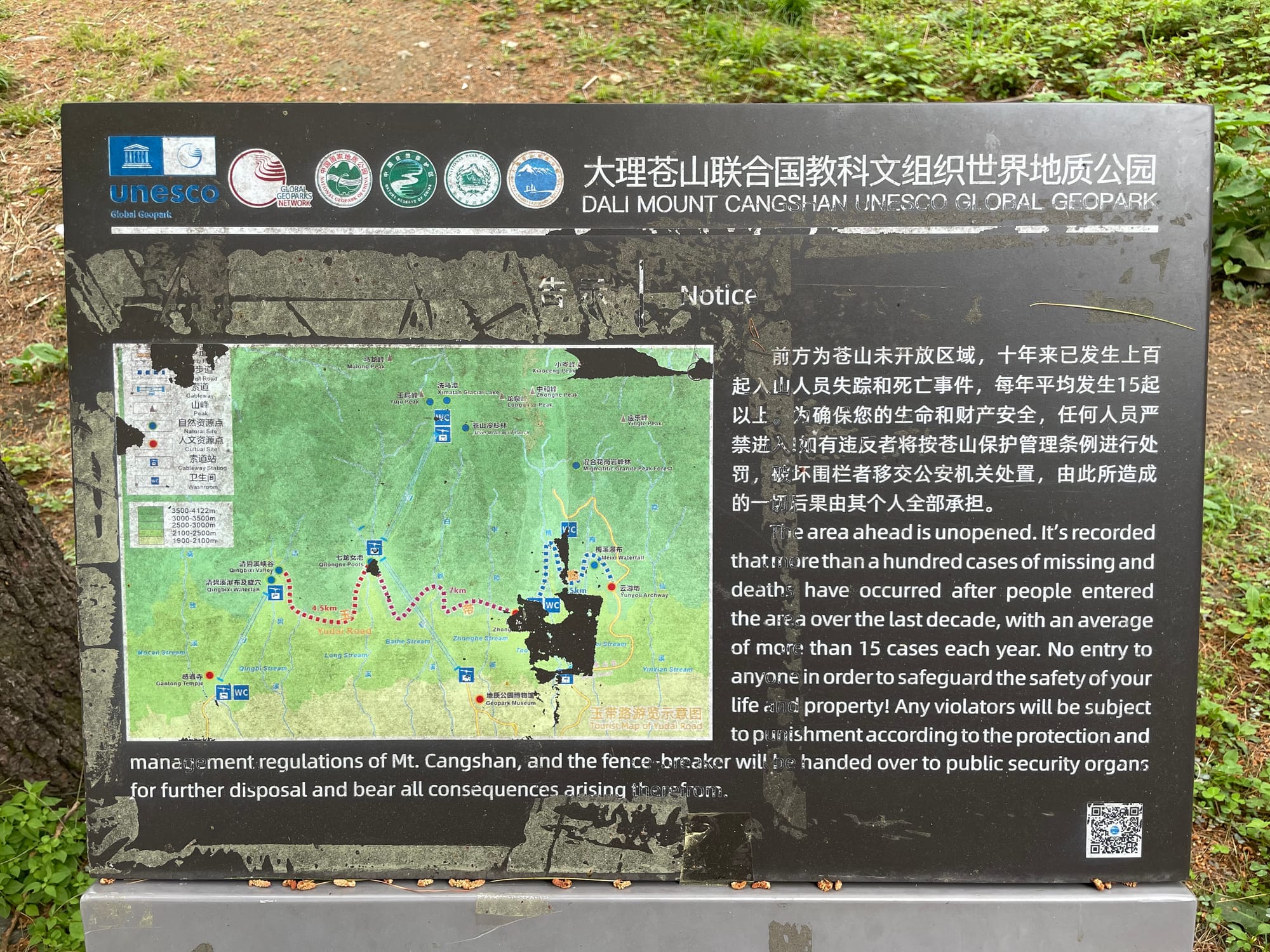
Left: Baby buddha greets travelers at the foot of a temple halfway up Mt. Cangshan, providing respite as you adjust to the elevation. / Middle: We discovered the existence of black raspberries in a local market. / Right: Back country may not exist, but the dangers of the mountains still persist.
The concept of "back country", "off the grid", or "in the bush" does not really apply in China. There is always well-established infrastructure, or rural communities, or farmland leading you to run into people. But Yunnan gets pretty close.
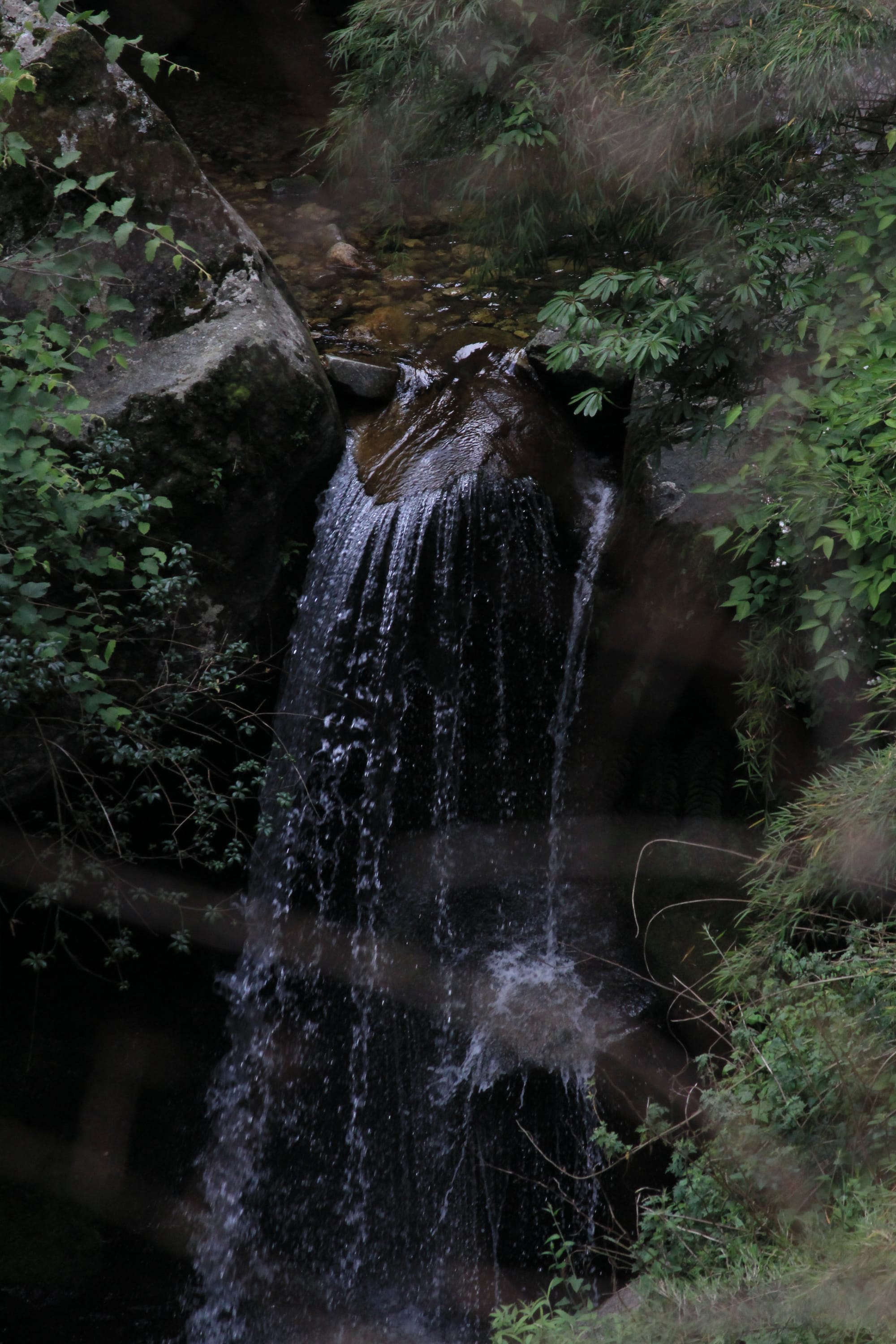
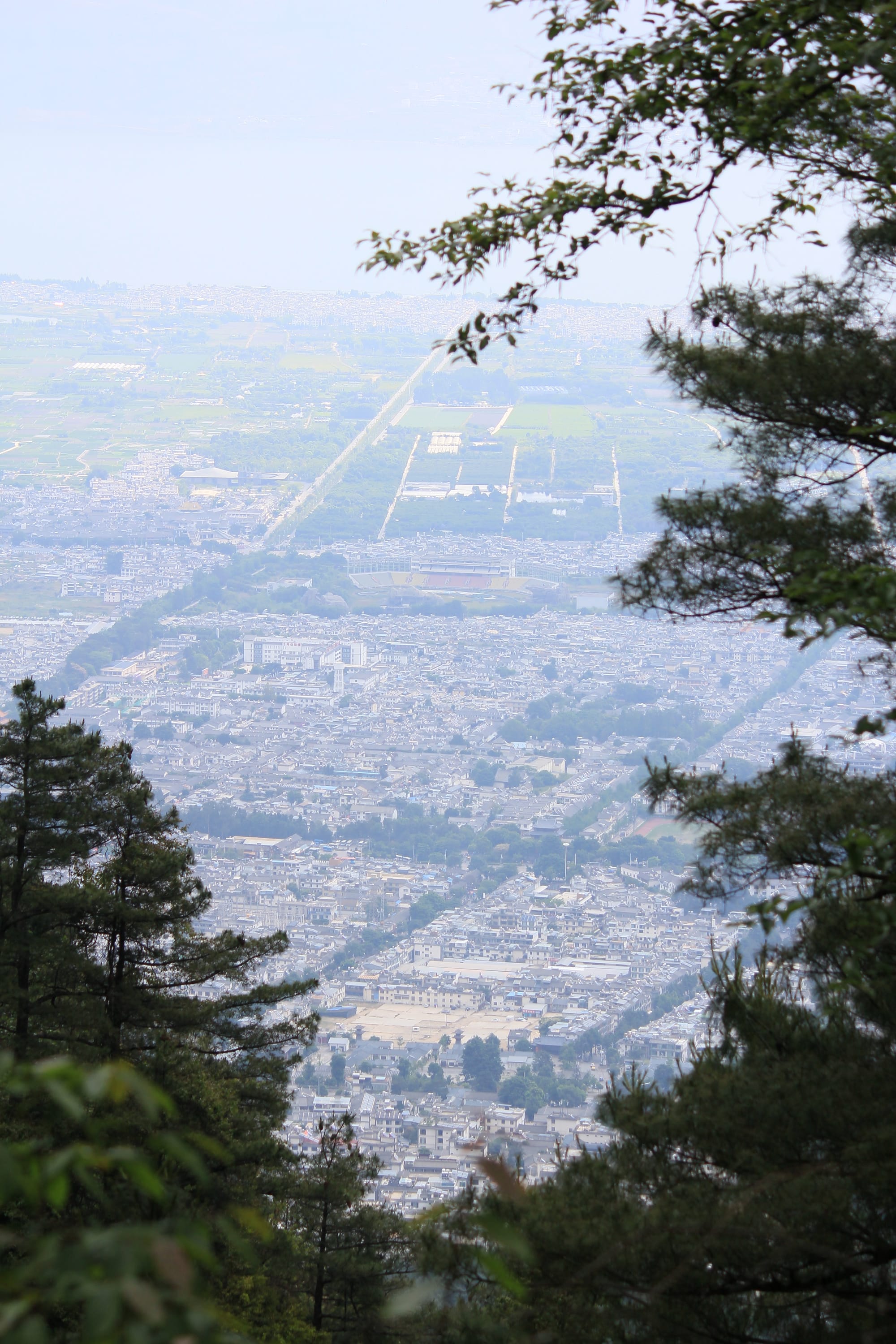
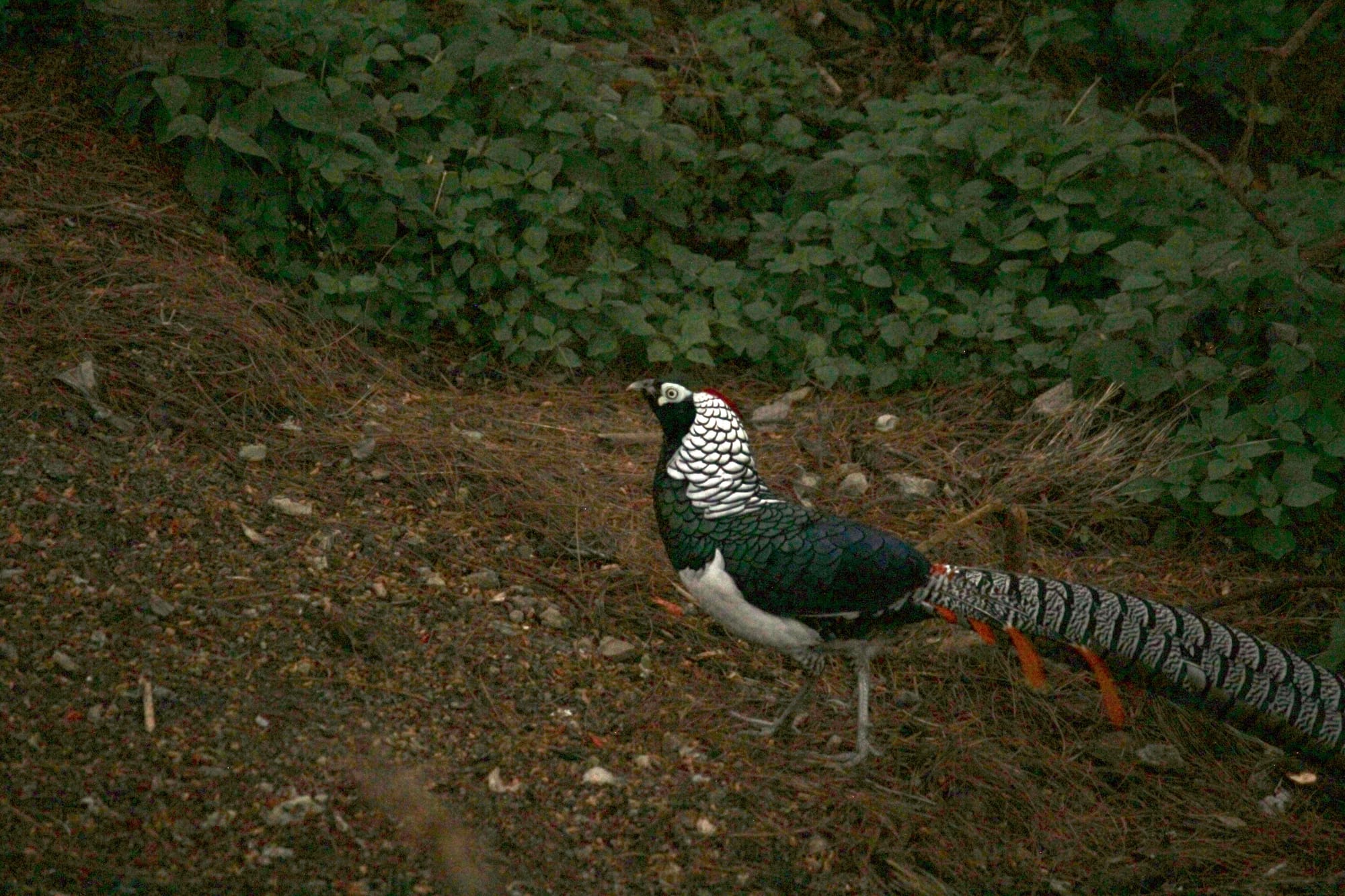
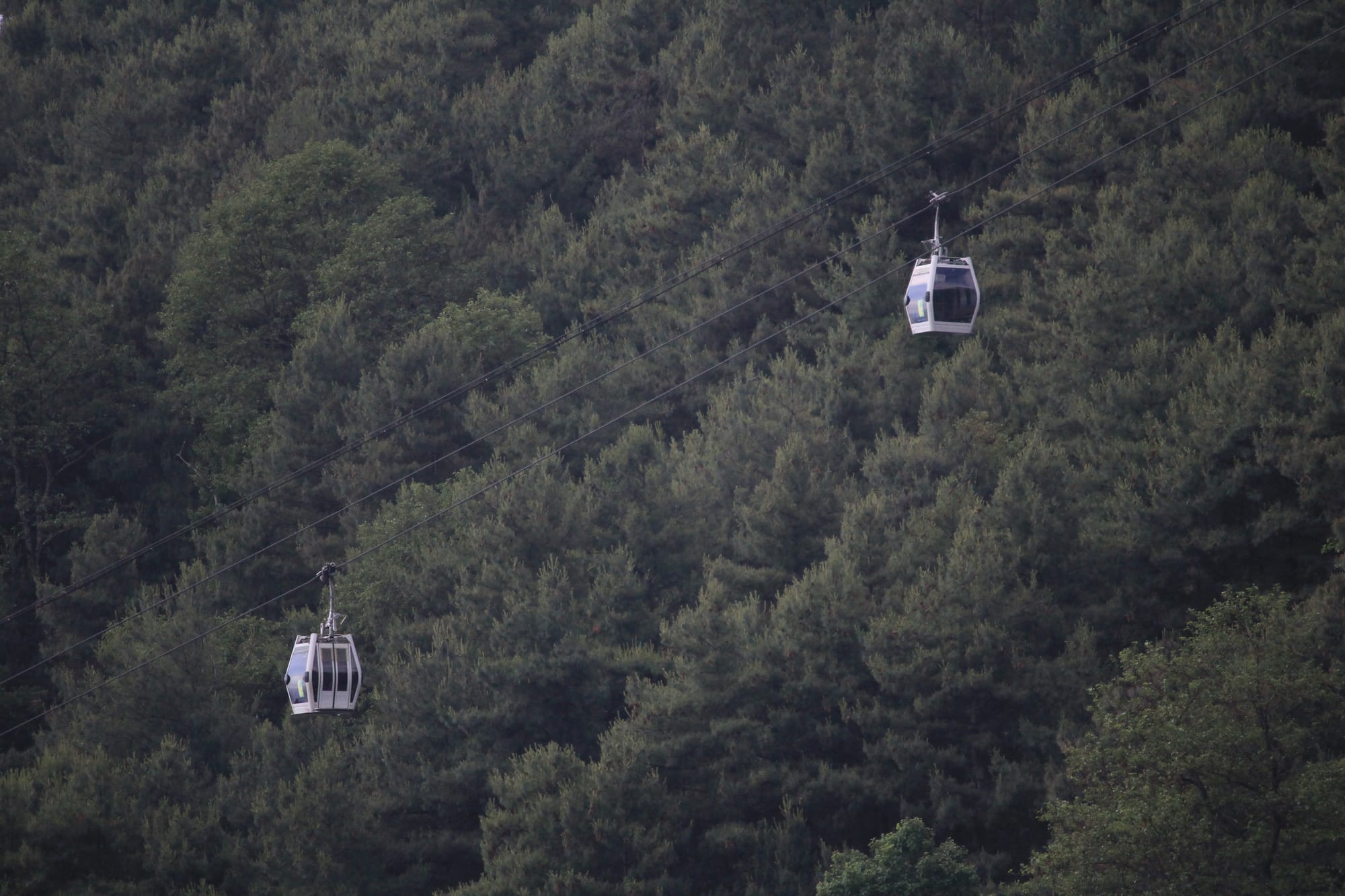
Left: Countless waterfalls are scattered all throughout the mountains, some forming natural pools that attract visitors from all over China just to experience them. / Middle: Old and new portions of Dali emerge from between the trees as you hike up and across the mountain range. / Right: Signs reported red pandas, but all I got was this exotic bird.
Dali's Mount Cangshan is quite famous, overlooking a large lake and having earned the title of a UNESCO Global Geopark. It lives up to the luster.
Wild Flowers in Yunnan
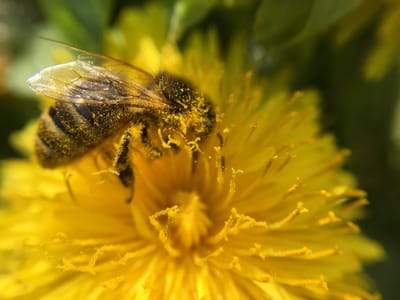
Colorful and vibrant, different species of flowers bloom everywhere you look. If there was ever a province that could show the world a strong connection between city and nature, it might just be Yunnan.
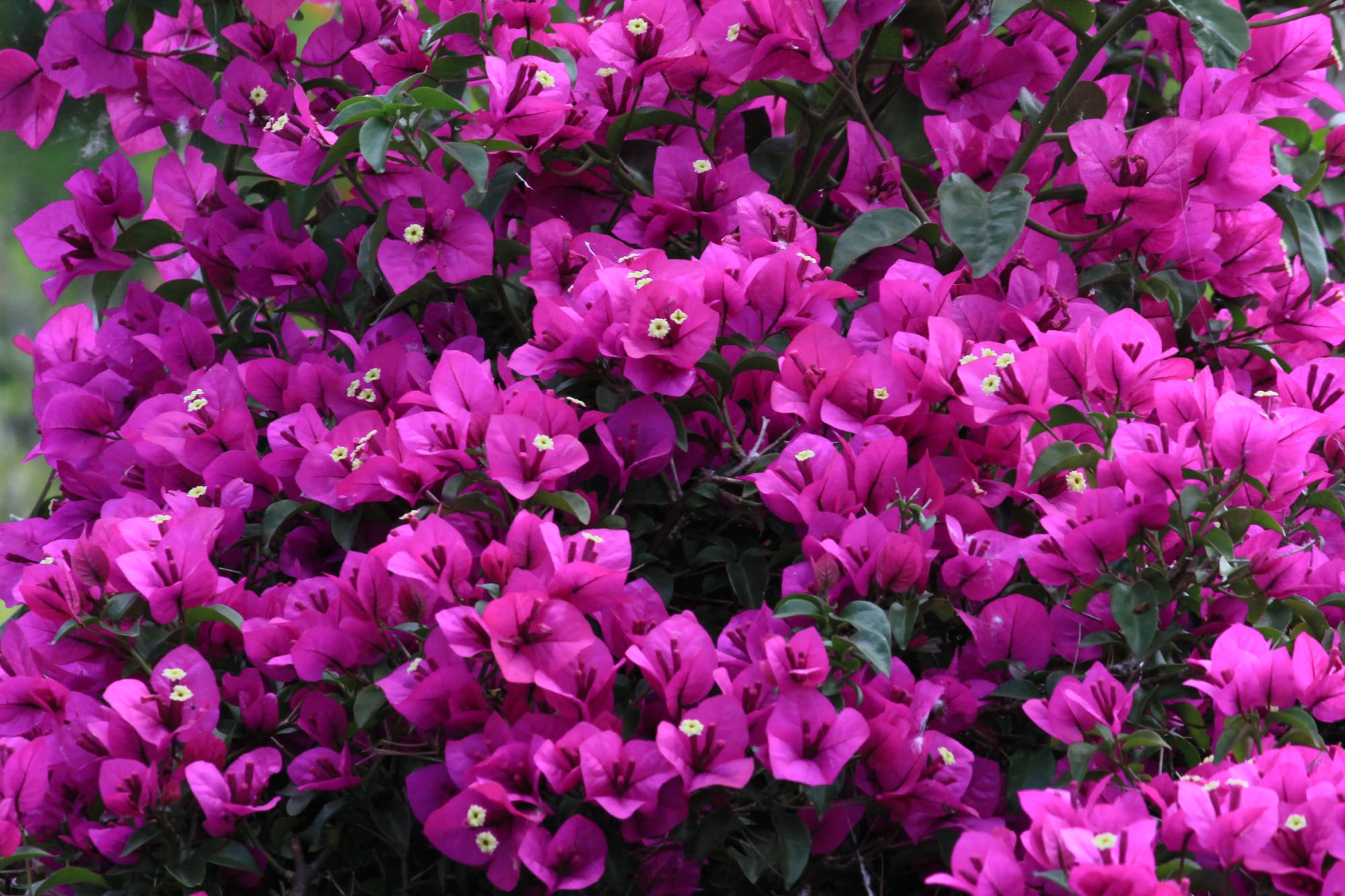
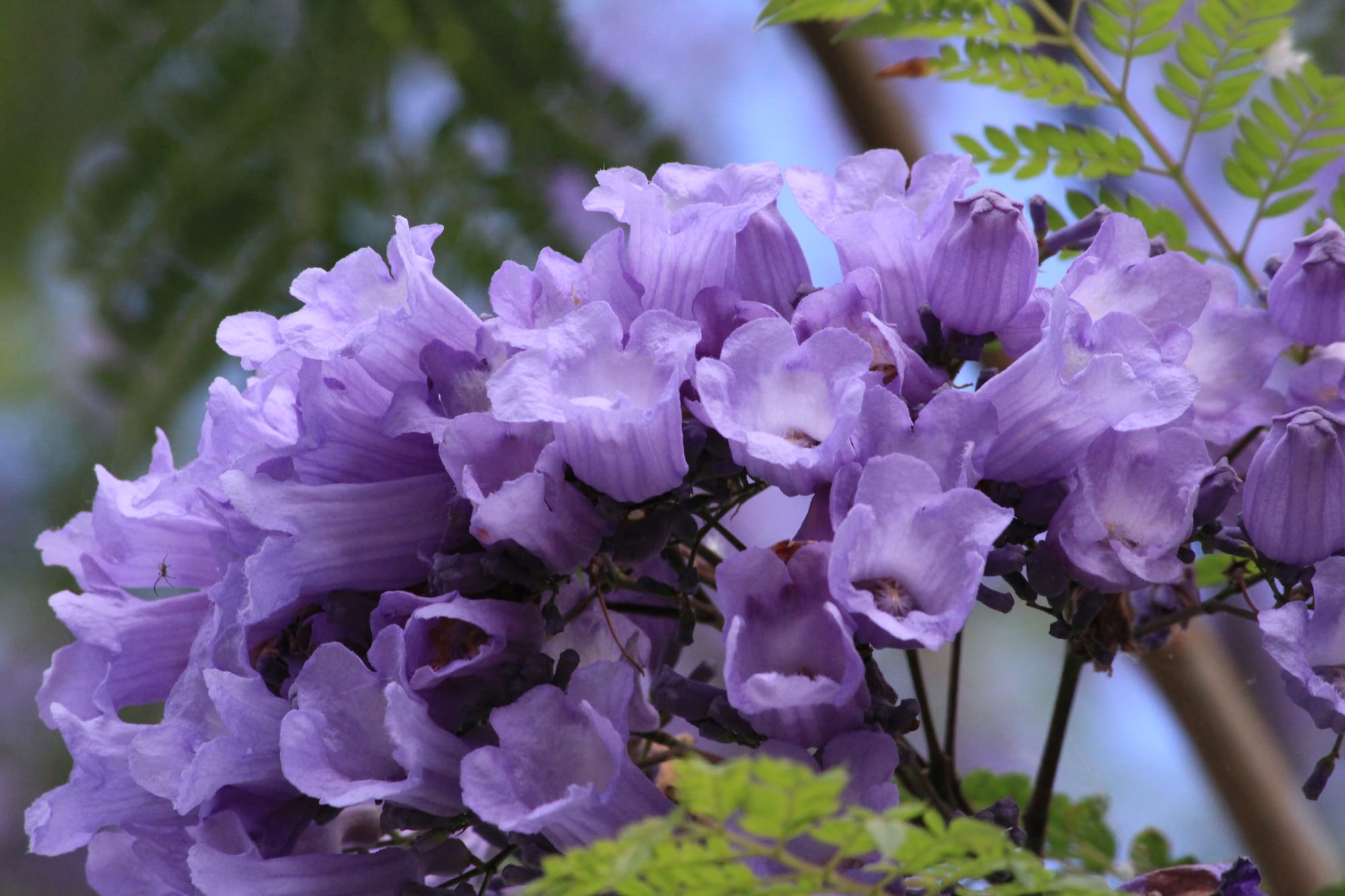
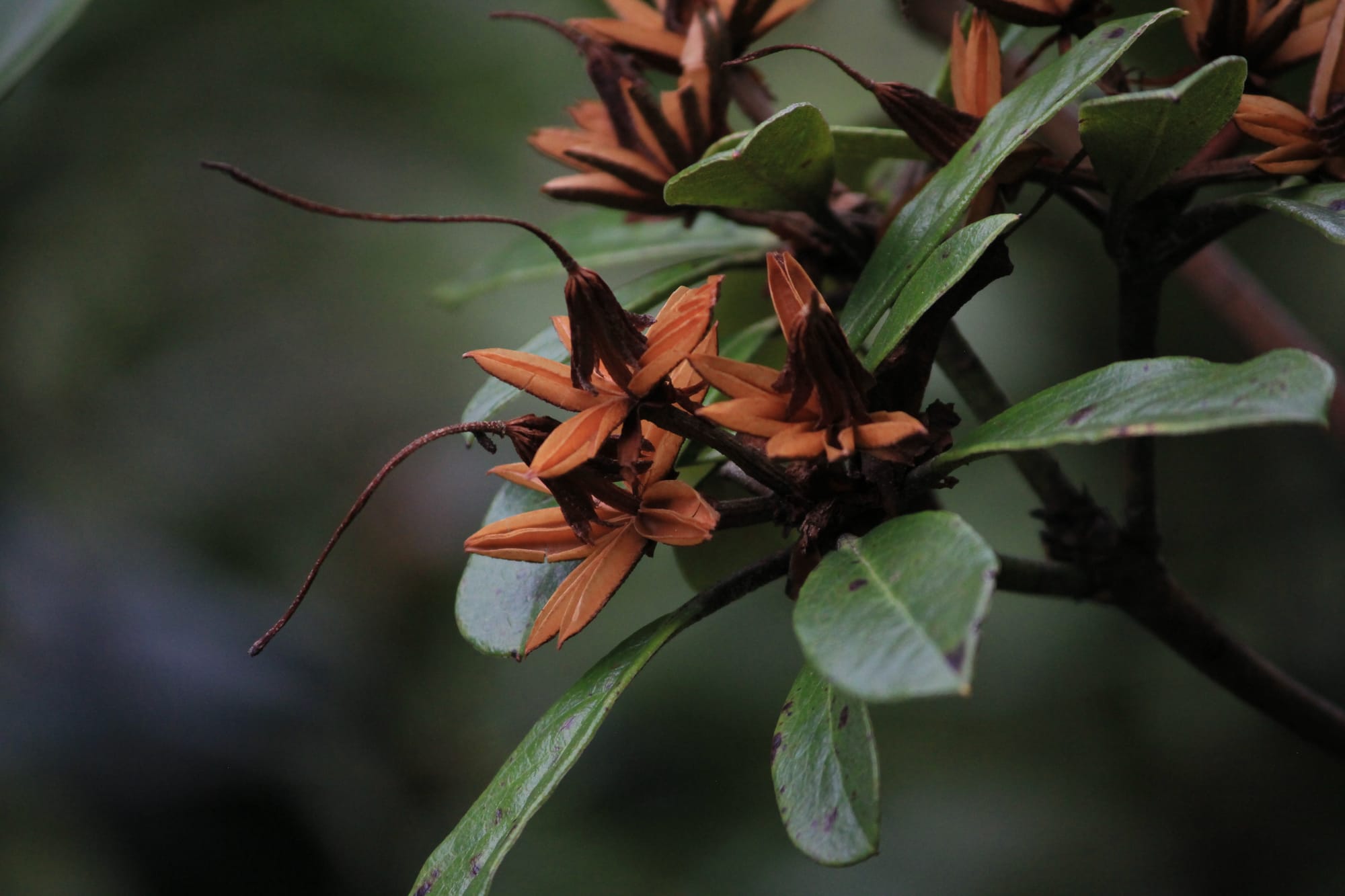
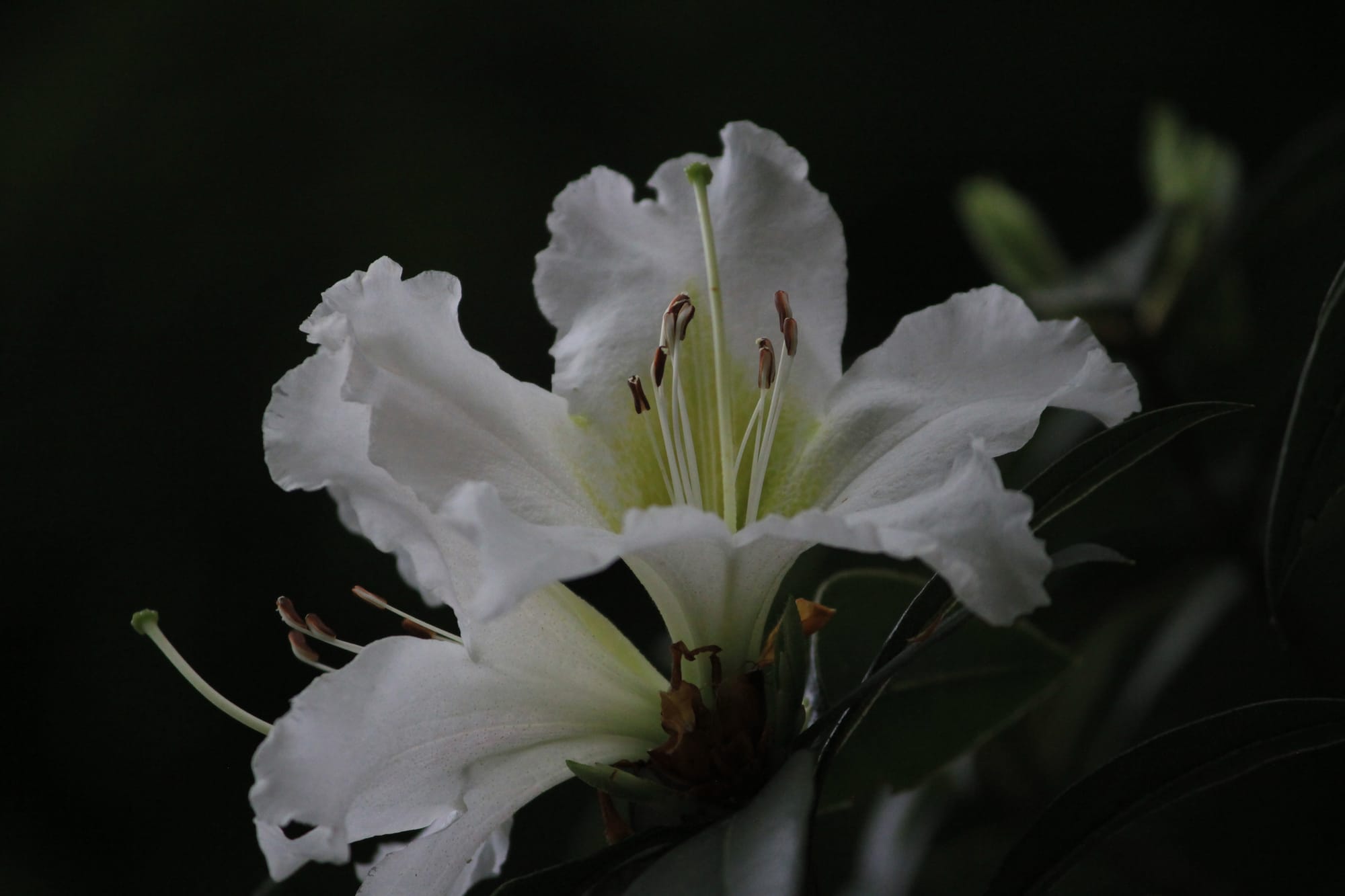
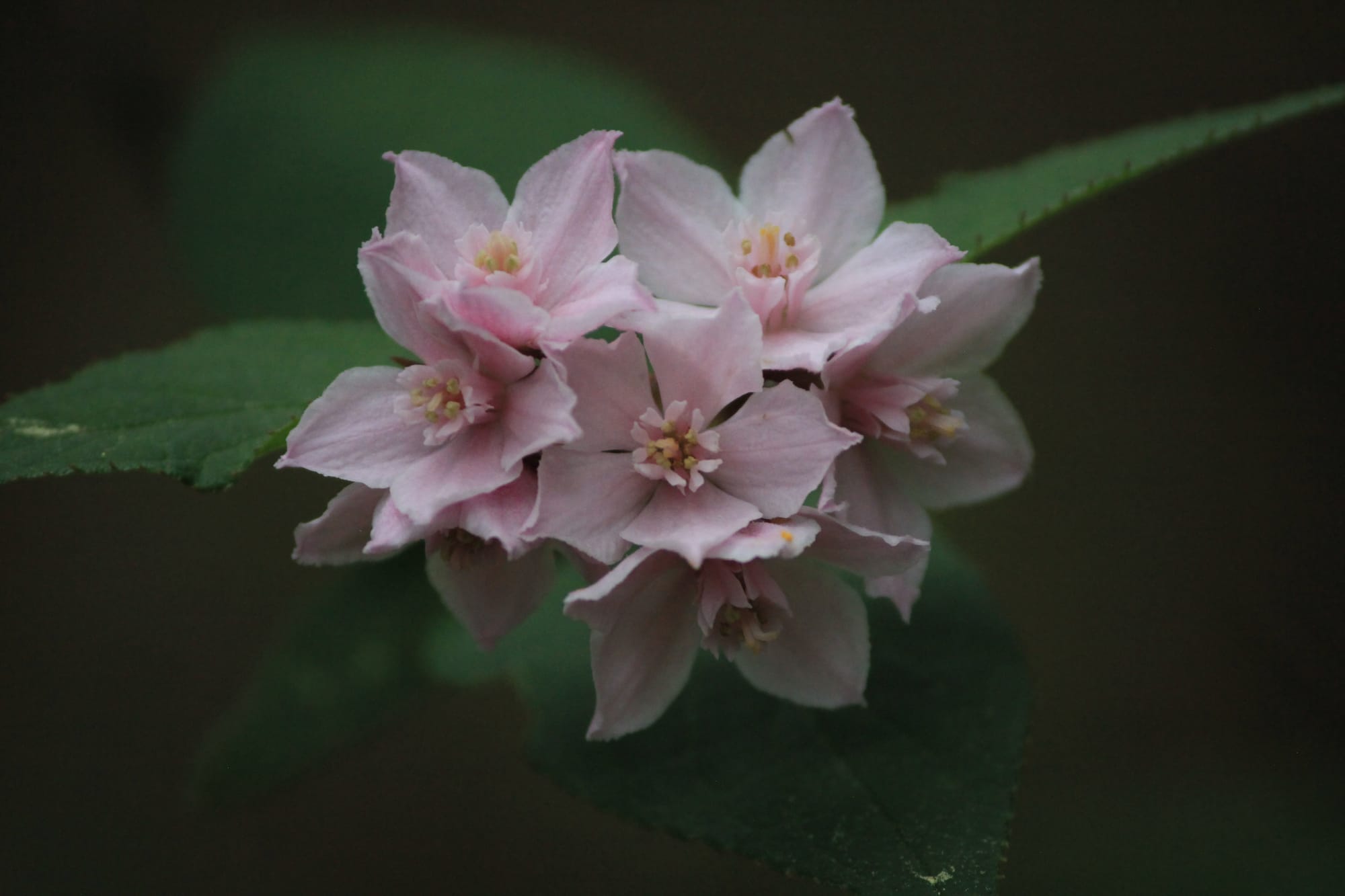
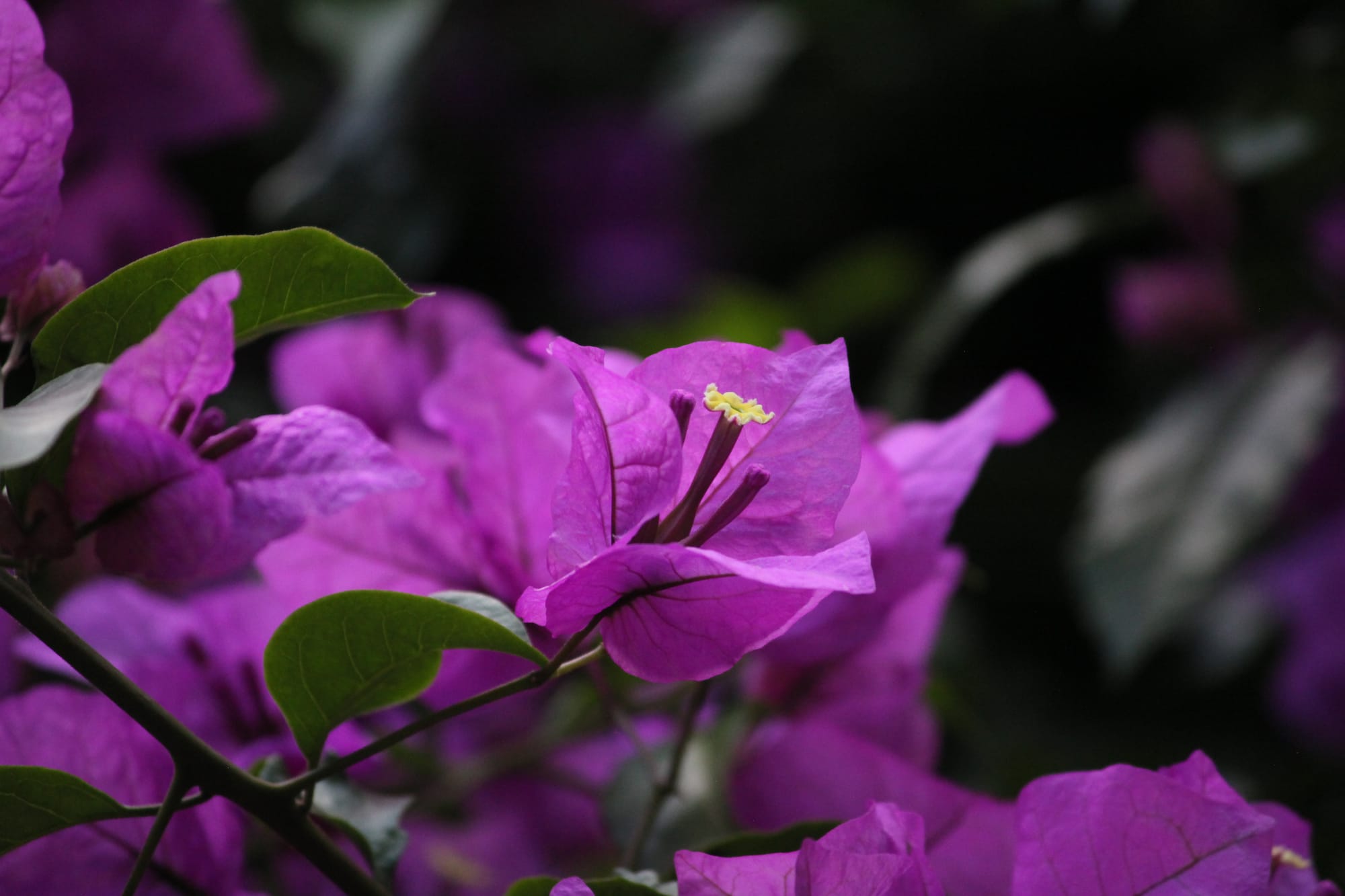
Local wild flowers from throughout Dali and Sha Xi always catch your eye - vibrant, colorful, and exotic shapes and sizes.
Yunnan is responsible for most of China's exotic flower production. Streets, terraces, gardens, fields, and even the train stations and Kunming airport are filled with flowers. Where other airports are filled with chocolates, liquor, cosmetics, and cigarettes to take home, Kunming boasts freshly cut flowers, which people buy, by the bag full.
A Little Bit of Canada in Sha Xi
From Dali we ventured north to Sha Xi, a traditional small town nestled in the rolling foothills in Yunnan. It recently gained notoriety as an idyllic photo op spot. Traditional stone pathways, hutong-style architecture, beautiful blue skies, and trendy (read: hipster) shops and restaurants.
Walking down the old stone streets, you run into gaggles of girls dressed in traditional outfits you can rent or buy from local shops. This is a wildly popular phenomenon in China where domestic tourists will dress in period costumes, local minority outfits, or mythical garb to do elaborate photoshoots.
When we arrived we checked into our B&B and headed out to find a local place to eat breakfast. As fate would have it, the restaurant we stumbled into for breakfast was owned and operated by a fellow Canadian, hailing from Quebec, who also runs an exotic flower export business. Small world.
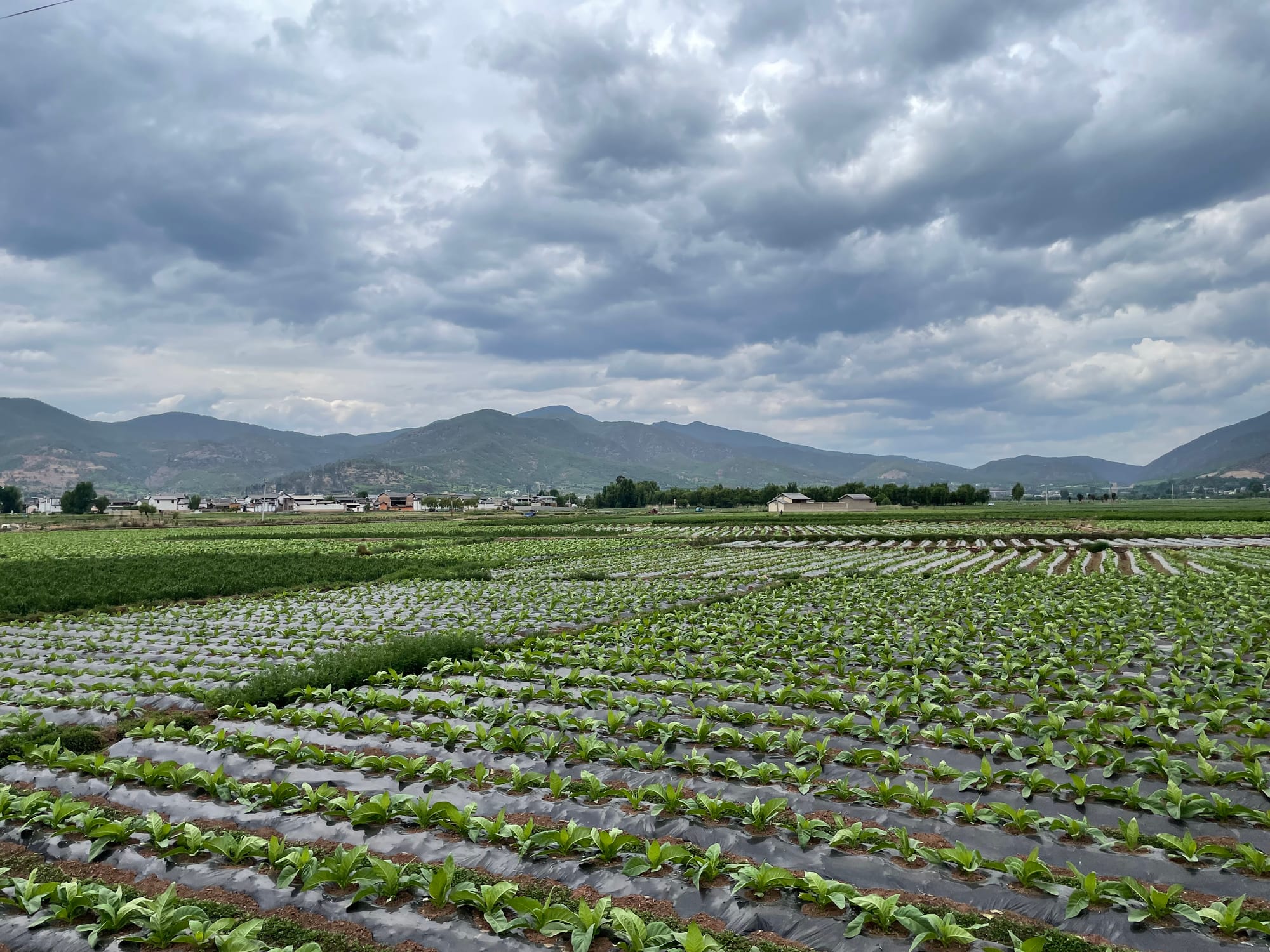
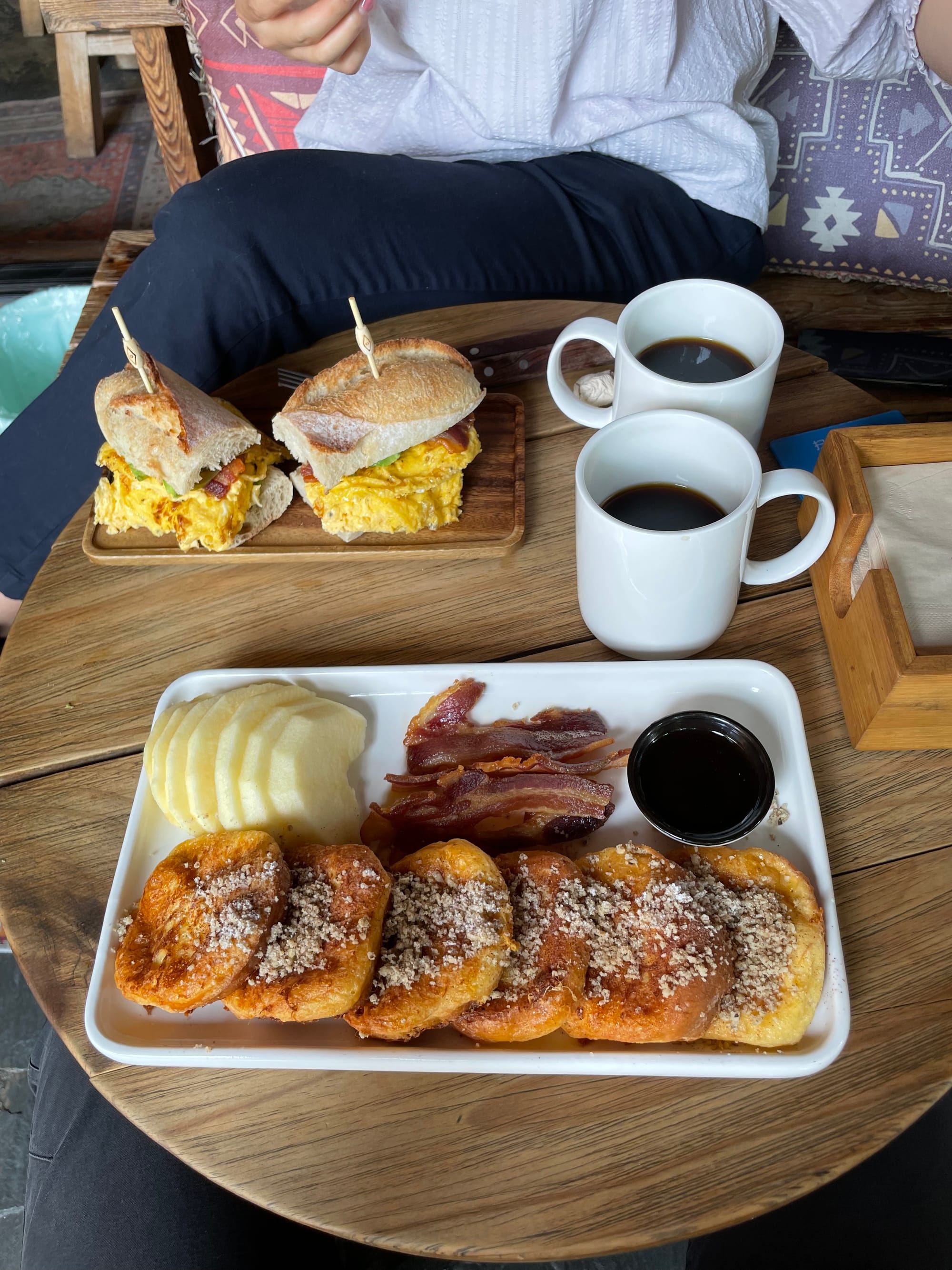
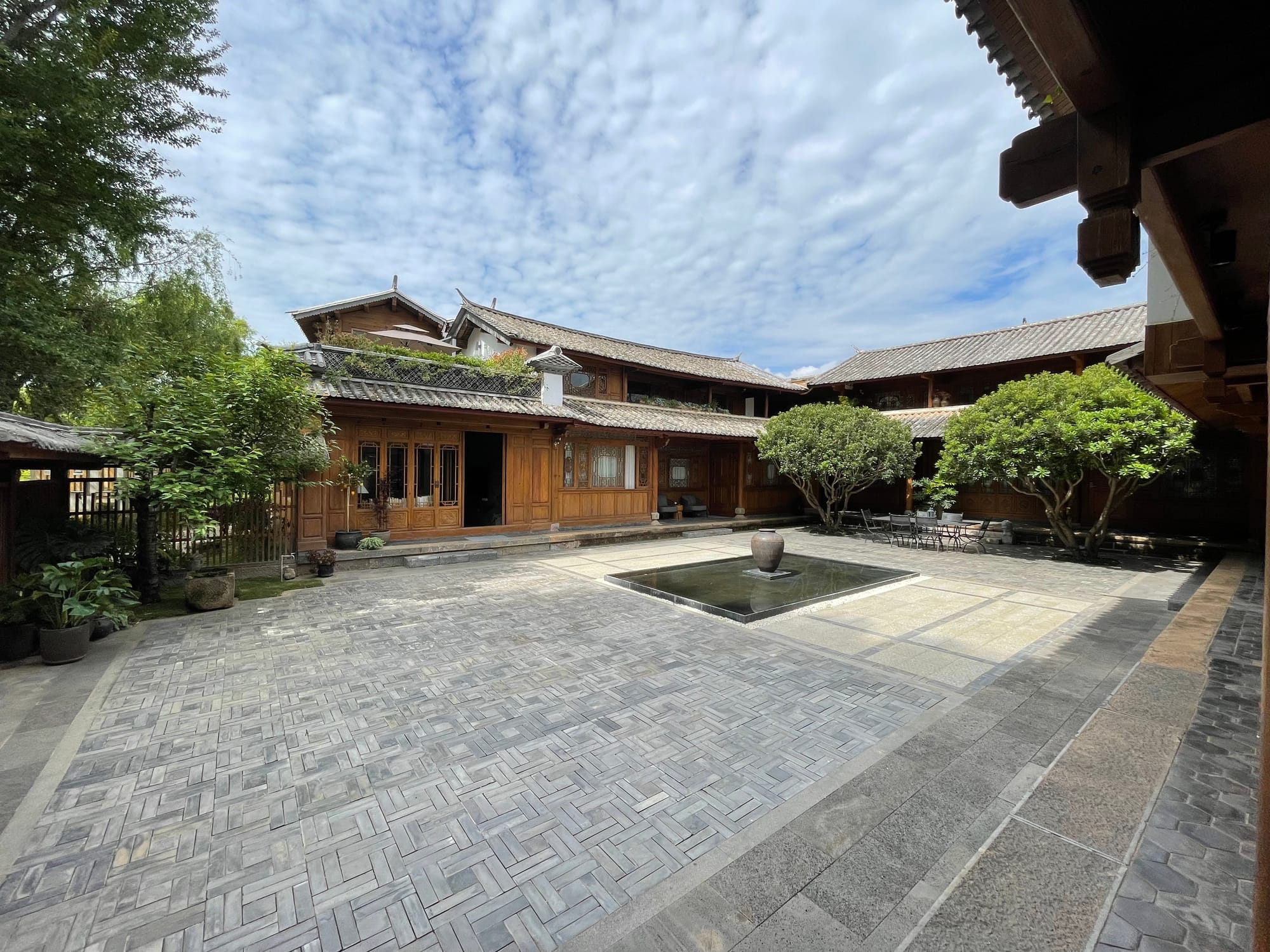
Left: Farmland in Sha Xi / Middle: Canadian breakfast in Sha Xi / Right: Our traditional Chinese house B&B
We sat with him for nearly an hour, chatting about his restaurant, the area we were visiting, and how life was here compared to larger cities like Beijing and Shanghai. We asked a lot of questions about his restaurant, as you could imagine, especially how he sourced his ingredients. Because Yunnan is famous for nature, that means much of the country's and even the world at large, sources ingredients from the province. He explained that everything on his menu came from his own garden or a handful of local farmers in the village (except for cheese and maple syrup).
Staying Connected to Nature
We made our way back to Kunming (capital of Yunnan) by train, stopped for lunch and coffee and flew back to Shanghai that evening. Months later, after I had returned from a trip back to Canada, my wife said to me that she hopes we can find a place in China that provides the connection with nature for which I so desperately yearn. I hope we can, too. But I am afraid that opportunities to eat wild blueberries and run into your fluffy neighbors will prove difficult to find.
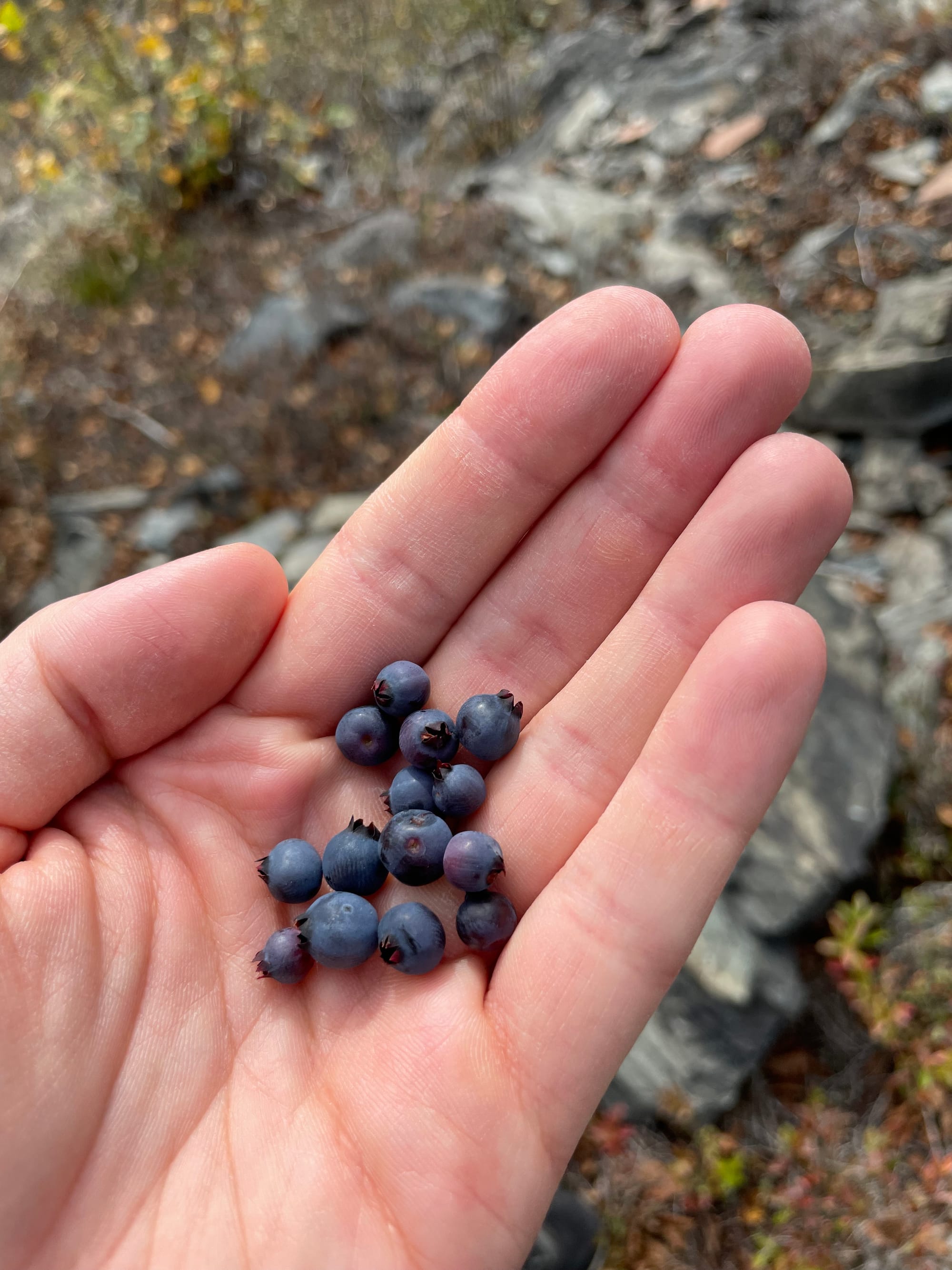
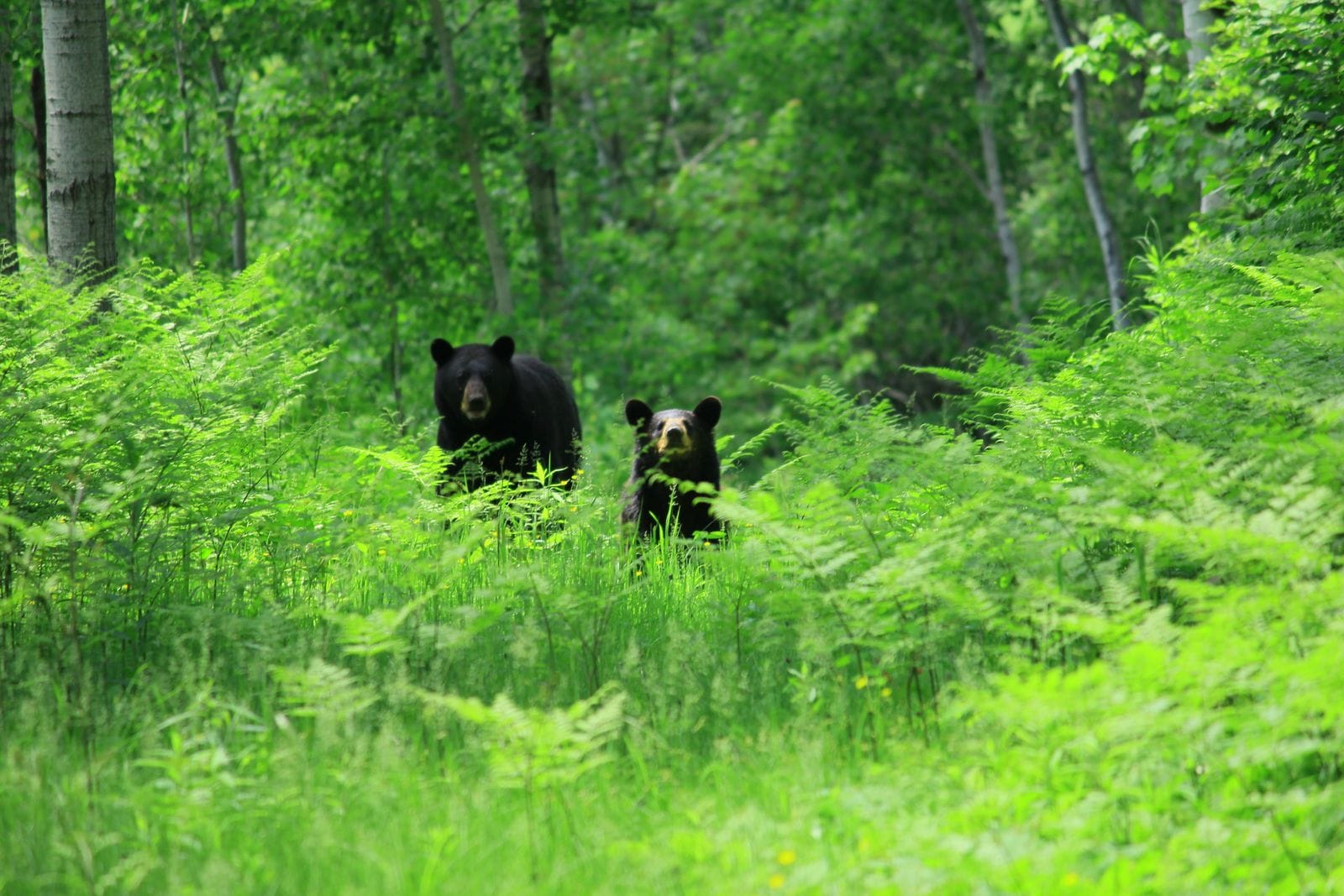
But I will keep looking.

Editor-in-chief and occasional contributor of actual content at Snout & Seek. Cameron hails from Northern Ontario, Canada but now lives in Shanghai, China. Wannabe explorer, loves coffee, donuts, and pizza.
No spam, no sharing to third party. Only you and me.

Member discussion