Buckwheat: The Grain That Sustains the Yi People
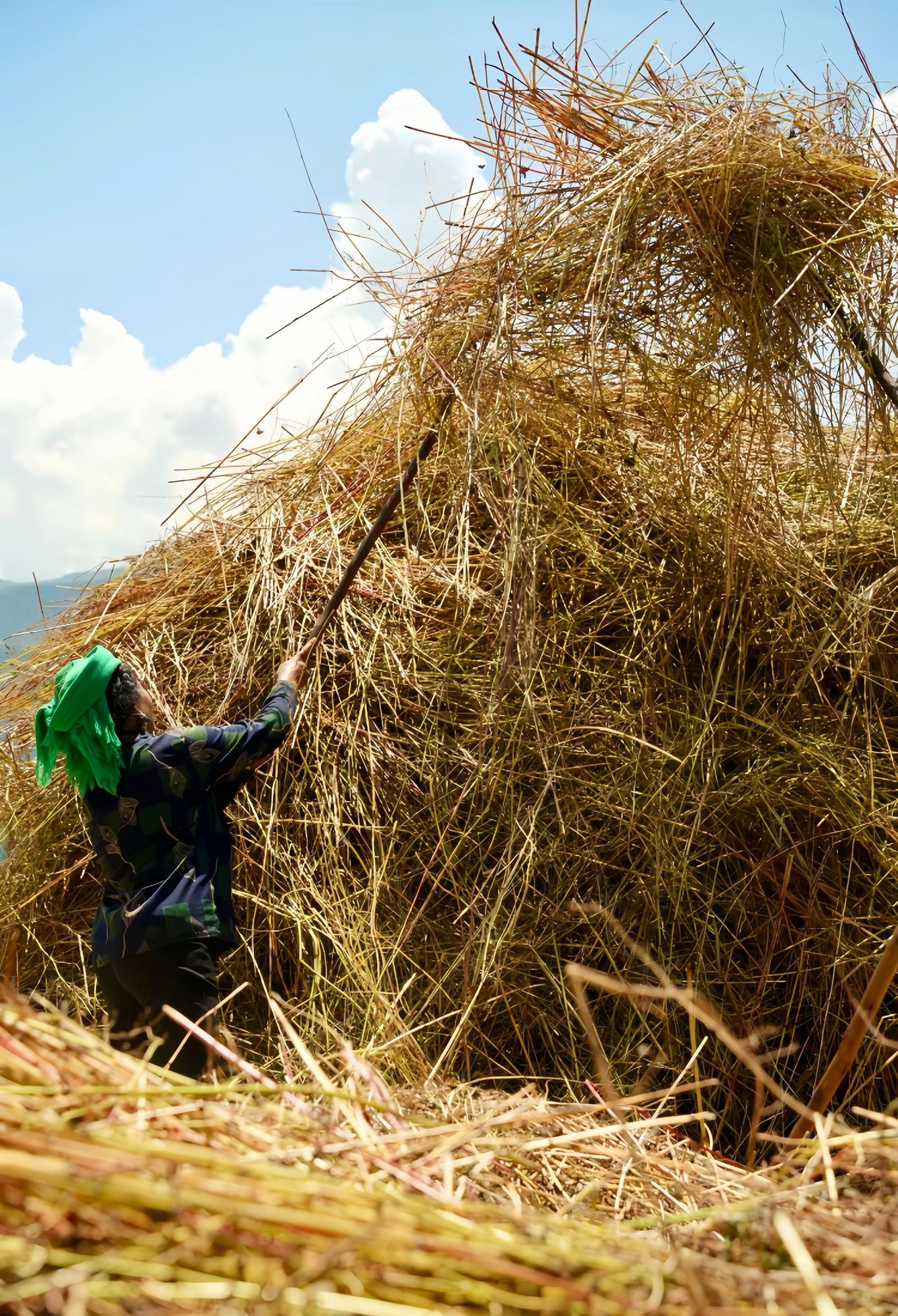
Tartary buckwheat, known in Chinese as kuqiao, is one of the two main cultivated buckwheat species in the world. Many people living in cities are more familiar with common buckwheat, also called “sweet buckwheat.” It appears in dishes such as Japanese soba noodles, Russian buckwheat porridge, and Korean buckwheat pancakes.
Tartary buckwheat is an ancient crop unique to China. Unlike sweet buckwheat, it carries a distinctive bitterness that gives it its name. Scientific studies confirm that Southwest China, especially Liangshan Yi Autonomous Prefecture in Sichuan Province, is the global center of origin and genetic diversity for Tartary buckwheat. Of the 15 buckwheat species and two variants identified worldwide, Liangshan alone contains ten species and two variants. Today China is the largest producer and consumer of Tartary buckwheat in the world. Liangshan produces about 120,000 tons each year, nearly one third of global production.
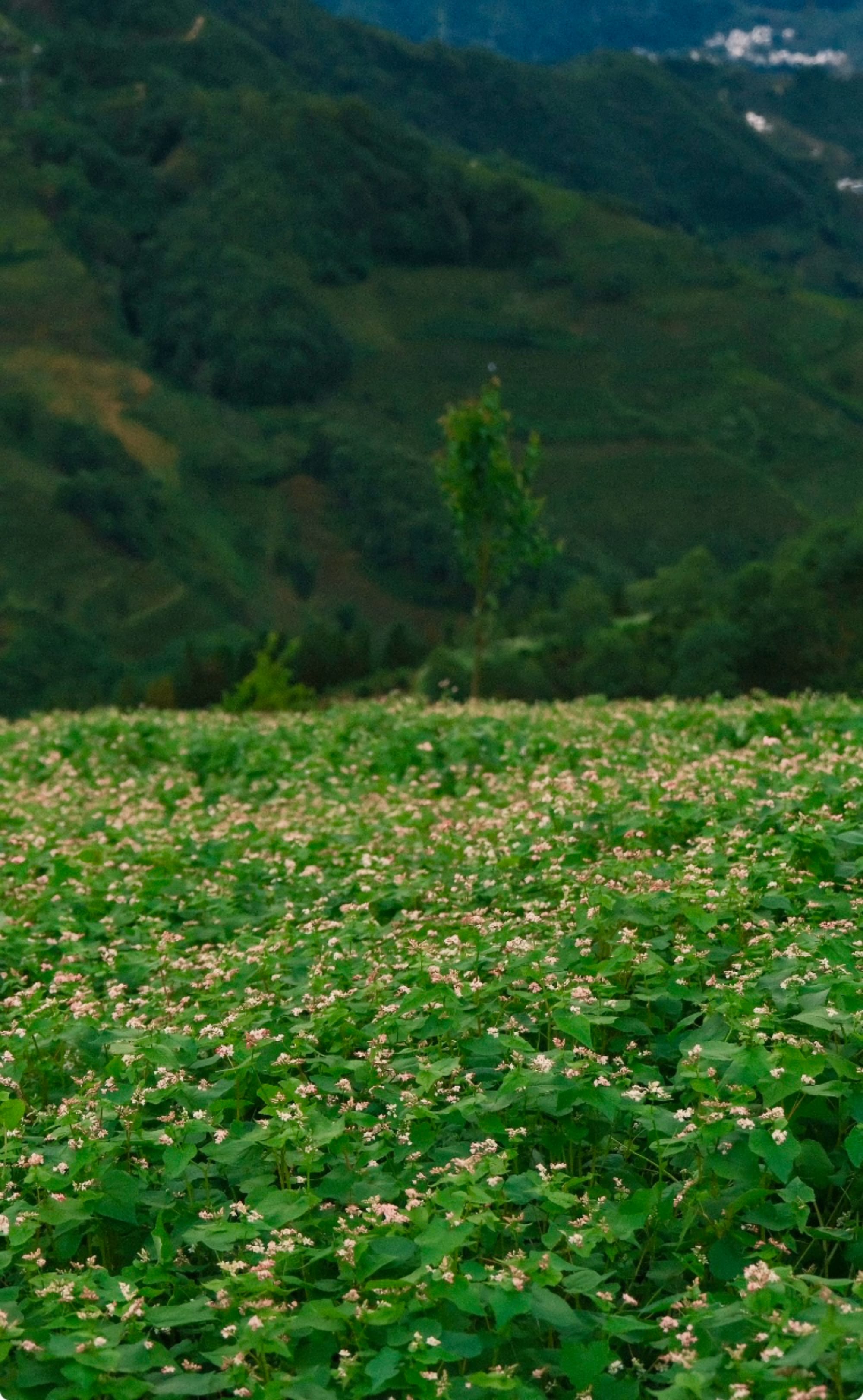
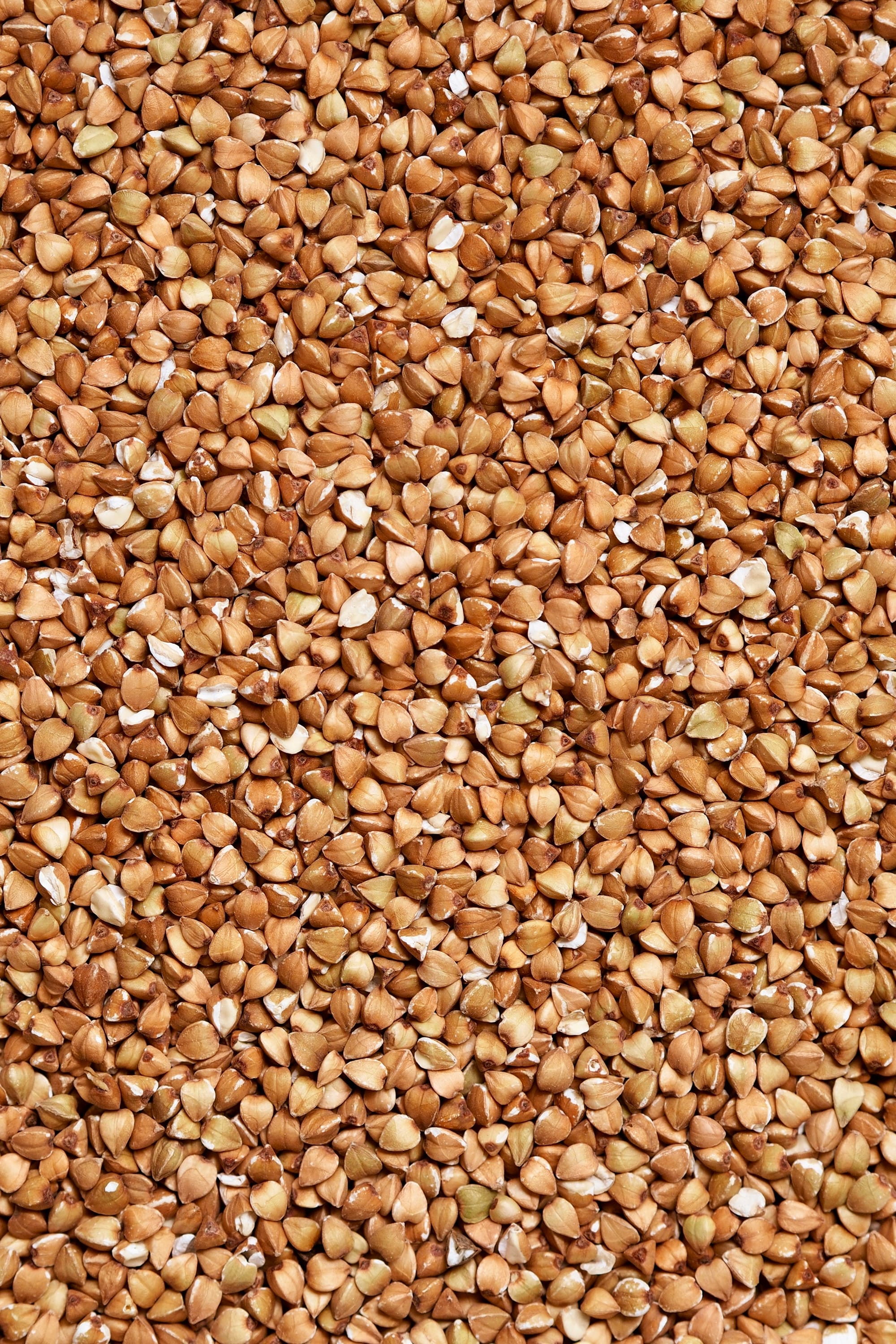
First: Buckwheat flowers blooming in the mountains. | Second: Buckwheat. Credit: Łukasz Rawa
For the Yi people who live in the mountains of Southwest China, Tartary buckwheat is more than a crop. It is an essential part of their cultural identity.
Subscribe to continue reading