Before Sushi: The Ancient Chinese Art of Zha (鮓)
In Yunnan, there is a distinctive yet ancient preserved dish called zha (鮓) — a method of curing meats such as chicken, duck, fish, and crab. The earliest record appears in Shuowen Jiezi, where it referred to fish preserved with salt and red yeast rice, an early Chinese technique for food preservation. By the Song Dynasty, more detailed recipes emerged: toasted rice was mixed with wine, soy sauce, sugar, ginger, scallions, and zhuyu pepper, then evenly rubbed onto salted and dehydrated meat. The mixture was sealed in earthen jars and ready to eat after about a month.
Zha is my favorite comfort food from home. However, since I can remember, it has mostly appeared as vegetable zha rather than meat. The primary ingredients are usually root vegetables — most commonly eggplant zha and shredded radish zha. Meat zha is often prepared together with vegetable zha, mainly pork, serving as an aromatic enhancer rather than the main component. My mother recalls that in her childhood there were even more varieties: mustard green zha, chili zha, and lotus root zha.
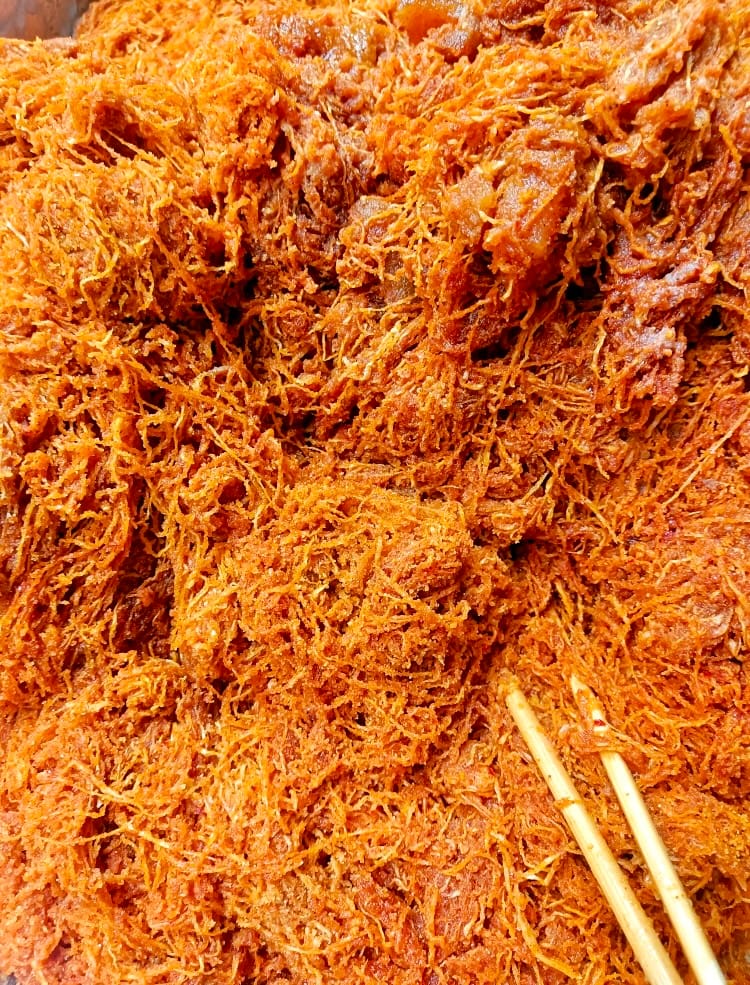
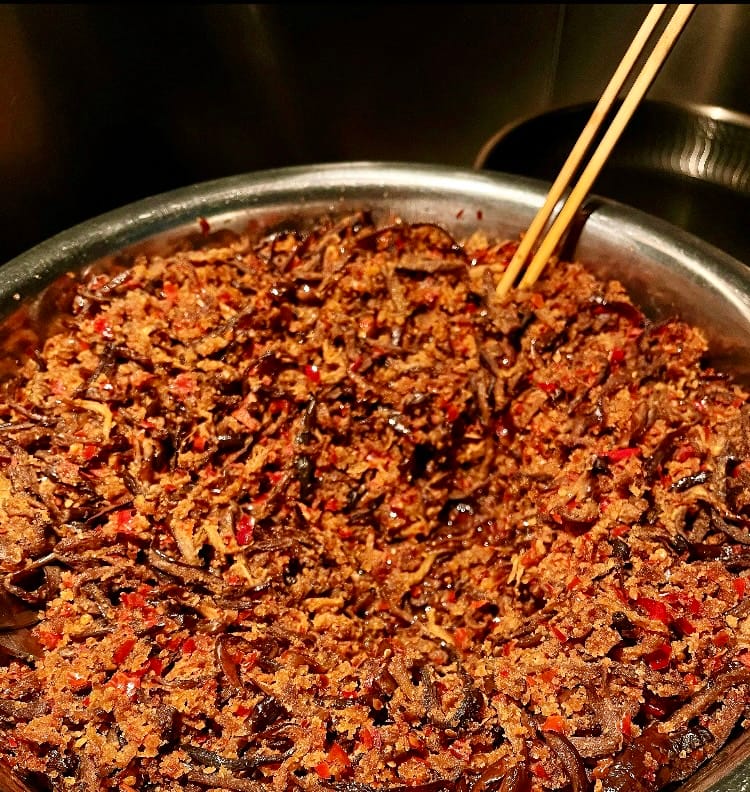
First: Shredded radish zha. |Second: Eggplant zha.
In central Yunnan, eggplant zha originated in Kunming and is said to be best made there, while shredded radish zha is considered finest in Jiangchuan by Fuxian Lake.
A good vegetable zha depends on perfectly toasted rice — neither rushed nor burnt. Star anise, tsaoko cardamom, chili powder, baijiu, and brown sugar are added, then mixed thoroughly with the vegetables before sealing in a jar to ferment. When ready, it is first stir-fried in rapeseed oil, then steamed for about ten minutes. The resulting aroma carries a strong fragrance of liquor; spices and chili mellow and deepen over time, developing a gentle tang. The eggplant strips, though dry, absorb flavor completely and become almost meat-like in texture.
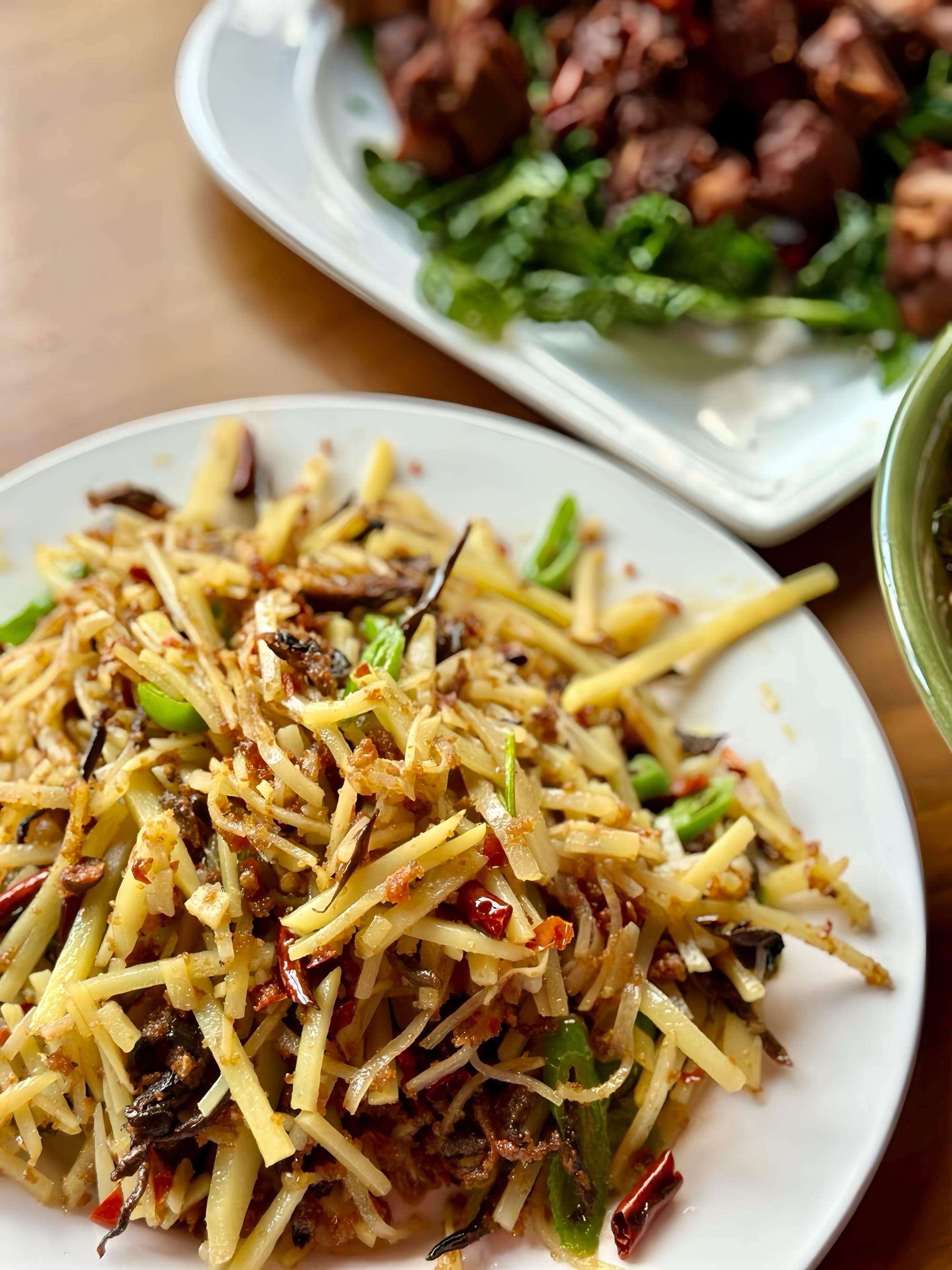
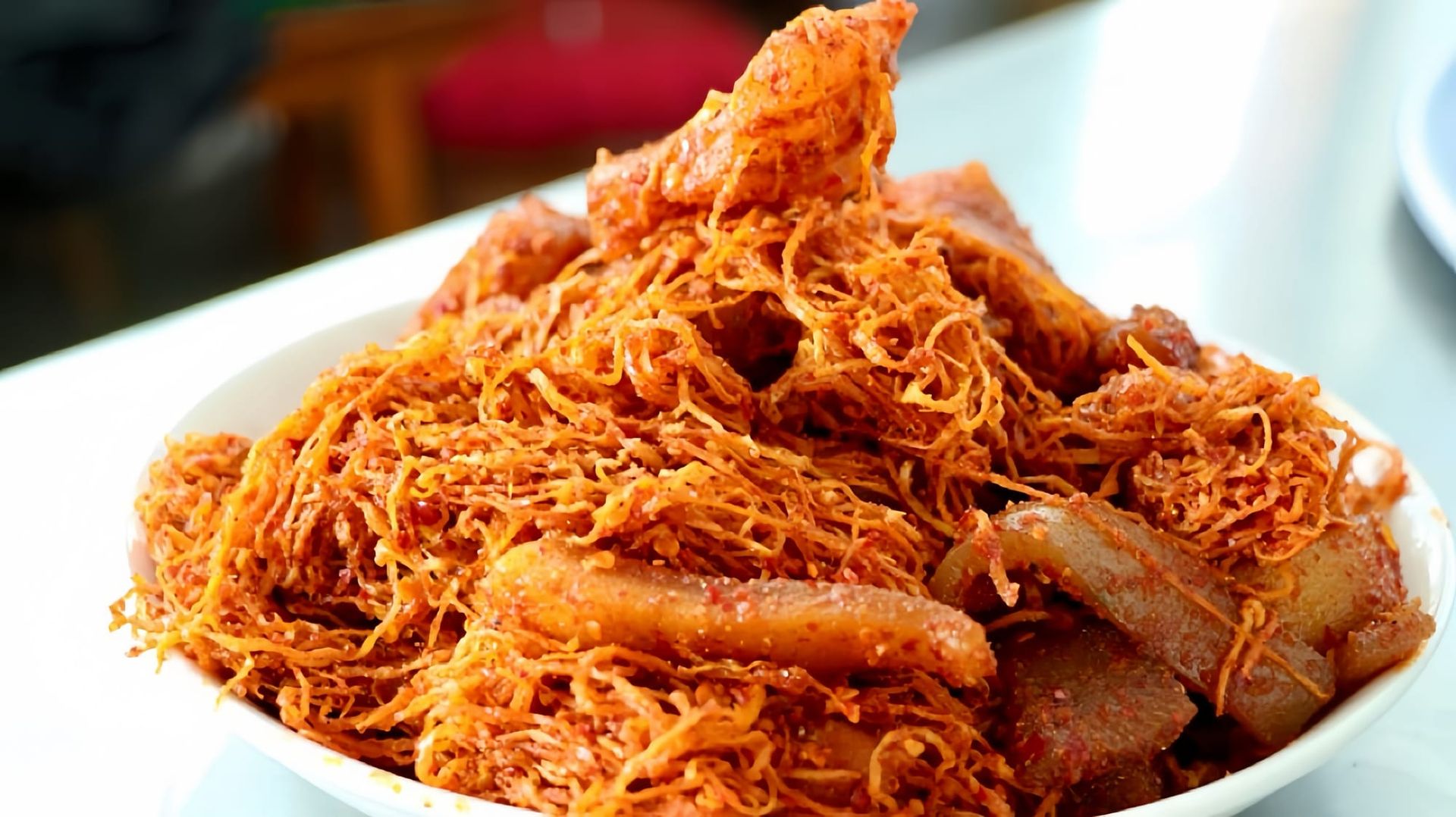
Shredded radish zha has its own distinct character. The radish is sliced as thin as threads. The fragrance of toasted rice and layered heat infuse the radish completely. It loses its crisp bite but retains a pleasant chew. If pork is included during fermentation, the added richness deepens the umami, making it especially satisfying with rice.
Using rice — long a staple food — as a fermenting seasoning agent is not unique to Yunnan. Across Southwest China, similar techniques appear. The Dai people ferment pork with glutinous rice to make sour meat. The Dong people ferment fish with rice to produce sour fish. Sichuan’s fen zheng rou (steamed pork with rice powder) can also be seen as a variation of zha. Some food anthropologists even trace sushi back to this tradition. The Japanese word sushi (すし), written in kanji as 鮓, originally referred to fish fermented with rice. Over time, it evolved into modern sushi, though vinegared rice still carries echoes of that fermented origin.
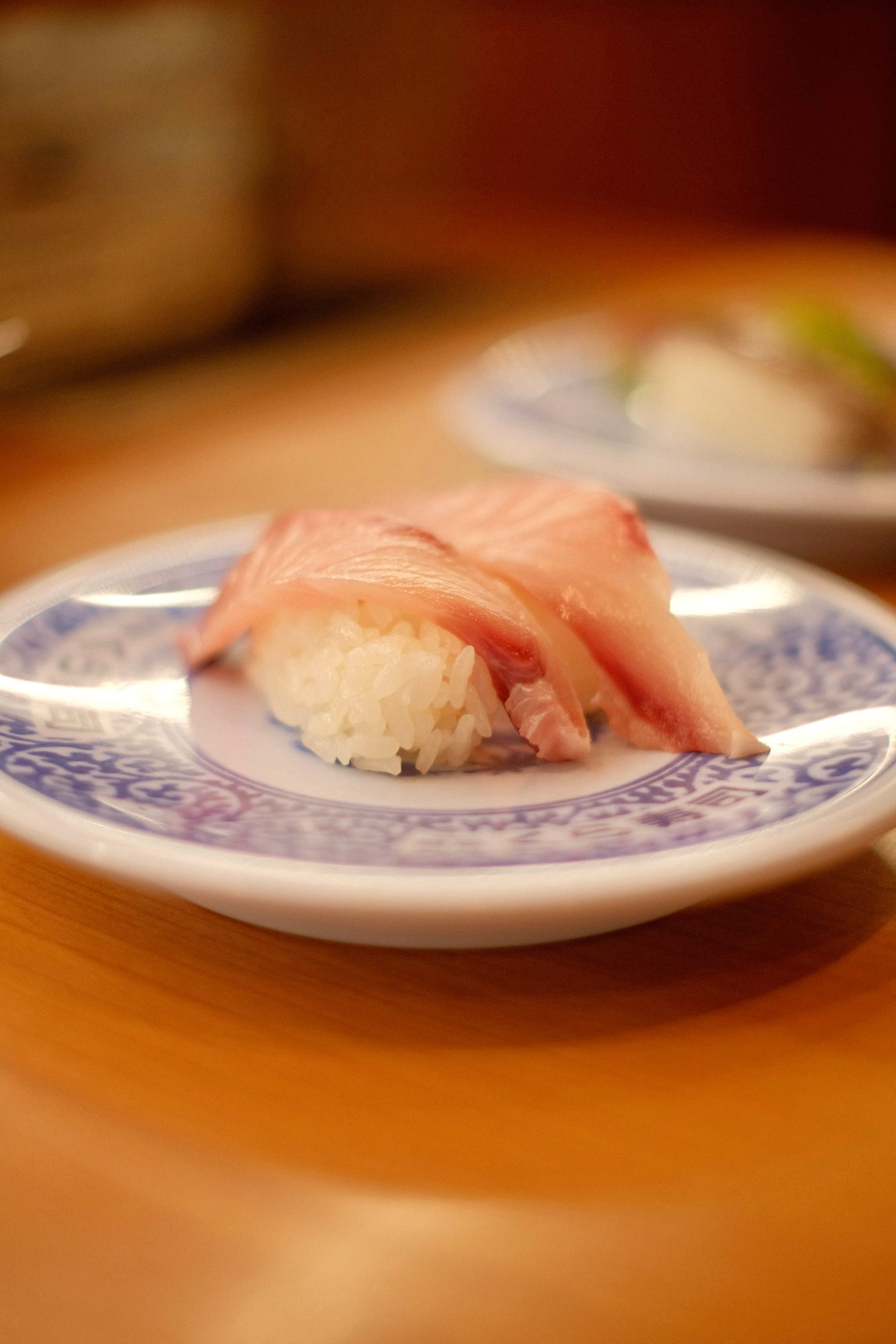
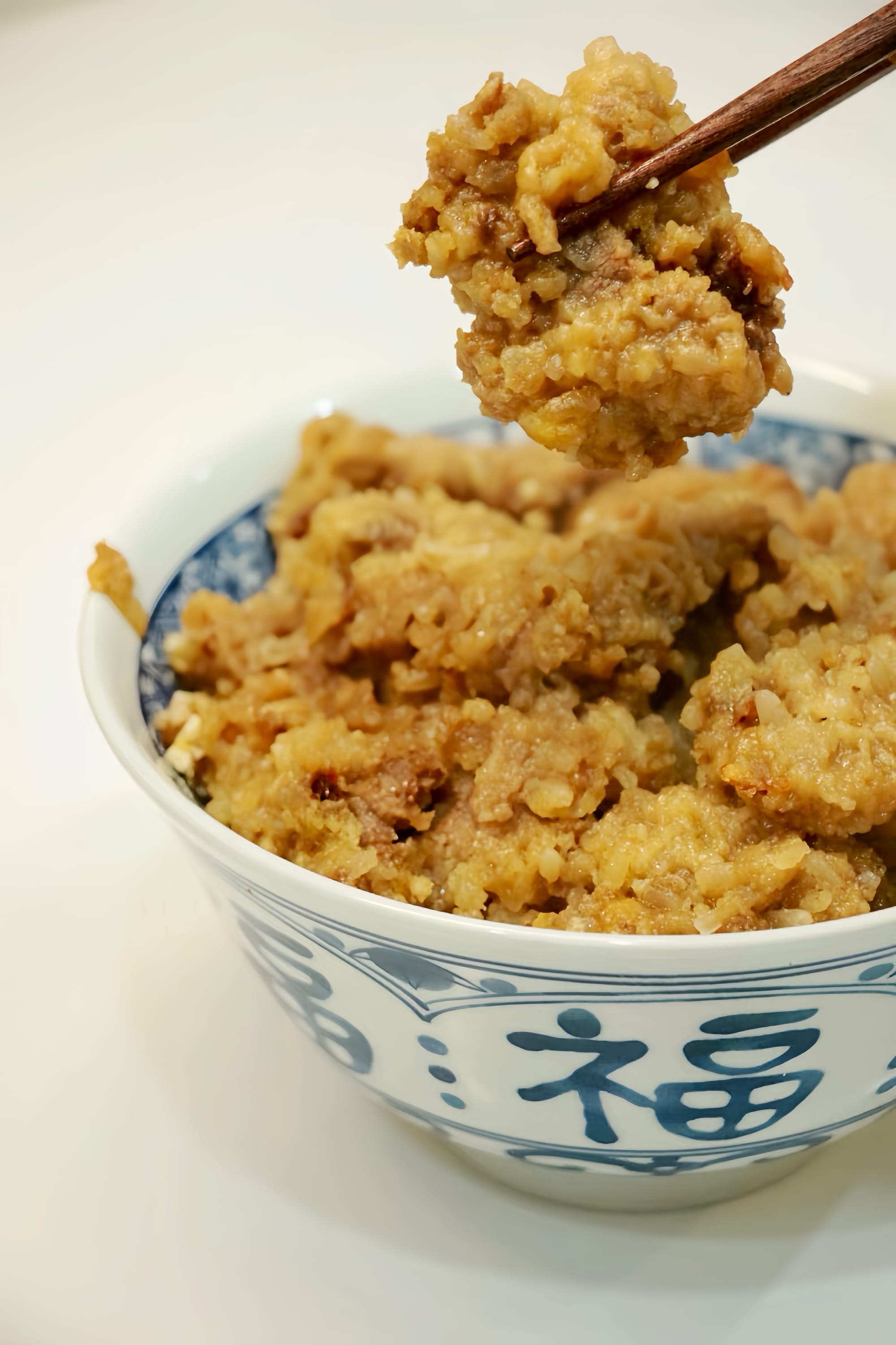
First: Sushi. Credit: MAK; Fen Zheng Rou | Second: Steamed Pork with Rice Powder. Credit: RED 8968631225
In anaerobic conditions, the abundant sugars in rice interact with lactic acid bacteria to produce lactic acid. Enzymes present in the rice also break down proteins and fats, generating distinctive savory and tangy flavors.
As a child, I preferred shredded radish zha made with pork. We called the pork pieces “zha-mo meat,” meaning pork encased in the fermented rice mixture. A slice of zha-mo meat, some radish zha, and a spoonful of steaming rice — one bite was deeply satisfying.
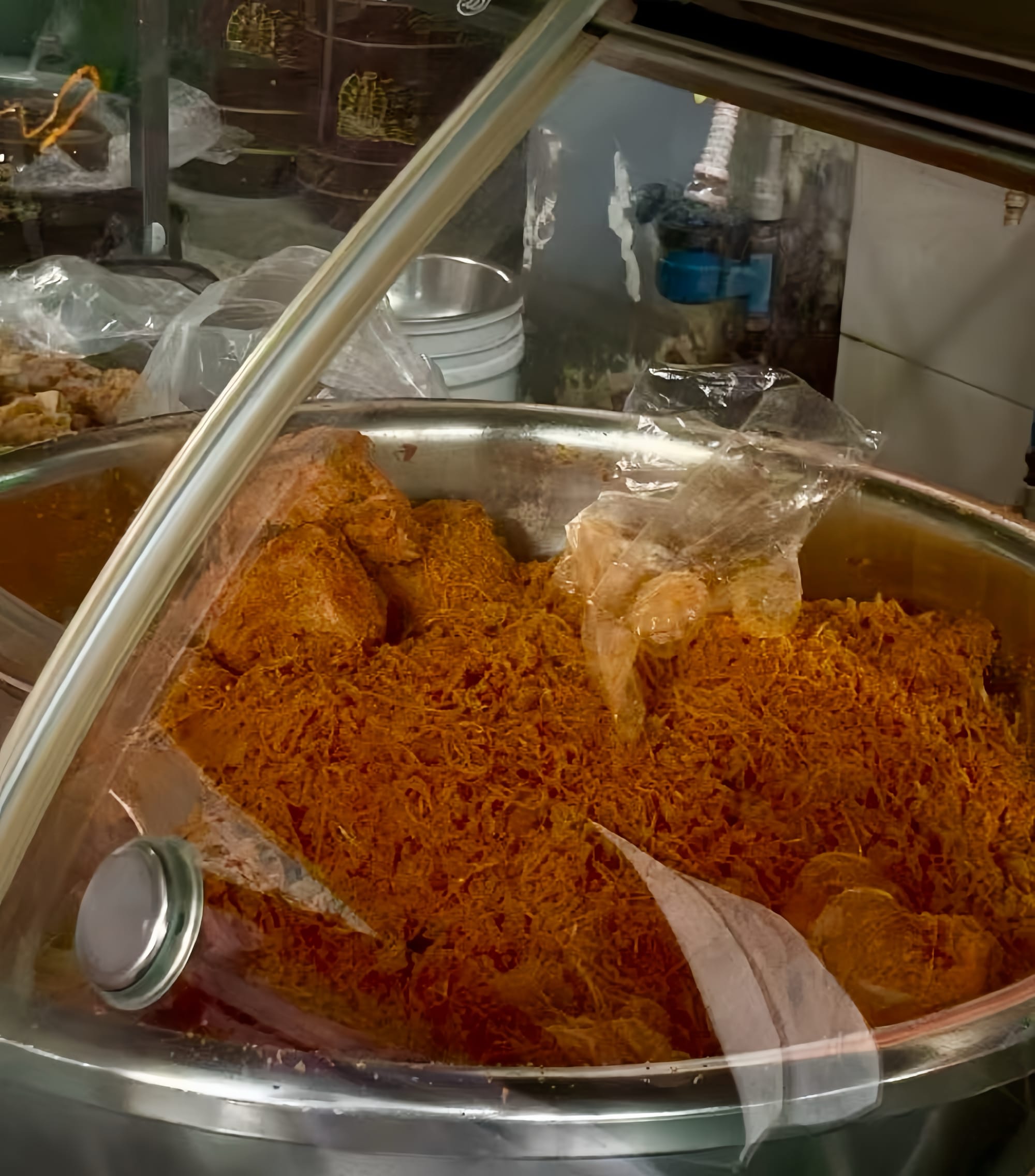
Because zha is so common in central Yunnan, markets often have multiple stalls selling their own versions of shredded radish and eggplant zha. My mother has a favorite vendor from Jiangchuan. Their shredded radish zha is vivid red, unlike the earthy yellow versions made locally in Yuxi. Jiangchuan artisans somehow make it more fragrant — the freshness of the radish wrapped harmoniously in layers of sweet, sour, and heat.
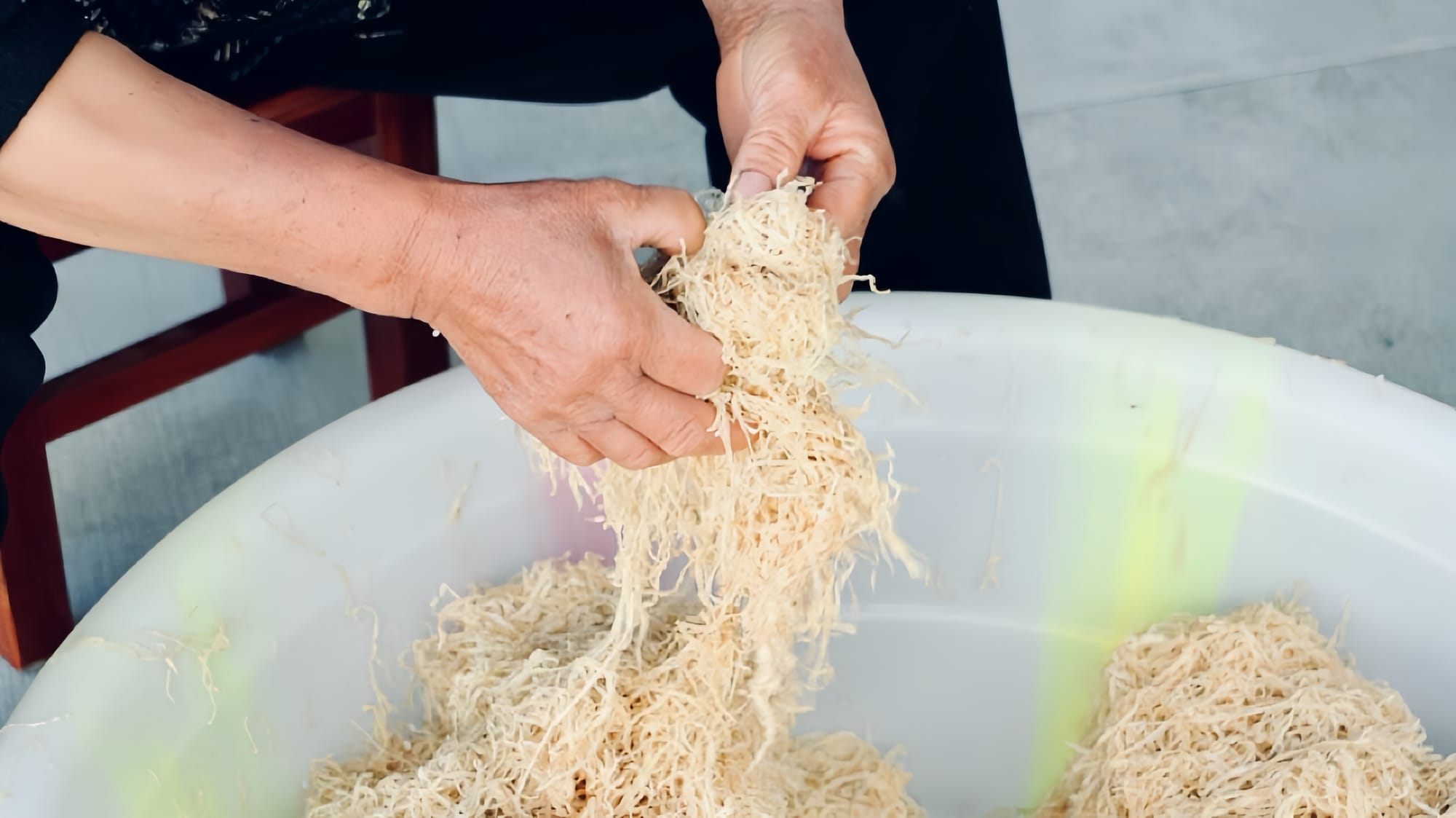
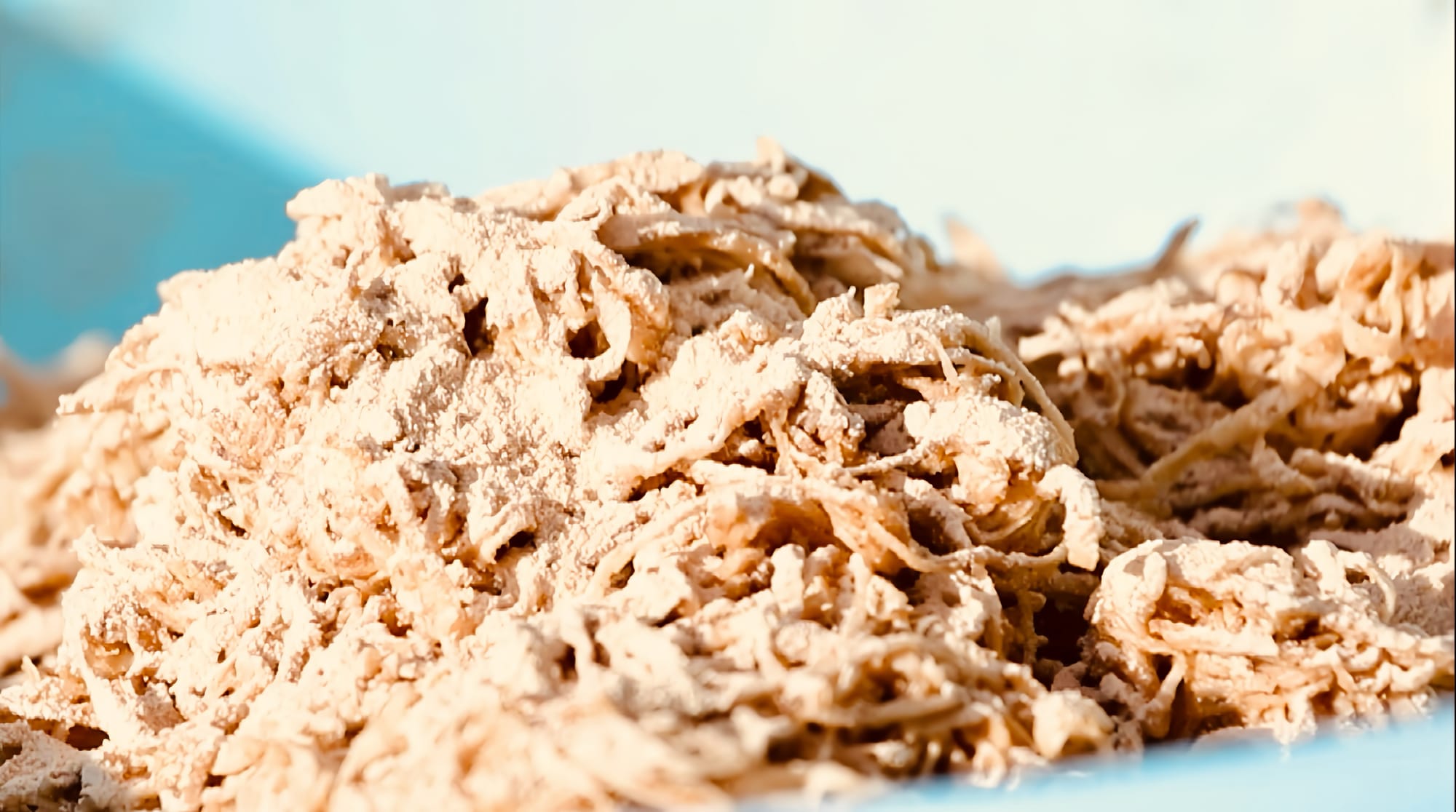
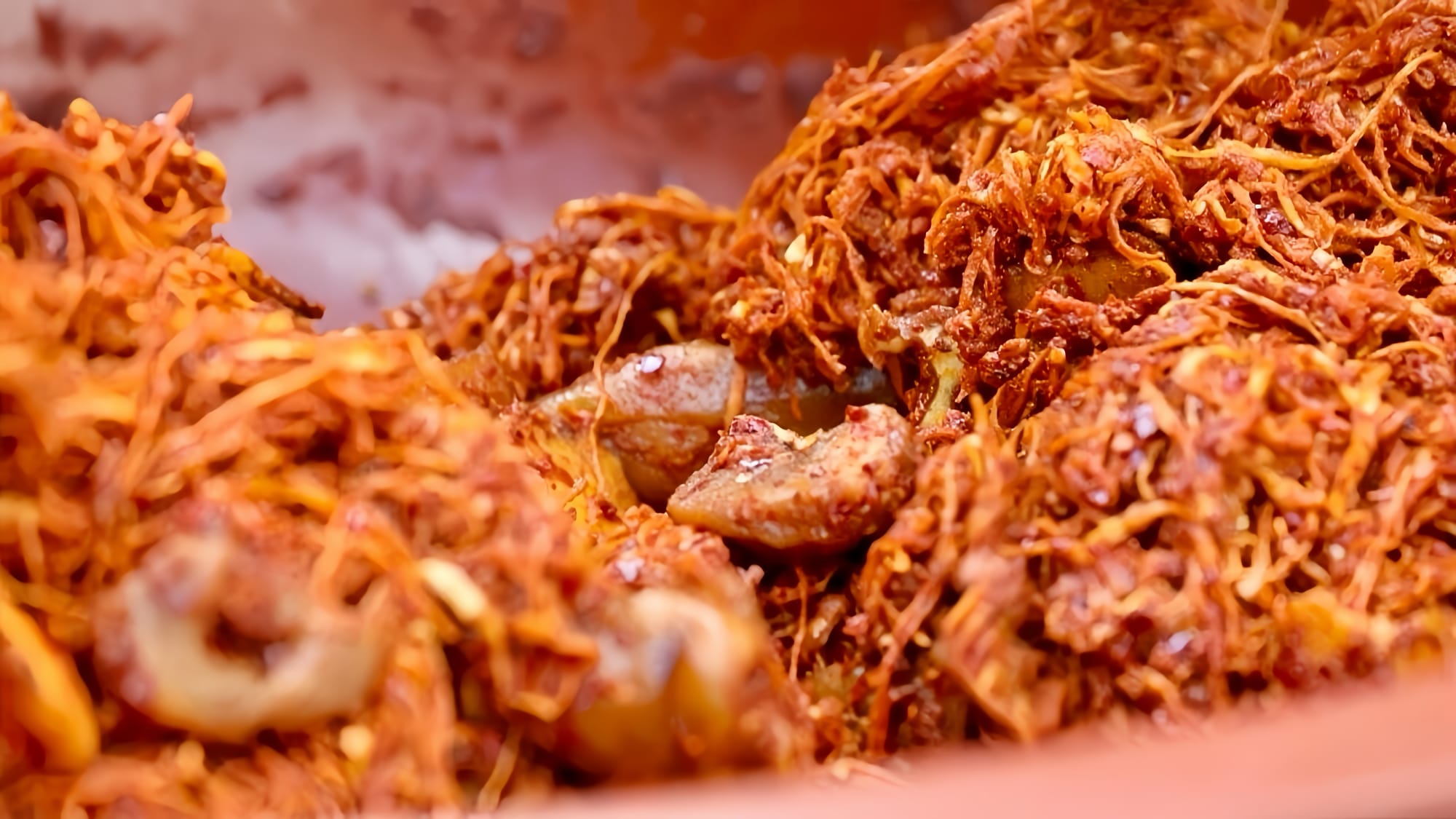
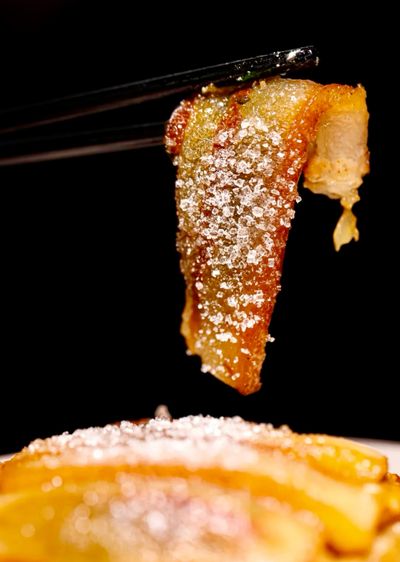
The process of curing zha-mo meat. Credit: Shidian Media.
In markets, zha meat and shredded radish zha are usually sold separately. Many people prefer vegetarian zha, and adding pork makes the process more complex. The pork must be cooked until tender and mixed with its broth into the prepared radish and rice mixture. The inclusion of fat requires greater care during fermentation, as it is more susceptible to contamination.
After leaving Yunnan to work elsewhere, I realized how inseparable I am from rice. It became a lens through which I understand my hometown’s cuisine, which reveals how people transformed an ordinary staple into a seasoning, using ingenuity to give familiar ingredients entirely new flavors.

Co-founder of Snout & Seek, Hui Mu is a Yunnan native who loves hometown cuisine and local culture, Hui is currently based in Chengdu, Sichuan, engaged in food culture writing and magazine editing. Hui enjoys reading, trying new cuisines, hiking, and people-watching.
No spam, no sharing to third party. Only you and me.



Member discussion