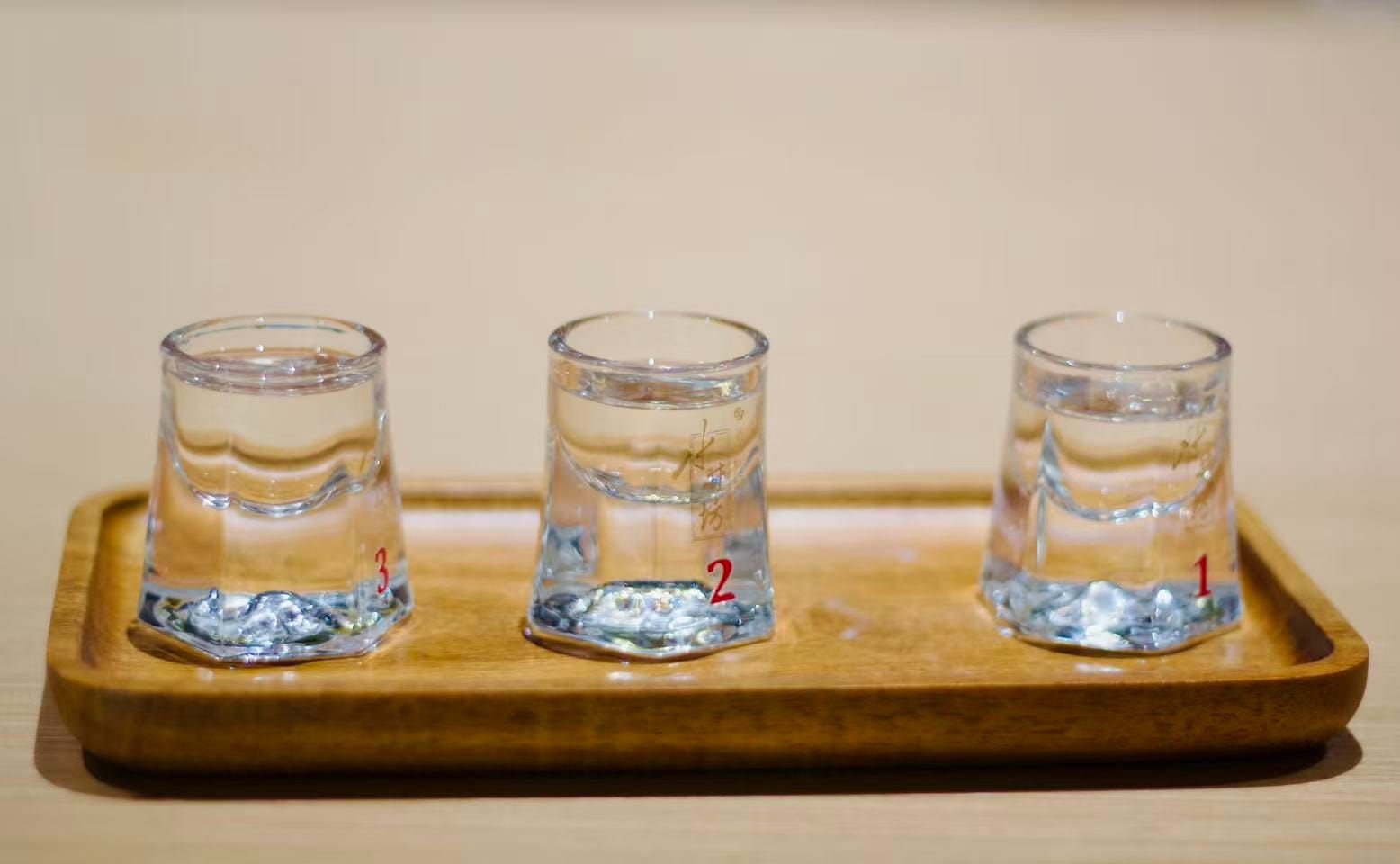
Baijiu at Different Aging Stages
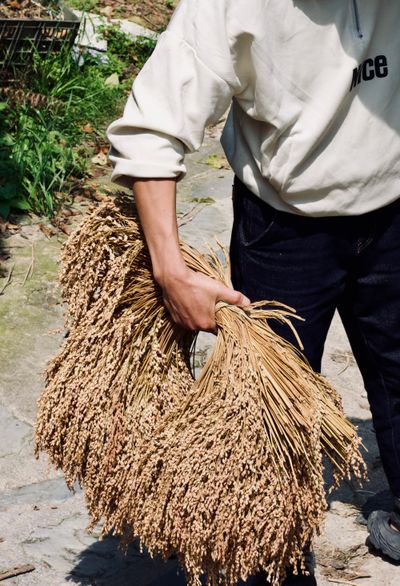
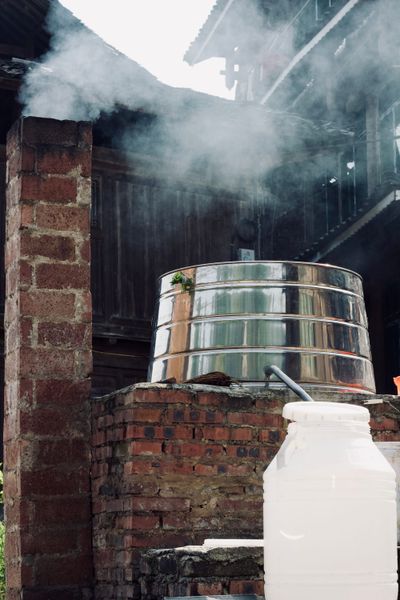
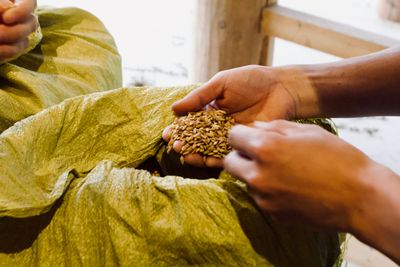
As China’s flagship spirit, baijiu became especially widespread during the Ming and Qing dynasties, alongside the development and spread of distillation techniques. Unlike rice wine, baijiu is made through solid-state fermentation. Sorghum is steamed, mixed with qu, fermented, then distilled, creating a spirit with highly concentrated aromas.
Aging plays an important role in shaping baijiu’s flavor. Freshly distilled baijiu can taste sharp and aggressive, while time allows acids, alcohols, and esters to interact through reactions such as oxidation, esterification, and hydrolysis. These changes help the spirit become smoother, more rounded, and more complex. Studies show that aging can significantly change ester balance and aroma compounds in baijiu. Although each glass may look identical, every cup represents a different aging period. The longer baijiu matures under the right conditions, the more its aroma structure can develop, giving rise to fuller fruity, floral, and savory notes.
No spam, no sharing to third party. Only you and me.

Member discussion