A Record of a Hui “Flowing Wedding Banquet”
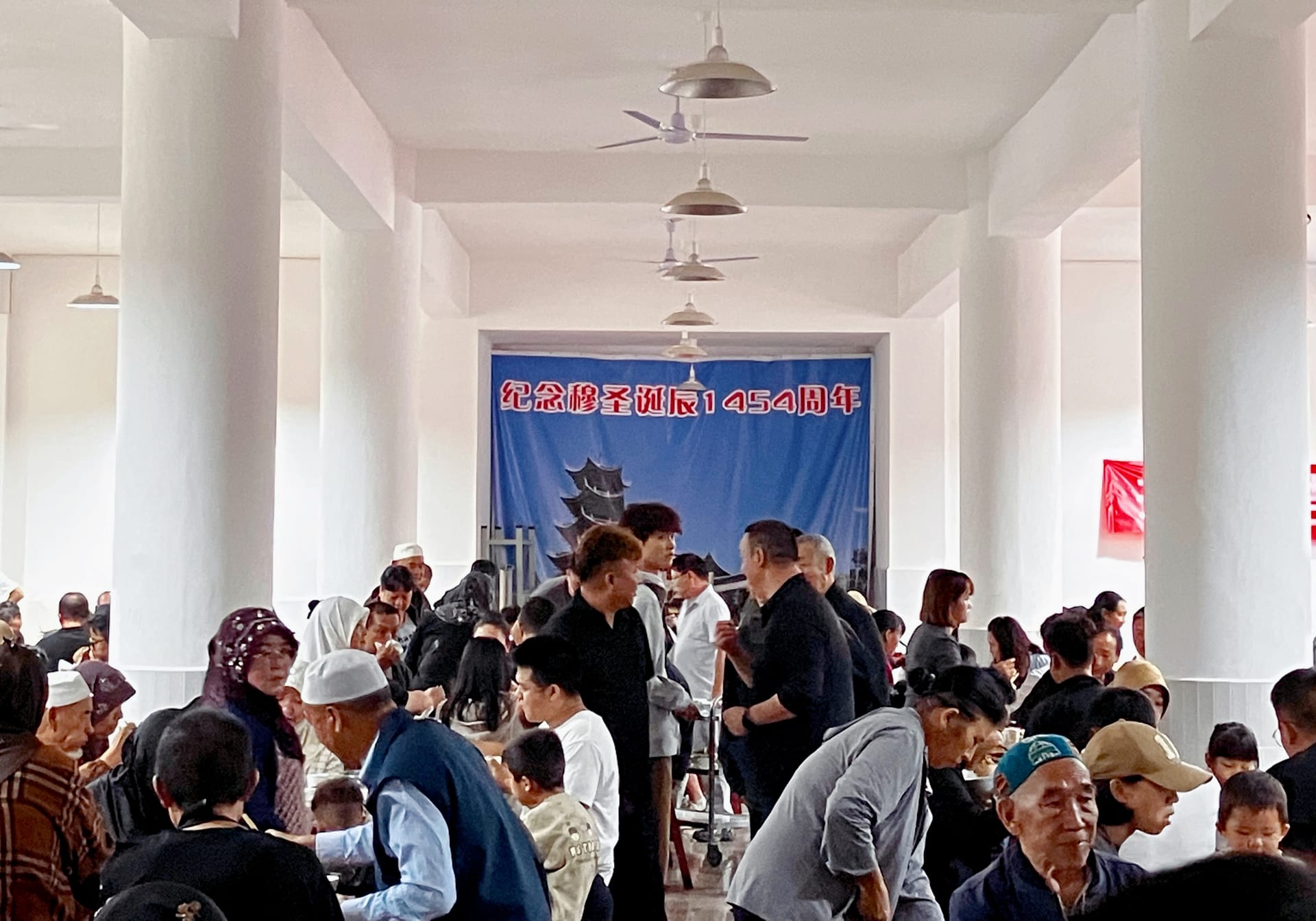
My aunt was invited by a friend to attend a Hui Muslim "flowing wedding banquet", and when I heard the news, I was thrilled. I begged her to take me along.
A flowing banquet is a traditional form of communal celebration, most commonly held for weddings. The host invites the entire village to eat together, with the feast lasting anywhere from one to three days, depending on the family’s means. In Yuxi, Yunnan, ethnic minorities living on the outskirts of the city are mainly Hui and Yi. With increasing urbanization, such customs have become rare. The last time I attended one was back in high school, when I went with my parents to a Yi wedding in a neighboring county. The banquet was held in the village’s communal hall, a shared space for meetings and events. Fresh pine needles were spread across the ground, and their clean, resinous scent has stayed vividly in my memory until this day.
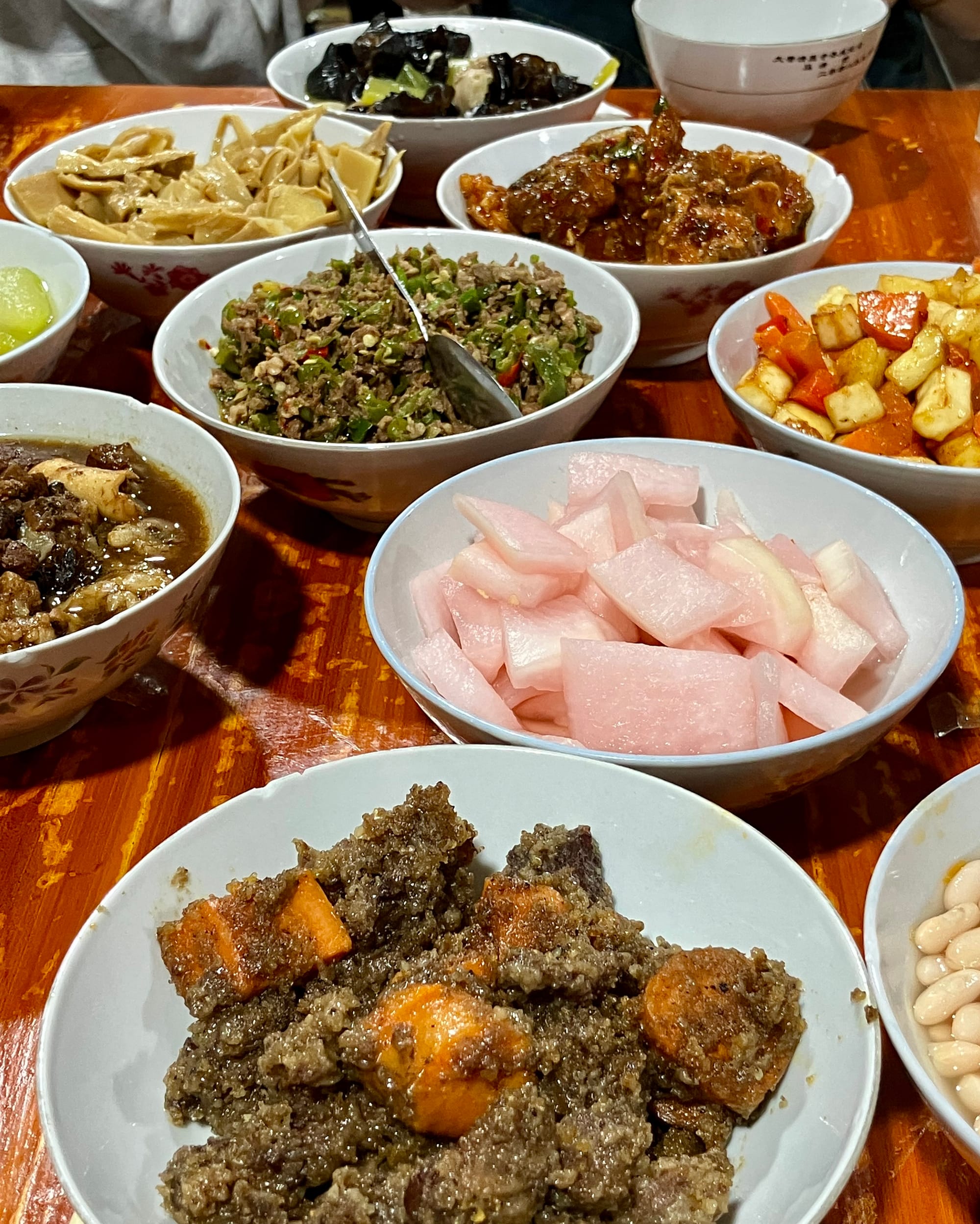
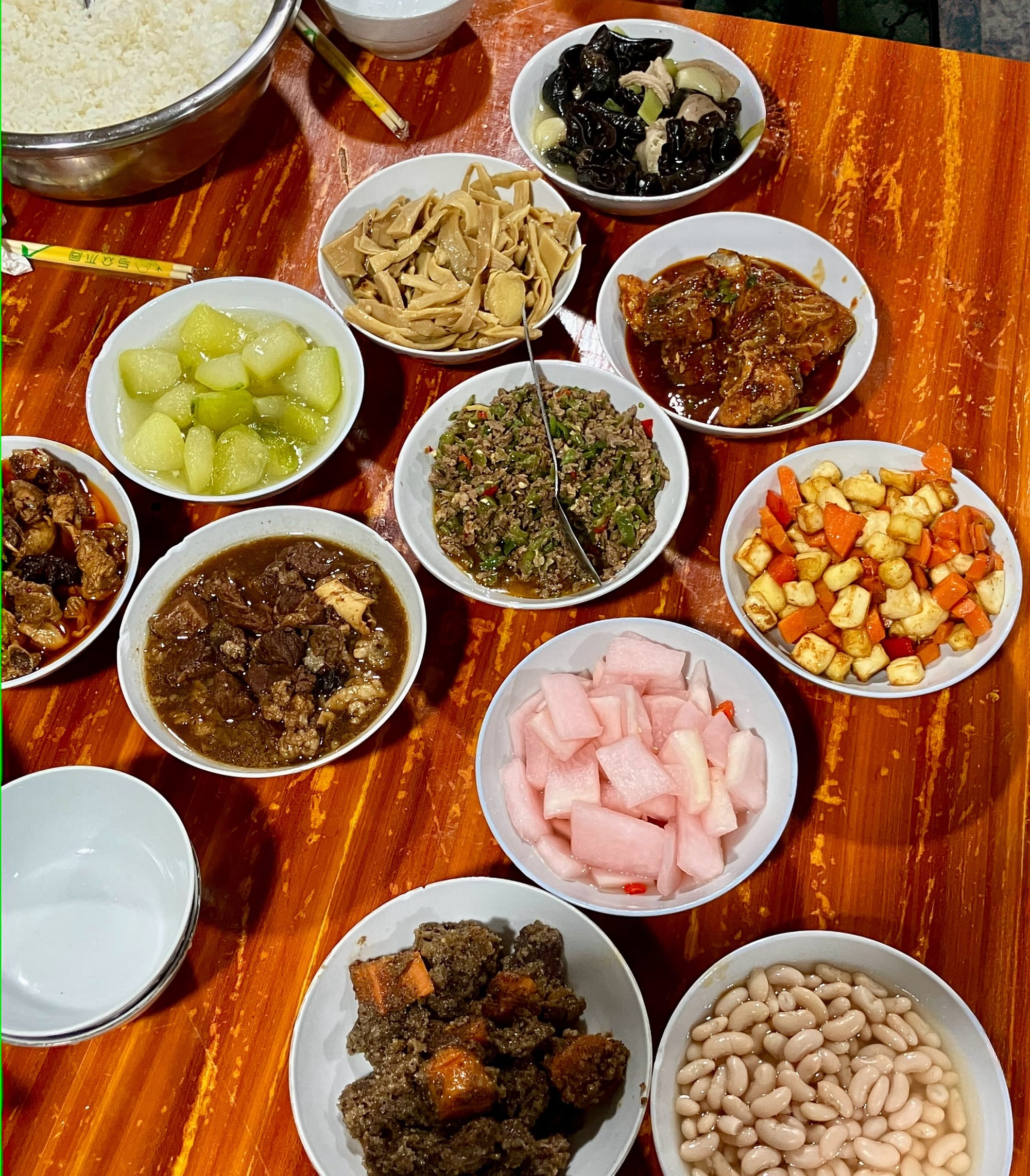
This time, the flowing banquet took place at the mosque in Daying Village, northwest of Yuxi city. As a Hui village, Daying’s history can be traced back to the Ming dynasty (from 1368 to 1644), when it was formed through military settlement and migration. The village has preserved a complete Muslim cultural tradition, even though it sits alongside Yi villages nearby. Local weddings are all held at the mosque, with the cooking handled by chefs from the village who specialize in wedding banquets.
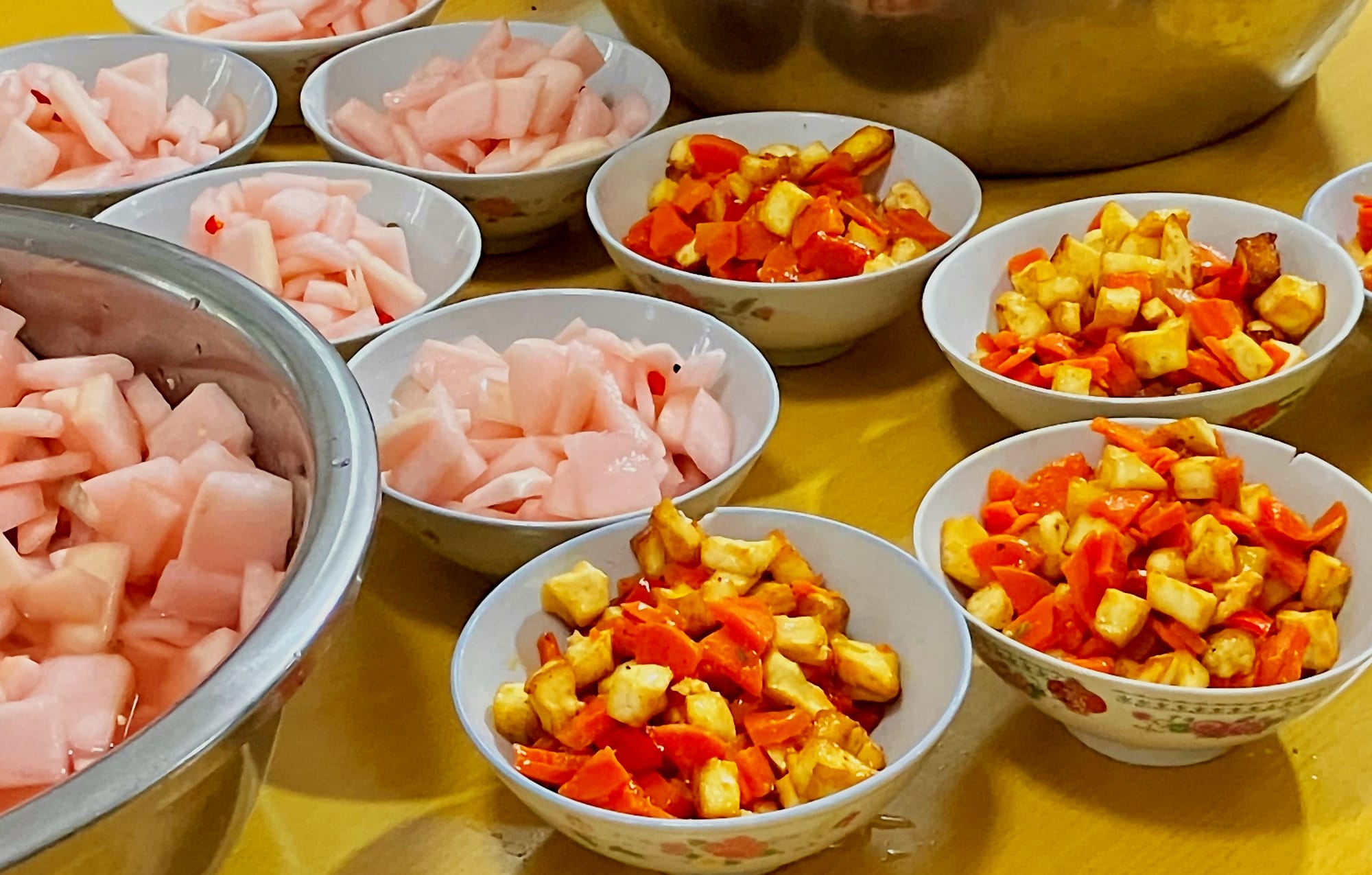
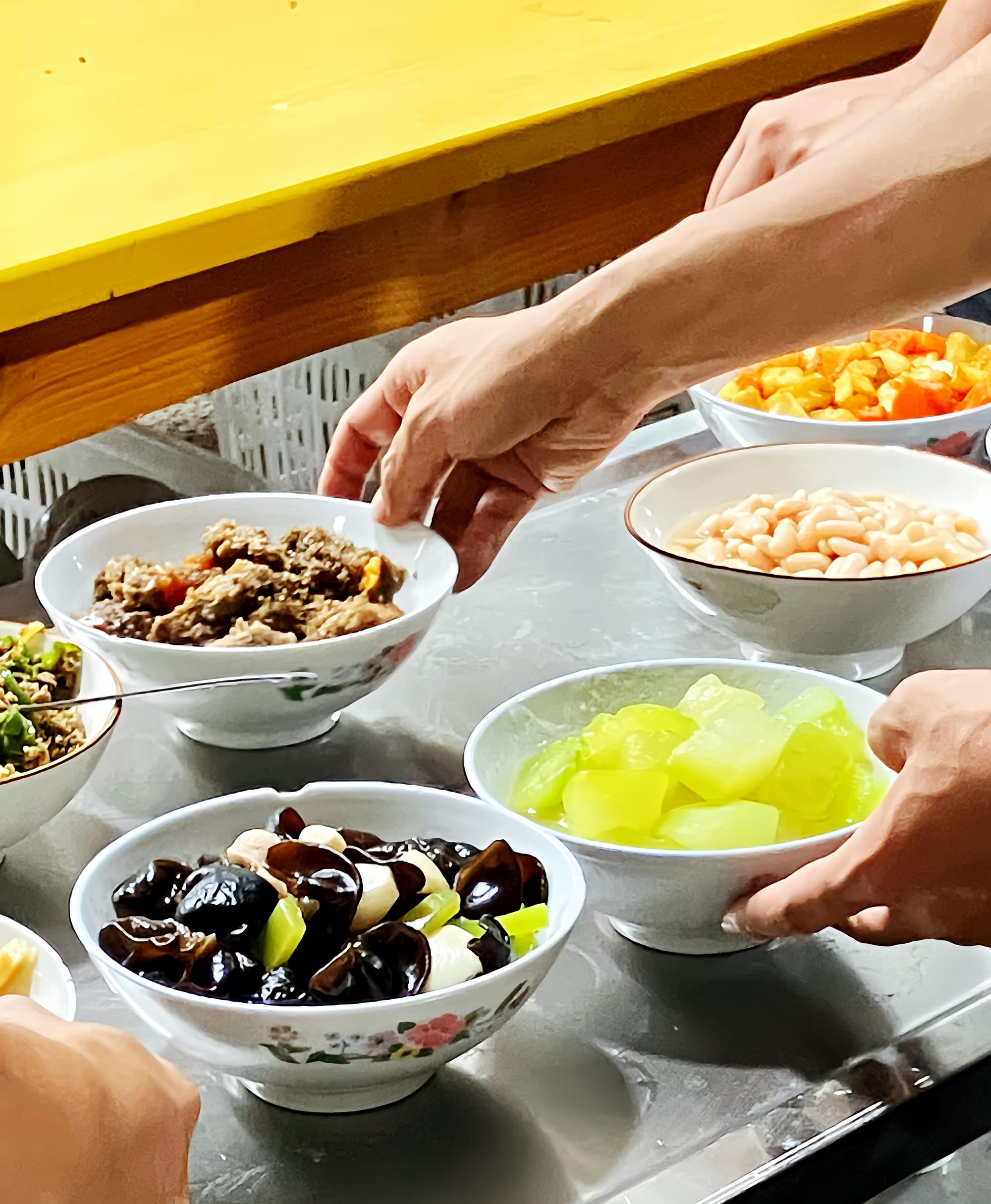
The food was unexpectedly delicious. The variety of beef dishes felt deeply familiar, recalling the traditional home-style cooking I grew up with in Yuxi. There were stir-fried dishes, braises, and steamed plates. The most classic was fen zheng rou, a dish that at Han Chinese wedding banquets is usually made with pork, but here, in keeping with Hui dietary customs, was prepared with beef instead.
One particularly memorable dish was stir-fried carrots with rubing. Rubing is a type of “cheese” made from goat’s milk and is most commonly associated with the city of Dali. However, the way it is eaten here is a bit different. Yunnan Hui rubing and Western cheeses are quite similar in principle and ingredients, as both are made by coagulating and fermenting milk. What sets rubing apart is its strong local character. It is often made with goat’s milk and coagulated using acidic whey, and it is prepared in distinctly Chinese ways, such as pan-frying, deep-frying, or stewing. It can be seen as a uniquely Chinese soft, brick-shaped cheese, with a flavor and texture different from Western cheeses. It is a traditional food among Hui and other ethnic groups.
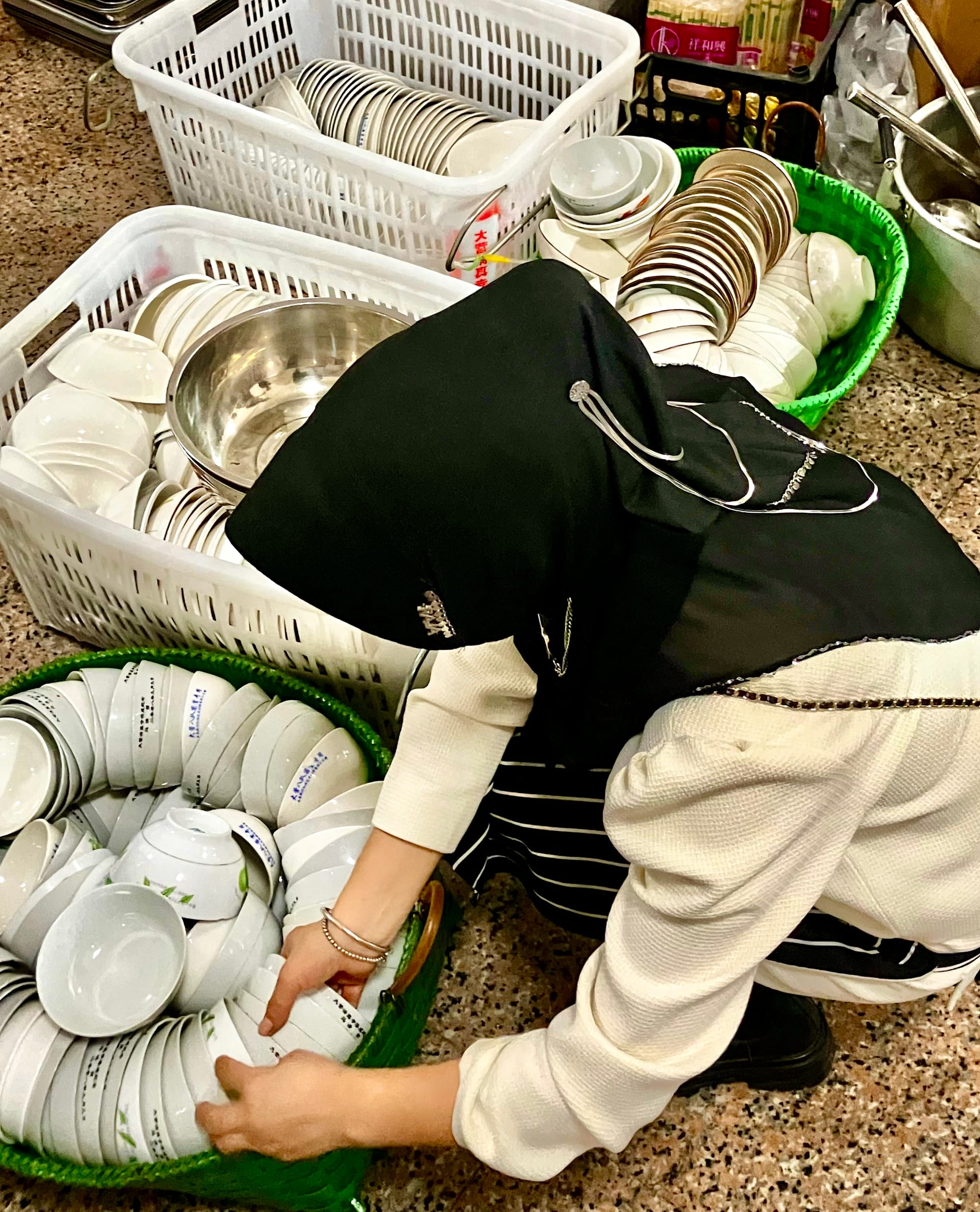
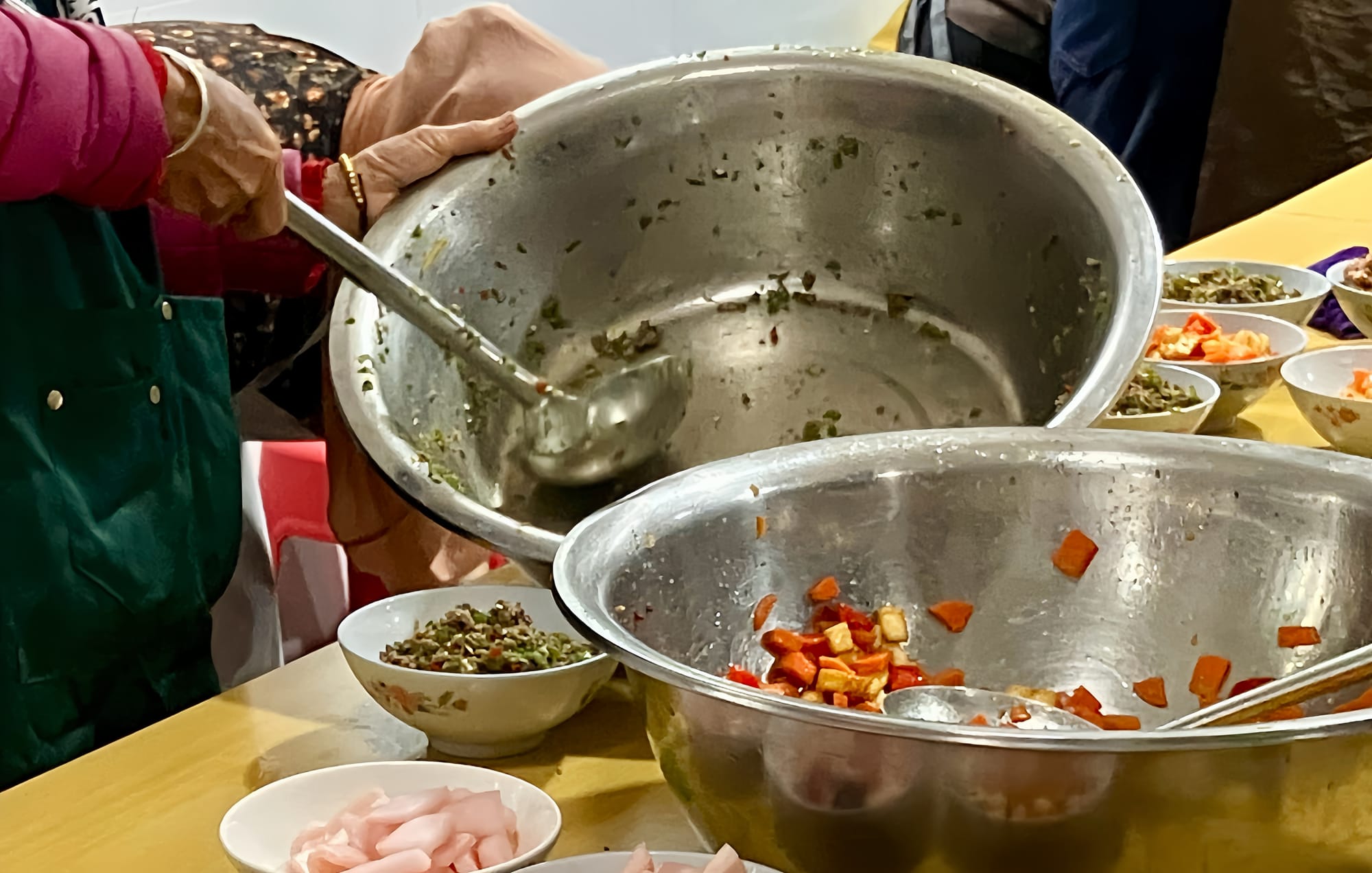
From the carts used to serve the dishes, it was easy to see that braised and stewed foods played a central role in the meal. There were dishes made with radish, winter melon, white beans, as well as red-braised beef and chicken. Unlike Sichuan-style cooking, Yunnan-style red braising rarely uses doubanjiang. Instead, it relies mainly on spices and soy sauce. Even when bean paste is used, it is very different from Pixian doubanjiang, lacking that deep, complex fermented aroma.
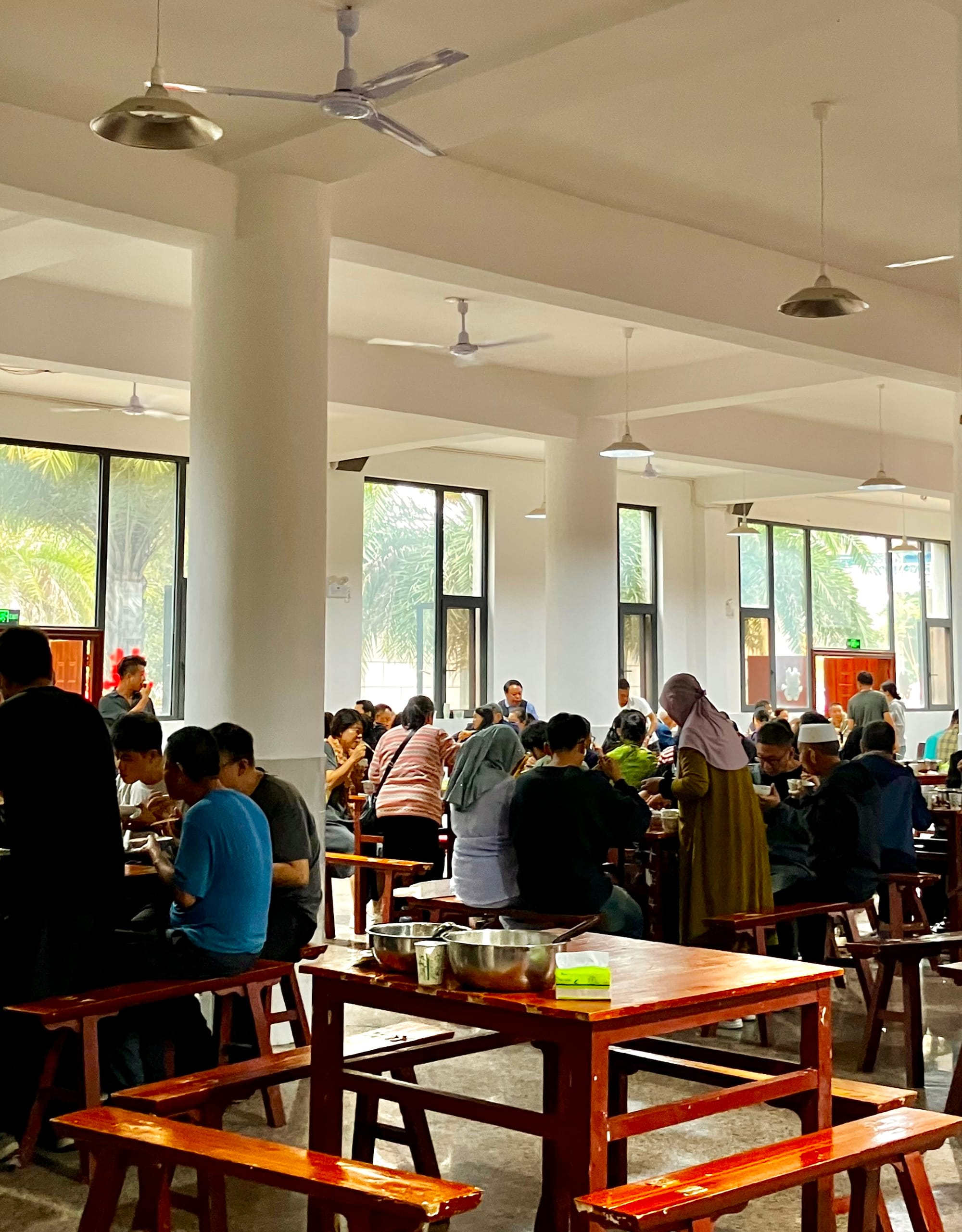
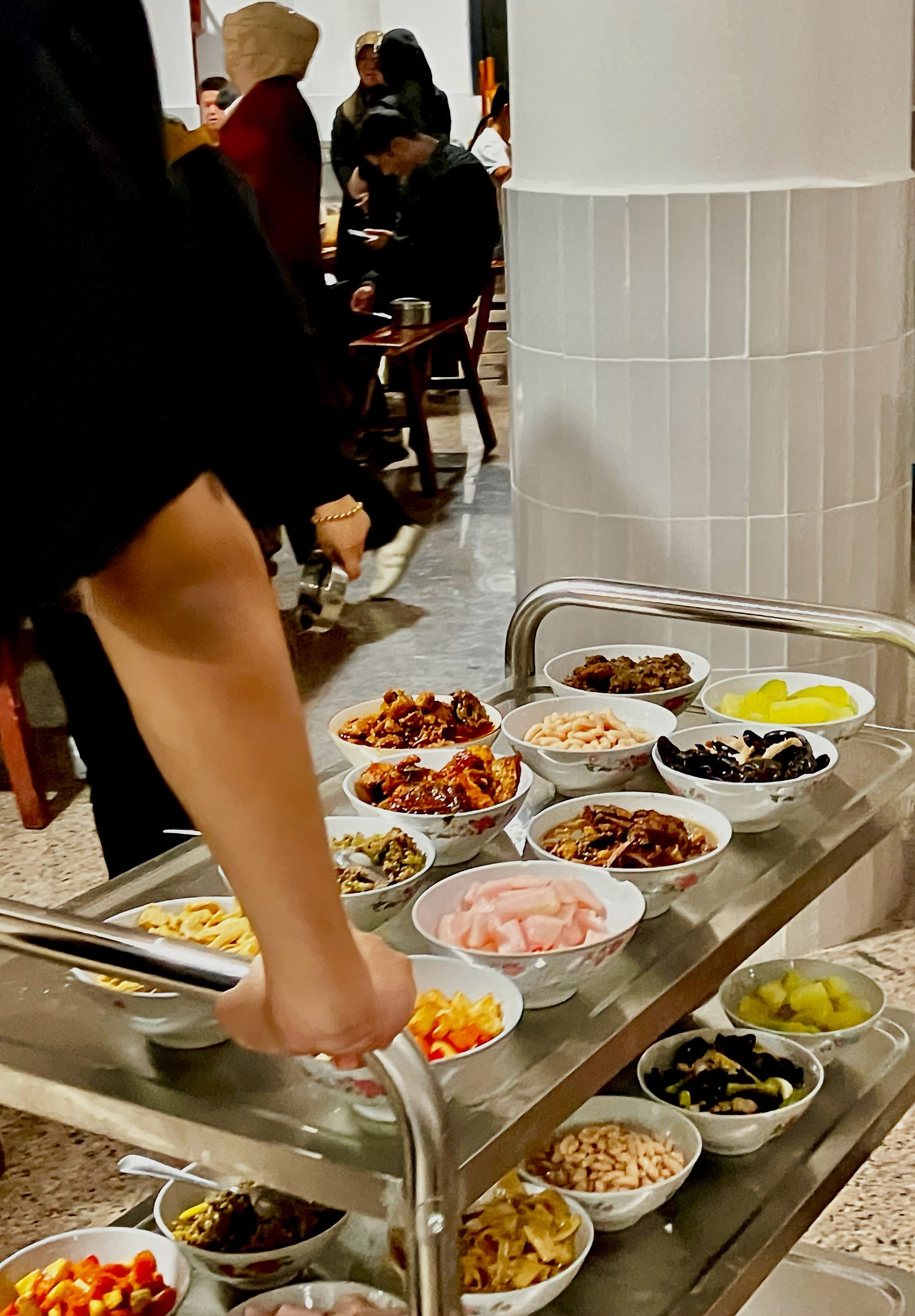
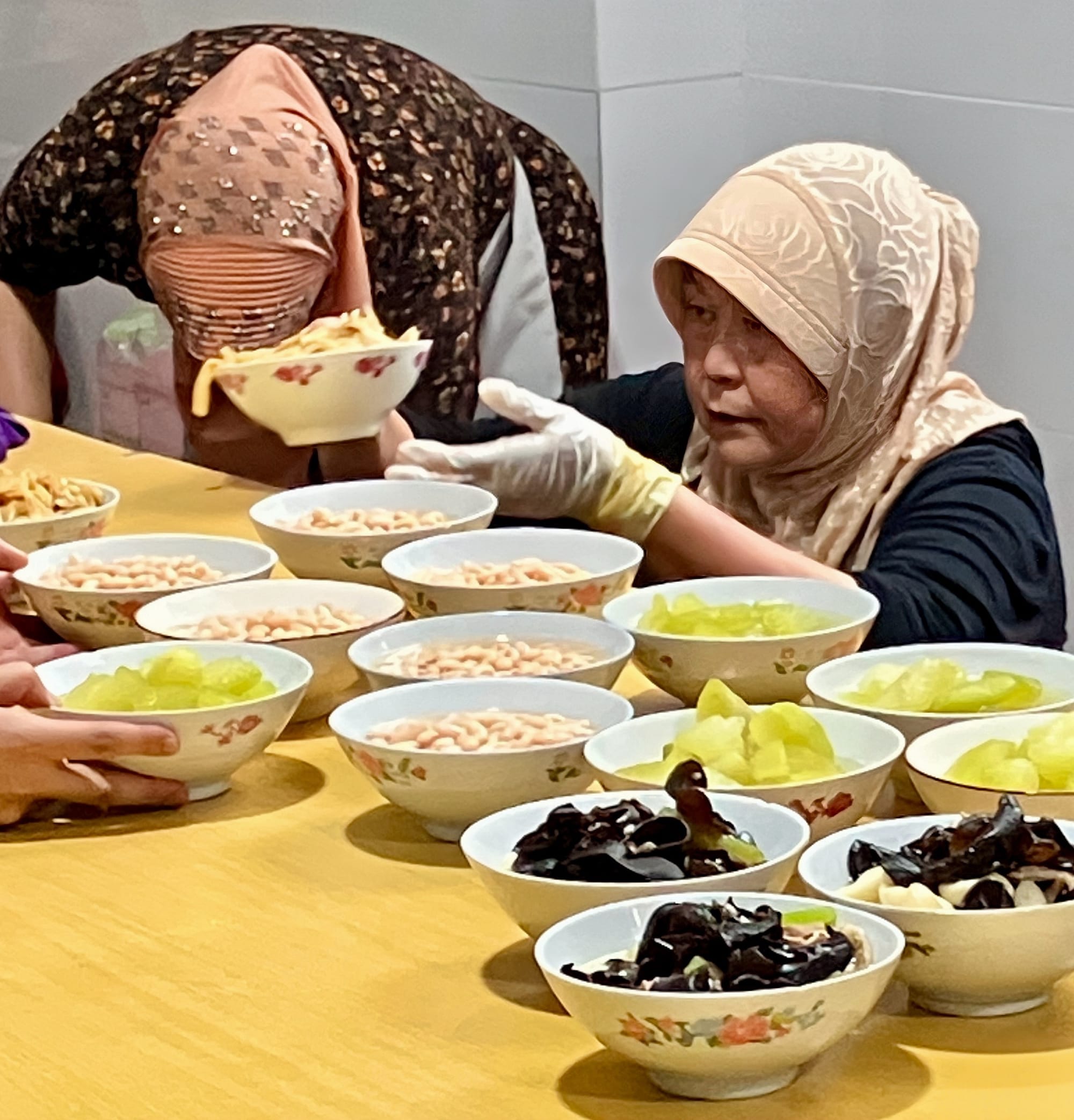
The family hosting the wedding was relatively well-off by local standards, and the flowing banquet lasted for two full days. This meant that over those two days, everyone in the village could come to eat lunch and dinner at the mosque. Guests would give monetary gifts, but the amount was simply an expression of goodwill and mutual care rather than obligation.
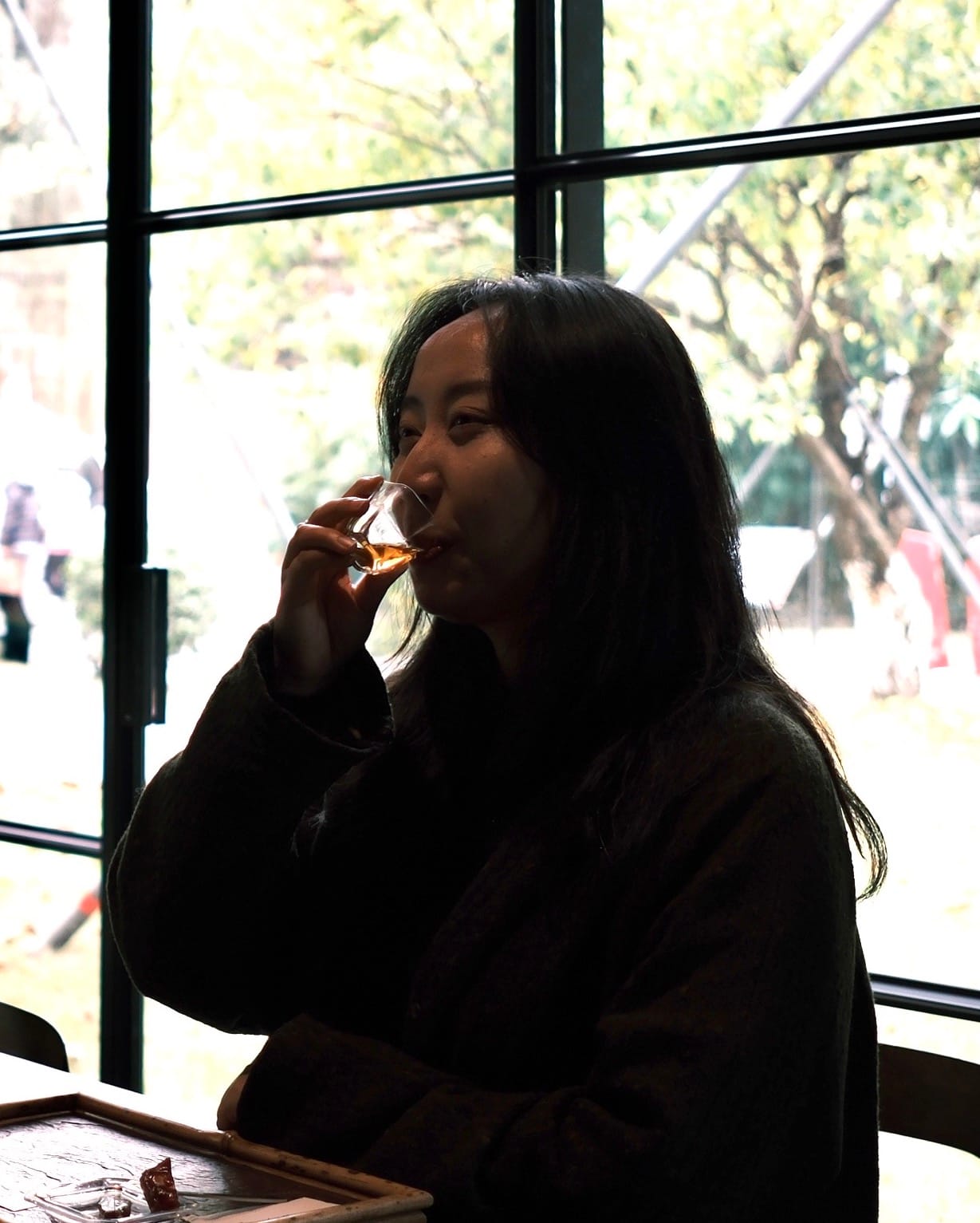
Co-founder of Snout & Seek, Hui Mu is a Yunnan native who loves hometown cuisine and local culture, Hui is currently based in Chengdu, Sichuan, engaged in food culture writing and magazine editing. Hui enjoys reading, trying new cuisines, hiking, and people-watching.
No spam, no sharing to third party. Only you and me.