A Personal History Told Through Seasonal Ingredients

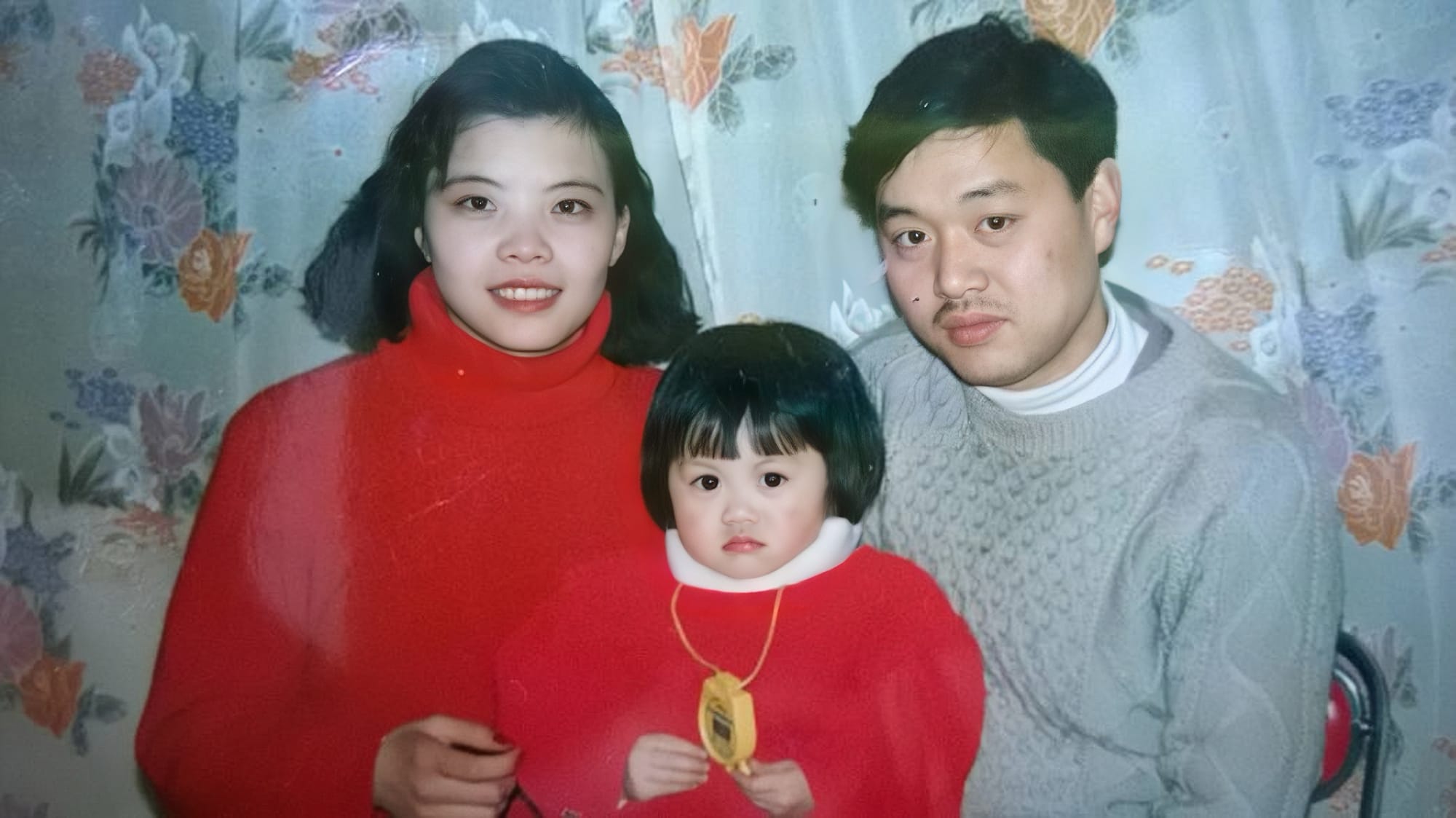
The very first name my parents gave me at birth was Zhuang Yuan, a word that refers to a manor estate, land with many fields under cultivation. My cousin is called Zhuang Jia, a collective term in Chinese for crops such as wheat, rice, and grains. My father worked at the Grain Bureau, responsible for transporting and managing grain supplies. Although I grew up in the city, my family life was always closely tied to agriculture, not through farming itself, but through language, work, and daily habits shaped by the rhythm of the land.
From a young age, my parents taught me the importance of eating with the seasons. They explained not only how certain ingredients should be cooked, but also when they should be eaten, and why. Seasonal produce was not a trend or a lifestyle choice. It was simply how people stayed healthy and in tune with nature. Even now, that upbringing makes me feel quietly connected to soil and weather, regardless of where I live.
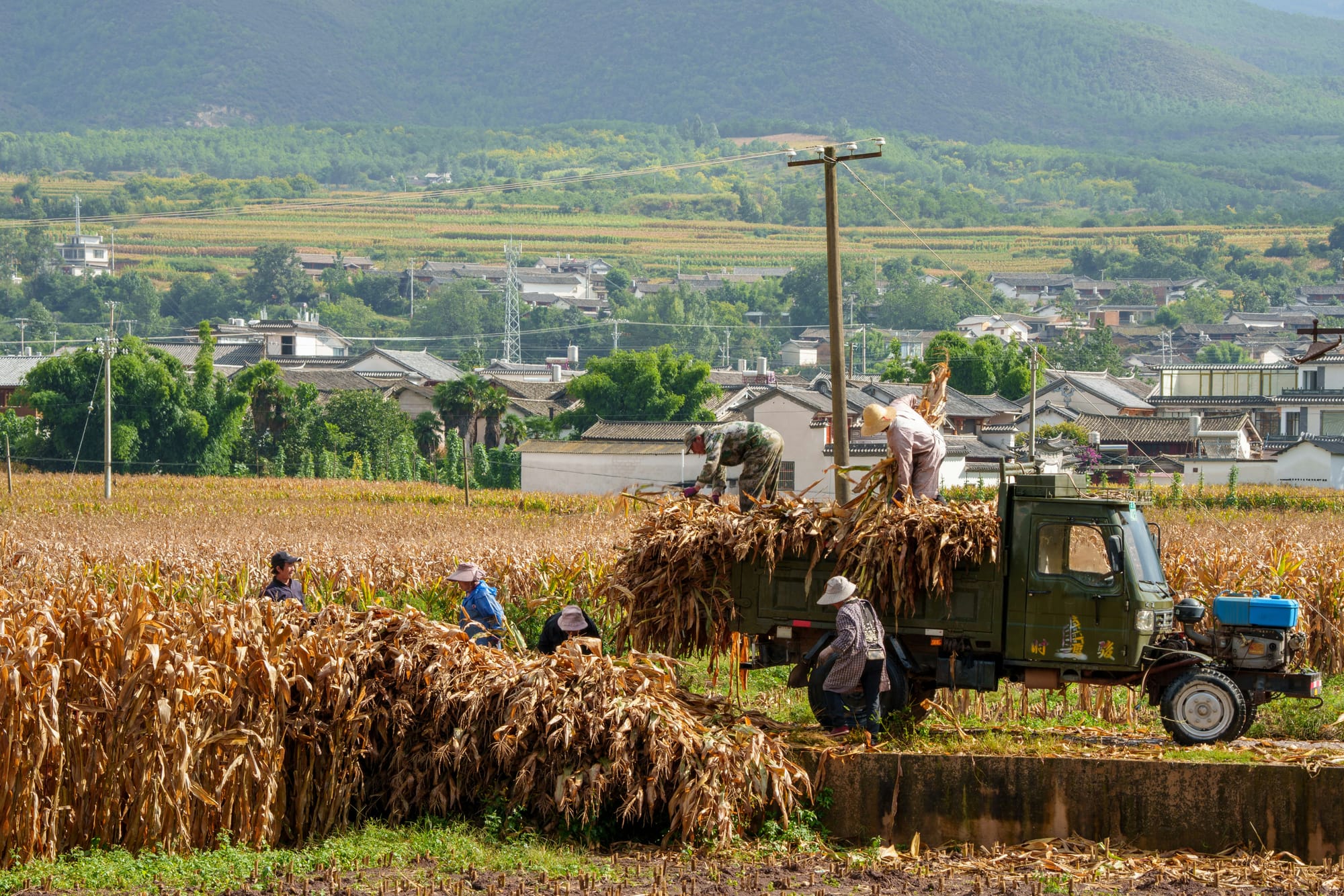
What remains most vivid in my memory is how the vegetables on our dining table changed as the year unfolded. Spring, summer, autumn, and winter each brought their own flavors, textures, and rituals. The passage of time was not marked by calendars, but by what appeared in the market and what simmered on the stove.
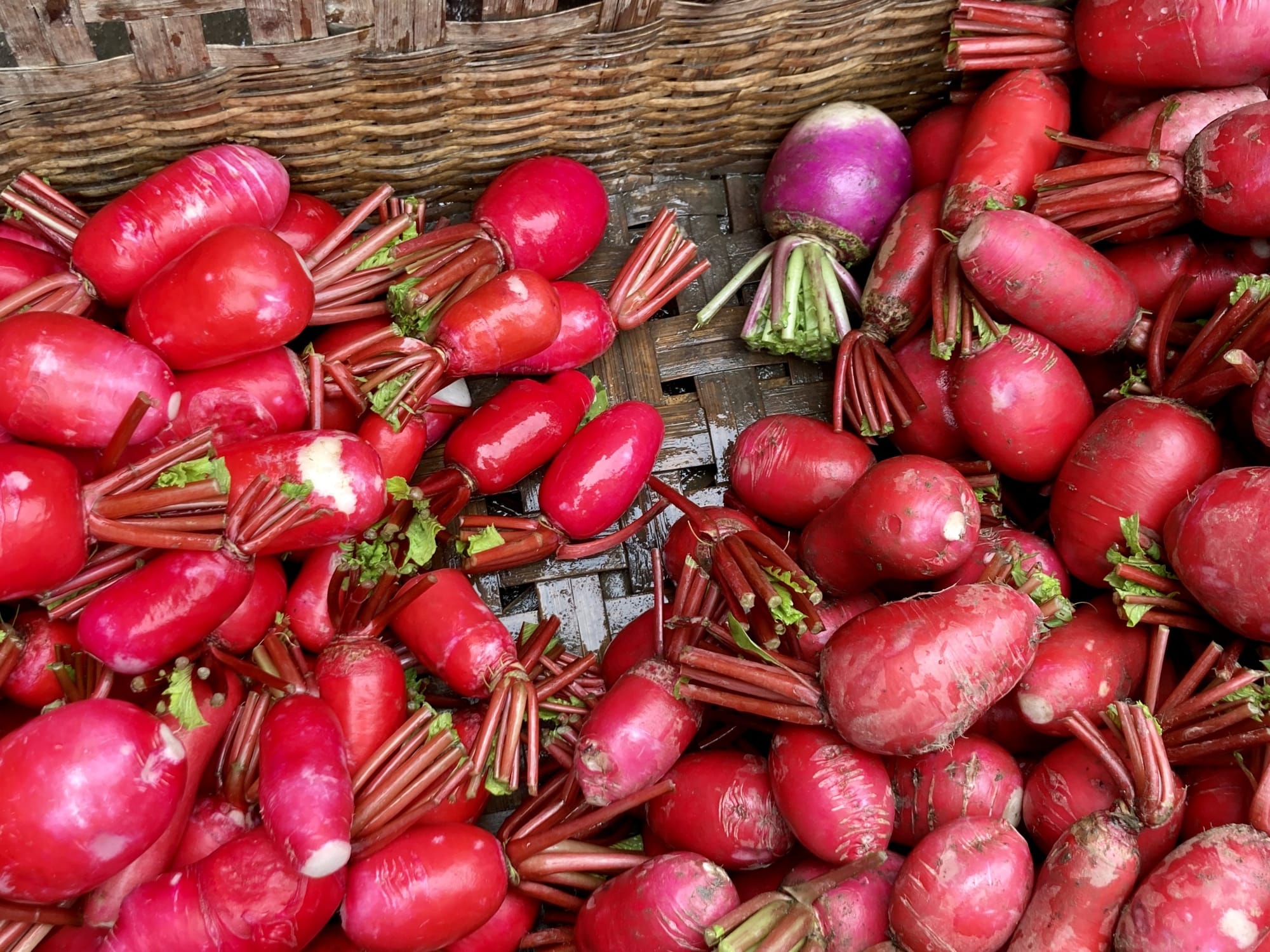
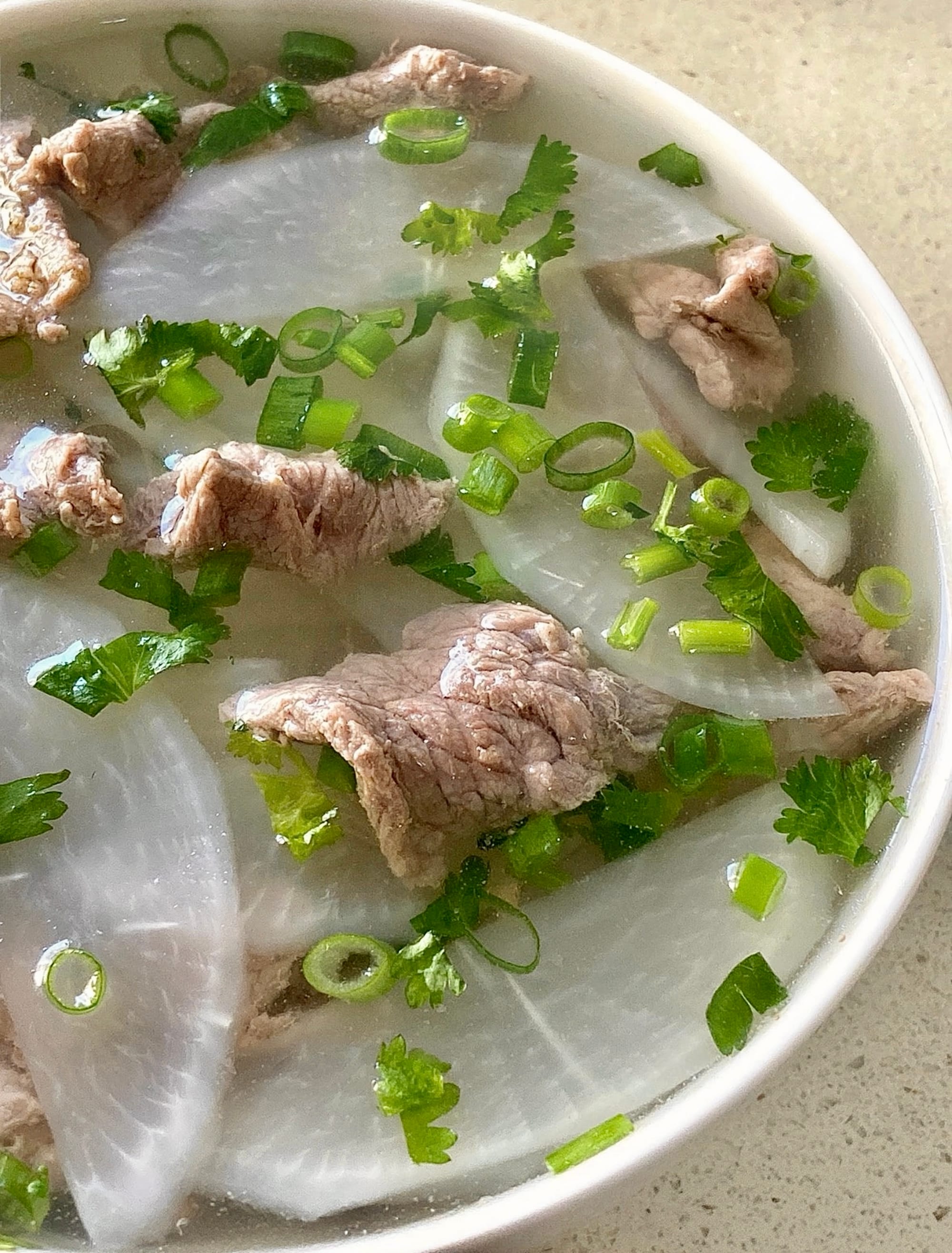
Before the Spring Festival, our family always ate radishes. In Sichuan, there is a saying: when winter radishes taste sweet, the Lunar New Year is close. Both white and red radishes grown in the Sichuan Basin during winter are crisp, juicy, and naturally sweet. They are often stewed with pork, ribs, lamb, or beef, creating a broth that feels deeply comforting. Locally, radishes are sometimes called “vegetable ginseng,” a reflection of their role in restoring energy depleted by cold weather. Eating them in winter is believed to support digestion and strengthen the body before the new year begins.
Spring brings a shift in both mood and appetite. In Sichuan, people look forward to garlic scapes, the tender flowering stems of garlic plants. These are stir fried with shredded pork, then wrapped in thin rice flour pancakes known as chunjuan, or spring rolls. Families often prepare them to take outdoors, eating together in fields or countryside spaces as the weather warms. The act of eating spring rolls outdoors mirrors the season itself, light, fresh, and shared.
Summer calls for foods that cool the body. Pennywort becomes a common ingredient, especially in the weeks leading up to the Dragon Boat Festival in early summer. My mother always believed it helped clear internal heat and remove toxins, an idea rooted in traditional dietary wisdom rather than formal medicine. Whether or not one believes the science behind it, these choices reflect a long standing effort to align the body with seasonal change.
Autumn is drier, and nourishment becomes the focus. Lotus root stewed with pork ribs is a classic dish during this time. The soup is mildly sweet, rich, and soothing, believed to moisturize the body and counterbalance the dryness of the season. It is food designed not just to fill the stomach, but to respond to climate.
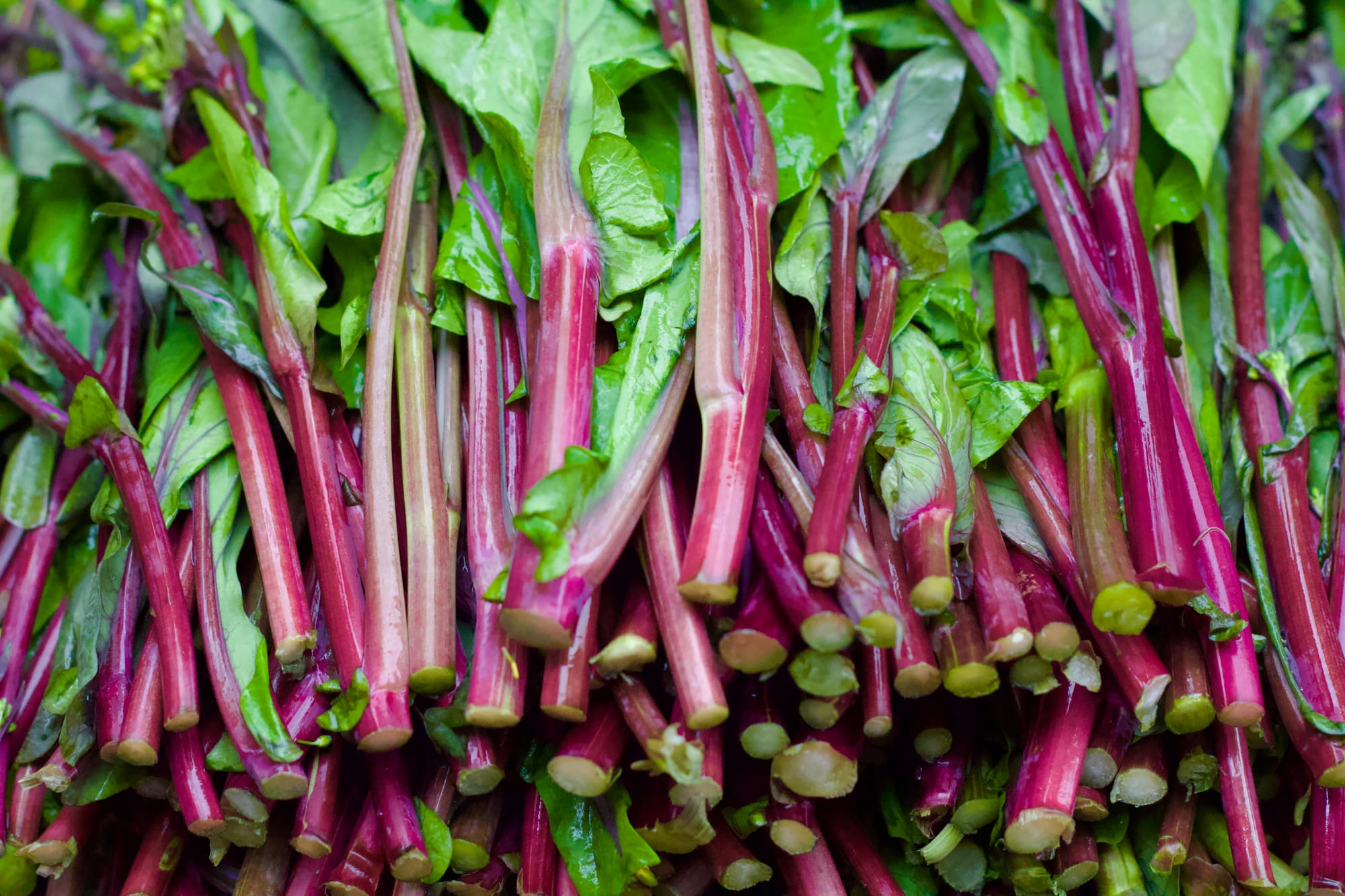
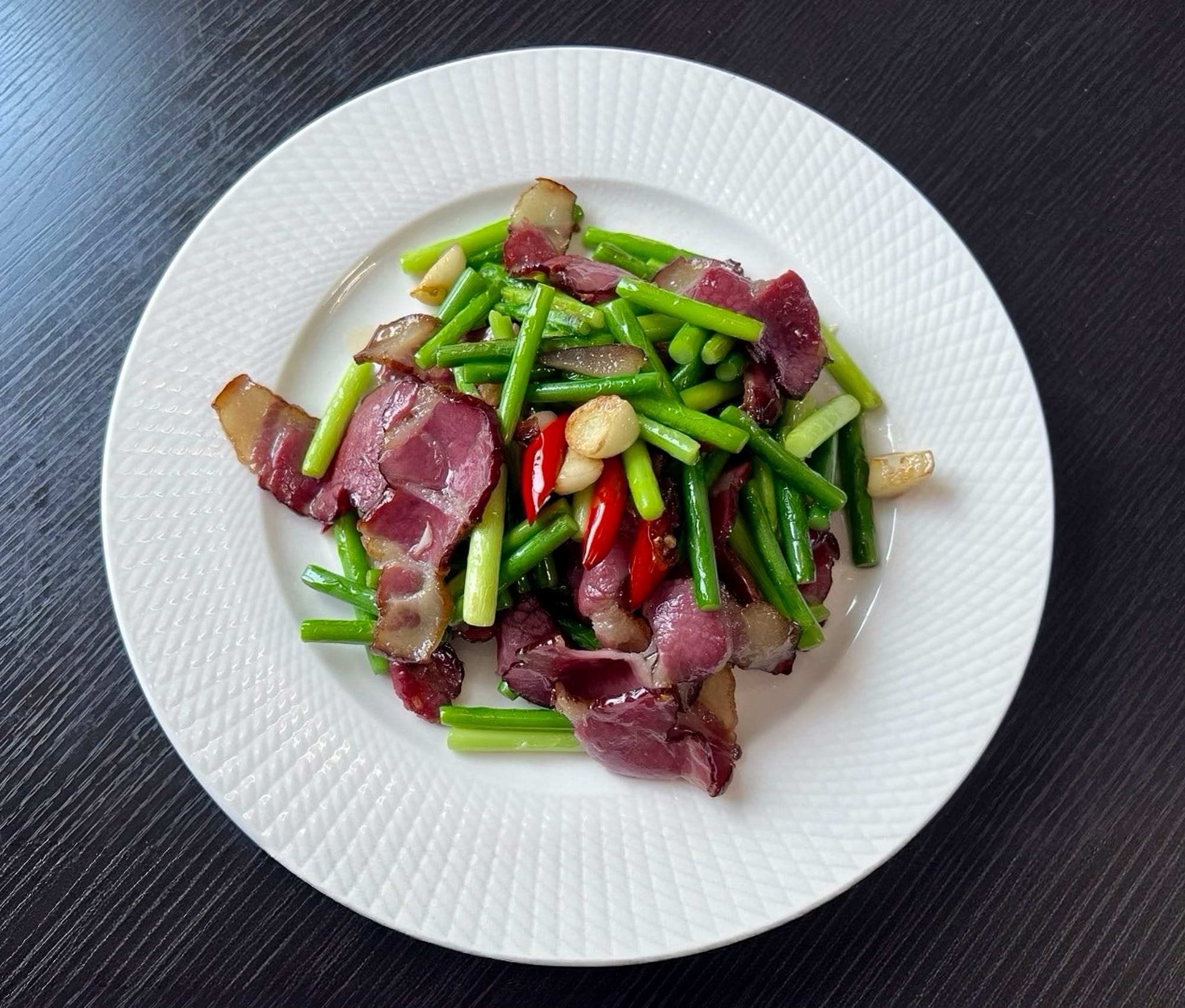
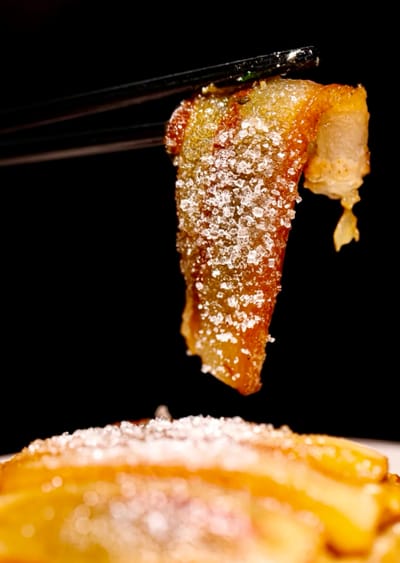
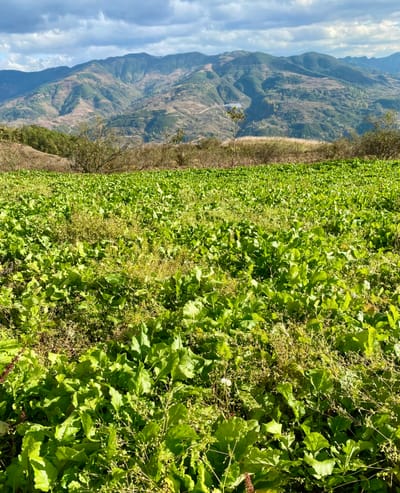
Winter arrives with preserved flavors. In Sichuan, purple caitai greens are stir fried with cured pork. The saltiness of the meat contrasts with the freshness of the greens, creating a dish that feels both grounding and celebratory. It often appears near the end of the year, marking closure and renewal at once.
Across these seasons, what we eat, how our bodies respond, and the festivals that frame the year gradually merge into memory. Food becomes a way of remembering time itself. Not as something abstract, but as something tasted, cooked, and shared. Through seasonal eating, time is not lost. It is preserved.
Co-founder of Snout & Seek and FARLAND, ZhuangZhuang is passionate about understanding the local cultures of different ethnic groups through an anthropological lens. She aims to share the sustainable wisdom of these cultures with a wider audience through publications, products, and other methods. Zhuang enjoys photography, jazz music, cute animals, and Chinese traditional divination culture.
No spam, no sharing to third party. Only you and me.
Member discussion