
24 Flavors of Sichuan Cuisine – Mala (麻辣) Flavor
Author: Chloe Wang
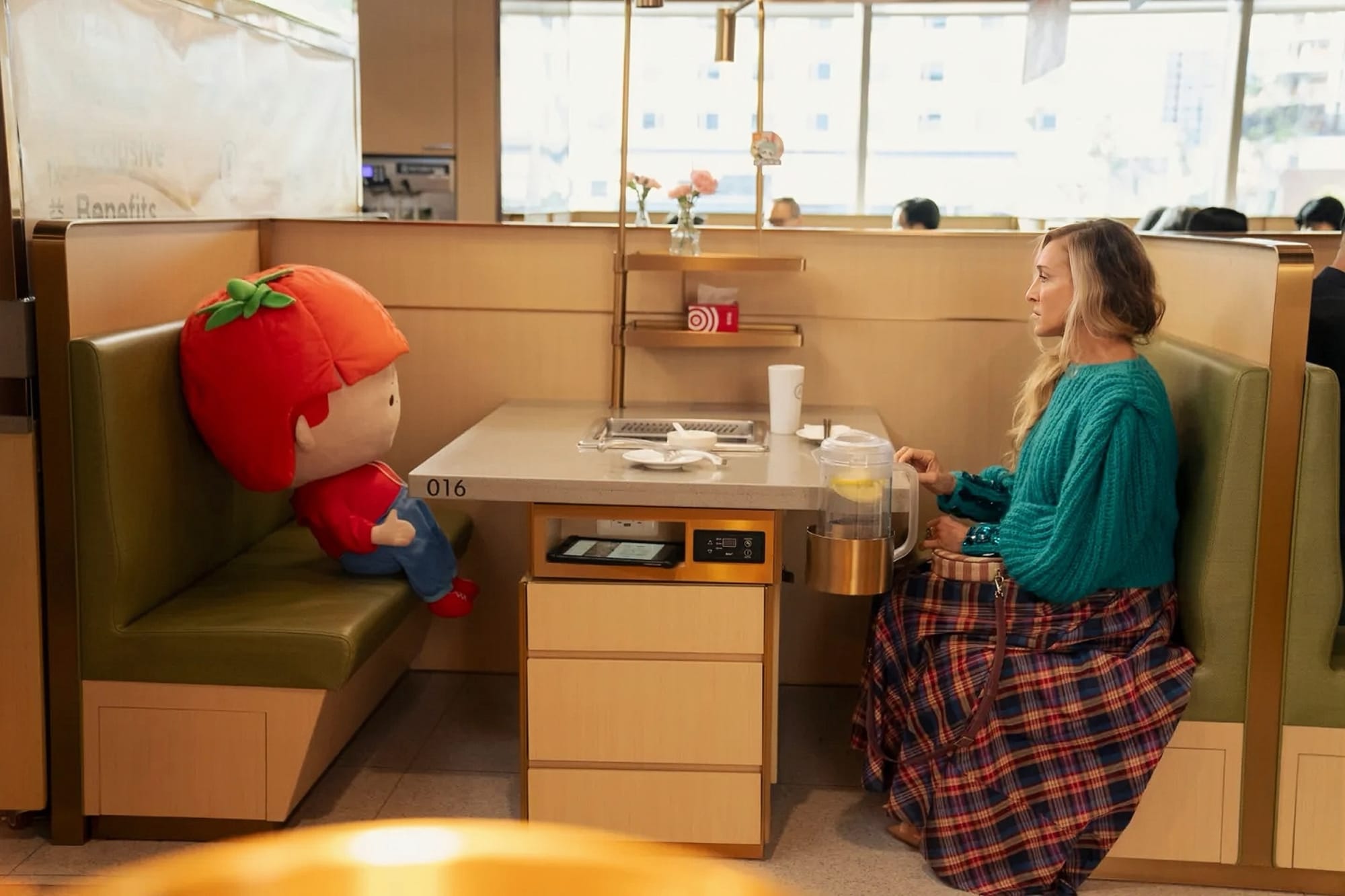
When Sarah Jessica Parker filmed a scene as Carrie Bradshaw in a New York Hai Di Lao for the series And Just Like That…, many viewers were amused, but food lovers noticed something else. A dish born along the river docks of Sichuan had traveled so far and become so recognizable that it could appear in a prime-time American show without explanation. Carrie’s hotpot moment was a reminder that mala is no longer a regional taste. It is a global flavor with its own cultural gravity.
When the image of Carrie eating at Hai Di Lao started circulating in China, the reactions were mixed. Some people were excited to see a Chinese hotpot chain appear in a major American show. Others felt the scene looked slightly out of place, as if an upper class character like Carrie had wandered into a world she did not quite understand. I mostly found it funny. As someone who used to go to Hai Di Lao all the time and stopped because of my own superstitions, the scene made me want to go back. I suddenly missed the hand pulled noodles, the staff performance, and the sound of a spicy pot boiling in front of me.
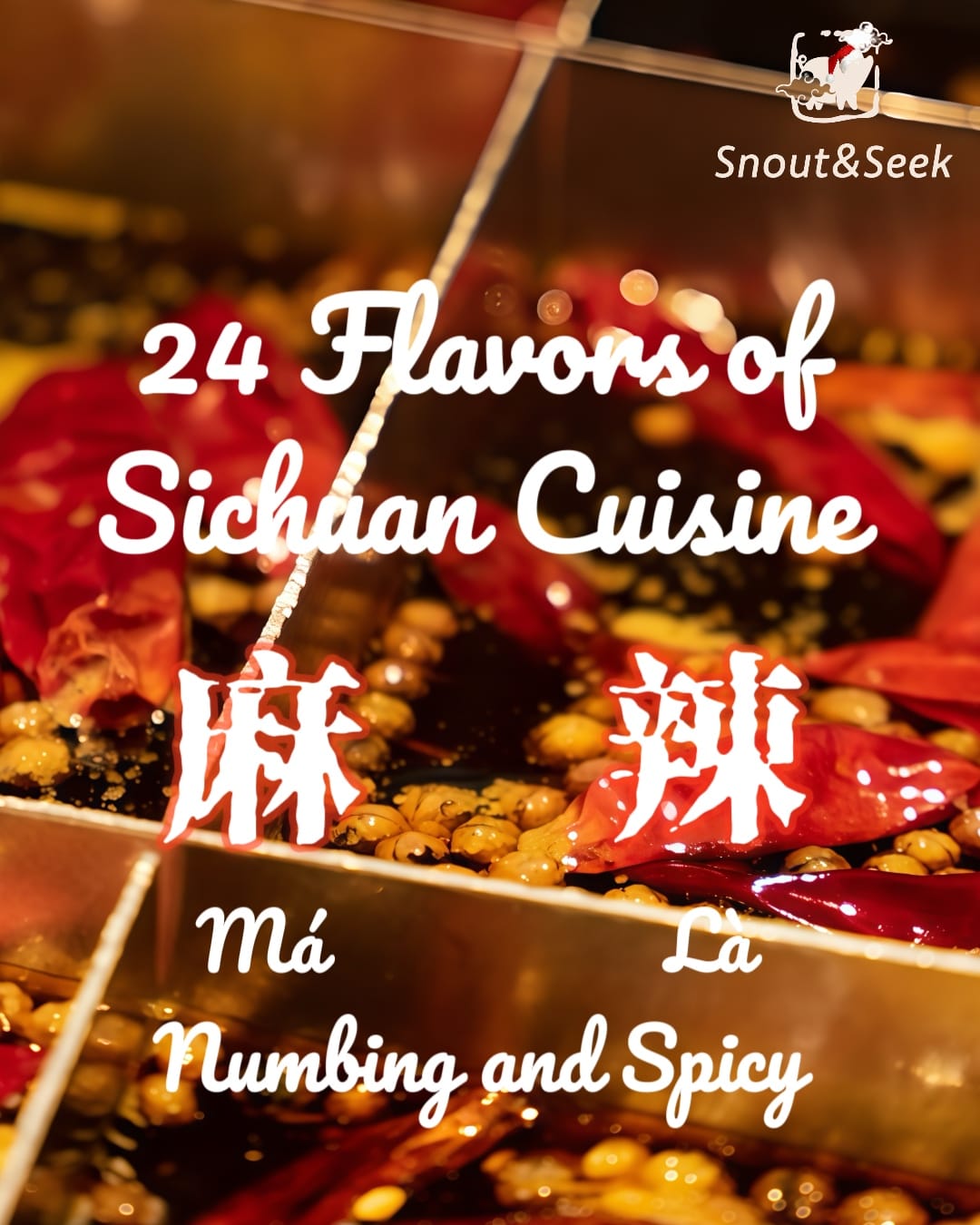
Málà, written as 麻辣, combines two sensations. The first is là, the heat of chili peppers. The second is Má, the tingling numbness of Sichuan peppercorn. Together they create a sensation that is warm, aromatic, slightly electric, and surprisingly addictive. This combination did not begin in glamorous restaurants. It began in the practical world of early twentieth century workers along the Yangtze and Jialing rivers. Vendors needed a way to prepare inexpensive meats and offal. Chili heat kept the body warm in damp weather, and Sichuan peppercorns softened strong odors and added a floral lift. The result was a broth that was inexpensive, energizing, and deeply satisfying.
 Snout & Seek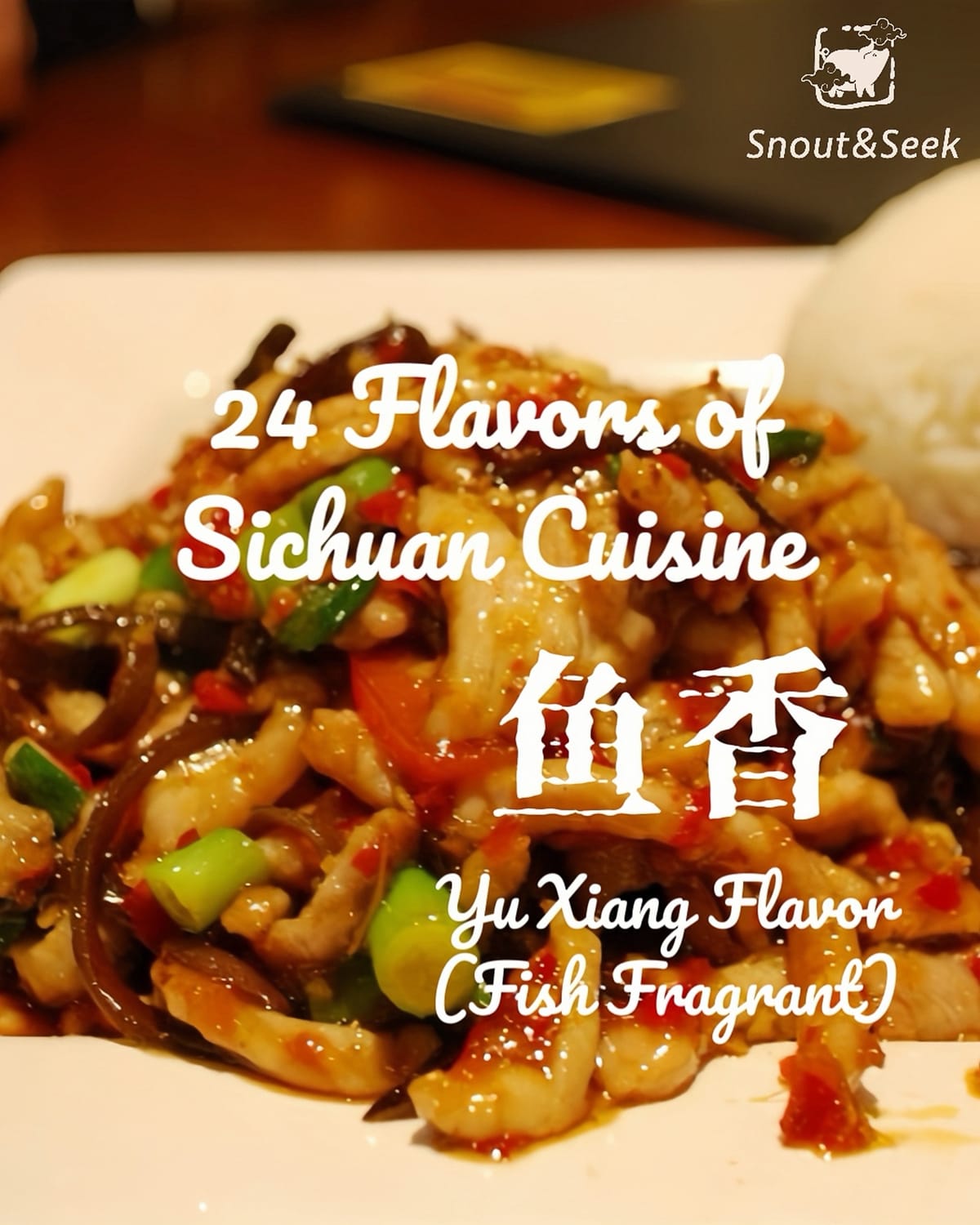
Read Part 1 - Yu Xiang (Fish Fragrant)
From this functional beginning emerged one of the defining flavor profiles of Sichuan cuisine. Mala evolved into dishes that are now classics. Mapo tofu(麻婆豆腐) uses doubanjiang, chili oil, peppercorns, and tofu to create a gentle explosion of savory, numbing heat. Sichuan boiled beef(水煮牛肉) is famous for its tender slices and the dramatic pour of hot oil over a layer of dried chilies causing them to sizzle and bubble before your very eyes. Chongqing spicy chicken(辣子鸡)shows mala in its dry form, where small pieces of fried chicken hide under a red mountain of chilies and peppercorns. Even simple noodles like Yibin ran mian (宜宾燃面)express mala through a mix of chili oil, peppercorns, sesame, and preserved vegetables. The ingredients change, but the spirit remains the same.
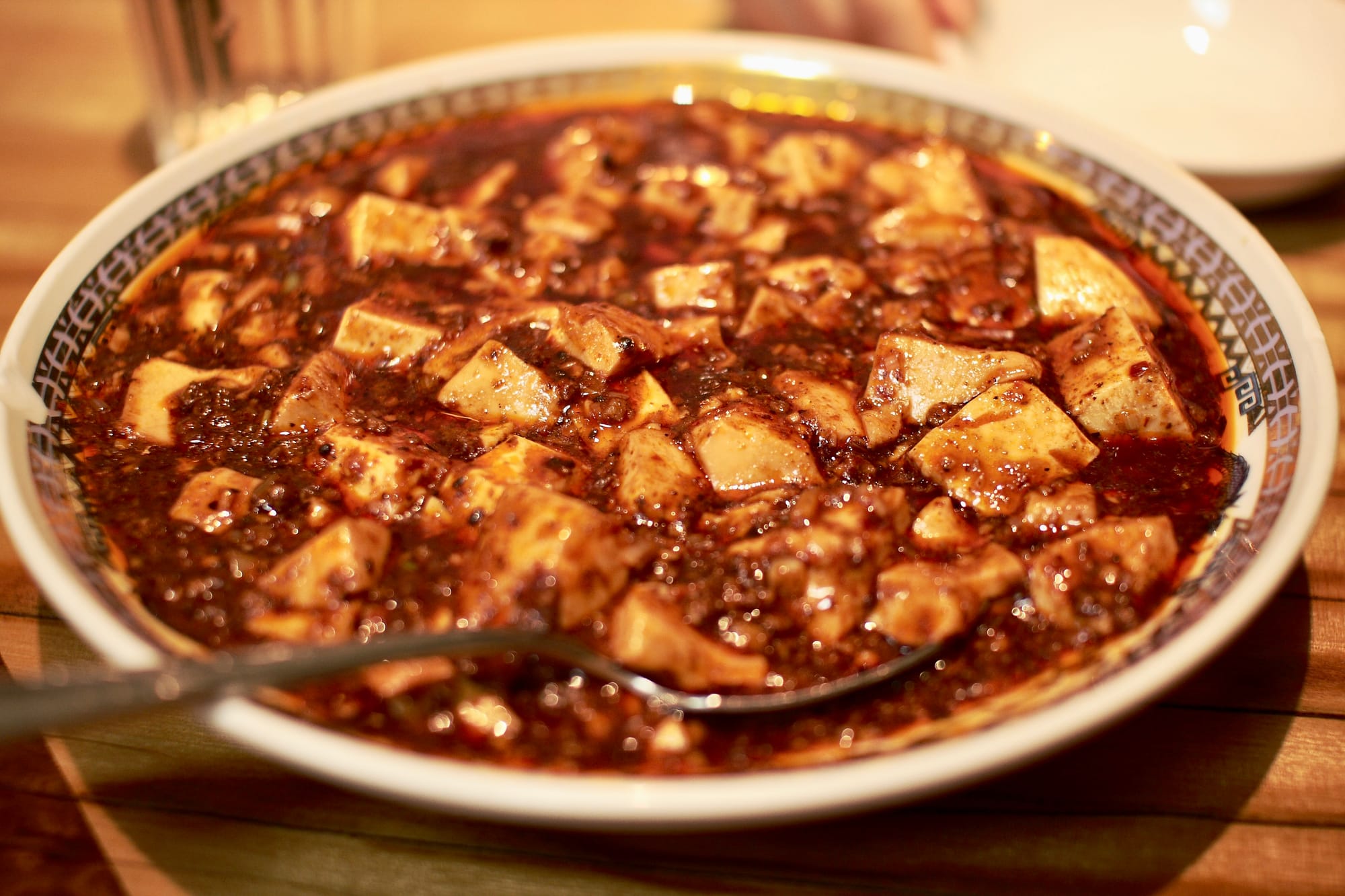
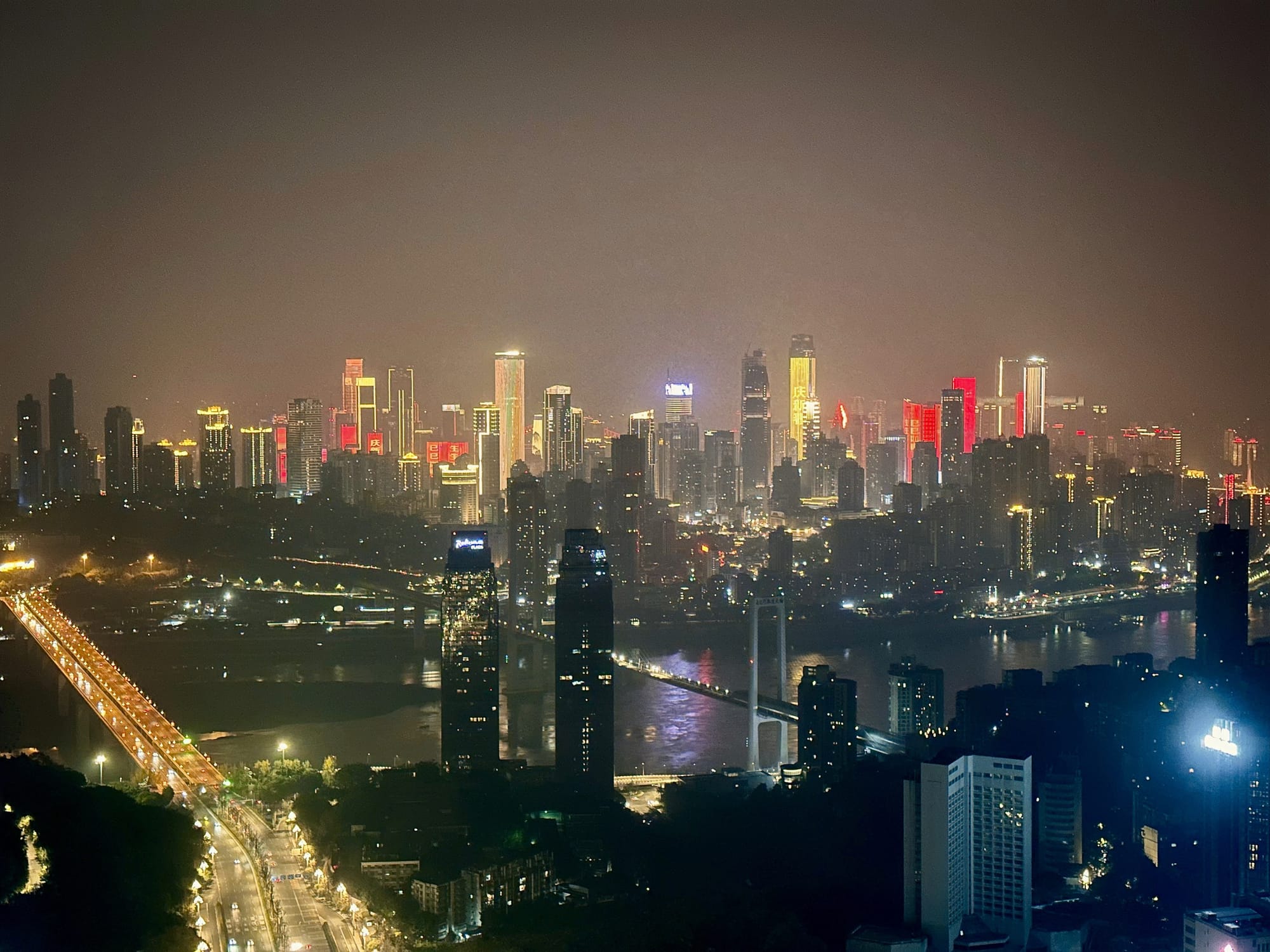
Although now a municipality, Chongqing used to be a part of Sichuan Province, and it is where mala hotpot shows its full personality. The city’s steep hills, heavy humidity, and long foggy days shaped a style of eating that favors strong sensations. A typical Chongqing hotpot hits with ma first. The peppercorns are bright and sharp, especially when green peppercorns are used. It wakes you up before the chili heat arrives. People gather around big red pots filled with beef tallow, dried chilies, whole peppercorn clusters, and layers of spice that build slowly as the night goes on. It is a style of hotpot that feels energetic and a little wild, perfect for a city that stays lively until early the next morning. The numbing spice is not just a flavor. It feels like part of the rhythm of Chongqing life.
Our exclusive fermentation experience purposely selected Luzhou as the primary destination, to give people a wide range of flavors and culture. Luzhou sits close enough to Chongqing that you can taste the influence, yet has its own way of enjoying ma. The city stretches along the river, and the air feels gentle and damp for much of the year. Locals often start their mornings with noodle bowls that lean noticeably toward ma. The peppercorn flavor comes through early, clear and refreshing, but it is usually softer than Chongqing’s version. It shows up again in afternoon dishes, in cold chicken with peppercorn oil or vegetables tossed with fresh green peppercorns. Life by the river has a slow, steady pace, and the numbing spice adds a kind of quiet lift to the day. Luzhou does not chase intensity. It prefers balance, but the love for ma is unmistakable. It blends the boldness of Chongqing with the rounder warmth of Sichuan, and the result feels very natural for a river city.
What makes mala remarkable is not only its flavor, but the way it responds to its environment. Sichuan has a humid climate and long stretches of overcast weather. Mala warms the body and lifts the mood, which is part of why it became so beloved. It also reflects the region’s long tradition of fermentation. Doubanjiang, aged vinegar, chili pastes, and preserved vegetables are often part of the foundation. The shine and depth in a bowl of mala broth are not created in mear minutes. They come from ingredients that have been cared for over months or years.
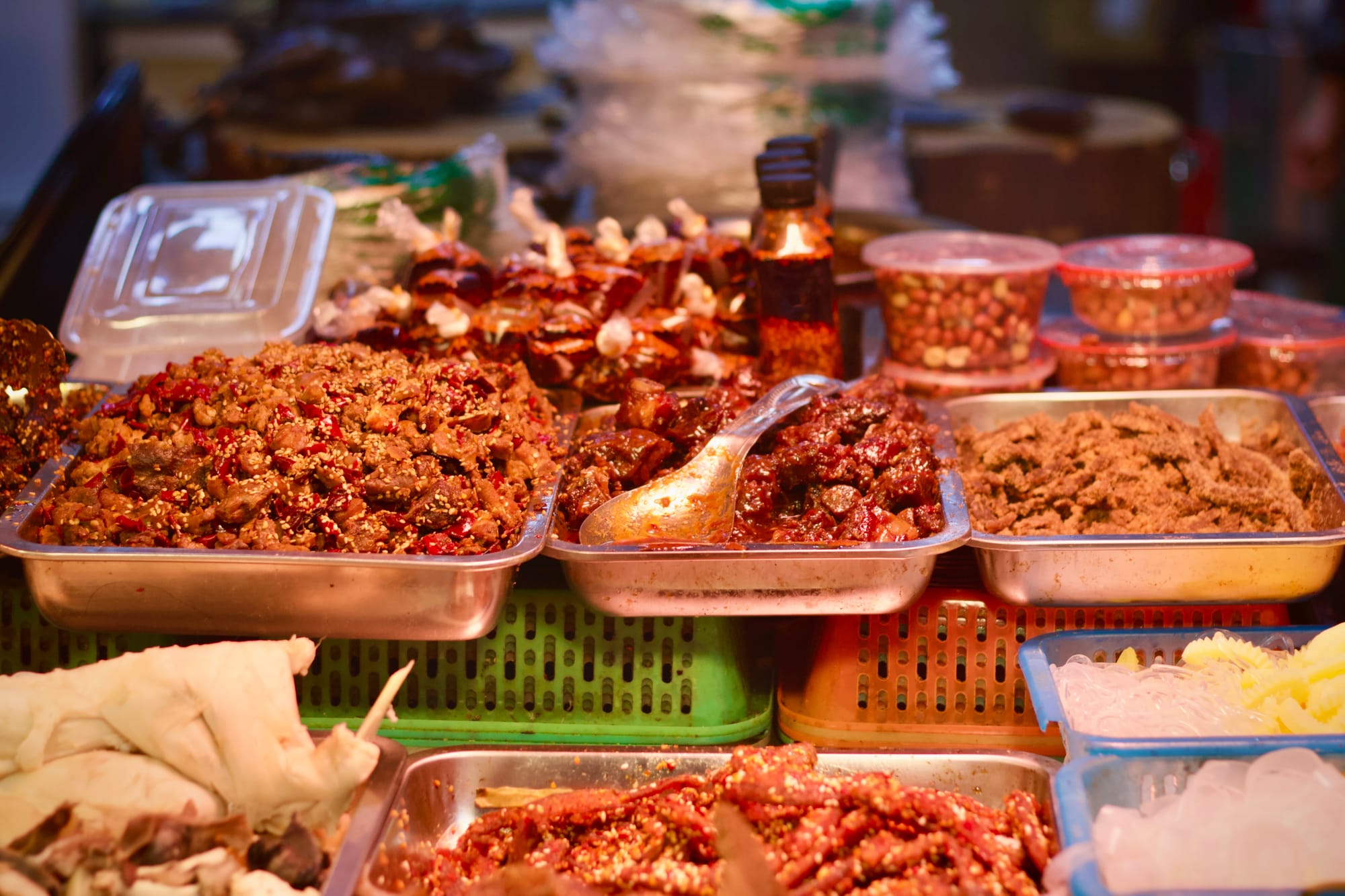
Today mala has taken on a new social meaning. Young people across Southeast Asia gather for late night mala hotpot in Singapore, Jakarta, Kuala Lumpur, and Bangkok, just to name a few. Student groups meet for bowls of mala xiang guo after class. Office workers choose spicy and numbing flavors as a way to release stress and share a moment of warmth together. Mala has become a symbol of energy, community, and a willingness to embrace the bolder side of life. It photographs beautifully, which only feeds its popularity. Red broth rising in steam, peppercorns scattered on glossy noodles, ladles lifting sheets of chili oil. These images travel easily across social media and invite people in.
Mala did not become popular overnight. In China, the flavor moved from riverside stalls to small neighborhood shops, then to chains that brought hotpot into cities across the country. As people travelled more, studied in other provinces, or moved for work, they carried their eating habits with them. Regions that once preferred mild food now have whole streets lined with mala restaurants. Many young Chinese proudly claim they cannot live without spice, even if they grew up in places where chilies were not part of daily life. At the same time, mala has started to catch the attention of people far beyond China. Foreign visitors try it out of curiosity, sometimes cautiously at first, then with growing excitement. The sensation is new for many, but the energy around the table feels familiar. Mala has become something people want to experience, not just taste.
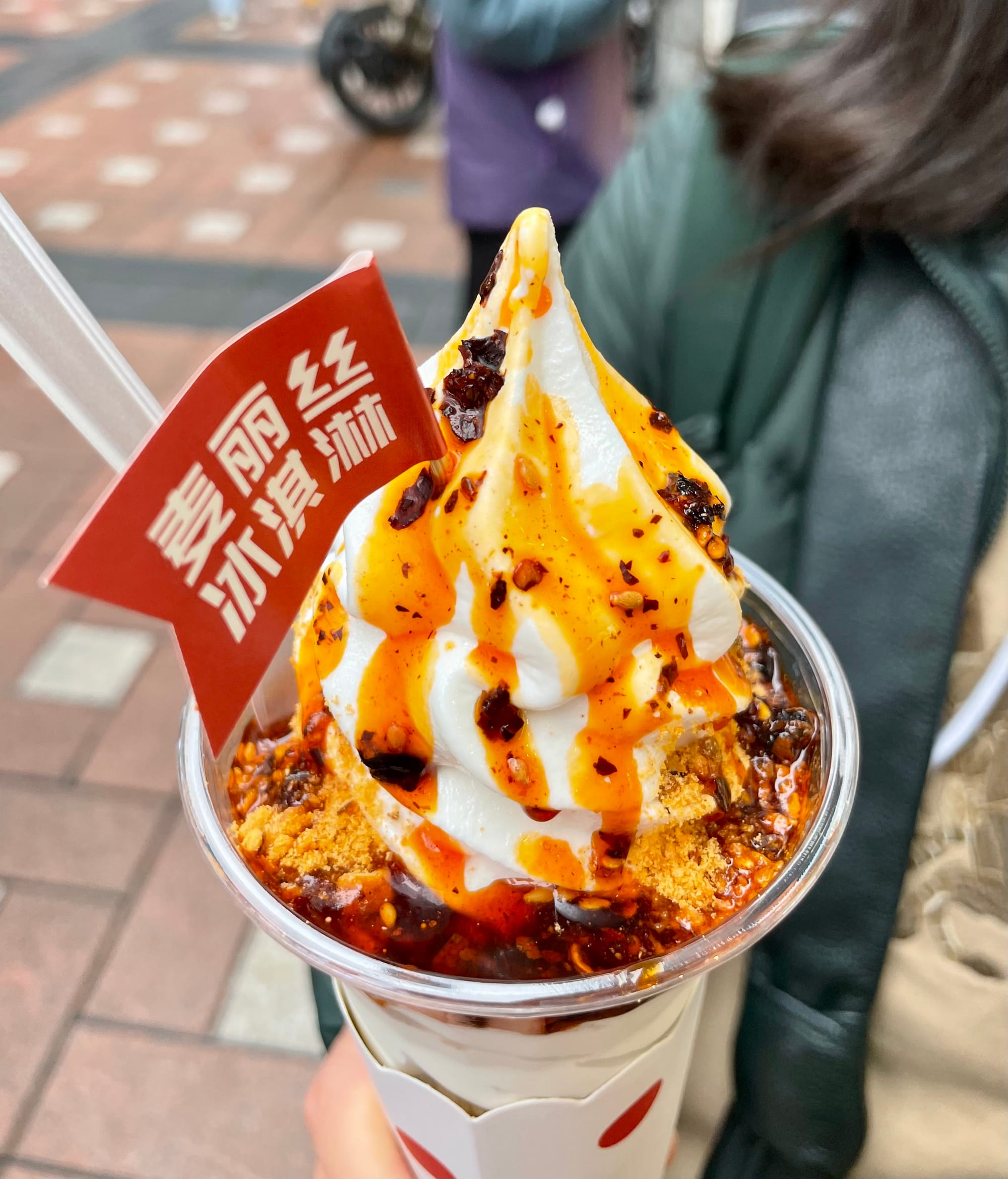
What remains constant is that mala is more than a simply spicy. It is a feeling - a sensation. It is warmth on a cold evening, stimulation on a slow day, and community around a shared pot. It is the confidence of a flavor that knows where it comes from and is not afraid to speak loudly. From dockside beginnings to New York television, mala has carried its history with it, and the world has responded with curiosity and enthusiasm. If you haven’t tried mala, what are you waiting for?

A Tianjin, China native - Chloe has a deep appreciation for all things hotpot. Her appreciation of food and culture runs so deep that after a successful corporate career, she decided to uproot her life in China to attend Le Cordon Bleu Ottawa and Madrid. After working in the culinary industry in Canada, she decided to found Snout & Seek!
No spam, no sharing to third party. Only you and me.

Member discussion