
24 Flavors of Sichuan: Fish-Fragrant
Author: Chloe Wang
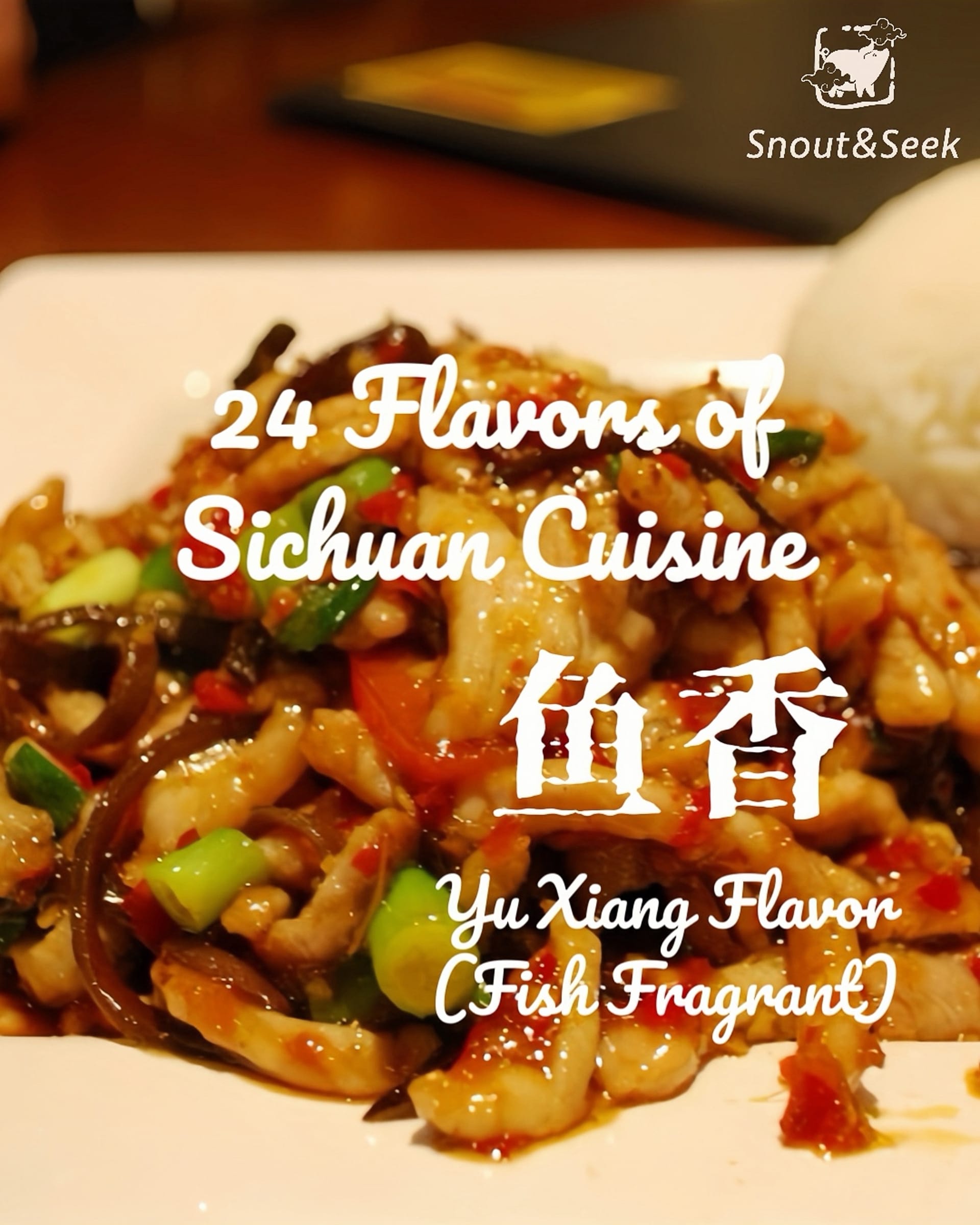
24 Flavors of Sichuan - 鱼香味 (yú xiāng wèi) Fish-fragrant. This is the first article in a 24-part series exploring the 24 unique flavor profiles originating from Sichuan.
The Iconic Flavor with No Fish in Sight
If you have ever tasted a Sichuan dish that felt sweet, sour, spicy, garlicky, and unexpectedly comforting at the same time, you have probably met Fish-fragrant (鱼香味), or Yuxiang flavor.
The interesting part is that there is no fish.
Ever since I was a kid, whenever our family went out to eat, 鱼香肉丝 (yúxiāng ròusī – fish-fragrant shredded pork) was always one of the dishes that adults and children loved the most. The flavor is salty, sweet, sour and lightly spicy, never too strong. When the dish arrives at the table, two things always happen: everyone checks that their rice bowl is full, and every pair of chopsticks immediately reaches toward the pork.
When you scoop the shredded pork and vegetables onto rice it turns a redish-pink color, glistening with the oil and sauce. Every bite is full of flavor and somehow makes you want another bowl of rice.

As a child waiting for it to be served, I wondered why it was called “fish-fragrant” when there was no fish in sight. Many Chinese dishes have names that seem confusing at first, but once the plate is set down in front of you, you are too busy getting the food into your bowl and devouring it to think about where the name came from.
Why It Is Called Fish Fragrant
The name comes from the way Sichuan families used to season fish. Garlic, ginger, scallions, pickled chilies, vinegar, soy sauce, and sugar were used together to remove any fishy smell and create layers of aroma. This combination worked so well that people eventually tried it on other ingredients.
At some point, a home cook tried the sauce on pork. It turned out delicious, and this seasoning style slowly became its own category. Today, fish fragrant flavor refers to a taste profile, not an ingredient.
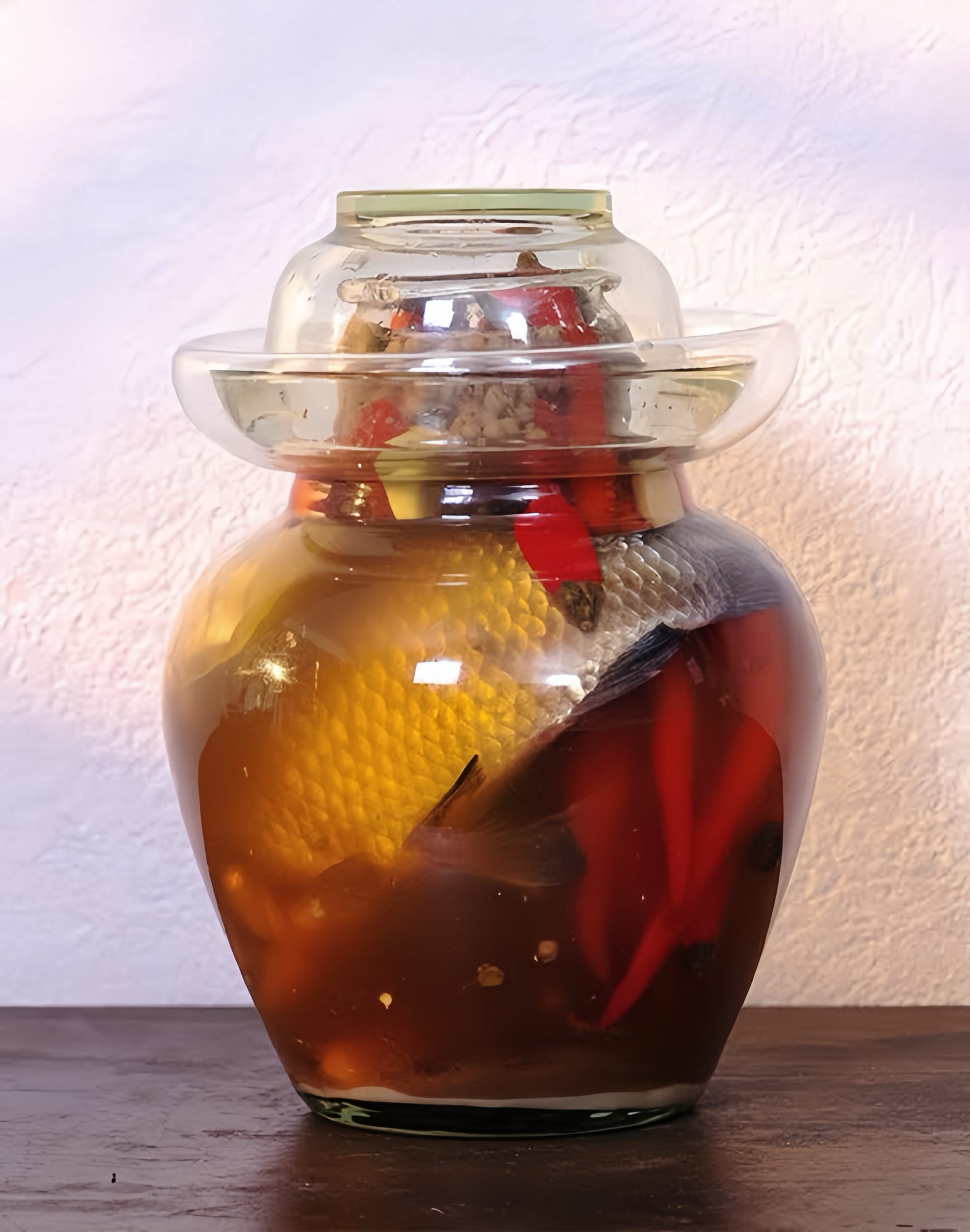
Although there are other practices that some chefs in Sichuan prefer the use of fish in the fermentation to make pickled chili and ginger have fish fragrance, its not commonly used in modern Sichuan cooking.
A Small Story From a Small Kitchen
One of the old stories about Yuxiang begins with a woman who did not want to waste leftovers. She had some seasoning from cooking fish the night before. Instead of throwing it out, she poured it into a new stir fry. When her husband came home, he tasted it and was amazed. She worried the flavor would be strange, but his reaction was the quite positive.
This simple moment in a kitchen became the beginning of a flavor that now defines part of Sichuan cuisine. It makes the story feel human and warm, and that is why people still tell these stories today.
What Yuxiang Tastes Like
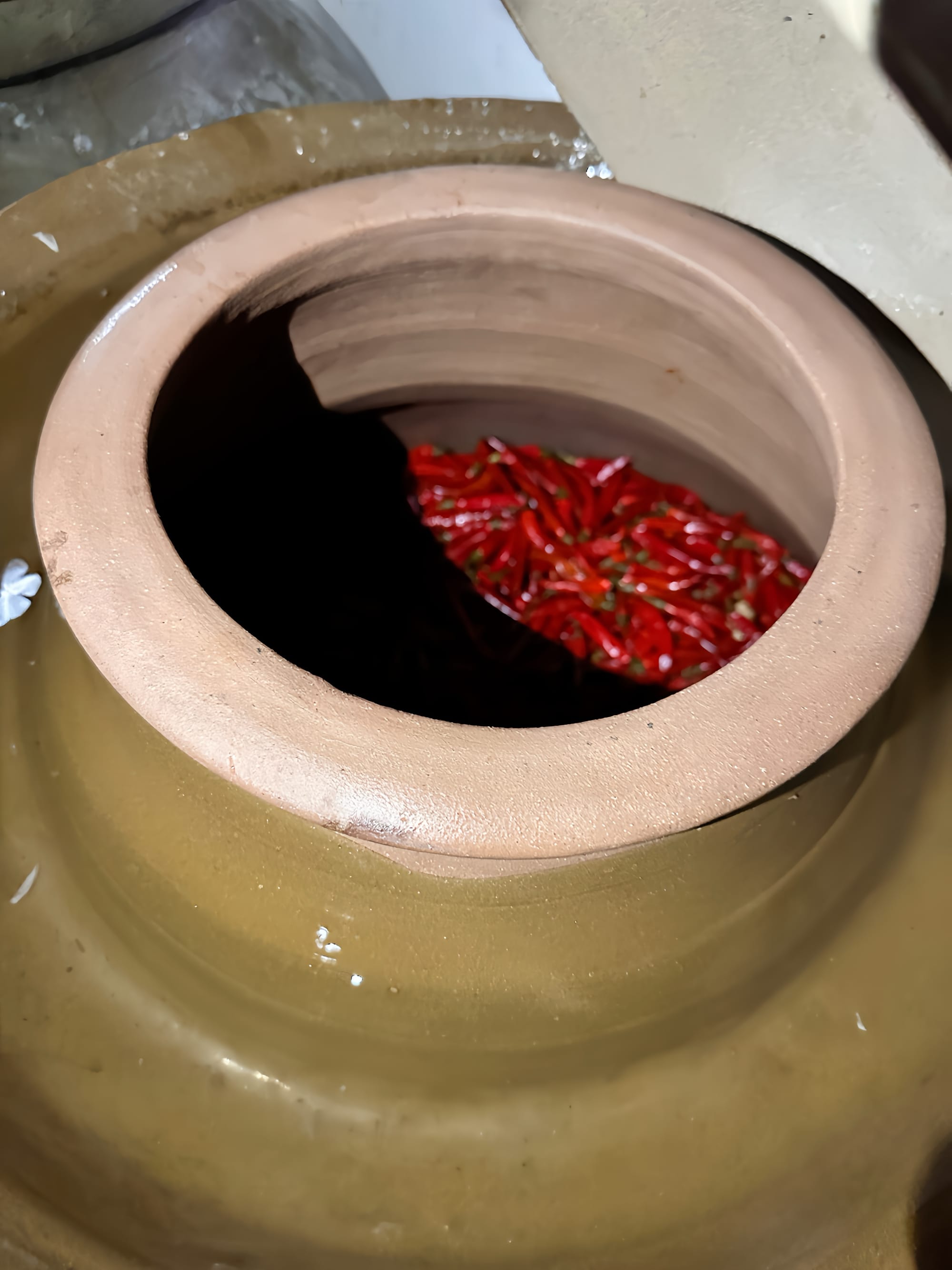
Yuxiang flavor is built on balance. It is sweet, sour, spicy, and aromatic. Nothing is too strong. Everything blends together. The core ingredient is fermented chili paste, called 泡椒 (pào jiāo). Garlic, ginger, and scallions form the foundation. Vinegar brightens the flavor. Sugar softens it. Soy sauce ties everything together.
When you taste it, it feels lively, warm, and full of personality. It is not heavy. It is not sharp. It is a flavor that wraps around the ingredients instead of overwhelming them.
More Than One Dish
The most famous dish is 鱼香肉丝 (yúxiāng ròusī), shredded pork mixed with bamboo shoots, wood ear mushrooms, and that glossy red sauce. But the flavor appears in many other dishes.
For example:
- 鱼香茄子 (yúxiāng qiézi – Fish Fragrant Eggplant with Garlic Sauce), silky eggplant with a deep, soft texture
- 鱼香豆腐 (yúxiāng dòufu – Fish Fragrant Braised Tofu), gentle and comforting
- 鱼香荷包蛋 (yúxiāng hébāodàn - Fish Fragrant Fried Egg with Garlic Sauce ), crispy fried egg coated in the sauce
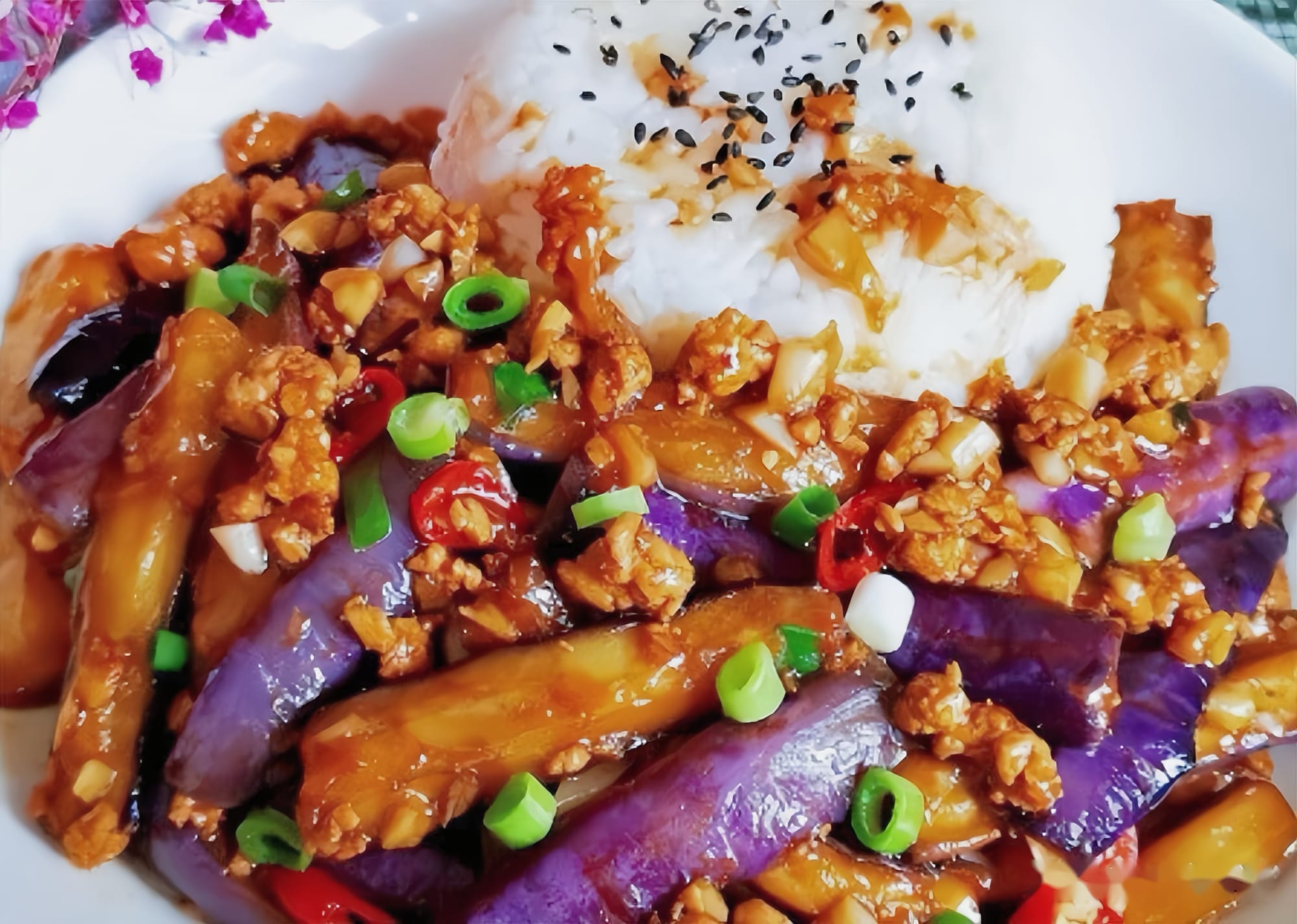
Each version highlights a different side of the flavor.
Fermentation Is The Hidden Strength
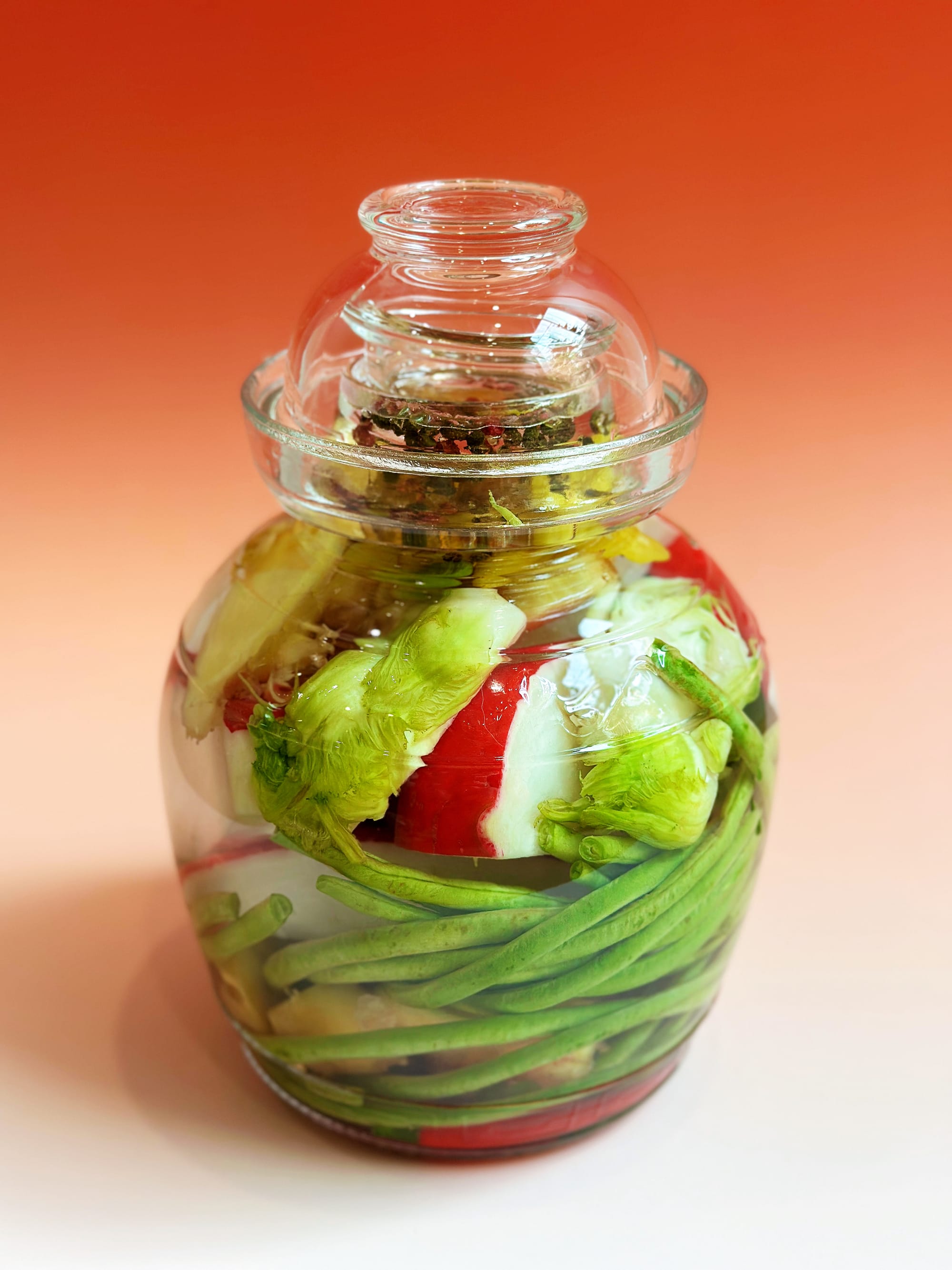
The flavor depends on fermentation. Pickled chilies and minced ginger bring heat that feels rounded and mature. Aged vinegar deepens the sour notes. These ingredients give the sauce a steady, layered feeling. This is why yuxiang is more than a simple sweet and sour flavor profile. It has depth and history.
Why This Flavor Stands Out
Yuxiang is one of the flavors I always revisit when I want to feel grounded. It represents creativity, intuition, and the beauty of everyday cooking. It is a reminder that good food often comes from simple ideas, patience, and a little courage to try something new.
It also tastes amazing with a warm bowl of rice.
For many people outside China, the name “fish-fragrant” can be surprising. But in Chinese cuisine, names often carry memory rather than literal meaning. They remind us of the kitchens that came before us, the techniques passed from one generation to the next, and the small creative accidents that became part of a region’s identity.
Yuxiang is one of those flavors. It is Sichuan’s warmth in a single spoonful, shaped by fermentation, history and home cooking. If you are new to these flavors, start with yuxiang. Let the sweetness, the sourness, the heat and the aroma tell their story. Let it show you how a simple flavor can travel through time and become something beloved across a whole region.

A Tianjin, China native - Chloe has a deep appreciation for all things hotpot. Her appreciation of food and culture runs so deep that after a successful corporate career, she decided to uproot her life in China to attend Le Cordon Bleu Ottawa and Madrid. After working in the culinary industry in Canada, she decided to found Snout & Seek!
No spam, no sharing to third party. Only you and me.

Member discussion